

Blog

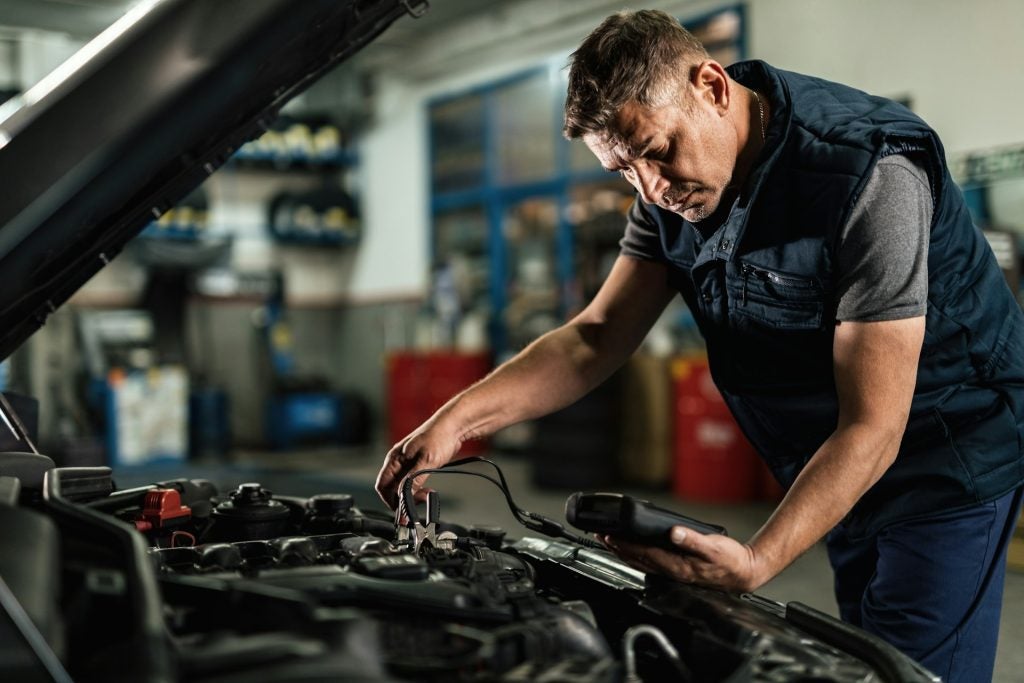
How to Handle Hyundai Battery Replacements in Suffolk County

Keeping your Hyundai running smoothly involves more than just routine oil changes and tire checks. The battery is a crucial component that powers your Hyundai through all your journeys. It's responsible for starting the engine, powering lights, and running all the electronic devices that make driving a breeze. But like all car parts, batteries have a lifespan. Regular checks and timely replacements ensure you won’t be left stranded, especially in a place like Suffolk County where local driving demands can be unique due to varying conditions and distances.

In Suffolk County, being proactive about battery replacement is particularly important. The area’s weather and driving conditions can take a toll on car batteries, leading to unexpected shutdowns if not monitored closely. Understanding when to replace your Hyundai battery and knowing what to look for can keep your vehicle healthy and operational. Let's dive into the key signs of when your battery may need replacing and what to consider when choosing a new battery.

Signs Your Hyundai Battery Needs Replacement

An unreliable car battery can derail even the brightest days. Recognizing the early signs of battery wear can save you from inconvenient interruptions. Here are some common symptoms that might indicate your Hyundai battery is nearing the end of its life:

  • Slow Engine Crank: If your engine takes longer than usual to start, it's a key sign that your battery might be struggling. This slow cranking often suggests a lack of power reaching the engine.
  • Dim Lights and Electrical Issues: Notice your headlights are less bright than usual or your electric windows are slow? These are often early indications of a weakening battery.
  • Battery Age: Batteries typically last between three to five years. If yours is within this range, it’s wise to get it checked, even if it's currently functioning well.
  • Check Engine Light: Sometimes, the check engine light may light up due to battery issues. It's a cue to investigate further.

If you spot any of these signs, don’t delay in testing your battery. A quick check can prevent you from being caught off guard, ensuring your Hyundai continues to operate smoothly.

Choosing the Right Battery for Your Hyundai

Once it's clear that your battery needs replacement, selecting the right one is the next step. A few factors can guide your decision:

  • Compatibility: Always choose a battery that matches your Hyundai’s specifications. The wrong size or type can lead to efficiency issues or even damage.
  • Cold Cranking Amps (CCA): This measurement indicates the battery’s ability to start your vehicle in cold temperatures, a crucial consideration in areas with chilly conditions.
  • Reserve Capacity (RC): This term refers to how long the battery can run your car if the alternator fails. A higher RC means more backup time.

Opting for genuine Hyundai parts is often the best route. They are designed specifically for your vehicle, offering better performance and longevity compared to aftermarket options. Choosing the right battery ensures your Hyundai runs at its best, giving you peace of mind on every trip.

The Battery Replacement Process

Once you've determined that your Hyundai needs a new battery, understanding the replacement process can give you peace of mind. Replacing a battery involves several key steps to ensure your car continues to run smoothly:

1. Assessment: The process begins with a thorough inspection to confirm that the battery is indeed the issue. This helps prevent unnecessary replacements.
2. Battery Removal: The old battery is carefully disconnected and removed, ensuring no components are damaged in the process.
3. Cleaning Terminals: Before the new battery goes in, the battery terminals are cleaned to ensure a good connection and longer battery life.
4. Installing the New Battery: A new, compatible battery is installed. It's securely fitted to prevent any movement while driving.
5. Testing: Once installed, the battery and charging system are tested to confirm everything is functioning properly.

It’s wise to have a trained technician handle this job. Their expertise ensures the battery is installed correctly and safely. Additionally, professional services often come with guarantees, adding an extra layer of assurance.

Benefits of Professional Battery Replacement Services

Deciding to use professional services offers numerous advantages that can benefit both your vehicle and your peace of mind. Here are some reasons why:

  • Expertise and Experience: Trained technicians understand the intricacies of vehicle systems. Their experience means they are less likely to overlook important details during installation.
  • Time Efficiency: Professional services can make quick work of a replacement, getting you back on the road faster than if you tried doing it yourself.
  • Quality Assurance: Using certified services often ensures you get genuine parts and a guarantee on services performed, reducing future hassles.

Ensuring a Long Battery Life

Maintaining your Hyundai’s battery doesn’t end with replacement. Implementing some basic practices can prolong the life of your new battery, saving you time and money in the long run.

  • Regular Check-Ups: Routine maintenance helps spot potential issues before they escalate. Consider having your battery tested during regular service appointments.
  • Cleaning Terminals: Dirt and corrosion can degrade battery performance. Keeping the terminals clean helps maintain a good connection.
  • Mindful Use of Electronics: Avoid using electronics like headlights and radio when the engine is off for extended periods.

Taking these steps can ensure that your new battery serves you well for its full lifespan, keeping your Hyundai reliable and ready for your next journey.

Keep Your Hyundai Running Smoothly All Year Round

Battery maintenance is just one aspect of keeping your Hyundai performing at its best. By addressing battery issues promptly, you not only avoid interruptions but also extend the overall life of your vehicle. Consistent care and timely replacements reduce the risk of breakdowns and keep you safe on the road.

Whether it's harsh winters or warm summers in Suffolk County, your car's battery plays a crucial role in vehicle reliability. Regular attention to your battery ensures that your Hyundai continues to power through all weather conditions without a hitch. Prioritize peace of mind by planning your next battery check, especially if your battery is reaching its golden years.

Ensure your Hyundai remains reliable through every season with expert care at Riverhead Hyundai. Don't let battery issues catch you off guard—schedule your Hyundai battery replacement in Suffolk County with us today for professional service and peace of mind. Our skilled technicians are ready to help keep your vehicle in top condition, so you can enjoy every drive without worry.

Recommended Posts

Hyundai Roadside Assistance

When Hyundai Roadside Assistance Helps Suffolk County Drivers

Unexpected car trouble can interrupt a work commute, a school drop-off, or a weekend drive. Hyundai roadside assistance in Suffolk County can give eligible owners a clearer plan when a vehicle issue makes it unsafe or impossible to keep driving. more Whether you are on the Long Island Expressway, parked far from home, or heading out for a beach day, it helps to know what support may be available and what to do first. Drive with More Confidence Across Suffolk County A dead battery, flat tire, or no-start issue rarely happens at a convenient time. We know that drivers need dependable transportation for daily errands, family responsibilities, and trips across Long Island. Roadside assistance can offer added reassurance when an unexpected problem leaves you stranded. Hyundai roadside assistance is intended to help eligible owners respond to certain roadside situations. Coverage details can differ based on the vehicle, model year, and ownership status, so we recommend reviewing your owner’s manual, MyHyundai account, or current Hyundai coverage information before you need help. Keeping roadside support details saved on your phone can make a stressful moment feel more manageable. It also helps to know where to find your vehicle identification number, or VIN, before an emergency occurs. When Roadside Assistance Matters Most Some vehicle problems need attention right away, especially when you cannot continue safely. Hyundai roadside assistance in Suffolk County may be helpful when a battery dies in a shopping center parking lot, a tire goes flat before work, or your vehicle will not start in your driveway. September can bring its own set of driving challenges. Late-summer trips, back-to-school routines, changing weather, and heavier traffic around popular destinations can all put more demands on your vehicle. A minor concern that seemed easy to ignore can become a larger inconvenience when you are on a tight schedule. Roadside coverage is not the same for every Hyundai owner. Available services, limits, response areas, and coverage periods may apply, which is why it is smart to confirm your current eligibility ahead of time rather than assuming every situation is covered. Know Which Common Emergencies May Qualify Depending on your Hyundai’s coverage, roadside assistance may help with common emergencies that prevent you from moving forward safely. These services can include: Jump-start assistance for a discharged battery Help with a flat tire Lockout support if keys are inaccessible Towing when a vehicle cannot be driven Limited fuel delivery when you run out of fuel Service availability and limitations may apply. When requesting help, give the roadside team a clear description of what happened. Accurate details can help them send the appropriate support and reduce confusion when they arrive. Be ready to share your exact location, the vehicle model, license plate number, and nearby landmarks. If you are in a large parking lot, note the store name, entrance, or section where your vehicle is parked. On a highway, pay attention to exit numbers, mile markers, and the direction of travel when it is safe to do so. Roadside assistance is meant for immediate problems, not routine upkeep. Worn tires, an aging battery, overdue oil changes, and warning lights usually need professional inspection and repair. Addressing those concerns early can help prevent an avoidable roadside interruption. Prepare for September Storms and Travel Early fall weather can bring heavy rain and coastal conditions, while Labor Day and fall weekend travel may mean busier roads. Before a longer drive, we recommend having your Hyundai inspected if you have noticed slow starts, uneven tire wear, weak wipers, dim lights, or dashboard warnings. A few simple supplies can also make a roadside delay safer and less stressful: A charged phone and vehicle charger A flashlight and basic first-aid supplies Drinking water for passengers Current roadside assistance information A list of important vehicle details, including the VIN if available If a problem happens while driving, focus first on safety. Pull into a secure area when possible, turn on your hazard lights, and stay aware of moving traffic. Avoid attempting repairs near active lanes, especially in rain, darkness, or high-speed traffic. Get Help Fast When a Breakdown Happens A calm response can make a difficult situation easier to manage. Start by moving to a safe location if your vehicle can be driven without creating further risk. If there is an accident, injury, fire, or dangerous traffic situation, emergency services should be your first contact. Once you are safe, gather the information the roadside provider may need: your Hyundai model, license plate number, VIN if available, exact location, nearby landmarks, and a simple description of the issue. Mention whether the vehicle is blocked in, has a flat tire, will not start, or needs towing. After the immediate roadside problem is resolved, we can be a helpful resource for follow-up needs. Our team at Riverhead Hyundai can assist with service needs, genuine Hyundai parts, maintenance, and repairs that may be needed after a breakdown. Keep Your Hyundai Ready for Every Mile Roadside assistance offers helpful backup, but regular care remains one of the best ways to reduce surprise vehicle trouble. Oil changes, tire care, brake inspections, battery checks, and attention to warning lights can help uncover concerns before they interrupt your plans. Before your next commute or trip, review your roadside assistance information, save the appropriate support details, and make sure your vehicle is ready for changing conditions. Being prepared gives you more confidence when the road does not go exactly as planned. Reliable Support When You Need It Most At Riverhead Hyundai, we’re here to help you stay connected to dependable care beyond routine maintenance. Learn more about Hyundai roadside assistance in Suffolk County and the support available when an unexpected situation arises. If you have questions about your coverage or service needs, contact us and our team will be glad to assist.

Hyundai Service

Why Hyundai-Certified Technicians Matter for Long Island Repairs

Why Hyundai-Focused Service Matters for Long Island Repairs Hyundai vehicles are built with model-specific systems, software, and service needs. When something feels off, the right repair starts with a team that understands how your vehicle is designed to work. more At Riverhead Hyundai, we know that Long Island driving can be hard on a vehicle. Stop-and-go traffic, rough roads, coastal moisture, heavy rain, and changing temperatures can all affect parts and systems over time. Hyundai-focused care can help look beyond the obvious and focus on the needs of your particular model. Hyundai-Focused Knowledge Supports Accurate Diagnostics A warning light, strange sound, or rough ride does not always point to one simple problem. Technicians familiar with Hyundai vehicles can recognize concerns tied to Hyundai engines, transmissions, brakes, steering systems, electrical components, and safety features. Rather than guessing at the cause, a service team can follow diagnostic procedures appropriate for the vehicle in front of them. That matters because a similar symptom can have different causes depending on the model, age, mileage, and equipment level. A noise during turns may involve steering or suspension parts. A warning light may relate to a sensor, battery condition, or a system that needs further testing. Accurate diagnostics can help you avoid replacing parts that are not causing the issue. It can also reduce repeat visits by addressing the source of a concern instead of only the symptom. During a service visit, technicians may evaluate areas such as: Engine performance and starting concerns Transmission response and drivability Brake wear, steering feel, and suspension noises Electrical systems, warning lights, and connected features Driver-assistance components that need proper inspection By understanding Hyundai-specific maintenance schedules and repair procedures, a service team can also explain why a recommended service applies to your vehicle. That gives you a clearer picture of what your Hyundai needs now and what may need attention later. Appropriate Equipment Supports Hyundai Repairs Today’s Hyundai vehicles can include far more than an engine and a set of brakes. Touchscreen displays, backup cameras, parking sensors, blind-spot monitoring, smart cruise control, and battery systems all depend on electronic communication between different parts of the vehicle. Technicians may use diagnostic equipment, repair information, and software updates appropriate for Hyundai vehicles. These resources can help them communicate with vehicle systems, review diagnostic information, and follow the correct process when an issue is found. Proper equipment is especially helpful when a concern involves technology that may not be visible during a quick visual inspection. For example, a camera issue could involve the camera itself, wiring, software, or a related control module. A driver-assistance alert may need careful testing before any repair decision is made. Service tools can help technicians: Read vehicle system information more accurately Check for applicable software updates Test sensors and electronic components correctly Confirm that related systems work together after a repair General repair equipment can be useful for many vehicles, but some Hyundai concerns call for Hyundai-specific information and procedures. Using the right tools helps technicians make repair recommendations based on what your vehicle is telling them, not assumptions. Genuine Parts Preserve Performance and Coverage Parts are not one-size-fits-all. Hyundai Genuine Parts are designed for specific Hyundai models and are made to work with the vehicle’s mechanical, electrical, and safety systems. That fit can matter when replacing something as simple as a wiper blade or as involved as a sensor or brake component. When we inspect your Hyundai, we consider how replacement parts will work with the systems already in place. This is particularly helpful for modern vehicles with sensors, cameras, electronics, and driver-assistance features that may depend on compatible components. Genuine parts may be recommended for common needs such as: Brake components and filters Batteries and replacement lights Wiper blades for changing weather Tires and related service needs Sensors connected to safety or convenience features The right part supports proper fit and intended operation, but every service situation is different. Warranty coverage and repair eligibility can depend on the vehicle, the part involved, and the type of service needed. Our service team can help you understand the details that apply to your Hyundai before work begins. Prepare for Long Island Fall and Winter Driving Early fall is a smart time to think about the road conditions ahead. Heavy rain, coastal moisture, early frost, shorter daylight hours, and winter weather can put extra strain on your vehicle. A small concern that seems manageable in mild weather may become more noticeable when roads are wet, visibility is lower, or temperatures drop. Seasonal maintenance is about helping your Hyundai stay ready for daily trips, longer drives, and busy travel periods. We can inspect the systems that play a big role in safe, reliable driving before colder weather arrives. A fall service visit may include attention to: Brake condition and tire wear Battery testing and charging performance Wiper blades, exterior lights, and fluid levels Heating and defrosting performance Steering and suspension concerns after pothole season A technician familiar with Hyundai vehicles can help build a maintenance plan around your vehicle’s age, mileage, driving habits, and upcoming seasonal needs. Whether you drive mostly in traffic, take frequent highway trips, or use your Hyundai for family errands, the goal is the same: catch concerns early and keep your vehicle prepared for changing conditions. Trusted Hyundai Care Starts with the Right Information Routine maintenance, diagnostics, recalls, repairs, and seasonal inspections all benefit from service tailored to Hyundai systems and manufacturer recommendations. When you understand what service professionals familiar with Hyundai vehicles look for, it is easier to make informed decisions about your vehicle’s care. Before fall weather and holiday travel pick up, pay attention to warning lights, unusual noises, braking changes, battery concerns, and worn tires or wipers. Addressing those signs with Hyundai-focused service can help you head into the season with greater confidence. Keep Your Hyundai Ready for the Road Ahead At Riverhead Hyundai, our service team is here to provide precise maintenance and repairs tailored to your vehicle. Schedule an appointment with Hyundai certified technicians in Long Island who understand your Hyundai’s needs. If you have questions about service recommendations or scheduling, contact us and our team will be glad to help.

Hyundai

How to Prepare Your Hyundai Finance Application in Suffolk County

Preparing your paperwork before you shop can make financing feel clearer, faster, and far less stressful. A Hyundai finance application in Suffolk County helps us understand your situation, review possible payment options, and help you focus on vehicles that fit your daily life and budget. more Before you arrive, it helps to have your identification, income information, address details, insurance information, trade-in records, and a down payment goal in mind. Early fall is also a sensible time to plan ahead for school schedules, longer commutes, weekend trips, and changing Long Island weather. Start with a Confident Finance Plan A finance application is not just another form to complete. It gives you a starting point for a useful conversation about monthly payments, loan terms, and the type of vehicle that makes sense for you. Whether you are considering a new Hyundai, a used vehicle, or a Hyundai Certified Pre-Owned model, preparation lets us spend more time discussing choices and less time tracking down paperwork. It is helpful to think through a few basics before your visit: The monthly payment range that feels comfortable The amount you may want to put down Whether you have a vehicle to trade in The kind of vehicle that fits your commute, passengers, and cargo needs Your preferred timing for purchasing You do not need every answer set in stone. Still, having a general plan helps you ask better questions and compare your options with more confidence. We can help you review how different vehicles, loan lengths, and down payment amounts may affect the overall picture. Gather Documents Before Your Dealership Visit Most finance reviews begin with a few common documents. Bringing them with you may prevent delays and help us verify the information on your application. Requirements can vary based on lender guidelines and your personal situation, so it is always smart to bring any records that support your application. In many cases, you should have: A valid driver’s license Proof of your current address Recent pay stubs or other proof of income Current insurance information Any information related to a co-applicant, if applicable Trading in your current vehicle? A little preparation can make the appraisal process smoother. If you own the vehicle outright, bring the title when available. If you are still making payments, bring your lender’s payoff details. Your registration, service records, and all available keys can also be helpful when we review your used car trade-in value. Income does not look the same for everyone. Self-employed shoppers, retirees, and people who earn commission income may need different records than a traditional pay stub. Recent bank statements, tax documents, benefit statements, or other proof of steady income can help show the full picture. Review Your Budget and Credit Picture Your vehicle payment matters, but it is only one part of owning a car. Before completing a Hyundai finance application in Suffolk County, we recommend setting a realistic transportation budget that includes insurance, fuel, routine maintenance, registration, and any accessories you may want. A lower monthly payment can be appealing, yet it is important to consider the loan term and the total amount financed, too. A longer term may change the monthly figure while also affecting how long you will be making payments. Taking a moment to review the full plan can help you choose terms that feel manageable over time. Checking your credit report before you apply can also be useful. Look for inaccurate personal information, accounts you do not recognize, or errors in your payment history. It is also wise to understand your current debt obligations and avoid major credit changes right before applying, when possible. If you are exploring used car financing with bad credit, do not assume you have no options. Honest, current information gives us a better foundation for reviewing available paths. A down payment or positive trade-in equity may reduce the amount you finance. If your trade-in has an existing loan balance, we can help you look closely at the payoff amount and how it fits into your purchase plan. Complete Your Finance Application When you complete a Hyundai finance application in Suffolk County, you can expect to provide basic contact information along with employment, income, housing, and vehicle details. You may not have selected one exact vehicle yet, and that is okay. The application helps begin the review, while the vehicle decision can continue as you compare options. Accuracy matters at every step. Make sure your address, employment status, income amount, housing payment, and contact information are current. Small errors can lead to follow-up questions or requests for more documentation, which can slow the process down. Once we review financing options, we can talk through the details in plain language. That may include the length of the loan, estimated monthly payments, down payment choices, and how a particular vehicle fits your goals. You are not required to make every decision the moment an application is submitted. Instead, think of the application as a tool that helps you make an informed choice. Compare Terms, Value, and Fall Driving Needs When reviewing financing, look beyond one number. A payment that fits your monthly budget is important, but so are the annual percentage rate, loan term, total amount financed, and total cost over the life of the loan. Comparing each of these details helps you see how one offer differs from another. Vehicle value deserves the same attention. New Hyundai models, used cars in Riverhead, and Hyundai Certified Pre-Owned vehicles can each make sense for different needs. Consider mileage, features, warranty coverage, expected ownership needs, and how long you plan to keep the vehicle. For example, your shortlist may include: A used Hyundai Tucson for flexible passenger and cargo space A used Hyundai Santa Fe for family-focused needs A used Hyundai Kona for a smaller, practical SUV option A used Hyundai Elantra for daily commuting A used Hyundai Palisade for more room for people and gear As fall weather approaches, think about how you drive, not just where you drive. Available all-wheel drive, driver-assist features, fuel economy, and cargo room can all matter for school activities, work commutes, and weekend travel across Long Island. Bring Preparation to the Conversation Arriving with your documents, budget expectations, credit awareness, and trade-in details can make the financing process feel much more organized. We welcome Riverhead and Suffolk County drivers who want to compare new Hyundai vehicles, used options, and Hyundai Certified Pre-Owned choices while discussing payment possibilities. The best preparation is simple: bring accurate information, ask about every part of the loan, and give yourself time to compare the vehicle and terms that suit your life. A clear plan can help you move forward with greater comfort and fewer surprises. Take the Next Step With Confidence When you are ready to consider financing options, Riverhead Hyundai is here to help make the process straightforward. Complete a Hyundai finance application in Suffolk County to share your information and begin exploring available options. Our team can help answer questions along the way and keep your next steps clear.