

Blog

Tips on Managing Hyundai Oil Leaks

Managing oil leaks in your Hyundai isn't just about keeping your garage floor clean; it's about ensuring your vehicle's longevity and reliability. Oil leaks, if left unchecked, can lead to bigger issues that might cost a lot to fix. Recognizing the signs of an oil leak early can help you avoid severe damage to your engine, which is vital for a smooth ride on Long Island roads. Noticing some telltale signs, like unfamiliar spots on your driveway or hints of burnt oil smell, could mean it's time to take action.

Being able to spot an oil leak before it turns into serious trouble can save you both money and heartache. Splotches of oil are usually the most obvious sign that something might be wrong, but other indicators include decreased oil levels and unusual engine noises. Reacting quickly to these early warnings ensures that you can address problems before they lead to more extensive repairs.

Identifying the Source of the Leak

Figuring out where the oil is coming from is your next step once you notice a leak. There are common places to check that can help you pinpoint the source more easily. Begin by peeking under your car to see if there are any oil spots on the ground. This is often the first indicator something's amiss.

Next, take a look at the oil filter and drain plug. These are prime suspects for leaks, especially after an oil change if they weren’t tightened properly. Here’s a quick checklist to consider:

  • Look under the car for fresh oil spots or stains.
  • Inspect the oil filter to see if it's loose or damaged.
  • Check the drain plug on the oil pan for any signs of leakage.
  • Examine the area around the valve covers.

Lastly, don't forget about the less obvious areas like the timing cover or the engine seals. These components can wear out over time, especially the seals, and might cause leaks if not addressed. If you notice oil around these areas, it’s best to consult with a professional, as these repairs can be more complex.

Common Causes of Oil Leaks

There are several reasons why your Hyundai might develop an oil leak. Understanding these can help you take preventive measures or quickly address the issue. One of the usual suspects is a worn-out oil filter gasket. These gaskets can become fatigued over time, especially if they're not replaced regularly during an oil change.

Another potential culprit is the oil pan gasket. This component, which seals the oil pan to the bottom of your engine, can degrade and become less effective, leading to leaks. Also, it's worth checking the valve cover gasket. This gasket seals the top of the engine and keeps oil from seeping out. If it becomes brittle, oil can start to leak. Lastly, older vehicles might suffer from deteriorated engine seals. These seals play an essential role in keeping oil where it needs to be but can wear out due to age and heat exposure.

As you see, keeping an eye on these parts and ensuring they are in good condition can make a big difference in preventing leaks and keeping your Hyundai running smoothly. Regular maintenance is key, so don’t hesitate to contact a trusted professional if you suspect an issue.

Steps to Take When You Notice an Oil Leak

If you spot an oil leak, act quickly to prevent further damage. Start by finding a safe place to park your Hyundai and assess the leak's severity. If the leak is small, you might be tempted to keep driving, but that's not a good idea. Driving long distances with even a minor oil leak can worsen the problem, leading to more costly repairs and potential damage to your engine.

Here's what you can do:

  • Stop driving and assess the situation.
  • Avoid long trips until you fix the leak.
  • Reach out to a professional to evaluate and fix the leak.

It's also wise to arrange for an oil change, using this as an opportunity to conduct a broader check of your vehicle. In Long Island, regular maintenance, including oil changes, helps keep your car running smoothly and ensures that leaks don’t turn into major problems.

Preventative Measures to Avoid Oil Leaks

To keep leaks at bay, routine maintenance is your best line of defense. One key practice is regularly checking and changing your oil. Clean oil not only lubricates parts effectively but also tends to highlight leaks more readily. Ensuring the oil filter is installed correctly can also prevent leaks. A misaligned or loose filter can easily let oil spill out.

Consider these preventative steps:

  • Keep on top of your oil changes.
  • Make sure the oil filter is securely in place.
  • Invest in high-quality gaskets and seals.
  • Stick to the recommended maintenance schedule.

Following these measures ensures your vehicle remains in peak condition, giving you peace of mind on the roads. Regular attention to these elements not only shields your car from potential leaks but prolongs its lifespan, all while helping you sidestep costly repairs.

Keeping Your Hyundai in Top Shape

Routine inspections and oil changes are crucial in maintaining your Hyundai’s performance on Long Island roads. Doing this lets you catch little problems before they balloon into big, costly issues. Think of it as a tiny effort now that saves a mountain of hassle later. Besides, having a professional look over your vehicle means they can spot things you might miss and offer practical solutions you might not consider.

Unlike trying to fix things on your own, professional service offers the expertise your Hyundai deserves. They know what to look for and how best to address it. By relying on experts, you're choosing peace of mind and the assurance of quality care.

Professional Help and Resources

When it comes to tackling vehicle maintenance, trusting professionals can make a big difference in your car’s health. Whether it's fixing leaks or carrying out oil changes, professionals have the skills and tools necessary to manage care efficiently. Choosing expert assistance means opting for effective solutions tailored to your needs, ultimately keeping your Hyundai in great shape.

Seeking professional services also ensures that your vehicle’s complex systems are handled with precision, minimizing mishaps. With their experience, professionals can handle everything from minor tweaks to major repairs, ensuring your safety and comfort on the roads.

In essence, proactive management of oil leaks and regular maintenance play critical roles in ensuring a reliable and safe driving experience. Acting promptly when leaks arise, coupled with routine upkeep and expert help, sets your Hyundai up for long-term success, saving you headaches down the line. So, remember these tips and keep your car running at its best.

Regular maintenance and expert care are key to keeping oil leaks at bay and ensuring your Hyundai performs flawlessly on Long Island roads. For those extra peace of mind moments, consider scheduling a Hyundai oil change on Long Island to keep your car in top-notch condition. Trust your vehicle's care to the professionals at Riverhead Hyundai, who understand what it takes to keep your engine running smoothly.
Recommended Posts

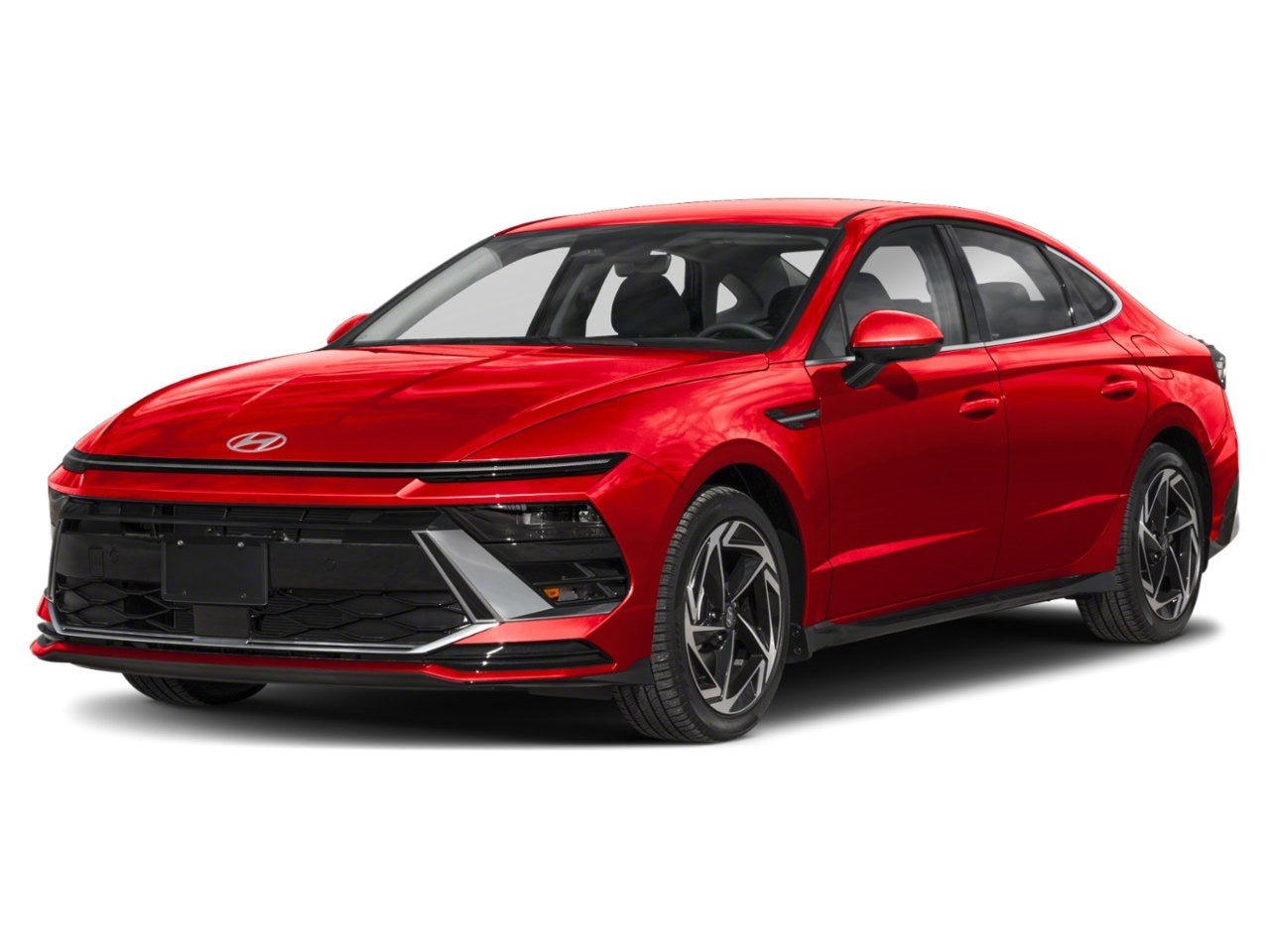
2026 Hyundai Sonata SEL Sport front three-quarter exterior

Hyundai Sonata Trims Explained: Which One Fits Your Riverhead Commute

THE SHORT ANSWER For most Riverhead commuters who put on a lot of highway miles, the SE gives the best fuel economy at the lowest starting price. Pick the SEL Sport (AWD) if winter traction matters most, or the N Line if you want noticeably more power. Picking a Sonata gets a lot easier once you know what actually separates the trims. At Riverhead Hyundai in Riverhead, NY, a common question is which one makes sense for the way people out here really drive. Here's a straight walk through the 2027 lineup, from the fuel-sipping SE to the quick N Line, with your commute in mind. IN THIS POST Match the Trim to Your Drive SEL Sport: Front-Wheel or All-Wheel Drive N Line: When You Want More Punch Narrowing It Down Key takeaways Match the Trim to Your Drive A Riverhead commute rarely sticks to one kind of road. You might crawl past the shopping centers on Route 58, settle into a steady cruise on the Long Island Expressway, then finish on a two-lane road out by the farms. That mix is the best way to choose a Sonata trim. The SE: built for mileage For long highway runs, the SE is hard to argue with. It starts at an MSRP of $27,600, the lowest in the lineup, and its 38 mpg highway rating is the strongest of any Sonata trim. If you head west toward Nassau or the city a few days a week, that efficiency adds up at the pump. Under the hood is a 2.5-liter four-cylinder driving the front wheels, and power feels smooth and adequate for merging. Around town you'll see a 26 mpg city rating. Shoppers who mainly want dependable, low-fuss transportation usually start and finish here, and you can browse new Sonata inventory to see what's on the lot. SEL Sport: Front-Wheel or All-Wheel Drive The SEL Sport comes in two versions, and choosing between them is really a question about winter. Both share the 191-horsepower four-cylinder from the SE. What separates them is what happens at the wheels. With front-wheel drive, the SEL Sport starts at $29,400 and keeps most of the SE's efficiency. Step up to the all-wheel-drive version at $30,900, and you gain traction when you pull away on slush, wet leaves or a snowy driveway. What AWD costs you That grip comes with a fuel trade-off. All-wheel drive drops the combined rating to 26 mpg, versus 29 for the front-wheel-drive SEL Sport. It's a fair price to pay if you live on a hilly side street, park outside, or leave early before the plows come through. Keep in mind that AWD helps you get moving, not stop. A good set of winter tires does more for braking on ice than any drivetrain. To feel the difference for yourself, book a test drive of both versions back to back. N Line: When You Want More Punch The N Line is the one Sonata that feels genuinely different from behind the wheel. Its 2.5-liter engine makes 290 horsepower, a big jump over the rest of the lineup. You notice it most on short on-ramps onto the LIE and when passing a slow truck on a two-lane road like Sound Avenue. It stays front-wheel drive and starts at an MSRP of $36,300. Surprisingly, its combined rating of 27 mpg edges out the all-wheel-drive SEL Sport, so the extra power doesn't cost you more at the pump than that trim does. Who it suits Think of the N Line for drivers who enjoy the drive itself, not just the destination. If your commute includes open stretches of Route 25 or weekend trips out to Orient Point, it makes those miles more engaging. Stuck in traffic most days? Then that extra power will spend a lot of time unused, and the SE or SEL Sport may be the smarter spend. Narrowing It Down Here's a quick way to sort it out: Mostly highway miles: the SE, for its fuel economy and lowest price Snow, hills or outdoor parking: the SEL Sport (AWD) The SEL Sport without the AWD fuel penalty: the SEL Sport (2WD) You love to drive: the N Line One thing you don't have to weigh is trunk space. All four trims share the same 15.6 cubic feet of cargo room, so golf clubs, a stroller or a farm-stand haul fit no matter which one you pick. Getting the numbers to work Those prices are starting MSRPs, so taxes, fees and any options will change your final number. Riverhead Hyundai offers trade-in assistance and online prequalification, which helps you see where you stand before you come in. You can value your trade online first, then compare trims with a real budget in mind. Where 1800 Old Country Rd Riverhead, NY Call (631) 369-0600 KEY TAKEAWAYS The SE is the efficiency pick, with the strongest highway mileage and the lowest starting MSRP. All-wheel drive on the SEL Sport adds winter grip but costs some fuel economy, and it doesn't replace winter tires. The N Line adds a big jump in power with fuel economy close to the AWD SEL Sport, and trunk space is the same on every trim. FAQ Common questions Is all-wheel drive worth it on the East End? It depends on where you park and when you leave. If your driveway is steep, your car sits outside, or you're on the road before the plows, the SEL Sport (AWD) gives you noticeably better traction pulling away. If you mostly drive plowed main roads, a front-wheel-drive trim with good winter tires handles most Long Island winters well. Do the Sonata trims have different trunk sizes? No. Cargo room is the same across the whole lineup, so you can choose based on drivetrain, power and fuel economy without giving up any trunk space. Where can I have my Sonata serviced after I buy it? Riverhead Hyundai is a full-service Hyundai dealership in Riverhead with Hyundai-trained technicians, so routine maintenance and repairs can be handled close to home. Want to see it in person? Come by for a test drive, or browse what is on the lot right now. Schedule a test drive Browse new inventory Or call (631) 369-0600 · 1800 Old Country Rd, Riverhead Or keep browsing Current offers Financing Value your trade Book service Contact us Used cars

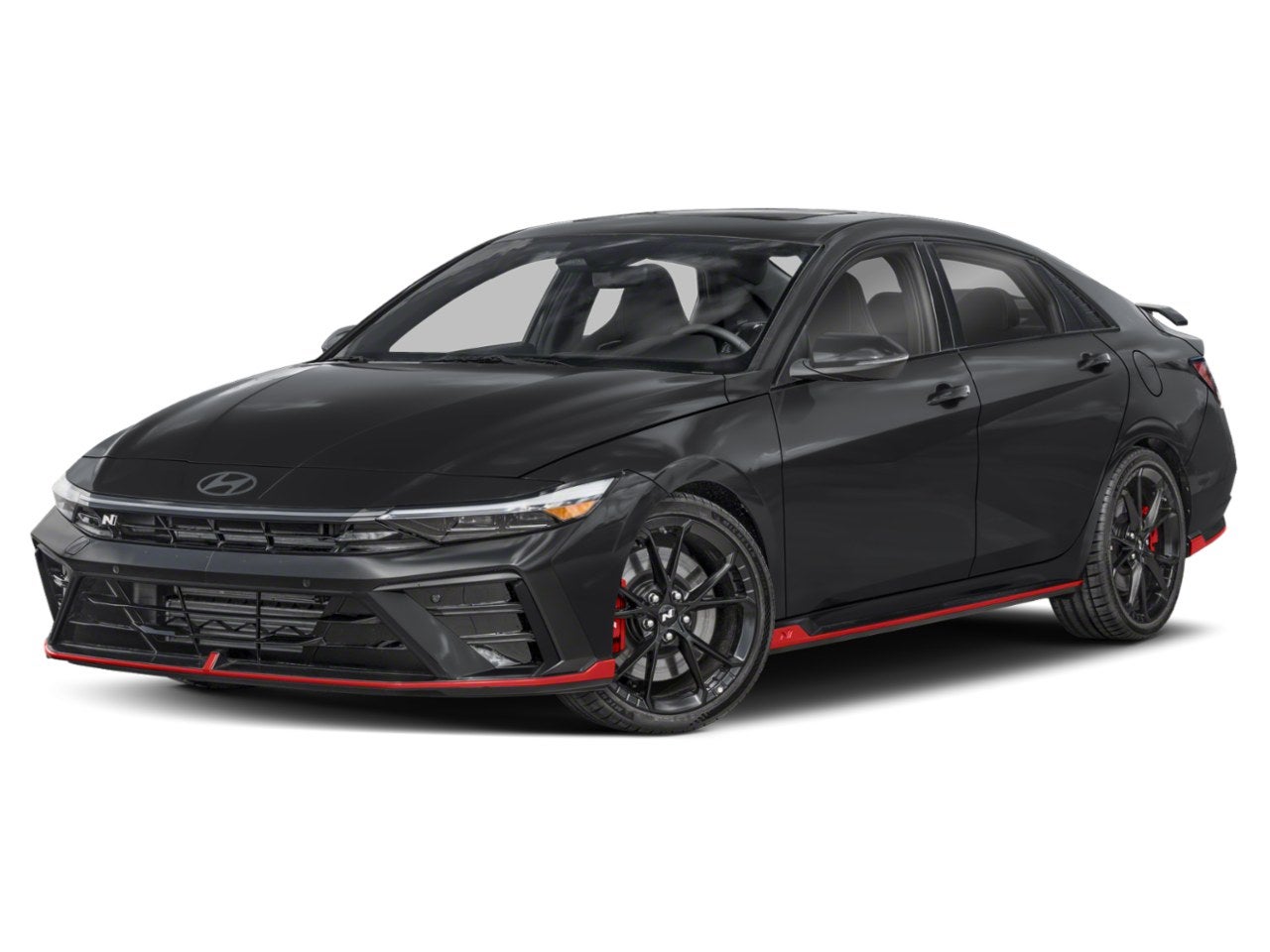
2026 Hyundai Elantra N front three-quarter exterior

Hyundai Elantra N Trims Explained: N vs N Line, What's the Difference

THE SHORT ANSWER The Elantra N Line is a sporty-looking, sharper-driving version of the everyday Elantra. The Elantra N is Hyundai's full performance sedan, with a 276-hp turbocharged engine and track-minded tuning, offered in N, DCT and TCR Edition trims. If you want real performance and a car you can still drive every day, the Elantra N is the one to drive first. The names make this confusing. Elantra N Line and Elantra N sound like close cousins, but they're built for different drivers, and choosing between them comes down to how you'll use the car. At Riverhead Hyundai in Riverhead, NY, here's how we'd explain the difference to a friend, along with how the three Elantra N trims compare. IN THIS POST Elantra N vs N Line: Two Different Ideas Elantra N Trims: N, DCT and TCR Edition Living With the Elantra N Day to Day Drive the Elantra N Back to Back With the N Line Key takeaways Elantra N vs N Line: Two Different Ideas Think of the Elantra N Line as the everyday Elantra with more attitude. You get sharper styling and a livelier feel than the standard sedan, but it's tuned for commuting first and spirited driving second. The Elantra N is a different animal. Hyundai's N performance division built it with the track in mind. It uses a turbocharged 4-cylinder making 276 hp and sends that power through the front wheels, so the whole car is set up to make the most of it. Who each one suits N Line: you want a sedan that looks the part and feels a little quicker on your daily drive. Elantra N: you want a car that comes alive on a back road and could handle a weekend track day, with a trunk and back seat for the rest of the week. If you're leaning toward the real thing, take a look at our new Hyundai inventory to see which Elantra N trims are on the lot right now. Elantra N Trims: N, DCT and TCR Edition Each Elantra N trim gets the same engine and output, so you won't give up any performance by choosing one over another. The differences come down to how you shift and how special you want the car to feel. N and DCT The N trim starts at $35,300 and is the purest way into the car. It returns 21 mpg city and 29 highway, which is honest for a car this quick. Stepping up to the DCT trim at $36,800 gets you Hyundai's dual-clutch automatic. Shifts are lightning-fast, and in stop-and-go traffic you don't have to work a pedal. You give up a little efficiency for that, landing at 20 city and 27 highway. TCR Edition At the top, the TCR Edition (2WD) is priced from $39,250 and takes its name from Hyundai's touring-car racing program. It keeps the same front-drive setup and matches the N trim's fuel economy, with special-edition touches that set it apart. Come see one in person, and we can talk through financing options for whichever trim fits your budget. Living With the Elantra N Day to Day A performance car is only worth owning if it fits your actual week, and this is where the Elantra N wins people over. It's still a sedan at heart, with room for five people and a proper trunk. You get 14.2 cubic feet of cargo space in every trim. In practice, that's a full grocery run, a couple of carry-on bags for a weekend trip, or your golf clubs for a round out east. Fuel economy stays reasonable too, so the commute to work on Route 25 won't feel like a punishment for wanting something fun. The ride is firmer than a standard Elantra. That's the point. It talks to you about the road without beating you up, and most owners settle into it quickly. Ownership is easy here, too. Riverhead Hyundai is a full-service Hyundai dealership, and our Hyundai-trained technicians know these cars inside and out. When it's time for an oil change or a check-up after a spirited summer, you can book service with people who work on Hyundais every day. Drive the Elantra N Back to Back With the N Line The quickest way to settle N vs N Line is to drive them one after the other. Comparing them on paper only gets you so far. Ten minutes behind the wheel tells you whether you want a sharp daily driver or a true performance sedan. On your drive, pay attention to a few things: How the engine pulls when you merge onto the LIE How the steering and brakes feel through a curve on Sound Avenue Whether you prefer the dual-clutch automatic in the DCT trim or the more hands-on feel of the base N How the ride feels on the rougher stretches you drive every day We carry new, used and Certified Pre-Owned Hyundai inventory, so if a new car doesn't fit your plans, ask what pre-owned options are on hand. When you're ready, book a test drive of the Elantra N and bring your questions. If you have a car to trade, bring it along so we can take a look while you're here. Where 1800 Old Country Rd Riverhead, NY Call (631) 369-0600 KEY TAKEAWAYS The N Line is a styled, livelier daily Elantra, while the Elantra N is a dedicated performance car. All three Elantra N trims share the same 276-hp turbo engine and front-wheel drive. The DCT trim adds a dual-clutch automatic, and the TCR Edition adds special-edition character. The Elantra N still fits real life, with seating for five, a usable trunk and Hyundai-trained technicians to look after it in Riverhead. FAQ Common questions Is the Elantra N Line the same as the Elantra N? No. The N Line is a sportier-styled, livelier version of the regular Elantra. The Elantra N is Hyundai's dedicated performance model, with a 276-hp turbocharged engine and track-focused tuning. If performance is what you're after, the Elantra N is the one to drive. Which Elantra N trim is best for commuting on Long Island? If you sit in a lot of traffic, the DCT trim's dual-clutch automatic makes stop-and-go driving easy while keeping the full performance of the Elantra N. If you want the purest driving feel and the best fuel economy in the lineup, the base N trim is a great choice. Driving both at Riverhead Hyundai is the best way to decide. Can I service my Elantra N at Riverhead Hyundai? Yes. Riverhead Hyundai is a full-service Hyundai dealership with Hyundai-trained technicians, so your Elantra N can be cared for right here in Riverhead, from routine maintenance to anything more involved. Want to see it in person? Come by for a test drive, or browse what is on the lot right now. Schedule a test drive Browse new inventory Or call (631) 369-0600 · 1800 Old Country Rd, Riverhead Or keep browsing Current offers Financing Value your trade Book service Contact us Used cars

2026 Hyundai Elantra SEL Sport Plus front three-quarter exterior

Getting Your Hyundai Elantra Ready for Riverhead Winters

THE SHORT ANSWER Getting your Elantra ready for a Riverhead winter comes down to four things: tires with real grip, a battery and fluids that can handle the cold, protection from road salt, and a small emergency kit in the trunk. Every Elantra is front-wheel drive, which helps in snow, but tires and maintenance do most of the work. Winter on the East End has its own personality: wet nor'easters, black ice on back roads, and brine trucks out on Route 58 before the first flake falls. At Riverhead Hyundai in Riverhead, we see plenty of Elantras come through each November, and the owners who prep a little now have far fewer headaches in January. Here's what's worth checking, and why it matters around here. IN THIS POST Start With the Tires Battery, Fluids and Wipers Keep Salt From Eating Your Car Pack a Kit and Drive for the Conditions Key takeaways Start With the Tires Every Elantra trim, from the SE up to the N Line, sends power to the front wheels. That's helpful on a slick morning, because the engine's weight sits right over the wheels doing the pulling. Grip still starts and ends with rubber, though, and tire condition decides how well your car stops and turns on ice. All-season or winter tires? All-season tires handle a typical North Fork rain-and-slush day reasonably well. Once temperatures stay cold, their rubber stiffens and loses bite. If you head out early on the LIE or drive Sound Avenue before the plows reach it, dedicated winter tires on their own set of wheels are worth a serious look, and our parts department can help you sort out wheels and tires that fit. Before the cold settles in, run through a few quick checks: Put a penny in the tread with Lincoln's head down; if you can see all of his head, it's time for new tires. Check pressure against the placard on the driver's door jamb, since cold air makes tires lose pressure. Look for uneven wear on the edges, which can point to an alignment issue. Battery, Fluids and Wipers Under the hood Cold mornings are hard on batteries. A battery that cranked fine all summer can give up on the first frosty day in the Tanger Outlets lot, so have it load-tested before the deep freeze. While it's being checked, we'll look at the terminals for corrosion and make sure your coolant has proper freeze protection. Keep oil changes on the schedule in your owner's manual too, since fresh oil flows more easily when the engine is cold. What you see through Salt spray from the car ahead coats your windshield fast, and you'll burn through washer fluid quicker than you'd expect. Swap in a winter-rated washer fluid that won't freeze in the lines or on the glass. Wiper blades that streak or chatter should be replaced now, not in the middle of a storm on Route 25. If you'd rather have all of this handled in one stop, you can book a winter service visit with us. A single appointment covers the battery, fluids, wipers and a tire look-over, so you head into December knowing where things stand. Keep Salt From Eating Your Car Riverhead gets a double dose of salt. Towns and the state brine the roads ahead of storms, and if you live near the bay or the Sound, salty air works on the car year-round. That combination is tough on brake lines, exhaust parts and anything metal underneath. The best defense is simple: wash the underside regularly, especially after a storm once the roads dry out. A car wash with an undercarriage spray does the job. A good coat of wax before winter gives the paint a layer of protection, and rinsing the wheel wells keeps packed slush from sitting there for weeks. A few other habits help too: Wipe down the rubber door seals and treat them so your doors don't freeze shut overnight. Use all-weather floor mats to catch slush and salt before it soaks into the carpet. Never pour hot water on a frozen windshield; cold glass can crack. Use your defroster and a scraper instead. It's a little extra effort, but salt damage is slow, quiet and expensive. Staying ahead of it keeps your Elantra solid underneath and holds its value when trade-in time comes. Pack a Kit and Drive for the Conditions Even a well-prepped car can get stuck on a side road off Route 24 or caught in a long backup during a storm. Keep a small winter kit in the trunk: Ice scraper and snow brush Warm blanket, gloves and a hat Phone charger and a flashlight Compact shovel and a bag of sand or cat litter for traction Spare jug of winter washer fluid Behind the wheel, clear snow off the whole car, including the roof, before you leave. Smooth inputs are your friend on ice. Front-wheel-drive cars tend to push wide if you turn in too fast, and the fix is to ease off the gas and let the tires grab again. N Line owners have extra power on tap, with 201 hp compared with 147 hp on the other trims, so a light right foot matters even more on a cold morning. If your current car isn't up for another winter, we carry new, used and Certified Pre-Owned Hyundai inventory and serve Riverhead and the North Fork/East End. You can browse our new Elantra inventory and see which trim fits the way you drive. Where 1800 Old Country Rd Riverhead, NY Call (631) 369-0600 KEY TAKEAWAYS Tires matter more than anything else, so check tread and pressure now and consider dedicated winter tires if you drive early or on unplowed roads. Have the battery tested and switch to winter-rated washer fluid before the first hard freeze. Wash the underside regularly to get road salt off, and keep a basic winter kit in the trunk. FAQ Common questions Does the Hyundai Elantra come with all-wheel drive? No. Every 2026 Elantra trim, from the SE through the Limited and N Line, is front-wheel drive. With good tires, front-wheel drive handles most East End winter driving well, because the engine's weight sits over the wheels that pull the car. Do I really need winter tires in Riverhead? Plenty of drivers get by on good all-season tires, especially if they can wait for the plows. If you commute early, drive back roads or can't stay home on storm days, winter tires make a real difference in stopping and turning on ice and packed snow. When should I bring my Elantra in for winter prep? Aim for before the first hard freeze, which on the North Fork usually means sometime in November. That gives you time to have the battery tested, fluids topped up, wipers swapped and tires checked or changed before the busy storm season. Want to see it in person? Come by for a test drive, or browse what is on the lot right now. Schedule a test drive Browse new inventory Or call (631) 369-0600 · 1800 Old Country Rd, Riverhead Or keep browsing Current offers Financing Value your trade Book service Contact us Used cars