



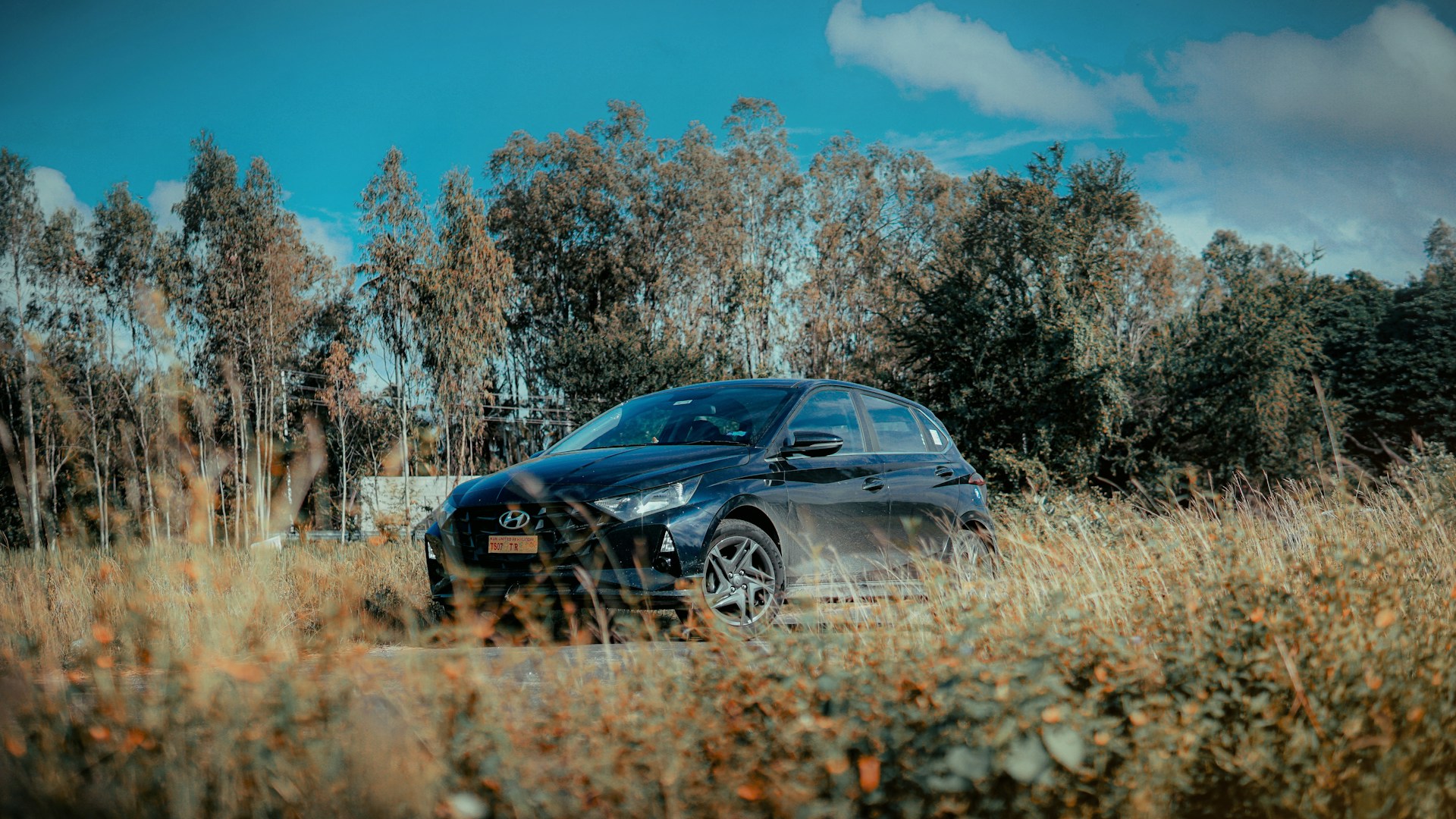
After a long winter on Long Island, brakes are one thing we do not want to overlook. The roads around Riverhead do not stay quiet for long. As snow fades and rain picks up, keeping your brakes in shape can make driving feel smoother and safer. Salt still clings to the road in early March, and colder nights can leave patches of ice into the morning. That mix puts more pressure on our brakes than we often realize.
Getting a Hyundai brakes service on Long Island before spring gets too busy is a good way to stay ahead of problems. Roads are wetter, traffic picks up again, and weekend trips start showing up on the calendar. If your brakes are lagging or making weird sounds, now is the time to get them checked. The earlier we handle it, the easier the season ahead feels.
How Winter Roads Affect Your Brakes
Winter leaves behind more than snow piles. Cold temps and salt both play a part in wearing down brake parts, especially when you are driving through slushy side streets and salted main roads like we do here in Suffolk County.
- Salt sticks around long after snow melts and can speed up rust on brake lines and components.
- Cold weather can make brake fluid thicken a bit or cause rotors to feel uneven.
- Repeated stops on wet or icy pavement can wear pads faster, especially if the roads are rough.
You might notice small changes first. Maybe you hear a squeak that was not there in the fall. The brake pedal may feel softer, or it might take a little longer to stop when traffic suddenly halts. Those little shifts are how winter leaves its mark. Spring is a perfect window to have someone take a closer look and spot leftover wear before it causes more trouble down the line.
What to Expect During a Spring Brake Check
A full check does not take much time, but it covers a lot of details. When we inspect brakes in early spring, here is what that often includes:
- Looking at brake pads to see how much material is left. Worn pads can scrape or grind, and they should be replaced before that happens.
- Checking rotors for warping or wear. Winter driving can clear off surface rust, but deep grooves or uneven spots are a problem.
- Inspecting brake lines and hoses for signs of cracking or damage from salt and cold.
- Testing the brake fluid. If it is low or aged, stopping power can be weak, especially in wet conditions.
A lot of drivers forget about the rear brakes, but they matter just as much. Ignoring a soft pedal or light vibration in the wheel now can lead to bigger issues. Brakes are not just about stopping fast. They also help steer, especially during rainy spring mornings when roads around Riverhead can get slick in a hurry.
Signs Your Brakes Might Need Attention
Our cars like to give us hints when something is not right. With brakes, the signs often come on slowly. We just get used to them until they become too hard to ignore.
- Squeaking or chirping sounds that get louder over time
- A grinding noise, especially when stopping downhill or in wet weather
- Needing to press the pedal farther than usual to stop
- A pulsating or shaking feeling when slowing down
These are not things we should brush off. A car might still move just fine, but under the surface, brakes could be wearing unevenly or losing strength. Catching these signs early saves time and keeps driving stress low. If something does not feel the way it used to, it is better to bring it up before a small fix turns into a larger repair.
Driving Habits That Can Wear Out Brakes Faster
Even good brakes will not last forever. Some of our everyday habits can make them wear out even faster, especially when dealing with the kind of stop-and-go traffic Long Island is known for.
- Frequent hard stops, especially in towns with lots of lights
- Riding the brakes down hills or while coasting
- Carrying heavy loads or driving with an overloaded trunk
Instead of braking hard at the last minute, we can try letting up on the gas earlier and coasting more when traffic slows. Giving ourselves just a little more space behind the car in front can help too. It might not always be possible in town traffic, but small changes in our driving habits can still make a difference over time. If brakes feel like they are wearing down faster than usual, our style might be a reason why.
Riverhead Hyundai Brakes Service Benefits
At Riverhead Hyundai, our certified technicians provide full brake inspections, pad and rotor replacements, fluid exchanges, and corrosion checks for Hyundai models. We use Hyundai original parts for all repairs and offer easy online scheduling, monthly brake specials, and multi-point vehicle checkups to keep drivers safe on Long Island roads throughout the season.
Stay Road-Ready as Spring Kicks Off
No one wants to start spring with car problems, especially when longer drives and family plans are right around the corner. Rain, fog, and leftover salt from February still make this a tricky time to drive every day. That is why checking brakes now is worth your attention.
Scheduling a Hyundai brakes service on Long Island before road trips and spring cleanup weekends hit full swing can help avoid future issues. Brake systems work hard all year, but the switch from winter to spring is a smart time to make sure they are still up to the job. Checking them early keeps things from becoming stressful later, and that helps the whole season go a lot more smoothly.
Spring is the perfect time to get your brakes checked before weekend drives and road trips across Riverhead and Long Island. Colder months can cause wear that may not be visible but can impact how your car handles daily traffic. At Riverhead Hyundai, we make it easy to schedule a quick and thorough inspection so you can drive with confidence. Stay ahead of potential issues and book your next Hyundai brakes service on Long Island with us today.
Connect with us


Riverhead Hyundai
Address
1800 Old Country Road
Riverhead, NY 11901
Phone
- Sales 888-498-5441
- Service 888-493-9931
| Monday | 9:00AM - 8:00PM |
| Tuesday | 9:00AM - 8:00PM |
| Wednesday | 9:00AM - 8:00PM |
| Thursday | 9:00AM - 8:00PM |
| Friday | 9:00AM - 8:00PM |
| Saturday | 9:00AM - 6:00PM |
| Sunday | 11:00AM - 5:00PM |
| Monday | 8:00AM - 4:30PM |
| Tuesday | 8:00AM - 4:30PM |
| Wednesday | 8:00AM - 4:30PM |
| Thursday | 8:00AM - 4:30PM |
| Friday | 8:00AM - 4:30PM |
| Saturday | 8:00AM - 4:30PM |
| Sunday | Closed |
| you break it we fix it | |
| Monday | 8:00AM - 4:30PM |
| Tuesday | 8:00AM - 4:30PM |
| Wednesday | 8:00AM - 4:30PM |
| Thursday | 8:00AM - 4:30PM |
| Friday | 8:00AM - 4:30PM |
| Saturday | 8:00AM - 4:30PM |
| Sunday | Closed |