



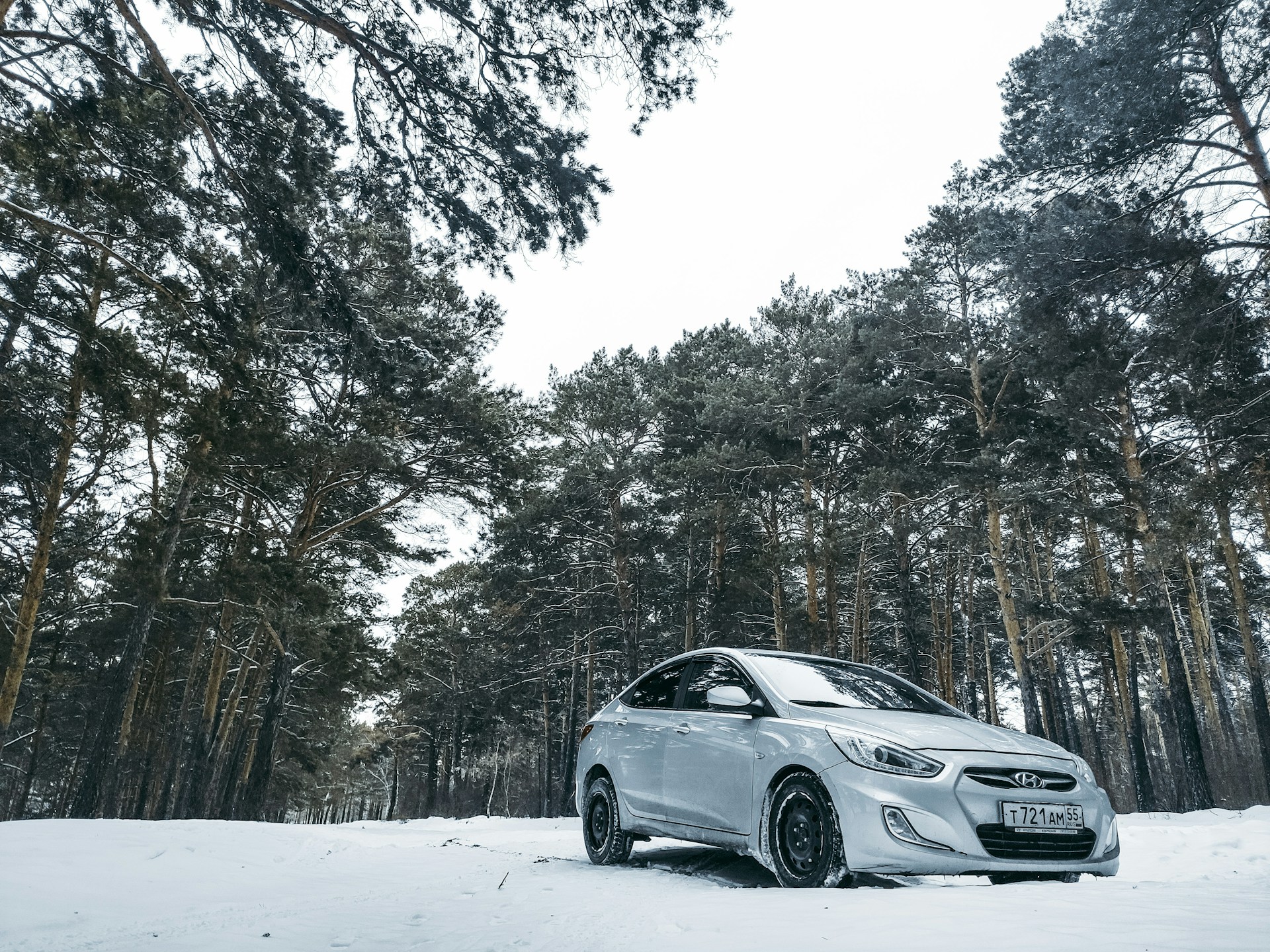
When cold weather settles in across Riverhead, dealing with a foggy windshield shouldn’t be how you start your day. A working defrost system isn’t just about comfort, it’s about visibility and safe driving. A blocked view through the windshield can be dangerous for you, your passengers, and everyone on the road.
Hyundai drivers sometimes run into defrost issues at the worst times. Right when it matters most, the vents might blow cool air instead of warm, or the glass just won’t clear. These problems usually show up during the colder months, and they’re more common than you’d think. If your Hyundai’s defrost system isn’t working like it should, you’re definitely not the only one.
Common Defrost Problems in Hyundais
When the defrost stops working like it’s supposed to, the signs are usually easy to spot. You might notice your windshield just won’t clear up, even after warming up the car for several minutes. Maybe the fan is blowing, but the air never gets warm. In some cases, the vents don’t push much air at all. Each of these problems may point to a different part of the system not working right.
Here are some common defrost problems Hyundai owners in Riverhead might face:
- Foggy windows that won’t clear: This is usually what drivers notice first. It can happen when warm, moist air builds up inside the car. If the defrost system isn’t pushing warm, dry air onto the glass, that fog lingers.
- Weak airflow through vents: If your vents are barely pushing any air out, you may be dealing with a blockage or an issue with the blower motor.
- Air isn’t warm: Cold air blowing through the defrost vents could mean your coolant level is too low or the thermostat isn’t doing its job.
- Uneven air distribution: Maybe you’re getting airflow on one side of the windshield and not the other. This might be a faulty blend door actuator.
Any of these signs may stem from issues like:
- Low coolant leading to poor heater performance
- Blocked cabin air filter or vents stopping proper air movement
- A failing thermostat that won’t let the engine warm up properly
- Problems with manual or electronic blend doors that control airflow direction
If you’ve ever had to drive with your head leaned halfway out the driver’s side window just to see, then you already know why it’s smart to get this fixed sooner rather than later.
Quick Fixes You Can Try
Some defrost issues might have simple causes that can be quickly looked at, but keep in mind, most of these systems are better serviced by professionals. That said, if you’re wondering what might get things working again without a full repair visit, there are a few safe things to check.
1. Check your coolant level
The heater in your car depends on hot coolant flowing through the heater core. If the coolant is low, you won’t get warm air blowing out. Make sure the level is where it should be. Never open the radiator cap when the engine is hot.
2. Take a look at vent openings
If leaves, dust, or other debris have built up in or on the vents, airflow might be blocked. Check the dash area and the air intake at the base of the windshield.
3. Test your thermostat
If your engine temperature gauge stays on the cold side even after driving for a while, the thermostat might be stuck open. That can keep your engine from heating up and affect your heater too.
Still having trouble after checking these out? It’s probably time to get your Hyundai looked at by a technician who knows the systems inside and out. There are parts of the HVAC system that aren’t easily checked without the right tools. We’ll cover more on that next.
When to Seek Professional Help
If you’ve gone through the quick checks and your Hyundai’s defrost system still isn’t doing its job, that’s a clear sign it’s time to bring in a professional. Some issues just hit a point where the basic stuff won’t fix them. For example, if the blend door actuator or blower motor is worn out, replacing it takes more than a quick inspection. And if your system struggles to switch from heat to defrost or makes strange noises behind the dash, you’re likely dealing with a component that’s malfunctioning deeper in the HVAC system.
Here are a few red flags that mean it’s time to let trained technicians handle it:
- The defrost blows cold air no matter how long the engine runs.
- There’s no airflow from the defrost vents, or the force is too weak.
- You’re hearing clicking or knocking sounds when adjusting climate settings.
- Defrost works on one side of the windshield but does nothing on the other.
- Repeated fogging that comes back quickly even after clearing it.
Technicians use diagnostic tools that go beyond what’s available in a home garage. They can run system tests to check electrical signals, sensors, and internal mechanisms that control door positions and temperature flow. It’s not always obvious which part is the issue. Sometimes two or three smaller problems add up to one big one. Putting off service can also lead to bigger failures, including overheating or total system breakdown if the problem affects your heater core or coolant flow.
Certified parts also make a difference here. Not everything you find online or at chain shops fits your Hyundai the way it’s meant to. Using genuine Hyundai parts helps ensure compatibility and helps extend the life of your heating and defrost systems.
Simple Maintenance Habits That Help Prevent Defrost Trouble
While not every problem is avoidable, a few habits can go a long way in keeping your defrost system doing its job when winter rolls through Suffolk County. Most of them take just a few minutes and can save you a major repair down the line.
Check coolant levels regularly
Make this part of your monthly routine through the colder season. Low coolant is one of the top reasons why your defrost won’t heat up the interior properly.
Keep your windshield clean inside and out
A dirty windshield fogs up more quickly and can reduce your airflow’s effectiveness. Dirt and grime create more surface area for moisture to cling to.
Get your HVAC system checked each season
Simply having a professional look over the system before things freeze up can uncover minor issues before they get worse. This includes filter replacements, valve checks, and airflow testing.
Don’t ignore strange sounds or smells
Clicking from behind your dash, mildew smells when you turn on the fan, or air that shifts wrongly between vents shouldn’t be brushed off. These could be early warning signs.
Use the defrost setting regularly
Running your defrost setting even on dry days helps keep the actuators, duct flaps, and blower going strong. It’s like stretching your legs after sitting too long.
Keeping these habits in place helps your Hyundai stay ready for the quick weather changes that Riverhead often sees in late fall and into winter. When everything’s working the way it should, you’re not only safer on the road but more comfortable during each drive.
Stay Safe and Warm on the Road
If your Hyundai’s defrost system isn’t cutting it when the cold sets in, it’s more than just a nuisance. It can turn your daily drive into a stressful, even risky, experience. Fogged-over windows and poor airflow take away your ability to react fast and drive safely. No one wants that, especially during school drop-offs, evening commutes, or holiday travel.
Regular inspections, honest upkeep, and knowing when things are out of your hands go a long way. Even though some quick fixes might seem easy, real solutions often need the right tools and parts. Having a trusted place to go when issues come up means you can spend less time worrying and more time getting where you need to be—warm, safe, and able to actually see out your windshield.
To keep your Hyundai’s defrost system functioning optimally, it’s important to address any part issues as soon as they arise. If you’re noticing signs that something might be off, check your options for Hyundai parts in Riverhead to ensure your vehicle stays in top condition through the winter months. Trust the experienced professionals at Riverhead Hyundai to maintain your vehicle’s comfort and safety.
Connect with us


- July 2026
- June 2026
- May 2026
- April 2026
- March 2026
- February 2026
- January 2026
- December 2025
- November 2025
- October 2025
- September 2025
- August 2025
- July 2025
- June 2025
- May 2025
- April 2025
- March 2025
- February 2025
- January 2025
- December 2024
- November 2024
- October 2024
- September 2024
- August 2024
- July 2024
- June 2024
Archives
Riverhead Hyundai

Address
1800 Old Country Road
Riverhead, NY 11901
Phone
- Sales 888-498-5441
- Service 888-493-9931
| Monday | 9:00AM - 8:00PM |
| Tuesday | 9:00AM - 8:00PM |
| Wednesday | 9:00AM - 8:00PM |
| Thursday | 9:00AM - 8:00PM |
| Friday | 9:00AM - 8:00PM |
| Saturday | 9:00AM - 6:00PM |
| Sunday | 11:00AM - 5:00PM |
| Monday | 8:00AM - 4:30PM |
| Tuesday | 8:00AM - 4:30PM |
| Wednesday | 8:00AM - 4:30PM |
| Thursday | 8:00AM - 4:30PM |
| Friday | 8:00AM - 4:30PM |
| Saturday | 8:00AM - 4:30PM |
| Sunday | Closed |
| you break it we fix it | |
| Monday | 8:00AM - 4:30PM |
| Tuesday | 8:00AM - 4:30PM |
| Wednesday | 8:00AM - 4:30PM |
| Thursday | 8:00AM - 4:30PM |
| Friday | 8:00AM - 4:30PM |
| Saturday | 8:00AM - 4:30PM |
| Sunday | Closed |