



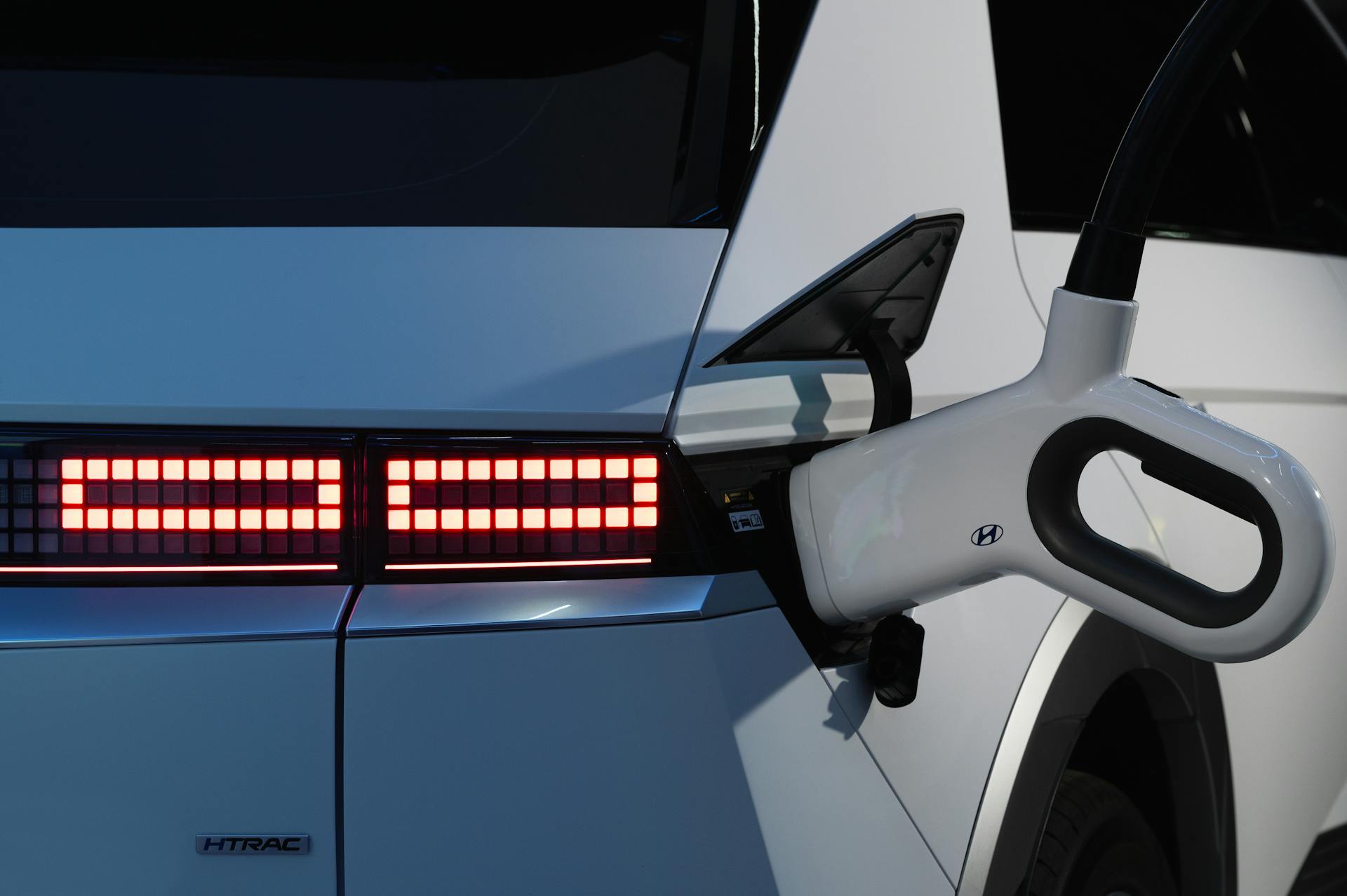
Winter on Long Island brings more than snow and chilly winds. It can also make a dent in the driving range of your electric Hyundai. If you’ve noticed your EV doesn’t go quite as far on a charge during colder months, you’re not alone. Dropping temperatures can change how your vehicle’s battery works, especially when you’re driving around Suffolk County for errands or commuting.
Knowing how to manage your Hyundai electric vehicle’s range during winter can help you avoid frustration, extra charging stops, or worse—running low when it’s freezing outside. With the right habits and a little planning, you can get more out of every charge and stay comfortable while doing it. Here’s how cold weather affects your EV and what to do about it.
Understanding How Winter Affects Electric Vehicle Range
When the temperature drops, so does your battery’s ability to hold and deliver power. Unlike gas engines, which mostly rely on burning fuel regardless of the weather, an electric vehicle’s battery works on a chemical reaction that slows down in the cold. This delay means the battery takes longer to warm up and puts out less energy over the same distance.
It doesn’t stop there. Your EV also works harder in other areas when it’s cold. You might love a warm cabin while driving, but that uses up more electricity, especially if you’re cranking the heat right after starting the car. Other winter features like window defrosters and heated mirrors all draw power, again putting more demand on your battery.
For example, a local driver in Suffolk County commuting from Riverhead to Southampton might expect their EV to perform the same regardless of the weather. But once winter hits, that same trip could cost more of the charge, not because the drive is longer but because the battery is doing more to support comfort and performance in the cold.
Pre-Trip Preparations
Before heading out into the chilly air, there are some smart ways to help your Hyundai electric vehicle get ready for the road. One of the easiest moves is preconditioning. This means warming up the cabin and battery before you leave while your car is still plugged in. It helps save battery power once you’re driving, because the hard work of heating is already done.
Another thing to keep an eye on is tire pressure. Cold air can make the pressure drop, and that affects your EV’s efficiency. Low pressure means more resistance when the tires roll, which forces the battery to use more energy. Even just keeping them inflated to the recommended level can give your vehicle a little boost in range.
Here’s a quick pre-drive checklist to help:
- Precondition your battery and cabin while plugged in, especially on freezing mornings.
- Check tire pressure before starting your day. Add air if needed.
- Clear off snow and ice from the roof, hood, and windows to cut down on drag and weight.
- Keep your EV charged regularly. Don’t let it run too low, especially when it’s cold out.
- Make sure to unplug your vehicle fully before driving. Ice can sometimes form around the connection point overnight.
These small things, when done regularly, can go a long way when you’re trying to get the most out of your battery during those colder months in Suffolk County.
Driving Tips That Can Help Save Battery Range
Once you’re behind the wheel, what you do really makes a difference. Driving habits directly affect how far your electric Hyundai can go on a charge, and winter conditions don’t give much room for waste. Cold road surfaces, heavier use of HVAC settings, and reduced battery performance are already working against you. But a few small changes in how you drive can stretch your range without making things more complicated.
Start with smoother driving. Quick accelerations and hard braking use up more energy, especially when temperatures dip below freezing. Instead, keep things steady. Think of it like sipping gas instead of gulping, just with electricity. Sticking to a moderate speed not only helps your battery last longer but also gives your tires better traction when roads are icy.
If your Hyundai has an eco-driving mode, this is the season to use it. It helps limit things like acceleration and climate control output, which means the battery drains more slowly. Regenerative braking is another feature worth using. It returns energy to the battery whenever you let off the accelerator or brake, which gives you back a little power each time.
And when it comes to staying warm, there’s a smarter way to do it:
- Keep cabin heat low and instead use heated seats and the steering wheel heater.
- Dress in layers so you’re less reliant on the car’s climate system.
- Use window shades to block cold air from the glass, especially when parked outside.
Even on a short drive from Riverhead to nearby towns in Suffolk County, these small habits can pay off. EVs operate differently than gas vehicles in cold weather, so adjusting how you drive is one of the easiest ways to make each charge go further.
Why Winter Maintenance Matters for EV Performance
Even with ideal driving habits, your Hyundai electric vehicle still depends on winter maintenance to run its best. Skipping it or waiting too long can make your EV work harder than it needs to. Cold weather can make hidden issues more noticeable, especially when batteries, tires, and heating systems are all under extra pressure.
Battery health is one of the first things worth checking. A battery doesn’t have to fail for it to lose efficiency. Exposure to a few weeks of freezing temperatures without the proper evaluations could shorten the real-world range. Having the battery performance assessed regularly helps you spot problems before you’re stuck halfway between Montauk and Riverhead with limited charging options.
Tires are another big deal. It’s not only about pressure checks, though that’s still important. Tire tread also comes into play. Good grip helps reduce slipping, which forces your motor to work harder and burn more energy, especially on slick or frozen roads. If your tires are worn or not suited for cold-weather driving, you’re losing range with every mile.
Interior systems should be checked too. Cabin heating, defrosters, mirrors, and steering-wheel warmers all draw power from the battery. Making sure these run properly, without pulling excess energy, can keep you comfortable without dipping into too much range.
Getting ahead of winter issues now puts your EV in a better position for the rest of the season. Whether it’s the daily drive to work or a chilly weekend trip out east, staying on top of maintenance means fewer surprises and smoother rides.
Make the Most of Winter Driving with Your Electric Hyundai
Winter driving in Suffolk County can feel totally different behind the wheel of an electric Hyundai. Cold months place extra demand on your battery, but that doesn’t mean you have to accept shorter driving range without a fight. With smarter habits and regular upkeep, your EV can still get you where you need to go comfortably and efficiently.
From warming up the cabin before unplugging, to using eco mode and checking your tire tread, the little stuff makes a big difference. Paying attention to how your vehicle responds to cold conditions early in the season helps you fix small problems before they become bigger ones.
If you’re not sure about your EV’s winter readiness, it’s worth having a trained professional take a look. That peace of mind can go a long way, especially when temperatures drop and battery life matters more than ever. Whether you’re staying local or taking longer drives along Long Island, keeping your electric Hyundai prepped for winter puts you in control, even when the weather isn’t.
As temperatures drop, it’s crucial to ensure optimal performance and efficiency, especially with the demands of cold-weather driving. At our Hyundai service center in Riverhead, our team of experts is ready to assist you in keeping your EV running smoothly. Rely on Riverhead Hyundai’s comprehensive services to ensure you’re ready to tackle winter roads with confidence.
Connect with us


- July 2026
- June 2026
- May 2026
- April 2026
- March 2026
- February 2026
- January 2026
- December 2025
- November 2025
- October 2025
- September 2025
- August 2025
- July 2025
- June 2025
- May 2025
- April 2025
- March 2025
- February 2025
- January 2025
- December 2024
- November 2024
- October 2024
- September 2024
- August 2024
- July 2024
- June 2024
Archives
Riverhead Hyundai

Address
1800 Old Country Road
Riverhead, NY 11901
Phone
- Sales 888-498-5441
- Service 888-493-9931
| Monday | 9:00AM - 8:00PM |
| Tuesday | 9:00AM - 8:00PM |
| Wednesday | 9:00AM - 8:00PM |
| Thursday | 9:00AM - 8:00PM |
| Friday | 9:00AM - 8:00PM |
| Saturday | 9:00AM - 6:00PM |
| Sunday | 11:00AM - 5:00PM |
| Monday | 8:00AM - 4:30PM |
| Tuesday | 8:00AM - 4:30PM |
| Wednesday | 8:00AM - 4:30PM |
| Thursday | 8:00AM - 4:30PM |
| Friday | 8:00AM - 4:30PM |
| Saturday | 8:00AM - 4:30PM |
| Sunday | Closed |
| you break it we fix it | |
| Monday | 8:00AM - 4:30PM |
| Tuesday | 8:00AM - 4:30PM |
| Wednesday | 8:00AM - 4:30PM |
| Thursday | 8:00AM - 4:30PM |
| Friday | 8:00AM - 4:30PM |
| Saturday | 8:00AM - 4:30PM |
| Sunday | Closed |