



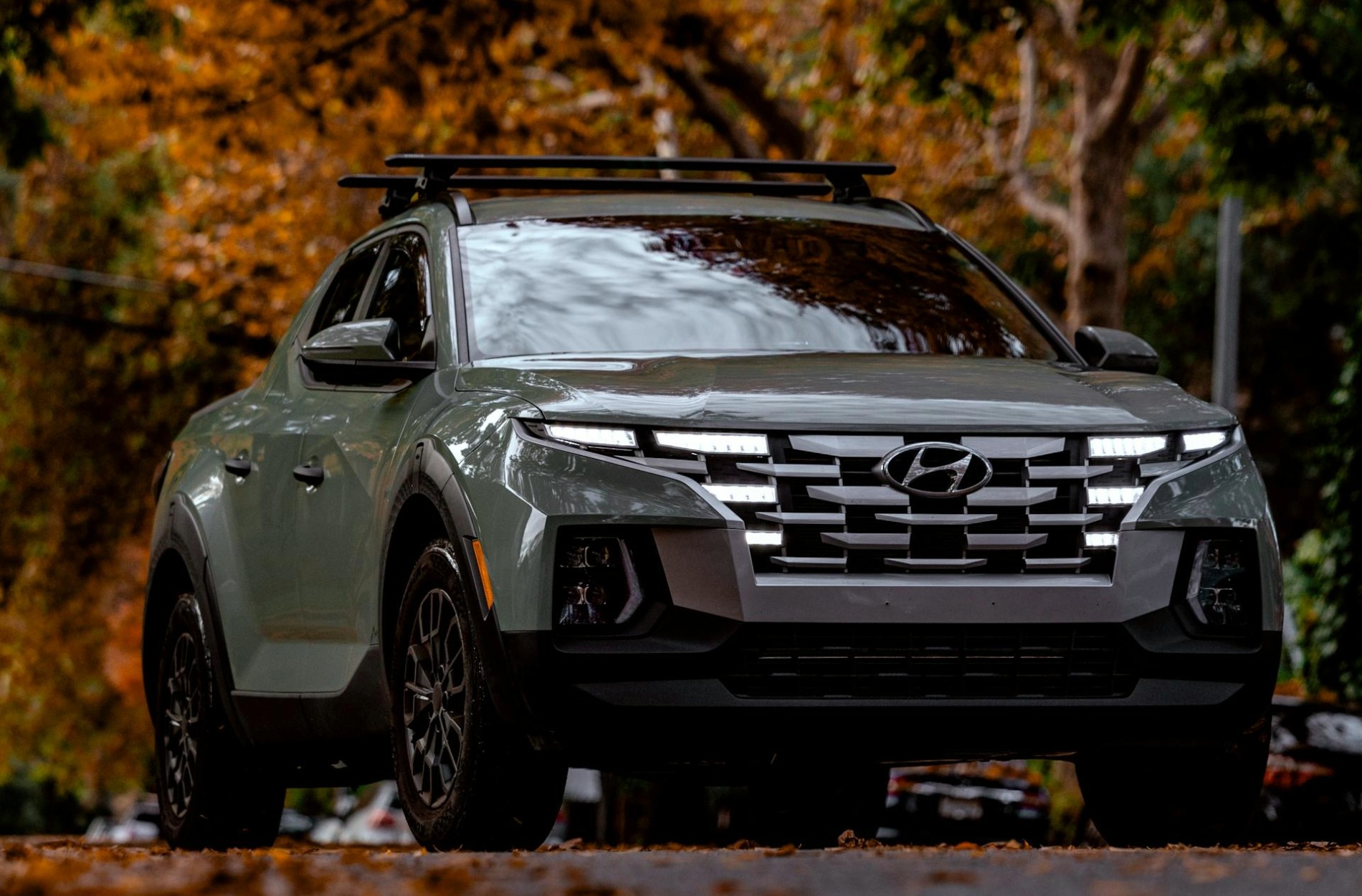
Buying a used car can be a solid way to save money, especially when you’re looking at trusted brands like Hyundai. They are known for their reliability and comfortable ride, but that doesn’t mean every used Hyundai you find in Suffolk County is a good deal. When you’re browsing the market, the goal isn’t just about saving money. It’s about finding a vehicle that will perform well without unexpected problems soon after you drive it home.
Used cars carry a backstory, and not all of it is easy to spot. Maybe it’s an accident from years ago or routine maintenance that got skipped—what seems small now could turn into a big issue later. If you’re on the hunt for a used Hyundai in Suffolk County, there are a few red flags to watch out for. Knowing what to check can help you avoid costly mistakes.
Check The Vehicle History Report
Before you take that first test drive, ask to see the vehicle history report. It’s one of your best windows into a car’s past. The report pulls information from local DMVs, insurance agencies, repair shops, and more so you can get a clearer picture of the vehicle’s background.
Here are a few key details to review on the report:
- Accident history: Look for any signs of past collisions or structural damage.
- Service records: A car with regular oil changes and scheduled maintenance shows it was well taken care of.
- Title status: Check for salvage titles, flood damage, or anything unusual that might lower the car’s value or point to reliability issues.
- Number of owners: A car that changed hands several times in a short time span could signal trouble.
If a seller avoids showing you the report or won’t give a straight answer about it, that’s a big warning sign. A clean vehicle history report lets you move forward with more confidence. While it’s not the only thing to check, it’s a smart place to begin.
Inspect For Signs Of Wear And Tear
After checking the paperwork, take time to look over the car in person. It’s okay to see some aging, but there’s a fine line between normal wear and neglect. You’ll want to give the exterior, interior, and under the hood a good once-over.
Start with the tires. Uneven wear can point to alignment issues or deeper problems with the suspension. Bald patches might suggest that the previous owner didn’t stay on top of maintenance. Next, check the brakes. Any scraping or grinding when you press the pedal could mean the pads or rotors are worn. Under the hood, look for leaking fluids, frayed belts, or corrosion around the battery.
Inside the car, watch for excessive wear on things like the seat fabric, steering wheel, and buttons. A well-worn interior might mean the car has been driven more than what the odometer shows. If you notice a musty or moldy smell, that could point to water damage—something you don’t want to deal with later.
Hiring a professional mechanic to do a pre-purchase inspection is a smart move. They can catch issues that aren’t obvious and help give a full picture of the car’s condition. A small investment up front can save you from major repair bills later.
Verify The Mileage
Mileage plays a major role in deciding if a used Hyundai is worth the price. It gives you a rough idea of how much wear the car has been through. Still, the numbers can be tricky. High mileage doesn’t always mean bad, and low mileage isn’t always good.
Let’s say you’re looking at a 10-year-old Hyundai that only has 30,000 miles on it. That might seem like a great deal, but it may raise some concerns. Has it been sitting unused for long periods? Vehicles that sit too long can develop problems like flat-spotted tires, battery drain, or dried-out seals. On the flip side, a car with 150,000 miles might still run very well if it’s been properly maintained.
What really matters is how the car was used and cared for. Highway miles are easier on a vehicle than city miles. You won’t know the full story from mileage alone, but it can give you a direction to investigate further.
Always match the mileage with service records. If the numbers don’t line up, ask questions. Odometer fraud is rare, but it still happens and can cost you time and money in the long run.
Test Drive The Vehicle
One of the most important steps in the buying process is the test drive. Don’t skip it, and don’t rush it either. You want to get a feel for how the car drives and pay attention to anything that might seem off.
Try out a mix of driving environments—surface roads, highways, and if you can, some bumpier roads. Here’s what to keep an eye (and ear) out for during the drive:
- Acceleration: Make sure the engine responds well and runs quietly.
- Braking: The brakes should be firm, not soft or squeaky, and the car should stay straight when stopping.
- Steering: It should feel smooth and centered. If the wheel shakes or pulls, it might need an alignment.
- Transmission: Gear changes should be smooth, whether it’s automatic or manual.
- AC and heat: Test the AC and heating for proper airflow and temperature.
- Dashboard lights: Make sure warning lights turn off once the engine is running.
Listen for any strange sounds like clunks, rattles, or squeals. If something catches your attention, don’t ignore it. That quick test drive could help you dodge a long-term problem.
Examine Ownership And Maintenance Records
Knowing who owned the car and how it was maintained gives extra peace of mind. Maintenance records can show a pattern of care—or highlight missed steps that might hurt the car’s performance.
Ideally, you want to see a consistent schedule of services—oil changes, tire rotation, fluid checks—spread evenly every few thousand miles. If those records look good, the car probably was treated well. On the other hand, if there was a big repair like an engine rebuild followed by a two-year gap with no visits to a mechanic, that could mean the car didn’t get the attention it needed afterward.
Fewer past owners usually works in your favor, especially if one person owned the car for several years and made an effort to keep it in shape. A car that’s bounced between multiple owners in a short time might raise more questions than it answers.
If you’re shopping for a used Hyundai in Suffolk County and the service log shows regular checkups at local shops, that’s a reassuring sign. When a car has no records at all, it’s not an automatic no, but it’s something worth asking more questions about.
Why Riverhead Hyundai?
Used cars don’t always come with a clear past, and it’s easy to overlook small details that turn into big problems. That’s why it’s so important to know what to look for. The warning signs we shared—like unusual mileage, skipped maintenance, or questionable ownership history—can help you avoid picking a car that’s more hassle than it’s worth.
At Riverhead Hyundai, we understand what customers in Suffolk County are up against when shopping for a used Hyundai. That’s why we go the extra mile to offer well-maintained vehicles and experience-backed guidance through every step of the purchase. From reviewing history reports to helping you arrange a professional inspection, our goal is to make sure you drive off confident and satisfied.
Buying a used Hyundai doesn’t have to feel risky. When you know what red flags to watch for and work with a team that knows what matters, it’s easier to find a car you can count on.
Getting ready to choose your next vehicle? Explore available options for a used Hyundai in Suffolk County and let Riverhead Hyundai help you make a choice that fits your lifestyle and budget. Our team is here to make your car-buying journey clear, easy, and stress-free from the start.
Connect with us


- July 2026
- June 2026
- May 2026
- April 2026
- March 2026
- February 2026
- January 2026
- December 2025
- November 2025
- October 2025
- September 2025
- August 2025
- July 2025
- June 2025
- May 2025
- April 2025
- March 2025
- February 2025
- January 2025
- December 2024
- November 2024
- October 2024
- September 2024
- August 2024
- July 2024
- June 2024
Archives
Riverhead Hyundai

Address
1800 Old Country Road
Riverhead, NY 11901
Phone
- Sales 888-498-5441
- Service 888-493-9931
| Monday | 9:00AM - 8:00PM |
| Tuesday | 9:00AM - 8:00PM |
| Wednesday | 9:00AM - 8:00PM |
| Thursday | 9:00AM - 8:00PM |
| Friday | 9:00AM - 8:00PM |
| Saturday | 9:00AM - 6:00PM |
| Sunday | 11:00AM - 5:00PM |
| Monday | 8:00AM - 4:30PM |
| Tuesday | 8:00AM - 4:30PM |
| Wednesday | 8:00AM - 4:30PM |
| Thursday | 8:00AM - 4:30PM |
| Friday | 8:00AM - 4:30PM |
| Saturday | 8:00AM - 4:30PM |
| Sunday | Closed |
| you break it we fix it | |
| Monday | 8:00AM - 4:30PM |
| Tuesday | 8:00AM - 4:30PM |
| Wednesday | 8:00AM - 4:30PM |
| Thursday | 8:00AM - 4:30PM |
| Friday | 8:00AM - 4:30PM |
| Saturday | 8:00AM - 4:30PM |
| Sunday | Closed |