



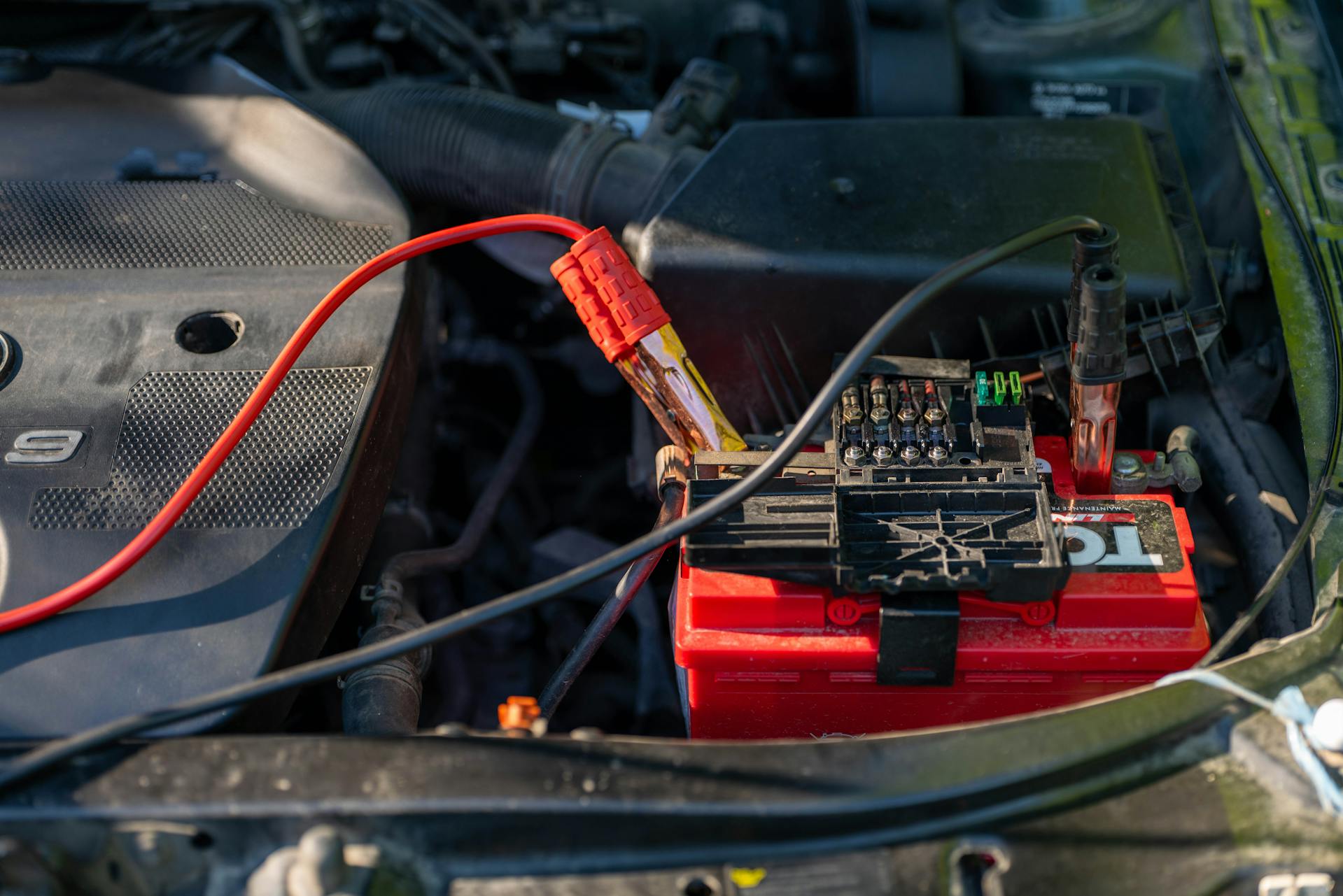
Your car’s battery plays a bigger role than most people think. Without it, your Hyundai won’t turn on, electric systems won’t work, and your regular drive turns into a headache. It’s one of those things we don’t usually pay attention to until we’re stuck in a parking lot trying to crank the engine without success. As we head into mid-November in Suffolk County, colder temperatures start to creep in, which can make an already weak battery break down even faster.
If your battery is nearing the end of its life, you’ll often get a few warning signs before it quits on you completely. Recognizing those signs and acting early can save you from a last-minute emergency. Whether you’re commuting to Riverhead for work or heading out east for the weekend, the last thing you want is a dead battery putting your plans on hold. Let’s look at what to watch for and why taking action early will help avoid bigger problems down the road.
Common Signs Your Hyundai Battery Is Failing
No one wants to find out their battery is failing by getting stranded. Luckily, batteries show some clear signs before completely giving up. If you notice one or more of these things happening, it’s smart to get your battery looked at.
1. Slow engine crank
When you turn the key or press the start button and your engine turns over slower than usual, that’s a clear sign of a weak battery. It might still start up, but it’s working harder than it should.
2. Dim headlights and electrical issues
Flickering lights, a weak radio, or slow power windows can all point to the battery not giving out enough power. You might spot these things at night or during times when multiple systems are running at once, like when the heater and seat warmers are on.
3. Frequent need for jump-starts
If you’ve had to grab jumper cables more than once lately, the battery could be close to failing. Jump-starts are meant for emergencies, not part of day-to-day driving.
4. Dashboard warning light
Your car usually tells you if something’s wrong. If the battery-shaped symbol lights up on your dash, it’s a clear message to get the battery checked soon.
5. Bloated battery case
A swollen battery case looks like it’s puffed out or even warped. This can happen when it’s exposed to extreme heat, but it also signals internal damage. It’s a visual clue that the battery could go out entirely without much warning.
Spotting any of these signs early is a big help. You don’t need to know all the technical stuff to understand when things just aren’t working right. One Long Island driver mentioned that their Bluetooth system kept cutting out and the climate controls acted strange. It turned out their battery had dropped too low to keep all the car’s features running smoothly.
Causes of Battery Deterioration
There are lots of reasons why a car battery wears out. In Suffolk County, weather is a common factor, but it’s not the only one.
1. Age
Most car batteries naturally lose strength after a few years. Even if you drive regularly and take care of your car, time will eventually wear the battery down.
2. Cold weather
As temperatures drop heading into Long Island’s fall and winter season, batteries have a harder time delivering power. The chemical reactions inside a battery slow down in the cold, which can weaken it faster, especially if it’s already low.
3. Corroded or loose connections
Look under the hood and check if the battery terminals have white or bluish powder around them. That’s corrosion. Loose connections can also mess with the battery’s ability to recharge.
4. Problems with the electrical system
If something in your vehicle is drawing power when it shouldn’t be, like a trunk light staying on overnight, it can shorten the life of the battery. Even small draws can make a difference over time.
Understanding the cause can help make sure the issue doesn’t come back once a new battery is installed. Keeping an eye on battery age and watching for signs of trouble is a good step, especially when winter is on the way.
When to Seek Professional Help
There comes a point when it’s best to stop guessing and let a trained technician take a look. A battery issue might seem small at first, but if it’s not diagnosed properly, it can turn into much bigger problems later. Many electrical issues can mimic battery failure, like a bad alternator or parasitic drain. That’s why it helps to have someone who knows what they’re doing check it out.
Trying to fix a battery on your own might sound simple, but modern Hyundai models use complex computer systems that could be sensitive to power disruptions. Disconnecting the wrong cable or installing a new battery incorrectly could affect the car’s memory settings or even damage key components. A professional will look at the full charging system, not just the battery, and figure out exactly what’s causing the problem. That way, you’re not replacing something that’s still working fine.
In Suffolk County, cold mornings and dense traffic can make breakdowns even more frustrating. It’s better to play it safe and get a proper battery test done by a specialist when you notice something off. This is especially important if your Hyundai is still within its warranty period, since doing the wrong type of repair can sometimes affect coverage.
Smart Battery Habits Every Driver Should Know
You don’t have to be a mechanic to keep your battery going a bit longer. Simple habits and basic checks go a long way, especially during the colder months in Riverhead and nearby areas.
Here are some easy battery care tasks to help avoid early failure:
- Schedule checks during oil changes to see how much life the battery has left
- Keep battery terminals clean. Corrosion looks like a chalky buildup and can block power flow
- Double check that the battery is mounted tightly. A loose battery can vibrate against other parts and develop cracks
- Don’t leave lights or electronics running after you turn the engine off
- If you don’t drive often, take your Hyundai out for a 15-minute ride every few days. Batteries need to recharge or they slowly drain
Also, how you drive matters more than you might think. Short trips that don’t allow the engine to warm up fully can stop the battery from charging all the way. So if you’re always just running to the store or commuting a couple of miles, mix in a longer drive once in a while. That gives the alternator time to recharge the battery properly.
Even if you follow every tip, no battery lasts forever. Understanding your driving habits and staying aware of how your Hyundai feels when starting or running can help you catch issues early.
Keep Your Hyundai Running Smoothly in Suffolk County
A bad battery doesn’t always stop working right away, but the signs are usually there if you know what to look for. Slow cranking, flickering lights, or warning lights on the dash are more than small annoyances. They’re early warnings. These signs show up before the battery goes completely dead, giving you a chance to fix the issue before it turns into a full breakdown somewhere between Riverhead and your next stop.
The colder months moving through Long Island can be a tough time for weak batteries, especially with added stress from heaters, defrosters, and shorter drives. Paying attention to unusual starting behavior or random electrical glitches might save you from a rough morning later. If you’ve started noticing the signs and aren’t sure what’s causing them, getting a battery test done might be the next right move.
Keep your Hyundai running smoothly and avoid the hassle of unexpected breakdowns this winter. If you notice signs of a weak battery, don’t wait for it to fail completely. Rely on a trustworthy service to get things back on track. For reliable Hyundai battery replacement in Suffolk County, Riverhead Hyundai is here to ensure you’re covered. Let our trained professionals help keep your car ready for every drive.
Connect with us


- July 2026
- June 2026
- May 2026
- April 2026
- March 2026
- February 2026
- January 2026
- December 2025
- November 2025
- October 2025
- September 2025
- August 2025
- July 2025
- June 2025
- May 2025
- April 2025
- March 2025
- February 2025
- January 2025
- December 2024
- November 2024
- October 2024
- September 2024
- August 2024
- July 2024
- June 2024
Archives
Riverhead Hyundai

Address
1800 Old Country Road
Riverhead, NY 11901
Phone
- Sales 888-498-5441
- Service 888-493-9931
| Monday | 9:00AM - 8:00PM |
| Tuesday | 9:00AM - 8:00PM |
| Wednesday | 9:00AM - 8:00PM |
| Thursday | 9:00AM - 8:00PM |
| Friday | 9:00AM - 8:00PM |
| Saturday | 9:00AM - 6:00PM |
| Sunday | 11:00AM - 5:00PM |
| Monday | 8:00AM - 4:30PM |
| Tuesday | 8:00AM - 4:30PM |
| Wednesday | 8:00AM - 4:30PM |
| Thursday | 8:00AM - 4:30PM |
| Friday | 8:00AM - 4:30PM |
| Saturday | 8:00AM - 4:30PM |
| Sunday | Closed |
| you break it we fix it | |
| Monday | 8:00AM - 4:30PM |
| Tuesday | 8:00AM - 4:30PM |
| Wednesday | 8:00AM - 4:30PM |
| Thursday | 8:00AM - 4:30PM |
| Friday | 8:00AM - 4:30PM |
| Saturday | 8:00AM - 4:30PM |
| Sunday | Closed |