



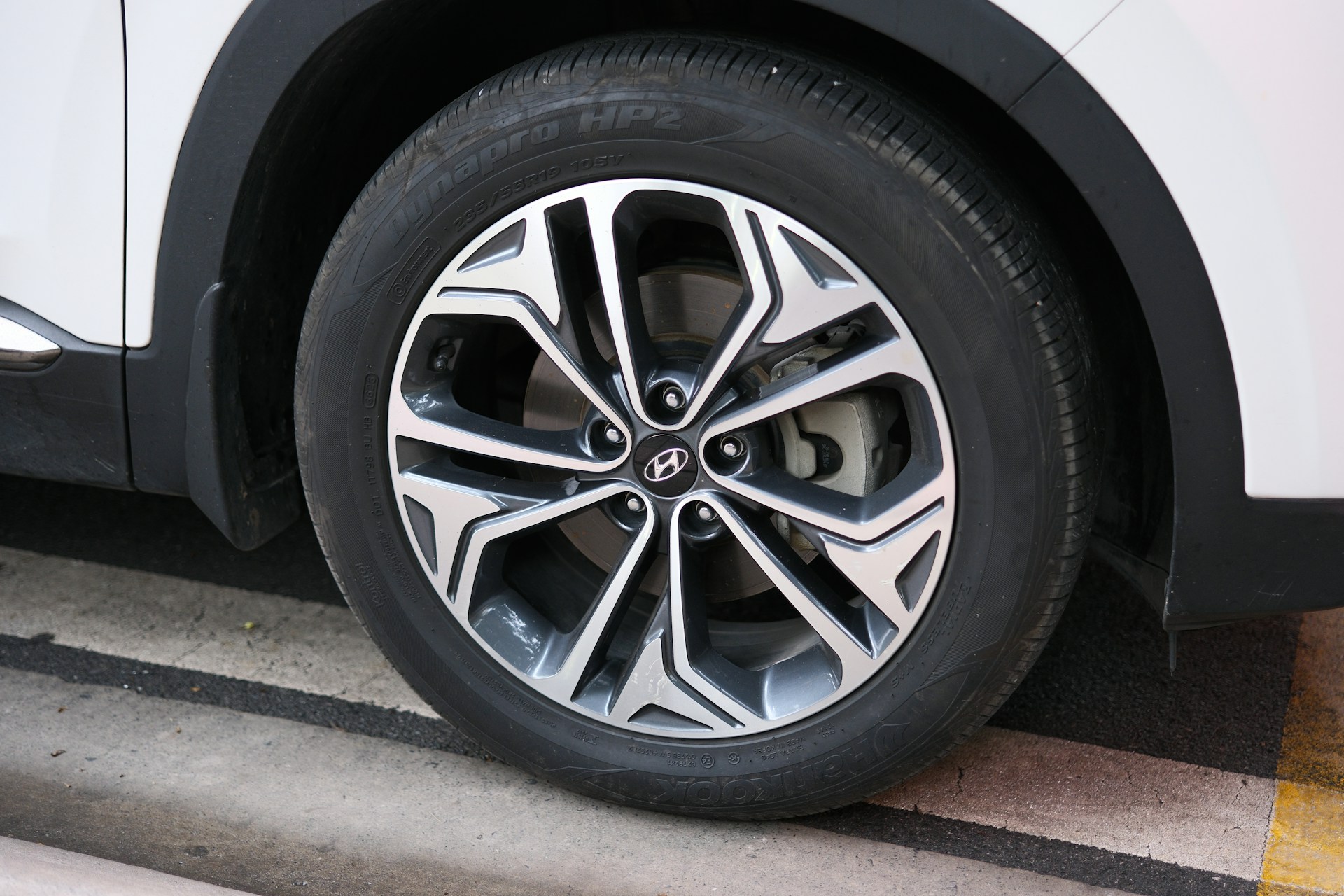
Fall on Long Island is beautiful, but it also brings some challenges for drivers. With cooler temperatures, fallen leaves, and wet roads, having dependable tires makes a big difference in how your Hyundai handles. If your tires are worn out or uneven, you might start to notice signs that it’s time for a replacement, especially during the back-and-forth weather swings that come with the end of October.
Driving around Riverhead, you count on your tires more than you think. Whether it’s commuting to work, heading east for pumpkin picking, or getting the kids to school, your tires need to be in good shape to get you there safely. And when they start wearing out, they’ll show some pretty clear signs if you know where to look.
Visible Tire Wear Indicators
Tire wear is one of the easiest ways to tell when it might be time to replace them. Once your treads start wearing down, traction takes a hit and that means your Hyundai could struggle more to grip wet or leaf-covered roads.
Here are a few clues to keep your eye on:
- Low tread depth: If the grooves in your tire are shallow or smooth, it’s a signal that the tires may no longer be safe for fall driving.
- Wear bars showing: These are built into the tread, and once they’re level with the surface, that’s a sign your tire has reached its safe limit.
- Uneven wear patterns: If one side of the tire is more worn than the other, it could mean there’s an issue with your alignment or suspension. This doesn’t just affect your tires, it could affect how the vehicle pulls or shakes while driving.
- Feathering or cupping: These strange tread patterns usually come from mechanical issues and can wear out tires quicker than normal.
You can usually spot some of this wear with a quick glance or a flashlight. If you notice anything unusual, it’s a good idea to have someone take a closer look before getting caught in a wet fall forecast on bald tires.
The Penny Test: A Quick At-Home Check
If you’re unsure whether your tire treads are too low, the penny test is a fast and simple way to check. It’s an old-school trick, but it works well when you want something quick and easy.
Here’s how to do it:
- Grab a penny. Make sure Lincoln’s head is facing you and right side up.
- Insert the penny into the tread groove on one of your tires.
- If the top of Lincoln’s head is still visible, your tread is too shallow. That means it’s time to start thinking about new tires.
- Do this test across several spots on all four tires, including inside, center, and outside edges.
If the penny disappears into the tread and you can’t see all of Lincoln’s head, that usually means your tread depth is still okay. But if he’s peeking out, your stopping power and braking safety are already reduced, especially when the pavement is slick.
Performing this test once a month, or after large weather changes, can help catch wear before it becomes a bigger problem. For example, local drivers often notice rain pooling up more often around Riverhead in the fall. If you’ve got shallow tread, that water isn’t getting pushed out of the way fast enough and that’s when hydroplaning can happen.
Signs of Aging Tires
Tires don’t last forever, even if they’ve barely racked up miles. Age can take its toll whether you’re driving every day or your Hyundai sits parked most of the week. Tires break down over time due to weather exposure, road conditions, and even sunlight. And with fall in full swing across Suffolk County, older tires may show their age right when you need them to perform better.
Here are a few aging signs to look out for:
- Cracks on the sidewall or between tread blocks
- Small surface splits often referred to as dry rot
- Bulges or bubbles on the tire’s surface
- Tires that have been on your vehicle longer than you can remember
Even if there’s decent tread left, tires that are dry, cracked, or warped won’t hold up well during cold snaps or sudden downpours. For example, a driver in Riverhead recently noticed her tires looked fine until close inspection during routine service revealed cracking all around the sidewalls. That car was practically skating by during rainy weather without her realizing it.
If you’re unsure how old your tires are, check the sidewall marking for a four-digit code. That tells you the week and year the tire was made. If you see something from several years ago, it could be time to play it safe and consider replacements.
Frequent Tire Pressure Problems
If you’re constantly reaching for the tire inflator, that’s more than just a seasonal annoyance. Temperature swings in fall can cause pressure to drop, but if one or more of your tires keeps losing air faster than the others, that might be a red flag.
Common causes of repeat pressure issues include:
- A slow leak from a puncture or valve
- A hidden crack or bubble in the sidewall
- Poor tire bead seal due to age or corrosion on the wheel
- A worn or damaged tire stem
Don’t ignore these warning signs thinking it’s just the weather. Driving on underinflated tires can increase wear, reduce fuel efficiency, and make your Hyundai harder to handle. It can also lead to internal tire damage that isn’t visible until it’s too late. Checking your tire pressure at least once a week during the fall is a smart move, especially before longer drives.
Keep a digital gauge in your glove box so you can catch these issues before they grow. If tire pressure keeps dropping even after topping off with air, it’s time for closer inspection.
Handling Issues and Brake Responsiveness
Tires affect more than grip. They directly impact how your Hyundai handles, steers, and stops. If your car has felt different on the road lately, your tires could be trying to tell you something.
Here’s what to watch for:
- Vibration while driving at moderate speeds
- Your car pulling to one side, even on a straight road
- Slower stopping distance, especially on wet pavement
- Trouble accelerating or turning smoothly
- A general loss of traction when roads get damp or covered in leaves
When tires harden with age or lose too much tread, they can’t hold onto the road properly. Your car may not respond the way it used to, which can be tricky during the cooler, slicker months across Long Island. A quick panic stop can become much harder if aged tires don’t give you the grip you had with newer ones.
If you’ve noticed it takes longer to stop or you feel uneasy making quicker lane changes, don’t brush that off. Those small signs during regular drives could show up bigger during emergency braking situations, especially in fall weather when road conditions are less predictable.
Get Ready for a Safe Drive This Fall
With shorter days and cooler temps settling into Riverhead, it’s smart to be tuned into how your Hyundai performs on the road. Tires play a bigger role than most drivers think. They connect your vehicle to everything beneath it, whether pavement, rain, leaves, or whatever else fall throws your way. Ignoring tire warnings now can snowball into major problems down the road, especially as the weather starts turning more unpredictable in the weeks ahead.
Whether your tires are worn, aged, or just not performing like they used to, fall is a good time to take action. Regular checks and prompt repairs or replacements keep your drives safer, your brakes sharper, and your fuel use more efficient. Spot issues early, and you’ll avoid a lot of the headaches that come with New York’s changing seasons.
As the season changes, make sure your vehicle stays safe and ready by keeping up with tire maintenance. If you’ve noticed any warning signs or need support with routine care, our Hyundai tire services in Riverhead are here to help. At Riverhead Hyundai, we’re focused on making sure your drives stay smooth, confident, and dependable no matter what fall throws your way.
Connect with us


- July 2026
- June 2026
- May 2026
- April 2026
- March 2026
- February 2026
- January 2026
- December 2025
- November 2025
- October 2025
- September 2025
- August 2025
- July 2025
- June 2025
- May 2025
- April 2025
- March 2025
- February 2025
- January 2025
- December 2024
- November 2024
- October 2024
- September 2024
- August 2024
- July 2024
- June 2024
Archives
Riverhead Hyundai

Address
1800 Old Country Road
Riverhead, NY 11901
Phone
- Sales 888-498-5441
- Service 888-493-9931
| Monday | 9:00AM - 8:00PM |
| Tuesday | 9:00AM - 8:00PM |
| Wednesday | 9:00AM - 8:00PM |
| Thursday | 9:00AM - 8:00PM |
| Friday | 9:00AM - 8:00PM |
| Saturday | 9:00AM - 6:00PM |
| Sunday | 11:00AM - 5:00PM |
| Monday | 8:00AM - 4:30PM |
| Tuesday | 8:00AM - 4:30PM |
| Wednesday | 8:00AM - 4:30PM |
| Thursday | 8:00AM - 4:30PM |
| Friday | 8:00AM - 4:30PM |
| Saturday | 8:00AM - 4:30PM |
| Sunday | Closed |
| you break it we fix it | |
| Monday | 8:00AM - 4:30PM |
| Tuesday | 8:00AM - 4:30PM |
| Wednesday | 8:00AM - 4:30PM |
| Thursday | 8:00AM - 4:30PM |
| Friday | 8:00AM - 4:30PM |
| Saturday | 8:00AM - 4:30PM |
| Sunday | Closed |