



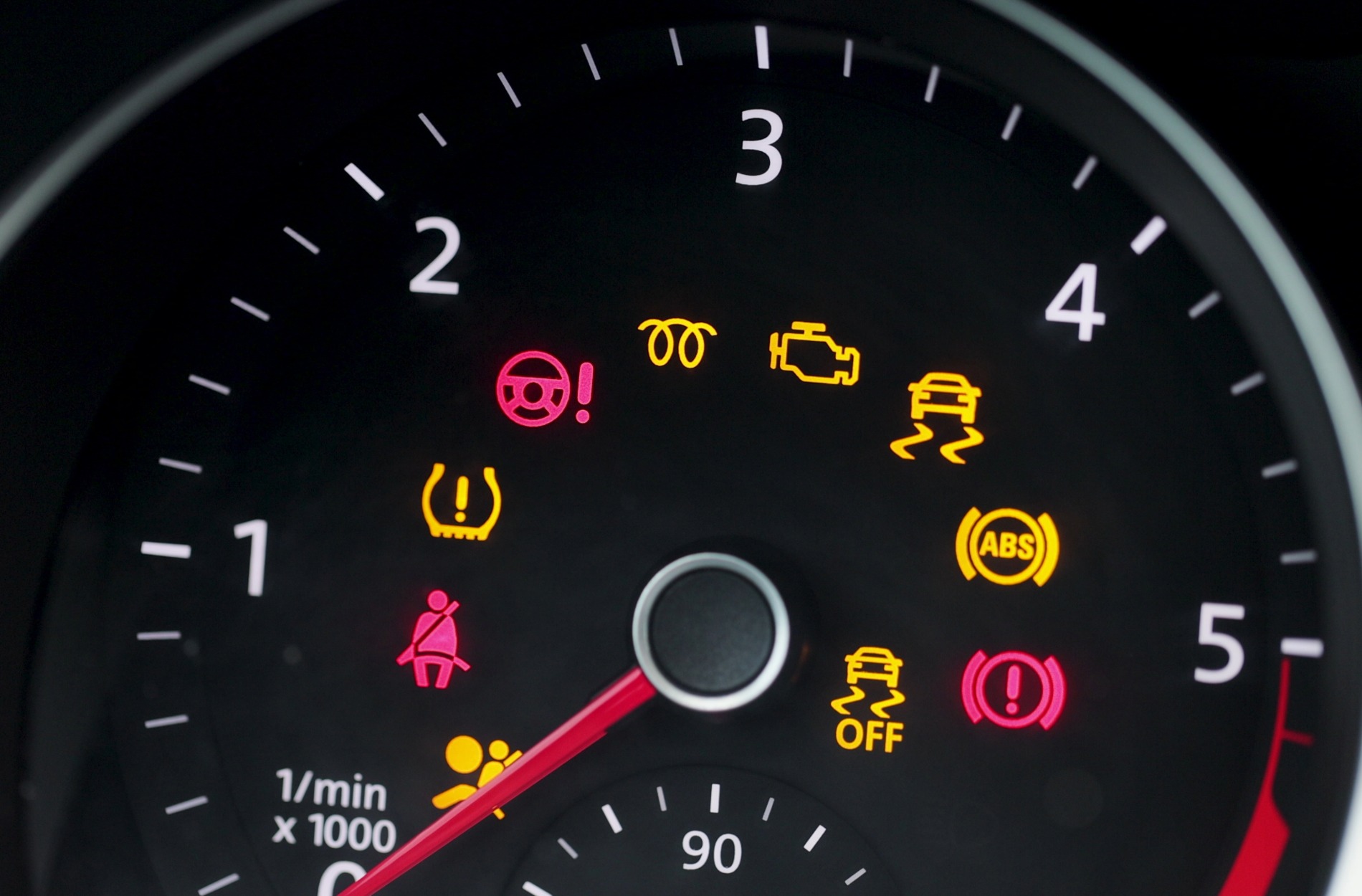
Dashboard lights are one of those things you don’t think much about until they flicker. When they do, it can be confusing and a little stressful. These lights are meant to give you quick info about your car’s systems, so if they’re flashing randomly or going dim while you’re driving around Riverhead, it’s something you shouldn’t ignore. It might be a minor issue or a signal that something needs fixing.
Whether you’re heading out to work, picking up the kids, or cruising out east, dealing with warning lights that blink or fade is frustrating. And when October weather rolls in on Long Island, surprise electrical issues are never welcome. Figuring out why your dashboard lights are acting up early can help you avoid bigger problems later and keep you from getting stranded.
Common Causes Of Flickering Dashboard Lights
When the lights on your dashboard start flickering, it’s usually a sign of something going on in the electrical system. A few different components need to work together to keep that system steady. If one starts to slip, the lights might flicker, pulse, or dim.
Here are some common reasons why this happens:
- Weak or loose battery connection: If your battery cables aren’t secure, or there’s corrosion on the terminals, the power flow can get interrupted. That causes flickering, especially when the car is moving or idling.
- Dying battery: Batteries lose strength as they age. If yours is struggling to hold a charge, the voltage drop can mess with how your lights behave. You may notice dimming or flickering when you start the car or turn on the radio, heater, or headlights.
- Faulty alternator: The alternator keeps your battery charged and powers the electrical system when the engine is running. If it malfunctions, you might see lights flashing too bright or too dim, or flickering while driving.
- Worn or damaged wiring: Over time, wires under the hood can wear out, especially with exposure to moisture, road salt, or even animals chewing through them. Damaged connections can send spotty signals and cause lights to behave oddly.
- Bad voltage regulator: This component controls how much power the alternator sends to your battery. If it fails, your lights may start flashing or dimming without warning. It’s a less obvious cause, but it can throw the whole system off.
Some of these problems can look or feel the same, which is why it’s tricky to instantly know what’s wrong without taking a closer look.
Identifying the Specific Problem
Before you rush to the shop or assume the worst, there are a few things you can check on your own. You don’t need to be a mechanic to notice certain signs.
Here’s a simple checklist to follow:
1. Look at the battery terminals
Pop the hood and inspect the battery. Are the cables tight? Is there any white or green buildup on the terminals? That’s corrosion, and it can interfere with proper power flow.
2. Check when the flickering happens
Does it only happen when starting the car, while sitting at a red light, or when turning on electronics like the AC or radio? This can help narrow it down to the battery, alternator, or wiring.
3. Listen for unusual noises
If you hear whining, clicking, or buzzing from under the hood while the lights flicker, that could be your alternator struggling to do its job.
4. See how old the battery is
If the battery is more than three years old, it might not be holding power well. Flickering lights at startup can be one of the first signs it’s weakening.
If you smell something strange, see smoke, spot melting cables, or notice anything else unusual, don’t wait—have it looked at. Electrical problems can jump from a small inconvenience to a full breakdown fast. Catching the issue early helps avoid expensive repairs later.
Quick Fixes and When to Ask for Help
Sometimes there’s a quick answer to flickering dashboard lights, and other times it calls for a professional. If it’s something small like a loose battery cable, that’s usually safe to address right away. But deeper issues like alternator trouble or damaged wiring need expert diagnosis.
Here are signs the problem might be a simple fix:
- The battery cables are slightly loose or show minor corrosion
- The flickering happened just once and hasn’t come back
- You just drove through wet weather, and some water may have gotten into the system
- The lights dim briefly when you turn on the AC or other accessories
Still, if the flickering keeps happening or comes with other odd signs—strange smells, weird sounds, lights dimming for no reason—it’s time to get it checked. Using genuine Hyundai parts in Riverhead matters here. If electrical repairs use the wrong parts, the problem can return sooner than you think.
We’ve seen cases where lights would dim anytime the AC came on. Turns out, it was a failing alternator and a worn-out belt. Once those parts were replaced with genuine Hyundai components, the flickering stopped for good. This is exactly why getting skilled eyes on the issue is so important.
Ways to Prevent Dashboard Light Flickering
You can keep a lot of these problems away with a few routine habits. It’s easy to forget about what’s under the hood until a light starts acting up, but staying ahead of things goes a long way. Fall is a great time for car checkups before winter weather kicks in and tests your car’s electrical system even more.
Try to work these habits into your regular car care:
- Keep battery terminals clean and tightly attached
- Ask your service technician to test the system’s voltage during checkups
- Replace belts connected to the alternator if they’re worn or making squeaky noises
- Avoid plugging in too many accessories or chargers at once
- Stick to genuine Hyundai parts when replacing anything electrical
- Get seasonal inspections, especially right before winter
Keeping up with routine service makes it easier to spot small issues before they turn into big ones. If your dashboard lights are flickering, that’s your car’s way of saying something needs attention. It’s better to take action early than let the issue grow worse over time.
Why Getting Help Sooner Is the Smart Move
Dashboard lights are easy to brush off, especially if everything else feels normal. But flickering lights are early signs of electrical trouble that can grow if you skip over them. Power problems often don’t fix themselves and waiting too long could leave you with a stalled car on the side of the road.
By tackling it early, you save time, money, and stress. Whether it’s the battery, wiring, alternator, or voltage regulator, catching it before it turns into a big repair helps keep your Hyundai running the way it should. Electrical issues don’t just go away—they get louder the longer you ignore them.
Getting yours checked out quickly keeps you rolling and keeps things safer as we move into colder months here in Riverhead. A smooth-running car with strong lighting is one less thing to worry about when life gets busy.
Don’t let flickering dashboard lights disrupt your driving experience. For reliable repairs and quality replacements, explore our selection of Hyundai parts in Riverhead. With trusted service and genuine components, Riverhead Hyundai is here to help you stay safe and confident on the road.
Connect with us


Riverhead Hyundai
Address
1800 Old Country Road
Riverhead, NY 11901
Phone
- Sales 888-498-5441
- Service 888-493-9931
| Monday | 9:00AM - 8:00PM |
| Tuesday | 9:00AM - 8:00PM |
| Wednesday | 9:00AM - 8:00PM |
| Thursday | 9:00AM - 8:00PM |
| Friday | 9:00AM - 8:00PM |
| Saturday | 9:00AM - 6:00PM |
| Sunday | 11:00AM - 5:00PM |
| Monday | 8:00AM - 4:30PM |
| Tuesday | 8:00AM - 4:30PM |
| Wednesday | 8:00AM - 4:30PM |
| Thursday | 8:00AM - 4:30PM |
| Friday | 8:00AM - 4:30PM |
| Saturday | 8:00AM - 4:30PM |
| Sunday | Closed |
| you break it we fix it | |
| Monday | 8:00AM - 4:30PM |
| Tuesday | 8:00AM - 4:30PM |
| Wednesday | 8:00AM - 4:30PM |
| Thursday | 8:00AM - 4:30PM |
| Friday | 8:00AM - 4:30PM |
| Saturday | 8:00AM - 4:30PM |
| Sunday | Closed |