



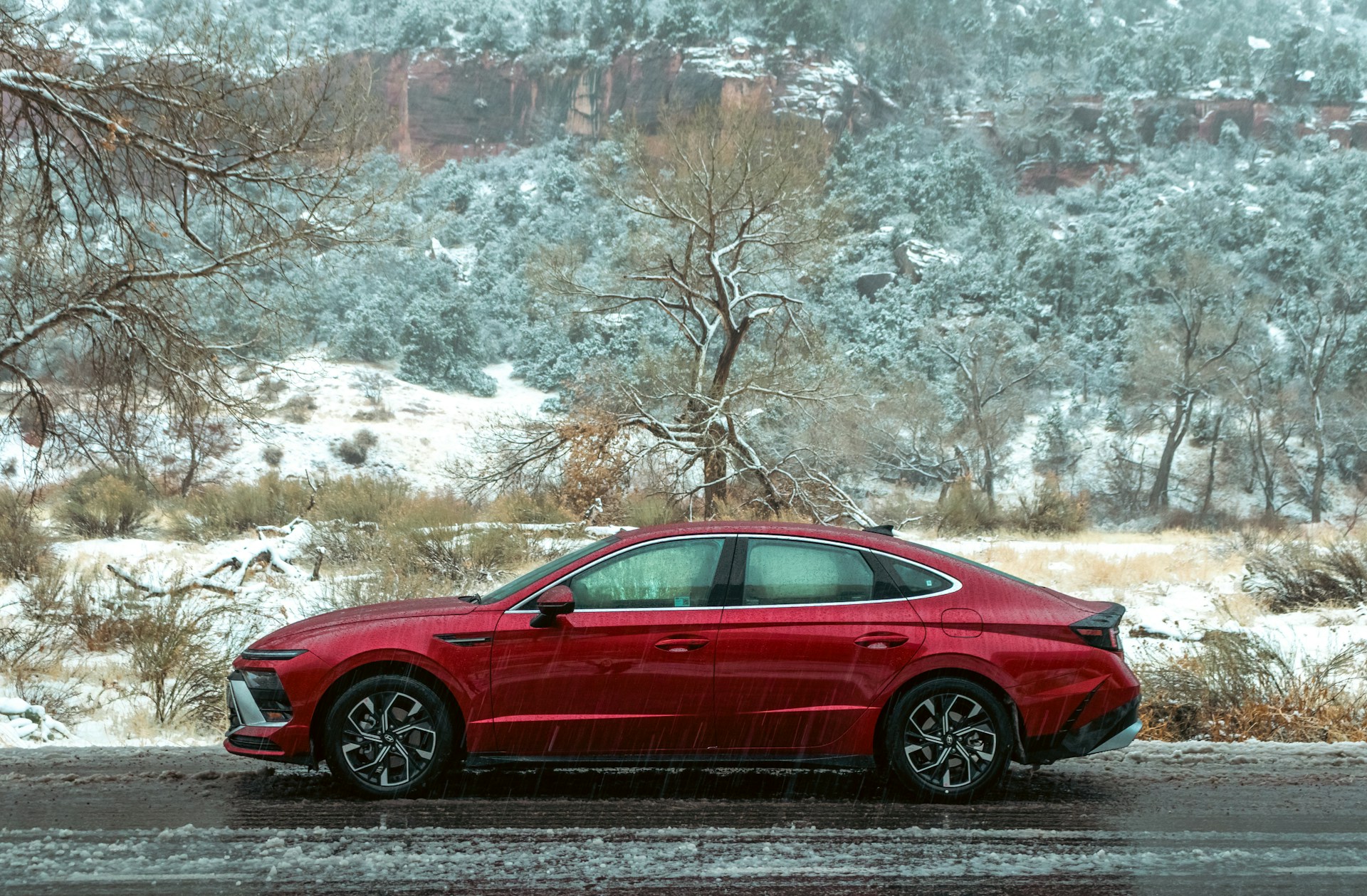
When winter hits Suffolk County, mornings can feel like a battle. Freezing temps, icy roads, and snow-covered windshields slow everything down and that includes your car. If your Hyundai won’t turn over when it’s chilly, you’re definitely not alone. The cold can mess with all sorts of systems in your vehicle, making it harder for everything to function like it should.
Riverhead and nearby parts of Suffolk County often face some frigid weather by late November. That means starting issues can become more common, especially if your vehicle hasn’t had service or upkeep before the drop in temperature. Whether it’s your battery not holding a charge or your engine oil thickening up, problems usually have a clear cause. And that means they can also be fixed with the right help and timing.
To prevent finding yourself stuck on a freezing morning, understanding how cold weather affects your Hyundai is key. Let’s take a look at why cold weather brings these problems to the surface and how regular Hyundai repair services in Suffolk County can help you stay ahead of them.
Battery Issues in Cold Weather
The battery is the top troublemaker when it comes to winter starting problems. When the temperature drops, your Hyundai’s battery naturally loses power. Even a strong battery in warm weather can operate with only half its normal strength when it’s freezing outside. If the battery has already been weakening from day-to-day use, cold conditions push it closer to the edge.
Signs your battery may be struggling include:
- Your engine cranks slowly or won’t crank at all
- The dashboard lights dim when starting the car
- You recently needed a jump start
- Corrosion is visible on the battery terminals
If you’ve experienced any of these symptoms, there’s a good chance the cold aggravated an already weakening battery. Modern vehicles need a strong power source to boot up all the electronics required even before the engine turns over. A borderline battery in warm weather can quickly become a non-working one on a cold morning.
Scheduling a battery check as the seasons begin to shift is a smart move. A technician can test voltage levels and look for other issues like terminal corrosion or cable wear. This service is simple but saves you time and stress later, especially when it’s freezing and you’re in a rush.
Thickened Engine Oil Could Be the Culprit
Oil plays a big role in making sure your engine moves smoothly and doesn’t wear down too fast. The problem is that when temperatures fall, oil thickens and becomes sluggish. Imagine trying to pour cold syrup out of a bottle — your engine has to deal with the same issue when oil doesn’t flow easily in cold weather.
Thicker oil can cause:
- Strain on your starter motor
- Delays in building oil pressure
- Reduced fuel efficiency
- Extra wear on internal engine parts
If your Hyundai is using a heavy-grade motor oil, the added resistance can make the engine fail to start altogether. Cold-start lubrication is extremely important when components need fast coverage to prevent damage.
To avoid this, make sure your engine has oil that is rated for winter. Look for oil types marked with a “W” in their specifications, such as 5W-30. These formulas are thinner in cold temperatures and help your engine turn over without as much effort. Getting this sorted before cold weather hits can make a big difference between a working car and one that won’t move out of the driveway.
Fuel System Problems in Cold Temperatures
The performance of your Hyundai’s fuel system can also take a hit during Suffolk County winters. Cold air can cause moisture in the fuel system to freeze. This can clog narrow lines or filters and make it tough for fuel to reach your engine. When gas can’t flow freely, starting the engine can take longer — or not happen at all.
Pay attention to the following signs of fuel system problems:
- Engine cranks but doesn’t start
- Strong fuel smell with no ignition
- Sputtering or hesitation after cold starts
- Rough idling during the first few minutes
Another overlooked part is the fuel filter. Dirt or gunk in an old filter becomes harder to push through when cold, reducing pressure and causing misfires or non-starts. A blocked filter is bad news in any season, but it’s much worse when it’s freezing outside.
To protect your Hyundai’s fuel system, keep your gas tank at least half full during winter. This helps reduce condensation that leads to frozen fuel lines. Making routine replacements of fuel filters part of your service schedule also supports longer-term performance. These smaller maintenance steps can prevent bigger headaches down the line.
Winter’s Impact on Your Hyundai’s Electrical System
When people think of car troubles in winter, the battery gets most of the blame. But the rest of your Hyundai’s electrical system plays a big part in getting you up and running too. Cold air makes metal parts contract, and that can loosen connections or cause sensors to give faulty signals.
If you’ve noticed these issues, your electrical system may be struggling:
- Clicking noise with no engine response when you turn the key
- Dashboard lights flicker or behave unpredictably
- Power windows, heat, or radio acting up
- Slow reaction from things like push-button start or ignition
Many of today’s vehicles rely on electronic control units, sensors, and modules to manage even simple start-up tasks. Even a minor short or loose wire can cause major issues on a freezing morning. Cold weather just puts more strain on circuits and highlights any hidden problems.
Getting your electrical system inspected during winter service is a smart way to stay proactive. A technician can test each part — starter, alternator, ignition — to ensure everything is functioning the way it should. It’s also a good chance to check for corrosion or exposed wires, which are common contributors to cold-weather failure.
Ensure Smooth Starts This Winter
Riverhead winters aren’t exactly gentle on cars. Freezing temperatures affect your Hyundai in more ways than one — but luckily, most of the common issues are preventable with the right preparation.
If your vehicle hesitates in the morning, shows dim warning lights, or makes strange noises when you try to start it, don’t ignore those warning signs. Often a weak battery, thick motor oil, fuel blockage, or unseen electrical problem is behind the issue.
Taking time to get your Hyundai checked before a full-season freeze locks in makes all the difference. Regular maintenance paired with professional support helps reduce breakdowns and keeps your car starting strong, no matter how low the temperature dips.
Cold mornings don’t have to mean calling for a tow or waiting for jump-starts. The sooner you spot a starting problem, the easier it is to fix. With trusted Hyundai repair services in Suffolk County available, staying ahead of winter car trouble has never been more doable.
Get ahead of winter woes with prompt attention to any starting issues. If you’ve noticed sluggish starts or other concerns, it’s time to address potential problems with trusted Hyundai repair services in Suffolk County. Trust Riverhead Hyundai to ensure your car remains reliable by arranging a thorough check-up, and keep those winter miles smooth and hassle-free.
Connect with us


Riverhead Hyundai
Address
1800 Old Country Road
Riverhead, NY 11901
Phone
- Sales 888-498-5441
- Service 888-493-9931
| Monday | 9:00AM - 8:00PM |
| Tuesday | 9:00AM - 8:00PM |
| Wednesday | 9:00AM - 8:00PM |
| Thursday | 9:00AM - 8:00PM |
| Friday | 9:00AM - 8:00PM |
| Saturday | 9:00AM - 6:00PM |
| Sunday | 11:00AM - 5:00PM |
| Monday | 8:00AM - 4:30PM |
| Tuesday | 8:00AM - 4:30PM |
| Wednesday | 8:00AM - 4:30PM |
| Thursday | 8:00AM - 4:30PM |
| Friday | 8:00AM - 4:30PM |
| Saturday | 8:00AM - 4:30PM |
| Sunday | Closed |
| you break it we fix it | |
| Monday | 8:00AM - 4:30PM |
| Tuesday | 8:00AM - 4:30PM |
| Wednesday | 8:00AM - 4:30PM |
| Thursday | 8:00AM - 4:30PM |
| Friday | 8:00AM - 4:30PM |
| Saturday | 8:00AM - 4:30PM |
| Sunday | Closed |