
Blog / New York Hyundai Dealer

EV Charging Options for Hyundai Drivers in Riverhead

EV charging

Smarter Summer EV Charging on Long Island

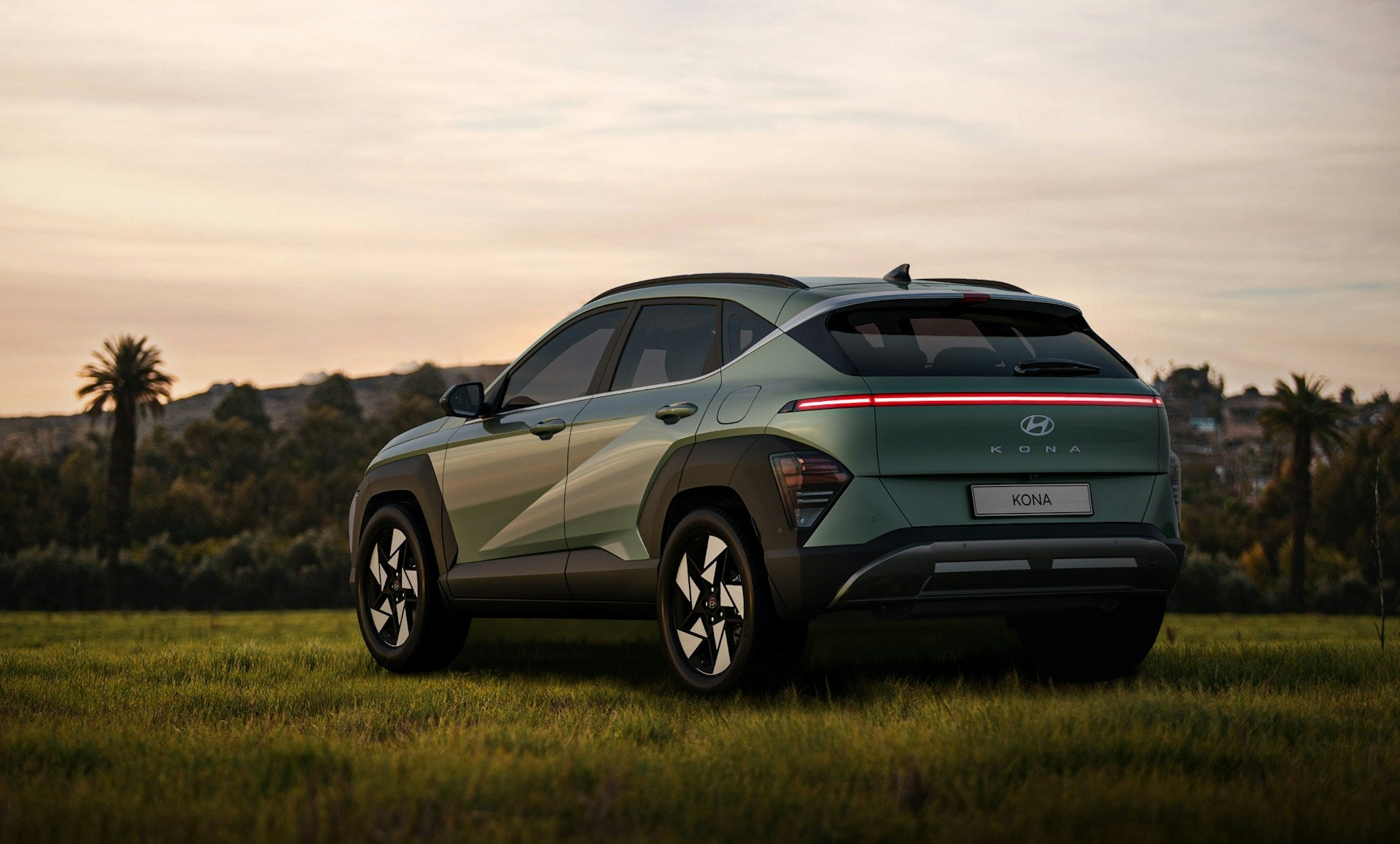
Hyundai electric vehicles and plug-in hybrids are showing up all over Riverhead and the East End. As traffic picks up and people head to the beach, wineries, and family visits, knowing your charging options matters more than ever. A little planning can keep your Hyundai EV ready for fun weekends and simple daily drives.

In this guide, we will walk through smart at-home charging, public charging choices around Riverhead, how to plan longer trips, and simple tips for driving in warm weather. We will also explain how our team helps you match your Hyundai EV to the way you actually live and drive on Long Island.

Understanding Your Hyundai EV Charging Basics

Most Hyundai EV and plug-in owners will see three main charging levels. Each one fits a different part of your day.

  • Level 1: This uses a standard household outlet, usually 120 volts.
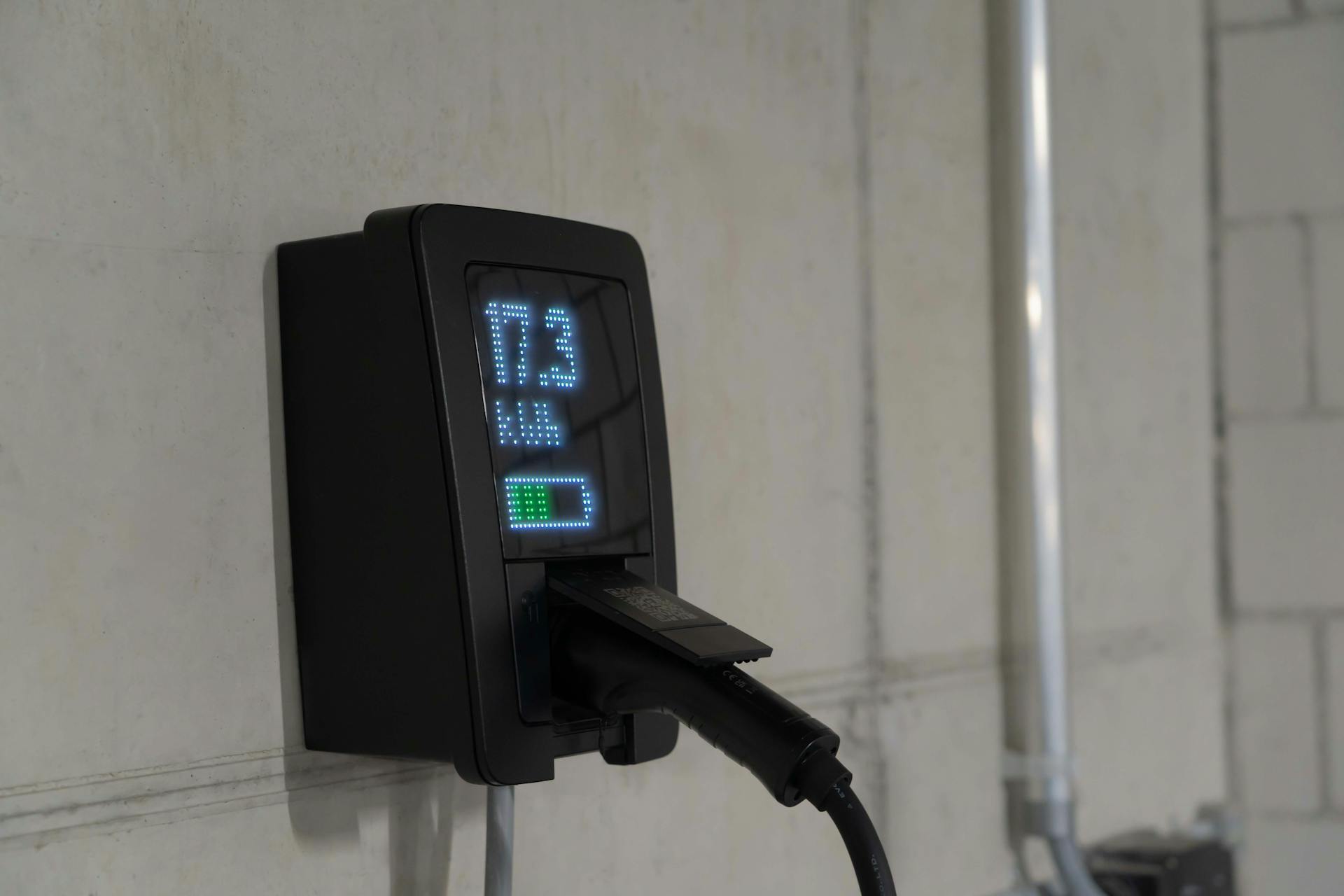
  • Level 2: This uses a 240 volt source, like a home charger or many public chargers.
  • DC fast charging: For compatible Hyundai EVs like IONIQ and Kona Electric at certain public stations.

Level 1 charging is slow, but it can work if you drive shorter distances and can leave the car plugged in overnight. You might add range while you sleep, which is often enough for local errands or a light commute. It is simple, but not the best fit for heavy driving.

Level 2 charging is what many daily drivers prefer. At home or at a public charger, it adds power much faster than a regular outlet. A lot of Hyundai owners like to plug in in the evening and wake up to a mostly full battery, ready for the workday or a trip across the East End.

DC fast charging is for quick stops on the road. When your Hyundai EV supports it, you can get a helpful boost in a short time, often about the length of a meal break. It is great on longer outings, but not something you want to use as your only charging source every single day.

Summer heat can affect range and charging speed. To keep your battery happy, try a few habits:

  • Park in the shade when you can.
  • Precondition the cabin while plugged in so the AC does not have to work as hard once you pull away.
  • Avoid fast charging to 100 percent every time, especially back to back in high heat.

Home Charging Options for Riverhead Households

Home charging is the easiest way to keep your Hyundai ready, especially if you live in Riverhead or nearby towns and drive the same routes most days. The main question is whether a regular outlet is enough, or if a Level 2 charger makes more sense.

Level 1, using a 120 volt outlet, can work for:

  • Short commutes and light local driving
  • Drivers who can leave the car plugged in many hours at night
  • Households with another gas or hybrid vehicle for longer trips

A Level 2 charger, using 240 volts, is helpful if:

  • You drive more miles most days
  • You often make last-minute plans or multiple trips in one day
  • You want faster recovery after weekend outings or visits to both forks

On the East End, many homes have different setups. Some have enclosed garages. Others have long driveways, barns, or parking areas away from the house. Older homes may have older electrical panels. Newer construction might already support a charger with less extra work. In almost every case, it is best to work with a licensed local electrician who understands the area and can review your panel, wiring, and where you usually park.

There may be incentives or rebates in New York that help with home charger installation. These programs can change, so many drivers find it helpful to learn what is currently offered before they install a charger. Planning ahead before peak summer trips can keep you from rushing to upgrade once you are already busy.

Public Charging Spots Around Riverhead and the East End

Public charging fills in the gaps when you are away from home. Around Riverhead and across the East End, you will usually see two types of public chargers: Level 2 and DC fast.

Level 2 chargers often show up at:

  • Shopping centers and outlet malls
  • Public parking lots and garages
  • Workplaces and some hotels

These are great for topping up while you shop, grab a meal, or spend a few hours at an attraction. Many Hyundai drivers in the area also use Level 2 spots around downtown Riverhead, near local businesses or near larger shopping areas like outlet centers.

DC fast chargers are placed along major roads, including routes that connect back to the Long Island Expressway. They support compatible Hyundai EVs and are built for quick top-ups when you are on a schedule. These are especially helpful when you are heading to or from the North Fork or South Fork and want extra peace of mind.

Your Hyundai EV, along with popular charging apps, can help you:

  • Find nearby chargers
  • Check plug types and power levels
  • See if stations are working or in use
  • Estimate how long you might need to stay

Checking ahead before a beach day or winery visit can keep your plans smooth. Many drivers like to choose a lunch or shopping spot that happens to have a charger nearby so charging fits naturally into the day.

Planning Summer Road Trips in Your Hyundai EV

Longer summer drives take a little more planning with an EV, but they can be very relaxing once you get used to the rhythm. Start by looking at your route and where DC fast chargers are spaced out. Then think about your usual stops for food, rest, and sightseeing.

When you plan your trip, keep a few things in mind:

  • Extra weight from passengers and luggage can use more energy.
  • Running the AC on hot days takes some power too.
  • It helps to plan a buffer instead of driving all the way down to a very low battery.

Charging while you eat, stretch, or explore a town can turn range worry into a quick break. Many Hyundai drivers find that stopping a little earlier for a short fast charge feels better than pushing the battery too low and stressing about the next station.

You can stretch your range with a few simple habits:

  • Keep speeds more moderate on the Long Island Expressway.
  • Use climate control in smart ways, like using cabin preconditioning while plugged in.
  • Check tire pressure regularly so the car rolls as smoothly as it should.

Small choices like these add up, especially in steady summer traffic.

How Riverhead Hyundai Supports Your EV Lifestyle

Switching to a Hyundai EV or plug-in hybrid is not only about the vehicle itself. It is about how that vehicle fits into life on Long Island, from weekday commutes to weekend drives across the East End. Our team helps drivers think through where they live, how far they travel, and what Hyundai EV charging in Riverhead and nearby towns looks like day-to-day.

At our dealership, we offer support that is focused on electric driving, including:

  • EV-specific maintenance and service
  • Help understanding software updates related to range and charging
  • Guidance on charger compatibility and public charging options
  • Referrals for local professionals who can help with home charging setups

We are here to walk through different charging choices, answer questions, and help you feel confident about using your Hyundai EV around Riverhead and beyond.

Power Your Drive With Convenient Local EV Charging Solutions

If you are ready to make the most of your electric Hyundai, explore our dedicated resources for Hyundai EV charging in Riverhead. At Riverhead Hyundai, we can help you choose the right charging setup, understand available incentives, and feel confident about everyday driving. Reach out so we can answer your questions, walk you through your options, or schedule a visit to our showroom and service team contacting us.

Posted in:

Related Posts

Hyundai

Signs Your Hyundai Needs Battery Replacement in Suffolk County

A healthy battery helps your Hyundai start when you need it most. Early fall is a smart time for us to check battery health before cooler Suffolk County mornings put extra stress on your vehicle’s electrical system. A weak battery can turn an ordinary morning into an unexpected delay. Whether you are heading to work, handling a school drop-off, running errands, or planning a weekend drive across Long Island, dependable starting power matters. Protect Reliable Starts Before Temperatures Drop Summer heat can wear down a battery long before you notice a problem. Then, when fall brings cooler nights and you begin using headlights, defrosters, and cabin accessories more often, a battery that was already losing strength may struggle to keep up. Hyundai battery replacement in Suffolk County is a preventative service that can help reduce the chance of an inconvenient no-start. We recommend paying attention to small changes now, rather than waiting until your vehicle will not start in the driveway or parking lot. Notice Slow Starts and Dim Electronics Early Slow engine cranking is one of the clearest signs that a battery may be weakening. If your Hyundai takes longer than usual to start after sitting overnight, it is worth having the electrical system checked. A healthy start should feel quick and consistent. Other signs can show up inside and outside the vehicle, including: Headlights that look dimmer than normal Interior lights that flicker when starting Power windows that move more slowly Climate controls that seem weaker An infotainment screen that takes extra time to turn on Intermittent trouble deserves attention, too. A vehicle that starts without issue one day but struggles the next may have a battery nearing the end of its useful life. We can help identify whether the battery is the cause or if another part of the starting system needs attention. Check Battery Age, Corrosion, and Warning Lights Many vehicle batteries last roughly three to five years, but real-world battery life can vary. Frequent short drives, big temperature changes, heavy electrical use, and stop-and-go traffic can all affect how long a battery performs well. A quick look under the hood may reveal signs that should be inspected by a professional. These can include corrosion around the terminals, a loose connection, a swollen battery case, or a sulfur-like smell. If you see visible damage, leaking, or swelling, it is best not to handle the battery yourself. The battery or charging-system warning light also calls for a closer look. That light does not always mean the battery alone needs replacement. It may point to an alternator concern, damaged wiring, or another charging-system issue. Our technicians can test the system to find the actual source before recommending parts or service. Prepare for Fall Weather with Hyundai Battery Replacement in Suffolk County Cooler temperatures can expose a battery that lost strength during the warmer months. Starting an engine takes more effort when the weather turns cooler, while added use of lights, defrosters, and other accessories places more demand on the battery. Professional testing goes beyond seeing whether your Hyundai starts today. During an inspection, we can evaluate items such as: Battery charge and overall condition Cold-cranking performance Battery terminal condition Cable connections The vehicle’s charging system Choosing the right replacement battery also matters. Hyundai models have different electrical needs, and proper fitment can support the dependable operation of remote-access features, safety systems, infotainment, and available stop-start technology. A battery that fits and performs as intended helps your vehicle’s connected features work the way they should. Avoid a No-Start with Professional Testing and Service Not every slow start comes from a weak battery. Alternator problems, damaged cables, parasitic electrical draws, and starter concerns can create similar symptoms. That is why a professional diagnosis is often more helpful than replacing a battery based on one sign alone. When you bring your Hyundai to us, we can inspect the battery, check the terminals, clean connections when appropriate, and test the charging system. If replacement is needed, we can recommend a Hyundai-compatible option and make sure the old battery is properly disposed of. Our service team supports drivers in Riverhead, Suffolk County, and across Long Island with professional automotive care. Know When It Is Time for Battery Service Do not wait for a complete no-start to take battery symptoms seriously. Slow cranking, dim lights, warning lights, corrosion, or a battery that has been in service for several years are all good reasons to have the system tested. Paying attention to these early warnings can help you make a plan before colder weather makes starting trouble more urgent. A timely inspection gives you a clearer picture of your battery, charging system, and the steps needed to keep your Hyundai ready for the road. Reliable Starts Begin With the Right Battery Care At Riverhead Hyundai, our service team can help you schedule Hyundai battery replacement in Suffolk County when your vehicle needs dependable power. We use Hyundai-approved parts and careful service to support confident starts through the season. Have questions about your battery or service needs? Contact us to speak with our team.

Hyundai

The True Value of Hyundai Cash Back Offers in Suffolk County

Turn Fall Shopping Into More Hyundai Value Early fall can be a smart time to consider a new Hyundai. As model-year inventory changes and manufacturer programs come and go, qualified shoppers may find incentives that help lower the amount they pay for an eligible vehicle. For drivers shopping in Suffolk County, it helps to look beyond the window sticker and focus on the full offer. Cash back is one straightforward type of incentive. It may provide a set amount that can be applied toward the purchase of a qualifying new Hyundai, but its real value depends on the vehicle, available programs, financing choice, and your eligibility. We want to help you understand Hyundai cash back offers in Suffolk County, compare them with other incentive choices, and make a decision that fits your plans. All offers are subject to program terms, eligibility rules, vehicle availability, and expiration dates. How Hyundai Cash Back Offers in Suffolk County Work Hyundai cash back offers may give qualified buyers a stated amount toward an eligible new vehicle purchase. In many cases, the incentive is applied to the agreed-upon purchase amount, which can reduce the amount you need to finance. The exact process can vary based on the offer and how the transaction is structured, so we recommend reviewing the details before making a final decision. Not every incentive applies to every Hyundai. An offer connected to a Tucson, Santa Fe, Kona, Elantra, or Palisade may be limited to certain trims, vehicle identification numbers, or retail delivery dates. Availability can also change by market area and may end before a shopper is ready to buy. Qualification can matter just as much as the advertised incentive. Depending on the program, we may need to review items such as: Your residency and retail delivery timing Financing approval, when financing is part of the purchase Military or first-responder eligibility Current Hyundai ownership or loyalty requirements Our team can help you sort through active programs and identify which ones may apply to your situation. That conversation helps prevent surprises and gives you a clearer view of the choices available for the Hyundai you want. Compare Cash Back, Low APR, and Lease Incentives Cash back is only one way a manufacturer may support a new Hyundai purchase. It can create an immediate reduction in the purchase amount, which may be appealing if you plan to finance through a standard loan or pay without financing. Still, the largest rebate is not always the strongest overall option. Special APR financing may be worth comparing for qualified buyers. A lower interest rate can reduce finance charges over the full loan term, even if choosing that rate means giving up some or all of a cash-back offer. The better choice depends on factors like your down payment, loan length, credit approval, and how long you expect to keep the vehicle. We encourage you to compare complete scenarios instead of focusing on one headline number. Ask us to show how each option affects the estimated payment and total financing structure. Cash back may lower the amount financed right away. Promotional APR may reduce interest over time. Lease incentives may support a shorter-term driving plan. Some offers may not be combined with one another. Leasing can be another path for drivers who like the idea of driving a newer Hyundai every few years. Lease programs may have different eligibility rules, mileage limits, and end-of-term responsibilities than a purchase. Side-by-side comparisons make it easier to choose a plan that matches your driving habits and budget. Calculate the Bottom-Line Value of Any Offer A good offer should make sense from the first line of the purchase worksheet to the last. Cash back is helpful, but it is only one part of the full transaction. We recommend looking at the vehicle selling price, available incentive, trade-in value, down payment, taxes, registration fees, finance charges, and loan term together. A transparent worksheet can show how an incentive changes the final amount financed and estimated monthly payment. This is especially helpful when you are deciding between similar Hyundai models or trims. A slightly different vehicle configuration may have a different incentive, rate option, or availability, so comparing complete figures matters. September programs may have deadlines, and qualifying inventory can change. Before you make a decision, it helps to have a clear plan that includes your preferred features, realistic monthly budget, likely down payment, and financing discussion. We can walk through the details with you so you understand what may change if an offer expires or a specific vehicle is no longer available. Use Your Trade-in to Expand Buying Power Your trade-in and a Hyundai incentive are separate parts of the same purchase, and both deserve careful attention. Trade-in value may reduce the amount you need to finance, while eligible cash back may further reduce the purchase amount of a qualifying new Hyundai. Looking at them together gives you a more complete picture of your buying power. For the most accurate appraisal conversation, we suggest bringing the information that helps us understand your current vehicle and loan situation. Useful items may include: Your vehicle title or current payoff information Registration and service records Spare keys and remotes Details about recent repairs or upgrades If you owe more on your current vehicle than its trade-in value, that is called negative equity. Depending on the transaction, the remaining balance may need to be paid separately or included in the next loan. Cash back may help reduce part of the purchase amount, but it does not remove the need to review the full financing structure. Keeping the payment and loan length within a comfortable range should stay at the center of the decision. Find the Right Hyundai Offer at Riverhead Hyundai The right Hyundai offer is the one that supports your needs, not simply the one with the biggest advertised incentive. When you work with us at Riverhead Hyundai, we can help you compare eligible cash back, financing options, lease programs, trade-in details, and available new Hyundai vehicles in one clear conversation. Before choosing, review the complete worksheet, confirm offer deadlines, and make sure the vehicle, payment structure, and ownership plan work together. Programs and inventory can change, but a careful comparison gives you a stronger way to recognize value when the right opportunity appears. See Current Savings That Fit Your Plan At Riverhead Hyundai, we can help you review available incentives alongside the vehicle and financing options that matter most to you. Check our Hyundai cash back offers in Suffolk County to see current opportunities and eligible models. If you have questions about a specific offer or your next steps, contact us and our team will help you get the details you need.

Hyundai

Can Hyundai’s College Grad Program Help Riverhead Buyers?

A new career can change your daily routine fast, especially when you need dependable transportation for a Long Island commute. September often brings new jobs, new housing plans, and new expenses for recent graduates, including student loans, insurance, and everyday costs. The Hyundai college graduate program in Riverhead may give eligible buyers another way to consider a new vehicle while they are still building credit. We can help you understand possible qualifications, documents, payment choices, and current program details, since offers, participating models, and terms can change. How Graduate Program Eligibility May Work A college graduate program may help qualified recent graduates explore financing options when they have a limited credit history. That does not mean every applicant will qualify, and it does not guarantee a particular rate, payment, incentive, or vehicle approval. Financing decisions can depend on the lender and your individual application. Eligibility may involve several details, including graduation timing, proof of employment or income, residency, and credit approval through participating lenders. Some programs may also have guidelines for buyers who are about to graduate or who have recently started a new job. Before choosing a vehicle, we recommend asking us about current requirements, including: Whether the program applies to leases, retail financing, or both Which new Hyundai models and trim levels may qualify Whether a current college graduate offer can work with other eligible incentives What employment, income, or graduation documents a lender may request Fall can be a smart time to check these details early. A new job, a move, or a longer commute can make dependable transportation feel more important, and available offers or inventory may change. Build a First-Year Vehicle Budget The Hyundai college graduate program in Riverhead should be one part of your decision, not the whole decision. A vehicle payment matters, but it is only one piece of what it takes to own and drive a car comfortably. Start by looking at your full monthly picture. Along with a payment, plan for insurance, fuel, registration, maintenance, parking, and commuting costs. A vehicle that fits well into your budget can give you more breathing room as you settle into work and adult life. It also helps to think past the lowest monthly payment. A longer loan term may lower the payment, but it can change the total amount financed and how long you will be making payments. Choosing a down payment and loan term that feel manageable over time is usually a better plan than stretching your budget just to reach a certain vehicle. Preparation can make the financing conversation easier. We suggest that first-time buyers review their credit report, gather current proof of income, and think about whether a co-buyer or a larger down payment may affect their available options. Our financing application, payment calculator, and trade-in valuation tools can also help you organize the numbers before you make a final choice. Compare New, Used, and Certified Pre-Owned A graduate-focused new Hyundai offer can be appealing if you want current technology, modern driver-assistance features, fuel-efficient options, and warranty coverage. For many new professionals, those features can make a regular commute feel less stressful and more comfortable. Still, a new vehicle is not the only path worth considering. Used cars in Riverhead can give you more flexibility if a lower purchase amount or lower payment is your main goal. Hyundai Certified Pre-Owned vehicles may also be worth comparing if you want a used vehicle with added program benefits and available warranty coverage. Your best fit depends on your needs, not just the badge on the front. We often help shoppers compare commuter-friendly choices such as the Hyundai Elantra, Hyundai Kona, Hyundai Venue, Hyundai Tucson, and Hyundai Sonata, depending on current inventory and how much space, efficiency, and versatility they need. When comparing your options, look at more than the advertised payment: Vehicle condition, mileage, and service history Features that matter for your daily drive Warranty coverage and expected ownership needs Available financing options and down payment requirements Fuel use, insurance needs, and room in your monthly budget A used Hyundai or Certified Pre-Owned Hyundai may suit a buyer who wants a practical first vehicle, while a new Hyundai may fit someone who wants the newest features and a longer-term ownership plan. Both can make sense when the full budget is considered. Bring the Right Documents Having your paperwork ready can save time during a busy fall shopping season. Lender requirements and current program guidelines can vary, so we recommend confirming the exact document list with us before you arrive. For a Hyundai college graduate program in Riverhead, buyers may be asked to bring: A valid driver’s license Proof of graduation or expected graduation Proof of employment or income Proof of residence and insurance information Trade-in documents, if another vehicle is part of the deal If you have a trade-in, bring its registration, title or payoff information, service records, and all available keys. Those details can help us review your vehicle accurately and show how its value may affect your next purchase. A test drive and financing discussion can also be useful before you decide. Seeing the vehicle in person, comparing trims, and reviewing payment scenarios can help you avoid surprises later. Review Fall Offers and Payment Details September can be a useful time to shop because commuting needs may be changing and model-year inventory can shift. Available Hyundai incentives may depend on the model, trim, financing term, buyer eligibility, ZIP code, and vehicle availability, so the same offer may not apply to every shopper or every vehicle. Before making a decision, compare the full financing details. Review the APR, loan term, down payment, total financed amount, and estimated monthly payment. Ask us whether a current graduate offer may be combined with other qualifying programs, incentives, or your trade-in value. The right vehicle plan is one that supports your work schedule and your budget after graduation. Confirm program requirements early, keep your documents organized, and focus on a payment structure that leaves room for the rest of your first-year expenses. Find a Graduate-Friendly Hyundai Plan At Riverhead Hyundai, we can help you review options designed for recent graduates and discuss the documentation you may need. Learn about the Hyundai college graduate program in Riverhead to see whether it fits your next vehicle purchase. If you have questions about eligibility or available models, contact us and our team will be glad to help.