

Blog / New York Hyundai Dealer

Blog

All New York Hyundai Dealer New York Hyundai Service
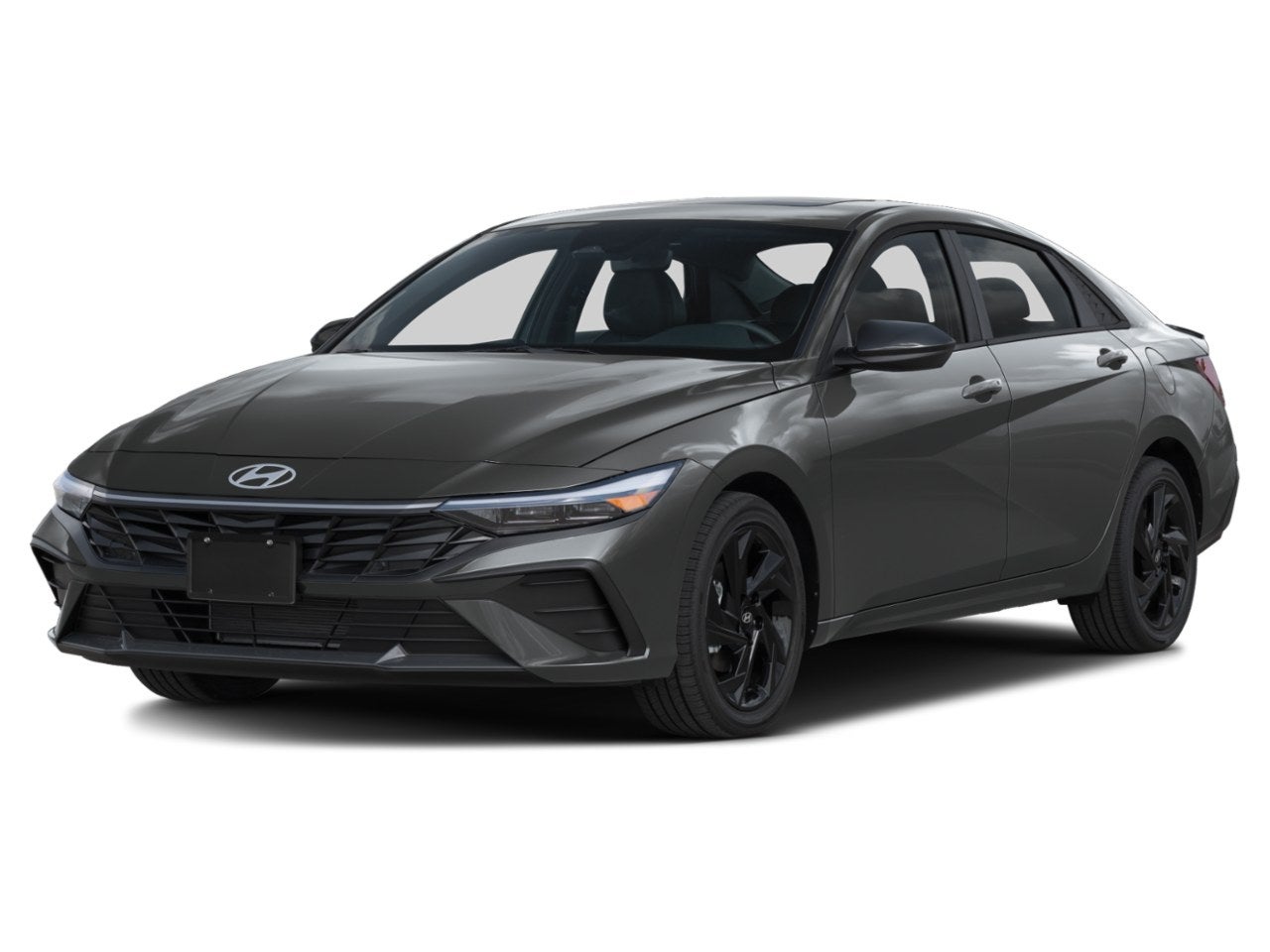
2026 Hyundai Elantra SEL Sport Plus front three-quarter exterior

Getting Your Hyundai Elantra Ready for Riverhead Winters

THE SHORT ANSWER Getting your Elantra ready for a Riverhead winter comes down to four things: tires with real grip, a battery and fluids that can handle the cold, protection from road salt, and a small emergency kit in the trunk. Every Elantra is front-wheel drive, which helps in snow, but tires and maintenance do most of the work. Winter on the East End has its own personality: wet nor'easters, black ice on back roads, and brine trucks out on Route 58 before the first flake falls. At Riverhead Hyundai in Riverhead, we see plenty of Elantras come through each November, and the owners who prep a little now have far fewer headaches in January. Here's what's worth checking, and why it matters around here. IN THIS POST Start With the Tires Battery, Fluids and Wipers Keep Salt From Eating Your Car Pack a Kit and Drive for the Conditions Key takeaways Start With the Tires Every Elantra trim, from the SE up to the N Line, sends power to the front wheels. That's helpful on a slick morning, because the engine's weight sits right over the wheels doing the pulling. Grip still starts and ends with rubber, though, and tire condition decides how well your car stops and turns on ice. All-season or winter tires? All-season tires handle a typical North Fork rain-and-slush day reasonably well. Once temperatures stay cold, their rubber stiffens and loses bite. If you head out early on the LIE or drive Sound Avenue before the plows reach it, dedicated winter tires on their own set of wheels are worth a serious look, and our parts department can help you sort out wheels and tires that fit. Before the cold settles in, run through a few quick checks: Put a penny in the tread with Lincoln's head down; if you can see all of his head, it's time for new tires. Check pressure against the placard on the driver's door jamb, since cold air makes tires lose pressure. Look for uneven wear on the edges, which can point to an alignment issue. Battery, Fluids and Wipers Under the hood Cold mornings are hard on batteries. A battery that cranked fine all summer can give up on the first frosty day in the Tanger Outlets lot, so have it load-tested before the deep freeze. While it's being checked, we'll look at the terminals for corrosion and make sure your coolant has proper freeze protection. Keep oil changes on the schedule in your owner's manual too, since fresh oil flows more easily when the engine is cold. What you see through Salt spray from the car ahead coats your windshield fast, and you'll burn through washer fluid quicker than you'd expect. Swap in a winter-rated washer fluid that won't freeze in the lines or on the glass. Wiper blades that streak or chatter should be replaced now, not in the middle of a storm on Route 25. If you'd rather have all of this handled in one stop, you can book a winter service visit with us. A single appointment covers the battery, fluids, wipers and a tire look-over, so you head into December knowing where things stand. Keep Salt From Eating Your Car Riverhead gets a double dose of salt. Towns and the state brine the roads ahead of storms, and if you live near the bay or the Sound, salty air works on the car year-round. That combination is tough on brake lines, exhaust parts and anything metal underneath. The best defense is simple: wash the underside regularly, especially after a storm once the roads dry out. A car wash with an undercarriage spray does the job. A good coat of wax before winter gives the paint a layer of protection, and rinsing the wheel wells keeps packed slush from sitting there for weeks. A few other habits help too: Wipe down the rubber door seals and treat them so your doors don't freeze shut overnight. Use all-weather floor mats to catch slush and salt before it soaks into the carpet. Never pour hot water on a frozen windshield; cold glass can crack. Use your defroster and a scraper instead. It's a little extra effort, but salt damage is slow, quiet and expensive. Staying ahead of it keeps your Elantra solid underneath and holds its value when trade-in time comes. Pack a Kit and Drive for the Conditions Even a well-prepped car can get stuck on a side road off Route 24 or caught in a long backup during a storm. Keep a small winter kit in the trunk: Ice scraper and snow brush Warm blanket, gloves and a hat Phone charger and a flashlight Compact shovel and a bag of sand or cat litter for traction Spare jug of winter washer fluid Behind the wheel, clear snow off the whole car, including the roof, before you leave. Smooth inputs are your friend on ice. Front-wheel-drive cars tend to push wide if you turn in too fast, and the fix is to ease off the gas and let the tires grab again. N Line owners have extra power on tap, with 201 hp compared with 147 hp on the other trims, so a light right foot matters even more on a cold morning. If your current car isn't up for another winter, we carry new, used and Certified Pre-Owned Hyundai inventory and serve Riverhead and the North Fork/East End. You can browse our new Elantra inventory and see which trim fits the way you drive. Where 1800 Old Country Rd Riverhead, NY Call (631) 369-0600 KEY TAKEAWAYS Tires matter more than anything else, so check tread and pressure now and consider dedicated winter tires if you drive early or on unplowed roads. Have the battery tested and switch to winter-rated washer fluid before the first hard freeze. Wash the underside regularly to get road salt off, and keep a basic winter kit in the trunk. FAQ Common questions Does the Hyundai Elantra come with all-wheel drive? No. Every 2026 Elantra trim, from the SE through the Limited and N Line, is front-wheel drive. With good tires, front-wheel drive handles most East End winter driving well, because the engine's weight sits over the wheels that pull the car. Do I really need winter tires in Riverhead? Plenty of drivers get by on good all-season tires, especially if they can wait for the plows. If you commute early, drive back roads or can't stay home on storm days, winter tires make a real difference in stopping and turning on ice and packed snow. When should I bring my Elantra in for winter prep? Aim for before the first hard freeze, which on the North Fork usually means sometime in November. That gives you time to have the battery tested, fluids topped up, wipers swapped and tires checked or changed before the busy storm season. Want to see it in person? Come by for a test drive, or browse what is on the lot right now. Schedule a test drive Browse new inventory Or call (631) 369-0600 · 1800 Old Country Rd, Riverhead Or keep browsing Current offers Financing Value your trade Book service Contact us Used cars
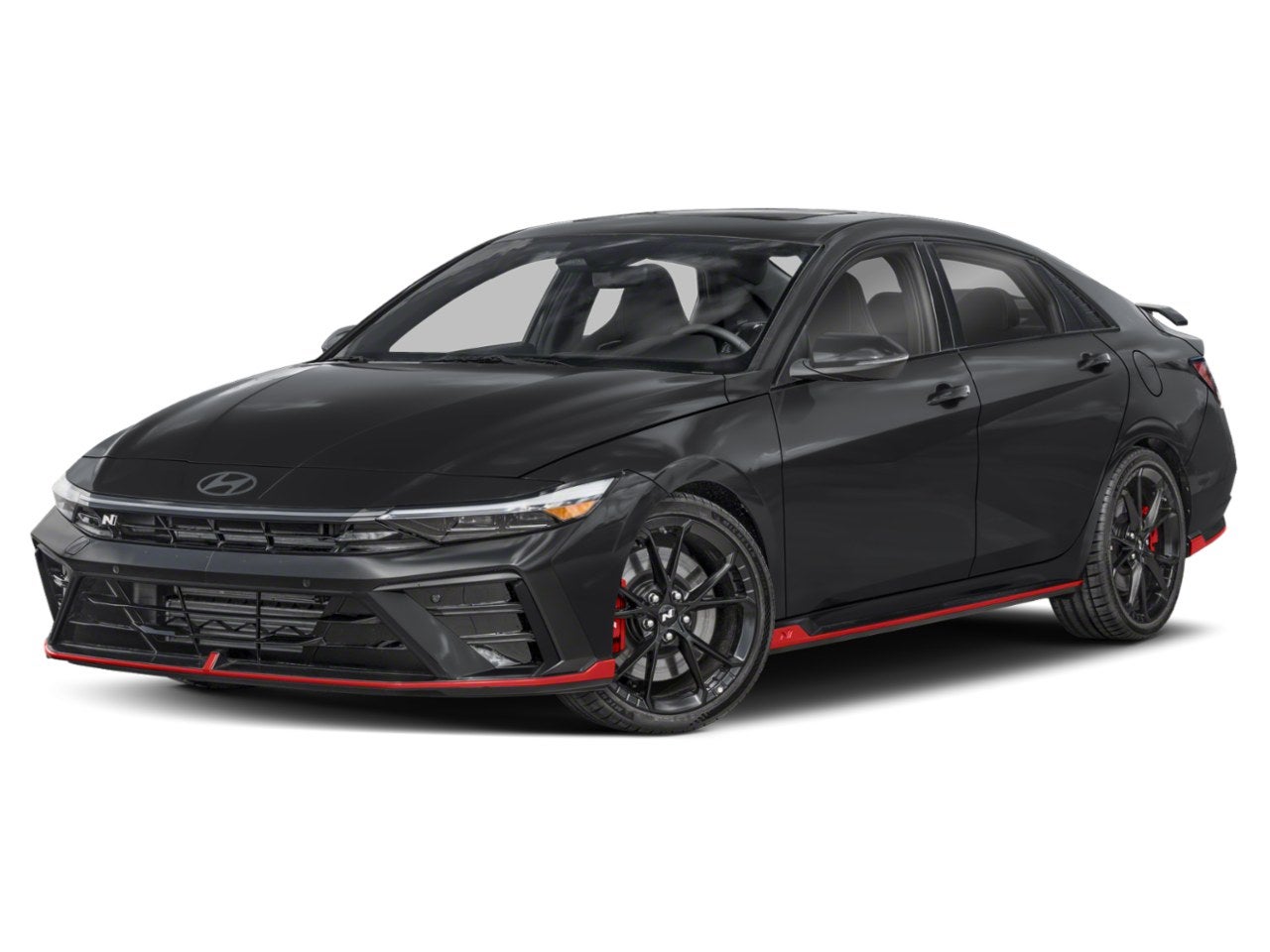
2026 Hyundai Elantra N front three-quarter exterior

Hyundai Elantra N Trims Explained: N vs N Line, What's the Difference

THE SHORT ANSWER The Elantra N Line is a sporty-looking, sharper-driving version of the everyday Elantra. The Elantra N is Hyundai's full performance sedan, with a 276-hp turbocharged engine and track-minded tuning, offered in N, DCT and TCR Edition trims. If you want real performance and a car you can still drive every day, the Elantra N is the one to drive first. The names make this confusing. Elantra N Line and Elantra N sound like close cousins, but they're built for different drivers, and choosing between them comes down to how you'll use the car. At Riverhead Hyundai in Riverhead, NY, here's how we'd explain the difference to a friend, along with how the three Elantra N trims compare. IN THIS POST Elantra N vs N Line: Two Different Ideas Elantra N Trims: N, DCT and TCR Edition Living With the Elantra N Day to Day Drive the Elantra N Back to Back With the N Line Key takeaways Elantra N vs N Line: Two Different Ideas Think of the Elantra N Line as the everyday Elantra with more attitude. You get sharper styling and a livelier feel than the standard sedan, but it's tuned for commuting first and spirited driving second. The Elantra N is a different animal. Hyundai's N performance division built it with the track in mind. It uses a turbocharged 4-cylinder making 276 hp and sends that power through the front wheels, so the whole car is set up to make the most of it. Who each one suits N Line: you want a sedan that looks the part and feels a little quicker on your daily drive. Elantra N: you want a car that comes alive on a back road and could handle a weekend track day, with a trunk and back seat for the rest of the week. If you're leaning toward the real thing, take a look at our new Hyundai inventory to see which Elantra N trims are on the lot right now. Elantra N Trims: N, DCT and TCR Edition Each Elantra N trim gets the same engine and output, so you won't give up any performance by choosing one over another. The differences come down to how you shift and how special you want the car to feel. N and DCT The N trim starts at $35,300 and is the purest way into the car. It returns 21 mpg city and 29 highway, which is honest for a car this quick. Stepping up to the DCT trim at $36,800 gets you Hyundai's dual-clutch automatic. Shifts are lightning-fast, and in stop-and-go traffic you don't have to work a pedal. You give up a little efficiency for that, landing at 20 city and 27 highway. TCR Edition At the top, the TCR Edition (2WD) is priced from $39,250 and takes its name from Hyundai's touring-car racing program. It keeps the same front-drive setup and matches the N trim's fuel economy, with special-edition touches that set it apart. Come see one in person, and we can talk through financing options for whichever trim fits your budget. Living With the Elantra N Day to Day A performance car is only worth owning if it fits your actual week, and this is where the Elantra N wins people over. It's still a sedan at heart, with room for five people and a proper trunk. You get 14.2 cubic feet of cargo space in every trim. In practice, that's a full grocery run, a couple of carry-on bags for a weekend trip, or your golf clubs for a round out east. Fuel economy stays reasonable too, so the commute to work on Route 25 won't feel like a punishment for wanting something fun. The ride is firmer than a standard Elantra. That's the point. It talks to you about the road without beating you up, and most owners settle into it quickly. Ownership is easy here, too. Riverhead Hyundai is a full-service Hyundai dealership, and our Hyundai-trained technicians know these cars inside and out. When it's time for an oil change or a check-up after a spirited summer, you can book service with people who work on Hyundais every day. Drive the Elantra N Back to Back With the N Line The quickest way to settle N vs N Line is to drive them one after the other. Comparing them on paper only gets you so far. Ten minutes behind the wheel tells you whether you want a sharp daily driver or a true performance sedan. On your drive, pay attention to a few things: How the engine pulls when you merge onto the LIE How the steering and brakes feel through a curve on Sound Avenue Whether you prefer the dual-clutch automatic in the DCT trim or the more hands-on feel of the base N How the ride feels on the rougher stretches you drive every day We carry new, used and Certified Pre-Owned Hyundai inventory, so if a new car doesn't fit your plans, ask what pre-owned options are on hand. When you're ready, book a test drive of the Elantra N and bring your questions. If you have a car to trade, bring it along so we can take a look while you're here. Where 1800 Old Country Rd Riverhead, NY Call (631) 369-0600 KEY TAKEAWAYS The N Line is a styled, livelier daily Elantra, while the Elantra N is a dedicated performance car. All three Elantra N trims share the same 276-hp turbo engine and front-wheel drive. The DCT trim adds a dual-clutch automatic, and the TCR Edition adds special-edition character. The Elantra N still fits real life, with seating for five, a usable trunk and Hyundai-trained technicians to look after it in Riverhead. FAQ Common questions Is the Elantra N Line the same as the Elantra N? No. The N Line is a sportier-styled, livelier version of the regular Elantra. The Elantra N is Hyundai's dedicated performance model, with a 276-hp turbocharged engine and track-focused tuning. If performance is what you're after, the Elantra N is the one to drive. Which Elantra N trim is best for commuting on Long Island? If you sit in a lot of traffic, the DCT trim's dual-clutch automatic makes stop-and-go driving easy while keeping the full performance of the Elantra N. If you want the purest driving feel and the best fuel economy in the lineup, the base N trim is a great choice. Driving both at Riverhead Hyundai is the best way to decide. Can I service my Elantra N at Riverhead Hyundai? Yes. Riverhead Hyundai is a full-service Hyundai dealership with Hyundai-trained technicians, so your Elantra N can be cared for right here in Riverhead, from routine maintenance to anything more involved. Want to see it in person? Come by for a test drive, or browse what is on the lot right now. Schedule a test drive Browse new inventory Or call (631) 369-0600 · 1800 Old Country Rd, Riverhead Or keep browsing Current offers Financing Value your trade Book service Contact us Used cars
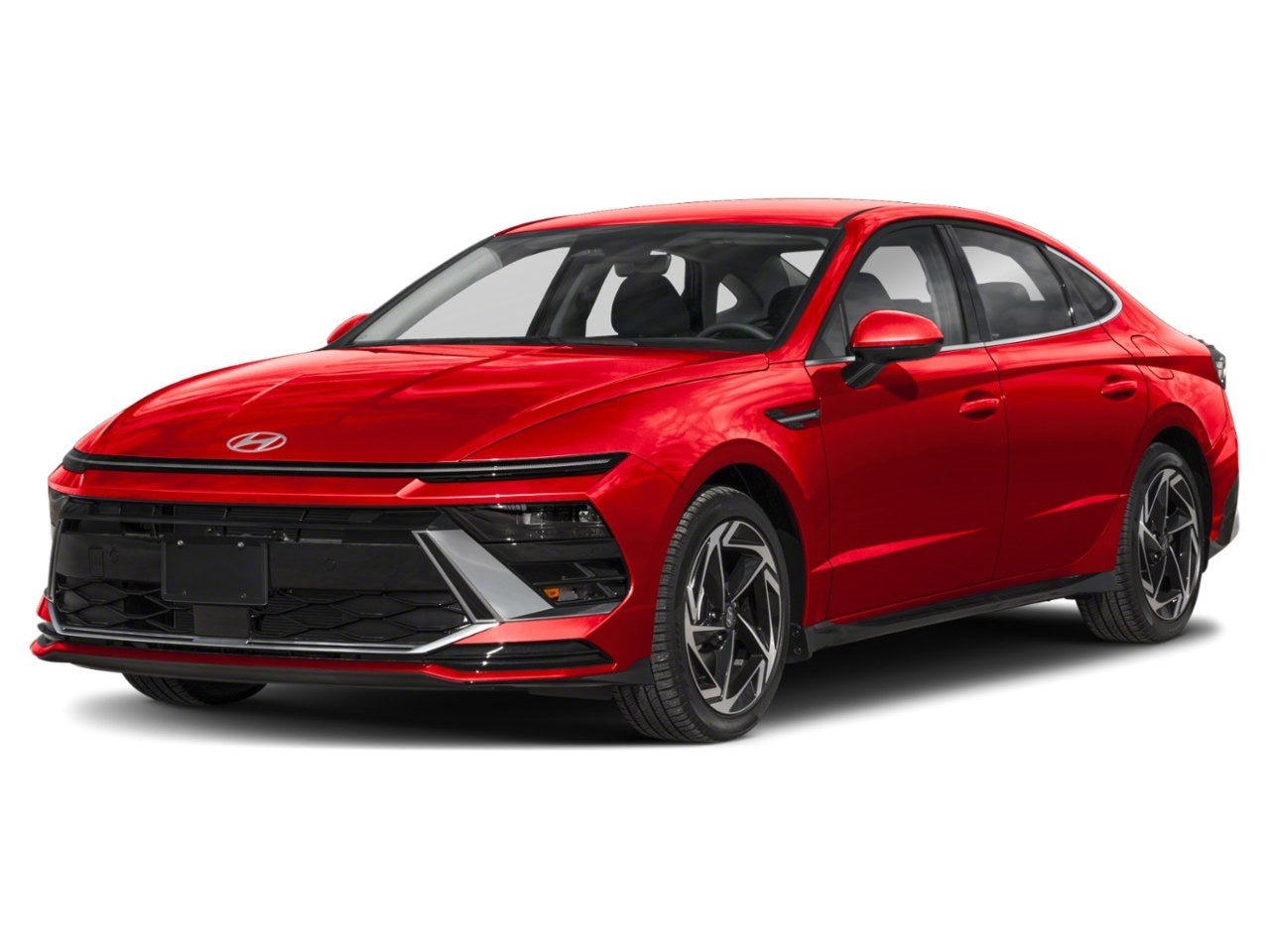
2026 Hyundai Sonata SEL Sport front three-quarter exterior

Hyundai Sonata Trims Explained: Which One Fits Your Riverhead Commute

THE SHORT ANSWER For most Riverhead commuters who put on a lot of highway miles, the SE gives the best fuel economy at the lowest starting price. Pick the SEL Sport (AWD) if winter traction matters most, or the N Line if you want noticeably more power. Picking a Sonata gets a lot easier once you know what actually separates the trims. At Riverhead Hyundai in Riverhead, NY, a common question is which one makes sense for the way people out here really drive. Here's a straight walk through the 2027 lineup, from the fuel-sipping SE to the quick N Line, with your commute in mind. IN THIS POST Match the Trim to Your Drive SEL Sport: Front-Wheel or All-Wheel Drive N Line: When You Want More Punch Narrowing It Down Key takeaways Match the Trim to Your Drive A Riverhead commute rarely sticks to one kind of road. You might crawl past the shopping centers on Route 58, settle into a steady cruise on the Long Island Expressway, then finish on a two-lane road out by the farms. That mix is the best way to choose a Sonata trim. The SE: built for mileage For long highway runs, the SE is hard to argue with. It starts at an MSRP of $27,600, the lowest in the lineup, and its 38 mpg highway rating is the strongest of any Sonata trim. If you head west toward Nassau or the city a few days a week, that efficiency adds up at the pump. Under the hood is a 2.5-liter four-cylinder driving the front wheels, and power feels smooth and adequate for merging. Around town you'll see a 26 mpg city rating. Shoppers who mainly want dependable, low-fuss transportation usually start and finish here, and you can browse new Sonata inventory to see what's on the lot. SEL Sport: Front-Wheel or All-Wheel Drive The SEL Sport comes in two versions, and choosing between them is really a question about winter. Both share the 191-horsepower four-cylinder from the SE. What separates them is what happens at the wheels. With front-wheel drive, the SEL Sport starts at $29,400 and keeps most of the SE's efficiency. Step up to the all-wheel-drive version at $30,900, and you gain traction when you pull away on slush, wet leaves or a snowy driveway. What AWD costs you That grip comes with a fuel trade-off. All-wheel drive drops the combined rating to 26 mpg, versus 29 for the front-wheel-drive SEL Sport. It's a fair price to pay if you live on a hilly side street, park outside, or leave early before the plows come through. Keep in mind that AWD helps you get moving, not stop. A good set of winter tires does more for braking on ice than any drivetrain. To feel the difference for yourself, book a test drive of both versions back to back. N Line: When You Want More Punch The N Line is the one Sonata that feels genuinely different from behind the wheel. Its 2.5-liter engine makes 290 horsepower, a big jump over the rest of the lineup. You notice it most on short on-ramps onto the LIE and when passing a slow truck on a two-lane road like Sound Avenue. It stays front-wheel drive and starts at an MSRP of $36,300. Surprisingly, its combined rating of 27 mpg edges out the all-wheel-drive SEL Sport, so the extra power doesn't cost you more at the pump than that trim does. Who it suits Think of the N Line for drivers who enjoy the drive itself, not just the destination. If your commute includes open stretches of Route 25 or weekend trips out to Orient Point, it makes those miles more engaging. Stuck in traffic most days? Then that extra power will spend a lot of time unused, and the SE or SEL Sport may be the smarter spend. Narrowing It Down Here's a quick way to sort it out: Mostly highway miles: the SE, for its fuel economy and lowest price Snow, hills or outdoor parking: the SEL Sport (AWD) The SEL Sport without the AWD fuel penalty: the SEL Sport (2WD) You love to drive: the N Line One thing you don't have to weigh is trunk space. All four trims share the same 15.6 cubic feet of cargo room, so golf clubs, a stroller or a farm-stand haul fit no matter which one you pick. Getting the numbers to work Those prices are starting MSRPs, so taxes, fees and any options will change your final number. Riverhead Hyundai offers trade-in assistance and online prequalification, which helps you see where you stand before you come in. You can value your trade online first, then compare trims with a real budget in mind. Where 1800 Old Country Rd Riverhead, NY Call (631) 369-0600 KEY TAKEAWAYS The SE is the efficiency pick, with the strongest highway mileage and the lowest starting MSRP. All-wheel drive on the SEL Sport adds winter grip but costs some fuel economy, and it doesn't replace winter tires. The N Line adds a big jump in power with fuel economy close to the AWD SEL Sport, and trunk space is the same on every trim. FAQ Common questions Is all-wheel drive worth it on the East End? It depends on where you park and when you leave. If your driveway is steep, your car sits outside, or you're on the road before the plows, the SEL Sport (AWD) gives you noticeably better traction pulling away. If you mostly drive plowed main roads, a front-wheel-drive trim with good winter tires handles most Long Island winters well. Do the Sonata trims have different trunk sizes? No. Cargo room is the same across the whole lineup, so you can choose based on drivetrain, power and fuel economy without giving up any trunk space. Where can I have my Sonata serviced after I buy it? Riverhead Hyundai is a full-service Hyundai dealership in Riverhead with Hyundai-trained technicians, so routine maintenance and repairs can be handled close to home. Want to see it in person? Come by for a test drive, or browse what is on the lot right now. Schedule a test drive Browse new inventory Or call (631) 369-0600 · 1800 Old Country Rd, Riverhead Or keep browsing Current offers Financing Value your trade Book service Contact us Used cars
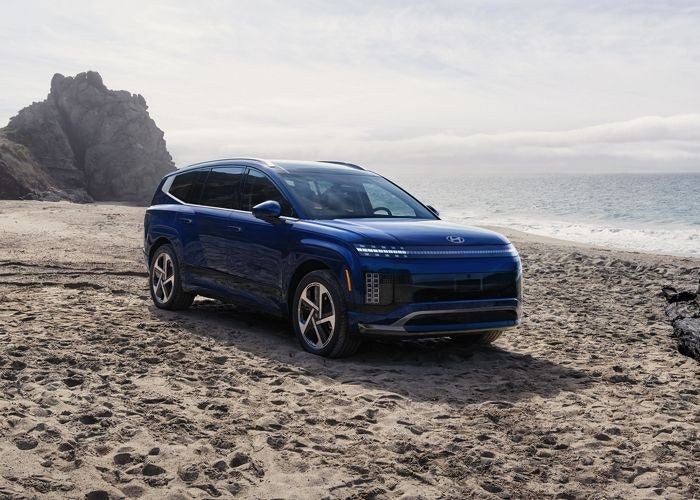
Ioniq 5 N Performance Explained: Horsepower, Torque and Drive Modes

Ioniq 5 N Performance Explained: Horsepower, Torque and Drive Modes

THE SHORT ANSWER The Ioniq 5 N uses two electric motors and full-time all-wheel drive, and its highest power rating applies only while N Grin Boost is engaged. The rest of the time you drive on a standard output that is still very strong. Its N drive modes then let you shape how that power arrives: the front-to-rear torque split, regenerative braking, sound and simulated gear shifts, so the same car can feel calm on Main Road or sharp at a track day. The most common mistake people make with the Ioniq 5 N is treating its top horsepower rating as the whole story, as if that peak is what you get every time you press the pedal. It isn't, and the reason explains a lot about how this car works. At Riverhead Hyundai in Riverhead, NY, enthusiasts ask us about it in plain terms all the time. So here's a straightforward walk through the motors, the modes and what the car is like to live with. IN THIS POST Motors and Horsepower N Grin Boost and Drift Modes Torque Distribution and AWD Braking and Handling Upgrades Everyday Drivability Driving It on the East End Owning and Servicing a Performance EV What to Do Next Key takeaways Motors and Horsepower The Ioniq 5 N runs on two electric motors, one for the front wheels and one for the rear, so it's all-wheel drive all the time. Hyundai rates its power two ways. One is a standard output you can use whenever you like. The other is a higher peak that unlocks only when you ask for it. That split is where most of the confusion starts. When you hear the bigger number, it describes the car with N Grin Boost engaged, which we'll get to next. In ordinary driving, including a hard run up the ramp onto the Long Island Expressway, you're working with the standard output. That's still far more than most people will ever use on a public road. Horsepower versus torque Horsepower describes how much work the motors can do as speed builds. Torque is the twisting force you feel the moment you press the pedal. Electric motors deliver it almost instantly, with no waiting for an engine to rev up. Instant torque is what first-time drivers talk about afterward, more than any top-end rating. If you'd like to see one in person while you read, you can browse our new Hyundai inventory and see what's on the lot. N Grin Boost and Drift Modes N Grin Boost is a dedicated button on the steering wheel. Press it and the car releases a short burst of extra power for a limited window, then drops back to its standard output. Think of it as an overtake function rather than a mode you leave on. It makes the most sense on a long track straight, during a launch at an organized event, or for a confident pass on an open stretch. Battery temperature and charge level affect how much you get. Hyundai includes battery preconditioning settings that warm the pack before hard driving, and the car performs best when the battery is warm and well charged. Drifting, in plain terms N Drift Optimizer is built for closed courses. It adjusts motor response and how the rear wheels share power, so the back of the car slides more predictably while you hold it at an angle. It doesn't make you a drift driver. It makes learning less abrupt. N Pedal works alongside it. With N Pedal on, lifting off the accelerator brings in strong regenerative braking, which shifts weight onto the front tires and helps the car turn into a corner. On a track that's a useful tool. On a wet back road it can catch you off guard, so leave it for the right setting. Torque Distribution and AWD All-wheel drive in the Ioniq 5 N isn't fixed. N Torque Distribution lets you choose how drive is shared between the front and rear motors, in steps from front-biased to rear-biased. A front-heavy split feels planted and stable. A rear-heavy one makes the car more eager to rotate through a turn, closer to a traditional rear-drive sports car. At the back sits an electronic limited-slip differential. When you accelerate out of a corner, weight moves to the outside of the car and the inside rear tire wants to spin uselessly. The differential manages power between the two rear wheels so more of it goes to the tire that has grip. Picking a setting for the road you're on On a rainy morning on Route 25, or the first snowy commute of the winter, a balanced or front-leaning split is the sensible choice. You can also leave the car in a standard drive mode and let it manage traction on its own. Save rear-biased settings for dry pavement, ideally on a closed course. Two customizable N buttons on the wheel can store your preferred combinations. Many owners set one up as a calm, grippy setup and the other as their track setup, then switch with a single press. Braking and Handling Upgrades Electric cars carry a heavy battery, and stopping a quick, heavy car over and over takes more than standard hardware. Hyundai fits the Ioniq 5 N with larger brakes than the regular Ioniq 5. It also leans on the electric motors themselves to slow the car. That second part is called N Brake Regen. During most braking, the motors handle much of the work, recovering energy and keeping the friction brakes cooler. In the hardest stops, the mechanical brakes take over fully. You get consistent pedal feel lap after lap, without the fade that comes from overheated pads. What changes underneath Compared with the standard Ioniq 5, the N gets a reinforced body structure, stiffer mounting points, retuned suspension and quicker-feeling steering. The battery sits low in the floor, which keeps the center of gravity down and helps the car stay flat in corners. Performance tires do the rest, though they trade some quietness and longevity for grip. If you plan on track days, expect pads and brake fluid to wear faster than on any commuter car. Have them inspected before and after each event, and when it's time to replace them, choose genuine Hyundai brake parts built for this car rather than generic substitutes. Everyday Drivability For all its track tools, the Ioniq 5 N drives like a firm, quick Ioniq 5 when you want it to. In its calmer modes, power comes on smoothly, the adaptive suspension softens, and regenerative braking behaves the way most EV owners expect. Running errands in Mattituck or commuting west on the expressway doesn't require any special technique. Two features surprise people. N e-Shift simulates gear changes, complete with a small jolt between shifts. N Active Sound+ plays engineered driving sounds through the speakers. Both add personality on a fun drive, and both can be switched off when you'd rather have quiet. The honest trade-offs The ride is stiffer than a standard Ioniq 5, and the performance tires make more road noise. Driving hard uses energy quickly, so your range will vary much more with your right foot than it would in a regular EV. Charging works like the rest of the Ioniq 5 lineup, including fast DC charging on the road. You still get a practical hatchback with a usable back seat and cargo area. For a lot of buyers that's the real appeal: one car that handles the school run during the week and a performance event on a Saturday. Driving It on the East End Out here, the roads shape how you'll use this car more than any track. Sound Avenue and Route 48 have flowing stretches. Route 25 brings farm stands, tractors and slow summer traffic toward Greenport. Heading to the South Fork on Route 24 or Route 27, weekend congestion means you'll spend plenty of time at legal, unremarkable speeds. The good news is that the Ioniq 5 N is enjoyable well below its limits. Steering feel, the quick response of the motors and the way the chassis settles into a curve all come through at normal speeds. You don't need to break any laws to feel why it's different. Seasonal things to watch Late winter potholes are hard on low-profile performance tires and wheels. After a bad hit, have the alignment and tires checked. Deer on back roads at dusk are another reason to keep N Pedal off and your braking predictable after dark. If you want to explore the car's full ability, organized track days off the Island are the place for it. Many come with instructors who can walk you through drift and launch functions safely. A day with good instruction teaches more about the car than months of street driving. Where 1800 Old Country Rd Riverhead, NY Call (631) 369-0600 KEY TAKEAWAYS The top horsepower rating applies only while N Grin Boost is active. Day to day you're on the standard output, which is still plenty. N modes change how power is delivered, how drive is split between the axles and how the car brakes, so match them to the road and the weather. Performance driving wears tires and brakes faster, so plan maintenance and test-drive the modes before you decide. FAQ Common questions Is the Ioniq 5 N a good choice for Long Island winters? It can be, with the right setup. Its all-wheel drive and adjustable torque split help in rain and light snow, but the factory performance tires aren't designed for cold or icy roads. Many owners switch to a set of winter tires on separate wheels for the colder months and keep the car in a calmer drive mode until spring. Can I turn off the simulated engine sound and gear shifts? Yes. N Active Sound+ and N e-Shift are both optional, and you can switch them off in the settings. With them off, the car is quiet and smooth like a regular EV. Turn them back on when you want a more traditional sports-car feel. Is the Ioniq 5 N too much car for someone new to performance driving? Not if you build up gradually. In its standard modes it's predictable and easy to drive, and the advanced functions like drift and launch settings stay off unless you choose them. A test drive, time spent learning the settings, and an instructed track day are a sensible path for a newer enthusiast. Want to see it in person? Come by for a test drive, or browse what is on the lot right now. Schedule a test drive Browse new inventory Or call (631) 369-0600 · 1800 Old Country Rd, Riverhead Or keep browsing Current offers Financing Value your trade Book service Contact us Used cars
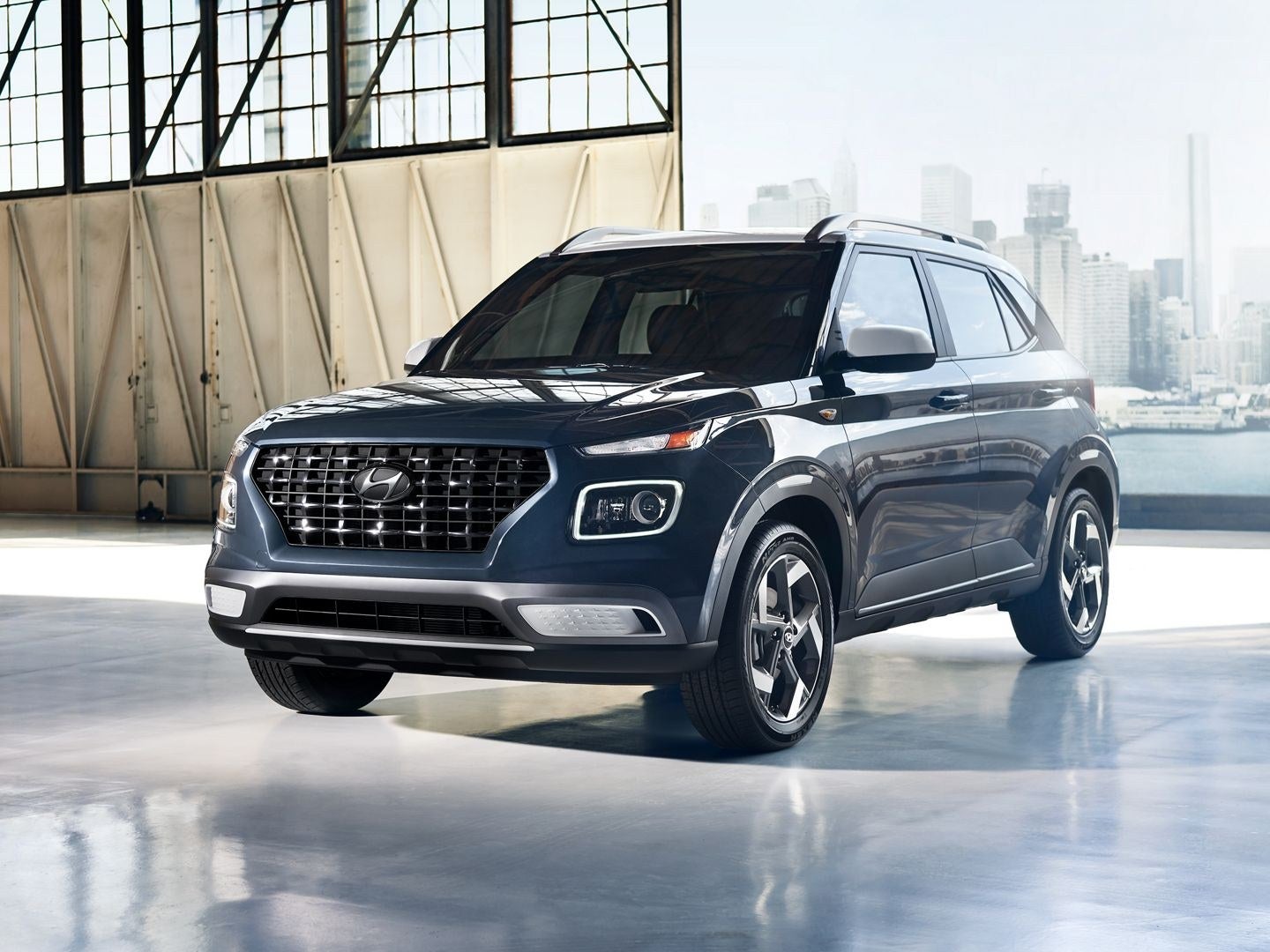
Hyundai Venue Pros and Cons for Riverhead Commuters

Hyundai Venue Pros and Cons for Riverhead Commuters

THE SHORT ANSWER The Hyundai Venue is a strong choice for Riverhead commuters who drive mostly local roads, park downtown and want a small SUV that's simple to own. It gives up highway passing power and cargo room compared with larger SUVs. Frequent LIE drivers and families who haul a lot may be happier one size up. If your day is mostly Route 58 errands, Main Street parking and a run up Route 25, the Hyundai Venue fits well. It asks for patience on long LIE stretches and on weekends when you're hauling a lot of gear. Think about the last time you circled the lot behind the riverfront, waiting for someone to back out of a tight space. That moment, repeated over a year of commuting, is how we at Riverhead Hyundai think about the Venue. Hyundai Venue Best for solo commuters and couples who drive mostly local roads It's easy to park, simple to own and right-sized for Riverhead errands A larger Hyundai SUV like the Kona or Tucson Best for families and frequent LIE drivers More power and room make long highway days and big loads easier A certified pre-owned SUV Best for budget-focused shoppers who want more size for the money A certified pre-owned vehicle can put a bigger SUV within reach *Who the Venue fits best Someone whose miles stay mostly east of the Riverhead traffic circle, who parks in tight spots often and rarely fills the back seat. Retirees, first-time buyers and second-car households tend to land here. Our take For most Riverhead commuters, the Venue is the right call. If your week looks like Route 58, downtown parking, a few trips out to the North Fork and only the occasional run west on the LIE, its small size and easy ownership outweigh what it gives up. Buy the Venue if you mostly drive alone or with one passenger and value simplicity. Step up a size if you're on the expressway to the city several days a week, carry kids and gear regularly, or want all-wheel drive for winter. ### What to do next - Drive it on your real commute, including an on-ramp - Bring the bulkiest thing you carry often and test the cargo area - Sit in the back seat yourself before deciding it works for passengers When you're ready, book a test drive and ask to try a Venue and a larger SUV back to back. Riverhead Hyundai also offers online prequalification, which can give you a sense of your options before you visit. Approval always depends on a lender's review of your application. Easy Parking and Maneuvering This is where the Venue earns its keep. Hyundai's smallest SUV has a short footprint, so the spots other drivers pass up near the Peconic riverfront or along East Main Street suddenly work for you. Tight turns and a compact body make U-turns, crowded outlet lots and narrow farm-stand pull-offs on Sound Avenue less of a production. You also sit a bit higher than in a small sedan, which helps you see over parked cars when you're backing out at a Route 58 shopping center in July. What's good Fits spaces that larger SUVs skip Easy to place in crowded lots and garages Parallel parking on downtown streets gets less stressful What to weigh Small can feel small. On a windy day crossing open farmland toward Calverton, a lighter vehicle gets nudged around more than a heavier one, though it's rarely more than a mild correction at the wheel. Coming out of a midsize SUV, give yourself a week to learn the shorter hood and where the front bumper really ends. Most owners find the adjustment fades fast, and parking becomes the part of the commute they stop dreading. Fuel Efficiency Around Town A small, light SUV with a modest four-cylinder engine doesn't have much weight to haul around, and that shows up at the pump. Stop-and-go hops between Riverhead, Aquebogue and Jamesport are exactly where a compact vehicle tends to shine against something heavier. Your clearest picture comes from the EPA ratings on the window sticker, then your own habits. Short trips with lots of idling in summer traffic on Route 58 will pull real-world mileage down no matter what you drive. What's good Less weight to get moving away from every light Smaller tires generally cost less to replace than bigger SUV tires Routine maintenance tends to be straightforward What to weigh Hyundai doesn't offer the Venue as a hybrid. If the lowest possible fuel use is your goal, compare it with a hybrid model's window sticker side by side. Running costs include upkeep, too. As a full-service Hyundai dealership in Riverhead, we handle oil changes, tire rotations and recall work in one place, and you can book service online around your work schedule. Our shop uses certified genuine Hyundai parts, so repairs match what the car was built with. Cargo and Passenger Space Picture a Saturday that starts at a garden center on Route 25 and ends with a cooler and two beach chairs headed to Iron Pier. The Venue handles that kind of day well. Fold the rear seat and you've got useful room for bags, flats of flowers or a weekend duffel. Front-seat comfort is good for a vehicle this size, and the upright shape gives you more headroom than many small cars. Two adults up front with occasional passengers in back is the sweet spot. Where it gets tight Rear legroom is limited for tall adults on longer rides Rear-facing child seats can crowd the front passenger A stroller plus a grocery run can fill the cargo area quickly Bulky items like a full-size bike usually need a rack Downsizing from a three-row SUV? Bring the gear you actually carry when you come look. Five minutes with your stroller or golf bag in the back tells you more than any brochure. Riverhead Hyundai offers trade-in assistance, and you can value your trade online before you visit. Highway Passing Power Here's the honest trade-off. Merging onto the LIE at the Riverhead end, or passing a slow truck on Sunrise Highway toward the Hamptons, the Venue gets there, but it takes planning rather than a quick press of the pedal. Its small engine is tuned for efficiency and city driving, not quick bursts at highway speed. Plan your passes with more room than you would in a larger SUV, especially with passengers and luggage aboard. What's good Steady and predictable once it's at cruising speed Driver-assist features help on long, repetitive stretches Light, easy steering that doesn't tire you out What to weigh Small vehicles let in more road and wind noise, and you'll notice it on concrete stretches of the expressway. If you drive to Queens or Manhattan several times a week, the extra effort on on-ramps adds up. A full load will make the engine work harder and sound busier. Judge this on the road, not on paper. Take the Venue onto the LIE during your drive, not just around the block. If it feels fine to you at highway speed, it'll likely feel fine every day. Where 1800 Old Country Rd Riverhead, NY Call (631) 369-0600 KEY TAKEAWAYS The Venue's small size makes parking and local errands around Riverhead easy. It trades highway passing power, rear-seat room and cargo space for simplicity. Frequent LIE commuters and families should drive a larger SUV back to back before deciding. FAQ Common questions Does the Hyundai Venue come with all-wheel drive? No, the Venue is front-wheel drive only. For Long Island winters, a good set of winter tires makes a real difference in snow and slush. If all-wheel drive is a must for you, the Kona and Tucson both offer it. Is the Venue comfortable for a regular drive to New York City? It can make the trip, and it's steady at cruising speed. Expect more road noise than in a larger SUV, and plan merges and passes with extra room. If you're making that drive several times a week, compare it with a bigger SUV on the expressway before you decide. Is the Venue a good first car for a new driver? It's a sensible one. The small size makes parking and tight lots less intimidating, the higher seat helps visibility, and its driver-assist features add a layer of help on busy roads like Route 58. Its modest power also tends to encourage calmer driving habits. Want to see it in person? Come by for a test drive, or browse what is on the lot right now. Schedule a test drive Browse new inventory Or call (631) 369-0600 · 1800 Old Country Rd, Riverhead Or keep browsing Current offers Financing Value your trade Book service Contact us Used cars
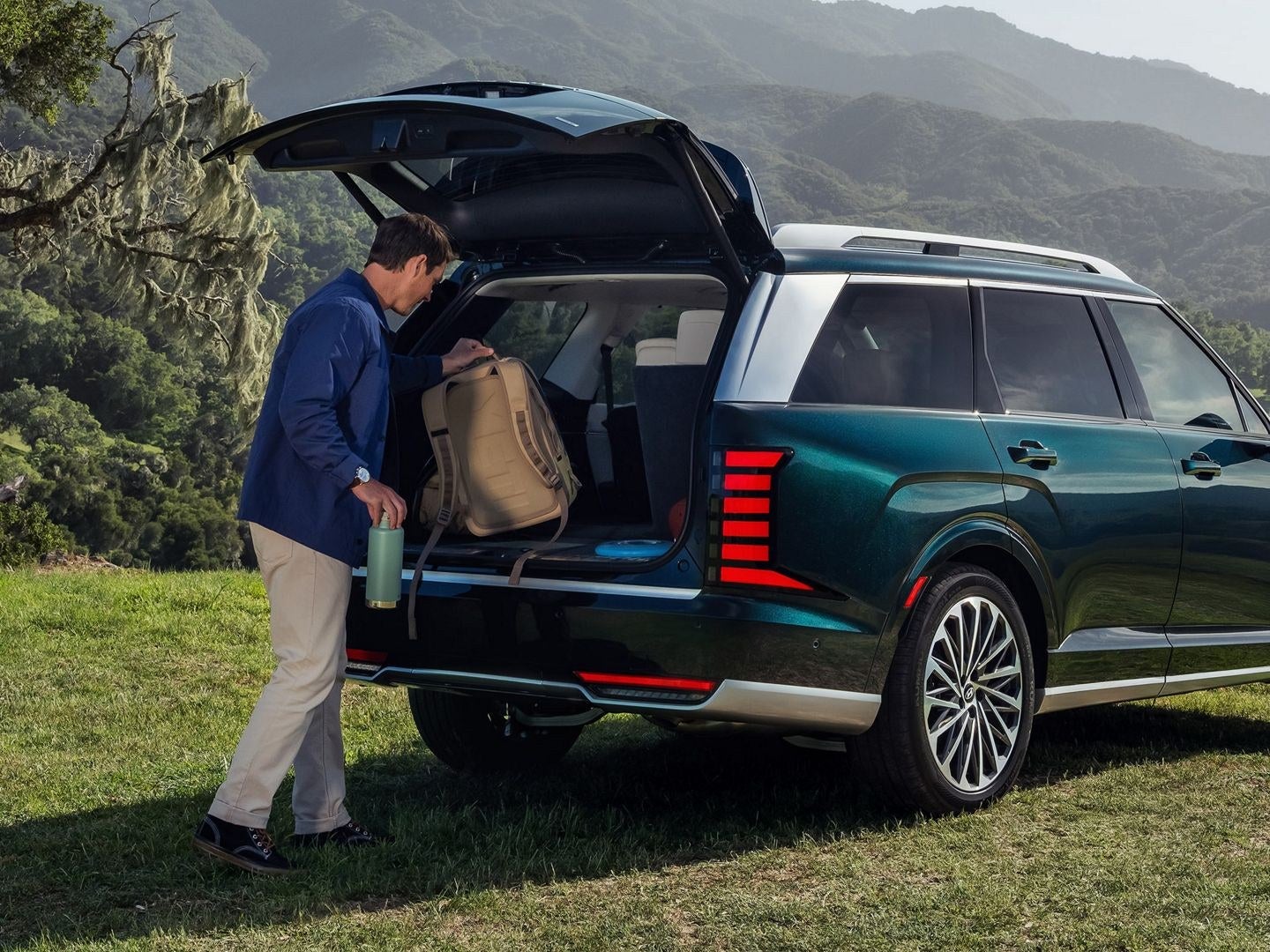
Hyundai Palisade vs Honda Pilot: How They Compare for Riverhead Families

Hyundai Palisade vs Honda Pilot: How They Compare for Riverhead Families

THE SHORT ANSWER For most Riverhead families, the Hyundai Palisade is the stronger three-row choice. It gives you more standard comfort and safety tech, a hybrid option the Pilot doesn't offer, and Hyundai's longer warranty. The Pilot's main extra is a trail-focused TrailSport trim, and the Palisade's XRT with HTRAC all-wheel drive covers the driving most local families actually do. Here's the one tip I give families weighing a Hyundai Palisade against a Honda Pilot: bring your actual car seats, booster and stroller to the test drive and install them yourself. Ten minutes in the lot will tell you more about third-row access and cargo room than any brochure. At Riverhead Hyundai in Riverhead, we see plenty of local families cross-shopping these two, so here's how they stack up, point by point. Price and Value What you get for the money The Palisade has built its name on putting more standard equipment into each trim than families expect. Line the two SUVs up by features rather than by trim name, and you'll often find the Palisade includes more at a similar step in the lineup. Add the hybrid choice, the longer warranty and the complimentary maintenance, and the value picture tilts clearly toward the Hyundai. Our finance team has helped thousands of customers find lease and loan options. They can walk you through financing and lease choices on a new or certified pre-owned Palisade. Terms and approval depend on your credit and the lenders, so we'll lay out what's realistic for you plainly. Side by side Feature Hyundai Palisade Honda Pilot Seating Captain's chairs or bench, relaxation seats on top trims Up to eight, removable second-row middle seat on some trims Driver assistance SmartSense standard, Safe Exit Assist, available Blind-Spot View Monitor Honda Sensing standard All-wheel drive HTRAC available Available Rugged trim XRT TrailSport Hybrid Available Not offered Warranty Longer basic and powertrain coverage, plus complimentary maintenance Shorter basic and powertrain coverage Interior and Cargo Space Hyundai Palisade Most families start leaning our way once they sit inside the Palisade. You can choose second-row captain's chairs or a bench, and the materials feel a step above what you'd expect at the price. Upper trims add second-row relaxation seats and a power-folding third row, so switching from carpool duty to a big grocery haul takes a button press instead of a wrestling match. Getting into the third row is easy enough for kids to manage on their own. Adults fit back there fine for a ride out to the North Fork wineries, too. Behind that last row there's still useful room for a stroller or a week of groceries, and it opens up fast when you fold the seats. Honda Pilot Honda's Pilot is also a genuine three-row SUV with seating for up to eight. Its clever trick is a removable second-row middle seat on some trims, which you store under the cargo floor to turn the bench into captain's chairs. That's a smart idea, though you're lifting and stowing a seat by hand. With the Palisade you simply pick the layout you want from day one and enjoy the richer cabin every time you climb in. Both will carry your crew comfortably. What usually settles it is how the space feels once your own gear is inside, which is exactly why that car-seat test matters. Safety and Tech Features Hyundai Palisade Hyundai builds its SmartSense driver-assistance suite into the Palisade as standard. That covers forward collision-avoidance assist, blind-spot collision-avoidance assist and lane-keeping help. Parents especially like Safe Exit Assist, which can hold a rear door locked when a car or cyclist is coming up alongside. That's a real help when you're parallel parked downtown with kids bouncing out the back. On the tech side, available Highway Driving Assist helps with steering and spacing on long stretches of the Long Island Expressway. Signal a lane change and the available Blind-Spot View Monitor puts a live camera image of that side right in your gauge cluster. A rear occupant alert reminds you to check the back seat before you lock up and walk away, and Digital Key lets your phone stand in for the fob on many trims. Honda Pilot Honda Sensing comes standard on the Pilot, with collision mitigation braking, adaptive cruise and lane-keeping assistance. It's a solid foundation. Where the Palisade pulls ahead is in the extras families notice day to day: the camera view of your blind spot and the Safe Exit Assist door lock. Drive both through Route 58 traffic on a busy afternoon. The way the Palisade's systems handle stop-and-go and lane changes tends to make the case on its own. Towing and Capability Hyundai Palisade Plenty of Riverhead families tow something: a small boat down to the Peconic, a pair of jet skis, a pop-up camper for a weekend upstate. The Palisade handles that kind of light-to-moderate towing comfortably. Available HTRAC all-wheel drive helps on wet boat ramps, sandy beach lots and snowy winter mornings. If you like a tougher look, the XRT trims add rugged styling without giving up the smooth, quiet ride you'll appreciate on Sound Avenue. Tow ratings can shift with trim and drivetrain, so check the window sticker on the exact Palisade you're considering before you hitch up. Honda Pilot The Pilot tows the same kinds of trailers and also offers all-wheel drive. Its TrailSport trim is the real difference, with all-terrain tires and underbody protection aimed at rough trails. That's a fair point in its favor. Still, most of our customers spend their miles on pavement, gravel driveways and the occasional beach parking lot, and there the Palisade's XRT and HTRAC cover the need while keeping a more refined ride the rest of the week. If you tow regularly, bring your trailer details when you come in. We'll go over the hitch setup and the right Palisade trim for your boat or camper. Hybrid Option Hyundai Palisade Here's the clearest split between these two. The newest Palisade is available with a hybrid powertrain, which gives you a three-row SUV that leans on electric assist around town. You'll notice it most in the driving Riverhead families do all the time: the crawl along Route 58 on a summer Saturday, school drop-offs, short hops to practice and back. Electric help at low speeds also makes the cabin calmer, which is nice when someone finally falls asleep in the third row. A conventional gas engine is still offered if that suits you better, so the hybrid is a choice, not a requirement. Honda Pilot Honda offers the Pilot with a V6 gas engine only. It's a smooth engine, but there's no hybrid version to pick, so families hoping to cut fill-ups and quiet down the daily routine don't have that path with the Pilot. Think about how much of your summer goes to traffic heading east toward the Hamptons and Montauk. If the answer is a lot, the Palisade Hybrid will change how often you stop for gas and how relaxed you feel when you finally get there. We're happy to set one aside so you can try it on your own roads. Warranty Coverage Hyundai Palisade Warranty is one of the biggest reasons families end up in a Palisade. Hyundai's coverage runs longer than Honda's on the basic new-vehicle warranty and especially on the powertrain. The longest part of that powertrain coverage applies to the original owner, so it's worth knowing if you're buying new and plan to keep the SUV while the kids grow up. Hyundai also includes complimentary scheduled maintenance for the early years, covering routine items like oil changes and tire rotations. When you do come in, our technicians use certified genuine Hyundai parts. Online service scheduling and parts ordering let you handle it from your kitchen table, and booking service online takes a couple of minutes. Honda Pilot The Pilot carries Honda's standard new-vehicle and powertrain warranties, which are shorter on both counts. It also doesn't include a comparable complimentary maintenance program as standard, so routine service costs land on you sooner. Longer coverage and included maintenance mean fewer surprise bills as the miles pile up on school runs and summer trips. That's a big part of why Palisade ownership stays predictable year after year, and why families who come in for service with us tend to come back when it's time for their next car. Where 1800 Old Country Rd Riverhead, NY Call (631) 369-0600 KEY TAKEAWAYS The Palisade gives you more standard comfort and driver-assistance tech, plus a hybrid choice the Pilot can't match. Hyundai's longer warranty and complimentary scheduled maintenance keep Palisade ownership costs predictable. Test the third row with your own car seats. The Palisade's cabin tends to win families over in person. FAQ Common questions Is the Hyundai Palisade roomier inside than the Honda Pilot? Both are full three-row SUVs, but the Palisade gives you a choice of captain's chairs or a bench from the start, plus a power-folding third row and relaxation seats on upper trims. Most families find its cabin feels more comfortable and upscale. Try your own car seats in a Palisade to see how it fits your crew. Does the Honda Pilot come as a hybrid? No. The Pilot is offered with a V6 gas engine only. The newest Hyundai Palisade is available as a hybrid, which helps most in stop-and-go driving like summer traffic on Route 58 and school drop-offs. Which has the better warranty, the Palisade or the Pilot? The Palisade. Hyundai's basic and powertrain coverage both run longer than Honda's, and Hyundai includes complimentary scheduled maintenance for the early years. That makes Palisade ownership costs more predictable. Want to see it in person? Come by for a test drive, or browse what is on the lot right now. Schedule a test drive Browse new inventory Or call (631) 369-0600 · 1800 Old Country Rd, Riverhead Or keep browsing Current offers Financing Value your trade Book service Contact us Used cars

How Hyundai Recall Service Works at Riverhead Hyundai

How Hyundai Recall Service Works at Riverhead Hyundai

THE SHORT ANSWER Hyundai safety recall repairs are done at no cost to you once the replacement parts are available, and the recall follows the car no matter who owns it now or where it was bought. Riverhead Hyundai can run your VIN, tell you what's open and schedule the fix directly. You're sorting the mail after a run down Route 58, and there's an envelope with Hyundai's name on it and the words "Important Safety Recall" in bold. It's easy to toss it on the counter and forget about it, or to worry it means a big bill. Here's the plain-English version of how recall service works at Riverhead Hyundai in Riverhead, from that first letter to driving home with the fix done. IN THIS POST What a Recall Actually Is How You're Notified Checking Your VIN for Open Recalls Scheduling the Repair What Happens During the Visit When Parts Aren't Ready Yet Why Recalls Don't Affect Resale Value What to Do Next Key takeaways A recall happens when Hyundai or the National Highway Traffic Safety Administration (NHTSA) determines that a part or system on a group of vehicles carries a safety risk or doesn't meet a federal safety standard. Hyundai then has to notify owners and fix the problem. It's not a knock on how you drive or care for your car. It covers a batch of vehicles built with the same part or software. You'll also hear the term service campaign, sometimes called a product improvement campaign. These cover issues that aren't safety defects, like a software update that makes a system work better. They run through the same service lane and are often free too, but the terms can vary, so ask when you book. The part that matters most Safety recall repairs don't cost you anything. Hyundai covers the remedy, parts and labor, at no charge to you. It doesn't matter if you bought the car new, used, from us or from a neighbor down Sound Avenue. The recall follows the car, not the person who owns it. How You're Notified Most owners hear about a recall the old-fashioned way: a letter by first-class mail. Hyundai pulls owner names and addresses from state registration records, so the letter goes to whoever is registered with the New York DMV for that car. It explains the problem, the risk, and what you should do in the meantime. Sometimes you'll get two letters. The first one tells you a recall exists, even if parts aren't ready yet. A second one follows once the fix is available and you can schedule it. Other ways you might find out An email or app alert if your car is connected to a MyHyundai account A heads-up from our service advisors when your car is already in for an oil change or tire rotation News coverage for larger recalls, though that won't tell you if your specific car is affected Here's the catch: if you moved, bought the car used, or your registration address is out of date, the letter may never reach you. That's why checking your VIN yourself is worth a couple of minutes. Checking Your VIN for Open Recalls Your VIN, or vehicle identification number, is the 17-character code that identifies your exact car. Recalls are tied to it, so it's the fastest way to know where you stand. Where to find it On the dashboard at the base of the windshield, driver's side, readable from outside On the sticker inside the driver's door jamb On your registration and insurance card Where to look it up The free lookup tool at nhtsa.gov/recalls shows any open safety recalls that haven't been repaired on your car. Your MyHyundai account shows the same, along with Hyundai service campaigns. You can also just call our service department and read us the VIN. We'll tell you what's open and whether the parts are on hand. A result of "0 unrepaired recalls" means you're all set for now. New recalls get announced throughout the year, though, so it's smart to run the check a couple of times a year, and anytime you buy or sell a car. It takes less time than finding a parking spot on Main Street in the summer. Scheduling the Repair Once you know there's an open recall, the next move is to book a service appointment. You can do it online or by phone. Either way, tell us it's for a recall and give us your VIN so we can confirm the parts are here before you make the trip. That step matters more than it sounds. Some recall parts arrive in limited batches, and confirming parts first keeps you from showing up and having to come back. If they're on order, we'll note your car and reach out when they land. Making the trip worth it Riverhead Hyundai serves Riverhead and the North Fork/East End, so plenty of our customers are driving in from Orient, Southold or the Hamptons. If that's you, pair the recall with routine maintenance that's coming due anyway. One drive, two jobs done. Ask your advisor roughly how long the repair takes. Some recall fixes are a quick software update; others involve swapping a component and take longer. Knowing ahead lets you decide whether to wait in the lounge or plan a ride. What Happens During the Visit When you pull in, a service advisor checks you in and confirms the recall on your VIN. From there, a technician follows Hyundai's official repair procedure for that specific recall. These procedures are written by the manufacturer, so the fix is done the same way at any Hyundai dealer in the country. The work uses certified genuine Hyundai parts, which is what the recall remedy calls for. There's no aftermarket substitute and no shortcut. If the technician spots something else While your car is in the bay, the tech may notice something unrelated, like worn brake pads or a tire that's getting low on tread. You'll hear about it, and you'll get a quote. Anything beyond the recall is your call. Saying no to extra work never affects the free recall repair. Before you leave, you'll get a repair order showing the recall was completed. Keep it with your car's records. It's proof the work was done, and it comes in handy later when you sell or trade the car. When Parts Aren't Ready Yet Sometimes Hyundai announces a recall before it has enough parts to fix every affected car. In that case, the first letter you receive is often called an interim notice. It explains the problem and tells you how to handle the car until the remedy is available. Read those instructions closely and follow them. Some recalls simply ask you to watch for a warning light. Others are more serious, like advising you to park outside, away from buildings, or not to let anyone sit in a certain seat. Hyundai only gives that kind of guidance when the risk calls for it. What you can do in the meantime Call us and ask to be added to the list for when parts arrive Keep your contact info current with Hyundai and the DMV so the second letter reaches you If you already paid out of pocket to fix the same problem before the recall was announced, ask about reimbursement, since Hyundai has a process for reviewing those claims Waiting is frustrating, especially if you rely on the car for the daily drive to work. Staying in touch with the service department is the best way to get your car in as soon as possible. Where 1800 Old Country Rd Riverhead, NY Call (631) 369-0600 KEY TAKEAWAYS Safety recall repairs are free, parts and labor included, for any owner of the affected car. A quick VIN check shows any open recalls, even if you never got a letter. Book the repair once parts are in, keep the paperwork, and the recall won't hurt your car's value. FAQ Common questions Do I have to bring my car back to the dealer where I bought it? No. Any authorized Hyundai dealer can perform a recall repair, no matter where the car was originally sold. If you bought your Hyundai somewhere else and now live near Riverhead, we can take care of it. I bought my Hyundai used. Am I still covered? Yes. Safety recalls follow the vehicle, not the original owner, so the repair is free for you too. Since the recall letter may have gone to a previous owner, run your VIN to make sure nothing is open. Is there a deadline to get a recall fixed? Most safety recalls stay open on your car until the repair is done, but there's no good reason to wait. The sooner the fix is in, the sooner the risk is gone, and you won't have an open recall hanging over a future sale. Can I drive my car before the recall is fixed? It depends on the recall. Your letter spells out what Hyundai advises, from watching for a warning light to stronger precautions. Follow those instructions, and call our service department if anything about them is unclear. Let us take care of it Book online in a minute and pick a time that works for you. Book service Order parts Or call (631) 369-0600 · 1800 Old Country Rd, Riverhead Or keep browsing Current offers Financing New inventory Contact us Used cars Certified pre-owned

Cold-Weather Emergency Checklist for Your Hyundai Ioniq 5

Cold-Weather Emergency Checklist for Your Hyundai Ioniq 5

THE SHORT ANSWER Keep a charging cable, warm blankets, a portable battery pack and winter traction gear in your Ioniq 5. Before the cold sets in, plan your charging and learn how low temperatures cut your range. If you're ever stranded, stay with the car and run the heat from the battery. There's no engine or exhaust, so the usual gas-car rules don't apply. It's a January morning in Riverhead. The driveway is glazed, the windshield is frosted over, and your Ioniq 5's range estimate reads lower than it did when you parked last night. Nothing is wrong with the car. Cold does that to every battery, and the winter advice from Riverhead Hyundai for EV owners is different from what gas-car drivers usually hear. Time about an hour to set up, then a minute or two before each winter drive You will need your charging cable, the Hyundai Bluelink app on your phone, a sturdy bin for the cargo area, and your owner's manual 1 Set up your charging before the first freeze At home Plug in whenever you're parked at home, even with plenty of charge left. A connected car can warm its battery and cabin with power from the wall instead of using up its own range. Schedule charging to finish shortly before you usually leave. A battery that just finished charging is still warm, and a warm battery drives and charges better. Check your cable and plug for cracks or a stiff, kinked cord. Cold makes insulation brittle, so coil the cable loosely and keep it off wet ground. Brush snow and ice away from the charge port door before it freezes shut. On the road Save a few fast chargers along the roads you actually drive, like Route 58, the LIE heading west and Sunrise Highway toward the South Fork. Pick a backup for each one. If your model year supports battery preconditioning, set a fast charger as your navigation destination. That way the battery arrives warm enough to charge quickly. Get to a charger with charge to spare. Pulling in nearly empty on a frigid night leaves you no options if the station is busy or out of order. 2 Learn how cold changes your range Cold slows the chemistry inside a lithium-ion battery, and heating the cabin draws on that same battery. Together, they mean fewer miles on a frigid morning than you'd get in September. Short trips around town take the biggest hit, because the car has to reheat a cold cabin from scratch each time. Your range estimate is based on your recent driving, so it can swing quite a bit after a cold snap. Treat it as a starting point, not a promise, until temperatures settle. Warm up the cabin while the car is still plugged in, using Bluelink or the climate schedule in the car. You leave warm without spending range to get there. Use the heated seats and heated steering wheel if your trim has them. They warm you directly and use much less energy than heating all the air in the cabin. If your Ioniq 5 has a heat pump, let it do its job. It's built to heat the cabin more efficiently. Check tire pressure once a month. Cold air lowers it, and underinflated tires cost you both range and grip. Try Eco drive mode on long winter drives to even out power use. 3 Pack your winter emergency kit Keep everything in one bin in the cargo area. That way it's always in the car, and it's easy to go through each fall. Keep yourself warm and connected Wool blankets or a sleeping bag, plus spare hats, gloves and socks A portable battery pack for your phone, with the right cable A portable jump starter that works with a standard car battery A flashlight or headlamp with fresh batteries Bottled water, snacks and any medication you rely on A basic first-aid kit and reflective warning triangles Keep the car moving Your portable charging cable, if one came with the car A long-handled snow brush and an ice scraper A compact shovel for digging out the wheels and the charge port Traction mats, or a bag of sand or cat litter Winter-rated washer fluid, since road salt coats a windshield fast Your best traction upgrade doesn't go in the bin. Winter tires grip and stop much better on ice and packed snow than all-season tires do. For floor mats, cargo trays and other items made to fit the car, check out genuine Hyundai parts and accessories. Riverhead Hyundai carries certified genuine Hyundai parts. 4 Book a pre-winter service visit Your Ioniq 5 has two batteries. The large high-voltage battery drives the car, and a small 12-volt battery wakes up its systems. If that small one is weak, the car may not power on even with a full charge. Cold weather is exactly when weak batteries tend to fail. Ask the technicians to check: The small battery's health and connections Tire tread and pressure, or swap on your winter set Wiper blades and washer fluid Brakes. Regenerative braking means the regular brakes get little use, and brake rotors that sit unused can corrode in salty weather. The cabin air filter, so the defroster clears the glass quickly Any available software updates Riverhead Hyundai is a full-service Hyundai dealership in Riverhead, so you can get the EV-specific items and the usual winter checks done in one visit. Go before the first hard freeze, and book a service visit while it's on your mind. 5 Check conditions before every winter drive A minute of prep in the driveway can save you a lot of trouble on a dark stretch of the North Fork. Check the forecast and road reports. If a nor'easter is coming, decide early whether the trip can wait. Charge higher than usual before a long drive, like a run into the city or out to Montauk. Cold days call for more range to spare. Start warming up the car while it's still plugged in. Clear snow from the roof, hood, lights, mirrors and cameras. Snow over the front sensors can limit the driver-assistance features until it's cleared. Make sure your phone is charged and the kit bin is in the back. If you're heading out in a storm, tell someone your route and when you expect to arrive. Once you're moving, leave extra following distance. An EV delivers power the moment you press the pedal, so ease onto it from a stop on slick pavement. Regenerative braking can feel strong on ice, and a lower regen setting usually makes slowing down smoother. Where 1800 Old Country Rd Riverhead, NY Call (631) 369-0600 KEY TAKEAWAYS Plug in at home and warm the car up before you unplug, so the cold takes less of your range. Keep blankets, a portable battery pack, a jump starter and traction gear together in one bin in the back. If you're stranded, stay with the car, ask for a flatbed tow and stretch your charge with the seat heaters and blankets. FAQ Common questions Is it safe to sit in a parked Ioniq 5 with the heat running? Yes. With no engine, there's no exhaust from the car to worry about, and the heat runs on the high-voltage battery. Keep an eye on your remaining charge, and use the seat heaters and blankets so it lasts longer. Should I keep my Ioniq 5 plugged in during a cold snap? Yes, whenever you're home. Staying plugged in lets the car warm its battery and cabin from the wall, and scheduling charging to finish near your departure time means you leave with a warm battery. Do I really need winter tires on an Ioniq 5? They aren't required, but they make a real difference on icy back roads and packed snow. EVs are heavy and deliver power instantly, so the extra grip and stopping ability of winter tires is worth having from December through March. Want to see it in person? Come by for a test drive, or browse what is on the lot right now. Schedule a test drive Browse new inventory Or call (631) 369-0600 · 1800 Old Country Rd, Riverhead Or keep browsing Current offers Financing Value your trade Book service Contact us Used cars
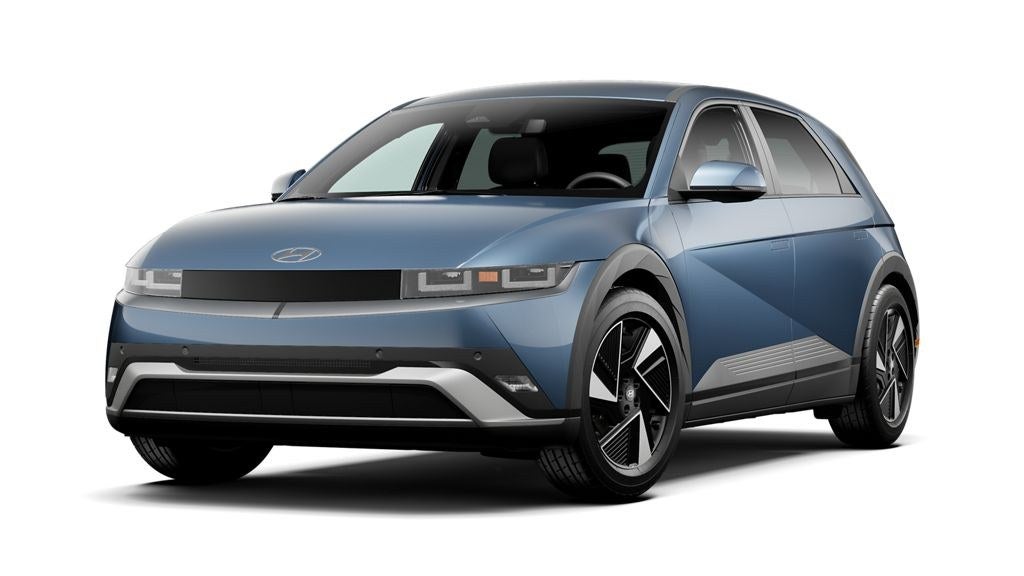
A Halloween Driving Safety Checklist for Riverhead Neighborhoods

A Halloween Driving Safety Checklist for Riverhead Neighborhoods

THE SHORT ANSWER Slow way down on residential streets once it gets dark, check your headlights and brakes before the 31st, and expect kids to pop out from between parked cars. A short walk-around the weekend before and a little patience on the night itself take care of most of the risk. Here's the one tip worth taking with you: on Halloween night, treat every parked car as a spot a kid could step out from, and drive like one will. Trick-or-treaters rarely cross at corners, and they come out fast. We're Riverhead Hyundai, and plenty of our neighbors here in Riverhead ask us how to get their cars ready for October 31. Below is a step-by-step checklist that starts with your answer, walks through what to check and when, and ends with what to do if something needs attention. Time About 20 minutes the weekend before Halloween, plus a couple of minutes on the 31st. You will need A helper (or a garage door or shop window to see your lights against), a tire pressure gauge, glass cleaner, a soft cloth, and your owner's manual. 1 Check Your Headlights and Brake Lights Before the 31st Lights do two jobs on Halloween: they help you see kids, and they help kids (and their parents) see you. A single dead brake light or a dim headlight can make the difference in a split second. The walk-around Wait until it's getting dark, or pull up facing your garage door so you can see the glow. Then go through this list: Low beams and high beams, both sides Front and rear turn signals, plus the hazard flashers Brake lights, with a helper pressing the pedal (or back up toward a window and watch the reflection) Reverse lights, with the car in reverse and your foot firmly on the brake The license plate light, which people forget until they get pulled over Look at the lenses, too Cloudy, yellowed headlight covers cut down how far your beams reach, even with good bulbs inside. If yours look hazy, a restoration kit or a professional polish can bring back a surprising amount of light. If you find a bulb out, replace both sides at once, since the other one usually isn't far behind. You can pick up the right bulb for your model through our genuine Hyundai parts counter, and your owner's manual will tell you which type you need. Clean the lenses with glass cleaner when you're done, because fall road grime builds up fast. 2 Drive Slowly Through Trick-or-Treat Hours This is the step that matters most. Go well under the posted limit on residential streets from late afternoon through the evening, even if the road looks empty. A kid who darts out at a slow crawl is a scare. At normal speed, it's something much worse. If you're just passing through, stick to the main roads. Route 58 and Route 25 will be busy with regular traffic, but they won't have kids crossing mid-block the way the side streets off Roanoke Avenue, Osborn Avenue or Northville Turnpike will. Save the neighborhood shortcuts for another night. Once you're on a residential street, a few habits help: Turn your headlights on early, before you think you need them Never pass a car that's stopped in the road, since it may be letting kids out Pull in and out of driveways at walking pace Put your phone in the glove box or set it to driving mode Leave extra room behind the car ahead in case it brakes suddenly Keep in mind that other drivers are distracted too. Parents are dropping kids off, looking for addresses and pulling over without much warning. Give everyone a little extra patience and a lot of extra space, and plan on your trip taking longer than usual. 3 Watch for Pedestrians at Dusk Dusk is the hardest light for your eyes. It's too dark for good contrast and not dark enough for headlights to really pop, and that's exactly when the first wave of trick-or-treaters goes out. Where kids actually come from Forget the crosswalk. On Halloween, kids cross wherever the next house with its porch light on happens to be. Watch for them: Stepping out between parked cars, often small enough to be hidden by a hood Crossing back and forth in the middle of the block Running to catch up with a group that's already across Walking in the street where there's no sidewalk, which is common on Riverhead's older roads Masks block side vision, and long costumes trip kids up. Scan curb to curb on both sides, not just your lane, and slow down any time you see a cluster of people on the sidewalk. Help your car help you Clean the inside of your windshield. That light film from fall heat and defrost settings causes glare from oncoming headlights at exactly the wrong moment. If your Hyundai has forward collision-avoidance with pedestrian detection, keep the windshield area in front of the camera and the front bumper sensors clean so the system can do its job. Treat it as a backup, though, not a reason to drive any differently. If you're not sure which safety features your car has, reach out to our team and we'll help you sort it out. 4 Use Your Backup Camera in Driveways Driveways are a sneaky risk on Halloween. Kids cut across lawns and driveways to get to the next door, and a crouching six-year-old fixing a shoe can disappear behind a rear bumper. Start by wiping off your backup camera lens. It sits low on the back of the car and collects road spray, leaves and dirt this time of year, and a smudged lens turns everything into a blur after dark. A quick swipe with a soft cloth is all it takes. When you back out, use three views, not one: The camera, for what's directly behind you Your side mirrors, for what's coming along the sidewalk A look over your shoulder, for the corners the camera can't cover Go slowly enough that you could stop instantly. If your car has rear cross-traffic alert, it can warn you about someone approaching from the side, but it works best as an extra set of eyes rather than your only one. An even better move is to back into your driveway earlier in the day, while it's still light and the street is quiet. That way you pull out forward that night with a clear view ahead. If you're hosting a party, ask guests to do the same, and walk around your car once before you get in. 5 Run a Quick Pre-Halloween Safety Check Your last step covers the basics that keep you able to stop and see, which is really the whole game on October 31. What to check Brakes: Squealing, grinding, a soft or spongy pedal, or pulling to one side all mean it's time for a look, not after the holiday but now. Tires: Check the pressure with your gauge against the sticker on the driver's door jamb, and look for worn or uneven tread. Wet leaves on North Fork roads get slick in late October. Wipers and washer fluid: Fall rain plus road grime can smear your view at night. Replace streaky blades and top off the fluid. Windshield: Small chips can catch oncoming headlights and add glare. On the night itself, take two minutes before you leave: lights on, mirrors set, windows clear, phone put away. What to do next If anything on this list seems off, don't wait it out. Riverhead Hyundai is a full-service Hyundai dealership in Riverhead, and our Hyundai-trained technicians work out of a state-of-the-art service department. You can book service online and have your brakes, tires and lights checked before the 31st, so the only thing on your mind that night is getting everyone home safe. Where 1800 Old Country Rd Riverhead, NY Call (631) 369-0600 KEY TAKEAWAYS Check every light and your brakes a few days before Halloween so you have time to fix anything that's off. On the 31st, drive well under the limit on side streets and treat parked cars as places kids can step out from. Back out of driveways slowly using your camera, your mirrors and a look over your shoulder, since no single view catches everything. FAQ Common questions When are trick-or-treaters usually out in Riverhead neighborhoods? Younger kids tend to head out in the late afternoon while it's still light, and the streets stay busy into the evening, with the heaviest foot traffic right around and just after dark. If you can, run errands earlier in the day and plan to be home or on main roads during that window. Should I turn my headlights on before it's actually dark? Yes. Turning them on early doesn't help you see much in daylight, but it makes your car much easier for kids and parents to spot, especially at dusk when everything starts to blend together. It costs you nothing and buys you a lot of visibility. My brake pedal feels a little soft. Can it wait until after Halloween? It's better not to wait. A soft or spongy pedal can mean anything from worn pads to an issue with the brake fluid, and Halloween is the one night you most want your car to stop quickly. Have it checked before the 31st so you know exactly where things stand. Want to see it in person? Come by for a test drive, or browse what is on the lot right now. Schedule a test drive Browse new inventory Or call (631) 369-0600 · 1800 Old Country Rd, Riverhead Or keep browsing Current offers Financing Value your trade Book service Contact us Used cars

A Local Guide to North Fork Farm Stands Worth a Drive in Your Hyundai Elantra

A Local Guide to North Fork Farm Stands Worth a Drive in Your Hyundai Elantra

THE SHORT ANSWER Many of the North Fork's best farm stands and apple orchards are a short, easy drive from Riverhead, mostly strung along Sound Avenue and Route 25 heading east. Go early, check hours the morning you leave, and you'll find the Elantra's comfortable ride and roomy trunk make it a good choice for the trip. The most common mistake we hear about from customers is heading out to the farm stands around noon on a sunny October Saturday, then spending half the afternoon creeping along Route 25 behind everyone else who had the same idea. Here at Riverhead Hyundai, we sit right where the North Fork begins, so we've picked up a few tricks for doing the farm stand run the easy way. Here's where to go, how to load up and how to keep your Elantra happy along the way. IN THIS POST Nearby Farm Stands Worth Visiting Parking and Cargo Tips Fuel Efficiency for Short Hops Making a Day of It Key takeaways Nearby Farm Stands Worth Visiting Two roads do most of the work out here. Sound Avenue, which becomes Route 48 farther east, runs along the north side of the fork with farms on both sides. Route 25, the Main Road, cuts through Aquebogue, Jamesport, Mattituck and Cutchogue and carries the heavier weekend traffic. A few stops our customers keep coming back to: Briermere Farms on Sound Avenue, for pies people happily wait in line for Lewin Farms on Sound Avenue in Wading River, a longtime pick-your-own spot Harbes Family Farm in Mattituck, for pumpkins, corn and kid-friendly fall activities Wickham's Fruit Farm in Cutchogue, an orchard with a classic farm stand Garden of Eve in Riverhead, an organic farm close to home Before you go The harvest moves quickly, and what's ripe in early September can be gone by Halloween. Check the farm's website or social page the morning you go, because picking hours and crops change week to week. Some spots also charge for activities on busy weekends, so it's worth knowing ahead of time. Parking and Cargo Tips Farm stand parking is rarely paved. Expect grass fields, gravel pull-offs and the occasional muddy rut after a rainy week. A compact sedan like the Elantra sits lower than an SUV, so ease over bumps at an angle and steer around deep tire tracks instead of through them. Loading up Apples, pumpkins and cider jugs all want to roll the moment you take a turn. A few habits keep the trunk tidy: Bring a couple of sturdy bins or laundry baskets to corral loose produce Lay an old blanket or a trunk liner down before muddy pumpkins go in Set pies and baked goods flat on the rear floor, not on a seat Wedge cider jugs upright between bags so they can't tip On most trims, the rear seatbacks fold to open up room for a big pumpkin haul. If you'd rather not scrub dirt out of the carpet every fall, a fitted cargo tray is worth a look. Our parts department carries certified genuine Hyundai parts made to fit your car. Fuel Efficiency for Short Hops A farm stand day is really a string of short trips. You drive a few miles, park, walk around, then do it again. That's a different pattern from a highway commute, and a little planning keeps it efficient. Plan your route as a loop, heading out on Sound Avenue and coming back on Route 25 (or the reverse), so you aren't doubling back through the same stretch Go easy on the gas in stop-and-go traffic near the busiest stands, which saves fuel and keeps produce from sliding Shut the engine off instead of idling while someone runs in for corn Check tire pressure before you leave, since soft tires waste fuel and handle gravel lots worse Before the season starts Fall is a smart time for a quick once-over anyway. Cooler mornings drop tire pressure, and harvest weekends pile on the miles. Our state-of-the-art service department can look over tires, brakes and fluids, and you can book service online before the first pumpkin weekend. If you drive an Elantra Hybrid, those slow, short hops between stands are right where it tends to shine. Making a Day of It The North Fork rewards a slow pace. Leave Riverhead early and work your way east to the farthest stands first. Pick up the heavy items like pumpkins and cider on the way home, so they ride the shortest distance. A sample loop Morning: head east on Sound Avenue and Route 48 toward Mattituck and Cutchogue for pick-your-own while the fields are quiet Midday: drift into Greenport for lunch by the water and a walk around the village Afternoon: come back west on Route 25, stopping for corn, pies and pumpkins Weekday trips are calmer if you can swing one, and late September usually beats peak October weekends. Pack a small cooler for cider, cheese and anything else that shouldn't sit in a warm trunk. What to do next If your current car isn't up for a season of back roads and full trunks, stop by. We carry new, used and Certified Pre-Owned Hyundai inventory, and you're welcome to book a test drive in an Elantra and take it out Sound Avenue to see how it feels. Where 1800 Old Country Rd Riverhead, NY Call (631) 369-0600 KEY TAKEAWAYS Leave early and use Sound Avenue to skip the worst of the fall weekend traffic on Route 25. Take it slow in grass and gravel lots, and bring bins and a liner so produce and mud stay put. Plan a loop and load the heavy stuff last, so pumpkins and cider ride the shortest distance home. FAQ Common questions When is the best time to visit North Fork farm stands? Late summer through October is the heart of the season, with apples and pumpkins peaking in the fall. Weekday mornings are the quietest, and late September tends to be calmer than the busiest October weekends. Should I take Sound Avenue or Route 25? Sound Avenue is usually the lighter drive and passes plenty of farms. Route 25 runs through the hamlets and gets crowded on fall weekends. Many people head out on one and come back on the other. Can an Elantra handle grass and gravel farm stand lots? Yes. In dry conditions and at a slow pace, it'll handle them fine. Stay out of deep ruts and soft mud after heavy rain, and angle over bumps instead of hitting them straight on. How do I keep my trunk clean after a pumpkin run? Lay down a blanket or trunk liner, and use bins to keep produce from rolling around. A fitted cargo tray makes cleanup even easier, and our parts department can help you find one for your Elantra. Want to see it in person? Come by for a test drive, or browse what is on the lot right now. Schedule a test drive Browse new inventory Or call (631) 369-0600 · 1800 Old Country Rd, Riverhead Or keep browsing Current offers Financing Value your trade Book service Contact us Used cars

A Checklist for Parents Putting a Teen Driver in a Hyundai Elantra

A Checklist for Parents Putting a Teen Driver in a Hyundai Elantra

THE SHORT ANSWER Before handing over the keys, parents should review safety features, set up Bluelink teen driver settings, and confirm insurance coverage. Taking these steps ensures your young driver is protected while building responsible driving habits on local roads. Handing the keys of a Hyundai Elantra to your teenager is a major milestone for local families. Riverhead Hyundai serves Riverhead and the North Fork/East End with safe, reliable vehicles. This guide helps you navigate those first miles with confidence. Time 1 to 2 hours You will need Your smartphone with the MyHyundai app installed, the vehicle's secondary key fob, and your current auto insurance policy information. 1 Review Safety Features Together Sitting in the stationary vehicle is the best way to introduce your teen to the active driver assistance systems. Start by explaining how Forward Collision-Avoidance Assist works and what the dashboard visual alerts look like when a vehicle ahead stops suddenly. Let them know that these systems are designed to assist, not replace, their own active scanning of the road. Next, focus on the lane safety systems that help prevent unintended drifting on local routes like Route 25. Show them the physical button to toggle the lane-keeping system on and off, explaining why keeping it active is the default choice for safety. Identify the Blind-Spot Collision-Avoidance Assist indicators on the side mirrors. Demonstrate how Rear Cross-Traffic Collision-Avoidance Assist warns of approaching cars when backing out of driveways. Locate the physical controls for windshield wipers, headlights, and high beams. Understand the Warning Tones Many new drivers get startled by unexpected warning beeps and flashing lights. Take a few minutes to explain the difference between a mild warning chime and an urgent alert tone. When they understand what visual and audible feedback to expect, they are much less likely to panic when a safety feature engages in real-world traffic. 2 Set Up Bluelink Teen Driver Settings The MyHyundai app offers parent-friendly monitoring tools that are invaluable for peace of mind. Log into your account and navigate to the Bluelink Safeguard Alerts section to configure the specific boundaries for your teen. These digital guardrails allow you to stay informed without needing to ride in the passenger seat on every trip. Start by setting up the speed alerts, which notify you if the vehicle exceeds a pre-selected limit. For new drivers, keeping this close to local highway limits encourages them to maintain a safe, legal pace on the highway and beyond. Define a geofence boundary around Riverhead and common destinations. Establish a curfew alert to monitor late-night driving hours. Set speed thresholds that match local road conditions. Talk openly about monitoring Discussing these settings openly with your teenager is crucial for building trust. Explain that these Safeguard Alerts are not about spying, but rather about creating a virtual safety net while they gain experience. When they understand the parameters beforehand, they are more likely to respect the boundaries you have established together. 3 Confirm Insurance Coverage Adding a teen driver to your policy is a necessary step that should be completed before they take their first solo drive. Call your insurance agent to officially add your teen and the Elantra to your policy. You will need to provide the vehicle identification number (VIN) and your teen's license details. Many insurance companies offer specific discounts for young drivers who maintain good grades or complete certified safety courses. Ask your provider about these opportunities, as they can significantly offset the premium increase. Our finance team has helped thousands of customers find lease and loan options. Add the teen driver to your existing family auto policy. Inquire about good student discounts and defensive driving course savings. Store a physical copy of the updated insurance card in the glove compartment. Choose the Right Coverage Levels Make sure to evaluate your liability limits and collision deductibles. A higher deductible might lower your monthly premium, but you want to ensure it is an amount you can easily cover in an emergency. Protecting your family with adequate liability limits provides essential financial security during these high-risk early years of driving. 4 Practice in Different Conditions Before allowing your teen to drive alone, spend several hours practicing together in varying weather and traffic scenarios. Start in quiet residential neighborhoods during daylight hours to build basic muscle memory for steering and braking. Once they feel comfortable, gradually introduce more challenging driving environments. Plan practice sessions during rainy afternoons or at dusk when visibility decreases. Driving in these conditions helps your teen understand how the Elantra's traction control and headlight systems respond to changing environments. Practice merging and exiting on local highways. Drive during peak traffic hours to practice lane changes. Navigate parking lots to master parking and reversing maneuvers. Handle Local Road Challenges Every area has its unique road hazards, and our region is no exception. Spend time navigating the roundabouts and busy retail corridors of the North Fork to build specific local confidence. Facing these real-world driving scenarios with an experienced passenger nearby gives your teen the skills they need to make safe, split-second decisions alone. 5 Schedule the First Service Reminder Keeping your vehicle in top mechanical condition is vital for your teen's safety. Establish a routine maintenance schedule to ensure critical systems like brakes, tires, and fluids are always performing at their best. You can easily book service online to have our team perform a multi-point safety inspection. Show your teen how to check the tire tread depth and verify that the tire pressure matches the specifications on the driver-side door jamb. Teaching them these basic maintenance checks helps them take ownership of the vehicle's condition. Schedule regular oil changes and tire rotations. Check fluid levels, including windshield washer fluid and engine coolant. Inspect the wiper blades for signs of wear or tearing. Keep the Vehicle Prepared Our state-of-the-art service department is ready to help keep your vehicle performing reliably year-round. Encourage your teen to report any new noises, warning lights, or changes in how the steering feels immediately. Addressing small issues early prevents unexpected mechanical failures and ensures your teen always has a safe, dependable vehicle to drive. Where 1800 Old Country Rd Riverhead, NY Call (631) 369-0600 KEY TAKEAWAYS Configure the Bluelink app to receive real-time speed, curfew, and boundary alerts directly on your phone. Familiarize your teen with active safety systems like Lane Keeping Assist before they drive alone. Establish a routine maintenance schedule to keep the Elantra reliable and safe on local roads. FAQ Common questions What is the safest driving mode for a teen in a Hyundai Elantra? The Normal driving mode is typically best for new drivers as it provides balanced steering and throttle response. Avoid Sport mode, which quickens throttle response and can be overly sensitive for someone still learning to control their acceleration smoothly. How do I access the Bluelink settings for my teen driver? You can access these settings through the MyHyundai app on your smartphone or by logging into the MyHyundai owner's portal online. From there, navigate to the Safeguard Alerts section to customize speed, curfew, and boundary limits. Does the Hyundai Elantra have automatic emergency braking? Yes, modern Elantra models come standard with Forward Collision-Avoidance Assist, which includes automatic emergency braking. This system can detect vehicles, pedestrians, and cyclists ahead and apply the brakes if a collision is imminent. How often should my teen's Elantra be serviced? Generally, the Elantra requires service every 7,500 miles or 12 months, whichever comes first, for basic maintenance like oil changes and tire rotations. You should consult your owner's manual or ask our service team for the exact schedule tailored to your model year. Can I set a maximum speed limit that the car cannot physically exceed? While Bluelink allows you to set speed alerts that notify you when your teen exceeds a set speed, it does not physically limit the vehicle's speed. This is designed to encourage communication and responsible behavior rather than taking manual control away from the driver. Want to see it in person? Come by for a test drive, or browse what is on the lot right now. Schedule a test drive Browse new inventory Or call (631) 369-0600 · 1800 Old Country Rd, Riverhead Or keep browsing Current offers Financing Value your trade Book service Contact us Used cars
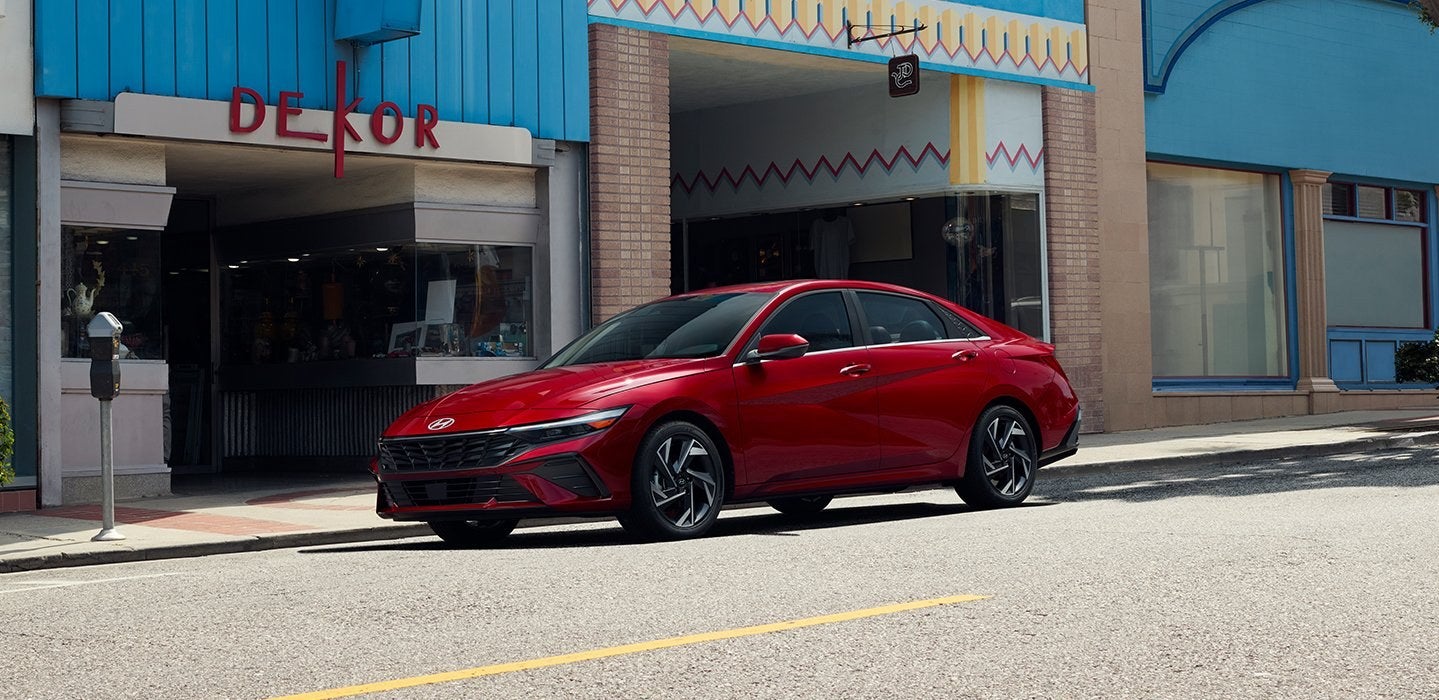
5-Year Cost Guide for Owning a Hyundai Kona in Suffolk County

5-Year Cost Guide for Owning a Hyundai Kona in Suffolk County

THE SHORT ANSWER Over five years, a Kona owner in Suffolk County can expect costs centered on fuel, routine maintenance, insurance and gradual depreciation. Insurance and depreciation tend to swing the total the most, and both depend on choices you make before you sign. Fuel and maintenance are steadier and easier to plan around. The most common mistake we see with Kona shoppers is treating the monthly payment as the cost of the car. Over five years, that payment is only one piece, and on Long Island the other pieces, insurance especially, can move your real number more than you'd expect. At Riverhead Hyundai in Riverhead, we hear this question all the time, so here's how ownership costs actually stack up for Suffolk County drivers. IN THIS POST Start With the Real Cost, Not the Payment Fuel Costs Maintenance and Service Costs Insurance Factors Depreciation Over Time Tires, Registration and the Smaller Line Items Total Cost Estimate How to Save and What to Do Next Key takeaways Start With the Real Cost, Not the Payment A monthly payment tells you what the loan costs. It doesn't tell you what the car costs. Five-year budgets fall apart in the gap between those two numbers. To see the whole picture, you need four main pieces: Fuel or charging, which depends on how far and how you drive Insurance, often a bigger line on Long Island than people expect Maintenance and repairs, mostly predictable in the early years Depreciation, the value the car loses while you own it Smaller items round it out: tires, registration, the yearly inspection, and the occasional windshield chip from a gravel truck on Route 58. None of these is fixed. Your commute, your driving record, the trim you pick and how you care for the car all push the total up or down. That's actually good news, because it means a big share of the five-year cost is in your hands. Below, we walk through each piece in the order most people should think about them, then pull it together into a simple way to estimate your own total. Fuel Costs Gas models Your fuel bill comes down to how many miles you drive and what kind of miles they are. A rush-hour run west on the Long Island Expressway burns more per mile than steady cruising on Sound Avenue, because stop-and-go traffic is hard on any gas engine. Summer adds its own wrinkle, when weekend traffic to the North Fork farm stands and East End beaches turns short trips into slow crawls. For a solid estimate, take your realistic yearly mileage, divide by the Kona's rated combined fuel economy, and multiply by what you actually pay locally. Prices out east can run higher than up-island, so use your own receipts rather than a statewide average. Kona Electric With the electric version, the math shifts from gallons to kilowatt-hours. Charging at home overnight is usually the cheapest way to run it, and your utility's rate is the number that matters. Public fast charging costs more per mile, so if home charging isn't an option, be honest about that in your budget. Cold mornings from December through March also trim range, which means plugging in more often. If you're undecided, compare both versions side by side in our new Hyundai inventory. Maintenance and Service Costs For the first few years, a Kona's upkeep is mostly routine: oil changes on gas models, tire rotations, cabin and engine air filters, and periodic fluid checks. The Kona Electric skips oil changes entirely, and regenerative braking tends to go easier on brake pads, though it still needs tires, cabin filters and coolant service on schedule. Hyundai's factory warranty covers many repairs in the early years, which keeps surprise bills rare while the car is newer. Read the coverage terms for your specific model so you know what's included and what counts as normal wear. Costs usually climb a bit as you approach year five, when items like brakes, wiper blades and the 12-volt battery start coming due. Our local roads add one factor people overlook. Salt and brine on winter roads cling to the underbody, and sand from beach lots works its way into brakes and suspension parts. A regular undercarriage rinse in winter costs little and helps head off corrosion later. Our Hyundai-trained technicians know the Kona's service schedule, and you can book service online around your own week. Following the schedule in your owner's manual, and keeping every receipt, matters for warranty claims and for resale. Insurance Factors Insurance is where Suffolk County drivers get surprised most. Long Island premiums often run higher than in much of upstate New York, and two neighbors with the same car can pay very different amounts. What moves your rate: Your zip code, since traffic density and claim history vary across the county Your driving record and years of experience Coverage levels and deductibles you choose The trim and its safety features How many miles you drive in a year New York requires no-fault coverage on every registered car, and if you finance or lease, your lender will require collision and comprehensive too. Out here, comprehensive earns its keep, because deer strikes on the back roads of the North Fork and East End are common, especially at dusk in the fall. The smartest move is to get quotes before you choose a trim, using the actual vehicle you're considering. Ask about bundling with your home policy, and look into New York's approved defensive driving course, which can lower part of your premium for several years. Raising your deductible lowers the bill, but only do it if you could comfortably cover that amount after a fender bender. Depreciation Over Time Depreciation never shows up as a bill, which is why people forget it. Still, it's real money: the gap between what you pay and what the car is worth when you sell or trade it. A new car loses value fastest in its first couple of years, and the curve flattens after that. You can't stop it, but you can slow it. Things that hold value up: Reasonable mileage for the car's age A clean accident history Complete service records A clean underbody, free of salt corrosion A popular color and well-equipped trim Market demand plays a part too. Interest in electric versus gas models shifts over time, so resale for a Kona Electric and a gas Kona won't necessarily track together. Keep an eye on how similar Konas are selling as your five-year mark approaches. If you'd rather let someone else absorb that steep early drop, consider a certified pre-owned Hyundai. A lightly used Kona has already taken its biggest hit, and certified cars go through an inspection before they're sold. That can trim a large chunk of your five-year cost while still getting you a recent model. Tires, Registration and the Smaller Line Items These costs are smaller one at a time, but over five years they add up. Tires and alignment Most owners replace tires at least once during five years, sooner with a long daily commute. The late-winter thaw opens up potholes on county roads, and a hard hit can knock the alignment out, which wears tires unevenly. Getting the alignment checked after a rough pothole season is cheap insurance for a set of tires. Some drivers add a dedicated set of winter tires; they mean an upfront purchase, but they spread wear across two sets. Registration, inspection and odds and ends New York requires a yearly safety inspection (gas models also get an emissions check), and registration renews on a regular cycle with fees based on the vehicle. Plan for these the same way you'd plan for a utility bill. Then there's the small stuff: wiper blades after a winter of salt spray, a cabin filter after pollen season, floor mats that take a beating from wet sand. You can order these through our online parts store and have them ready when you need them. Small items done on time keep bigger repairs from piling up. Where 1800 Old Country Rd Riverhead, NY Call (631) 369-0600 KEY TAKEAWAYS Budget for fuel, insurance, maintenance and depreciation, not just the monthly payment. Get an insurance quote for your own zip code and the exact trim before you commit. Following the maintenance schedule and keeping records protects what the car is worth later. FAQ Common questions Is a Kona Electric cheaper to own than a gas Kona over five years? It can be, but it depends on your situation. Home charging, your electric rate, purchase price after any incentives, insurance quotes and resale all factor in. If you can charge at home and drive a good number of miles, the electric version often comes out ahead on running costs. Run the worksheet for both before you decide. Do I have to service my Kona at the dealership to keep the warranty? No. Federal law lets you have maintenance done at any qualified shop, as long as the work follows the schedule and you keep records. Use parts that meet Hyundai's requirements, and hold on to every receipt in case you ever need to file a warranty claim. How much does Long Island winter driving add to ownership costs? Mostly it shows up in tires, alignment and corrosion risk. Road salt and potholes are the main culprits. Regular underbody rinses, an alignment check after a rough winter, and timely tire rotations keep those costs modest and help protect resale value. Want to see it in person? Come by for a test drive, or browse what is on the lot right now. Schedule a test drive Browse new inventory Or call (631) 369-0600 · 1800 Old Country Rd, Riverhead Or keep browsing Current offers Financing Value your trade Book service Contact us Used cars
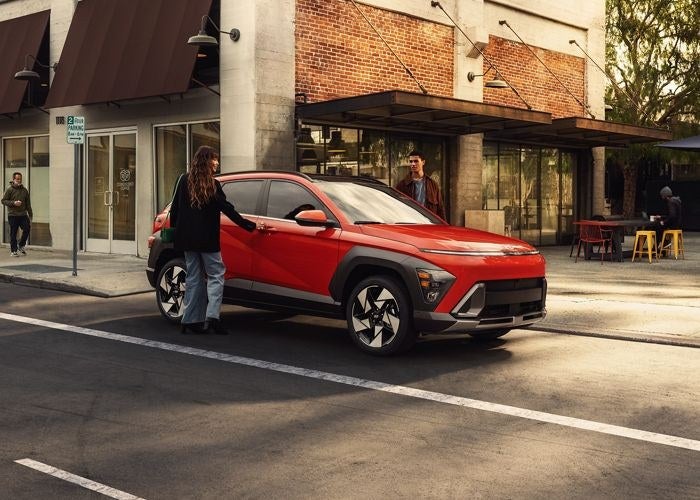
Contact Us

Fill out this form below and we'll contact you shortly

By submitting your information, you agree to the sharing of your information between Hyundai Motor America and its authorized dealers.

*Required Fields