
Blog / New York Hyundai Service

Is It Worth It to Keep Your Hyundai Palisade Past 100,000 Miles?

Is It Worth It to Keep Your Hyundai Palisade Past 100,000 Miles?
THE SHORT ANSWER
For most well-maintained Palisades, keeping it past 100,000 miles still makes financial sense, as long as the transmission, engine and frame are in good shape. The work that comes due at this stage is mostly planned wear, and it usually costs less than a year of payments on a replacement. If an inspection turns up major drivetrain trouble or serious rust, replacing it becomes the better move.

You're pulling out of the outlets on Route 58, you glance down, and there it is: a one followed by five zeros on your Palisade's odometer. That feels good for about ten seconds, and then you start wondering what comes next. At Riverhead Hyundai in Riverhead, owners of early Palisades ask our service desk that question all the time. Here's an honest look at what you get by keeping it, who it suits, and when it's time to move on.

Keep it and maintain it
Best for owners with a paid-off, rust-free Palisade that still drives well
Skipping a payment and spending on upkeep usually costs the least over the next few years
Trade for a newer Palisade
Best for families who want current safety tech and full warranty coverage
A new model resets the clock and takes repair worries off the table for a long stretch.
Move to a Certified Pre-Owned Hyundai
Best for drivers who want lower repair risk without paying for a brand-new vehicle - a certified vehicle has been inspected and comes with added coverage, so it splits the difference.

Repair Costs vs Replacement Costs

Here's the math most owners skip. A big maintenance visit stings in the moment. Now set it next to a year of payments on a replacement, plus the sales tax and the usually higher insurance that come with a newer vehicle. Even a heavy service year tends to come out cheaper.

FactorKeep your PalisadeReplace it
Monthly paymentNone, if it's paid offNew loan or lease
Upfront costMaintenance and repairsDown payment, tax and fees
DepreciationMostly behind youSteepest in the early years
Repair riskRises with ageLow, with warranty coverage
Technology and safetyWhat it came withLatest features
InsuranceOften lowerOften higher

Almost every row favors keeping it, with one exception: repair risk. As the miles pile up, so does the chance of a large, unplanned bill. Your factory coverage has also likely ended or is close to it.

Many owners use a simple rule. If a single repair approaches what the SUV is worth, or repairs keep stacking up month after month, the math starts to flip. It helps to know your number, so value your trade before you face a big repair decision, not after.

Our take

Keep it if it's healthy. For most well-maintained Palisades, crossing 100,000 miles is a milestone, not an expiration date. You've already taken the steepest depreciation, the payments are likely behind you, and most of the work coming due is predictable.

Replace it when the inspection tells you to: drivetrain trouble, structural rust, or a repair history that keeps growing. Changing needs are a fair reason too. There's no shame in moving on from a vehicle that has served you well.

### What to do next

- Schedule a full inspection and ask the technician to sort the findings into now, soon and can wait

- Look up your trade value so you're working with real numbers, not guesses

- If you keep it, set aside a little each month for upkeep

- If you're leaning toward replacing it, book a test drive in a newer Palisade or a certified model, and see how it feels on the roads you drive every day

Riverhead Hyundai serves Riverhead and the North Fork/East End. For most owners, the honest answer is the simple one: take care of it and keep driving.

What Typically Needs Attention by 100K

By six figures, a Palisade has usually done plenty of family duty: school runs, beach trips out to the forks, winters on salted roads. Most of what comes due now is planned wear rather than failure. That's good news if you want to keep it.

The usual list

  • Spark plugs and filters, which many maintenance schedules call for around this stage
  • Brake pads and rotors, plus a brake fluid flush if it hasn't been done
  • Coolant, and on all-wheel-drive models, the transfer case and rear differential fluid
  • Shocks, struts and suspension bushings that have softened over years of potholes
  • Tires, the battery and the accessory drive belt

What to look at closely

Transmission behavior matters most. Smooth, prompt shifts are a strong sign. Harsh engagement or hesitation deserves a diagnostic before you decide anything. A technician should also check for oil consumption and any leaks around the engine.

Your owner's manual gives the exact intervals. A good technician can also tell you which items are actually worn and which are simply due by the calendar. Riverhead Hyundai has a state-of-the-art service department, and a full inspection there gives you a written picture of where your SUV stands. You can book service online when you're ready.

Signs It's Time to Let Go

Some problems are routine at this mileage. Others are a signal that you're about to spend money chasing the vehicle rather than maintaining it.

Red flags worth taking seriously

  • Transmission slipping, flaring between gears, or warning lights tied to the drivetrain
  • Rust on the frame, the subframe or the brake lines, which salted Long Island winters can speed up
  • Steady oil burning or coolant loss with no obvious leak
  • Electrical gremlins that come back after repeat visits
  • A string of repairs that never seems to end

Signs your life has changed

Sometimes the SUV is fine and your needs have moved on. Kids leave for college, your commute shifts from local roads to daily runs on the LIE, or you want driver-assistance features that weren't around when you bought yours. Any of those is a good reason to move on, even with a healthy vehicle.

Safety comes first. If a technician flags a structural or braking problem, either fix it or replace the SUV. Don't keep driving around it. A vehicle that carries your family needs to stop and steer the way it did on day one.

One Owner's Decision Point

Picture a family in Jamesport with an early Palisade that's paid off and just past six figures. It's due for plugs, brakes, fluids and a set of tires all at once, and the estimate is big enough to make them stop and think.

How the decision plays out

They ask themselves three questions:

  • Is the transmission healthy and the body free of rust? An inspection says yes.
  • Would a year of payments on a replacement cost more than this visit? Easily.
  • Does the SUV still fit the family? With three kids, sports gear and weekend trips to Orient Point, it does.

With those answers, they keep it. That one big visit takes care of most of the wear items at once. After that, they set aside a modest amount each month for whatever comes next, like a car payment they make to themselves.

When the answer flips

Change one detail and the outcome changes. Say the inspection had turned up a slipping transmission and rust on the frame. In that case, the same family would do better putting the repair money toward a newer vehicle. Condition, not the odometer, makes the call.

Where
1800 Old Country Rd
Riverhead, NY
KEY TAKEAWAYS
  • Condition matters more than the odometer. A healthy transmission and a rust-free frame make keeping it a smart move.
  • Most of the work due around 100K is planned maintenance, and it typically costs less than a new payment.
  • Get a full inspection and a trade value before you commit to any big repair.
FAQ

Common questions

How long can a Hyundai Palisade last?

With steady maintenance, plenty of owners drive well past 100,000 miles. How far yours goes depends on how it's been cared for, the conditions it's driven in, and how quickly problems get fixed. Regular fluid changes and catching small leaks early make the biggest difference.

Should the transmission fluid be changed around 100,000 miles?

Hyundai's schedule treats normal driving and severe driving differently. Lots of short trips, stop-and-go traffic, towing and extreme temperatures all count as severe. Have a technician check the fluid's condition and match the service to how you actually drive.

Does a Palisade with over 100,000 miles still have trade-in value?

Yes, though the amount depends on condition, service history, accident history and how the vehicle looks and drives. Keeping your maintenance records together helps show that it's been cared for. An appraisal will tell you where yours stands.

Is it smarter to do a big repair or put that money toward a newer vehicle?

Compare the repair estimate with what the SUV is worth and with what a year of replacement payments would cost. If the vehicle is otherwise healthy, the repair usually wins. If the repair is close to the vehicle's value, or more problems are lining up behind it, putting that money toward a newer vehicle often makes more sense.
Want to see it in person?
Come by for a test drive, or browse what is on the lot right now.
Or call (631) 369-0600 · 1800 Old Country Rd, Riverhead
Posted in:

Related Posts

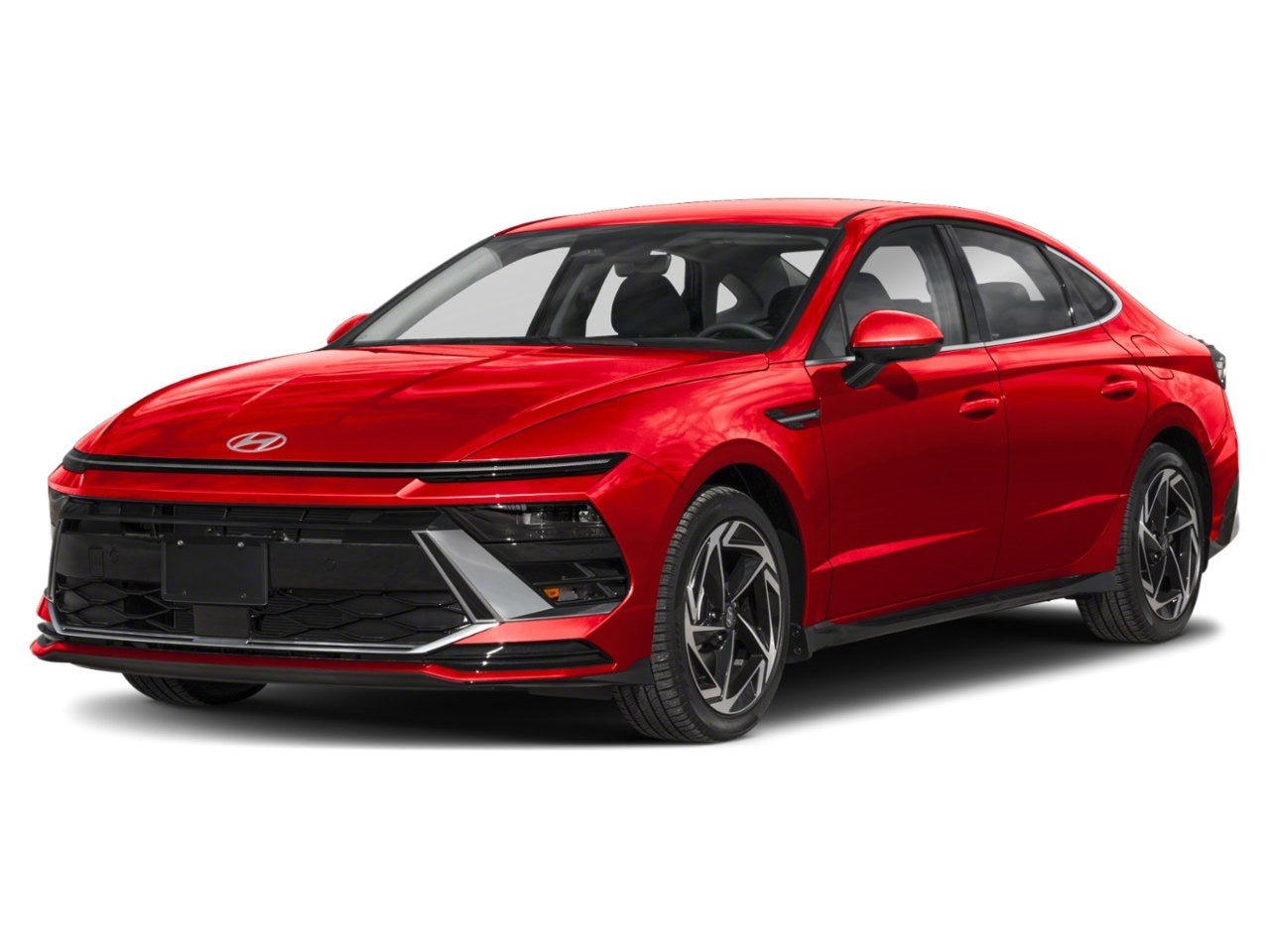
2026 Hyundai Sonata SEL Sport front three-quarter exterior

Hyundai Sonata Trims Explained: Which One Fits Your Riverhead Commute

THE SHORT ANSWER For most Riverhead commuters who put on a lot of highway miles, the SE gives the best fuel economy at the lowest starting price. Pick the SEL Sport (AWD) if winter traction matters most, or the N Line if you want noticeably more power. Picking a Sonata gets a lot easier once you know what actually separates the trims. At Riverhead Hyundai in Riverhead, NY, a common question is which one makes sense for the way people out here really drive. Here's a straight walk through the 2027 lineup, from the fuel-sipping SE to the quick N Line, with your commute in mind. IN THIS POST Match the Trim to Your Drive SEL Sport: Front-Wheel or All-Wheel Drive N Line: When You Want More Punch Narrowing It Down Key takeaways Match the Trim to Your Drive A Riverhead commute rarely sticks to one kind of road. You might crawl past the shopping centers on Route 58, settle into a steady cruise on the Long Island Expressway, then finish on a two-lane road out by the farms. That mix is the best way to choose a Sonata trim. The SE: built for mileage For long highway runs, the SE is hard to argue with. It starts at an MSRP of $27,600, the lowest in the lineup, and its 38 mpg highway rating is the strongest of any Sonata trim. If you head west toward Nassau or the city a few days a week, that efficiency adds up at the pump. Under the hood is a 2.5-liter four-cylinder driving the front wheels, and power feels smooth and adequate for merging. Around town you'll see a 26 mpg city rating. Shoppers who mainly want dependable, low-fuss transportation usually start and finish here, and you can browse new Sonata inventory to see what's on the lot. SEL Sport: Front-Wheel or All-Wheel Drive The SEL Sport comes in two versions, and choosing between them is really a question about winter. Both share the 191-horsepower four-cylinder from the SE. What separates them is what happens at the wheels. With front-wheel drive, the SEL Sport starts at $29,400 and keeps most of the SE's efficiency. Step up to the all-wheel-drive version at $30,900, and you gain traction when you pull away on slush, wet leaves or a snowy driveway. What AWD costs you That grip comes with a fuel trade-off. All-wheel drive drops the combined rating to 26 mpg, versus 29 for the front-wheel-drive SEL Sport. It's a fair price to pay if you live on a hilly side street, park outside, or leave early before the plows come through. Keep in mind that AWD helps you get moving, not stop. A good set of winter tires does more for braking on ice than any drivetrain. To feel the difference for yourself, book a test drive of both versions back to back. N Line: When You Want More Punch The N Line is the one Sonata that feels genuinely different from behind the wheel. Its 2.5-liter engine makes 290 horsepower, a big jump over the rest of the lineup. You notice it most on short on-ramps onto the LIE and when passing a slow truck on a two-lane road like Sound Avenue. It stays front-wheel drive and starts at an MSRP of $36,300. Surprisingly, its combined rating of 27 mpg edges out the all-wheel-drive SEL Sport, so the extra power doesn't cost you more at the pump than that trim does. Who it suits Think of the N Line for drivers who enjoy the drive itself, not just the destination. If your commute includes open stretches of Route 25 or weekend trips out to Orient Point, it makes those miles more engaging. Stuck in traffic most days? Then that extra power will spend a lot of time unused, and the SE or SEL Sport may be the smarter spend. Narrowing It Down Here's a quick way to sort it out: Mostly highway miles: the SE, for its fuel economy and lowest price Snow, hills or outdoor parking: the SEL Sport (AWD) The SEL Sport without the AWD fuel penalty: the SEL Sport (2WD) You love to drive: the N Line One thing you don't have to weigh is trunk space. All four trims share the same 15.6 cubic feet of cargo room, so golf clubs, a stroller or a farm-stand haul fit no matter which one you pick. Getting the numbers to work Those prices are starting MSRPs, so taxes, fees and any options will change your final number. Riverhead Hyundai offers trade-in assistance and online prequalification, which helps you see where you stand before you come in. You can value your trade online first, then compare trims with a real budget in mind. Where 1800 Old Country Rd Riverhead, NY Call (631) 369-0600 KEY TAKEAWAYS The SE is the efficiency pick, with the strongest highway mileage and the lowest starting MSRP. All-wheel drive on the SEL Sport adds winter grip but costs some fuel economy, and it doesn't replace winter tires. The N Line adds a big jump in power with fuel economy close to the AWD SEL Sport, and trunk space is the same on every trim. FAQ Common questions Is all-wheel drive worth it on the East End? It depends on where you park and when you leave. If your driveway is steep, your car sits outside, or you're on the road before the plows, the SEL Sport (AWD) gives you noticeably better traction pulling away. If you mostly drive plowed main roads, a front-wheel-drive trim with good winter tires handles most Long Island winters well. Do the Sonata trims have different trunk sizes? No. Cargo room is the same across the whole lineup, so you can choose based on drivetrain, power and fuel economy without giving up any trunk space. Where can I have my Sonata serviced after I buy it? Riverhead Hyundai is a full-service Hyundai dealership in Riverhead with Hyundai-trained technicians, so routine maintenance and repairs can be handled close to home. Want to see it in person? Come by for a test drive, or browse what is on the lot right now. Schedule a test drive Browse new inventory Or call (631) 369-0600 · 1800 Old Country Rd, Riverhead Or keep browsing Current offers Financing Value your trade Book service Contact us Used cars

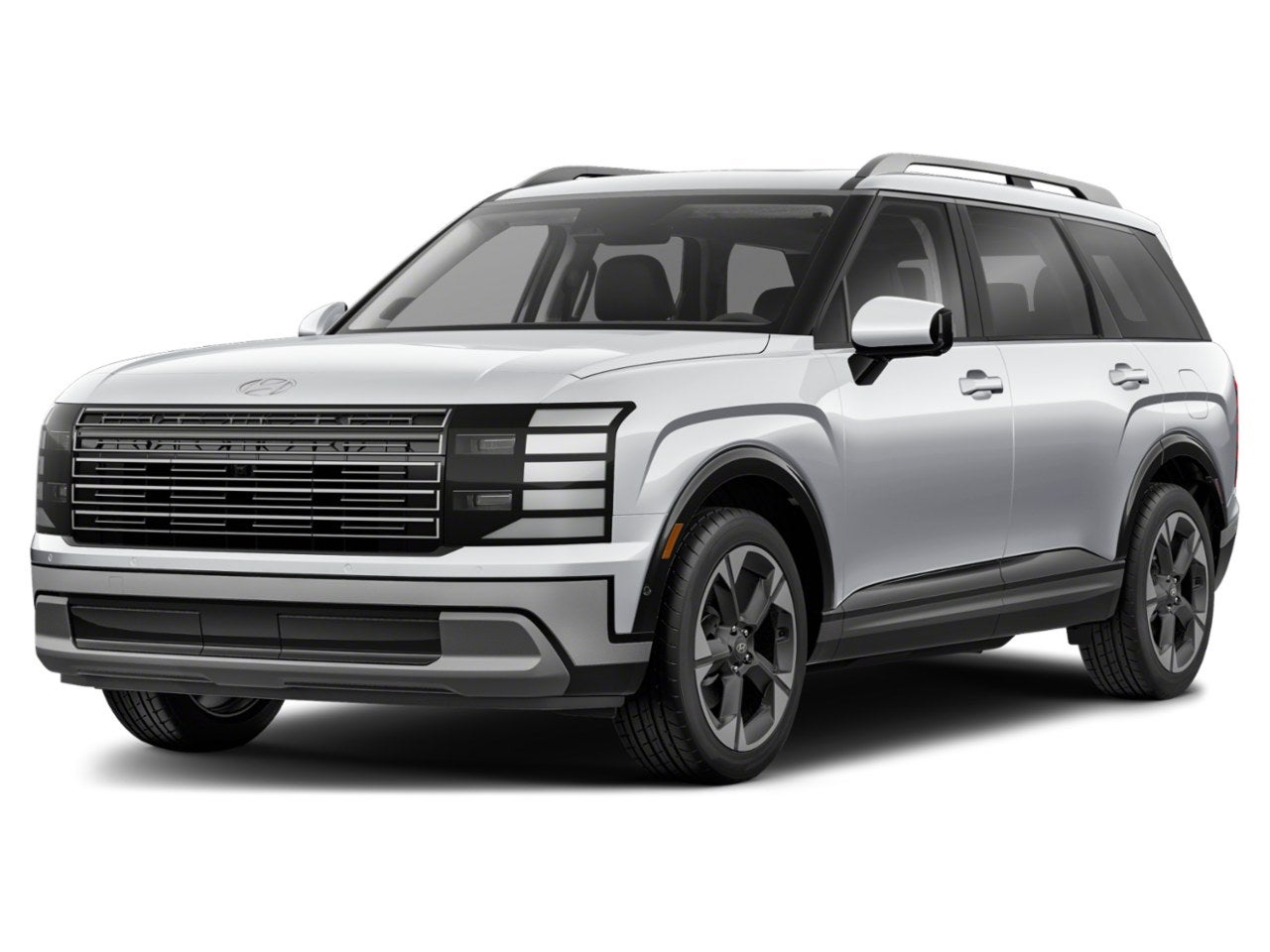
2027 Hyundai Palisade Hybrid Limited 8P front three-quarter exterior

Hyundai Palisade Hybrid Trims Explained: Finding the Right Fit for Your Family

THE SHORT ANSWER All four 2027 Palisade Hybrid trims share the same 329-hp hybrid powertrain and the same cargo space, so your choice comes down to seating, fuel economy and price. Pick the Blue SEL if you need eight seats, and the Blue SEL Premium for the best mpg with seven. Step up to the Limited or Calligraphy Black Ink when the higher trim matters more to you than a few miles per gallon. Shopping for a three-row hybrid usually starts with a simple question: which trim do I actually need? At Riverhead Hyundai in Riverhead, we walk a lot of families through the 2027 Palisade Hybrid, and the answer is clearer than the window stickers make it look. Only a few things change from trim to trim, and once you know what they are, the right fit usually picks itself. IN THIS POST What Stays the Same Across the Lineup Blue SEL vs. Blue SEL Premium: The Seat Count Decision Limited and Calligraphy Black Ink: Stepping Up Matching a Trim to Your Family Key takeaways What Stays the Same Across the Lineup Start with the good news: you don't have to choose an engine. All four trims run the same 2.5L four-cylinder hybrid with 329 hp, so the most affordable Palisade Hybrid merges onto the Long Island Expressway with the same confidence as the priciest one. That takes a big variable off the table. Cargo space doesn't change either. You get 19.1 cu ft behind the rear seats with everyone aboard, enough for a grocery run or a weekend's worth of bags, and 86.7 cu ft once you fold those seats for the bigger hauls. Paying more doesn't buy you a bigger cargo area, so don't let that push you up the ladder. Every trim in this lineup is front-wheel drive. Out here that handles most of the year just fine, and a good set of winter tires goes a long way when Sound Avenue ices over in January. When you're ready to see them side by side, our new inventory shows what's on the lot right now. Blue SEL vs. Blue SEL Premium: The Seat Count Decision These two are the efficiency leaders of the family, both rated at 34 mpg combined. For a household making daily trips between Riverhead, Mattituck and Southold, that's a meaningful edge over the upper trims, and it's the reason a lot of our customers never look past the Blue models. What really separates them is seating. The Blue SEL holds eight people, while the Blue SEL Premium seats seven. Who each one suits Blue SEL ($44,560): larger families, carpool regulars and anyone who needs room for that extra kid after practice. Blue SEL Premium ($47,920): families of five or six who rarely fill an eighth seat and want to step up a trim without giving up the better fuel economy. Honestly, seat count should drive this choice more than anything else. Bring the car seats and boosters you actually use and book a test drive so you can install them in both. Ten minutes in the driveway with your own gear tells you more than any brochure. Limited and Calligraphy Black Ink: Stepping Up Move up to the Limited at $52,390 or the Calligraphy Black Ink at $57,680 and you're buying the upper end of the lineup. You aren't buying more power or more room, since those carry over from the Blue trims unchanged. There's a small efficiency trade, too. Both top trims come in at 31 mpg combined, a few miles per gallon below the Blue models. Over a year of school runs and trips to the farm stands it adds up a bit, but for most families it isn't a deal breaker. Both of these seat seven, matching the Blue SEL Premium. So the real question is how much the higher trim is worth to you against the lower sticker and the better fuel economy one step down. If the monthly payment is what tips the scale, our financing page lets you look at options before you come in. Rates and approval depend on your own credit picture, so it's worth exploring early rather than guessing. Matching a Trim to Your Family Here's the quick version we give families at the counter: Need eight seats? The Blue SEL is your only choice, and a good one. Seven seats and the best mpg? Go with the Blue SEL Premium. Want to step up? The Limited gets you there. Want the top of the lineup? That's the Calligraphy Black Ink. Think about how you drive, too. If most of your miles are Route 25 errands and trips out toward Greenport, the two Blue trims will save you a little at the pump week after week. Families who care more about the higher trim tend to be happy paying that small fuel difference. After you bring it home A hybrid deserves technicians who know it. Our Hyundai-trained technicians look after Palisade Hybrids for drivers across Riverhead and the North Fork/East End, and you can book service online or order parts the same way whenever it suits your schedule. Where 1800 Old Country Rd Riverhead, NY Call (631) 369-0600 KEY TAKEAWAYS Power and cargo room are the same on every trim, so paying more doesn't buy more of either. The Blue SEL is the only eight-seater, and the two Blue trims get the best fuel economy. The Limited and Calligraphy Black Ink are about stepping up, with a small trade in mpg. FAQ Common questions Do the higher Palisade Hybrid trims have more power? No. Every 2027 Palisade Hybrid trim uses the same 2.5L hybrid with 329 hp, so the Blue SEL performs just like the Calligraphy Black Ink. Which Palisade Hybrid trim gets the best fuel economy? The Blue SEL and Blue SEL Premium lead the lineup at 34 mpg combined. The Limited and Calligraphy Black Ink are rated at 31 mpg combined. Which Palisade Hybrid seats eight? Only the Blue SEL. The Blue SEL Premium, Limited and Calligraphy Black Ink each seat seven, so if you regularly carry eight people, the Blue SEL is the one to test drive. Want to see it in person? Come by for a test drive, or browse what is on the lot right now. Schedule a test drive Browse new inventory Or call (631) 369-0600 · 1800 Old Country Rd, Riverhead Or keep browsing Current offers Financing Value your trade Book service Contact us Used cars

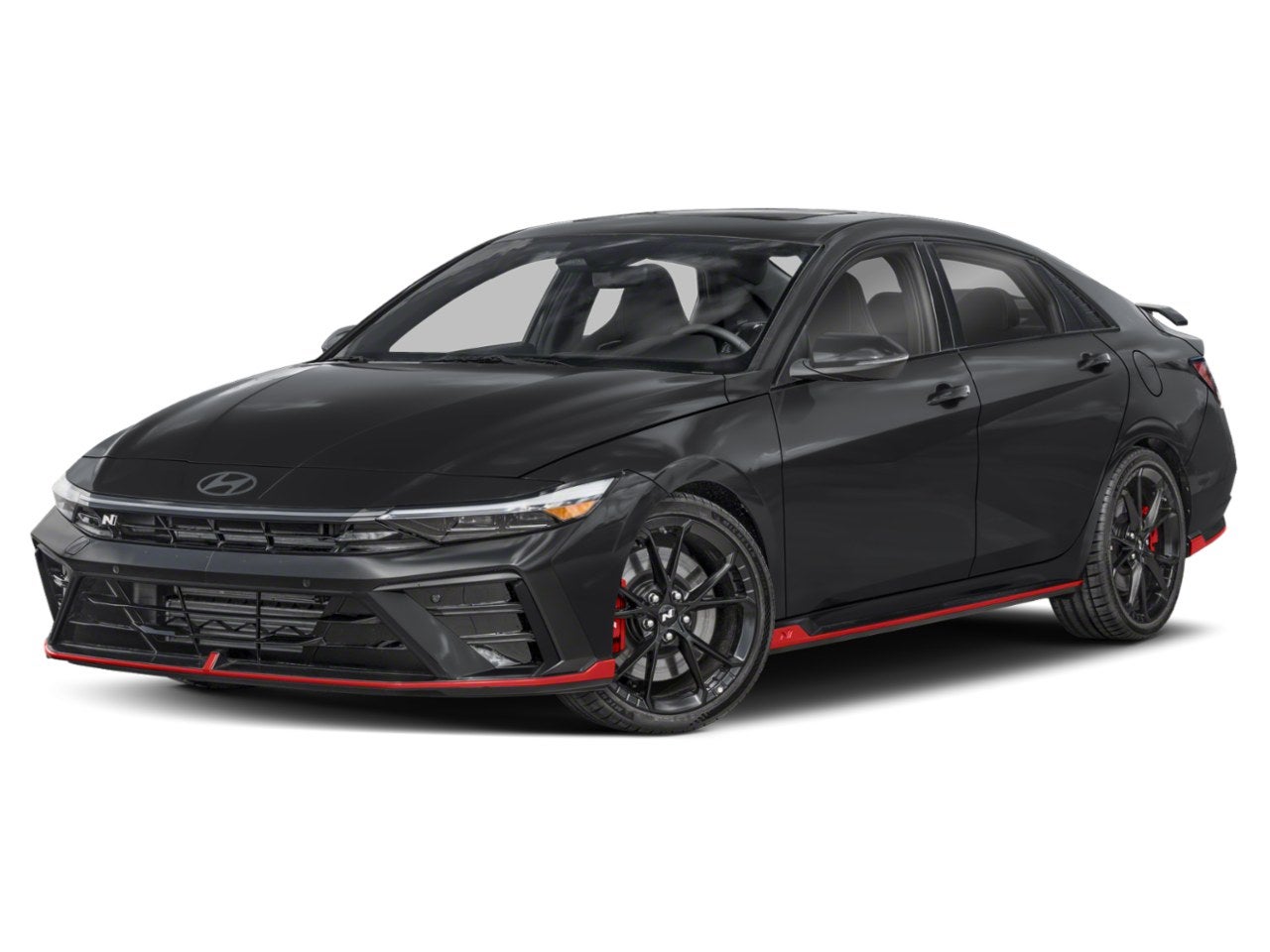
2026 Hyundai Elantra N front three-quarter exterior

Hyundai Elantra N Trims Explained: N vs N Line, What's the Difference

THE SHORT ANSWER The Elantra N Line is a sporty-looking, sharper-driving version of the everyday Elantra. The Elantra N is Hyundai's full performance sedan, with a 276-hp turbocharged engine and track-minded tuning, offered in N, DCT and TCR Edition trims. If you want real performance and a car you can still drive every day, the Elantra N is the one to drive first. The names make this confusing. Elantra N Line and Elantra N sound like close cousins, but they're built for different drivers, and choosing between them comes down to how you'll use the car. At Riverhead Hyundai in Riverhead, NY, here's how we'd explain the difference to a friend, along with how the three Elantra N trims compare. IN THIS POST Elantra N vs N Line: Two Different Ideas Elantra N Trims: N, DCT and TCR Edition Living With the Elantra N Day to Day Drive the Elantra N Back to Back With the N Line Key takeaways Elantra N vs N Line: Two Different Ideas Think of the Elantra N Line as the everyday Elantra with more attitude. You get sharper styling and a livelier feel than the standard sedan, but it's tuned for commuting first and spirited driving second. The Elantra N is a different animal. Hyundai's N performance division built it with the track in mind. It uses a turbocharged 4-cylinder making 276 hp and sends that power through the front wheels, so the whole car is set up to make the most of it. Who each one suits N Line: you want a sedan that looks the part and feels a little quicker on your daily drive. Elantra N: you want a car that comes alive on a back road and could handle a weekend track day, with a trunk and back seat for the rest of the week. If you're leaning toward the real thing, take a look at our new Hyundai inventory to see which Elantra N trims are on the lot right now. Elantra N Trims: N, DCT and TCR Edition Each Elantra N trim gets the same engine and output, so you won't give up any performance by choosing one over another. The differences come down to how you shift and how special you want the car to feel. N and DCT The N trim starts at $35,300 and is the purest way into the car. It returns 21 mpg city and 29 highway, which is honest for a car this quick. Stepping up to the DCT trim at $36,800 gets you Hyundai's dual-clutch automatic. Shifts are lightning-fast, and in stop-and-go traffic you don't have to work a pedal. You give up a little efficiency for that, landing at 20 city and 27 highway. TCR Edition At the top, the TCR Edition (2WD) is priced from $39,250 and takes its name from Hyundai's touring-car racing program. It keeps the same front-drive setup and matches the N trim's fuel economy, with special-edition touches that set it apart. Come see one in person, and we can talk through financing options for whichever trim fits your budget. Living With the Elantra N Day to Day A performance car is only worth owning if it fits your actual week, and this is where the Elantra N wins people over. It's still a sedan at heart, with room for five people and a proper trunk. You get 14.2 cubic feet of cargo space in every trim. In practice, that's a full grocery run, a couple of carry-on bags for a weekend trip, or your golf clubs for a round out east. Fuel economy stays reasonable too, so the commute to work on Route 25 won't feel like a punishment for wanting something fun. The ride is firmer than a standard Elantra. That's the point. It talks to you about the road without beating you up, and most owners settle into it quickly. Ownership is easy here, too. Riverhead Hyundai is a full-service Hyundai dealership, and our Hyundai-trained technicians know these cars inside and out. When it's time for an oil change or a check-up after a spirited summer, you can book service with people who work on Hyundais every day. Drive the Elantra N Back to Back With the N Line The quickest way to settle N vs N Line is to drive them one after the other. Comparing them on paper only gets you so far. Ten minutes behind the wheel tells you whether you want a sharp daily driver or a true performance sedan. On your drive, pay attention to a few things: How the engine pulls when you merge onto the LIE How the steering and brakes feel through a curve on Sound Avenue Whether you prefer the dual-clutch automatic in the DCT trim or the more hands-on feel of the base N How the ride feels on the rougher stretches you drive every day We carry new, used and Certified Pre-Owned Hyundai inventory, so if a new car doesn't fit your plans, ask what pre-owned options are on hand. When you're ready, book a test drive of the Elantra N and bring your questions. If you have a car to trade, bring it along so we can take a look while you're here. Where 1800 Old Country Rd Riverhead, NY Call (631) 369-0600 KEY TAKEAWAYS The N Line is a styled, livelier daily Elantra, while the Elantra N is a dedicated performance car. All three Elantra N trims share the same 276-hp turbo engine and front-wheel drive. The DCT trim adds a dual-clutch automatic, and the TCR Edition adds special-edition character. The Elantra N still fits real life, with seating for five, a usable trunk and Hyundai-trained technicians to look after it in Riverhead. FAQ Common questions Is the Elantra N Line the same as the Elantra N? No. The N Line is a sportier-styled, livelier version of the regular Elantra. The Elantra N is Hyundai's dedicated performance model, with a 276-hp turbocharged engine and track-focused tuning. If performance is what you're after, the Elantra N is the one to drive. Which Elantra N trim is best for commuting on Long Island? If you sit in a lot of traffic, the DCT trim's dual-clutch automatic makes stop-and-go driving easy while keeping the full performance of the Elantra N. If you want the purest driving feel and the best fuel economy in the lineup, the base N trim is a great choice. Driving both at Riverhead Hyundai is the best way to decide. Can I service my Elantra N at Riverhead Hyundai? Yes. Riverhead Hyundai is a full-service Hyundai dealership with Hyundai-trained technicians, so your Elantra N can be cared for right here in Riverhead, from routine maintenance to anything more involved. Want to see it in person? Come by for a test drive, or browse what is on the lot right now. Schedule a test drive Browse new inventory Or call (631) 369-0600 · 1800 Old Country Rd, Riverhead Or keep browsing Current offers Financing Value your trade Book service Contact us Used cars