



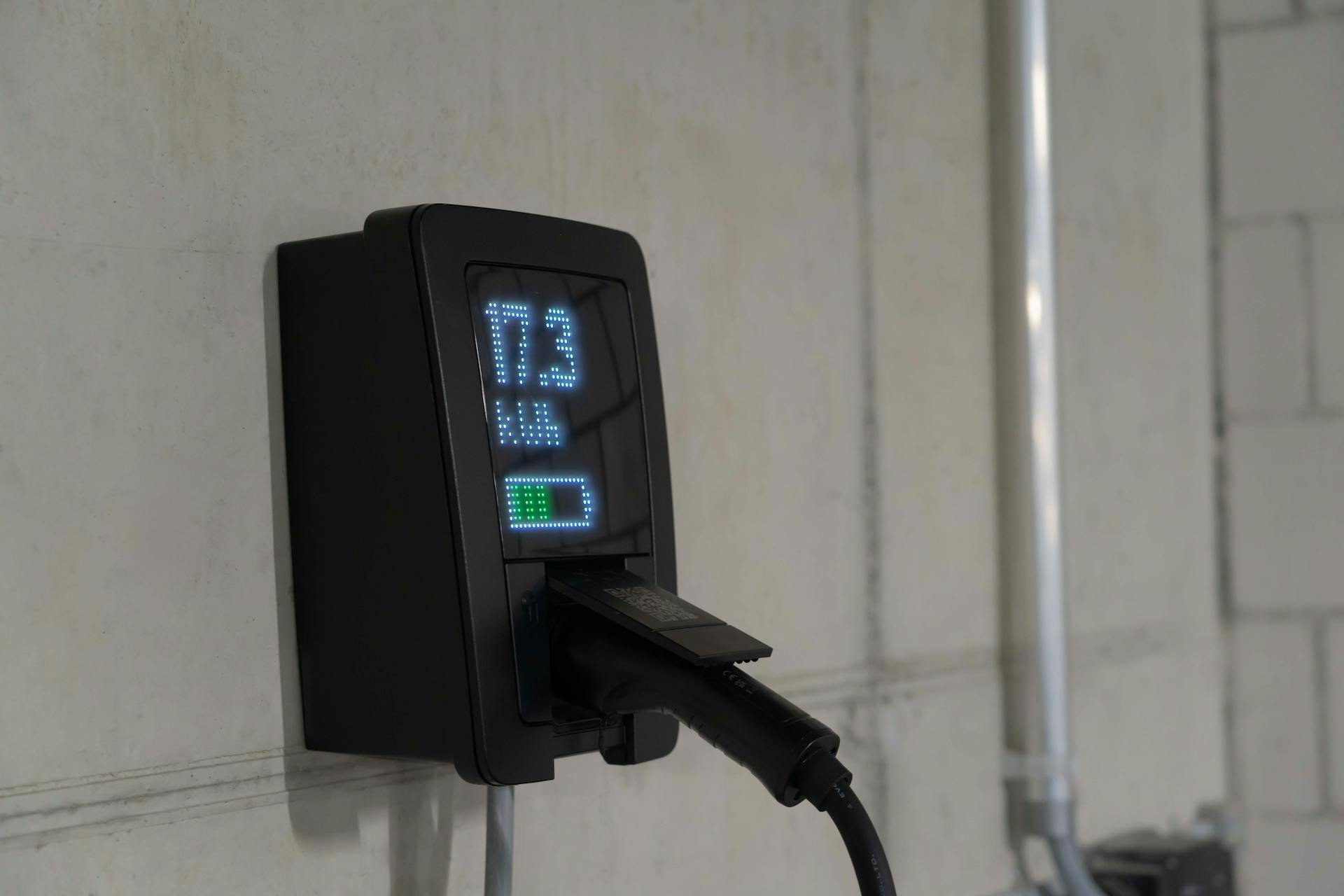
Smarter Summer EV Charging on Long Island
Hyundai electric vehicles and plug-in hybrids are showing up all over Riverhead and the East End. As traffic picks up and people head to the beach, wineries, and family visits, knowing your charging options matters more than ever. A little planning can keep your Hyundai EV ready for fun weekends and simple daily drives.
In this guide, we will walk through smart at-home charging, public charging choices around Riverhead, how to plan longer trips, and simple tips for driving in warm weather. We will also explain how our team helps you match your Hyundai EV to the way you actually live and drive on Long Island.
Understanding Your Hyundai EV Charging Basics
Most Hyundai EV and plug-in owners will see three main charging levels. Each one fits a different part of your day.
- Level 1: This uses a standard household outlet, usually 120 volts.
- Level 2: This uses a 240 volt source, like a home charger or many public chargers.
- DC fast charging: For compatible Hyundai EVs like IONIQ and Kona Electric at certain public stations.
Level 1 charging is slow, but it can work if you drive shorter distances and can leave the car plugged in overnight. You might add range while you sleep, which is often enough for local errands or a light commute. It is simple, but not the best fit for heavy driving.
Level 2 charging is what many daily drivers prefer. At home or at a public charger, it adds power much faster than a regular outlet. A lot of Hyundai owners like to plug in in the evening and wake up to a mostly full battery, ready for the workday or a trip across the East End.
DC fast charging is for quick stops on the road. When your Hyundai EV supports it, you can get a helpful boost in a short time, often about the length of a meal break. It is great on longer outings, but not something you want to use as your only charging source every single day.
Summer heat can affect range and charging speed. To keep your battery happy, try a few habits:
- Park in the shade when you can.
- Precondition the cabin while plugged in so the AC does not have to work as hard once you pull away.
- Avoid fast charging to 100 percent every time, especially back to back in high heat.
Home Charging Options for Riverhead Households
Home charging is the easiest way to keep your Hyundai ready, especially if you live in Riverhead or nearby towns and drive the same routes most days. The main question is whether a regular outlet is enough, or if a Level 2 charger makes more sense.
Level 1, using a 120 volt outlet, can work for:
- Short commutes and light local driving
- Drivers who can leave the car plugged in many hours at night
- Households with another gas or hybrid vehicle for longer trips
A Level 2 charger, using 240 volts, is helpful if:
- You drive more miles most days
- You often make last-minute plans or multiple trips in one day
- You want faster recovery after weekend outings or visits to both forks
On the East End, many homes have different setups. Some have enclosed garages. Others have long driveways, barns, or parking areas away from the house. Older homes may have older electrical panels. Newer construction might already support a charger with less extra work. In almost every case, it is best to work with a licensed local electrician who understands the area and can review your panel, wiring, and where you usually park.
There may be incentives or rebates in New York that help with home charger installation. These programs can change, so many drivers find it helpful to learn what is currently offered before they install a charger. Planning ahead before peak summer trips can keep you from rushing to upgrade once you are already busy.
Public Charging Spots Around Riverhead and the East End
Public charging fills in the gaps when you are away from home. Around Riverhead and across the East End, you will usually see two types of public chargers: Level 2 and DC fast.
Level 2 chargers often show up at:
- Shopping centers and outlet malls
- Public parking lots and garages
- Workplaces and some hotels
These are great for topping up while you shop, grab a meal, or spend a few hours at an attraction. Many Hyundai drivers in the area also use Level 2 spots around downtown Riverhead, near local businesses or near larger shopping areas like outlet centers.
DC fast chargers are placed along major roads, including routes that connect back to the Long Island Expressway. They support compatible Hyundai EVs and are built for quick top-ups when you are on a schedule. These are especially helpful when you are heading to or from the North Fork or South Fork and want extra peace of mind.
Your Hyundai EV, along with popular charging apps, can help you:
- Find nearby chargers
- Check plug types and power levels
- See if stations are working or in use
- Estimate how long you might need to stay
Checking ahead before a beach day or winery visit can keep your plans smooth. Many drivers like to choose a lunch or shopping spot that happens to have a charger nearby so charging fits naturally into the day.
Planning Summer Road Trips in Your Hyundai EV
Longer summer drives take a little more planning with an EV, but they can be very relaxing once you get used to the rhythm. Start by looking at your route and where DC fast chargers are spaced out. Then think about your usual stops for food, rest, and sightseeing.
When you plan your trip, keep a few things in mind:
- Extra weight from passengers and luggage can use more energy.
- Running the AC on hot days takes some power too.
- It helps to plan a buffer instead of driving all the way down to a very low battery.
Charging while you eat, stretch, or explore a town can turn range worry into a quick break. Many Hyundai drivers find that stopping a little earlier for a short fast charge feels better than pushing the battery too low and stressing about the next station.
You can stretch your range with a few simple habits:
- Keep speeds more moderate on the Long Island Expressway.
- Use climate control in smart ways, like using cabin preconditioning while plugged in.
- Check tire pressure regularly so the car rolls as smoothly as it should.
Small choices like these add up, especially in steady summer traffic.
How Riverhead Hyundai Supports Your EV Lifestyle
Switching to a Hyundai EV or plug-in hybrid is not only about the vehicle itself. It is about how that vehicle fits into life on Long Island, from weekday commutes to weekend drives across the East End. Our team helps drivers think through where they live, how far they travel, and what Hyundai EV charging in Riverhead and nearby towns looks like day-to-day.
At our dealership, we offer support that is focused on electric driving, including:
- EV-specific maintenance and service
- Help understanding software updates related to range and charging
- Guidance on charger compatibility and public charging options
- Referrals for local professionals who can help with home charging setups
We are here to walk through different charging choices, answer questions, and help you feel confident about using your Hyundai EV around Riverhead and beyond.
Power Your Drive With Convenient Local EV Charging Solutions
If you are ready to make the most of your electric Hyundai, explore our dedicated resources for Hyundai EV charging in Riverhead. At Riverhead Hyundai, we can help you choose the right charging setup, understand available incentives, and feel confident about everyday driving. Reach out so we can answer your questions, walk you through your options, or schedule a visit to our showroom and service team contacting us.
Connect with us


- July 2026
- June 2026
- May 2026
- April 2026
- March 2026
- February 2026
- January 2026
- December 2025
- November 2025
- October 2025
- September 2025
- August 2025
- July 2025
- June 2025
- May 2025
- April 2025
- March 2025
- February 2025
- January 2025
- December 2024
- November 2024
- October 2024
- September 2024
- August 2024
- July 2024
- June 2024
Archives
Riverhead Hyundai

Address
1800 Old Country Road
Riverhead, NY 11901
Phone
- Sales 888-498-5441
- Service 888-493-9931
| Monday | 9:00AM - 8:00PM |
| Tuesday | 9:00AM - 8:00PM |
| Wednesday | 9:00AM - 8:00PM |
| Thursday | 9:00AM - 8:00PM |
| Friday | 9:00AM - 8:00PM |
| Saturday | 9:00AM - 6:00PM |
| Sunday | 11:00AM - 5:00PM |
| Monday | 8:00AM - 4:30PM |
| Tuesday | 8:00AM - 4:30PM |
| Wednesday | 8:00AM - 4:30PM |
| Thursday | 8:00AM - 4:30PM |
| Friday | 8:00AM - 4:30PM |
| Saturday | 8:00AM - 4:30PM |
| Sunday | Closed |
| you break it we fix it | |
| Monday | 8:00AM - 4:30PM |
| Tuesday | 8:00AM - 4:30PM |
| Wednesday | 8:00AM - 4:30PM |
| Thursday | 8:00AM - 4:30PM |
| Friday | 8:00AM - 4:30PM |
| Saturday | 8:00AM - 4:30PM |
| Sunday | Closed |