



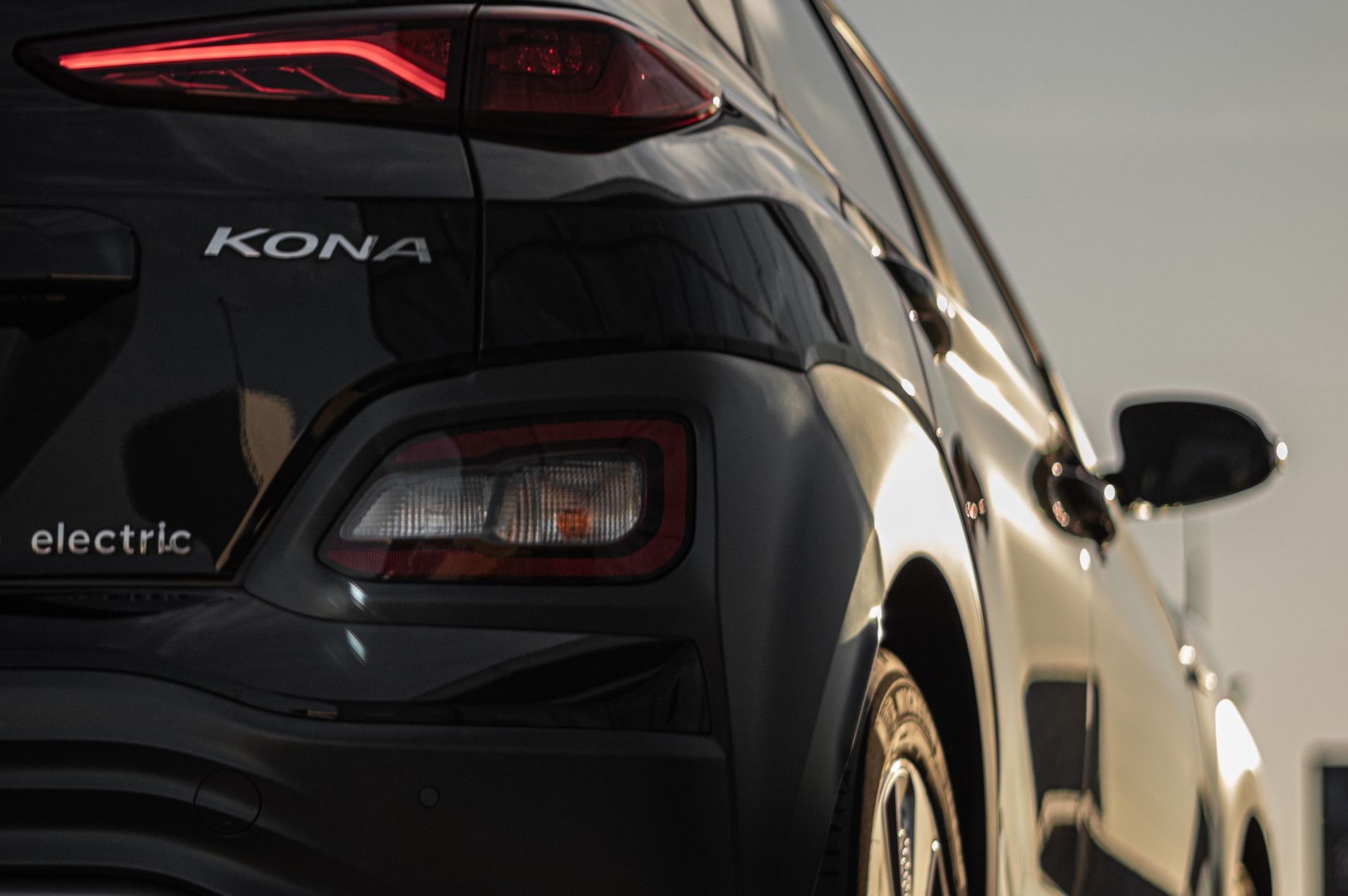
Charge Smarter on Long Island Roads This Summer
Choosing between home charging and public charging matters a lot when you drive an electric Hyundai on Long Island. It affects how much time you spend waiting, how simple your daily routine feels, and how often you think about your battery at all.
Hyundai owners are in a good spot, since Hyundai EVs and plug-in hybrids are built to work well with both home chargers and public options, including Hyundai fast charging in Long Island. With summer traffic, beach runs, and weekend trips across Suffolk County, a smart charging plan keeps your EV ready without stress. We will walk through costs, speed, and day-to-day convenience so you can pick the mix that fits your life.
Home Charging Basics for Hyundai EV Drivers
Home charging is where most EV drivers get the bulk of their energy. It is simple, it is in your control, and it happens while you sleep or relax.
There are two main kinds of home charging:
- Level 1: Uses a standard household outlet
- Level 2: Uses a 240-volt outlet, like some large appliances
Level 1 can work if you have short daily drives and time to spare. For many Long Island owners with regular commutes, Level 2 is a better fit. It adds more range each hour and makes it easier to refill your battery overnight.
Common home setups across Riverhead and Suffolk County include:
- Private garages with wall-mounted Level 2 chargers
- Driveways with outdoor-rated chargers
- Shared or off-street parking where a charger is placed near a main panel or carport
Popular Hyundai EVs and plug-in hybrids are built with overnight charging in mind. Many drivers can plug in at night and wake up to the range they need for work, errands, and activities. Even if your schedule changes, you can always top off when you get home in the evening.
Safety is important with any charger. That means:
- Using equipment that meets safety standards
- Having proper outlets and wiring sized for EV charging
- Working with a qualified installer to set up the circuit
Your local Hyundai dealership can help you understand which type of charger works best with your specific Hyundai model and your home layout.
Real Charging Costs at Home on Long Island
Home charging costs come down to how much power your Hyundai uses and what you pay for electricity through PSEG Long Island. Your rate per kilowatt hour sets the base for what each mile of driving costs you.
Some things that affect your cost per mile at home include:
- Your electric rate from PSEG Long Island
- Whether your plan has different prices for daytime and nighttime use
- How efficiently your Hyundai uses energy in hot or cold weather
For many drivers, charging a Hyundai EV at home can feel similar to paying for cheaper fuel per mile than a gas vehicle, especially over a typical Riverhead or Suffolk County commute. You plug in at night and spread the cost out over the month on your electric bill.
There are a few upfront pieces to think about:
- Level 2 charger unit itself
- Professional installation and any wiring or electrical panel updates
- Possible incentives, rebates, or tax credits that may apply to chargers or EVs
These programs can change, so it helps to review current options and talk with professionals who stay informed about EV support in your area.
Public Charging and Hyundai Fast Charging in Long Island
Public charging fills the gaps when you are not at home. It is also what makes longer drives and road trips easier to plan.
There are two main kinds of public charging:
- Public Level 2: Similar to a home Level 2 charger, often found at workplaces, parking lots, and downtown areas
- DC fast charging: Much faster, made for quick stops on longer trips
Hyundai fast charging in Long Island is usually found:
- Along major routes and travel corridors
- At shopping centers and big box stores
- Near popular destinations where drivers can park for a bit
DC fast charging can add a lot of range in a shorter time compared to Level 2. Your Hyundai will charge more quickly when the battery is lower, then slow down as it gets closer to full. This is the charging curve and it helps protect battery health.
Public charging networks often use pricing like:
- Per kilowatt hour
- Per minute of charging
- Flat session fees or parking fees
Compared with home charging, public power can cost more per unit of energy, especially at fast chargers. For most drivers, public stations work best as a backup or for trips, while home stays the main charging spot.
Weighing Convenience: Home Garage vs. On-the-Go Plugs
Convenience is where the home vs. public question really shows up in daily life. Many EV owners love the habit of pulling into the driveway, plugging in, and forgetting about it.
Home charging can feel more convenient if:
- You have a garage or driveway with easy access to power
- Your daily miles are fairly steady
- You prefer to start each day with a full or near-full battery
Public charging can be more practical if:
- You live in an apartment or shared housing with no personal parking
- Your driveway setup makes electrical work harder
- Your building is not ready for EV chargers yet
On Long Island, seasonal needs matter too. In summer, AC use can affect range, and traffic to beaches or Out East can stretch your day. In winter, cabin heat and colder air also change how your battery behaves. Some drivers prefer to keep home charging as their base and then use public chargers during errands, beach days, or longer weekend trips when they are already stopped.
Planning EV Road Trips Across Long Island and Beyond
A good mix of home charging and public fast charging makes road trips across Long Island and outside the area much easier.
Hyundai fast charging in Long Island and along nearby highways helps with trips to:
- The Hamptons and Montauk
- North Fork wineries and farm stands
- Destinations off Long Island through major routes
Before a longer drive, it helps to:
- Start with a full charge from home
- Use charging apps to spot fast chargers along your route
- Plan stops where you can eat, shop, or walk around while your Hyundai charges
Remember that hot weather, higher speeds, and AC use can change your real driving range. It is smart to leave a buffer and not aim to arrive at fast chargers with the battery very low. Many Hyundai owners find that mixing nightly home charging with a few planned DC fast charging stops gives a nice balance of time, cost, and long-term battery care.
Build Your Ideal Charging Strategy with Riverhead Hyundai
The right charging setup depends on your life, not just your car. Your daily mileage, where you park, and how often you travel longer distances all shape the best balance between home charging and public options.
At Riverhead Hyundai, we work with drivers across Suffolk County who are sorting through these same questions. We can help you understand charger choices for your home, how different Hyundai EVs and plug-in hybrids fit your routine, and what public charging looks like around the places you already go. With the right plan, charging becomes one less thing to worry about, so you can simply drive and enjoy the ride.
Power Your EV Experience With Convenient Local Fast Charging
If you are ready to make electric driving simpler, explore how Hyundai fast charging in Long Island fits your daily routine. At Riverhead Hyundai, we can walk you through charging options, help you plan for home and public charging, and match you with the right EV. Have questions or want to schedule a visit with our team, just contact us so we can help you get started with confidence.
Connect with us


- August 2026
- July 2026
- June 2026
- May 2026
- April 2026
- March 2026
- February 2026
- January 2026
- December 2025
- November 2025
- October 2025
- September 2025
- August 2025
- July 2025
- June 2025
- May 2025
- April 2025
- March 2025
- February 2025
- January 2025
- December 2024
- November 2024
- October 2024
- September 2024
- August 2024
- July 2024
- June 2024
Archives
Riverhead Hyundai
Address
1800 Old Country Road
Riverhead, NY 11901
Phone
- Sales 888-498-5441
- Service 888-493-9931
| Monday | 9:00AM - 8:00PM |
| Tuesday | 9:00AM - 8:00PM |
| Wednesday | 9:00AM - 8:00PM |
| Thursday | 9:00AM - 8:00PM |
| Friday | 9:00AM - 8:00PM |
| Saturday | 9:00AM - 6:00PM |
| Sunday | 11:00AM - 5:00PM |
| Monday | 8:00AM - 4:30PM |
| Tuesday | 8:00AM - 4:30PM |
| Wednesday | 8:00AM - 4:30PM |
| Thursday | 8:00AM - 4:30PM |
| Friday | 8:00AM - 4:30PM |
| Saturday | 8:00AM - 4:30PM |
| Sunday | Closed |
| you break it we fix it | |
| Monday | 8:00AM - 4:30PM |
| Tuesday | 8:00AM - 4:30PM |
| Wednesday | 8:00AM - 4:30PM |
| Thursday | 8:00AM - 4:30PM |
| Friday | 8:00AM - 4:30PM |
| Saturday | 8:00AM - 4:30PM |
| Sunday | Closed |