



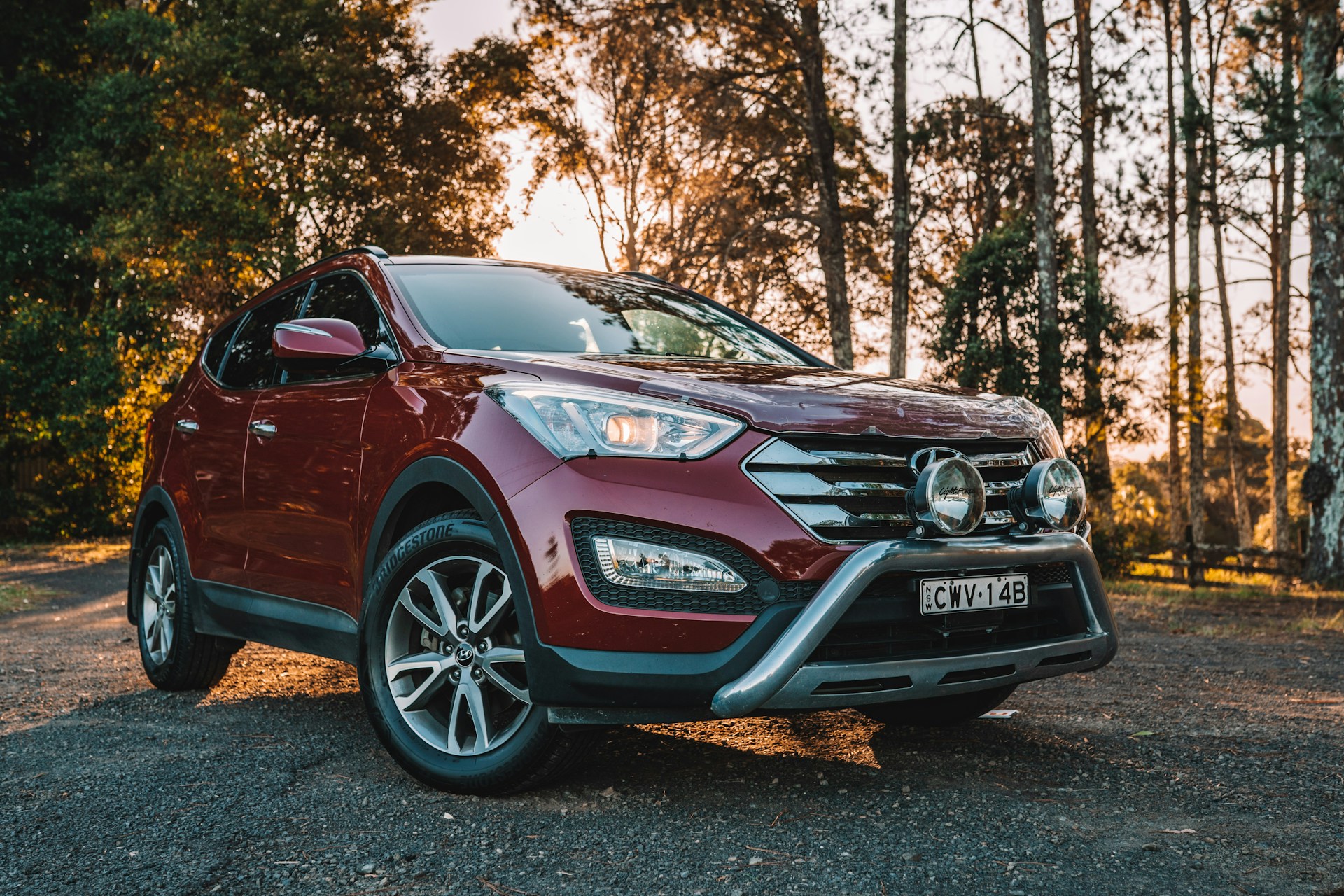
A fender bender can throw off your whole day, even when the damage looks small. In Suffolk County, August traffic near beaches, road construction, and back-to-school errands can all create more chances for a bump, scrape, or low-speed collision. We want you to know that prompt attention matters because bumpers, lights, sensors, panels, and alignment parts can be affected beneath the surface.
After making sure everyone is safe, a few early steps can help protect both your Hyundai and your peace of mind. Good records support an insurance claim and give a repair facility a clearer picture of what happened.
Protect Yourself and Document the Damage
First, move your vehicle to a safe location when possible and check for injuries. Exchange insurance information with the other driver, and contact law enforcement when the situation calls for it. Even a minor impact deserves careful documentation.
We recommend taking clear photos from several angles before repairs begin. Include close-up images of visible damage, wider shots that show the vehicle’s position, and pictures of the surrounding area when it is safe to do so.
Helpful details to save include:
- The date, time, and location of the collision
- Road, traffic, and weather conditions
- Photos of dents, scratches, broken lights, and loose trim
- Insurance information and any police report details
A bumper that appears lightly scuffed may have damaged brackets, absorbers, wiring, or sensors behind it. Getting the facts down early can make the repair estimate more accurate and help avoid confusion later.
Get Organized Before Repairs Begin
Your insurance company should be notified promptly so you can understand the claim process. Ask about your deductible, rental-car coverage, documentation needs, and what to expect as the claim moves forward. It is also reasonable to ask questions about repair choices and timing before authorizing work.
Visible damage is not always the full story. A low-speed impact can affect camera mounts, parking sensors, wheel alignment parts, electrical connections, paint layers, or components hidden behind the bumper cover. We encourage you to seek a thorough assessment instead of relying only on what you can see in a driveway or parking lot.
Keep your paperwork together in one place. That file can include your claim number, photos, estimates, insurer messages, repair updates, and final invoices. Organized records make it easier to compare recommendations and follow the progress of your Hyundai’s repair.
How to Choose a Hyundai Body Shop in Suffolk County
Choosing a Hyundai body shop in Suffolk County should involve more than comparing the first estimates you receive. Hyundai vehicles may include advanced high-strength steel, specific paint processes, and safety technology that need careful repair procedures.
When speaking with a repair facility, we suggest asking about its experience with Hyundai vehicles and its approach to Hyundai repair information. The answers should be clear, not vague. A quality shop should be ready to explain what it sees, what might be hidden, and how it plans to inspect the vehicle.
Questions worth asking include:
- Does the shop perform structural and alignment inspections when needed?
- Can the team inspect cameras, radar features, and parking sensors?
- What equipment is used for repairs and diagnostics?
- How will the shop communicate if it finds additional damage?
Clear communication matters from the start. You should understand the estimate, the expected repair timeline, the types of parts being considered, and how supplemental repairs will be handled if new damage is found after disassembly.
Pay Attention to Parts, Paint, and Safety Features
Parts choices can be confusing after a collision. Original equipment parts, aftermarket parts, recycled parts, and reconditioned components may each be considered depending on the vehicle, your insurance policy, availability, and where the damage occurred. For safety-related areas, it is especially important to understand what part is being used and why.
Modern bumper repairs can involve far more than restoring a smooth exterior. Depending on the Hyundai model and equipment, a collision may affect features such as forward collision warning, blind-spot monitoring, lane-keeping assistance, backup cameras, or parking sensors. These systems may need inspection, scanning, adjustment, or calibration after repairs are complete.
Paint work also deserves close attention. A professional repair should account for your vehicle’s paint code, the need to blend adjacent panels, corrosion protection, and proper curing. Suffolk County weather can bring moisture, salt air, road debris, and changing temperatures, so a repair should help protect the repaired area as well as make it look consistent.
Ask About Final Quality Checks
Before your Hyundai is returned, ask how the repair facility checks its work. A complete inspection may include body-panel alignment, paint appearance, lighting operation, warning-light scans, wheel alignment, road testing, and verification of safety features affected by the collision.
When you pick up the vehicle, take a few minutes to look it over in good lighting. Check panel gaps, paint consistency, trim fitment, headlights, taillights, doors, liftgates, hoods, and bumpers. If something looks uneven, loose, unfinished, or different from what you expected, ask about it before leaving.
Save the final invoice, repair warranty information, and any calibration or scan documentation. Those records can be useful during later service visits, trade-in conversations, and resale discussions.
Guidance for Hyundai Owners After a Collision
For drivers in Suffolk County and across Long Island, we are available at Riverhead Hyundai to help explain Hyundai service, parts, and collision repair considerations after a fender bender. Our team can help you understand the role of genuine Hyundai parts availability and the repair questions worth discussing with a collision professional.
Prompt action, careful documentation, and thoughtful repair decisions can make a stressful event easier to manage. By asking about hidden damage, parts, paint protection, and safety-system checks, you can move forward with greater confidence in your Hyundai’s condition.
Support for Your Next Steps
At Riverhead Hyundai, we’re here to help you find clear answers and dependable care after a collision. Learn how our Hyundai body shop in Suffolk County can support your vehicle’s repair needs and help protect its long-term value. If you have questions or would like to discuss your situation, contact us to speak with our team.
Connect with us


- August 2026
- July 2026
- June 2026
- May 2026
- April 2026
- March 2026
- February 2026
- January 2026
- December 2025
- November 2025
- October 2025
- September 2025
- August 2025
- July 2025
- June 2025
- May 2025
- April 2025
- March 2025
- February 2025
- January 2025
- December 2024
- November 2024
- October 2024
- September 2024
- August 2024
- July 2024
- June 2024
Archives
Riverhead Hyundai
Address
1800 Old Country Road
Riverhead, NY 11901
Phone
- Sales 888-498-5441
- Service 888-493-9931
| Monday | 9:00AM - 8:00PM |
| Tuesday | 9:00AM - 8:00PM |
| Wednesday | 9:00AM - 8:00PM |
| Thursday | 9:00AM - 8:00PM |
| Friday | 9:00AM - 8:00PM |
| Saturday | 9:00AM - 6:00PM |
| Sunday | 11:00AM - 5:00PM |
| Monday | 8:00AM - 4:30PM |
| Tuesday | 8:00AM - 4:30PM |
| Wednesday | 8:00AM - 4:30PM |
| Thursday | 8:00AM - 4:30PM |
| Friday | 8:00AM - 4:30PM |
| Saturday | 8:00AM - 4:30PM |
| Sunday | Closed |
| you break it we fix it | |
| Monday | 8:00AM - 4:30PM |
| Tuesday | 8:00AM - 4:30PM |
| Wednesday | 8:00AM - 4:30PM |
| Thursday | 8:00AM - 4:30PM |
| Friday | 8:00AM - 4:30PM |
| Saturday | 8:00AM - 4:30PM |
| Sunday | Closed |