



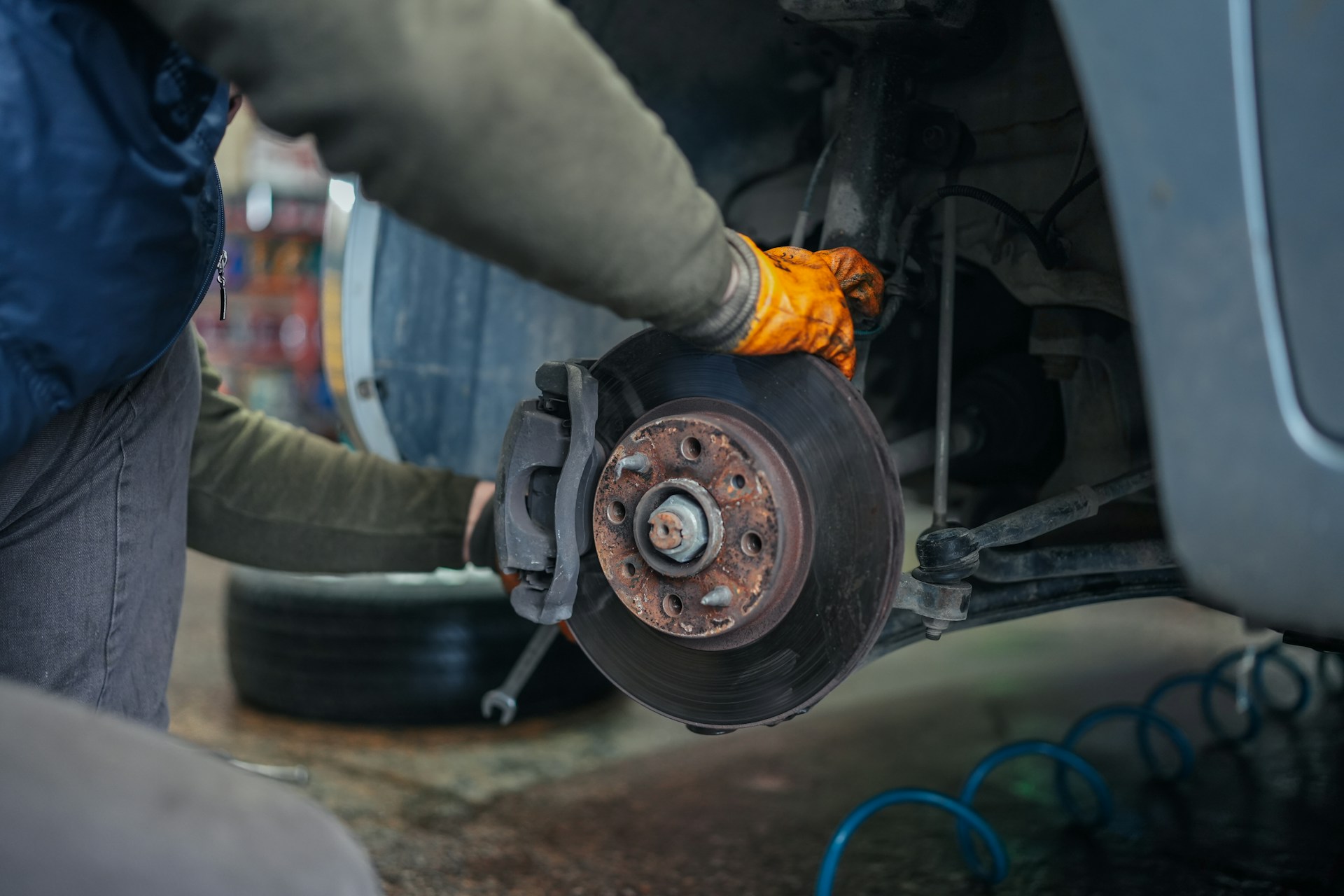
When you’re out on the road, the last thing you want is to be worried about your vehicle’s brakes. Good brake health is vital for ensuring safe and stress-free travels. Squeaky brakes may just be a minor annoyance at first, but they often signal a deeper issue that needs attention. Ignoring that tell-tale sound can lead to more extensive damage and costly repairs down the line. Knowing what to do when your brakes start squeaking is essential for maintaining the safety and performance of your vehicle.
Squeaking brakes aren’t just about noise; they’re a sign that something isn’t right. Whether it’s due to dusty roads or wear and tear, acting swiftly when you hear that noise can save you a lot of trouble. Addressing brake issues early on can help prevent further damage and keep your vehicle running smoothly. Let’s explore what might be causing your brakes to squeak and what steps you can take to handle the situation effectively.
What Causes Hyundai Brakes to Squeak?
Squeaky brakes are more than just a nuisance; they might indicate several underlying problems. Most commonly, this noise arises from:
- Dust and Dirt: The accumulation of dust and dirt on brake components can lead to that annoying squeak. This is especially common if you’ve been driving through dusty areas.
- Moisture: Wet conditions, such as rain or humidity, can cause a temporary squeak until the moisture dissipates.
- Worn-out Brake Pads: Over time, brake pads wear down and may cause a squeaking sound when making contact with the rotor.
- Glazed Rotors or Pads: If the brakes overheat, the pads and rotors can become glazed, leading to squeaking when the brakes are applied.
- Loose Components: Sometimes, loose parts can cause vibration and noise when braking.
Understanding the cause of the squeak can help you determine the best course of action. In Riverhead, Long Island, summer conditions can exacerbate these issues as the heat might cause the brakes to overheat, leading to glazing or increased dust build-up. You might notice the squeak more frequently during or after a road trip or a dusty drive. Addressing these root causes quickly is key to maintaining your vehicle’s brake health.
Immediate Steps to Take
When you notice a squeaking sound, it’s important to act promptly. Here’s what you can do:
1. Check for Debris: Sometimes a simple inspection can reveal if a stone or debris is lodged in the brake system.
2. Listen to the Sound: Pay attention to when the squeak occurs. Is it constant or only when you press the brakes? This can help in diagnosing the problem.
3. Avoid Overloading: If your car is heavily loaded, reduce the weight. Overloading can increase the pressure on the braking system.
4. Consult Your Manual: Your vehicle’s manual may provide specific guidance on brake issues.
5. Visit a Professional: If the squeaking persists, it’s time to consult with an expert. Continuing to drive without addressing the problem can lead to bigger issues.
Taking these steps can help you address the issue before it becomes a major problem. If you’re unsure or the noise continues, professional evaluation is the safest route. The brakes are crucial to your safety on the road, so never underestimate any unusual noise.
When to Schedule Professional Service
Recognizing when professional service is necessary can save you from further headaches on the road. If the brake noise persists even after taking the initial steps we mentioned, it’s probably time for expert intervention. It’s crucial not to overlook signs like grinding sounds, which may indicate a more severe issue. If your vehicle pulls to one side when braking, feels shaky, or the brake pedal feels different than usual, these are red flags that should prompt you to seek help.
Visiting a professional isn’t just about resolving current issues; it prevents future complications. Experts have the tools and knowledge to diagnose problems you might not notice. They ensure that all components are functioning correctly and replace any parts before they malfunction. Long Island’s diverse driving conditions can be tough on brakes, especially during summer when the heat can lead to overheating. A professional inspection will address seasonal wear and tear as well as any hidden problems that could pose a risk.
Preventative Measures for Future
Staying ahead of brake issues means integrating a few key habits into your routine. Consistent maintenance enhances your vehicle’s safety and performance. Here’s how you can keep your brakes in top shape:
- Regular Check-Ups: Set a schedule for brake inspections, usually at every service interval. It’s easier to fix minor issues before they become significant problems.
- Use Quality Parts: Always opt for high-quality brake parts when replacements are needed. Quality parts tend to last longer and perform better under different driving conditions.
- Pay Attention to Changes: If you notice any new noises or changes in how your brakes feel, don’t ignore them. Early detection and action can prevent bigger headaches.
- Keep Your Wheels Clean: Regularly clean your wheels to prevent dirt and dust from building up on brake components.
- Educate Yourself: Get familiar with your vehicle’s specific brake requirements through the owner’s manual or your service provider’s advice.
Implementing these tips can prolong the life of your brakes and improve overall driving safety. Understanding your vehicle’s needs can make a big difference on the road, helping you anticipate and avoid potential issues.
Keeping Your Hyundai Safe in Riverhead
In Riverhead, consistent care and attention are key to keeping your Hyundai running smoothly and safely. Regular check-ups ensure that your brakes are functioning properly, reducing the risk of sudden failures. When you keep an eye on your brake health, you’re not just maintaining your car; you’re investing in peace of mind for every journey you take.
Listening to your vehicle is an important habit. A small noise today could mean a major issue tomorrow. When in doubt, don’t hesitate to schedule an appointment for a closer inspection. By tackling brake issues head-on, you prepare your vehicle for any journey, keeping yourself and others safe on the road.
Taking the time to understand how to maintain your brakes and when to seek professional assistance is a critical part of vehicle ownership. With some awareness and proactive measures, you can prevent minor concerns from escalating into costly repairs, ensuring that your Hyundai remains reliable and safe.
To stay confident on the road and keep your vehicle running smoothly, make sure to prioritize your Hyundai’s brake health. For reliable support and to address any brake concerns without delay, schedule expert Hyundai brakes service on Long Island with Riverhead Hyundai. Trust our team to keep your car performing at its best.
Connect with us


- July 2026
- June 2026
- May 2026
- April 2026
- March 2026
- February 2026
- January 2026
- December 2025
- November 2025
- October 2025
- September 2025
- August 2025
- July 2025
- June 2025
- May 2025
- April 2025
- March 2025
- February 2025
- January 2025
- December 2024
- November 2024
- October 2024
- September 2024
- August 2024
- July 2024
- June 2024
Archives
Riverhead Hyundai

Address
1800 Old Country Road
Riverhead, NY 11901
Phone
- Sales 888-498-5441
- Service 888-493-9931
| Monday | 9:00AM - 8:00PM |
| Tuesday | 9:00AM - 8:00PM |
| Wednesday | 9:00AM - 8:00PM |
| Thursday | 9:00AM - 8:00PM |
| Friday | 9:00AM - 8:00PM |
| Saturday | 9:00AM - 6:00PM |
| Sunday | 11:00AM - 5:00PM |
| Monday | 8:00AM - 4:30PM |
| Tuesday | 8:00AM - 4:30PM |
| Wednesday | 8:00AM - 4:30PM |
| Thursday | 8:00AM - 4:30PM |
| Friday | 8:00AM - 4:30PM |
| Saturday | 8:00AM - 4:30PM |
| Sunday | Closed |
| you break it we fix it | |
| Monday | 8:00AM - 4:30PM |
| Tuesday | 8:00AM - 4:30PM |
| Wednesday | 8:00AM - 4:30PM |
| Thursday | 8:00AM - 4:30PM |
| Friday | 8:00AM - 4:30PM |
| Saturday | 8:00AM - 4:30PM |
| Sunday | Closed |