



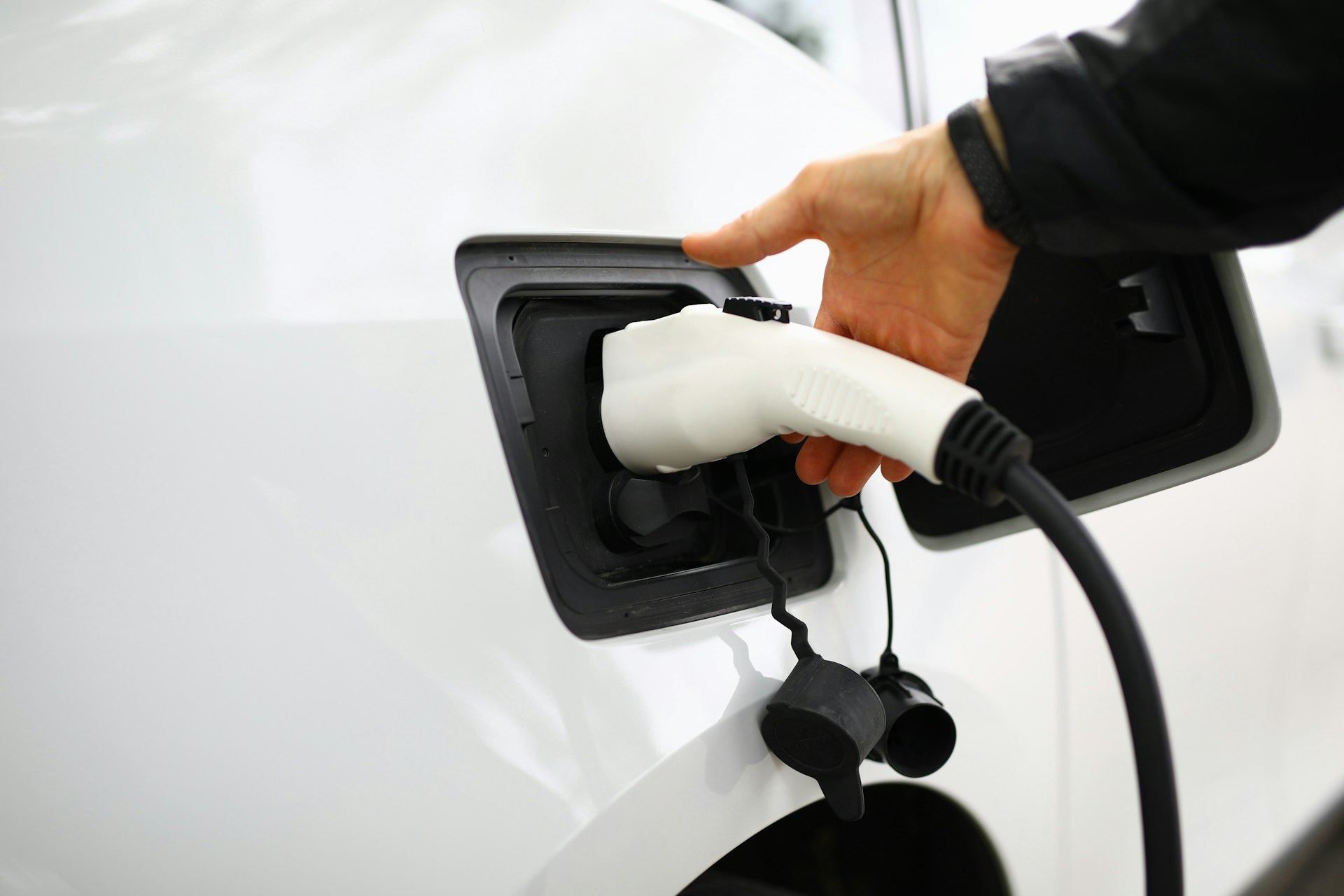
Charge Up Your Drives on Long Island This Summer
Driving electric on Long Island keeps getting easier, and charging is a big reason why. When you understand your options, an EV can fit into your life just like a gas car, only with fewer stops and less stress. That is especially helpful when warm weather brings more beach days, winery trips, and weekend drives around Suffolk County.
We want to help local drivers feel confident about Hyundai EV charging in Riverhead. From slow and steady home charging to quick public fast charging, there are simple ways to keep your battery ready for anything. We will walk through charging levels, where to plug in around town, what home charging looks like, and how to plan for longer drives across Long Island with your electric Hyundai.
Understanding Hyundai EV Charging Levels
All EV charging is not the same, but the basics are easy once you break it down. Most Hyundai EVs and plug-in hybrids can use three common types of charging. The right choice depends on how much time you have and how far you plan to drive.
Here is a simple overview:
- Level 1: Standard household outlet
- Level 2: 240-volt home or public charger
- DC fast charging: High-power public stations for quick stops
Level 1 charging uses a regular household outlet. It is the slowest option. Many owners like it for topping off a plug-in hybrid or adding range overnight when they do not drive far. You might think of it as a trickle of power that works best when your car has plenty of time to sit.
Level 2 charging uses a 240-volt connection, similar to what powers a dryer. This is common at home with a dedicated charger and at many public locations. For most Hyundai EVs, Level 2 charging usually adds enough range for daily driving in just a few hours, and overnight charging often brings the battery close to full.
DC fast charging is for those times when you want to add a lot of range in a short stop. These stations use higher power to charge your battery much faster than Level 1 or Level 2. Many drivers use DC fast charging during road trips or when they need a quick boost during a busy day.
Hyundai battery systems are designed to manage charge speeds and temperature to support safe and efficient charging. The car helps protect the battery by controlling how much power it takes in, especially at higher states of charge, which is why the last part of a charge can feel slower than the first.
Hyundai EV Charging in Riverhead and Suffolk County
If you drive around Riverhead and across Suffolk County, you will notice more public chargers popping up. Many are placed where people already spend time, so charging fits into your normal routine instead of feeling like a separate chore.
Common public charging spots include:
- Shopping centers and grocery stores
- Restaurant and retail parking lots
- Municipal lots and public garages
- Locations near major roads and parkways
Hyundai EVs can use most Level 2 and DC fast chargers that match the standard connector your vehicle is built for. Your EV’s built-in navigation and Hyundai connected services can help you find compatible stations along your route. Many drivers also like using charging apps on their phone to search by plug type, power level, and current availability.
During warmer months, popular Long Island destinations can mean busier chargers. It helps to:
- Plan a backup station near your main stop
- Charge while you eat, shop, or walk around town
- Top off before heading to very crowded areas
Whether you are heading to the beach, vineyards, or across the county to visit friends, a little planning goes a long way with an electric Hyundai.
Home Charging Solutions for Long Island Homes
For many EV drivers, home charging is what makes ownership feel simple. Plug in at night, wake up with range ready for your day. That is where a Level 2 home charger really shines.
Key benefits of a Level 2 home charger include:
- Faster charging compared to a standard outlet
- Convenience of starting each day with a charged battery
- Less need to rely on public charging for daily use
Installing a home charger usually involves a licensed electrician. They can look at your electrical panel, confirm capacity, and recommend the right setup. Many Long Island homes charge in a garage, but outdoor driveway setups can also work with equipment rated for outdoor use and local weather.
During installation planning, it is smart to think about:
- Where your car usually parks
- Cable length and where the cord will rest
- Protection from snow, rain, and salty coastal air
There may be local incentives or utility programs that support EV charging equipment or off-peak charging habits in the Riverhead area. These programs can change over time, so we help point shoppers toward current information when they are exploring an electric Hyundai and home charging.
Making the Most of Public Fast Charging
DC fast charging is your best friend when you are on the move and do not want to wait long. With Hyundai EVs, these stations are great for longer drives to places like the East End, trips across Long Island, or visits off the island.
To use fast charging in a smart way, it helps to:
- Plan fast charge stops around meals, coffee breaks, or errands
- Aim to charge from a lower state of charge up to around the mid or high range, instead of always going to 100 percent
- Keep an eye on any posted idle fees if you stay parked after charging is done
Charging from a low battery up to a moderate level is usually quicker than topping off from an already high charge. Many drivers stop charging around 80 percent at DC stations, then finish the last bit at home or on a Level 2 charger if needed.
For battery care during frequent fast charging, small habits can help. Preconditioning the battery when your Hyundai offers it can help the car reach an ideal temperature for charging. Avoid letting the battery sit very low for long periods, and try not to fast charge from very low to completely full over and over if you can space things out with home charging.
Riverhead Hyundai Support for Your EV Lifestyle
Choosing the right electric Hyundai is easier when you match the vehicle and charging plan to your daily life. Our sales and finance teams talk with drivers about commute length, parking setup at home, and how often they take longer trips. That helps us suggest models and charging options that feel natural, not stressful.
Our service team supports Hyundai EVs and hybrids with:
- Battery health checks and system inspections
- Software updates that can improve charging and range features
- Checks on charging ports, cables, and related components
- Seasonal service to keep your car ready in hot summers and colder months
We also stay ready as a local resource for EV questions, from charging accessories to basic planning for home setups. Our goal is to make Hyundai EV charging in Riverhead feel clear and manageable, so electric driving can fit your life on Long Island in a simple, everyday way.
Power Your Daily Drive With Simple, Reliable EV Charging
If you are ready to make charging as effortless as your drive, we are here to guide you through every step. Explore Hyundai EV charging in Riverhead to see how home, public, and fast-charging solutions can fit your routine. Our team at Riverhead Hyundai can answer your questions, walk you through equipment options, and help you plan for your next EV. Reach out anytime through our contact page to get personalized support.
Connect with us


Archives
Riverhead Hyundai
Address
1800 Old Country Road
Riverhead, NY 11901
Phone
- Sales 888-498-5441
- Service 888-493-9931
| Monday | 9:00AM - 8:00PM |
| Tuesday | 9:00AM - 8:00PM |
| Wednesday | 9:00AM - 8:00PM |
| Thursday | 9:00AM - 8:00PM |
| Friday | 9:00AM - 8:00PM |
| Saturday | 9:00AM - 6:00PM |
| Sunday | 11:00AM - 5:00PM |
| Monday | 8:00AM - 4:30PM |
| Tuesday | 8:00AM - 4:30PM |
| Wednesday | 8:00AM - 4:30PM |
| Thursday | 8:00AM - 4:30PM |
| Friday | 8:00AM - 4:30PM |
| Saturday | 8:00AM - 4:30PM |
| Sunday | Closed |
| you break it we fix it | |
| Monday | 8:00AM - 4:30PM |
| Tuesday | 8:00AM - 4:30PM |
| Wednesday | 8:00AM - 4:30PM |
| Thursday | 8:00AM - 4:30PM |
| Friday | 8:00AM - 4:30PM |
| Saturday | 8:00AM - 4:30PM |
| Sunday | Closed |