



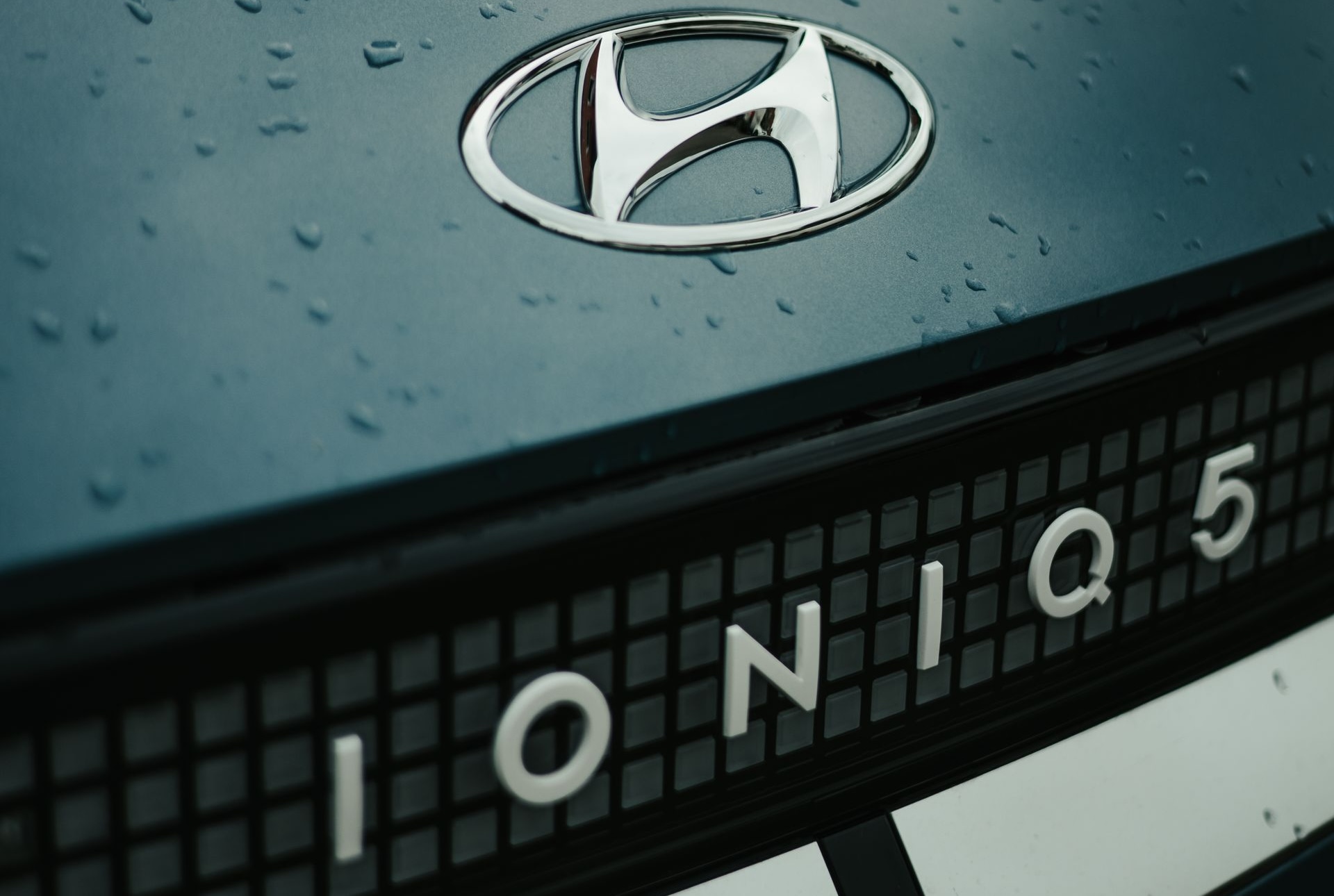
Confidently Charging Hyundai EVs Around Riverhead
Switching to a Hyundai electric vehicle is a big decision, and a lot of questions tend to circle around one thing: charging. Where will you plug in around Riverhead, how long will it take, and will you have enough range for trips across the North and South Forks? Those are smart questions to ask before you buy or lease.
When you understand how Hyundai EV charging in Riverhead works, it is much easier to picture how an EV fits into your daily life. From summer beach runs to winter commuting and school drop-offs, having a simple charging plan takes away a lot of stress. In this guide, we will walk through local charging options, home setups, public stations, costs, weather tips, and how a local Hyundai dealership can support you along the way.
Local Hyundai EV Charging Options in Riverhead
Charging at its core is simple: you are just adding energy back into your battery. The type of charger you use mostly affects how fast that happens. You will see three main levels:
- Level 1: Standard household outlet, usually good for overnight top-offs
- Level 2: 240-volt equipment, similar to an electric dryer line
- DC fast charging: High-powered roadside stations for quick stops
For many Riverhead and East End drivers, Level 1 or Level 2 charging at home covers daily trips around town, to schools, stores, and local beaches. DC fast charging is more helpful when you drive longer distances toward western Long Island or stack several errands in one day.
Around Riverhead, public charging is often found at places such as shopping areas, some workplaces, and near major routes. When you drive a Hyundai IONIQ or KONA Electric, the main thing is matching the station type to your charging port and your schedule. A good walk-through before you take your EV home helps you understand which chargers you can use and when each one makes the most sense.
Home Charging Basics for Hyundai EV Owners
Most EV drivers do most of their charging at home. There are two basic ways to do this:
- Use a standard three-prong outlet for Level 1 charging
- Install a 240-volt Level 2 charger in a garage or on an outside wall
Level 1 works well if you drive shorter distances and can leave the car plugged in overnight. Level 2 is a better fit if you have a longer commute, share the vehicle with another driver, or just like getting a bigger boost in a shorter time.
Charging time at home depends on a few things, including:
- Battery size
- How low the battery is when you plug in
- How often and how far you drive
Many drivers start with what they already have, then decide if faster home charging would make life easier. When it is time to add a Level 2 charger, it is important to work with a licensed electrician who can review your electrical panel and suggest a safe setup. In New York, there may be state or electric utility programs that help with installation costs or reward charging during off-peak hours. A knowledgeable team can point you toward current programs and help you talk through options with an electrician.
When Public Chargers Make Sense on Long Island
Even with home charging, there are times when public stations are handy. Think about:
- Day trips to the Hamptons
- Weekend visits to wineries on the North Fork
- Regular drives toward more western parts of Long Island
On the road, you will often see two types of public chargers: Level 2 and DC fast charging. Level 2 public stations work like a faster version of home charging, good for topping up while you shop or eat. DC fast chargers are better when you want to get back on the road quickly, such as during a longer trip.
Charging times vary by model, charger speed, and battery level. In general, Level 2 is best when you plan to stay for a while, and DC fast charging is best when you are low on charge and short on time. Many drivers use smartphone apps to:
- Find nearby stations
- Check how many ports are available
- See which networks require a membership or payment card
During busy summer weekends, planning a little ahead can help reduce waiting. Some drivers prefer to charge earlier in the morning or later in the evening, or to choose stations a bit off the main tourist routes.
Why Hyundai EV Charging in Riverhead Is Easier Than You Think
A common worry is running out of range, especially during cooler months or heavy summer traffic. Modern Hyundai EVs are designed with everyday life in mind, so they can handle typical East End routines such as school runs, grocery trips, and evenings on the water without needing constant public charging.
Myths often come from older EV stories, such as very slow charging or tiny ranges. Newer Hyundai models offer practical driving distance and smart features that help you plan. Many include:
- On-screen range estimates
- Route planning with charging stops
- Settings that let you tailor how the battery is used
When you know your usual routes around Riverhead and beyond, you can quickly see how often you really need a public charger. For a lot of owners, that is less often than they expected.
Breaking Down Hyundai EV Charging Costs
Cost is another big question. At home, your EV uses the same electricity that powers your lights and appliances. How much you pay depends on:
- Your electric rate
- When you charge
- How many miles you drive
Many drivers like to compare their monthly electric bill with what they used to spend on fuel. While exact savings vary, drivers often find that charging at home can cost less than filling a gas tank for similar driving.
Public charging is a bit different. Stations can bill by:
- Kilowatt-hour (kWh), similar to your home bill
- Minute, based on how long you are plugged in
- A flat session fee, or a blend of these
Networks may also offer membership plans that change the price structure. Checking the pricing details in a charging app before you plug in can help you estimate what each stop will cost and build a simple monthly budget. Some New York utilities may offer off-peak discounts, which reward charging at certain times of day.
Seasonal Weather and Your Hyundai EV
Long Island weather brings both hot summers and cold winters, and both can affect range and charging a bit. In the summer, very high heat can slow charging speeds at times, especially during longer DC fast charging sessions. Helpful habits include:
- Parking in the shade when you can
- Using cabin preconditioning while plugged in
- Avoiding driving with the cabin set to extreme temperatures for long periods
Cold weather has a stronger effect on range, since warming the cabin and battery uses extra energy. To stay comfortable and confident in winter, many Hyundai EV drivers:
- Turn on cabin preheating while the car is still plugged in
- Use seat and steering wheel heaters, which use less energy than blasting hot air
- Plan routes that pass by at least one public charger, even if they rarely need it
Most EVs also include settings that can optimize battery use in colder weather. Learning these features during your first few weeks with the vehicle helps your EV feel predictable all year.
How Riverhead Hyundai Supports Your EV Charging Plan
Hyundai EV charging in Riverhead feels simpler when you can ask questions in person and see how everything works on a real vehicle. A full-service Hyundai dealership can walk through charging ports, different cord types, and basic charging screens during a test drive or delivery. That way, you leave already knowing how to plug in at home and what to expect the first time you use a public charger.
Beyond the showroom, a local service team can explain maintenance needs for EVs, help answer charger compatibility questions, and share information about home charging equipment and current incentive programs in New York. With the right support, charging becomes just another normal part of your routine, so you can focus on enjoying quiet, smooth electric driving around Riverhead and the rest of Long Island.
Power Your Drive With Convenient Local EV Charging Solutions
If you are ready to make daily driving simpler and more efficient, explore how Hyundai EV charging in Riverhead can fit seamlessly into your routine. At Riverhead Hyundai, we help you understand home, workplace, and public charging options so you can choose what works best for your lifestyle. Our team is here to answer questions, walk you through available incentives, and match you with the right EV or plug-in model. To talk with a specialist or schedule a visit, just contact us.
Connect with us


- August 2026
- July 2026
- June 2026
- May 2026
- April 2026
- March 2026
- February 2026
- January 2026
- December 2025
- November 2025
- October 2025
- September 2025
- August 2025
- July 2025
- June 2025
- May 2025
- April 2025
- March 2025
- February 2025
- January 2025
- December 2024
- November 2024
- October 2024
- September 2024
- August 2024
- July 2024
- June 2024
Archives
Riverhead Hyundai

Address
1800 Old Country Road
Riverhead, NY 11901
Phone
- Sales 888-498-5441
- Service 888-493-9931
| Monday | 9:00AM - 8:00PM |
| Tuesday | 9:00AM - 8:00PM |
| Wednesday | 9:00AM - 8:00PM |
| Thursday | 9:00AM - 8:00PM |
| Friday | 9:00AM - 8:00PM |
| Saturday | 9:00AM - 6:00PM |
| Sunday | 11:00AM - 5:00PM |
| Monday | 8:00AM - 4:30PM |
| Tuesday | 8:00AM - 4:30PM |
| Wednesday | 8:00AM - 4:30PM |
| Thursday | 8:00AM - 4:30PM |
| Friday | 8:00AM - 4:30PM |
| Saturday | 8:00AM - 4:30PM |
| Sunday | Closed |
| you break it we fix it | |
| Monday | 8:00AM - 4:30PM |
| Tuesday | 8:00AM - 4:30PM |
| Wednesday | 8:00AM - 4:30PM |
| Thursday | 8:00AM - 4:30PM |
| Friday | 8:00AM - 4:30PM |
| Saturday | 8:00AM - 4:30PM |
| Sunday | Closed |