



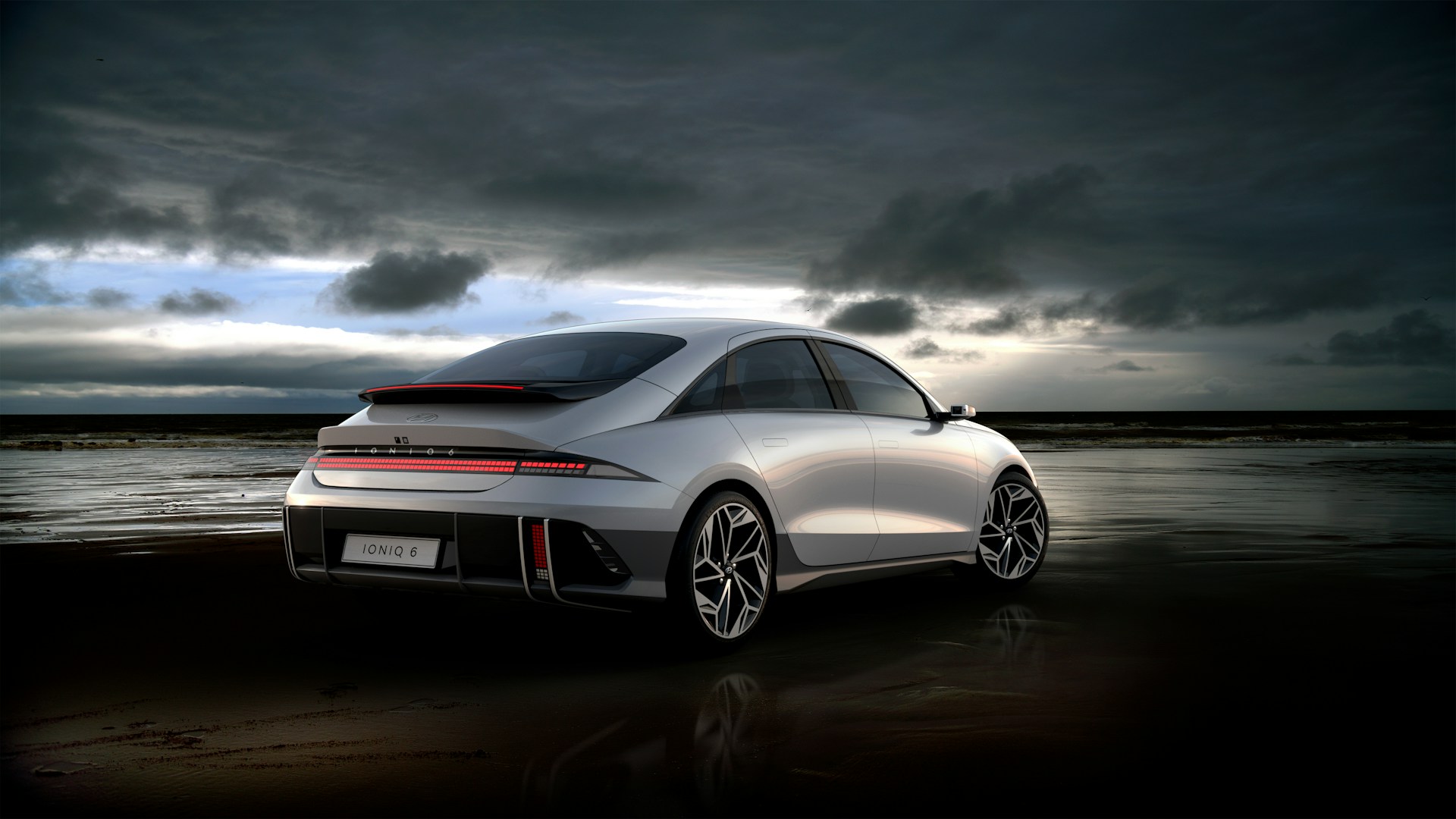
Suffolk County EV Commuter Planning Guide
Driving Hyundai EVs in Suffolk County can be easy and low stress when you plan a little ahead. Daily trips on the Long Island Expressway, Sunrise Highway, or local North Shore and South Shore roads feel very different when you know exactly where you can charge, how to save on electricity, and how much range you really need.
As more drivers switch to electric on Long Island, smart planning matters for range confidence, cost savings, and time management. This guide is meant to help Hyundai EV owners who live, work, or travel across Suffolk get into a simple, repeatable commute routine. We will walk through public charging options, off-peak power strategies, smart routes, and some warm-weather tips for beach and weekend drives.
Making Every Suffolk Commute EV-Friendly and Stress-Free
Suffolk County covers a lot of miles, and that can make some new EV drivers a little nervous at first. The good news is that with the right plan, your Hyundai EV can handle typical east, west, north, and south trips with room to spare. Most daily commutes do not come close to the full range of a modern Hyundai EV, especially when you keep charging in mind.
If you plan ahead, you can:
- Start each workday with a full battery from home
- Top off at convenient spots, not out of panic
- Avoid higher power rates by charging when electricity is cheaper
- Keep travel times predictable, even when traffic is heavy
At Riverhead Hyundai, we help drivers across Suffolk learn the EV basics, like how to read range estimates, how different Hyundai EV models manage power, and how to use built-in tools for charging and route planning. Once you get comfortable with a few simple habits, your weekday drive starts to feel as simple as filling up used to be.
Mapping Suffolk County’s Most Useful EV Chargers
Most commuters around Suffolk will use two main charger types: DC fast chargers and Level 2 chargers.
- DC fast chargers: Best for quick stops along major roads, often near highway exits, larger shopping areas, and busy town centers
- Level 2 chargers: Slower but common at workplaces, parking garages, municipal lots, hotels, and retail centers
Across the county, you are likely to find helpful charging spots near:
- Riverhead, especially around big shopping areas and main roads like Route 58 and Route 25
- Patchogue and the South Shore corridor around Sunrise Highway
- Smithtown and nearby North Shore communities
- Huntington, where many commuters park and transfer or head toward western Long Island
Key routes such as the Long Island Expressway, Sunrise Highway, Route 25, and Route 25A often have charging options close by, even if not directly at the exit. The trick is to know your go-to stops before you need them.
Hyundai EVs have built-in navigation tools that can show nearby charging stations along your route. Many drivers also keep a charging app on their phone to:
- Filter by connector type and charging speed
- Check real-time availability and status
- Read recent user feedback about station reliability
- Save favorite charging spots near home or work
A good habit is to save at least two chargers you like near work and two near home. That way, if one is busy or offline, you have a backup ready with no stress.
Smart Charging Schedules and Off-Peak Power Savings
At-home charging is where many Hyundai EV drivers in Suffolk County get the most value. Local utilities on Long Island often use time-of-use style rate plans where power can cost less during off-peak hours, usually late at night and early morning when overall demand is lower.
Charging during those off-peak times can help you:
- Keep your monthly power bill more predictable
- Avoid charging during evening hours when A/C, appliances, and lights are all running
- Wake up each day with plenty of range for your commute
Most Hyundai EVs include scheduled charging features. You can set a start and stop time so the car draws power mostly during cheaper hours. Many models also let you set a target charge level instead of always going to 100 percent, which can be helpful for battery health on daily use.
In late spring and summer, when A/C is working harder, it helps to:
- Set your EV to charge overnight instead of during hot afternoon hours
- Avoid running large home appliances at the same time as fast EV charging, if possible
- Pre-cool your Hyundai while it is still plugged in, so less battery power is used once you start driving
A simple routine, like plugging in every evening and letting the schedule handle the rest, makes EV ownership feel very hands-off.
Route Strategies for Smooth Hyundai EV Commuting
Planning your daily route in Suffolk County with an EV is less about finding a charger every day and more about giving yourself options. Many commutes, such as Riverhead to Hauppauge or Port Jefferson to Huntington, can be completed round trip on a single home charge in a typical Hyundai EV, especially if you start the day with a full battery.
Use your Hyundai EV route planning to:
- Map your normal drive to work, including regular traffic hot spots
- Check for chargers near park-and-rides, large office parks, and major exits
- Save a couple of “just in case” stations along the path
Range-aware driving techniques help keep your battery from draining faster than needed. Simple habits include:
- Keeping your speed steady instead of making frequent hard accelerations
- Using regenerative braking modes in stop-and-go traffic
- Adjusting climate control to a comfortable but efficient level, like using seat and steering wheel heaters or fans rather than blasting full cabin settings for long periods
For example, if you commute from Riverhead to Hauppauge, you might pick a DC fast charger near a shopping center close to the highway as your backup. If you travel from Port Jefferson toward Huntington, you might mark a few Level 2 chargers near town centers where you could add some range while grabbing dinner or running errands.
Having that backup plan, even if you rarely use it, makes long days and surprise detours feel much less stressful.
Weekend Trips, Beach Runs, and Summer EV Road Days
Suffolk County is full of warm-weather spots that draw more cars once the weather gets nice. Trips toward the Hamptons, North Fork wineries, Fire Island ferry terminals, or popular beaches often mean extra traffic and slower travel, which can change how your EV uses energy.
For these kinds of drives, it helps to:
- Start with a higher state of charge than you might need on a normal workday
- Plan a charger stop near your destination instead of mid-trip, so you can charge while you enjoy your plans
- Check charger status in advance on busy weekends, since more drivers may be using the same locations
Some beach parking areas and ferry lots may have charging nearby, even if not directly on site. It can be smart to test your favorite weekend routes on a quieter spring weekend, so you learn how your Hyundai EV behaves before peak summer crowds.
To keep range worries low during heavy summer traffic:
- Precondition the cabin while plugged in at home so the car is already cool when you leave
- Keep windows up at higher speeds to reduce drag and let the A/C maintain temperature
- Avoid unplanned detours that add many extra miles without a known charger nearby
Many Hyundai EV drivers like to build a simple “charging map” of their favorite weekend spots. Keep a short list of go-to chargers near the Hamptons, along the North Fork, near major ferry terminals, and around your favorite beaches. Over time, these become part of your normal routine, just like knowing which gas station you used to prefer.
Partnering with Riverhead Hyundai for Confident EV Driving
Driving Hyundai EVs in Suffolk County does not have to feel complicated. With some basic knowledge of charger locations, off-peak charging, and simple route strategies, your daily commute and weekend trips can feel smooth and predictable.
At Riverhead Hyundai, we spend a lot of time helping local drivers get comfortable with their EV features, from charging menus and scheduled charging to route planning tools and everyday battery care. We offer Hyundai EV models, pre-owned options, and service support, along with guidance on what to consider if you plan to install home charging or work with a local electrician. When you have a local team that understands Suffolk County roads and EV life, it becomes much easier to build habits that work for you all year long.
Discover How Easy It Is To Go Electric With Confidence
Explore our curated lineup of Hyundai EVs in Suffolk County and see which model fits your daily driving, budget, and charging needs. At Riverhead Hyundai, we take the time to answer your questions, walk you through available incentives, and explain home and public charging options in plain language. If you are ready to talk details or schedule a test drive, simply contact us and our team will help you take the next step.
Connect with us


Archives
Riverhead Hyundai
Address
1800 Old Country Road
Riverhead, NY 11901
Phone
- Sales 888-498-5441
- Service 888-493-9931
| Monday | 9:00AM - 8:00PM |
| Tuesday | 9:00AM - 8:00PM |
| Wednesday | 9:00AM - 8:00PM |
| Thursday | 9:00AM - 8:00PM |
| Friday | 9:00AM - 8:00PM |
| Saturday | 9:00AM - 6:00PM |
| Sunday | 11:00AM - 5:00PM |
| Monday | 8:00AM - 4:30PM |
| Tuesday | 8:00AM - 4:30PM |
| Wednesday | 8:00AM - 4:30PM |
| Thursday | 8:00AM - 4:30PM |
| Friday | 8:00AM - 4:30PM |
| Saturday | 8:00AM - 4:30PM |
| Sunday | Closed |
| you break it we fix it | |
| Monday | 8:00AM - 4:30PM |
| Tuesday | 8:00AM - 4:30PM |
| Wednesday | 8:00AM - 4:30PM |
| Thursday | 8:00AM - 4:30PM |
| Friday | 8:00AM - 4:30PM |
| Saturday | 8:00AM - 4:30PM |
| Sunday | Closed |