



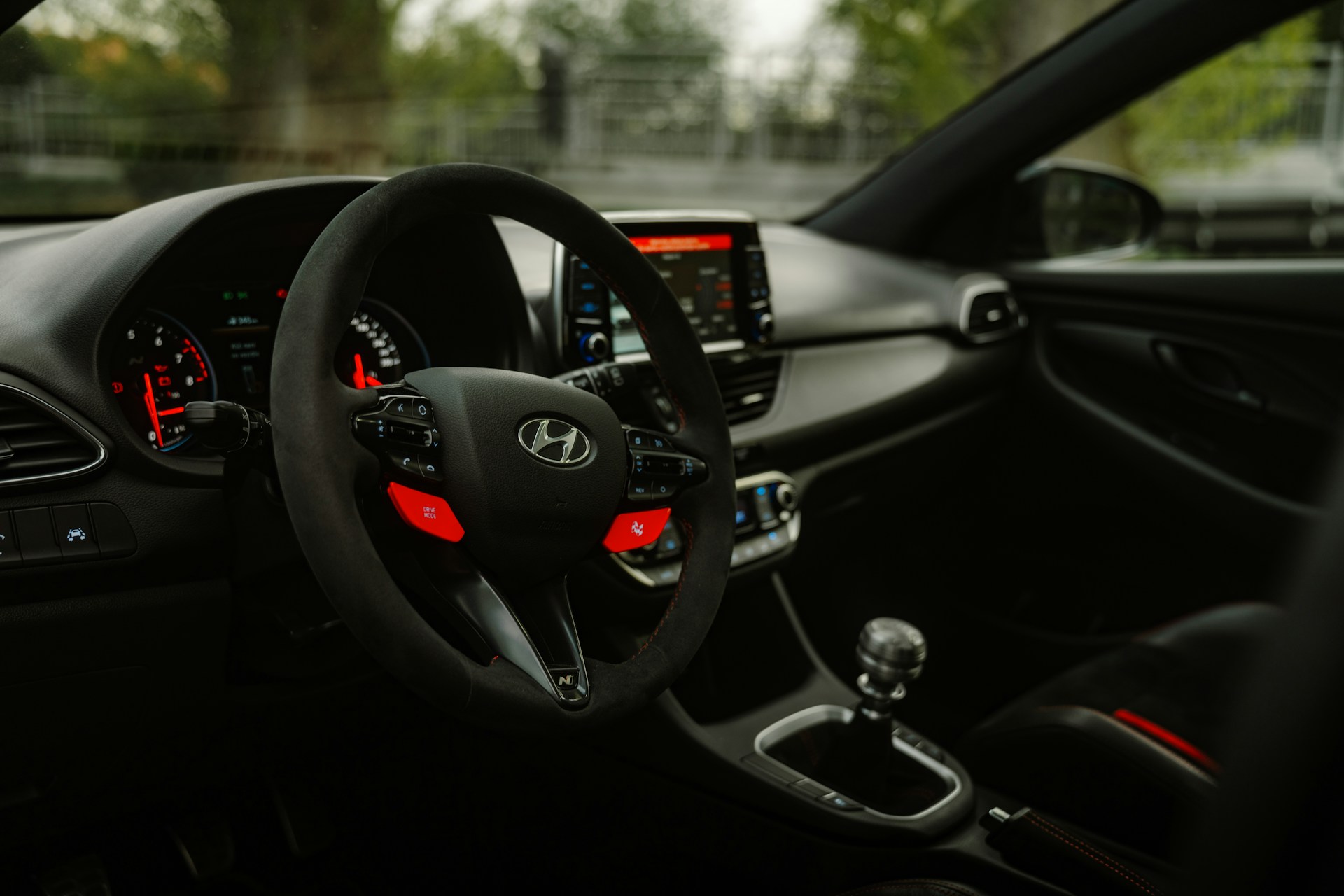
As winter tightens its grip on Riverhead and roads become slippery with ice and snow, it’s more important than ever to make sure your vehicle is in peak condition. One of the easiest ways your Hyundai communicates with you about possible issues is through its dashboard warning lights. These indicators light up for a reason, and understanding what they mean can help stop a small problem from becoming something much bigger, especially during the colder months when you rely on your vehicle even more.
Ignoring a warning light can lead to mechanical trouble, breakdowns, or unsafe driving conditions. Whether you’re commuting across Suffolk County or heading out for a weekend drive on Long Island, it helps to stay aware of what your Hyundai is trying to tell you. Having a general understanding of these indicators can give you peace of mind behind the wheel and help keep repair costs from surprising you later.
Our Hyundai service center in Riverhead is here to support you every step of the way. We understand the unique challenges that winter brings and are equipped to help keep your vehicle prepared and running safely.
Common Warning Indicators and Their Meanings
Your Hyundai’s dashboard is designed to give you feedback as soon as something’s off. These lights aren’t just decorations. They’re alerts that ask for your attention. Some warnings mean a quick fix, while others might need urgent attention from a trained technician.
Here are a few of the most common warning indicators you should know about:
- Check Engine Light: This is one of the most widely recognized lights and can be triggered by various issues. It may indicate a loose gas cap, a failing oxygen sensor, or something more serious like engine trouble. If the light is steady, schedule a checkup. If it’s blinking, stop driving and get help right away.
- Battery Warning Light: This suggests your car might not be charging correctly. It could be due to corrosion on battery terminals, worn-out cables, or a failing alternator. Notice dim headlights or slow starts? Your battery system needs attention.
- Oil Pressure Warning: This light comes on when oil pressure drops below a safe level. That could be from low oil, a clogged oil filter, or a faulty pump. Running your engine without enough oil can cause serious damage quickly.
- ABS (Anti-lock Braking System) Light: If you see this, it means your anti-lock brakes might not work properly. While your brakes may still function, your ability to brake safely in slippery conditions can be reduced.
Recognizing these lights early helps you make smarter driving decisions. If you see any of them while on the road in Riverhead or Long Island, it’s a sign to take action—not something to put off.
Steps To Take When A Warning Light Comes On
Seeing a warning light pop up can be unnerving but staying calm and knowing what to do next is key. Each light has a different meaning, and not all require immediate roadside action. Still, paying attention right away can keep things from getting worse.
Here’s what to do when certain lights show up:
- Don’t ignore it. A warning light usually means something isn’t working the way it should. Continuing to drive without checking it can make things worse.
- Check for other signs. Notice new sounds, strange smells, rough performance, or smoke? They can give more clues about what’s wrong.
- Pull over when needed. Red warning lights—especially for engine temperature, oil, or brakes—call for an immediate stop in a safe place.
- Make a note. What were you doing when the light came on? Was the light blinking or steady? Being able to share this info helps with faster diagnostics.
- Schedule a service appointment with us in Riverhead. Acting early can prevent small problems from becoming big, costly ones.
Winter driving conditions put extra stress on your vehicle. Warning lights are your Hyundai’s way of asking for help. Taking them seriously can improve safety and give you peace of mind as you hit the roads in freezing temperatures.
How the Hyundai Service Center in Riverhead Can Help
When a warning light appears, the root cause isn’t always obvious. That’s where expert diagnostics from our trained team come in. The Hyundai service center in Riverhead is equipped with factory-grade tools and certified technicians. We don’t guess. We find the problem fast and get it handled right.
Here’s how we support drivers when lights come on:
- Full system diagnostics to identify the issue quickly
- Brake system checks if there’s a problem with ABS or brake warning lights
- Engine or transmission evaluations if you notice performance changes
- Electrical system testing for problems related to your battery or alternator
- Comprehensive checks on fluid levels and oil pressure
Each part of your Hyundai works a little harder in cold weather. Our team understands how roads, salt, snow, and temperature drops affect them. By catching issues early, we help you stay on the road instead of stuck waiting for a tow in freezing weather.
Preventative Maintenance Tips to Avoid Dashboard Warnings
You might not be able to avoid every dashboard warning, but keeping up with maintenance gives you a big head start. Winter is tough on vehicles, and things that ran fine in warmer weather can struggle in the cold.
Here are a few easy tips to help your Hyundai stay in top shape:
- Stay on track with oil changes. Cold oil thickens, and if it’s dirty, it won’t protect your engine well. Clean, fresh oil keeps things moving smoothly.
- Test your battery. Batteries are more likely to fail in low temperatures. Don’t wait for slow startups to tell you there’s a problem.
- Keep your brake system in check. Icy roads make reliable brakes more important than ever. Brake pad wear or low fluid can activate ABS alerts.
- Monitor tire pressure. Cold air reduces tire pressure, which can activate the TPMS light. Under-inflated tires reduce performance and safety.
- Top off all fluids. Coolant, brake fluid, windshield washer fluid—they’re easy to overlook but super important in cold weather.
Preventative checks during the season can mean fewer surprises and smoother rides. A few small steps now can help you avoid emergency visits later.
Stay Alert and Drive Safely This Winter
Your Hyundai is full of systems that work hard to keep you safe. But when something goes off balance, your vehicle tells you fast through dashboard warning lights. Whether it’s oil pressure, battery issues, or brake alerts, paying attention can stop a minor issue from becoming serious.
Winter in Riverhead means icy roads, cold mornings, and long nights. Your car has to deal with it all—and so do you. That’s why taking warning lights seriously is so important. It’s also why drivers throughout Suffolk County turn to the Hyundai service center in Riverhead. From diagnostics to maintenance, we’re here to keep you on the road and out of trouble all season long.
When your Hyundai’s warning lights start flashing, it’s important not to ignore them. Knowing where to go for help can make a big difference in keeping your car safe and reliable. Trust the experts at Riverhead Hyundai to keep your vehicle in top shape during the chilly months by scheduling service through our Hyundai service center in Riverhead.
Connect with us


- July 2026
- June 2026
- May 2026
- April 2026
- March 2026
- February 2026
- January 2026
- December 2025
- November 2025
- October 2025
- September 2025
- August 2025
- July 2025
- June 2025
- May 2025
- April 2025
- March 2025
- February 2025
- January 2025
- December 2024
- November 2024
- October 2024
- September 2024
- August 2024
- July 2024
- June 2024
Archives
Riverhead Hyundai

Address
1800 Old Country Road
Riverhead, NY 11901
Phone
- Sales 888-498-5441
- Service 888-493-9931
| Monday | 9:00AM - 8:00PM |
| Tuesday | 9:00AM - 8:00PM |
| Wednesday | 9:00AM - 8:00PM |
| Thursday | 9:00AM - 8:00PM |
| Friday | 9:00AM - 8:00PM |
| Saturday | 9:00AM - 6:00PM |
| Sunday | 11:00AM - 5:00PM |
| Monday | 8:00AM - 4:30PM |
| Tuesday | 8:00AM - 4:30PM |
| Wednesday | 8:00AM - 4:30PM |
| Thursday | 8:00AM - 4:30PM |
| Friday | 8:00AM - 4:30PM |
| Saturday | 8:00AM - 4:30PM |
| Sunday | Closed |
| you break it we fix it | |
| Monday | 8:00AM - 4:30PM |
| Tuesday | 8:00AM - 4:30PM |
| Wednesday | 8:00AM - 4:30PM |
| Thursday | 8:00AM - 4:30PM |
| Friday | 8:00AM - 4:30PM |
| Saturday | 8:00AM - 4:30PM |
| Sunday | Closed |