



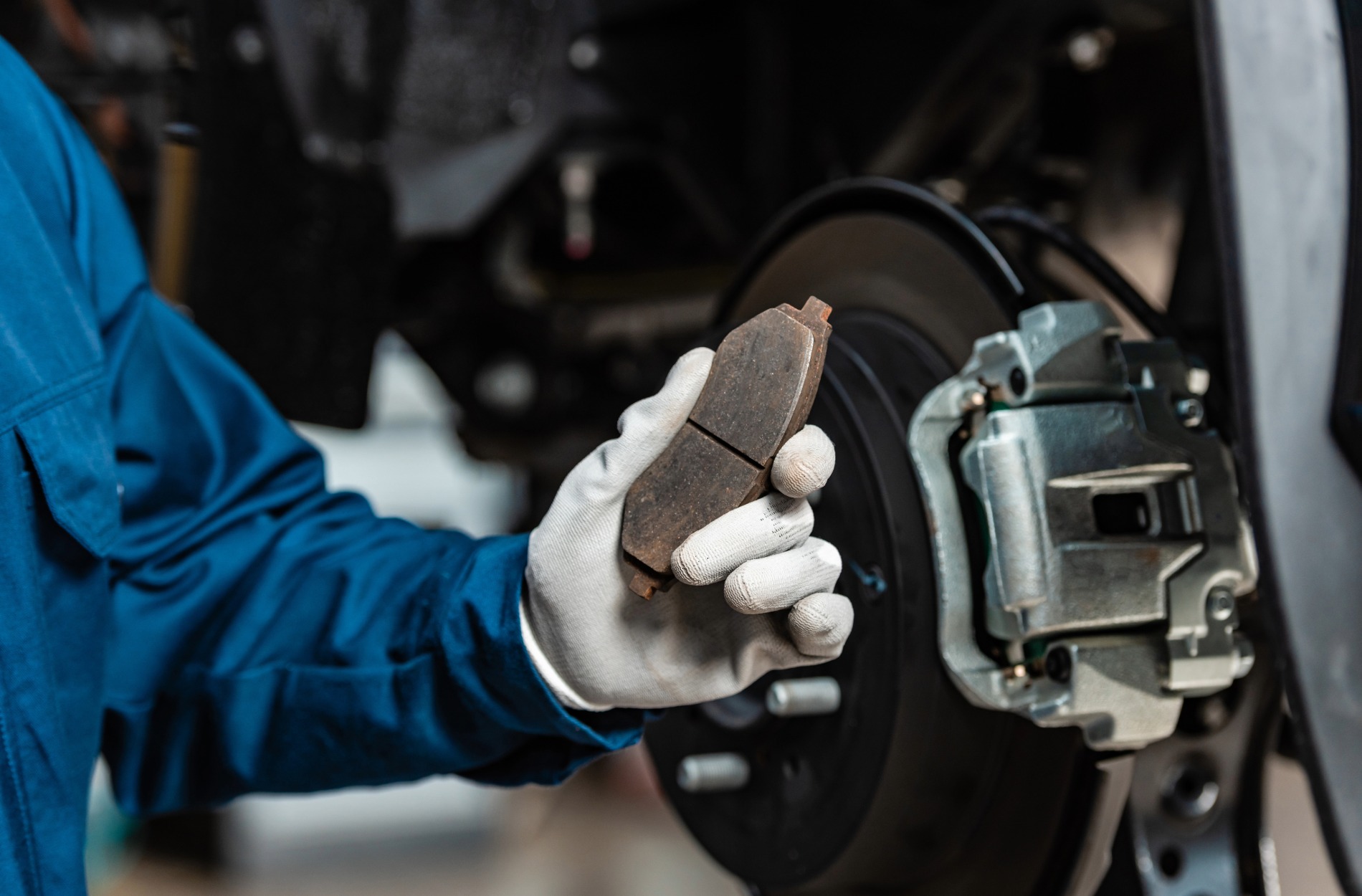
Brake pads aren’t something most drivers think about until they start making noise. But they play a huge role in keeping you safe behind the wheel every day. Each time you press your brake pedal, the pads create friction that slows your vehicle down. Over time, that friction wears the pads down, and when they get too thin, your ability to stop can be affected.
Living on Long Island, your driving habits and the local road conditions can cause your brakes to wear out faster than you might expect. From stop-and-go traffic to slick roads during October rainstorms, strong and healthy brakes matter a lot. Knowing how to catch the early signs of brake pad wear could help avoid more expensive repairs and keep your driving safe and predictable.
Signs That Your Hyundai Brake Pads Need Replacement
Brake pads usually give a few warnings before they wear out completely. The earlier you catch those signs, the easier and less expensive it is to fix the issue. Here’s what to watch for:
- Squeaking or squealing noises when you apply the brakes can mean the wear indicators are touching the rotor. These small metal tabs are built into the pads and designed to warn you when it’s time for new ones.
- A grinding sound is a more serious warning. It typically means the pad material is gone, and metal is scraping against metal. This can ruin your rotors and reduce stopping power.
- A soft or spongy feeling in the brake pedal may mean the pads are worn down or that there’s a fluid leak or air trapped in the system.
- Vibration through the pedal or steering wheel while braking might be a result of unevenly worn brake pads or warped rotors.
- If the brake pads look thinner than a quarter of an inch when viewed through your wheel, it’s best to have them inspected soon.
Ignoring these signs can lead to costly repairs. A lot of drivers wait too long, thinking it’s not urgent or mistaking the noise for simple dirt on the brakes. But catching issues early makes the repair quicker and more affordable.
Factors Affecting Brake Pad Longevity
Not every Hyundai on Long Island will wear through brake pads at the same rate. There are several things that affect how long they’ll last.
1. Driving habits
Frequent stops wear down brake pads a lot faster than longer highway drives. If you do a lot of city or suburban driving or tend to hit the brakes hard when approaching lights, your pads may wear out sooner.
2. Vehicle type and weight
Heavier vehicles, like SUVs or crossovers, put more pressure on brake systems than compact cars. The weight affects how hard the pads need to work whenever you stop.
3. Road and environmental conditions
Potholes, salted winter roads, wet leaves, and sand can all play a part in speeding up brake wear. If you live near the coast or drive near the beach, added moisture and salt can also impact your brake system over time.
4. Quality of brake pads
Higher-quality pads made for your Hyundai model generally last longer than cheaper aftermarket parts. Cheaper pads may wear out quickly or create more brake dust, requiring service sooner.
Understanding these factors helps determine when it’s time to schedule service, even before you notice any sounds or changes in pedal feel.
The Brake Pad Replacement Process
Once you notice a warning sign, or a technician recommends a replacement during a checkup, the brake pad replacement process begins. It involves more than just removing an old part and snapping a new one in.
The process usually starts with a thorough inspection. The technician checks the thickness of the brake pads, condition of the rotors, fluid level, the brake lines, and overall braking response. This helps rule out additional issues like stuck calipers or leaks.
If replacement is needed, the wheels are removed to access the brake system. The calipers are taken off, and the worn pads are removed. Before installing the new ones, everything is cleaned to make sure the new parts work smoothly. In cases where the rotors are also worn or damaged, they might recommend machining or replacing them to maintain balance and full stopping power.
Once reassembled, the technician tests the system both at the shop and typically takes a short drive to make sure everything works right. The pedal should feel firm, and there shouldn’t be pulsing or vibration.
Getting brake service from a Hyundai-trained technician on Long Island means your vehicle is being handled by someone who knows your make and model inside and out. That leads to better results and fewer return visits.
Benefits of Timely Brake Pad Replacement
Replacing brake pads at the right time offers more than peace of mind. Waiting too long often causes lasting damage to other parts of the brake system. Acting early helps avoid those problems and keeps the car performing well.
Here are a few reasons why staying on top of brake pad replacement matters:
1. Better safety
You keep strong, responsive braking that helps prevent accidents in sudden-stop situations. This matters even more during October weather changes when roads can be slick with rain or leaves.
2. Lower repair costs
Replacing brake pads early prevents more costly damage to rotors, calipers, and other components.
3. Smoother driving
Responsive brakes mean fewer surprises while driving through town, especially during traffic hours in places like Riverhead or the LIE.
4. Less stress on other parts
Letting worn pads grind down can cause damage to mounts, brackets, or even wheel bearings over time.
Timely replacements help you avoid last-minute problems and keep your Hyundai ready for wherever the road leads.
Keeping Your Brakes in Top Shape
Brake maintenance doesn’t need to be a guessing game. If you stick to a schedule, even a simple one like checking the brakes every time you come in for an oil change, you can stay on top of problems before they grow.
A brake inspection checks pad thickness, rotor wear, fluid condition, and caliper movement. It doesn’t take long, but it gives you a good look at the health of your system. Setting reminders in your phone or asking your technician to give you updates can help you avoid surprises.
On Long Island, unsafe brakes can turn any daily drive into a bad day. October’s cooler and wetter weather marks a smart time to make sure your brakes are ready. If you’re heading out for fall trips, dealing with school pickups, or just commuting back and forth, keeping your brakes strong will help you stay relaxed behind the wheel.
Don’t wait for a strange sound or warning light. When your Hyundai’s brakes are well-maintained, every ride is safer, smoother, and more predictable.
Your Hyundai deserves reliable stopping power every time you hit the road, and staying ahead of brake pad wear is a smart way to protect your drive. When you’re ready for expert Hyundai brakes service on Long Island, count on the experienced team at Riverhead Hyundai to keep everything running smoothly and safely mile after mile.
Connect with us


- July 2026
- June 2026
- May 2026
- April 2026
- March 2026
- February 2026
- January 2026
- December 2025
- November 2025
- October 2025
- September 2025
- August 2025
- July 2025
- June 2025
- May 2025
- April 2025
- March 2025
- February 2025
- January 2025
- December 2024
- November 2024
- October 2024
- September 2024
- August 2024
- July 2024
- June 2024
Archives
Riverhead Hyundai

Address
1800 Old Country Road
Riverhead, NY 11901
Phone
- Sales 888-498-5441
- Service 888-493-9931
| Monday | 9:00AM - 8:00PM |
| Tuesday | 9:00AM - 8:00PM |
| Wednesday | 9:00AM - 8:00PM |
| Thursday | 9:00AM - 8:00PM |
| Friday | 9:00AM - 8:00PM |
| Saturday | 9:00AM - 6:00PM |
| Sunday | 11:00AM - 5:00PM |
| Monday | 8:00AM - 4:30PM |
| Tuesday | 8:00AM - 4:30PM |
| Wednesday | 8:00AM - 4:30PM |
| Thursday | 8:00AM - 4:30PM |
| Friday | 8:00AM - 4:30PM |
| Saturday | 8:00AM - 4:30PM |
| Sunday | Closed |
| you break it we fix it | |
| Monday | 8:00AM - 4:30PM |
| Tuesday | 8:00AM - 4:30PM |
| Wednesday | 8:00AM - 4:30PM |
| Thursday | 8:00AM - 4:30PM |
| Friday | 8:00AM - 4:30PM |
| Saturday | 8:00AM - 4:30PM |
| Sunday | Closed |