
Blog

What's New with the Hyundai Santa Fe Transmission? [2026]

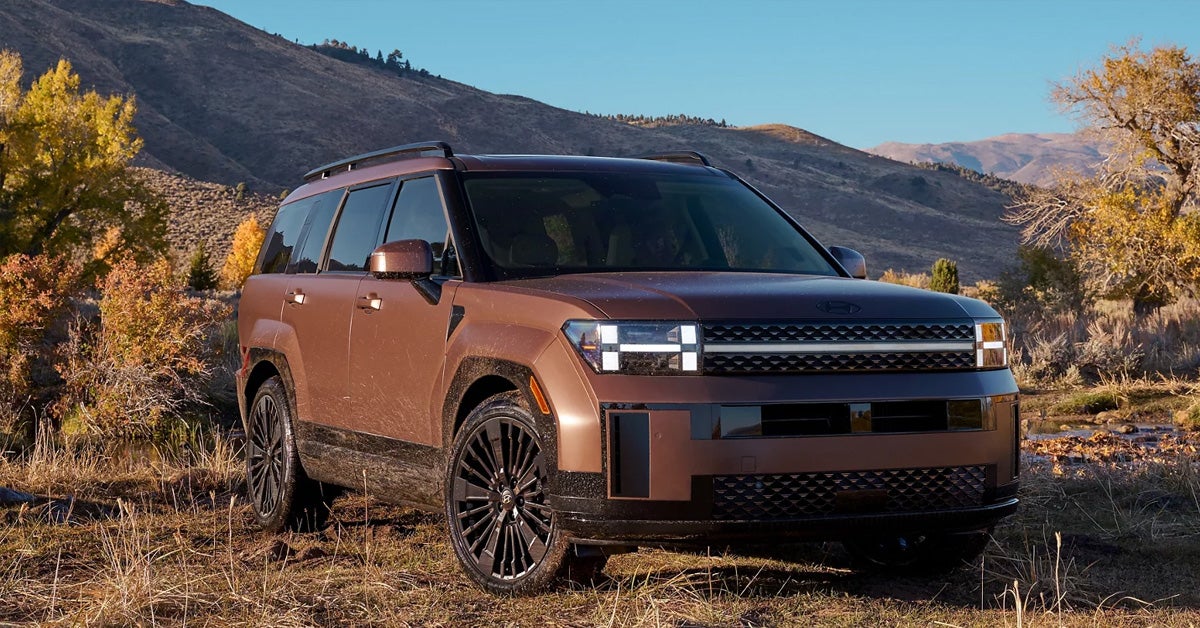
2026 Hyundai Sante Fe exterior in brown

The 2026 Hyundai Santa Fe introduces a major transmission upgrade, replacing the previous eight-speed dual-clutch system with a more reliable eight-speed torque-converter automatic. This change addresses past driveline reliability issues and delivers smoother acceleration, more confident low-speed performance, and overall improved drivability for Santa Fe owners. With this update, the Santa Fe balances power and comfort, making every ride more enjoyable, whether on city streets or weekend trips.

This transmission improvement includes technical enhancements that optimize gear shifts and power delivery, ensuring a durable and dependable performance for years to come. From the turbocharged 2.5-liter engine to available all-wheel drive configurations, the new system is designed to handle a variety of driving conditions while improving overall efficiency. Drivers can expect a more refined and responsive driving experience that enhances both everyday commuting and long-distance journeys.

At Riverhead Hyundai, we are proud to serve drivers throughout Riverhead, Long Island, Calverton, and the Hamptons. Our team is here to assist with all your automotive needs, from sales and financing to service, maintenance, and genuine Hyundai parts. Contact us or visit Riverhead Hyundai today to explore our wide selection of new vehicles and learn more about the 2026 Santa Fe and see how the new transmission upgrade can make a difference in your drive.

Why Did Hyundai Replace the Dual-Clutch Transmission?

Hyundai made the switch to improve reliability and performance after issues with the previous dual-clutch system. Drivers experienced problems that affected the Santa Fe’s driveline, prompting a new approach. The 2026 Hyundai Santa Fe transmission improvement explained shows how these updates resolve past concerns.

Some of the main issues with the older dual-clutch transmission included:

  • Poor low-speed response – The system could feel clunky in traffic or stop-and-go conditions.
  • High failure rates – Certain models required full transmission replacement due to defects.
  • Complex maintenance – Repairs were more expensive and time-consuming compared to traditional setups.

The Hyundai Santa Fe transmission upgrade 2026 focuses on smoother operation and long-term durability. Santa Fe gearbox enhancements now prioritize consistent power delivery and less wear on internal components. Hyundai SUV transmission tech has evolved, giving drivers a more confident and reliable experience while improving Santa Fe driveline reliability 2026.

By addressing these concerns, Hyundai ensures the Santa Fe delivers better everyday performance, whether navigating city streets, highways, or weekend trips. The new system balances strength and comfort for a dependable driving experience.

How Does the New Torque-Converter Transmission Improve Driving?

The 2026 Hyundai Santa Fe transmission improvement explained focuses on making every drive smoother and more reliable. By replacing the dual-clutch system with an eight-speed torque-converter automatic, Hyundai addressed past concerns about clunky shifts and low-speed hesitation. The new system ensures more consistent power delivery, giving drivers a confident and controlled ride.

Key benefits of the Hyundai Santa Fe transmission upgrade 2026 include:

  • Smoother acceleration – The torque-converter system shifts seamlessly, reducing jolts and harsh transitions.
  • Better drivability – Drivers experience more precise control at city speeds and on highways.
  • Improved reliability – Fewer mechanical issues mean less downtime and lower maintenance costs.
  • Enhanced comfort – The system prioritizes smooth cruising, making longer trips more enjoyable.

Santa Fe gearbox enhancements also work with Hyundai SUV transmission tech to optimize engine performance and power delivery. The new setup balances fuel efficiency with responsive acceleration, so drivers can enjoy both power and economy. Overall, these improvements boost Santa Fe driveline reliability 2026 while keeping everyday driving stress-free and predictable.

With the torque-converter transmission, the Santa Fe delivers a ride that is refined and dependable. Whether navigating stop-and-go traffic or cruising along Long Island roads, the SUV now handles with confidence. These updates make the Santa Fe a more trustworthy and enjoyable vehicle for all types of driving conditions.

What Are the Technical Specs of the Updated Santa Fe Transmission?

The 2026 Hyundai Santa Fe transmission improvement explained brings a host of technical updates that enhance power, efficiency, and durability. The eight-speed torque-converter automatic replaces the previous dual-clutch system for smoother operation and better long-term reliability. These Santa Fe gearbox enhancements ensure drivers enjoy consistent performance under a variety of driving conditions.

Key technical features of the Hyundai Santa Fe transmission upgrade 2026 include:

  • Engine compatibility – Works with the 2.5-liter turbocharged inline-four engine.
  • Power output – Produces 277 horsepower and 311 lb-ft of torque.
  • Drive options – Available with front-wheel drive (FWD) or all-wheel drive (AWD).
  • Transmission type – Eight-speed torque-converter automatic for smoother shifts.
  • Efficiency focus – Optimized for better fuel use without sacrificing performance.

Hyundai SUV transmission tech in the Santa Fe now balances acceleration, fuel efficiency, and driveline reliability. The new setup reduces wear on key components while maintaining strong power delivery. These improvements help maintain Santa Fe driveline reliability 2026, making ownership easier and more stress-free.

Overall, the updated transmission ensures the Santa Fe drives smoothly in city traffic, highways, and Long Island roads. Its combination of strength, control, and durability reflects Hyundai’s commitment to smart, dependable SUV design. The result is a vehicle that feels capable, responsive, and ready for daily life or weekend adventures.

How Does the Transmission Upgrade Affect Reliability and Maintenance?

The 2026 Hyundai Santa Fe transmission upgrade 2026 improves reliability and reduces maintenance needs compared to the previous dual-clutch system. The eight-speed torque-converter automatic is designed for long-term durability, helping the Santa Fe deliver a more dependable driving experience. The 2026 Hyundai Santa Fe transmission improvement explained ensures smoother operation, less wear on parts, and fewer unexpected repairs.

Key ways the transmission upgrade enhances reliability include:

  • Stronger internal components – Built to handle high torque and reduce breakdown risk.
  • Smoother gear shifts – Less strain on the engine and driveline for longer-lasting performance.
  • Lower maintenance demands – Traditional torque-converter systems need fewer specialized repairs than dual-clutch setups.
  • Consistent driveline performance – Santa Fe driveline reliability 2026 is improved, giving drivers confidence in everyday use.

Santa Fe gearbox enhancements also work alongside Hyundai SUV transmission tech to maintain balanced power delivery and engine efficiency. Regular maintenance such as fluid checks and routine servicing helps the system stay in top shape. Owners can enjoy the benefits of fewer unexpected issues, lower repair costs, and a transmission that performs consistently for years.

Overall, the 2026 Santa Fe’s transmission update offers peace of mind. Drivers get a reliable SUV that performs smoothly in city traffic, highways, and weekend trips while requiring less effort to maintain.

How Does the 2026 Santa Fe Transmission Compare to Other Hyundai SUVs?

The 2026 Hyundai Santa Fe transmission improvement explained highlights a shift toward smoother operation and higher reliability than past models. Compared to other Hyundai SUVs, the Santa Fe’s eight-speed torque-converter automatic offers a balanced mix of power, comfort, and driveline durability. Santa Fe gearbox enhancements focus on real-world driving needs, giving a more confident ride in city streets, highways, or Long Island roads.

Key differences between the Santa Fe and other Hyundai SUVs include:

  • Shift performance – The Santa Fe offers seamless gear changes with less hesitation than older Tucson or Palisade models.
  • Driveline reliability – Santa Fe driveline reliability 2026 benefits from design improvements that reduce long-term wear.
  • Maintenance simplicity – Torque-converter systems require less specialized care than some previous dual-clutch setups in other SUVs.
  • Driving comfort – Hyundai SUV transmission tech balances smooth cruising with responsive acceleration across the range.

The Hyundai Santa Fe transmission upgrade 2026 ensures consistent performance in multiple conditions while retaining strong fuel efficiency. Santa Fe gearbox enhancements complement engine output to deliver a reliable and engaging drive. Drivers can expect smooth starts, confident passing power, and a transmission that adapts well to different roads.

Overall, the Santa Fe’s updated transmission stands out for reliability, ease of use, and long-term durability compared with other Hyundai SUVs. These improvements make it a dependable choice for daily commuting, weekend trips, and longer drives across Long Island.

Common Questions About the 2026 Hyundai Santa Fe Transmission

Many drivers want to know how the 2026 Hyundai Santa Fe handles behind the wheel, especially after past transmission concerns. These questions provide clear answers about the transmission improvements and their impact on performance, reliability, and everyday driving.

What transmission improvements are included on the 2026 Hyundai Santa Fe? 

The 2026 Santa Fe replaces the eight-speed dual-clutch transmission with an eight-speed torque-converter automatic. This upgrade improves reliability and ensures smoother gear shifts.

How do the new transmission updates affect performance and smoothness? 

The torque-converter transmission delivers smoother acceleration, better low-speed response, and more consistent driveline performance than the previous system.

Are the transmission changes unique to specific Santa Fe trims? 

Yes, the update applies to all 2026 Santa Fe models equipped with the turbocharged 2.5-liter engine.

What benefits do the 2026 transmission enhancements provide for everyday driving? 

Drivers can expect more confident acceleration, improved drivability, smoother city and highway operation, and less maintenance compared to the older dual-clutch system.

Have past transmission issues been addressed in the 2026 Santa Fe? 

Yes, the torque-converter upgrade resolves prior low-speed hesitation, clunky gear shifts, and reliability problems, improving Santa Fe driveline reliability 2026.

These answers help drivers understand the key updates and why the 2026 Santa Fe is a more dependable and enjoyable SUV to drive.

Visit Riverhead Hyundai Today

If you are in Riverhead, Long Island, Calverton, or the Hamptons, our team at Riverhead Hyundai is ready to help. We invite you to explore our wide selection of vehicles, including the 2026 Hyundai Santa Fe, and see how its updates can improve your daily drive.

To learn more about safety features, check out our guide on Hyundai Intelligent Speed Assist and how it keeps every ride more confident and controlled. You can also review our Reasons to Buy Santa Fe or dive into the Hyundai Kona Specs Guide for more information on available trims and performance options.Contact us or visit Riverhead Hyundai today, schedule a visit, or call to speak with our team. We are here to assist with sales, service, and parts, ensuring you get the most from your Hyundai.

Get Directions to Riverhead Hyundai


Disclaimer: All information is provided for general informational and entertainment purposes only. While we strive for accuracy, we cannot guarantee that all content is complete, current, or error-free. Any reliance you place on such information is strictly at your own risk. This article may include opinions and is not endorsed by, or officially affiliated with, any vehicle manufacturer or brand. Always consult official sources – such as the vehicle’s owner’s manual, authorized dealerships, or certified professionals – for the most up-to-date and personalized information.
Recommended Posts

A Local Guide to North Fork Farm Stands Worth a Drive in Your Hyundai Elantra

A Local Guide to North Fork Farm Stands Worth a Drive in Your Hyundai Elantra

THE SHORT ANSWER Many of the North Fork's best farm stands and apple orchards are a short, easy drive from Riverhead, mostly strung along Sound Avenue and Route 25 heading east. Go early, check hours the morning you leave, and you'll find the Elantra's comfortable ride and roomy trunk make it a good choice for the trip. The most common mistake we hear about from customers is heading out to the farm stands around noon on a sunny October Saturday, then spending half the afternoon creeping along Route 25 behind everyone else who had the same idea. Here at Riverhead Hyundai, we sit right where the North Fork begins, so we've picked up a few tricks for doing the farm stand run the easy way. Here's where to go, how to load up and how to keep your Elantra happy along the way. IN THIS POST Nearby Farm Stands Worth Visiting Parking and Cargo Tips Fuel Efficiency for Short Hops Making a Day of It Key takeaways Nearby Farm Stands Worth Visiting Two roads do most of the work out here. Sound Avenue, which becomes Route 48 farther east, runs along the north side of the fork with farms on both sides. Route 25, the Main Road, cuts through Aquebogue, Jamesport, Mattituck and Cutchogue and carries the heavier weekend traffic. A few stops our customers keep coming back to: Briermere Farms on Sound Avenue, for pies people happily wait in line for Lewin Farms on Sound Avenue in Wading River, a longtime pick-your-own spot Harbes Family Farm in Mattituck, for pumpkins, corn and kid-friendly fall activities Wickham's Fruit Farm in Cutchogue, an orchard with a classic farm stand Garden of Eve in Riverhead, an organic farm close to home Before you go The harvest moves quickly, and what's ripe in early September can be gone by Halloween. Check the farm's website or social page the morning you go, because picking hours and crops change week to week. Some spots also charge for activities on busy weekends, so it's worth knowing ahead of time. Parking and Cargo Tips Farm stand parking is rarely paved. Expect grass fields, gravel pull-offs and the occasional muddy rut after a rainy week. A compact sedan like the Elantra sits lower than an SUV, so ease over bumps at an angle and steer around deep tire tracks instead of through them. Loading up Apples, pumpkins and cider jugs all want to roll the moment you take a turn. A few habits keep the trunk tidy: Bring a couple of sturdy bins or laundry baskets to corral loose produce Lay an old blanket or a trunk liner down before muddy pumpkins go in Set pies and baked goods flat on the rear floor, not on a seat Wedge cider jugs upright between bags so they can't tip On most trims, the rear seatbacks fold to open up room for a big pumpkin haul. If you'd rather not scrub dirt out of the carpet every fall, a fitted cargo tray is worth a look. Our parts department carries certified genuine Hyundai parts made to fit your car. Fuel Efficiency for Short Hops A farm stand day is really a string of short trips. You drive a few miles, park, walk around, then do it again. That's a different pattern from a highway commute, and a little planning keeps it efficient. Plan your route as a loop, heading out on Sound Avenue and coming back on Route 25 (or the reverse), so you aren't doubling back through the same stretch Go easy on the gas in stop-and-go traffic near the busiest stands, which saves fuel and keeps produce from sliding Shut the engine off instead of idling while someone runs in for corn Check tire pressure before you leave, since soft tires waste fuel and handle gravel lots worse Before the season starts Fall is a smart time for a quick once-over anyway. Cooler mornings drop tire pressure, and harvest weekends pile on the miles. Our state-of-the-art service department can look over tires, brakes and fluids, and you can book service online before the first pumpkin weekend. If you drive an Elantra Hybrid, those slow, short hops between stands are right where it tends to shine. Making a Day of It The North Fork rewards a slow pace. Leave Riverhead early and work your way east to the farthest stands first. Pick up the heavy items like pumpkins and cider on the way home, so they ride the shortest distance. A sample loop Morning: head east on Sound Avenue and Route 48 toward Mattituck and Cutchogue for pick-your-own while the fields are quiet Midday: drift into Greenport for lunch by the water and a walk around the village Afternoon: come back west on Route 25, stopping for corn, pies and pumpkins Weekday trips are calmer if you can swing one, and late September usually beats peak October weekends. Pack a small cooler for cider, cheese and anything else that shouldn't sit in a warm trunk. What to do next If your current car isn't up for a season of back roads and full trunks, stop by. We carry new, used and Certified Pre-Owned Hyundai inventory, and you're welcome to book a test drive in an Elantra and take it out Sound Avenue to see how it feels. Where 1800 Old Country Rd Riverhead, NY Call (631) 369-0600 KEY TAKEAWAYS Leave early and use Sound Avenue to skip the worst of the fall weekend traffic on Route 25. Take it slow in grass and gravel lots, and bring bins and a liner so produce and mud stay put. Plan a loop and load the heavy stuff last, so pumpkins and cider ride the shortest distance home. FAQ Common questions When is the best time to visit North Fork farm stands? Late summer through October is the heart of the season, with apples and pumpkins peaking in the fall. Weekday mornings are the quietest, and late September tends to be calmer than the busiest October weekends. Should I take Sound Avenue or Route 25? Sound Avenue is usually the lighter drive and passes plenty of farms. Route 25 runs through the hamlets and gets crowded on fall weekends. Many people head out on one and come back on the other. Can an Elantra handle grass and gravel farm stand lots? Yes. In dry conditions and at a slow pace, it'll handle them fine. Stay out of deep ruts and soft mud after heavy rain, and angle over bumps instead of hitting them straight on. How do I keep my trunk clean after a pumpkin run? Lay down a blanket or trunk liner, and use bins to keep produce from rolling around. A fitted cargo tray makes cleanup even easier, and our parts department can help you find one for your Elantra. Want to see it in person? Come by for a test drive, or browse what is on the lot right now. Schedule a test drive Browse new inventory Or call (631) 369-0600 · 1800 Old Country Rd, Riverhead Or keep browsing Current offers Financing Value your trade Book service Contact us Used cars

A Halloween Driving Safety Checklist for Riverhead Neighborhoods

A Halloween Driving Safety Checklist for Riverhead Neighborhoods

THE SHORT ANSWER Slow way down on residential streets once it gets dark, check your headlights and brakes before the 31st, and expect kids to pop out from between parked cars. A short walk-around the weekend before and a little patience on the night itself take care of most of the risk. Here's the one tip worth taking with you: on Halloween night, treat every parked car as a spot a kid could step out from, and drive like one will. Trick-or-treaters rarely cross at corners, and they come out fast. We're Riverhead Hyundai, and plenty of our neighbors here in Riverhead ask us how to get their cars ready for October 31. Below is a step-by-step checklist that starts with your answer, walks through what to check and when, and ends with what to do if something needs attention. Time About 20 minutes the weekend before Halloween, plus a couple of minutes on the 31st. You will need A helper (or a garage door or shop window to see your lights against), a tire pressure gauge, glass cleaner, a soft cloth, and your owner's manual. 1 Check Your Headlights and Brake Lights Before the 31st Lights do two jobs on Halloween: they help you see kids, and they help kids (and their parents) see you. A single dead brake light or a dim headlight can make the difference in a split second. The walk-around Wait until it's getting dark, or pull up facing your garage door so you can see the glow. Then go through this list: Low beams and high beams, both sides Front and rear turn signals, plus the hazard flashers Brake lights, with a helper pressing the pedal (or back up toward a window and watch the reflection) Reverse lights, with the car in reverse and your foot firmly on the brake The license plate light, which people forget until they get pulled over Look at the lenses, too Cloudy, yellowed headlight covers cut down how far your beams reach, even with good bulbs inside. If yours look hazy, a restoration kit or a professional polish can bring back a surprising amount of light. If you find a bulb out, replace both sides at once, since the other one usually isn't far behind. You can pick up the right bulb for your model through our genuine Hyundai parts counter, and your owner's manual will tell you which type you need. Clean the lenses with glass cleaner when you're done, because fall road grime builds up fast. 2 Drive Slowly Through Trick-or-Treat Hours This is the step that matters most. Go well under the posted limit on residential streets from late afternoon through the evening, even if the road looks empty. A kid who darts out at a slow crawl is a scare. At normal speed, it's something much worse. If you're just passing through, stick to the main roads. Route 58 and Route 25 will be busy with regular traffic, but they won't have kids crossing mid-block the way the side streets off Roanoke Avenue, Osborn Avenue or Northville Turnpike will. Save the neighborhood shortcuts for another night. Once you're on a residential street, a few habits help: Turn your headlights on early, before you think you need them Never pass a car that's stopped in the road, since it may be letting kids out Pull in and out of driveways at walking pace Put your phone in the glove box or set it to driving mode Leave extra room behind the car ahead in case it brakes suddenly Keep in mind that other drivers are distracted too. Parents are dropping kids off, looking for addresses and pulling over without much warning. Give everyone a little extra patience and a lot of extra space, and plan on your trip taking longer than usual. 3 Watch for Pedestrians at Dusk Dusk is the hardest light for your eyes. It's too dark for good contrast and not dark enough for headlights to really pop, and that's exactly when the first wave of trick-or-treaters goes out. Where kids actually come from Forget the crosswalk. On Halloween, kids cross wherever the next house with its porch light on happens to be. Watch for them: Stepping out between parked cars, often small enough to be hidden by a hood Crossing back and forth in the middle of the block Running to catch up with a group that's already across Walking in the street where there's no sidewalk, which is common on Riverhead's older roads Masks block side vision, and long costumes trip kids up. Scan curb to curb on both sides, not just your lane, and slow down any time you see a cluster of people on the sidewalk. Help your car help you Clean the inside of your windshield. That light film from fall heat and defrost settings causes glare from oncoming headlights at exactly the wrong moment. If your Hyundai has forward collision-avoidance with pedestrian detection, keep the windshield area in front of the camera and the front bumper sensors clean so the system can do its job. Treat it as a backup, though, not a reason to drive any differently. If you're not sure which safety features your car has, reach out to our team and we'll help you sort it out. 4 Use Your Backup Camera in Driveways Driveways are a sneaky risk on Halloween. Kids cut across lawns and driveways to get to the next door, and a crouching six-year-old fixing a shoe can disappear behind a rear bumper. Start by wiping off your backup camera lens. It sits low on the back of the car and collects road spray, leaves and dirt this time of year, and a smudged lens turns everything into a blur after dark. A quick swipe with a soft cloth is all it takes. When you back out, use three views, not one: The camera, for what's directly behind you Your side mirrors, for what's coming along the sidewalk A look over your shoulder, for the corners the camera can't cover Go slowly enough that you could stop instantly. If your car has rear cross-traffic alert, it can warn you about someone approaching from the side, but it works best as an extra set of eyes rather than your only one. An even better move is to back into your driveway earlier in the day, while it's still light and the street is quiet. That way you pull out forward that night with a clear view ahead. If you're hosting a party, ask guests to do the same, and walk around your car once before you get in. 5 Run a Quick Pre-Halloween Safety Check Your last step covers the basics that keep you able to stop and see, which is really the whole game on October 31. What to check Brakes: Squealing, grinding, a soft or spongy pedal, or pulling to one side all mean it's time for a look, not after the holiday but now. Tires: Check the pressure with your gauge against the sticker on the driver's door jamb, and look for worn or uneven tread. Wet leaves on North Fork roads get slick in late October. Wipers and washer fluid: Fall rain plus road grime can smear your view at night. Replace streaky blades and top off the fluid. Windshield: Small chips can catch oncoming headlights and add glare. On the night itself, take two minutes before you leave: lights on, mirrors set, windows clear, phone put away. What to do next If anything on this list seems off, don't wait it out. Riverhead Hyundai is a full-service Hyundai dealership in Riverhead, and our Hyundai-trained technicians work out of a state-of-the-art service department. You can book service online and have your brakes, tires and lights checked before the 31st, so the only thing on your mind that night is getting everyone home safe. Where 1800 Old Country Rd Riverhead, NY Call (631) 369-0600 KEY TAKEAWAYS Check every light and your brakes a few days before Halloween so you have time to fix anything that's off. On the 31st, drive well under the limit on side streets and treat parked cars as places kids can step out from. Back out of driveways slowly using your camera, your mirrors and a look over your shoulder, since no single view catches everything. FAQ Common questions When are trick-or-treaters usually out in Riverhead neighborhoods? Younger kids tend to head out in the late afternoon while it's still light, and the streets stay busy into the evening, with the heaviest foot traffic right around and just after dark. If you can, run errands earlier in the day and plan to be home or on main roads during that window. Should I turn my headlights on before it's actually dark? Yes. Turning them on early doesn't help you see much in daylight, but it makes your car much easier for kids and parents to spot, especially at dusk when everything starts to blend together. It costs you nothing and buys you a lot of visibility. My brake pedal feels a little soft. Can it wait until after Halloween? It's better not to wait. A soft or spongy pedal can mean anything from worn pads to an issue with the brake fluid, and Halloween is the one night you most want your car to stop quickly. Have it checked before the 31st so you know exactly where things stand. Want to see it in person? Come by for a test drive, or browse what is on the lot right now. Schedule a test drive Browse new inventory Or call (631) 369-0600 · 1800 Old Country Rd, Riverhead Or keep browsing Current offers Financing Value your trade Book service Contact us Used cars

A Checklist for Parents Putting a Teen Driver in a Hyundai Elantra

A Checklist for Parents Putting a Teen Driver in a Hyundai Elantra

THE SHORT ANSWER Before handing over the keys, parents should review safety features, set up Bluelink teen driver settings, and confirm insurance coverage. Taking these steps ensures your young driver is protected while building responsible driving habits on local roads. Handing the keys of a Hyundai Elantra to your teenager is a major milestone for local families. Riverhead Hyundai serves Riverhead and the North Fork/East End with safe, reliable vehicles. This guide helps you navigate those first miles with confidence. Time 1 to 2 hours You will need Your smartphone with the MyHyundai app installed, the vehicle's secondary key fob, and your current auto insurance policy information. 1 Review Safety Features Together Sitting in the stationary vehicle is the best way to introduce your teen to the active driver assistance systems. Start by explaining how Forward Collision-Avoidance Assist works and what the dashboard visual alerts look like when a vehicle ahead stops suddenly. Let them know that these systems are designed to assist, not replace, their own active scanning of the road. Next, focus on the lane safety systems that help prevent unintended drifting on local routes like Route 25. Show them the physical button to toggle the lane-keeping system on and off, explaining why keeping it active is the default choice for safety. Identify the Blind-Spot Collision-Avoidance Assist indicators on the side mirrors. Demonstrate how Rear Cross-Traffic Collision-Avoidance Assist warns of approaching cars when backing out of driveways. Locate the physical controls for windshield wipers, headlights, and high beams. Understand the Warning Tones Many new drivers get startled by unexpected warning beeps and flashing lights. Take a few minutes to explain the difference between a mild warning chime and an urgent alert tone. When they understand what visual and audible feedback to expect, they are much less likely to panic when a safety feature engages in real-world traffic. 2 Set Up Bluelink Teen Driver Settings The MyHyundai app offers parent-friendly monitoring tools that are invaluable for peace of mind. Log into your account and navigate to the Bluelink Safeguard Alerts section to configure the specific boundaries for your teen. These digital guardrails allow you to stay informed without needing to ride in the passenger seat on every trip. Start by setting up the speed alerts, which notify you if the vehicle exceeds a pre-selected limit. For new drivers, keeping this close to local highway limits encourages them to maintain a safe, legal pace on the highway and beyond. Define a geofence boundary around Riverhead and common destinations. Establish a curfew alert to monitor late-night driving hours. Set speed thresholds that match local road conditions. Talk openly about monitoring Discussing these settings openly with your teenager is crucial for building trust. Explain that these Safeguard Alerts are not about spying, but rather about creating a virtual safety net while they gain experience. When they understand the parameters beforehand, they are more likely to respect the boundaries you have established together. 3 Confirm Insurance Coverage Adding a teen driver to your policy is a necessary step that should be completed before they take their first solo drive. Call your insurance agent to officially add your teen and the Elantra to your policy. You will need to provide the vehicle identification number (VIN) and your teen's license details. Many insurance companies offer specific discounts for young drivers who maintain good grades or complete certified safety courses. Ask your provider about these opportunities, as they can significantly offset the premium increase. Our finance team has helped thousands of customers find lease and loan options. Add the teen driver to your existing family auto policy. Inquire about good student discounts and defensive driving course savings. Store a physical copy of the updated insurance card in the glove compartment. Choose the Right Coverage Levels Make sure to evaluate your liability limits and collision deductibles. A higher deductible might lower your monthly premium, but you want to ensure it is an amount you can easily cover in an emergency. Protecting your family with adequate liability limits provides essential financial security during these high-risk early years of driving. 4 Practice in Different Conditions Before allowing your teen to drive alone, spend several hours practicing together in varying weather and traffic scenarios. Start in quiet residential neighborhoods during daylight hours to build basic muscle memory for steering and braking. Once they feel comfortable, gradually introduce more challenging driving environments. Plan practice sessions during rainy afternoons or at dusk when visibility decreases. Driving in these conditions helps your teen understand how the Elantra's traction control and headlight systems respond to changing environments. Practice merging and exiting on local highways. Drive during peak traffic hours to practice lane changes. Navigate parking lots to master parking and reversing maneuvers. Handle Local Road Challenges Every area has its unique road hazards, and our region is no exception. Spend time navigating the roundabouts and busy retail corridors of the North Fork to build specific local confidence. Facing these real-world driving scenarios with an experienced passenger nearby gives your teen the skills they need to make safe, split-second decisions alone. 5 Schedule the First Service Reminder Keeping your vehicle in top mechanical condition is vital for your teen's safety. Establish a routine maintenance schedule to ensure critical systems like brakes, tires, and fluids are always performing at their best. You can easily book service online to have our team perform a multi-point safety inspection. Show your teen how to check the tire tread depth and verify that the tire pressure matches the specifications on the driver-side door jamb. Teaching them these basic maintenance checks helps them take ownership of the vehicle's condition. Schedule regular oil changes and tire rotations. Check fluid levels, including windshield washer fluid and engine coolant. Inspect the wiper blades for signs of wear or tearing. Keep the Vehicle Prepared Our state-of-the-art service department is ready to help keep your vehicle performing reliably year-round. Encourage your teen to report any new noises, warning lights, or changes in how the steering feels immediately. Addressing small issues early prevents unexpected mechanical failures and ensures your teen always has a safe, dependable vehicle to drive. Where 1800 Old Country Rd Riverhead, NY Call (631) 369-0600 KEY TAKEAWAYS Configure the Bluelink app to receive real-time speed, curfew, and boundary alerts directly on your phone. Familiarize your teen with active safety systems like Lane Keeping Assist before they drive alone. Establish a routine maintenance schedule to keep the Elantra reliable and safe on local roads. FAQ Common questions What is the safest driving mode for a teen in a Hyundai Elantra? The Normal driving mode is typically best for new drivers as it provides balanced steering and throttle response. Avoid Sport mode, which quickens throttle response and can be overly sensitive for someone still learning to control their acceleration smoothly. How do I access the Bluelink settings for my teen driver? You can access these settings through the MyHyundai app on your smartphone or by logging into the MyHyundai owner's portal online. From there, navigate to the Safeguard Alerts section to customize speed, curfew, and boundary limits. Does the Hyundai Elantra have automatic emergency braking? Yes, modern Elantra models come standard with Forward Collision-Avoidance Assist, which includes automatic emergency braking. This system can detect vehicles, pedestrians, and cyclists ahead and apply the brakes if a collision is imminent. How often should my teen's Elantra be serviced? Generally, the Elantra requires service every 7,500 miles or 12 months, whichever comes first, for basic maintenance like oil changes and tire rotations. You should consult your owner's manual or ask our service team for the exact schedule tailored to your model year. Can I set a maximum speed limit that the car cannot physically exceed? While Bluelink allows you to set speed alerts that notify you when your teen exceeds a set speed, it does not physically limit the vehicle's speed. This is designed to encourage communication and responsible behavior rather than taking manual control away from the driver. Want to see it in person? Come by for a test drive, or browse what is on the lot right now. Schedule a test drive Browse new inventory Or call (631) 369-0600 · 1800 Old Country Rd, Riverhead Or keep browsing Current offers Financing Value your trade Book service Contact us Used cars