
Blog

All New York Hyundai Dealer New York Hyundai Service
Hyundai

Navigating Hyundai Lease Deals on Long Island

Leasing a vehicle can be a smart choice for drivers who like to switch things up every few years or do not want the full weight of ownership. For those of us here in Riverhead and throughout Suffolk County, driving habits vary pretty widely. Some of us commute into Nassau or even Queens, while others stay local. In either case, the idea of a fresh model every few years without the long-term responsibility can be pretty appealing. more As early spring rolls in, now is a good time to start looking at options. Inventory tends to get refreshed around this time, and having some extra time before the warmer months get busy can help you make a clearer decision without feeling rushed. For anyone thinking about leasing instead of buying, there are plenty of Hyundai lease deals on Long Island worth checking out as the season shifts. The key is spotting what works best for your life. Deciding if Leasing Fits Your Lifestyle Not everyone drives the same way or keeps a car for ten years. That is why leasing works better for some than others. If you value having newer technology and keeping repair costs low, leasing may be a better fit. If you drive long distances every day, that matters too. Leasing usually comes with mileage limits. Drivers with shorter daily commutes or more local routines are often a good match for leases. If you take a lot of weekend trips or head out east to places like Montauk regularly, you will want to factor in those miles. Think about storage space too. Not everyone has a garage to keep a car for the long haul. Leasing lets you turn in keys and trade cars every few years without worrying about long-term storage or age-related wear. Leasing is also a good option for people who like variety. If you expect your needs to change in the near future, such as adding a second car, getting a larger one for family needs, or even downsizing once someone leaves for college, it offers more flexibility. You are not locked into something that may no longer fit five years from now. What to Expect When Exploring Hyundai Lease Options When you start looking at lease options, a few parts of the agreement stand out. The most important are the monthly payment, the length of the lease, and the mileage cap. These all work together to shape how the lease feels day to day and what shape your finances will be in when it ends. Lease contracts often run between two to four years, depending on what the model is and how often you plan to switch vehicles. Mileage limits are usually standard, but if you know you drive more, some leases allow for higher miles with adjusted terms up front. Vehicle trim plays a big part in cost. A fully loaded SUV will have a higher payment than a base model sedan. For Long Island drivers, comfort and durability matter. Roads can flood after winter storms, salt can take a toll, and potholes are common in early March. Looking into models that are practical and reliable for local conditions makes a big difference. A smaller SUV with all-wheel drive, for example, might make more sense for year-round travel than something built for smooth highways. Think about where and how you drive daily, not just what looks good on the lot. When you visit a dealership or explore online, you’ll find lease offers on popular models that balance the cost and features. Consider how smart technology like backup cameras or blind spot monitors may improve day-to-day safety for your usual trips around Suffolk County. You’ll also want to keep resale value in mind since leases can allow you to trade up to new features as car technology evolves. Steps to Take Before Signing a Hyundai Lease Leasing is not hard, but a little preparation clears the path and leaves fewer surprises. If you walk in with a solid plan, you are more likely to leave with lease terms that feel fair and manageable. Gather basic paperwork. You will need your driver’s license, proof of insurance, and income documents. Plan your budget. Look at total monthly costs, not just the listed payment. Factor in any taxes, lease signing fees, and possible end-of-lease responsibilities. Know your trade-in. If you are turning in your current car, it helps to know its value. This can sometimes lower your upfront costs or affect your lease structure. If you have already mapped out what kind of vehicle you want, that is even better. Having a few options helps keep negotiations grounded, and you can switch gears quickly if terms on one model are not working out. Be sure to communicate any specific needs to your leasing representative. For example, let them know if you need a car with extra safety features or one that offers more cargo space for family trips. Asking about end-of-lease options, like leasing a new vehicle or purchasing the current one, can give you a clearer view of long-term planning. If you’ve had a lease before, think about what worked and what didn’t, you may want to choose different terms this time around. Why Timing Matters for Local Lease Deals March in Long Island is a good time for lease shopping. Dealerships are getting ready for spring traffic, and that means they are often adjusting lease programs to line up with new inventory arrivals. If you have been thinking about a new lease for a while, early spring lets you take advantage before the rush of summer moves in. New model years usually start hitting inventory between late winter and mid-spring, so you have more choices. As stock shifts, lease promotions may change too. There could be a chance for more competitive pricing on outgoing models. Flexibility helps. If you are not tied to a specific day to sign, you can catch fast-moving specials or take time to compare multiple offers. All of this happens well before the summer months when lease demand picks up. By shopping now, there is room to breathe and a better shot at finding something you want without settling. Checking out lease specials across multiple models can open up more choices that suit your needs. Sometimes, as older stock is cleared out, you may find a model with extra features at the same payment as something else with fewer. Shopping in March gives you the advantage, since you see both outgoing and brand-new models arriving at dealerships. Taking this approach helps you find a deal that fits what you want to drive all year long. Riverhead Hyundai Lease Specials and Application Tools Riverhead Hyundai offers a variety of Hyundai lease deals on Long Island, updated each month. Staff can walk through different models and explain details like zero down offers, mileage adjustments, and end-of-lease flexibility. Online tools help you browse current lease incentives, apply securely, or estimate payments before coming in to the dealership. If you are not sure which model meets your needs, these online tools and in-person support can help you compare trim levels, check which packages will benefit your lifestyle, and decide how your budget shapes each deal. Taking advantage of model comparisons or using payment calculators online can make the leasing process clearer and easier. A Smoother Drive Starts with the Right Lease Leasing can offer the right balance of control and freedom, something that matters when you are planning for both present needs and future changes. When the terms line up with your lifestyle, leasing can make things easier without asking you to commit for the long haul. What helps most is walking in ready. When you know how leases work, what you need from a car, and when to act, the process goes a lot more smoothly. The right deal should support your habits, not change them. As spring starts to wake things up across Long Island, it may be time to think about whether your current car still fits or if something new might make life a bit easier. Thinking about making a change this spring? We are here to help you compare your options and find the lease that fits your daily routine. Many of our customers appreciate ease, flexibility, and reliability when driving around Riverhead and other parts of Long Island. See our current Hyundai lease deals on Long Island and check what aligns with your goals. At Riverhead Hyundai, we keep the process simple and straightforward from start to finish. Contact us when you are ready and we will help you take the next step.
Hyundai

Understanding Hyundai Parts Needs in Riverhead

As we move out of winter and into early spring in Riverhead, it’s the right time to take a closer look at how our cars handled the colder season. The months ahead usually bring more travel and busier roads, and small parts that worked hard over winter may need attention before they become bigger problems. Knowing what your vehicle needs ahead of time keeps your schedule smoother and your drive safer. more Thinking about Hyundai parts in Riverhead now helps us stay a step ahead of wear and tear. Whether it’s the brake pads showing early signs of wear or filters that struggled through damp, salty roads, parts don’t last forever. The more we know about what to expect this time of year, the easier it is to keep our vehicles in better shape all spring long. The Role of Regular Parts Replacement As temperatures shift and roads start to clear, many parts that held up through the cold begin to show wear. Winter has a way of putting extra strain on things under the hood, especially when there’s salt on the pavement or moisture building up day after day. Some items take a bigger hit than others. Brake components often work harder when roads are slick or icy. Repeated hard stops, even at low speeds, can thin out brake pads faster than usual. Windshield wipers are another part to check. Ice and salt buildup during winter can leave small tears or cause streaking once spring showers return. Cabin and engine filters can clog up with debris, salt, or damp buildup, especially on Long Island roads where slush is common. Planning ahead for spring trips means making sure those parts are ready for longer drives and heavier traffic. Swapping out parts early can help avoid breakdowns or slowdowns later when the weather turns nicer and your weekend calendar fills up fast. What to Watch for with Common Parts It’s easy to miss the first warning signs that a part is wearing out. Sometimes, you don’t notice them until something doesn’t sound or feel quite right. Other times, you might hear or smell something and brush it off thinking it’s nothing. If the cabin begins to smell musty when the heat or AC turns on, that could point to a clogged cabin air filter not working like it should. A slow or hesitant engine start can be a red flag that your battery didn’t come through winter in great shape. Uneven tire wear or low traction may not be clear until it rains and stopping distance starts to suffer. For drivers in Riverhead, March often brings damp roads and leftover salt, both of which shorten the life of small parts. Checking batteries, filters, and tires now is a good habit before spring driving picks up. A new set of wipers or a fresh air filter might seem small, but they can have a big impact on how comfortable and safe your drives feel day to day. Sometimes you might also hear a faint squealing sound when you brake, or see cracks on your wiper blades. These are simple signs that might be missed in a quick glance. But taking a moment to check can give you a heads up before minor problems become bigger ones. Paying attention to how your car sounds or feels after winter can help spot these issues early. Understanding the Difference Between OEM and Generic Parts When it's time to replace something, we often get asked if brand-specific parts really make a difference. And the answer depends on what keeps your car running smoothly and for longer. Original Equipment Manufacturer (OEM) parts are built to match the specs of your Hyundai, while generic parts might cut small corners to fit more vehicles. Because OEM parts match the design Hyundai uses, they often fit better and work more naturally with other parts already in the car. Using the wrong kind of part might not seem like a big deal at first, but it could lead to faster wear or poor performance down the road. In systems like brakes or steering, even small differences in size or response can add up to noticeable changes in how your car handles. It’s not just about what fits, but about what performs best. For something that’s meant to last or support your safety on the road, the right match can bring better balance, quieter operation, and more consistent results over time. Choosing the right parts can also reduce the likelihood of repeat repairs. Parts designed specifically for Hyundai vehicles support the systems they work with, so your car often feels smoother and more reliable after a repair. Even though generic parts might seem like a bargain, they can sometimes cause little headaches that aren’t worth the savings over time. Getting the Right Hyundai Parts in Riverhead Spring in Suffolk County means wet roads, leftover salt, and plenty of potholes. Those conditions affect what types of parts wear out faster depending on how and where you drive. And knowing our local roads makes it easier to spot what your car might need. Living and driving near Riverhead keeps you in a mix of stop-and-go traffic and quick highway bursts, both of which wear brakes, tires, and suspensions in different ways. Humid conditions mixed with road grime can clog up filters or dull sensors before warm weather really sets in. Having someone local who understands those driving patterns helps match your parts to how your car is used day in and day out. When it’s time to pick up a part or replace an old one, we always look at where and how the car has been driven. That helps us sort out which parts really need attention right now versus what will last through the next season. If a vehicle spent most of the winter on salted roads, for example, we might check on items like brake hoses or metal connections more closely. Talking with staff who know the difference local weather makes can be helpful. People who work with Riverhead drivers every day see which parts wear out first and which are usually okay until later in the year. That extra experience helps make sure you aren’t missing something important when planning for the new season. Riverhead Hyundai Parts Inventory and Service At Riverhead Hyundai, we offer a full range of genuine OEM parts and accessories for any Hyundai model, in stock and ready for installation or pickup. From filters and wipers to brake pads and batteries, our parts department supports seasoned and new drivers alike with recommendations and local experience. Our certified team is available for fitment advice or direct installation to keep your Hyundai running smoothly. Confidence for Spring Driving Starts Here The best spring drive is one that doesn’t come with a surprise noise, strange smell, or unexpected repair. Checking in on parts now, especially right after winter, can take the guesswork out of the months ahead. For vehicles that work hard through salty roads and wet parking lots, small replacements now can go a long way toward fewer problems later. It’s not just about keeping your car clean or running. It’s about making sure your daily drive feels calm, steady, and predictable. Giving your car a once-over and thinking about what’s taken the most wear lets you enjoy the season without hiccups, and helps keep every trip smoother right from the moment you pull out of the driveway. Now is the perfect time to make sure your vehicle is prepared for the season ahead. Even minor issues with filters or brake parts can worsen if left unaddressed after winter. We help drivers find the right fit for their Hyundai, ensuring every part performs reliably mile after mile. For dependable replacements and professional guidance, explore our selection of Hyundai parts in Riverhead. Contact Riverhead Hyundai to get started.

Hyundai

Hyundai Brakes Checkup Tips for Long Island

After a long winter on Long Island, brakes are one thing we do not want to overlook. The roads around Riverhead do not stay quiet for long. As snow fades and rain picks up, keeping your brakes in shape can make driving feel smoother and safer. Salt still clings to the road in early March, and colder nights can leave patches of ice into the morning. That mix puts more pressure on our brakes than we often realize. more Getting a Hyundai brakes service on Long Island before spring gets too busy is a good way to stay ahead of problems. Roads are wetter, traffic picks up again, and weekend trips start showing up on the calendar. If your brakes are lagging or making weird sounds, now is the time to get them checked. The earlier we handle it, the easier the season ahead feels. How Winter Roads Affect Your Brakes Winter leaves behind more than snow piles. Cold temps and salt both play a part in wearing down brake parts, especially when you are driving through slushy side streets and salted main roads like we do here in Suffolk County. Salt sticks around long after snow melts and can speed up rust on brake lines and components. Cold weather can make brake fluid thicken a bit or cause rotors to feel uneven. Repeated stops on wet or icy pavement can wear pads faster, especially if the roads are rough. You might notice small changes first. Maybe you hear a squeak that was not there in the fall. The brake pedal may feel softer, or it might take a little longer to stop when traffic suddenly halts. Those little shifts are how winter leaves its mark. Spring is a perfect window to have someone take a closer look and spot leftover wear before it causes more trouble down the line. What to Expect During a Spring Brake Check A full check does not take much time, but it covers a lot of details. When we inspect brakes in early spring, here is what that often includes: Looking at brake pads to see how much material is left. Worn pads can scrape or grind, and they should be replaced before that happens. Checking rotors for warping or wear. Winter driving can clear off surface rust, but deep grooves or uneven spots are a problem. Inspecting brake lines and hoses for signs of cracking or damage from salt and cold. Testing the brake fluid. If it is low or aged, stopping power can be weak, especially in wet conditions. A lot of drivers forget about the rear brakes, but they matter just as much. Ignoring a soft pedal or light vibration in the wheel now can lead to bigger issues. Brakes are not just about stopping fast. They also help steer, especially during rainy spring mornings when roads around Riverhead can get slick in a hurry. Signs Your Brakes Might Need Attention Our cars like to give us hints when something is not right. With brakes, the signs often come on slowly. We just get used to them until they become too hard to ignore. Squeaking or chirping sounds that get louder over time A grinding noise, especially when stopping downhill or in wet weather Needing to press the pedal farther than usual to stop A pulsating or shaking feeling when slowing down These are not things we should brush off. A car might still move just fine, but under the surface, brakes could be wearing unevenly or losing strength. Catching these signs early saves time and keeps driving stress low. If something does not feel the way it used to, it is better to bring it up before a small fix turns into a larger repair. Driving Habits That Can Wear Out Brakes Faster Even good brakes will not last forever. Some of our everyday habits can make them wear out even faster, especially when dealing with the kind of stop-and-go traffic Long Island is known for. Frequent hard stops, especially in towns with lots of lights Riding the brakes down hills or while coasting Carrying heavy loads or driving with an overloaded trunk Instead of braking hard at the last minute, we can try letting up on the gas earlier and coasting more when traffic slows. Giving ourselves just a little more space behind the car in front can help too. It might not always be possible in town traffic, but small changes in our driving habits can still make a difference over time. If brakes feel like they are wearing down faster than usual, our style might be a reason why. Riverhead Hyundai Brakes Service Benefits At Riverhead Hyundai, our certified technicians provide full brake inspections, pad and rotor replacements, fluid exchanges, and corrosion checks for Hyundai models. We use Hyundai original parts for all repairs and offer easy online scheduling, monthly brake specials, and multi-point vehicle checkups to keep drivers safe on Long Island roads throughout the season. Stay Road-Ready as Spring Kicks Off No one wants to start spring with car problems, especially when longer drives and family plans are right around the corner. Rain, fog, and leftover salt from February still make this a tricky time to drive every day. That is why checking brakes now is worth your attention. Scheduling a Hyundai brakes service on Long Island before road trips and spring cleanup weekends hit full swing can help avoid future issues. Brake systems work hard all year, but the switch from winter to spring is a smart time to make sure they are still up to the job. Checking them early keeps things from becoming stressful later, and that helps the whole season go a lot more smoothly. Spring is the perfect time to get your brakes checked before weekend drives and road trips across Riverhead and Long Island. Colder months can cause wear that may not be visible but can impact how your car handles daily traffic. At Riverhead Hyundai, we make it easy to schedule a quick and thorough inspection so you can drive with confidence. Stay ahead of potential issues and book your next Hyundai brakes service on Long Island with us today.

Hyundai

Hyundai Electric Vehicles: Top Reasons to Switch in Suffolk County

Electric vehicles are starting to fit into people’s everyday lives here in Suffolk County. More drivers are thinking about how they get around, especially now that gas prices bounce around and spring driving is picking up. Hyundai electric vehicles in Suffolk County offer something that’s easy to miss if you’ve never driven one. They let you skip the gas station, enjoy a smoother ride, and make car ownership a little simpler. more As the weather warms and the days stretch out, now’s a great time to ask what kind of vehicle fits your routine. Between weekday driving, weekend road trips, and everything in between, switching to an EV just makes sense for a lot of people across Long Island. No More Gas Station Stops One of the biggest changes with driving an EV is realizing you don’t need to think about gas anymore. Most drivers can plug in at home before bed and wake up to a full charge, so the car’s ready each morning without an extra trip. Around Suffolk County, there are more charging stations popping up too, so public options are close if you're out for the day. For people doing local errands, school drop-offs, or trips into town, the daily routine fits right into what an EV handles best. That stop-and-go traffic between neighborhoods doesn’t drag down the experience the way it might in a traditional car. You spend less time planning fuel stops and more time just getting where you need to go without worrying about the fuel gauge. The convenience of home charging cannot be overstated. Many people find they can incorporate charging their vehicle into their nightly routine as easily as plugging in their phones. Public charging stations provide peace of mind when planning longer trips, but for most daily drives, at-home charging is all you need. Quieter and Smoother Driving Once you’re behind the wheel, the first thing that hits you is how quiet things are. There’s no engine rumble like in a gas car. That quiet drive starts to make long commutes or early morning rides feel calmer. You still hear the road, but it's far less noisy. That makes a difference when you're heading home after a long day or just cruising along the coast. The ride itself is smooth, too. Electric motors produce power instantly, so there’s no lag when you press the accelerator. That means better handling in traffic, easier passing on the highway, and quicker starts at busy intersections. It's not about speed, really. It’s about ease. And when you're dealing with long stretches on local roads or hitting spots around Riverhead, that smoother feel matters. People often notice this change after just a couple of drives. The lack of engine vibrations gives the cabin a more peaceful, comfortable environment for both drivers and passengers. It’s easier to have conversations or enjoy music, and the calmness really stands out during early morning drives or nighttime trips home. This quality of driving allows you to feel more relaxed, no matter how busy your schedule. Lower Maintenance Needs Electric vehicles don’t come with the same long list of maintenance tasks as gas vehicles. No oil to change. No exhaust system that rusts out. Fewer moving parts altogether. That can mean fewer trips to the shop, especially for jobs that usually pop up throughout the year. For people on a tight schedule or who’d rather not spend their day in a service bay, less upkeep is a relief. It means spending less time managing service visits and more time actually using the car. Checking in becomes something you do less often, and it’s easier to plan for since there aren’t so many unexpected fixes piling up across seasons. Routine checkups for electric vehicles focus on things like tires, brakes, and cabin air filters. These appointments are typically simpler and more spaced out than what you might be used to with a traditional vehicle. Without the hassle of regular oil changes and emission checks, you can take comfort knowing that owning an EV really can simplify the maintenance side of car ownership. Good Choice for Local Driving Conditions When we think about Hyundai electric vehicles in Suffolk County, we’re thinking about how they work with the way people actually drive around here. The climate is mild much of the year. Roads swing between short town trips and medium-length drives to other parts of Long Island. Traffic builds up at the usual times, but driving distances aren’t usually very long. That kind of driving fits well with electric range and charging habits. Whether you're parking in town or hopping on the highway for a weekend getaway, most EVs handle those distances without stress. Parking is often a little easier too, since a lot of Hyundai EV models come with tools that help navigate tighter urban areas or smaller lots. EVs are great for this area, as the majority of journeys include frequent stops and moderate distances that fit well within the average electric vehicle’s range. The generally flat terrain and relatively consistent temperatures allow EV batteries to perform reliably. Plus, the technology within Hyundai models helps make city navigation and parking simpler, which is especially handy for those quick runs to local shops, parks, or businesses. A New Way to Enjoy the Drive Spring always brings a shift in routine. People get out more, take different routes, and spend extra time on the road. Switching to an electric vehicle makes those local rides more enjoyable. There's less noise, the cabin stays more peaceful, and even a short trip to the store feels easier. Whether you're driving down Main Street, heading to a park, or picking up groceries, the experience just changes when you're not dealing with engine noise or sitting through long start-up processes in cold weather. Everything feels more relaxed when you don’t have to think about shifting gears or warming up the car. It starts to feel like the car adapts to your rhythm, not the other way around. Driving becomes more about the places you want to go and less about the details of the vehicle itself. Enhanced comfort and intuitive controls contribute to an easygoing experience, especially as the weather warms and weekend activities start up again. With less stress in your daily drive, you might find yourself exploring new routes or checking out local events, simply because it’s now more convenient and comfortable. Why the Switch Makes Sense This Season As the last signs of winter fade and we head into longer days with milder temperatures, it’s a good moment to rethink your daily drive. A lot of people start planning their spring schedules, baseball games, outdoor projects, maybe even some time off work. That shift pushes you to look at your car a little differently. Hyundai electric vehicles give Suffolk County drivers a chance to cut down on fuel stops, smooth out their rides, and lessen the amount of seasonal maintenance on the to-do list. By making the move now, you're better set up for spring travel, local routines, and whatever else the warmer months bring. Less time spent at the pump or in the shop means more time doing what you had planned for the day. The spring season is symbolic for fresh starts and new habits. When it comes to cars, this is a good opportunity to align your vehicle with updated energy and lifestyle goals. As activities pick up, reliability and everyday convenience matter more than ever. Making this kind of change now can set a positive tone for the rest of the year. Hyundai Electric Vehicle Models and Dealer Support At Riverhead Hyundai, our lineup includes the Hyundai IONIQ 5, IONIQ 6, and Kona Electric, all available with advanced safety features and fast-charging capability. Our staff can walk you through at-home charging options, tax incentives, and ongoing EV offers to help you get the most value and convenience from your next Hyundai electric vehicle. Making the switch to something quieter, smoother, and easier to maintain this spring is easier than you think. Driving habits in our area make Hyundai electric vehicles in Suffolk County a smart match for everyday use, especially when you’re managing local trips or planning weekend drives. We’re here to guide you through your options, explain how charging works, and highlight features that add the most value to your routine. At Riverhead Hyundai, we’re committed to answering your questions and helping you feel prepared for the road ahead. Call us or stop by to get started."

Hyundai

The Appeal of New Hyundai Models

New Hyundai models in Riverhead are starting to draw attention again, and it’s easy to see why. As February winds down and we inch closer to spring, more drivers are thinking about what they want out of their next car. Whether it’s better gas mileage, more comfortable rides, or just something fresh to match the season, Hyundai continues to bring options that make daily driving a little easier. more We’ve been watching how preferences shift with the weather. When winter ends and roads begin to clear, people tend to notice the little things more, like how well their car handles, how smooth the ride feels, and whether it’s time for something new. That’s where the latest Hyundai models shine. They bring updates to design, comfort, and performance that fit right into how people live and drive in places like Suffolk County this time of year. Let’s take a closer look at what’s new and why the start of spring is a good time to explore your next drive. What’s Fresh in Current Hyundai Lineups Each new Hyundai release brings a few changes, but in the last couple years, the updates stand out more. The earlier part of the year is a good time to notice them because daily routines start shifting, kids need rides to spring activities, weekend trips pop up, and errands extend beyond just what’s necessary to get through winter. Some of the standout design and feature changes we’ve seen include: Clean exterior styling with better aerodynamics and quiet rides Interiors that feel brighter and more open, complementing longer spring daylight Touchscreens and controls that are spaced out better for easier use Tech updates are common, but they serve a real purpose here. With more drivers in Riverhead looking for vehicles that can handle changing temperatures and road conditions, things like improved fuel efficiency and updated traction systems make a big difference. Hyundai models that focus on low emissions or have hybrid options are growing in popularity, especially as spring’s warmer days encourage more travel. Whether someone’s looking for an SUV for family use or something compact for parking along downtown side streets, there’s likely a choice that matches how they drive in Riverhead. Spring is a time when people want flexibility and comfort. The newer Hyundai lineups respond to this shift by offering improved seating materials and advanced in-cabin technology, which make drives more enjoyable whether you're running errands or planning road trips. It’s not only about the big features; even small improvements in cabin layout and sound insulation can completely change how your daily drive feels. How New Models Fit Local Driving Routines Driving in Suffolk County brings its own set of patterns. Winter can be rough with snow and salt on the roads, but come March, things begin to open up. That’s the time when people start thinking about cleaning out the car and hitting new destinations again. New Hyundai models ease into this seasonal change by offering: All-weather brakes and traction that adjust well between frosty mornings and 50-degree afternoons Multiple drive modes that switch depending on the road, helpful for anyone going between downtown and open stretches of highway Display setups that keep location guidance clear without distraction It’s more than just getting from place to place. Whether it’s heading to the North Fork for the weekend or taking a short trip to the store, newer models bring more calm to the experience. Compared to winter driving, which can sometimes feel more like a countdown to spring, early March driving feels exploratory. That’s when comfort begins to matter more again, and having a vehicle that responds to all the range of road conditions makes spring driving smoother and more enjoyable. Local drivers will notice how the new models adapt to both stop-and-go and highway speeds, making everyday commutes and spontaneous outings more comfortable. Updates to suspension systems and tire materials also help smooth out bumps left behind by winter weather, offering a more secure and pleasant drive as the seasons change. Quiet Comforts That Make the Biggest Difference After a long season of cold, salt-covered car interiors and extra layers piled on seats, small touches can feel like major upgrades. That’s where some of the newer Hyundai features start to feel especially useful. We’ve noticed drivers respond well to these upgrades: Quieter cabins make conversations and music more pleasant Climate control that spreads heat or cool air more evenly, without blasting Touch surfaces that stay cleaner and less reflective once the sunlight returns Better comfort doesn’t mean something has to be extravagant. It often just means the car adjusts to small daily habits better. When the sun starts rising earlier and people are no longer rushing into a freezing cold car, little things like easier seat adjustments or more efficient air circulation begin to stand out. For drivers in Riverhead, where humidity and chill can vary week to week this time of year, these upgrades help the car feel more like a flexible part of daily life rather than something you just tolerate until warmer weather truly arrives. More advanced noise reduction technology now available in new Hyundai models means less road noise and a calmer ride, whether you’re headed to work or on a family outing. Features like soft-touch paneling and improved seating ergonomics turn quick trips and longer drives into a more restful experience, so you can focus on the journey as much as the destination. A Spring-Ready Option for Every Driver One thing we hear a lot this time of year is that different people need different things from a car once spring rolls in. And it makes sense, some people are planning to restart their weekend gardening visits, others are shuttling kids to outdoor rec leagues, and a few just want to get back into longer weekend drives. Hyundai’s variety makes it easier to match features to needs. For example: Compact sedans work well for drivers looking for easy parking in tighter parts of Riverhead Hybrid models offer better gas mileage for those planning longer commutes or day trips SUVs bring flexible cargo space for spring gear, sports bags, or gardening supplies Many new Hyundai models in Riverhead cater to life that’s getting fuller after a long winter. As calendars get more packed and days stretch longer, drivers often want a vehicle that doesn’t just get them from point A to B but helps them handle the little parts in between, like stopping by the store, picking up a meal, or loading the trunk with supplies for a home project. Instead of a one-size-fits-all approach, it’s good to explore what kind of model supports your typical rhythm, especially around this time when spring plans are just starting to take shape. Taking the time to test drive a few different vehicles helps you notice the unique features that match your daily tasks best. Many drivers find themselves appreciating versatile cargo spaces or tech options that connect easily with smartphones, making each trip more productive and enjoyable. Even the small details, such as accessible storage or adjustable rear seats, can make a noticeable difference in a busy spring season. What’s New for Spring at Riverhead Hyundai At Riverhead Hyundai, our new vehicle inventory includes recent models with available hybrid, plug-in hybrid, and SUV variants. We feature the latest touchscreen infotainment, advanced safety packages, and convenient online tools to reserve, finance, or value a trade-in. Our staff is ready to help compare features, schedule test drives, and walk through the newest tech in person or online. A focus on safety is clear in new releases, with features like improved lane-keeping assistance, hands-free entry, and additional airbags becoming more common. Connected car technology, such as smartphone integration and remote start options, also makes new Hyundai vehicles easier and more intuitive to use. These nice-to-have upgrades help local drivers manage new schedules that come with the changing weather. Our team enjoys seeing customers discover unexpected favorite features, from hands-free liftgates for grocery trips to soft interior lighting that makes night drives more comfortable. With new models arriving throughout the spring, there’s always something new to consider. Why Now Is a Good Time to Rethink Your Drive March may not bring full warmth to Riverhead right away, but it’s a month where the mindset shifts. Salty roads give way to clearer pavement, and more families start making weekend plans again. That timing lines up well with revisiting what works, or doesn’t work, about the car you’ve been relying on all winter. New Hyundai models come with quiet cabins, fresh tech, and improved features built for smoother day-to-day use. They fit how people live now rather than just serving as blank slates for commuting. As the season turns and routines get busier again, it helps to step back and see whether your vehicle still keeps up. If not, this part of the year leaves just enough breathing room to think about what would make driving more pleasant, not just what gets the job done. Giving some thought to your car’s comfort and tech features at the start of a new season is an easy way to make sure you’re not missing out on convenience that matters. It can change the feel of daily commutes, family routines, and spur-of-the-moment weekend trips, making each drive a little brighter as Suffolk County moves toward spring. Getting your vehicle ready for the warmer months is a smart move, and now is the perfect opportunity to explore the latest innovations. Many new features are made for local roads and seasonal changes, making them ideal for your daily driving needs. Discover the complete range of new Hyundai models in Riverhead to find the perfect fit for your lifestyle. At Riverhead Hyundai, we’re here to help you find exactly what works for you and answer any questions you may have. Connect with us when you’re ready to visit or want to learn more.

Hyundai

Prepping Hyundais for Spring in Riverhead

As we move into March here in Riverhead, the cold grip of winter finally starts to let up. That shift in the weather has a way of changing how we think about our cars too. Snow, slush, and salt are stepping aside, and it's time to look ahead to milder drives and clearer roads. Getting your vehicle in shape for spring doesn’t have to be a chore. It can be as simple as making it part of the seasonal routine, just like cleaning out the house or trimming back the garden. Working with a Hyundai service center in Riverhead helps make the transition smooth by addressing small issues now before they turn into larger ones later. more Checking Tires for Changing Conditions Cold months can do a number on your tires, even when you’re not driving far. Roads in and around Riverhead take a pounding during the winter, and that rough surface can leave uneven wear behind. Once the temperature starts swinging between cold mornings and warmer afternoons, tire pressure may begin to drop or rise faster than usual. This is a good time to take stock of your tires. Here’s what we suggest keeping an eye on: Look at tread depth, if it’s worn too low, traction during spring rainstorms can suffer Check tire pressure regularly as the weather continues to shift Rotate tires to keep wear balanced, especially if you’ve been driving more in certain directions Consider swapping out winter tires if the chance of snow has passed, since they can affect fuel use and grip when it’s warmer out A few quick checks now can help make sure your tires are working with you rather than against you once spring gets into full swing. Ending Winter’s Hold on Your Brakes and Battery The chemicals used to treat roads in winter do more than just melt snow. Salt, grit, and water can settle onto brake parts and stick around longer than you think. That extra layer can trigger rust or slow down how smoothly the brakes perform when you press the pedal. After months of stop-and-go driving in winter grime, it helps to take a closer look. Batteries can take a hit too. Cold mornings and short drives mean the battery works harder but has less time to recharge. You might not notice something’s off until it fails to start on a busy morning or after sitting for a full weekend. Here’s what we recommend looking out for: If your brake pedal feels different or louder than usual, don’t wait, get it checked Check for signs of corrosion around battery terminals If your headlights dim slightly when starting, or electronics seem slower, a worn battery could be the cause Make time to have the battery tested and brakes reviewed before spring rains kick into gear A small catch now means one less thing to deal with down the road. Fresh Fluids, Filters, and Under-the-Hood Care Seasonal changes can shift how your fluids behave, especially when going from freezing nights to warmer days. Oil becomes less thick, windshield washer fluid gets used more often, and antifreeze can drop a little without you noticing. Add to that the dirt and road salt from earlier months, and spring feels like the right moment to freshen things up under the hood. It’s a great time to: Check oil condition and mileage, an oil change could be due without you realizing Top off wiper fluid so you’re ready for spring pollen and rain Look at air and engine filters, winters in Suffolk County bring plenty of debris into vents Ask about antifreeze and coolant levels moving into milder temps By letting a Hyundai service center in Riverhead handle these small checks, you can feel better heading into the new season knowing your car's core systems are ready. Climate System Tune-Up Before Warm Weather Arrives The heating and cooling systems are easy to ignore when they're not being used often. But once spring here in Riverhead moves toward full bloom, you may find yourself needing both, heat for chilly mornings and AC for those surprise warm days. Making sure the climate system is working right now can save you from a stuffy or uncomfortable ride later. A quick AC check can be the difference between a cool drive on a warm day and sweating through traffic with the windows down. Here’s what we like to check during this season: Test the air conditioning to be sure it cools quickly and runs quietly Confirm heat and defrosters are still effective after working hard all winter Ask about changing the cabin air filter, especially before pollen becomes a bigger issue Make sure vents and temperature controls respond the way they should Even if you don’t use these systems every day yet, checking them early means no surprises when they matter most. Riverhead Hyundai Spring Service Support At Riverhead Hyundai, our service center provides quick multi-point vehicle inspections, tire swaps, brake checks, battery tests, oil changes, and AC servicing to get your car ready for spring. Our trained technicians use Hyundai OEM parts and have access to the latest maintenance technology for each model. You can book your spring prep online or by phone, with flexible scheduling to fit your routine. A Smoother Ride as the Seasons Shift Getting your Hyundai ready for spring isn’t just about upkeep, it’s about feeling more comfortable behind the wheel. Taking care of things like fluids, filters, and basic systems now can help avoid rough starts or repairs later when schedules are busier. Our roads in Long Island don’t always play nice after a tough winter, so being ahead of those early-season challenges makes a real difference. Little by little, this kind of seasonal care adds confidence to the daily drive. You enjoy trip planning without extra worries, and everyday errands feel lighter when the car does exactly what it's supposed to. With a little planning and regular checks, spring can be more about where you're headed, not what might go wrong along the way. Is your vehicle showing signs of winter wear? Let our expert team at Riverhead Hyundai make the transition into spring easy for you. From inspecting tires and brakes to checking filters and fluids, we handle every detail that keeps your car running safely. Stop by our Hyundai service center in Riverhead and we’ll take care of the small things that help you get ready for drives ahead. Schedule your seasonal service today by calling or stopping by, we’re here to keep you safe and on the road.

Hyundai

Simplifying Hyundai Financing on Long Island

Thinking about buying a new Hyundai this spring? You're not alone. As warmer weather approaches, a lot of drivers across Long Island start planning for vehicle upgrades. That’s when questions about Hyundai financing on Long Island start to come up. And we get it, financing isn’t always the easiest thing to understand at first. more If you’ve ever felt unsure standing in front of a car you want, wondering how the monthly payments work or whether you're getting the right deal, you're not the only one. Financing a car is a big step, but it doesn’t have to be confusing. With a little prep, it gets much easier to make smart choices that fit your life and budget. What Financing Really Means for New Car Buyers Financing a vehicle means borrowing money to pay for it over time instead of all at once. Most of the time, buyers work with a lender to set up a car loan. Then, each month, you pay back a little bit of that loan, plus some interest, until the loan is fully paid off. The monthly payment you make depends on a few things, like how much you borrow, how long the loan lasts, and your interest rate. Some people choose financing because it helps spread out the cost instead of draining their savings. Here’s how it compares to other options: Buying outright gives you full ownership right away, but it requires more money upfront. Leasing usually comes with lower payments, but you don’t own the car in the end. Financing lets you own the vehicle while keeping upfront costs lower than paying full price right away. It’s a good choice for buyers who want to invest in a vehicle and keep it long term, while still giving themselves a little financial breathing room. How to Prepare Before Financing a Hyundai Planning ahead makes financing less stressful. Starting with a few simple things can help you avoid surprises when you visit the dealership. Set a maximum budget that includes what you’re comfortable paying each month, not just the sticker price. If you’re trading in your current car, write down key info like mileage, condition, and features. Gather paperwork such as proof of income, license, and insurance so everything is in place if you choose to move forward. It’s smart to think about your timeline too. Ask yourself when you’d like to drive something new, and whether you're flexible if a better deal pops up next month. A few common questions to think through: How much do I want to spend each month? How much can I put down now? What features matter most to me in a car? When you can answer those, you’ll walk in already ahead of the game. Doing this homework gives you more confidence when the time comes to sit down and talk numbers at the dealership. It can also help shorten your time at the dealership, since you have everything ready to show your interest in a car or a particular model as soon as you see it. Factors That Can Shape Your Payment Plan Several parts of a financing deal affect how much you pay each month. The more you understand them, the easier it is to make adjustments to suit your budget. Loan Length: A shorter loan term usually means higher monthly payments but less interest paid over time. A longer loan might feel more comfortable month to month but can cost more in the end. Credit Score: This helps lenders decide the interest rate you get. Strong credit often brings lower rates, while lower scores might lead to higher ones. Price of Vehicle: Bigger or feature-heavy vehicles often come with higher price tags, which affect loan size and payments. Trade-in value matters a lot here. If you bring in a car that’s worth a decent amount, that value can go toward your new purchase and lower the overall loan balance. Many people forget about this until later in the deal, but it’s worth figuring out from the start. Sometimes small adjustments make a big impact. Choosing a slightly simpler model, for example, can reduce your monthly cost and make the whole process more manageable. Also, keep in mind factors like down payment and taxes, which can affect your overall monthly payment and the "out-the-door" price of your vehicle. By factoring in these elements early, you'll be better equipped to negotiate a payment plan that doesn't stretch your budget too thin. Why Local Help Can Make Financing Easier When looking at Hyundai financing on Long Island, it helps to have a local team to talk to. Financing through someone nearby means you get answers faster, and they usually understand the local pace of life. Long Island drivers face unique needs. Traffic along the North and South Forks, ferry rides, and weekend beach drives all bring wear and tear that should factor into your decision. They might also push certain models or features up your priority list, depending on how often you drive or what kind of routes you take. Local help also means seasonal timing makes more sense. As we move into spring, many people shift plans quickly. That can affect what’s in stock or when you can close out a deal. Someone working right here in Long Island can help you keep the timing flexible and show you options that feel like a good fit without the pressure. Local dealerships are often aware of promotions or incentives that might be specifically available in your area. They can also advise you on local registration, fees, and insurance processes. Understanding these details upfront can help make your financial planning much more accurate so there are no surprises. Riverhead Hyundai Financing Support and Specials At Riverhead Hyundai, we offer online pre-approval for financing, up-to-date finance specials, and transparent information about rates, terms, and trade-in appraisals. Our finance department works with a range of trusted lenders to help you find a payment plan suited to your goals. You can apply directly through our secure online system and compare monthly offers for any new Hyundai on our lot. By harnessing tools like online calculators or credit checks provided by the dealership, you get a clearer understanding of where you stand in the financing process. This information gives you an upper hand when discussing options, so you end up with a payment plan that truly fits your needs. A Clearer Way to Get Started Getting the basics right takes the edge off car financing. When you know what to expect and have some of your own information ready, it’s easier to ask clear questions and avoid last-minute confusion. The more you understand your options before signing anything, the more confident you’ll be. The right car should fit your day-to-day schedule without keeping you up at night over the bill. With a little planning, and by working with someone who understands Long Island drivers, you can feel good about where your money is going. Taking the time to go over loan details, familiarize yourself with each line of the contract, and ask for clarification when needed will help make your experience as smooth as possible. It’s much easier to relax and enjoy a new car when you know you made the best financing choices for your situation. Upgrading your ride this spring is easy with help from Riverhead Hyundai. Whether you’re exploring new models, comparing monthly payments, or looking to find a vehicle that fits your lifestyle, our team is here to make every step simple. When it comes to Hyundai financing on Long Island, we guide you through your options and help you choose a plan that works for you. Give us a call or stop by to get started today.

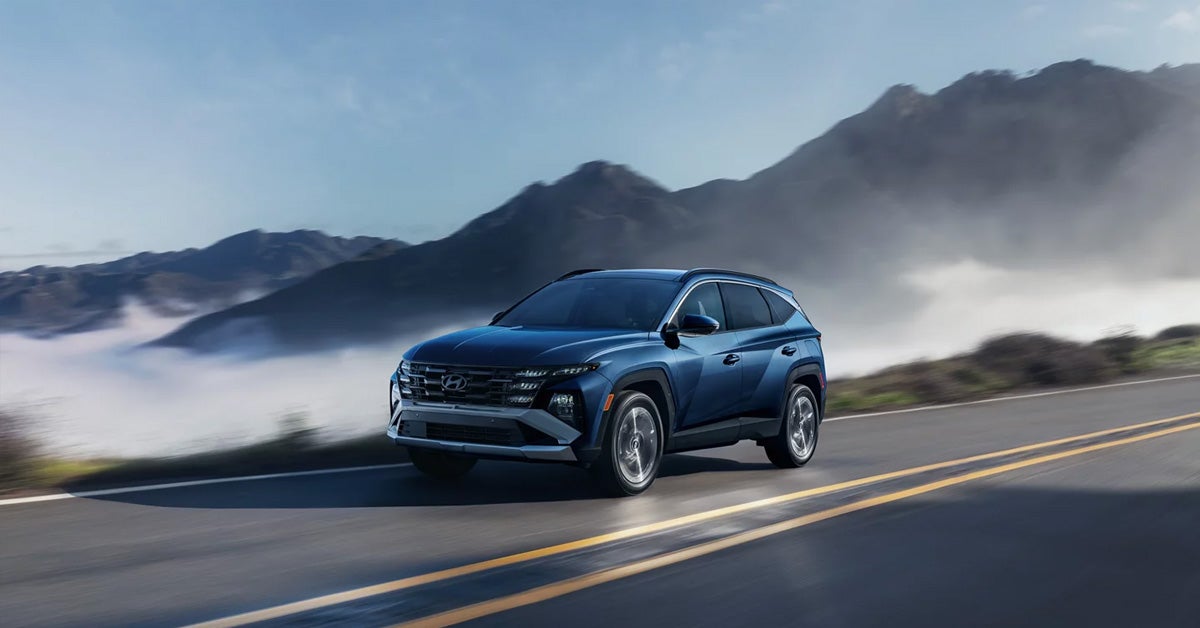
2026 Hyundai Tucson exterior

Hyundai Tucson vs Honda CR-V: Towing Comparison Guide [2026]

Compact SUVs can tow more than many drivers expect, but the details matter. In a 2026 Hyundai Tucson vs Honda CR-V towing capacity comparison, the Tucson offers higher maximum towing capability and stronger brake-equipped ratings, while the CR-V focuses on efficiency and lighter trailer duty. Choosing between them comes down to trailer weight, driving conditions, and how often you plan to tow. Riverhead Hyundai is here to help drivers make confident decisions at every stage of ownership. Our team supports you with vehicle selection, financing guidance, maintenance, genuine parts, and long-term care. Contact or visit Riverhead Hyundai today and let us assist with your next SUV and everything that comes after. Explore New Hyundai Get Directions Contact Us What Are the 2026 Hyundai Tucson vs Honda CR-V Towing Capacities? The 2026 Hyundai Tucson vs Honda CR-V towing capacity gap is clear at first glance. The Tucson is built to pull heavier loads, while the CR-V is aimed at light trailers. Both are compact SUVs, but their limits feel very different on the road. Maximum Tow Ratings Hyundai Tucson Up to 2,750 lbs with trailer brakes Up to 1,650 lbs without trailer brakes Honda CR-V Up to 1,500 lbs on gas models Up to 1,000 lbs on hybrid models For many drivers, that extra weight matters. A small camper or loaded trailer can exceed the CR-V rating fast. The Tucson keeps more headroom before you reach the limit. What Those Numbers Mean in Real Life Here are common items people tow: Small utility trailer, about 800 to 1,200 lbs Jet ski with trailer, about 1,200 to 1,800 lbs Small fishing boat, about 1,500 to 2,500 lbs Pop-up camper, about 1,800 to 2,700 lbs The CR-V handles light cargo runs well. The Tucson covers most weekend gear trips with fewer concerns. Why Brake Ratings Matter Trailer brakes change everything. They reduce strain on the SUV and help you stop straight. Without trailer brakes, both SUVs drop in safe weight range With brakes, the Tucson gains a large advantage Heavier loads feel calmer behind the Tucson Drivers who tow often will notice this quickly. The higher brake rating makes long drives less stressful. How Do Engine and Powertrain Differences Affect Hyundai vs Honda SUV Towing? Engine design plays a big role in how an SUV tows. Power is not just about peak horsepower. Torque, gear type, and drive system all shape how the load feels on hills and at low speeds. The Tucson uses a 2.5L four-cylinder engine with an eight-speed automatic. It makes 187 horsepower and 178 lb ft of torque. The CR-V gas model uses a 1.5L turbo engine with a CVT. Hybrid models use a two-motor system with lower tow ratings. Why Torque and Gearing Matter When you compare Tucson towing specs vs CR-V 2026, look beyond the headline numbers. Torque helps move weight from a stop A geared automatic can feel more direct than a CVT Steady power helps on hills and ramps Smooth shifts help keep the trailer stable The Tucson uses a traditional automatic with set gears. Many drivers prefer that feel when towing. It can hold a gear on a climb with less strain. Gas vs Hybrid Towing Behavior Hybrid systems focus on fuel use. They are smooth and quiet in daily driving. However, they often have lower tow limits. Gas CR-V models tow up to 1,500 lbs Hybrid CR-V models tow up to 1,000 lbs The Tucson keeps a higher max rating If you plan to tow often, engine type matters. A higher rating gives more room for gear and cargo. AWD and Traction Under Load Both SUVs offer All Wheel Drive. That helps when roads are wet or slick. AWD adds grip on ramps It helps on dirt or grass sites It adds more control in the rain The Tucson with AWD spreads power between the front and rear wheels. That can help when you pull a boat from the water. More grip means less wheel slip and more peace of mind. Which SUV Handles Small Trailers and Gear More Confidently? Stability matters more than raw power when pulling a trailer. Weight balance, wheelbase, and suspension all affect control. In Hyundai vs Honda SUV towing, the feel behind the wheel can differ a lot. The Tucson tends to feel more planted with medium loads. The higher tow rating gives a wider safety margin. That margin helps reduce sway on rough roads. Common Trailer Examples Here is how each SUV fits real use cases: Empty utility trailer, both handles easily Lawn equipment trailer, both manage well Jet ski trailer, Tucson feels calmer Small boat, Tucson keeps more control Pop-up camper, near CR-V limit, but safe for Tucson The closer you get to max weight, the more stable the Tucson feels. Lighter loads feel similar in both. Why Stability Changes With Weight Several factors affect driver confidence: Vehicle weight vs trailer weight ratio Suspension firmness Wheelbase length Brake capacity A heavier vehicle helps control trailer sway. The Tucson keeps a better balance as the load rises. Everyday Driving Feel While Towing Drivers often notice these traits: Less steering correction on the highway Smoother braking at stop lights Fewer gear changes on small hills Small trailers work fine with either SUV. Heavier weekend gear favors the Tucson for steadier tracking. What Towing Equipment and Hitch Options Are Available? Good gear makes towing safer and easier. The right hitch and wiring help you stay within compact SUV tow ratings 2026 limits. Many drivers focus on weight numbers but forget that setup matters just as much. The Tucson comes ready for towing prep. Trailer pre-wiring is standard, which saves time during installation. That means fewer add-on parts later. Hitch Types You Can Use Most small trailers use a Class I or Class II hitch. Class I, light cargo racks and small trailers Class II, small boats and campers 1.25-inch or 2-inch receiver options Removable ball mount setups A proper fit keeps the trailer level. A level trailer tracks straight on the road. Wiring and Brake Support Electrical links power trailer lights and brakes. 4-pin connector, basic lights 7-pin connector, lights plus trailer brakes Brake controller support for heavier loads Fuse-protected circuits for safety The Tucson wiring setup makes adding a brake controller simpler. This helps when towing near the upper limit. Helpful Add-Ons for Daily Use Small upgrades improve control and ease of use. Hitch alignment guide for easier parking Extended mirrors for a wider view Hitch-mounted cargo carrier Locking hitch pin for theft protection These items do not raise tow limits. They make trips calmer and more predictable. How Do AWD Systems Impact Towing in Different Road Conditions? All Wheel Drive helps keep grip when a trailer adds weight. More grip means less wheel spin and smoother starts. Many drivers notice the benefit most on ramps and wet roads. In a Tucson CR-V trailer guide, traction is key to control. The Tucson can shift power between front and rear wheels as needed. This helps the SUV stay steady when the load balance changes. Wet Roads and Highway Travel Rain makes stopping and lane control harder while towing. Better launch from stop lights Less tire slip in heavy rain More stable lane tracking Reduced sway during quick moves Extra traction keeps the trailer in line. Drivers make fewer steering fixes at speed. Boat Ramps and Gravel Lots Loose ground can cause spin fast. AWD reduces that risk. Easier pull-out at steep ramps Better grip on sand or dirt Less stress on tires Smoother low-speed control The Tucson feels more secure when pulling uphill from water. That matters for boat owners. Hills and Inclines Trailers add strain on climbs. Power must reach the wheels with grip. AWD limits front wheel slip More even power spread Calmer starts on steep grades These traits help protect the drivetrain. They also make towing less tiring for the driver. What Can You Realistically Tow With a Compact SUV in 2026? Many buyers see the 2026 Hyundai Tucson vs Honda CR-V towing capacity numbers and ask what they mean in daily life. The answer depends on the safety margin, cargo weight, and road type. A good rule is to tow no more than about 80 percent of the max rating. Staying below the limit helps the engine, brakes, and tires last longer. It also keeps the drive calm on long trips. Safe Towing Examples Well within range for both SUVs Bike rack carrier trailer Empty utility trailer Yard waste or mulch load Better suited for the Tucson Jet ski with fuel and gear Small aluminum fishing boat Light pop-up camper Two motorcycle trailers These loads sit near the upper range for many compact SUVs. The extra capacity gives more room for supplies. Why Cargo Weight Matters Trailer weight is not the whole story. Gear inside the SUV counts too. Passengers add load Coolers and bags add load Hitch weight presses on the rear axle The Tucson keeps more reserve capacity once people and gear are added. Daily Use vs Truck Ownership Compact SUVs balance comfort and light towing. Easier parking than trucks Better fuel use on commutes Enough power for weekend trips For frequent heavy towing, a truck fits better. For mixed use, the Tucson handles most small trailer needs well. How Do Safety and Driver-Assist Features Help When Pulling a Trailer? Towing adds stress to braking, lane control, and blind spots. Modern safety tech helps drivers react sooner and stay steady. When reviewing Tucson towing specs vs CR-V 2026, these systems matter as much as engine power. The Tucson includes many assist tools that work well with added weight. They help keep both the SUV and trailer in line. Blind Spot and Rear Alerts Trailers block the rear-view and side-view angles. Sensors help fill those gaps. Blind spot warning during lane change Rear cross traffic alerts in parking lots Audio and visual warnings These features reduce guesswork. Drivers feel more aware in traffic. Stability and Braking Control Electronic aids help keep the trailer straight. Stability control limits sway Anti-lock brakes keep steering control Brake assist shortens the stop distance These systems react faster than most drivers can. They help keep panic stops safer. Cruise and Lane Support Long drives are tiring when towing. Assist tools lower the workload. Adaptive cruise keeps steady spacing Lane assist reduces drift Attention alerts remind tired drivers The Tucson keeps speed smooth on open roads. That makes trips calmer and less stressful. Which SUV Is Better for Weekend Trips and Long Drives With a Trailer? Long trips test comfort and cooling more than short drives. In Hyundai vs Honda SUV towing, the main difference appears after hours on the road. Heat, noise, and gear changes shape how relaxed the drive feels. The Tucson keeps engine speed steady on hills. Fewer gear hunts mean less noise and strain. Comfort While Towing Drivers often notice small details on long trips. Steady speed on highways Less downshift on grades Smoother stop-and-go traffic Lower cabin vibration A calm ride helps reduce fatigue. That matters on multi-hour drives. Fuel Use Under Load Towing always lowers fuel economy. The key is consistency. Stable engine rpm helps fuel use Fewer hard shifts reduce waste Proper gearing helps highway pace The Tucson tends to hold speed with less throttle input. That can help on long flat roads. Cargo and Packing Space Trips often mean more gear than expected. Coolers and bags behind the second row Tools and straps near the hatch Extra water and camping items More room means less cramped packing. The Tucson works well for mixed passenger and gear loads. Overall Travel Feel Short trips feel similar in both SUVs. Longer hauls highlight stability and cooling. The Tucson suits frequent trailer travel with less driver effort. What Should Buyers Consider Before Choosing Between the Tucson and CR-V for Towing? Tow ratings tell part of the story. Daily use and trip type matter just as much. Compact SUV tow ratings 2026 help compare limits, but habits decide the best fit. The Tucson gives more headroom for gear and growth. That helps if plans change over time. How Often Will You Tow? Think about real use, not rare trips. Once or twice a year Monthly hobby trips Weekly work use Light use may suit lower limits. Frequent towing favors higher capacity. What Kind of Trailer Will You Use? Weight varies more than many expect. Small yard trailer Watercraft trailer Camper or gear hauler A heavier trailer leaves less safety margin. The Tucson keeps more reserve capacity. Passengers and Cargo Load People and gear reduce tow room. Family members add weight Luggage adds weight Hitch weight counts too Always include full load in your plan. Many drivers forget this step. Driving Environment Road type changes stress on the SUV. Flat highways Hills and grades Dirt roads and ramps More hills require more cooling and grip. The Tucson handles varied terrain with less strain. Long-Term Ownership Needs Future plans matter when buying. New hobbies may add weight Larger trailers may come later Travel distance may grow Choosing extra capacity now can prevent trade-ins later. 2026 Hyundai Tucson vs Honda CR-V Towing Capacity FAQs Many shoppers want quick, clear answers before diving deeper into specs. These common questions help narrow down which compact SUV better fits towing plans. How do the towing capacities of the 2026 Hyundai Tucson and Honda CR-V compare? The 2026 Hyundai Tucson can tow up to 2,750 lbs with trailer brakes, while the Honda CR-V can tow up to 1,500 lbs (1,000 lbs for hybrid models). Which SUV offers higher maximum towing capability? The Hyundai Tucson offers a higher maximum towing capability. What factors affect towing capacity for the Tucson vs the CR-V? Engine design, transmission type, drivetrain traction, trailer brakes, passenger weight, and cargo load affect towing capacity. Do both the Tucson and CR-V require towing packages to reach their top ratings? Both require proper hitch equipment and trailer brake setup to safely reach their highest rated towing limits. Which SUV is better suited for light trailers, bikes, or small campers? Both handle very light trailers well, but the Tucson is better suited for small campers and heavier weekend gear. Compare Towing in Person at Riverhead Hyundai Choosing the right SUV for towing is easier when you see it up close. Specs matter, but seat time matters more. The Tucson offers strong tow limits, smart tech, and daily comfort in one well-balanced package. Drivers from Riverhead, Long Island, Calverton, and the Hamptons can explore a wide range of models in one place. Our team is here to answer your questions and help match you with the right trim. We offer support with sales, finance, service, and genuine parts. Visit Riverhead Hyundai or contact us today to test drive the Tucson and compare your options in person. If you are researching other Hyundai features, keep exploring. Learn about the latest updates in the Santa Fe in our guide to the Santa Fe transmission update. See how smart safety tools work in our overview of Hyundai speed limit assist. You can also review key highlights in our list of Santa Fe buying reasons. Get Directions to Riverhead Hyundai Disclaimer: All information is provided for general informational and entertainment purposes only. While we strive for accuracy, we cannot guarantee that all content is complete, current, or error-free. Any reliance you place on such information is strictly at your own risk. This article may include opinions and is not endorsed by, or officially affiliated with, any vehicle manufacturer or brand. Always consult official sources – such as the vehicle’s owner’s manual, authorized dealerships, or certified professionals – for the most up-to-date and personalized information.

Hyundai

Understanding Hyundai Battery Needs

When most of us think about car problems in winter, we picture frozen locks, icy windshields, or slippery roads. But what often gets overlooked is the battery. Cold weather takes a bigger toll on a car battery than many realize, especially here in Suffolk County where February can bring freezing mornings and quick temperature swings. If your Hyundai felt a bit sluggish starting over the past few weeks, now’s the time to pay attention. more As we move closer to spring, it's smart to think about whether your battery is ready for a new season. Hyundai battery replacement in Suffolk County might not sound all that exciting, but ignoring early signs can turn into unexpected trouble fast. So let’s talk about how to spot battery wear, how long these batteries tend to last, and why checking now, before the sunshine returns, can help you avoid problems later. Signs Your Hyundai Battery Might Be Wearing Out You don't have to wait until your car won’t start at all to know something's up. Many battery problems give early signals if you know what to look for. Some of the most common signs include: The engine starts slowly, especially on colder mornings Headlights or interior lights seem dimmer than usual You notice flickering lights when idling The battery warning light comes on, even if the car still runs When temperatures drop, batteries work harder. The cold makes it tougher for electrical components to function, and that includes the battery's ability to hold a charge. So if the battery was already aging, winter probably didn’t help. The weather in Suffolk County this time of year can jump from frigid to mild all in one week, which strains older batteries even more. A sluggish start or dim headlights may seem minor, but they’re signs that your battery isn't recovering well between drives. Ignoring them can lead to much bigger problems once temperatures warm up and you demand more from the car daily. If you've noticed these signs showing up more than once, it's a good idea to pay closer attention. Sometimes, an old battery can last through a few more cold mornings, but the risk rises every day. Listening to your car's early warnings can save you from stressful mornings or being unexpectedly stranded. What Affects How Long a Hyundai Battery Lasts A battery’s life depends on many little habits, not just the number of years it’s been in the car. Here are a few factors that make a difference: Cold and hot temperatures both wear down battery life over time Short trips can keep the battery from fully recharging Electronics like heated seats, built-in GPS, and touchscreen displays put extra strain on newer Hyundai models If you’ve been running errands around Riverhead or using your Hyundai mostly for quick drives this winter, that might be enough to leave the battery undercharged. During colder months, people often take fewer long trips, which means less time for the battery to get a full boost from the alternator. Batteries in technology-packed cars like newer Hyundais often have added pressure. Features like remote start, parking sensors, and mobile phone connections constantly draw power, even when the car is off. If the battery is older or worn down, these features can be too much after a few years. For Suffolk County drivers, winter driving habits can stack up. Add in salt-covered roads, low daylight hours, and freezing temperatures, and it’s easy to see why February becomes a tipping point for many batteries. Not all batteries are made the same, and not all last the same length of time. Driving patterns, how many accessories you run, and the local climate all play a part. If you tend to use your Hyundai for quick grocery runs instead of long commutes, that might sound easier on the car, but it actually makes it harder for the battery to recharge. Over time, this habit can slowly shorten battery life without much warning. Why Late Winter Is a Smart Time to Check Your Battery February makes sense for catching battery problems before they become real issues. Days are still short, the weather’s still unreliable, and most people aren’t yet thinking about the long drives spring often brings. This quieter stretch between holidays and spring break gives you room to focus on small problems now, not later. Here’s why we suggest checking batteries before March: A quick inspection can spot signs before you're stuck on the side of the road Cooler temperatures are still hanging on, but warm spells give time to plan repairs Traffic and shop schedules tend to be lighter this time of year We’ve seen drivers take off for a weekend in Montauk or set off for a spring vacation, only to realize too late that the battery isn’t up for it. When the weather begins to move from cold to warm, the final squeeze on a weak battery often happens. February gives you space to handle something like a replacement without the rush. Plus, catching issues early means you stay ahead of bigger headaches. A dying battery can put stress on other systems like the alternator or starter. If something seems off, it’s usually better to check now than push it down the road. Remember, late winter is a bit of a test for your Hyundai's battery. It’s easy to overlook, but getting ahead of battery trouble now means less stress when your spring routine gets busier. Just like you’d check air pressure in your tires or top off your fluids, getting a quick look at your battery can make all the difference for a smooth transition to spring. What Goes Into a Proper Hyundai Battery Replacement Replacing a battery might sound simple, but newer Hyundai models need a little more attention. It’s not just about disconnecting an old battery and dropping in a new one. The process includes a few key steps to keep everything running smoothly: Testing the battery first to confirm it’s the issue and not another part of the electrical system Checking charging system performance to be sure your alternator and voltage levels are working right Choosing the correct battery type, especially if your car has a stop-start system or upgraded electronics After removing the old battery, installation includes securing the unit properly and reconnecting terminals in the correct order. Some Hyundais may even need systems reset to recognize the new battery, like auto-start settings or radio codes. Skipping these steps could cause serious problems or drain the new battery too soon. At Riverhead Hyundai, our certified technicians offer same-day battery checks and installation, using Hyundai OEM batteries matched to each model. Our service center looks for electrical system or alternator issues and makes it easy to book appointments online for quick battery replacement. Getting it done right makes a difference. Damaged wiring or incorrect battery types can affect performance, and missteps during installation can interfere with how onboard systems communicate. That’s why proper methods, tools, and experience matter, especially when it involves the technology-packed cars we see today. It's not just about swapping parts, getting your battery replaced the right way means your Hyundai’s systems stay calibrated and your next drive is as worry-free as possible. If your vehicle has advanced technology or newer systems, skipping important steps could lead to small problems turning into bigger issues before you know it. Peace of Mind as Warmer Weather Approaches Once spring arrives, the pace picks up, longer trips, more errands, and busier roads. Cold mornings eventually fade, and that’s often when car problems catch drivers off guard. A battery that only just made it through winter may not last once daily drives increase. We watch for early warning signs because they often show up weeks in advance. A hard start or flickering interior lights might seem small, but they can tell you everything you need to know. Scheduling a quick February check puts you on solid ground before spring shifts your routine again. Hyundai battery replacement in Suffolk County doesn’t take long, but it can save time and stress in the months ahead. As long as the car is running fine, it's easy to forget the battery exists, until one day it doesn't work. Planning ahead keeps you moving when it matters most. A healthy battery means a smooth start and fewer hiccups, no matter where the road takes you as the weather gets nicer. Checking in now benefits your Hyundai, whether it's newer or already familiar, and helps you get the most out of the driving season ahead. Let a quick check turn into peace of mind so every start feels easy. Is your Hyundai taking longer to start or showing warning lights? As the weather warms up in Suffolk County, making sure your battery is ready means fewer surprises down the road. We make it easy to handle your Hyundai battery replacement in Suffolk County with proper testing and expert care for your vehicle. Don’t wait for a no-start moment to take action. Contact Riverhead Hyundai to schedule your service today.

Hyundai

Hyundai Tire Services: Key Considerations

As we reach the end of February in Riverhead, road conditions can leave a lasting mark on tires. All winter long, tires take a beating from icy streets, freezing temperatures, and the salt spread across Suffolk County roads. Add in the damage caused by potholes and uneven pavement, and it's easy to see why we focus on tread wear as part of seasonal care. more This is the right time to take a closer look at one of the most important parts of your vehicle. Planning ahead with Hyundai tire services in Riverhead can help prevent minor tire problems from turning into bigger repair needs just as spring driving picks up. When you stay ahead of seasonal stress, your car stays safer and drives better. How Winter Driving Affects Tires Cold weather brings all kinds of trouble for tires. Rubber doesn’t stay soft when temperatures fall, which makes each bump in the road a little harder on them. Add slush, ice, and road salt, and small cracks and flat spots can turn into faster wear. In our area, where road treatment is common, salt can collect around tire edges and seep into small cracks in the rubber. Potholes often appear after a cycle of freezing and thawing, and these sudden drops can knock tires out of alignment or even damage sidewalls Road salt breaks down tread over time and can damage exposed parts near the hub or wheel rim Ice patches and slush force tires to grip less effectively, which can lead to sliding and uneven wear Even if you've been driving less during colder months, it's common to see deterioration just from routine local travel during poor weather. That’s why late winter is a smart moment to stop and inspect, it’s the season when damage appears, but before it worsens during springtime drives. Checking Tread Depth and Tire Health You don’t need a technician to spot clear signs of tire wear, though it can help to have an expert do a full check. You can look for: Uneven tread, that’s when one edge or strip of the tire wears down faster than the rest Cracks or cuts on the side of the tire Low tread depth across the surface (visual grooves that appear shallow) Some wear leads back to wheel alignment issues. If your front tires lose tread faster on one side, it likely means the alignment shifted after a pothole or curb impact. We often see that happen once roads in Riverhead start breaking apart from freeze-and-thaw cycles in late winter. The end of February and first weeks of March are a smart window for inspections. You haven't entered full spring driving mode yet, and it’s easy to fit in a short visit before your schedule fills up. Seasonal Tire Rotations and Balancing Schedule shifts from cold to warmer temperatures can impact tire balance. You may not notice the difference right away, but the signs build up, like a mild vibration while driving or feeling your vehicle pull slightly to one side. Getting tires rotated and balanced as we exit winter can help them wear more evenly and restore the smooth ride you expect. Salt buildup and pothole impacts from December through February are enough to change how your wheels sit and spin. We recommend this service during seasonal transitions for a few clear reasons: Rotation adjusts tire placement, so each one wears at a balanced rate based on how your vehicle turns and brakes Balancing keeps the tires spinning smoothly and helps protect your suspension It’s easier to spot tire damage once the wheels are off, making it a double check without extra steps This timing lines up well with Hyundai tire services in Riverhead, since local driving patterns tend to increase once spring starts. Taking care of tire balance and rotation now means a more comfortable ride with fewer surprises later. When a Tire Needs More Than a Patch Some tire wear can be handled with repair, but sometimes damage is beyond what a patch can fix. A tire that’s too far gone will keep creating problems, like pulling the car in one direction, damaging wheel components, or losing pressure overnight. Here are a few reasons we’ve seen drivers replace their tires around this time of year: Exposed cords or steel belts show through damaged rubber Bulging sidewalls from heavy cold-weather impact on uneven pavement Deep punctures or leaks in locations that patches can’t safely secure If you're making more trips soon or preparing your car for longer drives, a fresh set of tires can be much safer than experimenting with repairs on older tread. When days get longer and roads thaw, small cracks from the winter months tend to widen and worsen. Replacing bad tires before April avoids uneven wear on good ones and helps you skip the stress of a flat on a busy day. Local Awareness Makes a Difference Tire wear isn't the same everywhere. In Suffolk County, where shorelines mix with suburban roads and winter storms hit hard, patterns of use change how tires age. A daily commute from Riverhead to other parts of Long Island can rack up mileage quickly. When salt, stop-and-go traffic, and frost heaves all factor in, it's easy for tires to wear down unevenly over just a few months. We pay extra attention to signs that are typical here: Tires damaged by repeated trips over frost-raised cracks and patched roads Rust around rims caused by mixed snow and salt sitting too long Pressure loss from temperature swings between frigid mornings and mild afternoons A local tire check around this time isn’t just about mileage. It’s about looking at how the roads you drive most often have affected your vehicle. Whether it’s tight turns onto rural roads or city potholes near downtown Riverhead, familiar paths still bring unexpected wear. Riverhead Hyundai Tire Services and Specials At Riverhead Hyundai, certified Hyundai technicians provide tire inspections, rotations, balancing, repairs, and replacements using genuine Hyundai tires. We offer monthly service specials and convenient online scheduling to help drivers stay up to date on maintenance for all models. Our team can recommend all-season or winter tire options based on your local driving habits. Keep Driving Smooth Into Spring Late winter is often when cars show how much they’ve been through. Tires hold up through storms, uneven streets, and stretches of icy travel, but all of that leaves a mark. Taking the time now to check wear, schedule a rotation, and replace any problem tires gives you a better ride during the months ahead. Early attention makes a difference. Instead of heading into spring with worn out tread or hidden damage, a quick check now can keep you from dealing with a flat when you're finally ready to enjoy clearer roads and longer drives. When you look after your tires before the season changes, the drive feels better, and a whole lot safer. Tires often take a beating during winter, and many drivers in Riverhead are noticing more wear and tear than usual. Bring your vehicle to Riverhead Hyundai for a thorough tire inspection, rotation, and personalized recommendations based on how and where you drive. Get ahead of spring travel and schedule your Hyundai tire services in Riverhead with our expert team today.

Hyundai

What Your Local Hyundai Service Center Does in Riverhead

Keeping a car in good shape takes more than just a wash and a full tank of gas. At the end of winter, small issues from the cold, salt, and stop-and-go driving can start to show up. That’s when your local shop becomes more than a fix-it spot. A visit to a Hyundai service center in Riverhead right now can make a real difference in how your car handles the shift into spring. more Here in Riverhead, New York, we know that February and early March bring milder days mixed with late-season cold snaps. Roads are still messy, potholes start to form, and salt doesn’t disappear overnight. A good service center helps spot problems before they grow. Whether it’s your first time visiting or you’ve been coming in for years, this time of year is when paying attention matters most. Seasonal Maintenance Needs as Winter Fades By late February, winter has already taken a few swings at your vehicle. Tires get more wear from freezing pavement and rough roads. Brake pads can pick up residue from salty slush. The fluids that help your car start on cold mornings might be hanging on by a thread. Here are a few things we look for as winter winds down: Tire wear from potholes and cold, brittle rubber Brake lines or rotors showing signs of corrosion Windshield wipers that streak or leave patches Oil and antifreeze that have broken down from freezing temps Vehicles often sit longer during the winter, especially when roads are bad. That downtime can lead to battery drain or sticky brakes. We go over each part carefully, not just for current damage, but to be sure it’s ready to move into warmer, wetter conditions. A good inspection now saves drivers from unexpected repairs once spring kicks off and road trips return to the calendar. Routine Services That Keep Cars Running Smoothly Every car needs small services on a regular basis, and the switch between seasons is a good reminder. After a full winter of icy roads and short trips, the basics sometimes get overlooked. We usually recommend scheduling: An oil change to refresh the engine and remove buildup Tire rotation to even out wear from uneven or slick roads Battery check since cold weather strains battery health Air filter swap if you’ve been running the heat all season If your calendar fills up with kids’ sports, spring projects, or weekend trips, you can end up pushing these visits off. Doing them now means fewer surprises later on. Regular maintenance is like stretching before a long hike. It doesn’t take long, but it keeps things moving better in the long run. How Local Service Centers Handle Safety Checks Safety checks are more than just a once-a-year box to check. When cars go through months of harsh road conditions, they need a full once-over to stay safe. We focus on: Brake system inspections, including rotors and fluid levels Timing belt review if your mileage is getting close to a service milestone Wiper blade replacement, since winter salt wears them out faster Exterior and interior lights, making sure everything works after being exposed to damp wiring and freezing Some drivers skip service in December and January, waiting for better weather. That’s why late February is often when overdue issues show up. If your car’s been pulling to one side, making new noises, or riding rough, it’s usually a sign something underneath needs attention. The beginning of spring is when people drive more often and farther. It's smart to head into that with a car you trust. Service Scheduling and What to Expect During a Visit This time of year tends to be quiet enough that booking a spot is easier than it will be in April or May. People are still catching up from holidays or waiting for tax refunds, which means February and March are perfect for low-stress visits. Here’s what most people experience during a stop: Schedule a service online or over the phone Drop off your car early, or wait in a comfortable area Get updates if anything unexpected shows up during the check Drive away the same day for smaller services, or schedule pickups if needed Planning now gives you more flexibility. Once local schools take spring break or weekend traffic picks back up, appointment slots go faster. Getting ahead in late winter keeps things simple. Trusted Help for Local Driving Conditions When we think about what makes a car last, part of the answer is knowing the roads it travels every day. A Hyundai service center in Riverhead isn’t just a convenient place to bring your car. It’s built around local experience. We pay close attention to things like: Brake wear caused by grit left over from salted roads Suspension strain from frost-heaved pavement around Suffolk County Filter clogs caused by extra pollen from early spring trees around Long Island Our weather patterns shift quickly. One day could have flurries, and the next might feel like April. A service center that’s local understands how that rollercoaster affects your car over time. Riverhead Hyundai Service Center Advantages At Riverhead Hyundai, we offer certified Hyundai repairs, OEM parts, and scheduled maintenance appointments for any model. Our trained technicians use multi-point inspections to catch minor issues before they become major repairs. Service specials and online scheduling help you get in and out quickly, even during busy months. Our team is ready to answer seasonal maintenance questions and provide guidance for newer, leased, or high-mileage vehicles. Keeping Things Running into Spring By the end of February, it’s easy to overlook the effect that winter driving has had. But small signs, like a rougher ride, slower stops, or dim lights, can point to bigger problems just around the corner. Getting a few seasonal services done now can help stretch out the life of your tires, brakes, and battery. And making that visit before everyone else crowds the calendar means you’re ready for whatever spring brings. Working with someone who understands Riverhead roads, schedules, and seasons means your car gets what it needs when it matters most. Small steps now give you peace of mind for the months ahead. Seasonal maintenance makes a big difference in your vehicle’s performance and reliability. Noticing bumps, vibrations, or changes in how your car drives after winter? Bring your car to Riverhead Hyundai for expert care. Schedule your visit today through our Hyundai service center in Riverhead and rely on our team to keep your experience simple from drop-off to pick-up. Call us or reach out online to book your appointment.

Hyundai

Common Hyundai SUV Features in Riverhead

SUVs are a popular choice in Riverhead for good reason. The size, comfort, and convenience they offer make them suited for everything from weekday commutes to weekend outings along Long Island. Around this time of year, when February winds down and spring shows signs of arriving, the features drivers care about tend to shift. Staying warm still matters, but so does getting ready for the wetter, warmer days ahead. more Hyundai SUVs in Riverhead offer a mix of practical touches and thoughtful upgrades that fit the season and the setting. That includes tech that helps drivers stay in control, along with designs that make daily life a little easier. With so many different roads to cover, from quiet neighborhood blocks to bumpy main streets, knowing which features help most can make a difference. Interior Comfort Features for Year-Round Driving Late winter can bring gusty mornings and damp evenings, so it’s nice to have features inside the vehicle that tackle those shifts without effort. Hyundai models often include small touches that keep comfort high no matter the forecast. Heated seats quickly warm cold commutes, and climate zones let everyone choose their own temperature setting (a big help when riders don’t agree). Space inside is another big reason why drivers stick with SUVs. Families like the extra room for backpacks, groceries, or sports equipment. Foldable seating setups let drivers switch between passengers and cargo without trouble. That flexibility matters after school drop-offs, weekend hikes, or a quick stop at the hardware store. We also see more attention paid to comfort materials and cabin noise. Newer SUVs tend to ride quieter, even when dealing with potholes and wet pavement. Softer interiors and clear controls make each ride feel less rushed and more relaxed. Safety and Driver Assist Features for Local Roads Weather and traffic are unpredictable by the end of February. One day might be dry and calm. The next could bring a cold downpour and slick streets. That’s where safety features come in. Modern SUVs include systems meant to help drivers avoid surprises. Common tools like lane keeping assist gently help guide the car if it starts drifting. Blind spot detection warns when another car is too close to switch lanes. Parking sensors are helpful when space runs tight in store lots or street parking. For a place like Riverhead, with its mix of busy roads and quieter lanes, these features do more than add confidence. They often prevent the little mishaps that pile up. Slushy roads and low-hanging fog can turn an easy drive into a tricky one. Features built into Hyundai SUVs help handle that. They don’t take over. They just step in when things feel off, like when the road dips near the river or late-season snow leaves behind some black ice. It’s about staying aware and ahead of what’s out there. Performance and Drivetrain Options Suited to Changing Conditions This time of year keeps drivers on their toes. Afternoon rain makes puddles hard to see. Morning frost still lingers. All-wheel drive is one way Hyundai SUVs help manage that kind of unpredictability. With traction going to the wheels that need it most, you don’t have to overthink it on slippery or uneven roads. Some models offer selectable drive modes that let drivers pick based on the day ahead. Snow mode helps when slush coats the pavement. Normal mode keeps fuel use in check on clearer days. These small adjustments help match the car’s handling to the road below it. Steering and grip matter too, especially on backroads and winding stretches across Suffolk County. Hyundai SUVs balance control with comfort, making the ride feel steady without working too hard for it. Responsive handling gives drivers that feeling of being connected to what’s ahead, not floating over it with no feedback. Smart Tech and Everyday Convenience The dashboard inside most Hyundai SUVs has more to offer than just a radio and speedometer. Infotainment systems connect easily to smartphones, letting drivers handle directions, playlists, and calls without taking eyes off the road for long. Large, responsive touchscreens display clearly, even in bright sunlight or low light. Convenience features play a big role in everyday life too. Hands-free liftgates mean no need to fumble with bags at the grocery store. Remote start gets the heater going on freezing mornings before stepping out the door. Wireless charging pads stop the need for plugging and unplugging cables during short trips. In Riverhead, where many drivers juggle work, family, and errands, these features aren’t just fun extras. They save time, reduce stress, and make errands feel a little more manageable. This everyday practicality is why many people come back to Hyundai SUVs year after year. Preparing for Spring with Flexible Cargo and Ride Options Spring doesn’t arrive all at once. It comes in pockets, milder weekends, brighter mornings, longer to-do lists outside the house. That’s when flexible vehicle setups matter most. Hyundai SUVs often come with fold-flat seat layouts. That lets drivers load up mulch, sports gear, or beach chairs without cramming everything into the back. Rooftop rails show their value when spring trips start filling the calendar. Whether it’s a quick run east to Montauk or a home project that calls for bulkier supplies, that added space comes in handy. The ability to shift seamlessly from weekday tasks to weekend fun is one of the biggest reasons drivers keep turning to SUVs year after year. Those same features make the switch from winter hibernation to spring activity easier. No matter how you spend your time, gardening, fishing, catching up with relatives, your vehicle is part of that rhythm. Being able to trust it can keep up is more than just handy. It’s part of getting things done. Whether you are tackling yard projects or taking seasonal road trips, the adaptability of an SUV is clear. Why Hyundai SUV Features Fit Riverhead Drivers Well We see firsthand how driving needs shift in this part of Long Island. From the quiet backroads of Riverhead to the busier stretches of Route 25, there’s a wide mix of conditions through late February and early March. Hyundai SUVs in Riverhead reflect the types of features that make driving feel simpler, whether it’s protecting against a slip on wet roads or adjusting seats to fit five after school. Every piece, from seat warmers to safety alerts to roof rails, works together to meet the season and the setting. These SUVs adjust with you, whether you’re chipping away at projects, heading to work, or planning those first longer drives of the season. In a place where rain, slush, sun, and fog all show up in the same week, it only makes sense to drive something that adapts just as smoothly. At Riverhead Hyundai, we offer a variety of options designed for life in Riverhead and the unique demands of Suffolk County roads. Our new Hyundai SUV inventory includes options with HTRAC all-wheel drive, hands-free liftgates, advanced safety technology, and wireless device charging. From spacious cargo areas to advanced tech and smooth handling, our lineup keeps your priorities in mind without compromise. Explore our current selection of Hyundai SUVs in Riverhead to find the one that fits your needs best. Our team is here to answer your questions, help you compare features, or schedule a test drive when you're ready.

Contact Us

Fill out this form below and we'll contact you shortly

By submitting your information, you agree to the sharing of your information between Hyundai Motor America and its authorized dealers.

*Required Fields