
Blog

All New York Hyundai Dealer New York Hyundai Service
Hyundai EV

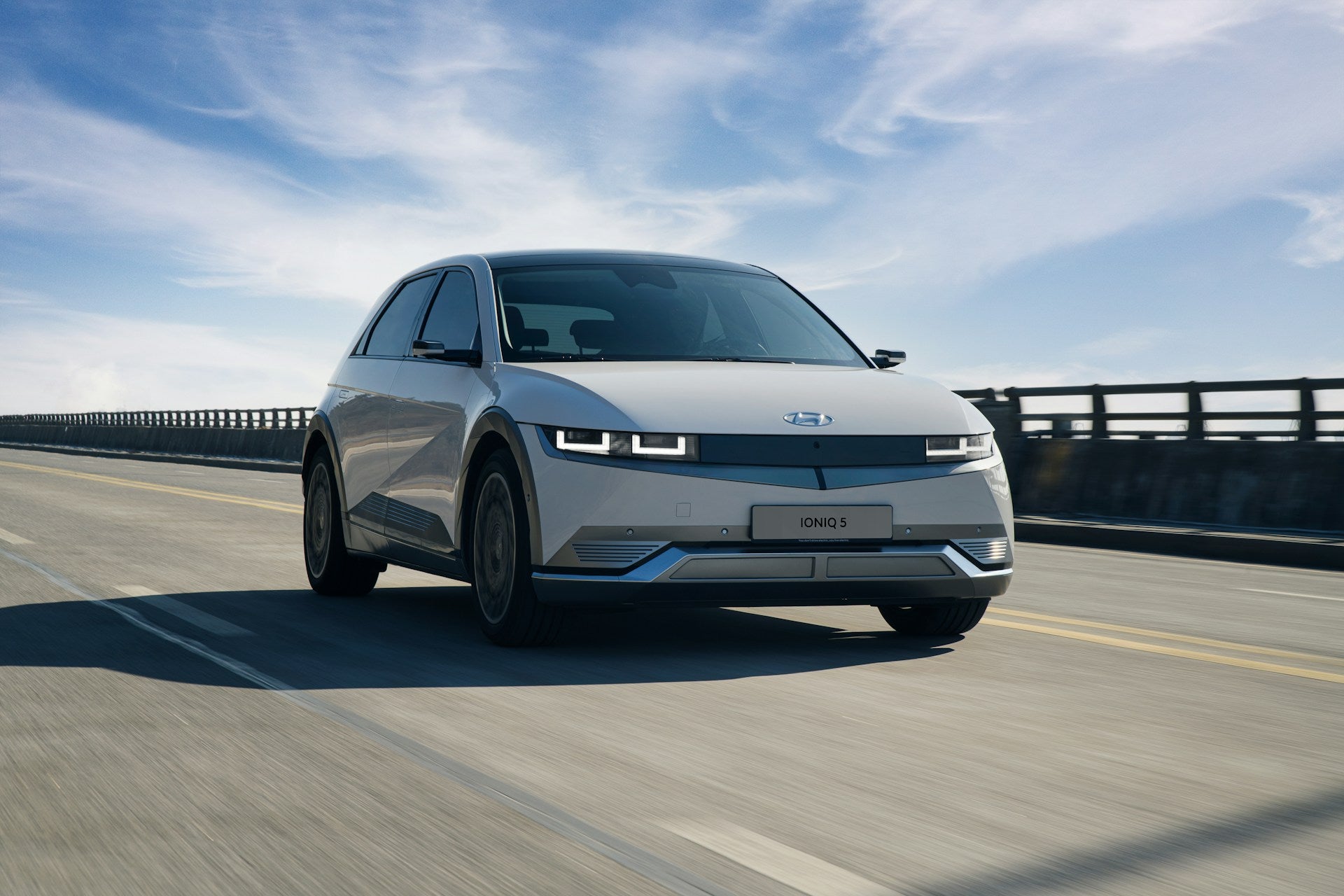
EV Charging Etiquette for Hyundai Drivers in Riverhead

Power up Every Kilowatt in Riverhead Public charging works best when everyone treats it like a shared resource, not a personal parking spot. With more Hyundai EVs on Long Island roads and plenty of trips to beaches, farms, and wineries, good manners at the plug matter a lot. more In Riverhead and across Suffolk County, chargers can fill up fast, especially on weekends and summer evenings. When we all follow a few simple habits, we cut down on stress, shorten lines, and keep things friendly for both locals and visitors. In this guide, we are sharing practical, real-world etiquette tips for Hyundai EV charging in Riverhead, from slower Level 2 stations in town to faster DC chargers along the main roads. Know Your Local Charging Options Before talking about manners, it helps to understand where and how you are charging. Around Riverhead, you are likely to see two main types of public stations. Level 2 chargers are the most common. You will often find them: At shopping centers and grocery store parking lots At town buildings and municipal lots At hotels, inns, and some attractions These are great when you plan to be parked for an hour or more, like during dinner, a movie, or a grocery run. DC fast chargers are usually placed along major routes, such as busy local corridors and nearby expressways. They are meant for quick stops when you are: On your way to or from the Hamptons or the North Fork Heading to beaches, vineyards, or farm stands Driving between Suffolk County and other parts of Long Island For smoother Hyundai EV charging in Riverhead, plan your route before you leave home. Use your Hyundai’s built-in navigation, the brand's EV apps, and popular charging apps to: See what types of chargers are near your stops Check if stations are working and how many plugs are open Read recent reviews that mention crowding or local habits A little planning helps you avoid the busiest times and keeps you from arriving at a charger with only a few miles left. Smart Habits at Busy Charging Stations Good etiquette starts with one simple idea: charge what you need, then move on. Public chargers are not meant to replace home charging; they are there to help everyone get where they are going. At Level 2 or DC fast chargers, try to: Charge only to the level you need to get to your next stop, plus a safe buffer Avoid sitting at a fast charger trying to reach 100 percent, which takes much longer Keep an eye on your app or in-car display so you know when charging is done When your Hyundai is charged enough, move it as soon as you can so the next driver can plug in. This is especially helpful: On summer weekends In the evenings near restaurants and attractions At smaller lots with only one or two chargers “Camping” at a charger, like staying parked long after your session ends or sitting in a fully charged car while others are clearly waiting, is one of the biggest causes of frustration. Even if you are relaxing or answering messages, it feels unfair to drivers who are low on charge and have no place to plug in. A quick move keeps things flowing and builds goodwill in the EV community. Sharing Chargers with Courtesy and Clarity When a station is busy, a little communication goes a long way. In many Riverhead lots, there is no formal line, so drivers work things out on their own. A few simple habits help: Line up in a way that does not block traffic or exits Respect an informal “first come, first served” system Make eye contact or say a quick hello to others waiting If you need to step away from your Hyundai while it is charging, it can help to leave a short note on your dash with your name, your cell number if you are comfortable sharing it, and the time you plan to return. That tells others you are not abandoning the car. Unplugging another EV is almost always a touchy subject. As a general rule: Do not unplug another car unless the driver has clearly said it is fine If the driver is nearby, ask them kindly if you can use the plug next At dual-port stations, make sure each cord goes to a different vehicle if possible When people talk to each other calmly, it is much easier to keep Hyundai EV charging in Riverhead friendly instead of tense. Protecting Chargers and Staying Safe Year Round Charging etiquette is not only about sharing time; it is also about treating the equipment and people around you with care. Chargers are part of the community, just like streetlights or public benches. Good habits include: Pulling in slowly so you do not run over cables or curbs Parking within the marked lines so you do not block the next space Making sure the cable is not stretched tight across a walkway In hot weather, try not to block airflow around your car and battery area, and follow the guidance in your Hyundai owner information about charging in high temperatures. When possible, avoid charging during the highest midday power demand if the station is clearly overloaded and you are not in a rush. Always stay aware of pedestrians, especially around popular spots where kids and pets are nearby. Other seasons bring different challenges. In winter, do not park in a spot where a snow pile blocks access to the charger or cable. In fall, watch for wet leaves and debris that can hide curbs or make the ground slick. Year-round, avoid treating chargers as a place to loiter late at night. Stay in well-lit areas, keep your belongings secure, and trust your instincts if something feels off. Use Hyundai Tech to Charge Smarter and Faster Your Hyundai EV has tools that can make public charging smoother and more polite for everyone. Learning how to use them can save you time at the plug. Helpful features often include: Preconditioning the battery before you reach a DC fast charger, when available Setting a charge limit so your car stops charging at a certain level Scheduling charge sessions when you are at home or at work Smart route planning through your Hyundai navigation or connected services helps you avoid running the battery down to the last few miles before looking for a charger. When you arrive with a comfortable buffer, you are less stressed and more patient if you have to wait a little. It is also a good idea to stay current on software updates and any guidance from your local Hyundai team. Updates can improve charging speed, station compatibility, and the way your EV talks to different networks. That means fewer surprises when you plug in, and better manners on your part because you will not be stuck at a charger longer than needed. Drive Forward with Better Charging Manners When we all follow a few simple habits, Hyundai EV charging in Riverhead feels easier and more relaxed. Plan ahead, choose the right type of charger for your stop, charge only what you need, and move your vehicle as soon as you are done. Be friendly, respect the informal line, handle cords gently, and stay aware of safety and seasonal conditions. As a local Hyundai dealership in Riverhead, we care about how our EV community grows and how drivers treat each other on the road and at the plug. By sharing and practicing good charging etiquette, we help make Riverhead and the rest of Suffolk County a place where driving electric is not only practical, but also pleasant for everyone. Power Your EV Experience With Local Charging Expertise If you are ready to make electric driving easier and more convenient, explore our dedicated guide to Hyundai EV charging in Riverhead. At Riverhead Hyundai, we walk you through charger options, home setup tips, and local charging solutions so you can drive with confidence. When you are prepared to take the next step or have questions about your specific EV needs, please contact us and our team will be glad to help.

Hyundai EV

Smart Charging Strategies for Hyundai EV Drivers in Riverhead

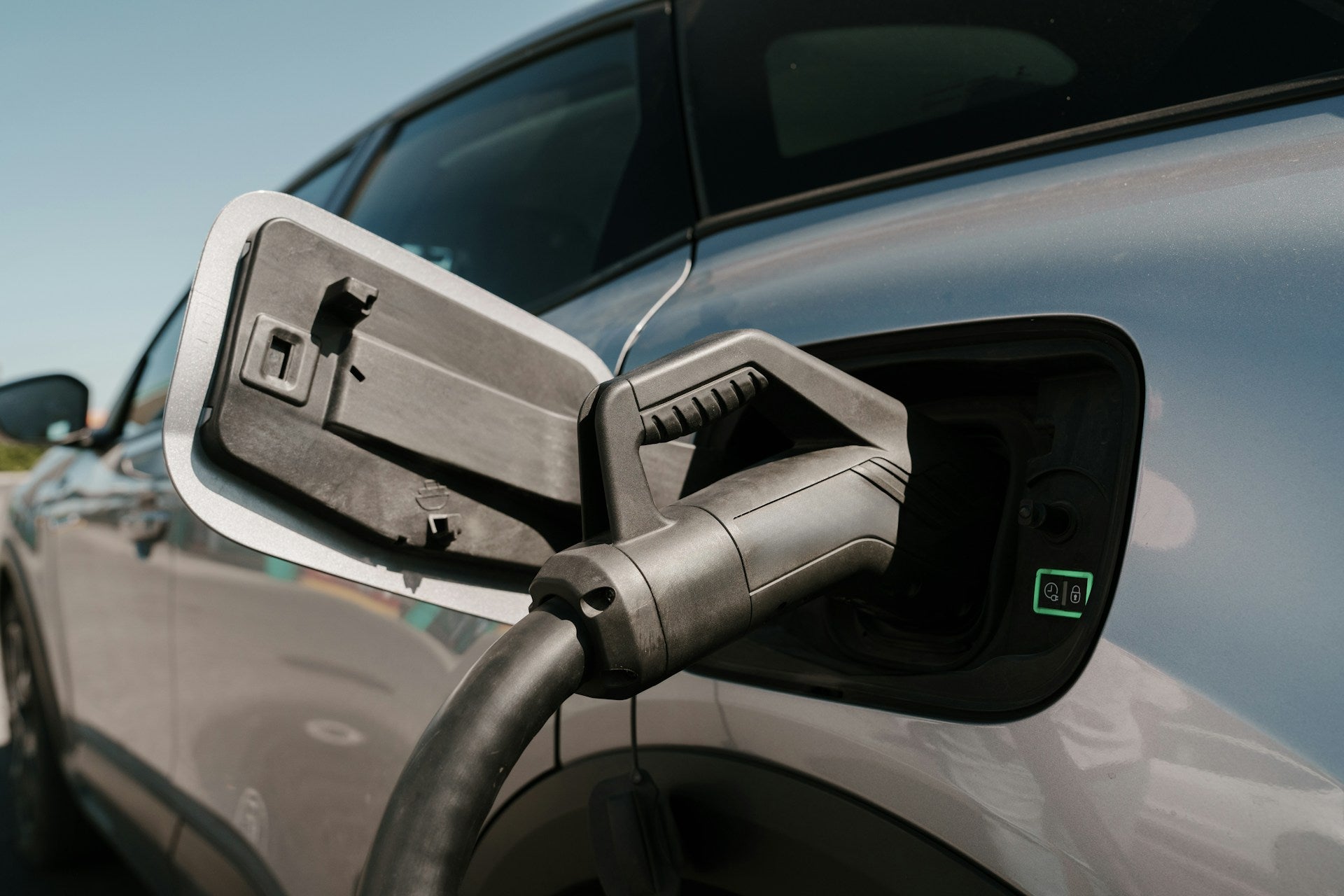
Charging Strategies for Hyundai EV Drivers in Riverhead Smart charging is one of the easiest ways to make your Hyundai EV feel simple and stress-free, especially when you are driving all over Long Island. Between beach runs, visits to the Hamptons, and slow traffic on the LIE, how and when you charge can make a big difference in comfort and confidence. more Hyundai EV charging in Riverhead does not have to be confusing. When you know your battery, understand your range, and plan a few go-to charging spots, it all becomes part of a normal routine. We want to share practical tips that fit real life on the East End so you can enjoy the drive and worry less about the next plug in. Understanding Your Hyundai EV Battery and Range Your Hyundai EV battery stores energy kind of like a fuel tank, but for electricity. The state of charge, or SoC, is the percentage you see on your screen. Range shows how many miles the car expects you can travel with that charge. That range is a smart guess, not a promise. It can change with things like: Higher speeds on the LIE Stop-and-go traffic on Route 58 Strong A/C use on hot, sunny days Hills, wind, and how much weight you are carrying For daily driving, many EV owners find it helpful to keep the battery in the middle, not always at the top or bottom. A simple habit is: Try not to run down close to 0% unless you have to Use a daily charge target around 80% or 90% for normal days Save 100% charges for longer trips when you really need the extra range Your Hyundai gives you tools to stretch your miles too. The range display updates as you drive, so you can quickly see how your style affects it. Eco or Normal drive modes can help you keep power use in check. Regenerative braking recovers some energy when you slow down, which is especially helpful in local traffic and on back roads. Planning Hyundai EV Charging in Riverhead and Beyond Hyundai EV charging in Riverhead is most efficient when you already know where you like to charge. Think about the places you spend time, then match them with charging options. Common charging spots might include: Home charging in your driveway or garage Workplace charging, if your employer offers it Public stations near grocery stores and shopping on Route 58 Chargers close to parks, beaches, or your usual lunch stops Your Hyundai navigation and connected services can show nearby chargers, tell you what kind of plug they use, and give you an idea of charging speed. Popular charging apps can help too, with real-time info about which stations are open or busy. For summer weekend trips to spots like the Hamptons or Montauk, it helps to plan ahead a bit: Check possible chargers along your route before you leave Pick a backup option, just in case one station is full or offline Add a small buffer to your range so you are not down to single digits on arrival Use fast chargers for quick top-ups, then finish charging at your lodging or at home A few minutes of planning can mean more time on the sand or at dinner and less time watching a progress bar. Smarter Home Charging for Long Island Summers Home charging is where most EV owners find their routine, and it can be simple. There are two common levels: Level 1: Uses a standard household outlet, adds only a few miles of range per hour, good for light commuting Level 2: Uses a 240V outlet, often adds much more range overnight, better for longer daily drives or frequent trips If you drive shorter distances around Riverhead, Level 1 may cover your needs as long as the car can sit and charge for many hours. If you often go back and forth across the Island, a Level 2 setup usually offers more comfort and flexibility. Many electric plans have off-peak hours, often at night. Your Hyundai lets you schedule charging so you can: Start charging late at night instead of during the hottest part of the day Wake up with the battery ready to go Help reduce strain on the grid when A/C use is high Preconditioning is another smart move in summer heat. While the car is still plugged in, you can cool the cabin and bring the battery closer to its ideal temperature. That way: You use energy from your home, not from the battery, to cool the car The cabin feels better the moment you start driving You keep more range for the road rather than for cooling down a hot interior Maximizing Public Charging on Long Island Roads Public charging becomes more important as you explore farther from home. Choosing the right charger saves time and stress. You will usually see two main options: Level 2 public chargers: Great for longer stops like shopping, dining, parks, or visiting friends DC fast chargers (Level 3): Best for quick top-ups when you are on a schedule or driving long distances If you are grabbing a meal or running errands, a Level 2 charger often fits naturally into your plans. For a fast stop during a trip between the city and the East End, a DC fast charger lets you add a good chunk of range in a short visit. Good public charging manners help everyone, especially on busy summer weekends: Move your car when you have enough charge to reach your next stop comfortably Avoid staying parked at a fast charger after your session ends Leave cords neat and clear for the next driver It also helps to understand charging curves. Many EVs charge fastest at lower states of charge, then slow down as they get closer to full. After about 80%, the speed often drops quite a bit. For many trips, it can be quicker overall to: Charge more often in shorter bursts Aim for something like 20% to 80% instead of 10% to 100% Use slower chargers to finish topping off if you are going to be parked for a long time That way Hyundai EV charging in Riverhead and across Long Island feels more like quick refills and less like long waits. Let Riverhead Hyundai Power Your EV Confidence Smart charging is not just about plugs and cables; it is about feeling relaxed every time you head out, whether it is a short drive through town or a long day across Long Island. With a little knowledge about your Hyundai battery, a few planned charging spots, and simple home habits, EV ownership can fit smoothly into your daily life. At Riverhead Hyundai, we are here as a local resource for EV questions, from charging strategies and home setup guidance to showing you how to use your vehicle settings for easier daily charging. Our service team can also check that your Hyundai EV systems are ready for warm weather driving so you can stay focused on where you are going, not on where to plug in next. Make Your Daily Commute Easier With Confident EV Charging If you are ready to simplify life with electric driving, our team at Riverhead Hyundai is here to help you understand Hyundai EV charging in Riverhead and find the setup that fits your routine. We can walk you through home charging options, local public charging resources, and what to expect in real-world driving. Reach out so we can answer your questions and schedule a time to talk, or simply contact us to get started today.

Hyundai

Summer Road Trips in a Hyundai SUV From Riverhead

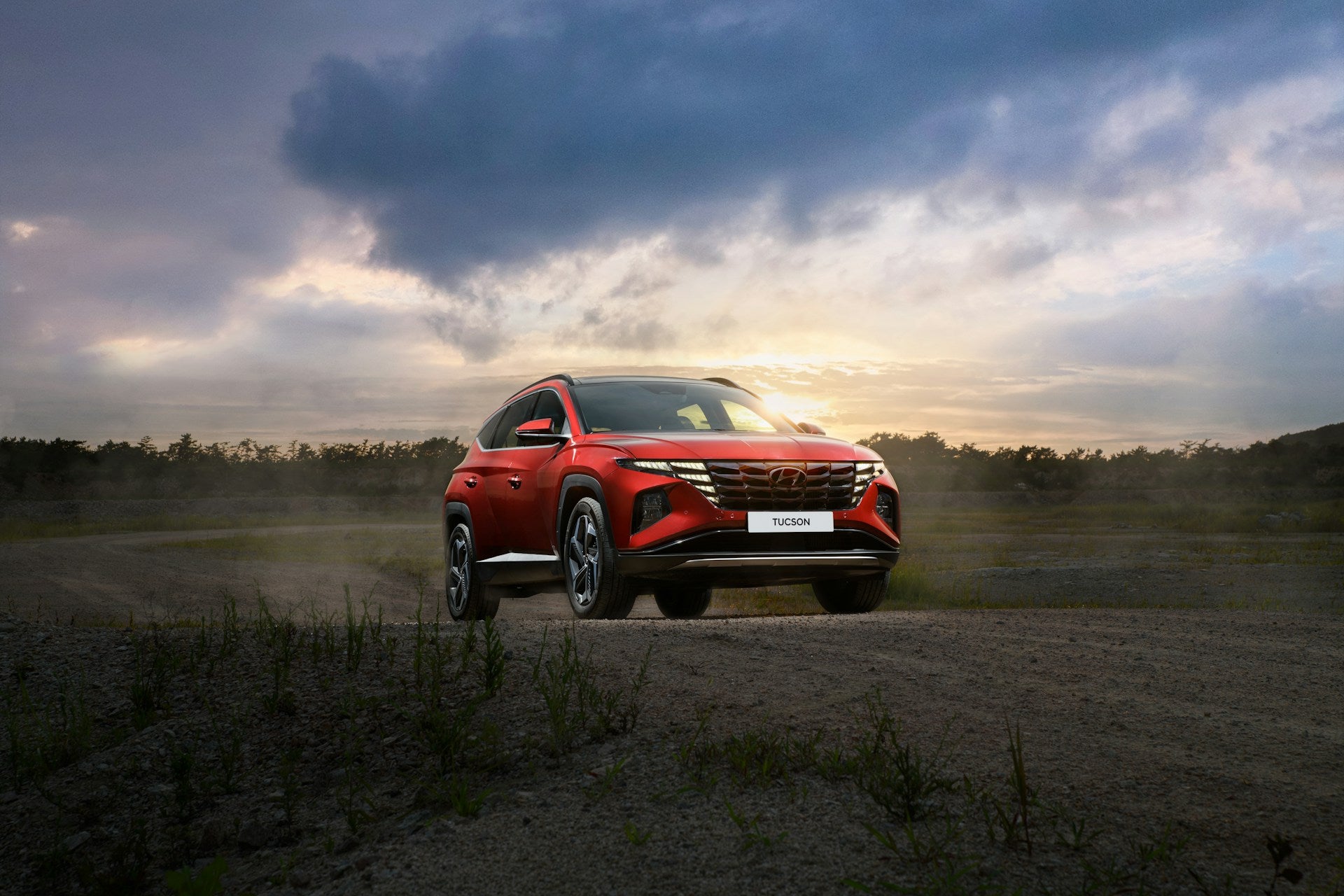
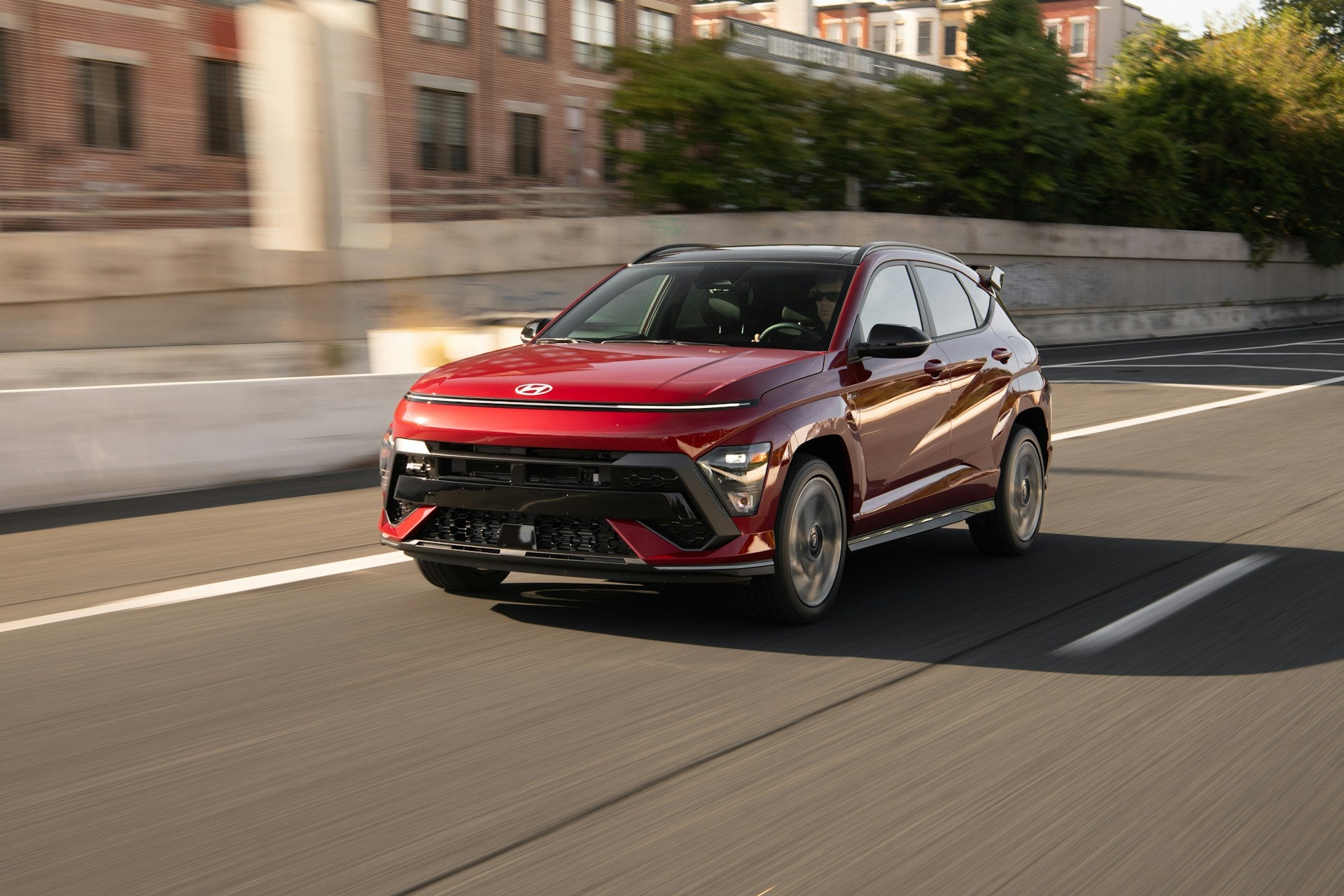
Hit the Open Road in Comfort This Summer Summer on Long Island is made for driving. Beaches, farm stands, wineries, and day trips are all within easy reach when you have the right SUV. When you are spending hours in the car with family, friends, or pets, comfort and smart features matter just as much as where you are going. more Hyundai SUVs make those long days on the road feel easy. With roomy cabins, helpful tech, and smooth ride quality, they fit everything from beach chairs and coolers to strollers and sports gear. Whether you are heading from Riverhead out to Montauk or just over to a local bay beach, the right SUV can turn the drive into part of the fun. At Riverhead Hyundai, we see how much drivers across Suffolk County rely on their SUVs during summer. We are here to help you understand what makes Hyundai SUVs in Riverhead such a smart choice for warm-weather road trips, weekend getaways, and everyday family life. Reasons Hyundai SUVs Are Built for Summer Adventures When the sun is strong and the days are long, you want an SUV that keeps everyone relaxed, cool, and organized. Hyundai SUVs are designed with real life in mind, so they work just as well for a week away as they do for a quick ride to the beach. Roomy interiors and flexible seating are a big plus on summer trips. Many Hyundai SUV models offer: Split-fold rear seats to balance passengers and cargo Large rear openings to slide in coolers, umbrellas, and folding chairs Lower load floors that make it easier to lift heavy bags Available third-row seating in some models for bigger families or carpools Fuel efficient powertrains help keep summer driving more manageable. When you are running back and forth between the North Fork, the Hamptons, and home, good mileage is a welcome feature. Some Hyundai SUVs also offer hybrid setups in the lineup, which can help stretch your fuel stops on longer drives. Comfort features make a big difference in July and August. Depending on model and trim, you may find: Ventilated front seats that help you cool down faster after the beach Panoramic sunroofs so everyone can enjoy the sky without the wind noise Dual-zone climate control to keep temperature battles to a minimum Wireless charging pads for phones and earbuds Modern infotainment screens with simple touch controls All of this comes together to make your SUV feel like your summer home on wheels. Explore Long Island Destinations in a Hyundai SUV Living or staying near Riverhead puts you in a great spot. You are close to the North Fork, the South Fork, and plenty of spots in between. A well-equipped Hyundai SUV makes exploring those places easy and comfortable. Popular day and weekend trip ideas include: North Fork wineries, farm stands, and quiet bay beaches Montauk for fishing, hiking, and oceanfront views Hamptons towns for shopping, dining, and people-watching Parking areas near Fire Island ferry terminals for a car-free beach day Hyundai SUVs handle the mix of roads you see on Long Island. From smooth parkways and crowded main streets to gravel lots at farm stands, light off-pavement sections, and sandy beach parking areas, SUV ride height and suspension tuning help you stay confident and in control. Cargo space also matters when you are packing for these local trips. It is easier to say yes to beach toys, extra towels, and that second cooler when you know you have room. For many drivers, Hyundai SUVs in Riverhead offer a good blend of city-friendly size and vacation-ready space, so you do not have to choose between comfort and practicality. Tech and Safety Features That Make Long Drives Easier Summer traffic can be stressful, especially on busy weekends. That is where the safety and driver-assistance features available in Hyundai SUVs can help reduce strain. Many models in the lineup offer Hyundai SmartSense driver-assistance technology. Depending on the model and trim, you may find features such as: Adaptive cruise control to help with stop-and-go on the expressway Lane keeping assist to help you stay centered in your lane Blind-spot monitoring to give extra confidence when changing lanes Rear cross-traffic alerts when backing out of crowded parking spots These systems do not replace safe driving, but they can support you during long days behind the wheel. Inside the cabin, tech keeps everyone entertained and on track. Available features may include: Apple CarPlay and Android Auto for easy access to maps, music, and calls Built-in navigation on some trims to help you find new beaches and back roads Multiple USB ports so everyone can charge devices Clear sound systems so podcasts and playlists come through clean Family-friendly touches like LATCH anchors for child seats, rear occupant alerts to remind you to check the back seat, and available surround view cameras can all add peace of mind. When you are a parent or caregiver, knowing your SUV is designed with families in mind helps you relax and enjoy the trip more. Plan a Stress-Free Road Trip From Riverhead A smooth road trip starts long before you pull out of the driveway. Taking care of your Hyundai with proper service is one of the best ways to avoid headaches on the road. Before a big summer drive, it is smart to have key items checked by a professional service team. Common pre-trip checks include: Oil and filter condition Tire tread, pressure, and alignment AC performance so the cabin stays cool Brake wear and brake fluid levels Battery health and charging system Staying current with maintenance gives your SUV a better chance to perform well in heat, traffic, and stop-and-go conditions. Packing also plays a big role in stress-free travel. A simple checklist can keep you from forgetting the basics: Emergency kit with jumper cables, flashlight, and basic supplies Sun protection like sunscreen, hats, and extra water Snacks and drinks to cut down on stops Chargers, power banks, and headphones Beach gear, towels, and a change of clothes Pet supplies if your four-legged family members are coming along At Riverhead Hyundai, our service team helps local drivers get their SUVs road-trip ready with seasonal maintenance and tire options that are suited to summer driving around Long Island and beyond. Find Your Ideal Hyundai SUV for Summer Travels The right SUV depends on how you live and travel. Some drivers want a smaller model that is easy to park in village centers. Others need three rows for kids and friends. Many fall somewhere in between and want a flexible midsize option. Hyundai offers a range of SUVs, including options like the Kona, Tucson, Santa Fe, and Palisade in the broader lineup. Each has its own strengths in terms of size, seating, and available features. Hands-on seat time is the best way to decide what feels right for you, your family, and your favorite summer activities. At Riverhead Hyundai, we help drivers compare new and pre-owned options, explore different trims and features, and work with our finance team to find payment paths that match their plans. Whether you have your eye on a compact SUV for quick beach runs or a larger family hauler for long trips, there is likely a Hyundai SUV that fits your style and your summer. Discover Your Ideal Hyundai SUV With Confidence Explore our full lineup of Hyundai SUVs in Riverhead and see which model fits your lifestyle, commute, and budget best. At Riverhead Hyundai, we take the time to answer your questions and walk you through features, trims, and financing options so you can make a clear, confident decision. If you are ready to take the next step, schedule a test drive or ask a question anytime through our contact page.

Hyundai

Hyundai Trade-In Inspection Checklist in Riverhead: What Appraisers Check

Hyundai Trade-in Inspection Checklist in Riverhead Getting your Hyundai ready for trade-in is one of the easiest ways to help your offer before anyone even looks under the hood. A little prep can make a big difference, especially when dealerships are busy and appraisers are seeing a lot of vehicles in a short time. When you understand what appraisers look for, you can fix small issues ahead of time and bring in a car that stands out in a good way. more Our Hyundai appraisers follow a clear process when they inspect a vehicle. They look at condition, history, and how your Hyundai drives. This checklist style guide walks through those steps so you know what happens and how to prepare, from the first glance at the exterior to the final paperwork that can support your Hyundai trade-in value in Riverhead. What Appraisers Check First Before anyone pops the hood, the appraiser will notice the overall first impression. A clean, cared-for vehicle suggests regular maintenance and easier lot prep. A dirty car with trash inside or obvious damage hints at more work later. At the first glance, appraisers are mainly judging whether the vehicle looks clean, cared for, and close to “lot-ready,” or whether it will need reconditioning. They’re also looking for obvious cosmetic issues that signal wear or past neglect, such as visible dents, scratches, or faded paint, along with interior clutter, stains, or heavy odors. Next, appraisers move to basic vitals that help them quickly confirm the vehicle’s status and completeness. They’ll check the odometer reading, look for any warning lights on the dash, confirm current inspection and registration stickers, and note whether both keys or key fobs are present along with the owner’s manual. In warm weather, a few quick checks matter even more. Strong AC performance on a hot day, clear wiper performance, and tires that look ready for longer drives around Long Island all support confidence in the vehicle. If any of those feel weak, it may be a sign of more attention needed. Exterior, Body, and Tire Inspection Once the first impression is set, the appraiser will walk around the vehicle and look closely at the body and exterior pieces. This is where signs of past damage or neglect often show up. Key exterior checks include: Paint condition, fading, or oxidation Dents, door dings, and scratches Rust spots along the rocker panels or wheel arches Mismatched paint or panels that might point to prior bodywork Signs of flood damage, like water lines or odd corrosion Glass, lights, and trim are also important. The appraiser checks for: Chips, cracks, or “star” patterns in the windshield Working headlights, taillights, turn signals, and fog lights Intact mirrors, moldings, and badges No taped-up or missing trim pieces Tires and wheels tell a story about how the vehicle has been used and maintained. Appraisers look at tread depth, whether the wear is even across the tire, and whether the rims have curb rash or deep scratches. They also check if all four tires match in brand and size, and they may look at the condition of the spare tire and jack if it’s easy to access. Simple steps like checking tire pressure, cleaning wheels, and fixing small chips in the windshield can help the visual impression a lot. Interior Condition, Comfort, and Features Once inside, the focus shifts to how the Hyundai looks, smells, and feels. Appraisers know that the interior is where the next driver will spend all their time, so they pay close attention. They will notice common condition issues such as seat stains, rips, or worn bolsters, along with pet hair or deep odors (especially smoke or heavy perfume). They also look at carpet and floor mat wear, including holes or burns, and they may flag a sagging or stained headliner or broken or loose interior trim pieces. Next, they test the controls and technology. Even if your Hyundai is not the newest model, working features support confidence in the vehicle: Infotainment screen, radio, and backup camera Bluetooth pairing and speaker sound Power windows, locks, and mirrors Seat adjustments, including power and memory where equipped Steering wheel controls and horn Comfort features matter too, especially in summer. Appraisers often check: How fast the AC cools the cabin Front and rear defrosters for clear glass Sunroof or moonroof operation and any water leaks Heated or ventilated seats, if the vehicle has them Before you visit, a thorough interior cleaning, wiping down surfaces, and removing personal items are simple ways to help your Hyundai show better. Mechanical Health, Test Drive, and Records Mechanical condition is a big part of Hyundai trade-in value in Riverhead. Even if the exterior looks great, problems under the hood or on the road can affect confidence. Under the hood, appraisers often glance at: Engine oil level and appearance Coolant level and color in the reservoir Brake fluid level Any obvious fluid leaks around the engine bay Cracked belts or swollen hoses Aftermarket parts that look poorly installed If possible, there will be a short test drive. During that time, the appraiser listens and feels for: How smoothly the engine starts and idles Acceleration without hesitation or jerking Smooth transmission shifts Straight tracking, without the car pulling to one side Any clunks, squeaks, or vibrations Safety items are part of this too. Brakes should feel firm and stop the car smoothly, and the steering should respond without play. Tire pressure should be in a normal range, and active warning lights like check-engine, ABS, or airbag signals can raise concerns. Many appraisers will scan for stored trouble codes, even if the light is off. Paperwork and history support everything the appraiser sees. Helpful records include: Service receipts and proof of regular oil changes Records showing completed recall work Documentation for major repairs like new brakes or a new battery Any warranty booklets that still apply A clean vehicle history report, fewer previous owners, and no major accidents usually help support a stronger offer. Smart Prep Steps Before Your Appraisal A few simple steps before you visit can put your Hyundai in its best light without turning it into a big project. Focus on the items appraisers notice first and things that are quick to fix. Good prep steps include: Getting a basic wash and vacuum Wiping interior surfaces and glass Clearing out trash, beach gear, and personal items Replacing dead bulbs or old wiper blades Topping off washer fluid and other basic fluids If you have time, consider low-cost fixes that often have a bigger impact: Addressing a small windshield chip before it spreads Replacing very worn tires that are nearly bald Having an obvious check-engine light diagnosed by a professional Finally, timing and presentation help. Bringing your Hyundai in clean, with both keys, your service records, and without a trunk full of luggage makes the appraisal smoother and more efficient. Doing this before you put on a lot more miles from extra road trips can also support a better overall impression of your vehicle’s condition. Unlock More For Your Next Hyundai With a Smart Trade-In If you are ready to upgrade your ride, let Riverhead Hyundai help you understand your Hyundai trade-in value in Riverhead so you can plan confidently. Our team will walk you through what impacts your vehicle’s value and how to get the most from your trade. Have questions or prefer to speak with someone directly about your options? Simply contact us and we will help you take the next step toward your new Hyundai.

Hyundai

Digital Hyundai Buying Options for Suffolk County Drivers

Digital Hyundai Buying Options for Suffolk County Drivers Buying a car should fit into your life, not take it over. Many Suffolk County drivers want the ease of online shopping, even for something as big as a new or used Hyundai. You want clear information, simple tools, and less time sitting at a desk. That is exactly what Hyundai digital sales in Suffolk County are about. With the right online tools, you can research models, build your deal, and set up service from home, while still having real people ready to help when you need them. Here is how the process works, step by step. Shop Your Next Hyundai From Home More drivers are getting comfortable making large purchases online. You may already order groceries, clothes, or home items from your phone. Car shopping can work in a similar way, just with more support and a few extra steps. With Hyundai digital sales in Suffolk County, you can: Start your search at home on your own schedule Handle most of the paperwork online Leave only the test drive and final signatures for in-person This is especially helpful for: Busy families juggling school, work, and activities Long Island commuters who do not want to spend a whole day at the store Summer visitors and local drivers who would rather be at the beach than in an office You move at your own pace, whether you are just starting to look or you are ready to pick out your next Hyundai. Browse Models Online with Confidence A good online experience starts with clear, detailed inventory pages. From your phone, tablet, or laptop, you can scroll through a wide range of new and used Hyundai vehicles and narrow things down based on what matters most to you. Helpful filters usually include: Price and payment range New, used, or certified pre-owned options Trim level and features Mileage and body style Each vehicle page gives you a closer look, such as: Multiple photos and sometimes 360-degree views Feature lists, including safety, comfort, and tech features Fuel economy details Vehicle history reports on many pre-owned models Online comparison tools also make it easier to line up a few choices side by side. You can compare trims of the same Hyundai model or look at different models altogether and see how features, size, and estimated payments stack up. By the time you step into the showroom, you already have a short list you feel good about. Customize Your Deal From Your Couch Once you have a few favorites, the next step is shaping a deal that feels right for your budget and lifestyle. Digital retail tools let you handle much of this from home, without pressure. You can start by exploring: Lease vs. finance options Different down payment amounts Term lengths that match your plans Online tools often let you plug in a trade-in vehicle so you can estimate its value. As you adjust numbers like down payment or loan length, you can see estimated monthly payments update in real time based on current offers and incentives. This is a big benefit if you: Want to test different scenarios before talking to a finance specialist Prefer to know your numbers ahead of time Like to take a little extra time to read about protection plans and coverage You stay in control, with clear, simple views of what your deal could look like before you take the next step. Secure Financing with Streamlined Online Tools Financing is usually the part that takes the longest at the dealership. Digital tools help shorten that by moving much of the process online, where you can complete it at your own pace. A secure online credit application lets you: Share your information from home Cut down on repeat questions at the showroom Get a head start on bank or lender approvals Once you are pre-approved, you have a better idea of your budget range. That means: You can focus only on vehicles that fit your comfort zone You are less likely to be surprised during final numbers You can plan for add-ons like protection plans or accessories with more confidence After you submit your information, finance experts can follow up by phone or digital message. They can go over terms, answer questions, and walk you through any Hyundai specials that may match your profile. Enjoy Convenient Test Drives, Delivery, and Service Scheduling Even with a strong online process, test driving is still important. You want to feel the ride, check the space, and see if the tech is easy to use. Digital tools make that part smoother too. From your device, you can: Pick a day and time for a test drive Share which vehicle or trim you want to try Let the team know if you have a trade-in to review Some drivers may be able to ask about at-home test drive options or arranged pickup in nearby areas, while others might prefer a quick, organized visit where the vehicle and paperwork are already prepared. In many cases, digital document review and electronic signatures, where allowed, can speed things up so you spend more time getting to know your vehicle and less time at a desk. After you drive home, the digital tools stay useful. Keeping your Hyundai in good shape matters, especially with Suffolk County traffic, hot summers, and road trips. Online service tools can help you: Schedule maintenance and repairs through a service scheduler Plan ahead for oil changes, tire rotations, and brake checks Request AC checks or road trip inspections before longer drives Review service specials or request parts information Appointment confirmations by email or text keep things simple. You pick a time that works, drop off your Hyundai, and let the service team take it from there. Begin Your Digital Experience with Riverhead Hyundai Hyundai digital sales in Suffolk County bring together the best of both worlds: the ease of online shopping and the support of a local team that knows Long Island driving. You can research models, compare trims, build your deal, and line up financing right from your couch, then visit in person only when it is time to test drive and sign. At Riverhead Hyundai, we design our online tools to be simple and clear, so you can feel confident at every step, whether you are planning summer road trips, getting ready for back-to-school driving, or just upgrading your daily commute. When you are ready to take the next step, you can explore inventory, start an online finance application, or plan a digital-assisted visit, knowing our team is ready to help at any point along the way. Experience a Faster, Easier Hyundai Buying Process Today Explore how Riverhead Hyundai makes car shopping simpler with our Hyundai digital sales in Suffolk County, letting you browse, customize, and start your purchase from home. You can value your trade, review payment options, and complete key steps online before you ever step into the showroom. If you have questions at any point, just contact us and our team will walk you through the next steps.

Hyundai EV

EV Charging Guide for Hyundai Drivers in Riverhead

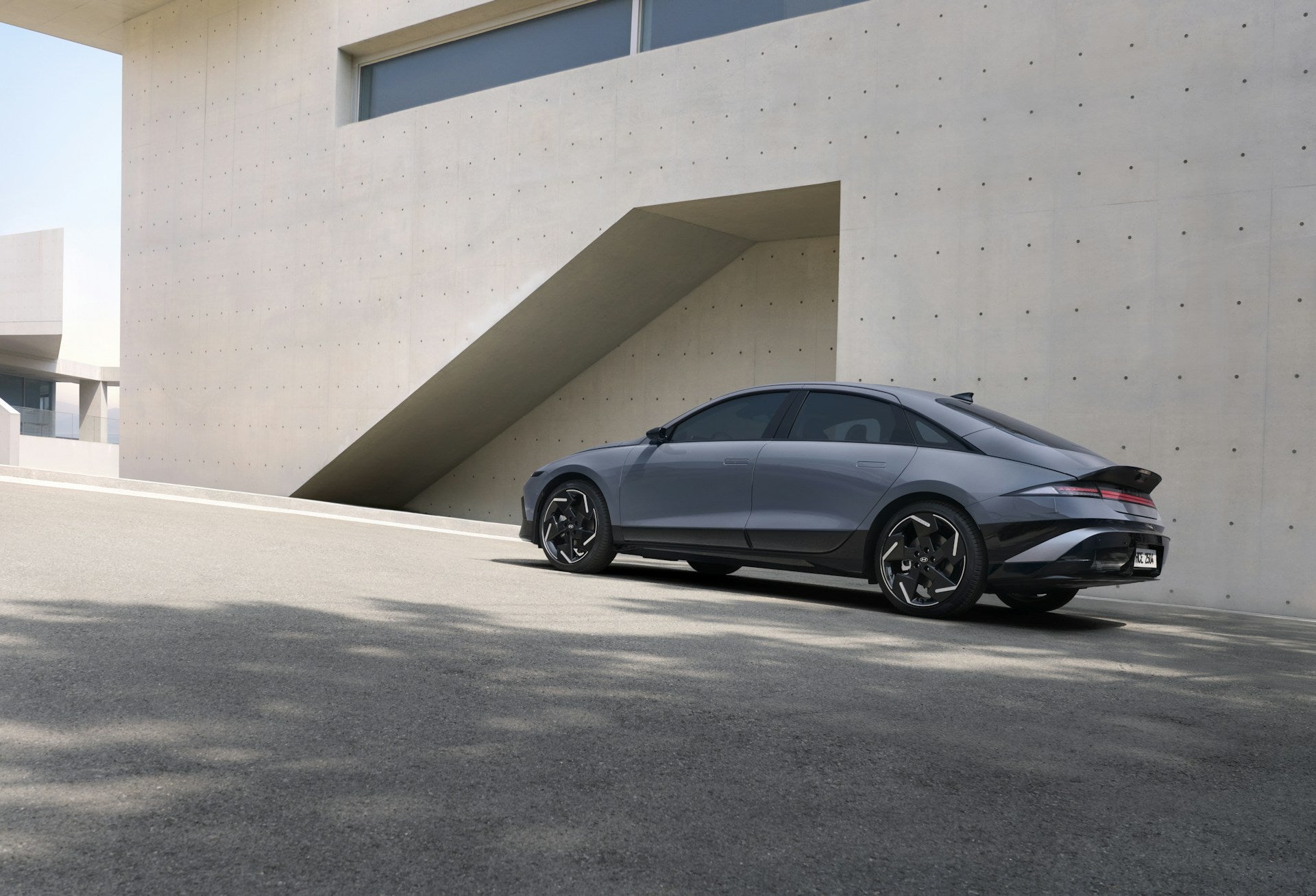
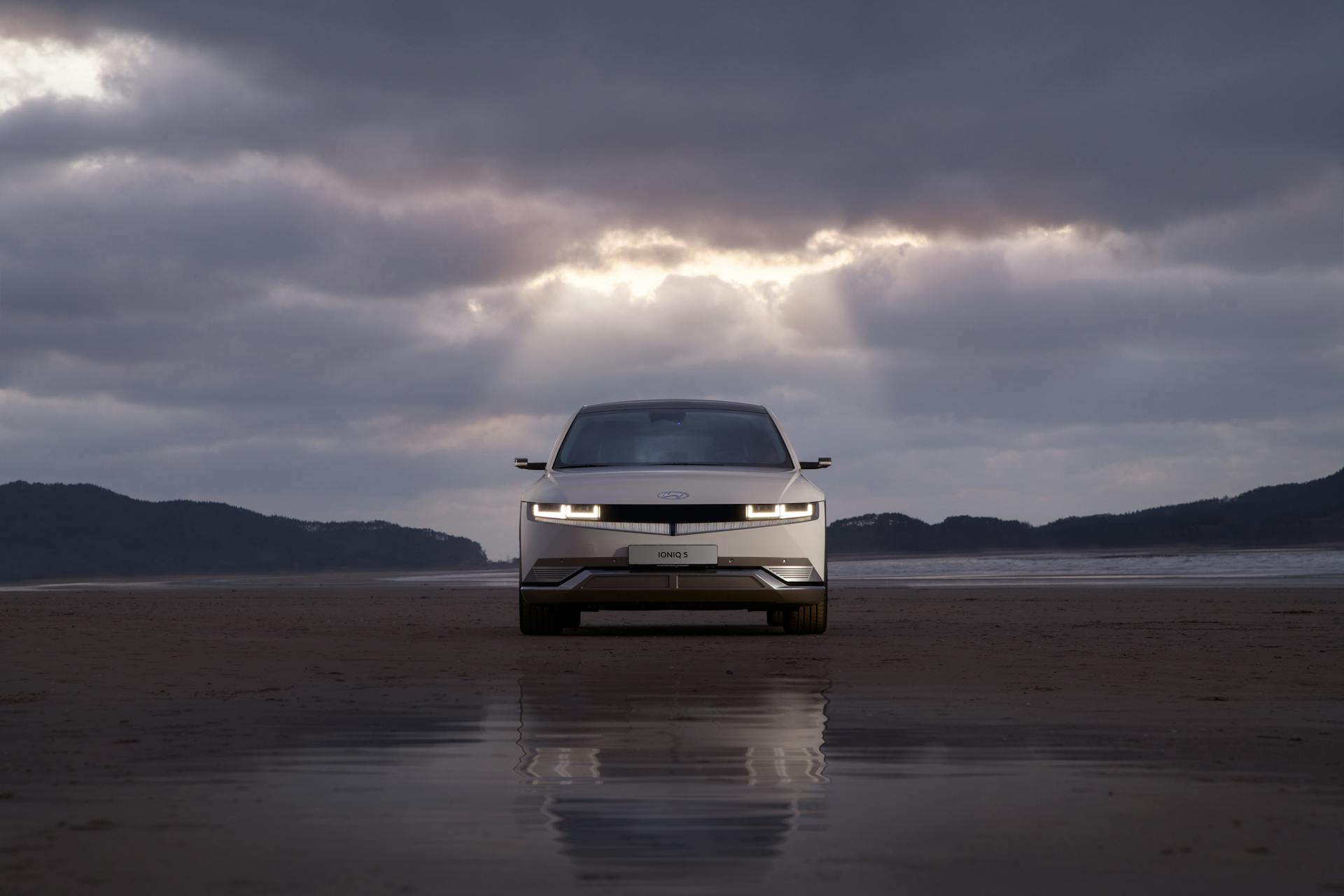
Smarter Summer Charging on Long Island Roads Hyundai electric vehicles are showing up all over Long Island, from Riverhead traffic circles to East End beach lots. With more EVs on the road and more summer trips, smart charging is becoming just as important as picking the right route on the Long Island Expressway. When you understand how and where to charge, you can relax and enjoy the ride instead of worrying about your range. more Hyundai EV charging in Riverhead matters for a few simple reasons: electricity prices can change, public stations can get crowded, and weekend plans do not always go as expected. A little planning helps you handle I-495 traffic, beach days, and winery stops without stress. Our team is here as a local resource, ready to help you choose a charging setup, learn your Hyundai apps, and keep your EV in top shape with certified service and software support. Understanding Your Hyundai EV Range and Battery Needs Range is more than just the number on the window sticker. For models like the IONIQ 5, IONIQ 6, Kona Electric, and Hyundai plug-in hybrids, your real range depends on how and where you drive. Long, steady highway trips toward Montauk, heavy AC use, and stop-and-go traffic across Suffolk County can all change how far you go on a charge. Here are a few simple range basics: Higher speeds use more energy Strong AC on hot, humid days uses power Aggressive starts and hard braking waste energy Hills and heavy cargo can reduce range Charging types are easier than they sound: Level 1: Standard 120-volt outlet, slow, good for short daily miles Level 2: 240-volt home or public charger, great for overnight charging DC fast charging: High-power roadside stations, best for quick top-ups on trips For many Riverhead drivers, Level 2 at home plus occasional public charging fits daily driving to nearby towns. DC fast charging is best saved for longer days on the Long Island Expressway or trips into the city. To keep your battery healthy, daily use does not always need a full 100 percent charge. Many owners stay closer to a middle range for everyday driving, then charge higher for longer road trips. Hyundai battery management systems work in the background to help protect long-term performance, manage heat, and balance cells while you simply plug in and drive. Home Charging Made Easy for Riverhead Hyundai Drivers For most drivers, home charging is the heart of a simple EV life. In Riverhead, that might mean a garage, a driveway next to the house, or a side yard parking spot. You typically have two choices: Level 1 charging uses a regular household outlet and your portable charger. It is slow but can be enough if you drive only a few miles a day. Level 2 charging uses a 240-volt line and a wall-mounted or pedestal charger. It adds range much faster and is ideal for overnight charging. Before installing a Level 2 charger, it helps to check: Your electrical panel capacity and open breaker space Any needed permits or approvals The best spot for cable access and weather protection Working with a licensed Long Island electrician is the safest way to set things up the right way. Our team can point you toward EV-savvy installers who understand local homes and codes. Summer adds a few extra details. Charging schedules can help you line up with any off-peak hours your utility may offer. Cables should be kept off the ground where possible, away from standing water, and protected from direct sun when you can. Outdoor charging should always use equipment rated for outdoor use, with proper covers and mounting. Finding Public Hyundai EV Charging in Riverhead and Beyond Public charging is your backup and your road trip buddy. Around Riverhead, you can often find chargers at: Shopping centers and grocery stores Municipal lots and parking garages Big-box retailers and highway stops Popular spots near beaches, farms, and wineries The main charging networks on Long Island use smartphone apps and cards to start and pay for sessions. Hyundai connected services and in-car navigation can help you: Find active stations nearby See charger types and power levels Check if a station appears available Add charging stops into your route For busy summer weekends, a bit of planning goes a long way. Plan charging around things you are already doing, like grabbing lunch or stretching your legs. Always have a backup charger in mind in case your first choice is full or down for service. Good charging etiquette helps everyone: do not stay parked once you are done charging, keep cords tidy, and be patient with other drivers who may be new to EVs. Fast Charging on I-495 and Long Island Highways DC fast charging is the quickest way to add miles while you travel. Many Hyundai EVs can charge from a low state of charge to around 80 percent in a short session at higher-power stations. The key detail to watch is the power rating in kilowatts, often shown as numbers like 50 kW, 150 kW, or higher. Your Hyundai will only draw what it can safely use, even if the station is capable of more. For Riverhead drivers, fast charging fits well when: You are heading west on the Long Island Expressway and want a quick top-up You are driving into New York City and want extra range before city traffic You are leaving Long Island for a longer trip and want to start with a fuller battery To treat your battery kindly in hot weather, try to: Use DC fast charging mainly when you actually need it Aim to charge from a lower state of charge up to around 80 percent, instead of sitting at high charge for long periods Use preconditioning features if available, so the battery reaches a good temperature for fast charging For everyday needs, a slower Level 2 charge is often easier on the battery and fits naturally into your routine at home or at work. Maximizing Efficiency in Long Island Summer Traffic Even on sticky July days, you can stretch your range without feeling uncomfortable. Hyundai EVs include drive modes and tools that help you use energy wisely across Suffolk County. Some helpful habits include: Choosing Eco or similar drive modes for daily drives Avoiding sudden hard acceleration where you can Using regenerative braking levels that feel natural to you Planning routes to skip the worst backups when possible Cabin comfort does not have to ruin your range. Preconditioning while plugged in lets you cool the car before you leave, using power from the charger instead of the battery. During your drive, seat cooling and smart fan use can sometimes keep you comfortable with a slightly higher temperature setting. Short breaks in the shade can also help your car cool down faster. Hyundai connected services and in-dash tools can show your energy use in real time, suggest charging stops based on your remaining range, and adjust routes as traffic or weather changes. Over time, you will get a feel for how your Hyundai responds to Long Island roads, and charging will start to feel as normal as filling up a gas tank used to be. Visit Riverhead Hyundai to Power Your EV Journey At Riverhead Hyundai, we enjoy helping local drivers feel confident about Hyundai EV charging in Riverhead and across Long Island. Whether you are trying to choose a home charger, understand public networks, or plan your first long EV trip, our team is ready to walk through it with you at a simple, comfortable pace. Our certified EV service department can support you with battery health checks, software updates, and regular maintenance for both new and used Hyundai EVs and plug-in hybrids. With the right guidance and tools, charging becomes simple, and you can focus on what matters most: enjoying every drive, from quick errands in town to full days exploring the East End. Power Up Your EV Experience With Local Charging Solutions If you are ready to simplify your daily driving, explore how Hyundai EV charging in Riverhead fits your lifestyle and commute. At Riverhead Hyundai, we can walk you through charging options, answer your EV questions, and help you plan for home and public charging. Reach out to our team anytime through our contact page so we can help you take the next step with confidence.

Hyundai

Digital Hyundai Shopping Options for Suffolk County Drivers

Click, Shop, Drive: Hyundai Shopping on Your Schedule Shopping for a car should fit your life, not the other way around. Between work, family, and fun around Suffolk County, sitting in a showroom for hours is not everyone’s idea of a good day. That is where digital Hyundai shopping comes in, letting you handle most of the work when it is convenient for you. more With Hyundai digital sales in Suffolk County, you can start or even finish your purchase online. You can move through each step from home, on a lunch break, or while relaxing after a long day. Busy weekends, summer crowds, and holiday traffic do not have to slow you down, because you control the pace. Our online tools keep everything clear and simple. You see upfront pricing, available options, and the next steps, so there is less rushing and guesswork. By the time you visit the showroom, you can focus on what really matters: seeing the vehicle in person and feeling confident in your choice. Explore Hyundai Inventory From Anywhere When car shopping starts online, the first step is finding the right Hyundai. Our digital showroom puts our new and used inventory in one easy place, ready whenever you are. You can compare models, trims, and features without leaving your couch. Helpful filters let you narrow things down based on what matters most to you, such as: Price range that fits your budget Mileage for pre-owned options Body style like SUV, sedan, or hatchback Fuel efficiency for longer drives Color and interior preferences Features like safety tech or comfort upgrades High-quality photos show the exterior and interior from multiple angles, so you can get a feel for size, style, and layout. Detailed descriptions explain key features, trim levels, and equipment, so you are not guessing what comes with each model. For pre-owned vehicles, online access to history information helps you feel more at ease about past ownership and care. This kind of shopping works well whether you are planning long summer drives, daily Long Island commutes, or weekend trips around Suffolk County. You can compare several Hyundai models side by side, save your favorites, and come back to them later when you are ready to move forward. Build Your Deal with Digital Sales Tools Once you find a Hyundai you like, the next step is building a deal that feels right. Hyundai digital sales in Suffolk County make this part much easier by giving you hands-on control over the numbers. You can customize key parts of your deal online, including: Monthly payment targets Down payment amount Loan or lease term options Protection products you may want to consider With each change, estimates update in real time so you can see how different choices affect your budget. This lets you test different combinations before you ever speak with our team, so you have a clear idea of what feels comfortable. You can also request a trade-in estimate for your current vehicle. By entering a few basic details, you get a general idea of what your trade might be worth. This makes it easier to see the full picture of your budget and how that trade could lower your future payments. The goal is simple transparency. You can see estimated taxes, fees, and possible incentives ahead of time instead of being surprised later. When you do stop in for a visit, you already know what to expect, which helps the whole process feel smoother and less stressful. Secure Online Financing for Suffolk County Drivers Financing is often the part people worry about most, but it does not have to be stressful. Our secure online finance application lets you handle much of this step from home, on your own time, and at your own pace. By applying online, you can: Share your information through a secure form Get pre-qualified before visiting Give our team a head start on finding options Spend less time in the finance office Once your information is submitted, we can review it and begin matching you with possible plans. This helps you see what you may qualify for and gives you more space to compare options before making a final choice. You can also explore any special Hyundai programs or seasonal incentives that may apply to drivers in Long Island and Suffolk County. We know privacy is important. That is why the online application is designed to keep your data protected. When you arrive for a test drive or final review, we can walk you through the options that have already been prepared, instead of starting everything from scratch while you wait. Schedule Service and Pickups the Easy Way Digital tools are not only for buying a car; they help with taking care of it too. If you already drive a Hyundai, online service tools can make staying on track with maintenance much easier. With a few simple steps, you can: Schedule oil changes or routine checkups Plan AC checks before hot weather really hits Set up back-to-school or seasonal safety inspections These tools help you fit service into your schedule without long phone calls or guesswork. You can choose a time that works for you and share details about any concerns, so our team is ready when your vehicle arrives. Depending on what is available, there may be convenient options like pickup and drop-off or text updates that let you know how things are going while you handle your day. Digital service records and reminders can also help you stay ahead of maintenance. Regular care supports your Hyundai warranty and helps protect the long-term value of your vehicle. Instead of trying to remember when you last came in, you can rely on digital reminders that help you plan ahead. Take the Next Step with Riverhead Hyundai Online You do not need to be ready to buy today to get value from these tools. Many Suffolk County drivers start by simply researching Hyundai models online, saving a few favorites, and getting a feel for what is out there. When the time feels right, they are already a few steps ahead. A simple path looks like this: explore Hyundai inventory from anywhere, use Hyundai digital sales in Suffolk County to build a deal that fits your life, send a secure finance application, then plan your visit for a test drive when it works for you. By combining digital convenience with in-person support, you get the best of both worlds, with less pressure and more control at every step. Start Your Online Hyundai Purchase With Confidence Explore how easy it is to shop, customize, and secure your next vehicle with our streamlined Hyundai digital sales in Suffolk County experience. At Riverhead Hyundai, we guide you through every step online so you can move at your own pace and finalize details when you are ready. If you have questions at any point, simply contact us and our team will provide personalized support.

Hyundai EV

EV Charging Spots in Riverhead for Hyundai Owners

Make Summer Driving Easier with Local EV Charging Hyundai EV charging in Riverhead matters more when traffic is heavy, AC is blasting, and every errand seems to take longer. When you know where to plug in and how to plan ahead, driving an Ioniq 5, Ioniq 6, Kona Electric, or a plug-in hybrid feels simple and stress-free. Good charging habits help you keep your range steady so you can focus on fun plans, not the battery gauge. more We are a local Long Island Hyundai dealership, so we talk with EV drivers every day about where to charge around town and how to plan for busier summer months. In this guide, we will walk through local charging options, tips for public stations, planning tools, and easy ways to stretch your range when the weather gets hot. Know Your Hyundai EV Charging Options Around Town It helps to start with the basics. Most public chargers you see around Riverhead fall into two main types, Level 2 and DC fast charging. Both are helpful, they just fit different parts of your routine. Level 2 chargers are common in places where you might park for an hour or more, such as: Shopping centers and outlet malls Municipal parking lots and garages Hotels and inns along main roads Office parks or business centers These chargers are great when you plan to shop, grab a meal, or spend time at a local event. You can add a steady amount of range while you do other things. DC fast chargers are built for quicker stops. They are often placed near: Major roads and highways Large retail areas Travel stops or busy commercial zones Fast charging is especially helpful for Ioniq 5 and Ioniq 6 drivers taking day trips toward the North Fork or Hamptons, or anyone who needs a quick top-off before heading home. Before you pull into a charger, it is smart to: Check availability in a charging app or your EV’s screen Look at the connector type your Hyundai uses Glance at posted prices and time limits This is even more helpful on weekends and holidays when more EV drivers are out and about. A quick check can save you from waiting behind other cars. Top Public Charging Spots in Riverhead to Try First While chargers can move or change over time, there are a few types of locations around Riverhead that many EV drivers try first. These places usually fit well into your normal day, so charging feels natural, not like a chore. Popular spots often include: Downtown parking areas near shops and restaurants Outlet or big retail centers with longer parking stays Waterfront zones or parks where people stay for a couple of hours Downtown parking areas are handy if you want to walk, shop, or eat while your Hyundai charges. You can plug in, enjoy a relaxed stroll, and come back to more range than when you parked. Larger shopping centers and outlet-style areas are useful for errands. You might park, plug in, and then move through your list of stores. By the time you load your bags into the trunk, you have added enough charge for the next part of your day. Waterfront areas or parks are nice when you want to slow down. While you enjoy the view or sit in the shade, your EV quietly adds miles in the background. A few practical tips make these spots work better: Watch for posted parking time limits Move your car when charging is done so others can plug in Keep an eye on any idle fees that may start after a set time Expect more crowding during peak midday and late afternoon hours Charging with good manners helps everyone, especially when warm weekends bring more drivers to the same stations. Plan Stress-Free Hyundai EV Charging in Riverhead A little planning can turn Hyundai EV charging in Riverhead into a smooth part of your day instead of a last-minute scramble. Most EV drivers find that using both charging network apps and their Hyundai’s built-in navigation works best. Here is a simple way to plan: Pick your main destination or route in your Hyundai’s navigation Check where chargers appear along the way Open your favorite charging app to compare those stations Note which stops have the right connectors and good recent reviews Once you see your options, choose one or two likely stops. It helps to have a backup picked out in case a station is busy or temporarily out of service. You can also time your charging to skip the biggest crowds. Early morning or later evening can be calmer, cooler, and easier on your battery and your nerves. Many drivers also like to charge while they eat, since that time is already built into the day. Watching your state of charge and estimated range on the dash keeps range anxiety in check. If you know you have several nearby chargers, heavy traffic toward beaches or vineyards feels less stressful. You are not guessing, you are simply choosing when and where to stop. Maximize Range in Hot Long Island Weather Heat can affect EV efficiency, but a few small habits go a long way. Hyundai EVs give you tools to handle hot days without giving up comfort. Good warm weather range tips include: Pre-condition the cabin while you are still plugged in Use seat coolers and fans before turning the AC to its coldest setting Park in shade or covered areas when you can Avoid letting the cabin heat up to extreme temperatures Driving style also matters. High highway speeds, roof racks loaded with beach gear, and stop-and-go traffic all use more energy. If you ease into the throttle, let regenerative braking do its job, and keep speeds steady when possible, you often notice better range. It is also smart to give your EV a quick seasonal checkup, such as: Making sure tire pressure matches what your Hyundai recommends Confirming that software updates are current Having a professional look over the charging port and cables Reviewing any alerts that show up on your dash Routine care like this helps your Hyundai EV stay efficient and ready for daily driving, summer trips, and everything in between. Visit Riverhead Hyundai for Charging Help and Support Hyundai EV charging in Riverhead does not have to feel confusing or stressful. With a basic plan for local chargers, a few smart habits for hot weather, and a little help from charging apps and your Hyundai’s navigation, you can keep your EV or plug-in hybrid ready for whatever the week brings. At Riverhead Hyundai, our team is here to answer questions about home charging setups, public charging manners, and simple ways to plan longer drives around the North Fork, Hamptons, or beyond. We can walk through your current charging habits, talk about service needs, and show how different Hyundai EVs and plug-in hybrids fit the way you like to drive in the summer and all year long. Power Your EV Journey With Expert Local Support If you are ready to enjoy confident, convenient electric driving, we are here to help you understand all your options for Hyundai EV charging in Riverhead. Our team at Riverhead Hyundai can walk you through home charging setup, public charging solutions, and everything in between. Have questions or want personalized guidance on the best charging plan for your lifestyle? Simply contact us and we will help you take the next step.

Hyundai

Hyundai Trade-In vs. Private Sale in Riverhead: Which Pays More?

Cash in More When You Sell Your Hyundai Selling your current Hyundai should help your budget, not drain your time and energy. The big decision is simple to ask but harder to answer: Is it better to trade in at a dealership or try a private sale to another driver in the Riverhead area? more Late June can be a smart time to make that choice. More people are out driving to the beach, visiting family, and taking longer trips across Long Island, so there is strong interest in reliable, fuel-efficient cars and SUVs. That extra demand can help whether you trade your Hyundai in or sell it yourself. The trick is understanding what really ends up in your pocket after fees, taxes, time, and stress. Our team at Riverhead Hyundai works with local drivers every day, so we see both sides up close. Let us walk through how each option works so you can pick the one that fits your life before summer driving hits full swing. Trade-In vs. Private Sale on Long Island When you trade in, you bring your Hyundai to a dealership and apply its value directly toward your next vehicle. The dealer handles appraisal, paperwork, and resale. With a private sale, you list the car on your own, meet buyers, handle test drives, and complete all the documents yourself. On paper, private sale prices can look higher than trade-in numbers. Online listings often show big asking prices, but that does not always match what people actually accept when the deal gets done. Many private sellers: Drop their price after a few weeks Throw in extras like winter mats or accessories Pay for repairs or detailing to calm buyer worries With a trade-in, the offer is based on what the dealer can realistically resell the vehicle for in the local market. That number is shaped by: Recent Hyundai sales in Suffolk County Seasonal demand for certain models and trims What it will cost to get the vehicle ready for its next owner On Long Island, clean, fuel-efficient Hyundai sedans and SUVs tend to stay in demand, especially as gas use climbs in warmer months. Features like all-wheel drive, active safety tech, and roomy cargo areas can help, while high mileage or visible wear can bring the value down in both trade-in and private sale situations. How Hyundai Trade-In Value in Riverhead Is Calculated Hyundai trade-in value in Riverhead comes from real details about your vehicle, not just a quick guess. The main factors include: Model year and body style Actual mileage on the odometer Full vehicle history and any accidents Trim level and options, like leather or a sunroof Mechanical condition and warning lights Interior and exterior wear Online valuation tools can give you a starting range. Those are useful for getting a ballpark idea before you visit a dealership. But they do not always reflect what is happening right now in our local area. For example, if several similar models are sitting on lots nearby, that can lower demand. If your exact model is popular with local shoppers, that can help your trade-in value. An in-person appraisal lets a trained team check things that online tools cannot, like how the engine sounds, how the transmission shifts, and how much reconditioning will be needed. That reconditioning might include tires, brakes, fluids, and detailing, and it directly affects the offer. There is also a tax angle in New York. When you trade in your Hyundai and buy another vehicle, the value of your trade usually reduces the amount that is taxed on the new purchase. This can feel like extra money in your pocket, because it cuts the tax bill tied to your next car or SUV. What Really Affects Your Private Sale Payout A private sale can look tempting when you see high asking prices online, but it brings its own list of costs and headaches. To sell your Hyundai yourself, you may need to cover: Listing or advertising fees Professional cleaning or detailing Minor body repairs or touch-up paint A pre-sale inspection to reassure buyers There is also your time. You need to answer messages, screen buyers, set up test drives, and meet at safe public locations. Some buyers do not show up. Others arrive late, ask for big price cuts, or keep negotiating even after you agreed on a number. Risk is another piece of the puzzle. You are letting strangers inspect and drive your vehicle. You have to be careful with payment methods and confirm that any cashier’s check or digital transfer is real before you hand over keys and title. Paperwork for title transfer and registration also falls completely on you, which can be stressful if you are not used to it. Timing matters too. Listing right before a major summer holiday can bring eager buyers who want a vehicle quickly, but it can also mean more competing listings as other owners have the same idea. If several similar Hyundais are posted at once, you might be pushed into dropping your price to stand out. When Trade-In Value Beats a Private Sale in Riverhead Once you subtract private sale costs and factor in tax savings from a trade-in, the gap between the two options may shrink more than you expect. In some cases, the net trade-in amount can come very close to what you would actually clear after a private sale, and sometimes it can even work out better. Trading in often makes the most sense when: Your Hyundai has high mileage or visible wear The vehicle needs repairs or maintenance you do not want to handle You are on a tight schedule and need into your next vehicle soon You want to avoid dealing with buyers and paperwork on your own Dealerships may also offer trade-in bonuses tied to certain models or limited-time promotions. These can give your trade extra value that a private buyer cannot match, especially if the dealer knows there is strong local demand for your exact Hyundai. Smart Steps to Boost Your Hyundai’s Value Either Way Whether you trade in or sell privately, a little prep usually helps. Simple, low-stress steps can make your Hyundai look better and feel better to anyone who sees it. Good general prep includes: A basic wash and interior clean Removing personal items and clutter Topping off fluids if needed Gathering service and maintenance records For a dealership trade-in, it helps to: Be upfront about any prior damage or issues Bring both sets of keys and any remotes Include floor mats, manuals, and accessories that came with the car Keep realistic expectations based on mileage and condition If you decide to try a private sale, focus on clear, honest communication. Take photos on a bright day so the color and condition are accurate. In your listing, share basics like year, mileage, trim, and any standout features or recent service. Check recent Hyundai listings in the Long Island area to set a fair, realistic price that leaves a little room for normal negotiation without cutting too far into your bottom line. Drive Into Summer Confident in Your Next Move There is no one answer that works for every Hyundai owner. Sometimes a private sale might bring a higher number, but only if you are willing to spend the time, cover the costs, and take on the risk. Other times, a strong Hyundai trade-in value in Riverhead, along with tax advantages and saved hours, will come out ahead when you look at the big picture. At Riverhead Hyundai, we aim to give clear, transparent appraisals so you can compare a real trade-in offer to what you think you could get on your own. With a solid number in hand, you can decide whether trading in or selling privately is the smarter move for your summer plans and beyond. Unlock More for Your Next Hyundai With a Smart Trade-In If you are ready to see how far your current vehicle can take you toward your next one, we are here to help at Riverhead Hyundai. Start by reviewing our detailed answers about your Hyundai trade-in value in Riverhead so you know exactly what to expect. Then reach out so we can review your options, walk you through the numbers, and tailor a plan that fits your budget. If you have questions or want to schedule a visit, simply contact us and our team will follow up with you.

Hyundai EV

EV Road Trip Planning With Hyundai Fast Charging on Long Island

Make Long Island EV Road Trips Easy This Summer Planning a road trip in an electric vehicle does not have to feel stressful. With longer driving ranges and growing fast-charging options, taking a Hyundai EV across Long Island can be simple and fun. From beaches on the South Fork to wineries on the North Fork, you can enjoy the drive and keep charging time under control. Hyundai fast charging in Long Island helps you take on longer routes with confidence. DC fast chargers, public Level 2 stations, and home charging all work together so you spend more time at your favorite spots and less time waiting. With a little planning, your EV can handle day trips, weekends away, and even regular drives into the city. At our dealership in Riverhead, we help drivers choose the right Hyundai electric or plug-in model and understand how charging works on real roads, not just on paper. We also help you prepare your vehicle for longer drives, so you can focus on enjoying the ride, not worrying about where to plug in next. Understand Your Hyundai EV Road Trip Range Before you plan a route, it helps to understand how far your Hyundai EV or plug-in hybrid can go between charges in the real world. The range listed for your vehicle is a helpful guide, but actual results can change based on how and where you drive. Here are a few key factors that affect range on Long Island roads: Highway speed, stop-and-go traffic, and passing Using the AC, heater, seat warmers, and defroster Extra weight from luggage, beach gear, or passengers Hills, wind, and road conditions Warm late-spring and summer weather can actually help your battery work more efficiently compared to very cold days. At the same time, steady AC use will draw extra power. On a clear day heading from Riverhead toward Montauk or up toward Port Jefferson, you might notice that smooth, steady driving at moderate speeds keeps range more stable. To avoid range anxiety, build a little cushion into your plan. Instead of running down close to zero, think about trips this way: Aim to fast charge when you are around 20 to 30 percent, not near empty Plan scenic stops at places with charging when possible Use meal breaks as natural chances to add to your range For example, if you are heading to the North Fork for wineries, you could plan a stop in a small town with public charging while you walk around or sit down for lunch. On the South Fork, you might time a fast-charging stop near a shopping center before heading out to the beach for the afternoon. A flexible plan keeps the trip relaxed even if traffic or weather changes. Map Out Hyundai Fast Charging in Long Island Hyundai fast charging in Long Island is easier to find than many drivers expect. DC fast chargers are often placed near major routes, shopping areas, travel hubs, and some popular destinations around Suffolk and Nassau Counties. These stations can add a good amount of range in a short visit, which is perfect for longer drives. Your Hyundai EV can help you find and use these chargers. Many models include built-in tools to: Search for nearby DC fast chargers and Level 2 stations Filter by plug type so you know the charger works with your vehicle See estimated arrival charge and charging time Add charging stops into your route automatically You can also use EV charging apps and route planners on your phone. These let you: Check real-time charger availability and status Read general information about the locations See rough estimates of how long a charge might take Here are a few simple sample routes starting from the Riverhead area: Riverhead to Montauk and back: Plan a fast-charging stop near a shopping area partway along the South Fork, then top up again on the return trip if needed. Riverhead to Port Jefferson and back: Use a DC fast charger near a main road or commercial center, then enjoy time at the harbor or local restaurants while your car charges. The goal is to line up charging with something you already want to do, like eat, shop, or explore, so it feels like part of the trip, not an interruption. Balance Fast Charging, Level 2, and Home Charging You do not need to rely only on DC fast chargers on a road trip. On Long Island, it often makes sense to mix fast charging, public Level 2, and home charging so your schedule stays flexible. Here is a quick comparison: DC fast charging: Best for adding a lot of range quickly along highways or on longer drives. Public Level 2 charging: Slower, but great while you are parked for a while at attractions, hotels, or town centers. Home charging: The easiest way to start a trip with a full or near-full battery. On a day trip, start by charging at home the night before. Leave Riverhead with a full battery and head to your first destination without stopping. When you arrive: Plug into a Level 2 charger if your destination has one Use that time for the beach, outlets, a long meal, or a winery visit Save DC fast charging for the way home if you need a quick boost This style of "top-up" charging can greatly reduce dedicated charging stops. For example, a few hours at a Level 2 charger while you shop at outlets or relax by the water can add enough range to skip a fast charge later. Many EV drivers find that planning around what they want to do, not just where chargers sit, makes trips smoother and more enjoyable. Keep Your Hyundai EV Trip-Ready and Protected Before you rely on your Hyundai EV for longer drives, it helps to make sure it is in good shape. Factory-certified service can check key systems that matter for both safety and range. Important areas to review before a trip include: Battery health indicators and charging components Tires, including pressure and tread, for better efficiency and grip Brakes and regenerative braking performance Cabin air filters so AC works more efficiently A short checklist for drivers can also make road trips easier: Keep your charging cable, adapters, and any charging cards in the vehicle Make sure your in-car navigation and apps are updated Review basic charging tips and symbols in your owner’s manual Set up your favorite charging apps before you leave home At Riverhead Hyundai, our team provides EV-focused service, software updates, and inspections to help you feel confident heading out during busy travel periods. With the right prep and a clear plan for charging, your Hyundai EV can be a comfortable and capable partner for exploring Long Island. Power Your EV Experience With Fast, Convenient Charging Explore how Hyundai fast charging in Long Island can fit into your daily routine, from quick top-offs to full road trip readiness. At Riverhead Hyundai, we are here to answer your EV questions, walk you through charger options, and help you map out real-world charging times. If you are ready to take the next step or have specific questions, contact us so we can help you choose the right EV and charging solution with confidence.

Hyundai EV

Making Sense of Hyundai EV Charging Around Riverhead

Making Sense of Hyundai EV Charging Around Riverhead Electric vehicles are becoming a normal sight on Long Island roads, from daily drives along Route 58 to weekend trips out to the North Fork. If you are curious about a Hyundai EV like the Ioniq 5 or Kona Electric, charging is usually the first big question. You want to know where to plug in, how long it takes, and if it will actually fit your life. more We wrote this guide to make Hyundai EV charging in Riverhead clear and simple. We will walk through the basics, show how public and home charging fit into your routine, and share some smart tips so you feel ready for everyday errands and longer trips any time of year. EV Charging Basics for Riverhead Drivers Hyundai EVs are built to handle the mix of local driving we see here: short hops around town, commutes across Long Island, and beach or vineyard runs on the weekends. That is why understanding the three main types of charging is so helpful. Here is a simple way to think about charging levels: Level 1: Standard household outlet, slow but steady Level 2: Home or public 240-volt charger, everyday workhorse DC fast charging: On-the-go, quickest way to add miles Level 1 uses a regular outlet, the kind you already have at home. It is best for light daily driving or as a backup. Level 2 uses a 240-volt outlet, similar to a clothes dryer. Many public stations are Level 2, and this is what most EV owners rely on for overnight charging. DC fast charging is what you find along major routes. It adds a lot of range in a short time and is great for road trips. Hyundai EVs use common charging connectors, so they are compatible with many public charging networks around Long Island. Your charging port is designed to work with: Level 1 and Level 2 AC chargers DC fast chargers that support your Hyundai connector type Public stations listed through major charging apps For daily life, most drivers plug in at home overnight, then top off during the day if needed. A few easy habits help keep your battery happy and ready: Try not to let the battery sit at 0 percent or 100 percent for long periods In very hot or very cold weather, give yourself a little extra range cushion Precondition the cabin while plugged in when possible, so you use less battery on climate control Out on the East End, seasonal temperatures can affect range a bit. Cold snaps can make range drop, and hot, humid days with lots of AC use can do the same. Planning with a bit of buffer helps you feel relaxed behind the wheel. Finding Public EV Charging Around Riverhead If you drive around Riverhead, you will notice more public charging spots popping up in places you already visit. Common locations include: Shopping centers and big-box stores along Route 58 Parking areas near downtown Riverhead Stops along routes toward the North Fork and Hamptons Some hotels, attractions, and workplaces Your Hyundai EV’s built-in navigation can help you find nearby chargers that match your charging port. Many drivers also like to use charging apps on their phone. These tools usually let you: Filter by charger speed (Level 2 or DC fast) See which stations are in use or free Check connector types and estimated charging time In the summer, local roads can get busy with beach traffic and visitors. A little planning goes a long way. You might: Charge earlier in the day before crowds build Pair charging with things you already do, like shopping or dining Choose stops with more than one charger, so you have backup options This way, charging becomes a normal part of your day, not something you have to stress about. Home Charging That Fits Long Island Life For many Riverhead area drivers, home charging is what makes EV ownership feel easy. There are two main choices at home: Use the standard outlet you already have (Level 1) Install a 240-volt Level 2 charger in your garage or driveway Level 1 can work if your daily driving is light and you are patient. Level 2 is better for most people, because it lets you start each day with a fuller battery after an overnight charge. When you are thinking about a Level 2 setup, it helps to: Have a licensed electrician check your electrical panel Talk through where the charger will be mounted Plan for where you park and how you move around the space A professional can guide you on timing, any needed upgrades, and the best location so charging fits smoothly into your routine. With Long Island summers, home energy use can be high from AC and appliances. Many EV owners like to: Charge overnight when other power use is lower Set a charging schedule in the vehicle settings Plug in as soon as they get home, then let the car manage the rest Once it is set up, you simply park, plug in, and wake up ready to go. How Riverhead Hyundai Supports Your EV Experience Owning an EV is not only about the car; it is also about feeling supported after you bring it home. That is where our dealership’s EV-focused services come in. Our service team works with Hyundai electric vehicles and can help with: EV system checks and charging diagnostics Software updates and feature adjustments Battery health evaluations as part of regular maintenance When you are new to EVs, it feels good to have someone walk through the details with you. During the purchase process, we can help you: Understand home charging options and what to ask an electrician Get started with common charging networks Review Hyundai EV benefits and current programs that may apply We also offer Hyundai EV models with different sizes and features so you can match your choice to your driving style, whether you stay close to Riverhead most days or head across Long Island often. Smart Charging Tips for Easy Summer Driving Summer on Long Island usually means more beach days, winery stops, and trips to see friends and family. Hyundai EVs are well suited for this kind of driving, especially when you add a few smart habits. Before a longer drive, many EV owners like to: Start with a full charge from home Precondition the cabin while plugged in, so the car is cool when you leave Mark DC fast chargers and Level 2 backups along the route On warm days, a few small changes can help you keep more range: Use Eco mode when it fits the drive Rely on seat and steering wheel heaters or coolers when available instead of blasting the cabin settings Keep speeds steady and avoid hard acceleration when you can A simple seasonal checklist for Hyundai EV charging in Riverhead might look like this: Check your charging cable for any wear Confirm your charging apps are logged in and updated Review your preferred public charging spots for any changes Make sure your EV software is up to date after regular service With a bit of planning and the right tools, Hyundai EV charging around Riverhead can feel routine and relaxed, from busy summer weekends to quiet weekday commutes. Power Your EV Journey With Expert Local Support If you are ready to make everyday driving simpler and more efficient, we are here to help you understand everything about Hyundai EV charging in Riverhead. Our team at Riverhead Hyundai can walk you through home charging options, public charging solutions, and the EV models that fit your lifestyle. Reach out today through our contact page so we can answer your questions and help you move forward with confidence.

Hyundai EV

EV Summer Road Trip Planning With Your Hyundai on Long Island

Plan a Stress-Free Long Island EV Summer Escape A summer drive on Long Island feels even better when you skip the gas station stops. With an electric Hyundai, you can roll from Riverhead to the Hamptons, Montauk, and the North Fork with quiet power and fewer worries about where to fill up. The key is a little planning so your charging fits easily into your day. more We want your trip to feel relaxed, not rushed. That means knowing your range, planning fun stops near chargers, and getting your Hyundai ready before you go. We will walk through simple steps to plan an easy EV road trip, from route ideas to smart packing tips that work well for beach days and weekend getaways. Hyundai EVs are great for Long Island traffic and highways. They are quiet in stop-and-go traffic, have instant torque for quick merges, and usually cost less to power than gas cars. With local support for Hyundai EV charging in Riverhead and service here at our dealership, you can start your trip already set up for success. Know Your Hyundai EV’s Summer Range and Comfort Before you head out, get familiar with how your Hyundai EV performs in summer weather. Warm temperatures can be good for range, but things like AC use and higher highway speeds can still affect how far you can go on a charge. Your vehicle’s range estimator gives you a live picture of what to expect. A few smart habits help a lot: Use Eco driving mode for smoother power use Take advantage of regenerative braking in traffic Precondition the cabin while plugged in so you are not using battery power to cool down at the start of the drive Preconditioning is especially helpful for Long Island summers. Cool the car while it is still charging at home or at a charger, then the AC will not have to work as hard once you hit the road. Keeping your speed steady on highways like the Long Island Expressway and Sunrise Highway also helps keep range steady. Hyundai EV models like the IONIQ 5, IONIQ 6, and Kona Electric are all built with everyday driving in mind. Their ranges are made to cover common trips like: Riverhead to the North Fork and back A beach day on the South Fork A full outing from Riverhead out to Montauk with a planned charge Knowing your normal daily distance and checking your range display keeps you from guessing. With practice, you will get a feel for how your specific Hyundai responds to your driving style and favorite routes. Map Scenic Long Island Routes Around Charging Stops Long Island gives you plenty of chances to pair charging with something fun. When you plan ahead, charging becomes part of the day instead of a break that feels like lost time. Start from Riverhead, then build in stops where you would want to stretch your legs anyway. Here are a few popular types of routes to think about: North Fork drives, with wineries, farm stands, and quiet water views South Fork visits, with ocean beaches and village shopping A full loop to Montauk Point for hiking, lighthouse views, and seafood Look for chargers near: Restaurants and coffee shops Outlet and local shopping areas Parks, marinas, and waterfront paths That way you can plug in, then walk, eat, shop, or relax while your Hyundai charges. Use your in-car EV navigation to find charger locations and see which ones fit best with your plan. Many drivers also use EV apps to: Save favorite charging spots Check real-time availability before they arrive Read notes about parking, hours, or nearby services This extra five minutes of planning can make a huge difference on busy weekends when traffic and parking are tight. Stay Powered with Hyundai EV Charging in Riverhead A good starting charge sets the tone for your whole trip. Around Riverhead and greater Long Island, you will see a mix of Level 2 and DC fast chargers. Knowing the difference helps you decide where to stop and for how long. In general: Level 2 chargers work well when you will be parked for a longer time, like shopping, dining, or staying overnight DC fast chargers are best for quicker top-ups while you grab a snack or take a short walk Our team at Riverhead Hyundai supports Hyundai EV charging in Riverhead with dealership charging options and EV-focused service. Before a long drive, it is smart to have us: Inspect your charging port and cable Check for any software updates Look over your tires, brakes, and general EV systems On peak summer weekends, chargers can be busy. Plan a backup, just in case your first choice is full. It can help to: Save alternative chargers along Route 25 and Route 24 Look for options off Sunrise Highway and other main corridors Give yourself a little extra range buffer so you are not running too low while you search Having a Plan B keeps your trip calm even if your first station is not available. Pack Smart for EV Beach Days and Weekend Getaways Packing for an EV trip is a bit like any road trip, with a few extras that keep you prepared around chargers and traffic. An organized car also makes beach days easier when sand, wet towels, and coolers start piling up. Consider bringing: Your portable charging cable Charging network cards or apps set up ahead of time A small organizer or bin for beach gear or luggage Phone charging cords for everyone in the car Small habits can help protect your range in hot weather: Park in the shade when you can so the car stays cooler Use the AC at a steady setting instead of constantly changing it Avoid roof cargo whenever possible, and pack inside the car instead For comfort and safety, it is smart to keep a few extras in the trunk: Water and snacks for delays, especially near bridges or construction Sunscreen, hats, and light layers in case your plans change A simple first-aid kit and basic cleaning wipes These items do not take much room, and they make a big difference when traffic is slow and everyone is ready to be at the beach already. Prepare Your EV at Riverhead Hyundai This Summer Before a big drive, a quick EV check gives you peace of mind. At Riverhead Hyundai, we can help get your vehicle ready for Long Island road trips with services like tire inspections, brake checks, and software updates. We can also confirm that your charging equipment is in good shape and answer questions about using public chargers or your in-car EV tools. If you are still deciding which Hyundai EV or plug-in hybrid fits your Long Island lifestyle, our team is here to help you compare options. Whether you are focused on daily commuting, summer home weekends, or long scenic drives out to the forks, we can walk through features that match your needs so every summer drive feels easy, quiet, and fully charged. Power Your EV Journey With Local Expertise Explore how Hyundai EV charging in Riverhead fits seamlessly into your daily driving and long-term plans. At Riverhead Hyundai, we are ready to walk you through home charging options, public charging access, and the EV models that match your lifestyle. If you have questions or want personalized guidance, simply contact us and we will help you take the next step with confidence.

Contact Us

Fill out this form below and we'll contact you shortly

By submitting your information, you agree to the sharing of your information between Hyundai Motor America and its authorized dealers.

*Required Fields