
Blog / New York Hyundai Dealer

Blog

All New York Hyundai Dealer New York Hyundai Service
Hyundai EV

Choosing Hyundai Electric Car Models for Long Island Life

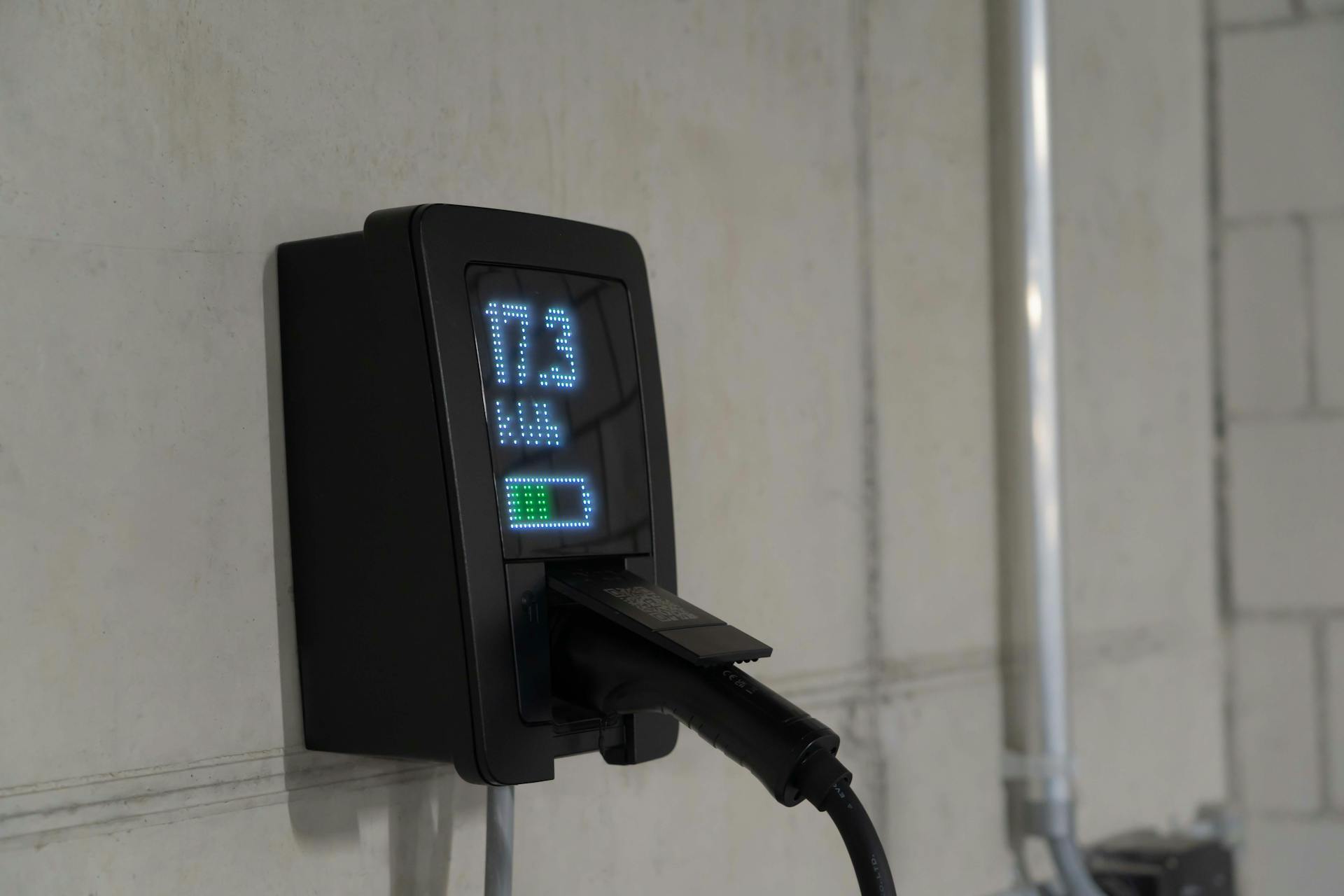
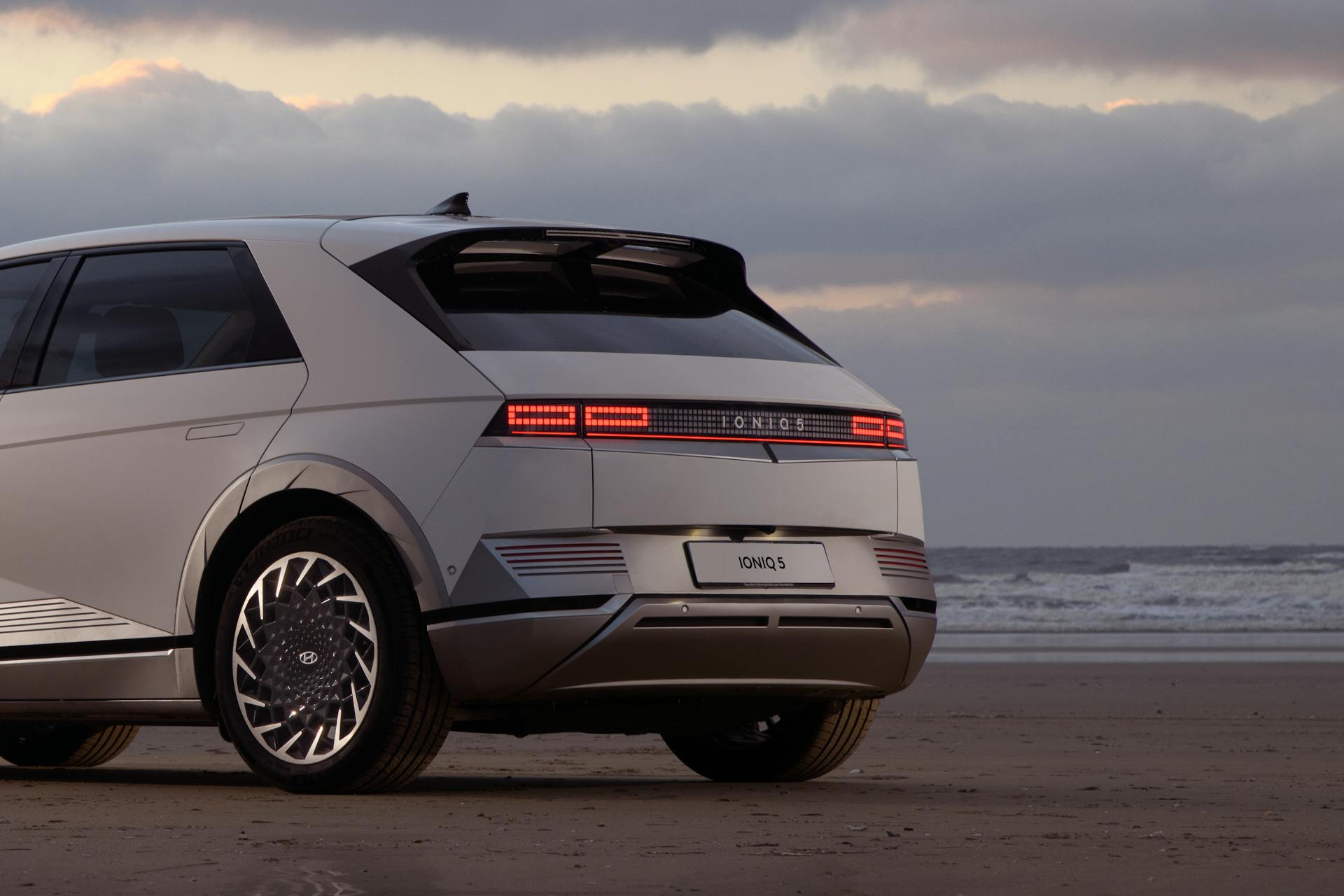
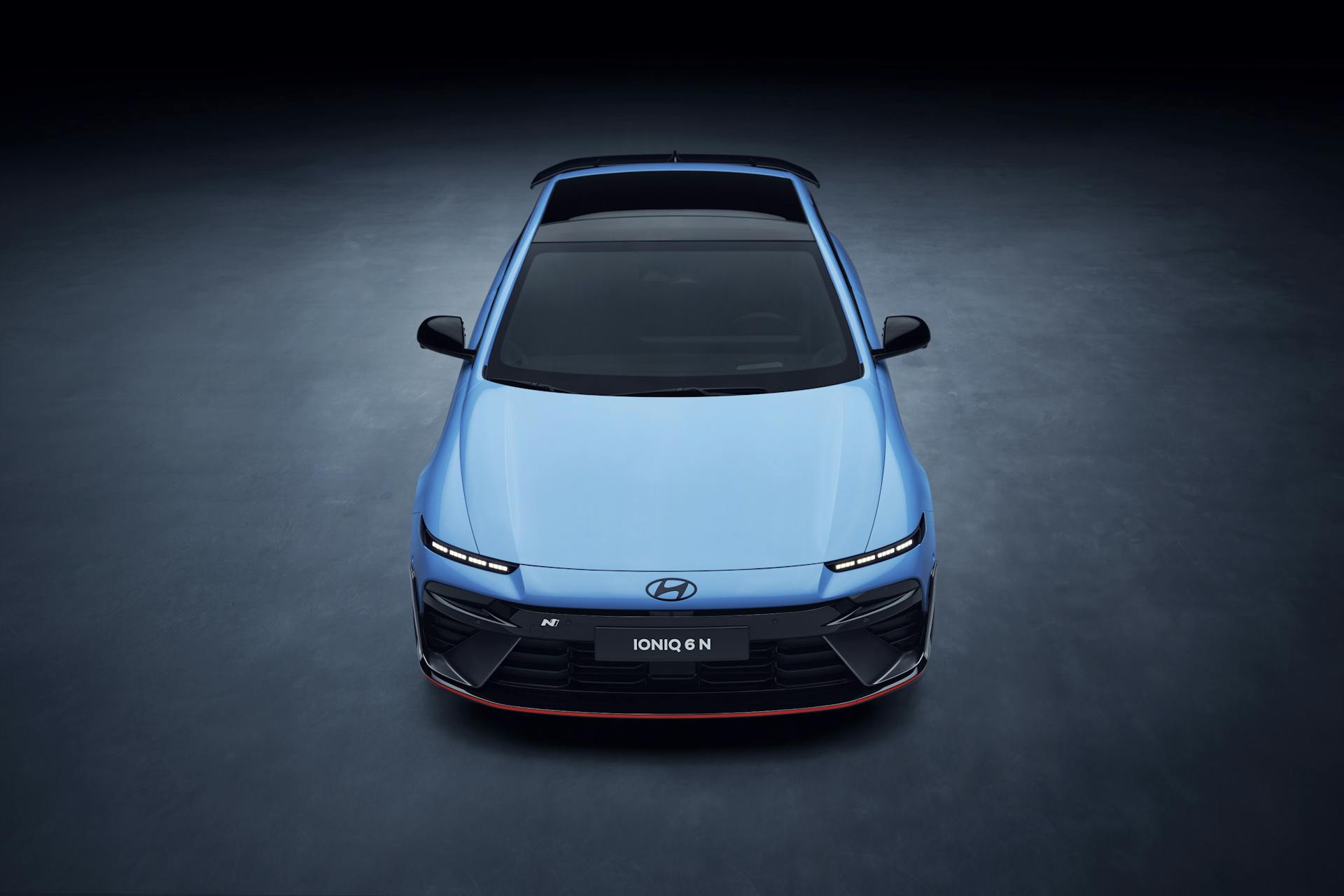
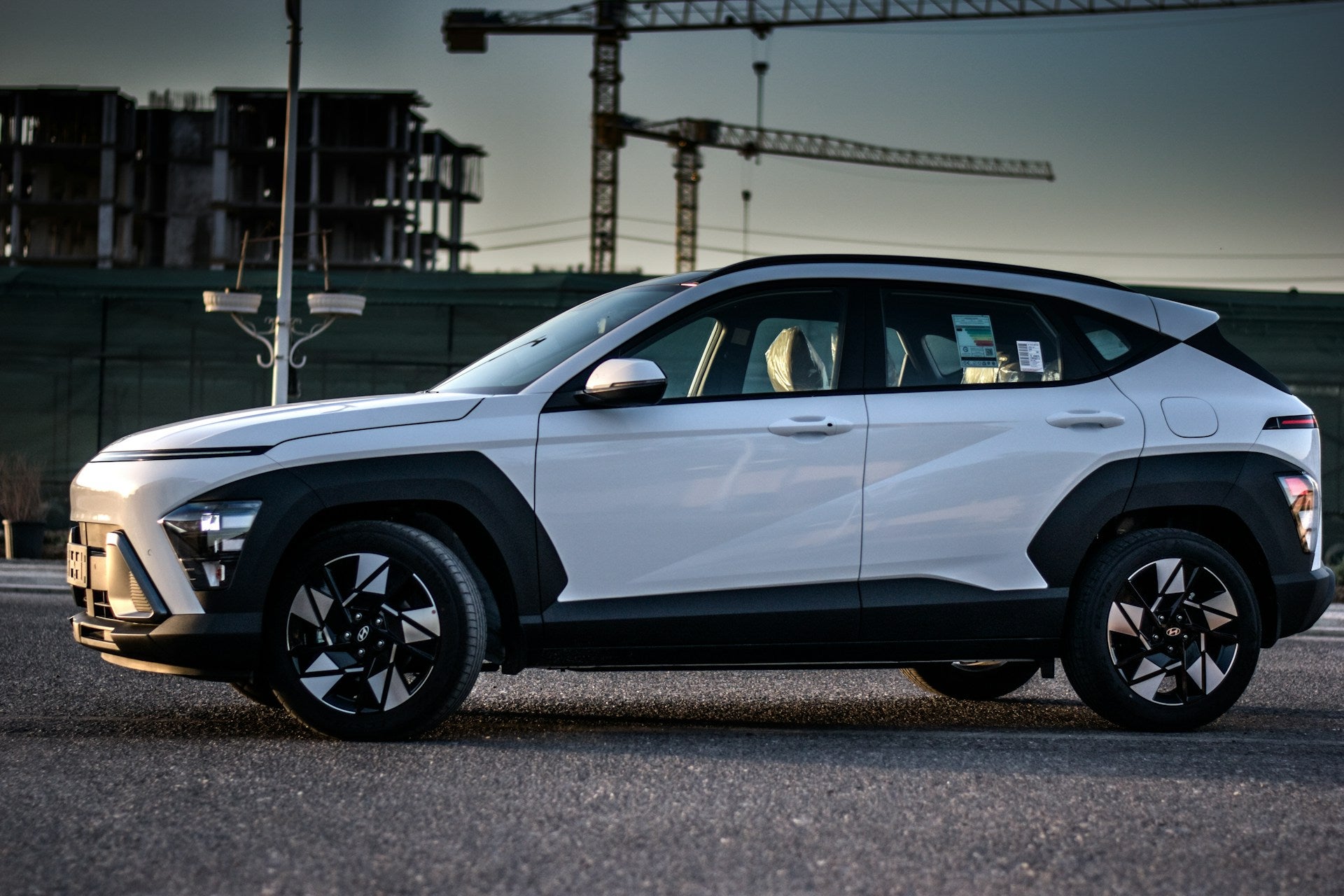
Why Long Island Drivers Are Going Electric Electric cars fit Long Island life surprisingly well. Most trips are short, traffic is common, and speeds change a lot, which is perfect for EVs that can recapture energy when you slow down. When gas prices rise, many drivers start to think about skipping the pump altogether. more EVs also work well with the way people in Suffolk County drive every day. There are regular commutes to places like Hauppauge and Stony Brook, school drop-offs, beach runs, and errands around town. Those are exactly the kinds of drives where an electric Hyundai can feel smooth, quiet, and easy to live with. There are state and federal incentives that can help make Hyundai EV models in Suffolk County more reachable for many buyers. These programs can lower the overall cost of going electric, especially when combined with any offers available at the time. Our team can help explain what may apply to your situation and how it affects your options. We help drivers compare different Hyundai electric models, understand how charging really works on Long Island, and figure out which setup fits their lifestyle and budget. The goal is simple: make the switch feel clear, not confusing. Matching Hyundai EV Range to Long Island Commutes When people first think about EVs, range is usually the big question. A good first step is to look at your real daily driving instead of guessing. Many Suffolk County drivers find that their weekday routine is shorter than they expected. Try adding up things like: Your round-trip commute to work or school Regular errands, like food shopping or picking up kids Typical weekend drives, like going to the Hamptons, vineyards, or Port Jefferson For example, a daily drive from Riverhead to Hauppauge, with a few extra errands, is often within comfortable range for many Hyundai EV models. A commute to Stony Brook, plus a stop at the store, is also usually well covered. Even longer runs toward Nassau or into the city can fit as part of a planned day, especially if you add a quick charge stop. Hyundai EVs come with a range of battery sizes and estimated driving ranges. That gives drivers in Suffolk County choices that fit different types of routines: Short daily routes with only the occasional longer trip Medium commutes mixed with family driving Regular long-distance drives toward NYC or out to Montauk Weather does affect range, and Long Island has both hot summers and chilly winters. In cold weather, batteries can lose some efficiency, and in summer, AC use can draw extra power. Hyundai tech, like drive modes and smart climate controls, helps you get the most out of each charge in every season. Our team can walk through what your normal week looks like and help match you to a range that feels comfortable, with some extra cushion for surprise detours. Comparing Hyundai Electric SUVs and Sedans Body style matters a lot for daily life here. Hyundai EVs come in different shapes and sizes, and each one fits a slightly different kind of Long Island driver. Electric SUVs are popular for families and anyone who needs more space. They usually offer: Higher seating position for better visibility on the LIE and Sunrise Highway Extra cargo room for beach gear, folding chairs, strollers, and coolers More flexible rear seating for kids, friends, and pets Electric sedans often appeal to solo drivers or couples who want easy parking and a lower ride height. They typically give you: A more compact footprint for crowded lots and tight side streets A smooth, car-like feel for commuting Trunk space that still handles groceries and weekend bags Ride height can matter on some Suffolk County roads, especially where puddles or minor flooding can pop up after storms. Many drivers feel more confident in an SUV-style EV for this reason, although all EVs benefit from smooth power delivery and quick response. Hyundai electric models also pack in tech that fits local driving: Driver-assist systems that help on long stretches of the LIE or Sunrise Quiet cabins that make trips east toward the North Fork or South Fork more relaxing Infotainment systems that help pass the time when traffic slows unexpectedly We often suggest test-driving different body styles back to back, using similar roads to your normal commute. Feeling the difference in real traffic makes the choice much easier. Charging Hyundai EVs Around Suffolk County Charging is where many people have questions, especially on an island. The good news is that most charging can happen at home, where it is simple and predictable. There are two main home options: Level 1: Using a standard household outlet, good for lighter daily driving Level 2: A dedicated 240-volt charger that can add range more quickly Many Suffolk County homes have driveways or garages where a Level 2 charger can be installed by a qualified electrician. We can explain what type of setup works best for different home situations, so you have a clear plan. On-the-go charging is growing across Long Island. Public stations often appear at: Shopping centers and malls Office parks and medical centers Big-box stores and supermarkets Key routes that lead toward Montauk, Port Jefferson, and ferry terminals Hyundai offers charging partnerships and in-vehicle navigation tools that help you find stations quickly. The car can show nearby options, let you filter by charger type, and help plan stops if you are heading off the island for a weekend. Once you use it a few times, trip planning starts to feel very natural. Seasonal Tips for Hyundai EV Ownership on Long Island Living by the water means planning for different seasons. With a few habits, Hyundai EVs fit all year long. In warm weather, especially on beach days: Pre-cool the cabin while the car is still plugged in, so AC uses less battery later Use ventilation and shade when parked to keep the car from heating up too much Pack smart for beach or vineyard trips and avoid loading heavy items you do not really need In winter, cold air and snow can affect range a bit, so small changes help: Precondition the battery and cabin while plugged in, so the car is warmed up before you drive Use heated seats and steering wheel to stay warm without blasting the cabin heat nonstop Allow extra time around coastal storms and consider range-friendly driving speeds Regular service and software updates keep your Hyundai EV running smoothly through all these changes. At a factory-certified service center, trained technicians understand the specific needs of electric Hyundai models, including battery health checks and system updates. That support helps you feel confident every time the weather shifts from hot to cold or back again. Drive Into a Smarter Future with Riverhead Hyundai Going electric on Long Island does not have to feel complicated. When you match your real driving habits with the right Hyundai EV, plan a home charging setup, and learn how to use public chargers along your routes, everyday life becomes simple again, just without gas stops. At Riverhead Hyundai, we help Suffolk County drivers compare trims, understand range in real local conditions, and feel how an EV fits their commute, school runs, and weekend plans. With guidance on financing options, current EV incentives, and long-term service support, we aim to make the switch to an electric Hyundai feel clear, comfortable, and tailored to life right here on Long Island. Discover Your Ideal Electric Hyundai Experience Today Explore the latest Hyundai EV models in Suffolk County and see which one fits your daily driving needs, budget, and lifestyle. At Riverhead Hyundai, we take the time to walk you through charging options, incentives, and ownership benefits so you can make a confident decision. If you have questions or want to schedule a test drive, simply contact us and we will help you take the next step toward electric driving.

Hyundai EV

EV Charging Tips for Your Hyundai in Riverhead

Power Up Your Hyundai EV With Confidence This Summer Smart charging is one of the best ways to get the most from your Hyundai electric vehicle. The more you understand where, when, and how to charge, the easier it is to relax behind the wheel and enjoy your drive around Riverhead and the rest of Long Island. more Good charging habits help your battery stay healthy, keep your electric bill in check, and reduce stress when you head out toward the Hamptons, Montauk, or up-island. In this guide, we will walk through home charging basics, public charging around town, ways to protect your battery in summer heat, and how to plan your Hyundai EV charging in Riverhead and beyond for your next longer trip. Home Charging Basics for Hyundai EV Owners Home charging is where most EV owners get the bulk of their energy, so it helps to understand your options. There are two main types of home charging: Level 1 and Level 2. Level 1 charging uses a standard household outlet. It is slower, but it can work well if you drive shorter distances most days or have time to charge overnight. Level 2 charging uses a 240-volt supply, similar to what a clothes dryer uses, and is much quicker. Hyundai models like the IONIQ 5, IONIQ 6, and Kona Electric tend to benefit a lot from Level 2, since they have larger batteries that can take in more power. Before installing a Level 2 charger, it is smart to think about a few things: Electrical panel capacity and whether it can support another dedicated circuit Where the charger will sit in relation to your parking spot Professional installation so wiring and safety devices are set up correctly Any local or state programs that might help with EV charging equipment Once you are set up at home, a few habits keep things safe and efficient. Try to use a dedicated circuit for your charger, not a shared one. Avoid extension cords, since they can overheat under higher loads. Keep the charging cord off the ground as much as possible and away from standing water or areas where it might be run over. On hot summer days, it helps to park in shade when you can, and to charge during off-peak hours if your local utility offers lower overnight rates. Smart Public Charging Around Riverhead and Long Island Public chargers are great when you need a quick top-off or you are out longer than planned. Around Riverhead, you can often find charging stations near shopping centers, some workplaces, municipal parking lots, and along major roads like Sunrise Highway and the Long Island Expressway. Planning Hyundai EV charging in Riverhead as part of your regular routine can make weekly errands more relaxed. Good public charging manners help everyone. Try to: Move your vehicle once it is done charging Avoid unplugging another vehicle, even if it looks charged Keep the cord neatly off the ground when you finish Stay aware of your surroundings, especially if you charge after dark Your Hyundai’s navigation system and EV apps on your phone can work together to make public charging easier. Many charging network apps let you: Filter for DC fast chargers that work with your Hyundai Check real-time station status before you arrive See if there are nearby food or shopping options for your break Start and stop some charging sessions right from your phone This kind of planning helps on busy summer weekends when more drivers are heading toward the beaches and North Fork. Maximizing Battery Life in Summer Heat Long Island summers can get hot and humid, and that affects any EV battery. High temperatures can slow fast charging at times, since the car will protect the battery by limiting power if it gets too warm. Over many years, repeated high heat can also add wear to the battery. You can do a few simple things to help your Hyundai in warmer months: Park in the shade or in a garage when possible Precondition the cabin while plugged in so the AC uses grid power instead of the battery Limit how often you fast charge all the way to 100 percent Keep your EV plugged in during heat waves so the car can manage battery temperature more easily For daily driving, many owners like to set their charge limit around 80 to 90 percent. That level often gives plenty of range without keeping the battery full all the time. When you have a longer drive planned, such as a trip toward the Hamptons or Montauk, it makes sense to charge to 100 percent shortly before you leave. Once you are back to your normal routine, you can bring that limit back down again. Road Trip Charging Plans for Your Hyundai EV Good planning turns a summer road trip in your Hyundai EV into a relaxed, fun drive instead of a guessing game. Start by looking at your typical highway range, then give yourself a buffer for real-world conditions like traffic, higher speeds, and steady AC use. When planning a weekend or vacation trip, think about: How far you want to drive between breaks Where you might want to stop for meals or a walk Which DC fast chargers are along the route Backup charging options if a station is busy Your Hyundai’s built-in tools can help you map routes that include charging stops. Many systems can show you which stations are along your path, what type of connectors they use, and how far they are from your current location. When you add in mobile apps, you can often see user comments, station status, and nearby services all from one screen. This makes Hyundai EV charging in Riverhead and along major Long Island corridors feel much more predictable. A few driving habits can stretch your range on hot, humid days: Use ECO driving modes when appropriate Keep speeds moderate on wide open stretches Make sure your tire pressure is set to the recommended level Pack light and avoid carrying extra weight in the cargo area Use features like seat coolers or fans along with AC to reduce energy use Small changes add up over a longer day on the road and can cut down how often you need to stop to charge. Support for Your EV Charging Plan Getting comfortable with EV charging takes a little time, but once you have a routine, it feels simple and familiar. At Riverhead Hyundai, we work with drivers who are new to EVs as well as experienced owners who want to fine-tune their setup. Our team can help you review home charging options, look over your Hyundai’s charging equipment, and make sure your vehicle’s software is current so you get the best charging performance available for your model. We also provide service for EV systems, including battery health checks and charging system inspections, and we can walk you through how to use your Hyundai’s navigation and EV tools to plan smart routes. With the right plan in place, your EV is ready for everyday errands around town and longer drives across Long Island in any season. Power Your Drive With Convenient Local EV Charging Solutions If you are ready to make the most of your electric Hyundai, explore our resources on Hyundai EV charging in Riverhead to see how simple daily charging can be. Our team at Riverhead Hyundai is here to answer your questions, help you compare charging options, and guide you through available incentives. Reach out anytime through our contact page so we can help you set up a charging plan that fits your lifestyle.

EV charging

EV Charging Options for Hyundai Drivers in Riverhead

Smarter Summer EV Charging on Long Island Hyundai electric vehicles and plug-in hybrids are showing up all over Riverhead and the East End. As traffic picks up and people head to the beach, wineries, and family visits, knowing your charging options matters more than ever. A little planning can keep your Hyundai EV ready for fun weekends and simple daily drives. more In this guide, we will walk through smart at-home charging, public charging choices around Riverhead, how to plan longer trips, and simple tips for driving in warm weather. We will also explain how our team helps you match your Hyundai EV to the way you actually live and drive on Long Island. Understanding Your Hyundai EV Charging Basics Most Hyundai EV and plug-in owners will see three main charging levels. Each one fits a different part of your day. Level 1: This uses a standard household outlet, usually 120 volts. Level 2: This uses a 240 volt source, like a home charger or many public chargers. DC fast charging: For compatible Hyundai EVs like IONIQ and Kona Electric at certain public stations. Level 1 charging is slow, but it can work if you drive shorter distances and can leave the car plugged in overnight. You might add range while you sleep, which is often enough for local errands or a light commute. It is simple, but not the best fit for heavy driving. Level 2 charging is what many daily drivers prefer. At home or at a public charger, it adds power much faster than a regular outlet. A lot of Hyundai owners like to plug in in the evening and wake up to a mostly full battery, ready for the workday or a trip across the East End. DC fast charging is for quick stops on the road. When your Hyundai EV supports it, you can get a helpful boost in a short time, often about the length of a meal break. It is great on longer outings, but not something you want to use as your only charging source every single day. Summer heat can affect range and charging speed. To keep your battery happy, try a few habits: Park in the shade when you can. Precondition the cabin while plugged in so the AC does not have to work as hard once you pull away. Avoid fast charging to 100 percent every time, especially back to back in high heat. Home Charging Options for Riverhead Households Home charging is the easiest way to keep your Hyundai ready, especially if you live in Riverhead or nearby towns and drive the same routes most days. The main question is whether a regular outlet is enough, or if a Level 2 charger makes more sense. Level 1, using a 120 volt outlet, can work for: Short commutes and light local driving Drivers who can leave the car plugged in many hours at night Households with another gas or hybrid vehicle for longer trips A Level 2 charger, using 240 volts, is helpful if: You drive more miles most days You often make last-minute plans or multiple trips in one day You want faster recovery after weekend outings or visits to both forks On the East End, many homes have different setups. Some have enclosed garages. Others have long driveways, barns, or parking areas away from the house. Older homes may have older electrical panels. Newer construction might already support a charger with less extra work. In almost every case, it is best to work with a licensed local electrician who understands the area and can review your panel, wiring, and where you usually park. There may be incentives or rebates in New York that help with home charger installation. These programs can change, so many drivers find it helpful to learn what is currently offered before they install a charger. Planning ahead before peak summer trips can keep you from rushing to upgrade once you are already busy. Public Charging Spots Around Riverhead and the East End Public charging fills in the gaps when you are away from home. Around Riverhead and across the East End, you will usually see two types of public chargers: Level 2 and DC fast. Level 2 chargers often show up at: Shopping centers and outlet malls Public parking lots and garages Workplaces and some hotels These are great for topping up while you shop, grab a meal, or spend a few hours at an attraction. Many Hyundai drivers in the area also use Level 2 spots around downtown Riverhead, near local businesses or near larger shopping areas like outlet centers. DC fast chargers are placed along major roads, including routes that connect back to the Long Island Expressway. They support compatible Hyundai EVs and are built for quick top-ups when you are on a schedule. These are especially helpful when you are heading to or from the North Fork or South Fork and want extra peace of mind. Your Hyundai EV, along with popular charging apps, can help you: Find nearby chargers Check plug types and power levels See if stations are working or in use Estimate how long you might need to stay Checking ahead before a beach day or winery visit can keep your plans smooth. Many drivers like to choose a lunch or shopping spot that happens to have a charger nearby so charging fits naturally into the day. Planning Summer Road Trips in Your Hyundai EV Longer summer drives take a little more planning with an EV, but they can be very relaxing once you get used to the rhythm. Start by looking at your route and where DC fast chargers are spaced out. Then think about your usual stops for food, rest, and sightseeing. When you plan your trip, keep a few things in mind: Extra weight from passengers and luggage can use more energy. Running the AC on hot days takes some power too. It helps to plan a buffer instead of driving all the way down to a very low battery. Charging while you eat, stretch, or explore a town can turn range worry into a quick break. Many Hyundai drivers find that stopping a little earlier for a short fast charge feels better than pushing the battery too low and stressing about the next station. You can stretch your range with a few simple habits: Keep speeds more moderate on the Long Island Expressway. Use climate control in smart ways, like using cabin preconditioning while plugged in. Check tire pressure regularly so the car rolls as smoothly as it should. Small choices like these add up, especially in steady summer traffic. How Riverhead Hyundai Supports Your EV Lifestyle Switching to a Hyundai EV or plug-in hybrid is not only about the vehicle itself. It is about how that vehicle fits into life on Long Island, from weekday commutes to weekend drives across the East End. Our team helps drivers think through where they live, how far they travel, and what Hyundai EV charging in Riverhead and nearby towns looks like day-to-day. At our dealership, we offer support that is focused on electric driving, including: EV-specific maintenance and service Help understanding software updates related to range and charging Guidance on charger compatibility and public charging options Referrals for local professionals who can help with home charging setups We are here to walk through different charging choices, answer questions, and help you feel confident about using your Hyundai EV around Riverhead and beyond. Power Your Drive With Convenient Local EV Charging Solutions If you are ready to make the most of your electric Hyundai, explore our dedicated resources for Hyundai EV charging in Riverhead. At Riverhead Hyundai, we can help you choose the right charging setup, understand available incentives, and feel confident about everyday driving. Reach out so we can answer your questions, walk you through your options, or schedule a visit to our showroom and service team contacting us.

Hyundai EV

EV Day Trips From Riverhead in a Hyundai IONIQ or Kona Electric

Summer EV Escapes From Riverhead Start Here Day trips feel different in an electric car. The drive is quieter, smoother, and you feel calm knowing your Hyundai IONIQ 5, IONIQ 6, or Kona Electric is using energy wisely instead of stopping for gas. From Riverhead, some of the best beaches, vineyards, and harbor towns on Long Island are all within easy reach on a single charge. more With modern range, fast charging, and smart tech in Hyundai EVs in Suffolk County, it is simple to plan a beach day on the South Fork, a wine country cruise on the North Fork, or a family outing to local parks and farms. You just need a little planning, a rough idea of your range, and a few good stops along the way. Plan Your EV Day Trip Like a Pro Good planning starts with knowing how far your Hyundai EV can go on a full charge in normal summer conditions. Warmer weather usually helps your range, since the battery does not have to work as hard to stay warm and roads are dry. Highway speeds use more energy, while slower local roads tend to stretch your range. Before you set off, it helps to: Check your estimated range on the dash after charging Look at your route mix, highways vs. local roads Think about traffic, hills, and how many people and bags you will carry Keep a small buffer of range so you do not arrive home on empty The built-in navigation in your Hyundai EV can show charging stops along your route, and there are EV trip planning apps that help you find stations, traffic patterns, and scenic options instead of only the fastest highways. You can choose routes that hug the water, pass farm fields, or go through cute main streets instead of sitting on the same stretch of highway. A few simple pre-trip habits pay off: Charge to an appropriate level the night before, often 80 to 90 percent is plenty for a day trip Pre-condition the cabin while plugged in so the car is cool before you unplug Keep charging cards or apps for major networks on your phone Pack your charging cable and any adapters you normally carry These small steps keep your morning relaxed and help your EV stay efficient all day. Coastal Adventures to Montauk and the South Fork From Riverhead, heading east on Route 27 toward the Hamptons and Montauk makes a classic day trip. The drive out to Montauk Point is within reach for most Hyundai EVs in Suffolk County as a round trip, especially in warm weather and with a full charge. The roads are mostly flat, with a mix of highway and slower beach town streets. Along the way, you might plan: Morning beach time at spots along the Hamptons A walk up to a lighthouse lookout Lunch at a local seafood place or picnic near the water A quick stroll through a village main street for shops and ice cream Charging is easier than many people think. There are public chargers in and around popular South Fork towns, and you will often find options near supermarkets, shopping centers, or public parking. Your Hyundai EV can make good use of regenerative braking in stop-and-go beach traffic, which helps put some energy back into the battery while you creep along in summer crowds. To keep the day low-stress, aim for: Early departures so you get parking and cooler air Weekday visits when roads are lighter Timing your fast charges with meal stops, walks on the beach, or sunset views That way, charging feels like a normal break instead of waiting around. Wine Country Drives Through the North Fork Heading out from Riverhead onto the North Fork is almost made for electric driving. Distances between wineries, farm stands, and small waterfront towns are short, so your EV can spend most of the day on relaxed, low-speed roads that are friendly to your range. A laid-back route might include: A few wineries that offer easy parking and quiet spaces to sit Farm stands with local produce and baked goods Waterfront parks or piers in towns like Greenport Casual seafood spots where you can enjoy a long lunch while your EV charges nearby Since speeds are slower, this is a great place to use Eco Drive mode, which softens acceleration and helps save energy. Gentle starts, coasting when you can, and smart climate control go a long way. On mild days, you might crack the windows a bit or use the fan more than full AC. On hotter days, you can use features like driver-only climate to cool the front seat without overworking the system. The feel of North Fork roads, with trees, fields, and water views, matches the quiet nature of an EV. You can talk at normal volume, hear the birds when you pull into a small lot, and enjoy the calm. Family-Friendly Fun at Parks, Farms, and Villages Not every trip needs to be a long one. For families, shorter outings around Riverhead and nearby towns can be just as fun, and they fit easily within the range of Hyundai EVs in Suffolk County. You can plan simple loops that include: Local aquariums or small museums Petting zoos, farms with animals, and pick-your-own fields in season Playgrounds and bayfront parks with open space to run Boardwalks or village main streets with easy walking Kids get restless if they feel like they are waiting around for the car, so it helps to turn charging stops into active breaks: Public chargers near ice cream shops or snack spots Stations close to a playground or short walking path Shaded picnic tables where everyone can sit, snack, and regroup The quiet ride, lack of engine noise, and smooth acceleration in IONIQ and Kona Electric models make naps easier for younger passengers and cut down on the “Are we there yet?” feeling. Modern safety features and driver aids also help parents focus on the road and enjoy the day more. Stress-Free Charging Tips Across Suffolk County Public charging across Suffolk County includes a mix of DC fast chargers and Level 2 chargers. Fast chargers are best for quick top-ups on longer drives, often used when you want to go from a lower level to around 80 percent while you eat or shop. Level 2 chargers are slower, but they work well if you plan to stay put for a few hours at the beach, at a winery, or in a village. Good charging habits make the experience smoother: Use DC fast chargers mainly when you are traveling, not for daily use Move your car once you have enough charge so others can use the station Park carefully and keep cables tidy so people can walk and drive safely around you Check station status in your apps before you drive out of your way At home, a dedicated charger is usually the easiest way to start each day with a full battery, and public stations fill in the gaps when you are out exploring. As a local Hyundai dealership in Riverhead, we spend a lot of time helping drivers learn how their EVs work in the real world. That includes talking through home charging options, showing where public chargers are in Suffolk County, and helping set up apps and settings before you take your first big day trip. With a bit of planning and the right Hyundai EV, your next escape from Riverhead can be quiet, efficient, and a lot more fun. Discover How Easy Going Electric Can Be Today Explore our selection of Hyundai EVs in Suffolk County and see how simple it is to match your daily driving needs with the right electric model. At Riverhead Hyundai, we can walk you through charging options, available incentives, and ownership costs so you can make a confident decision. If you have questions or want to schedule a test drive, just contact us and we will help you take the next step.

Hyundai

Hyundai Trade-in Appraisal in Riverhead: What Inspectors Check

Maximizing Value From Your Hyundai Trade-In Trading in your Hyundai can be one of the easiest ways to lower your monthly payment on your next vehicle. When your current car helps pay for your new one, your budget often feels a lot more comfortable. The key is knowing how the trade-in process works so you are not guessing when you hear the appraisal number. more When you understand what inspectors check and how they decide on value, you can prepare your Hyundai the right way before you visit a dealership in Riverhead. That simple prep can make a real difference, especially when many drivers are getting ready for summer trips across Long Island. We will walk through how the appraisal works, what gets inspected, how to get your car ready, and how local demand in Suffolk County can affect a Hyundai trade-in in Riverhead. How the Hyundai Trade-in Appraisal Works At most dealerships, the appraisal process follows a simple pattern so you know what to expect from the moment you pull in. In general, your visit starts with a quick check-in, then the appraiser gathers basic vehicle information and takes a close look at how the car presents inside and out. If they need a better sense of how it drives, they may take a short test drive, and then they compare what they saw to current market data before giving you a trade-in number. Here is how a typical visit usually goes: Check-in at the sales or service desk Basic info taken on your Hyundai year, model, mileage, VIN Quick walkaround outside and inside your vehicle Short test drive if needed to feel how it runs Review of current market data to put a value on your trade The person doing your appraisal is usually someone who understands both used car values and local demand. They look at the big picture, not just one detail, and they balance multiple factors at the same time, including condition, mileage, equipment, and what people around Long Island are actively shopping for. They weigh details like: Overall condition of the car Mileage for its age Trim level and options Current demand around Long Island for that specific Hyundai model You will often hear a few terms during the talk about numbers. Trade-in value is what the dealership offers you for your current car, while private sale value is what you might expect if you sell the car on your own. If you still have a loan, the payoff amount is what you owe the lender, and your equity is the difference between the trade-in value and the payoff. Positive equity helps lower the amount you finance on your next vehicle. What Inspectors Check on the Exterior and Interior During the walkaround, the appraiser is trying to answer a basic question: how quickly and easily can this Hyundai be reconditioned and resold? The outside and inside of the car provide a big part of that answer, because visible condition affects both reconditioning costs and how buyers respond when they see the vehicle in person. On the exterior, they usually look at: Paint condition, fading, or mismatched panels Dents, scratches, and signs of previous repairs Rust or corrosion, which can show up after salty winter roads Windshield chips or cracks and overall glass condition Tire tread depth and even wear on all four tires Wheels or rims with curb rash or damage Headlights, taillights, and turn signals for cracks or burned-out bulbs Inside the car, small details matter because they affect how buyers feel when they open the door for the first time. Inspectors focus on seating surfaces, air quality, and how well the cabin features work, since those are the things that stand out during a test sit or test drive and can influence how quickly the car sells. Inspectors pay attention to: Seats and upholstery, including tears, stains, or heavy wear Odors such as smoke, strong perfume, or pet smells Dashboard, buttons, and trim pieces that are broken or sticky Infotainment system, Bluetooth, backup camera, and audio AC and heat performance Safety items like seat belts and airbag warning lights A clean, fresh interior and strong AC are especially welcome when drivers are thinking about long summer days in traffic or weekend trips to the beach. Even though the appraiser stays objective, a well cared-for cabin often supports a more confident view of the vehicle. Under-the-Hood and Mechanical Factors What is under the hood matters just as much as what is on the surface. The appraiser wants to know if your Hyundai feels tight, smooth, and ready for many more miles, because mechanical issues can quickly turn into reconditioning costs or delays before the vehicle can be put on the lot. Common checks include: Engine starting and idling smoothly Any strange noises, knocks, or rough running Fluid levels and signs of leaks under the vehicle Transmission shifts, both in regular driving and under light acceleration Brake response and any pulsing or squeaking Steering and suspension feel, such as clunks over bumps Warning lights like check engine, ABS, or tire pressure Maintenance history can help a lot here. Keeping records of regular oil changes, tire rotations, brake service, and any recall work shows that the car has not been ignored. On higher mileage Hyundai models, proof of larger services like timing belt work can give the appraiser more peace of mind. Having your Hyundai serviced at a certified center creates an easy paper trail, and when an appraiser sees consistent service records from trained technicians, it often supports a higher level of trust in the overall condition of the car. Easy Ways to Prepare Before Your Appraisal You do not have to fully refurbish your Hyundai before a trade-in. A few simple steps usually give you most of the benefit without a big cost or time sink, because they improve first impressions and reduce the chance that minor issues distract from the vehicle’s overall strengths. Quick pre-visit steps that help: Get a good wash and rinse off road film and salt Vacuum the carpets, seats, and trunk or cargo area Wipe down the dash, console, and door panels Remove personal items, trash, and leftover gear Replace burned-out bulbs and top off washer fluid Gathering your paperwork and extras also makes the process smoother, since it helps the dealership verify ownership, confirm loan details, and see that the vehicle has been cared for. Bring: Title, if you own the vehicle outright Registration and driver’s license Loan payoff information if you still owe on the car Service and maintenance records Extra keys and key fobs Original floor mats, cargo covers, and accessories that came with the car As for repairs, low-cost fixes can be worth it, especially when they remove obvious negatives an appraiser can’t ignore. Examples include: Replacing a missing gas cap or worn wiper blades Having a simple detail done if the interior is heavily soiled Repairing small chips in the windshield before they spread On the other hand, larger jobs like full paint work, body repairs, or major mechanical work may not raise the trade value enough to cover what you would spend. It is usually better to let the appraiser see the car as-is and factor those items into their offer. Local Market and Timing Tips for Riverhead Drivers Trade-in value is not only about your car, it is also about what shoppers around Riverhead and Suffolk County are looking for right now. When more people want a certain Hyundai model, that demand can support stronger offers on well kept trade-ins. Popular models like the Tucson, Santa Fe, Elantra, and Kona often get a lot of attention from local buyers. Crossovers are popular with families and commuters, while compact cars draw interest from new drivers and those who want something easy to park and fuel. Timing can also play a small role. Early summer often brings: Families planning road trips and needing more space College students and parents thinking ahead about fall transportation Extra interest in fuel-efficient models as gas prices shift with travel season Before you visit any dealership, online valuation tools can give you a ballpark estimate for a Hyundai trade-in in Riverhead. These tools are based on general information, so your actual in-person offer will still depend on the true condition of your car, mileage, and how it drives. Use the online numbers as a starting point so your expectations feel realistic when you sit down to talk through the appraisal. Unlock More Value From Your Next Hyundai Purchase Whether you are upgrading your daily driver or planning ahead, we make it simple to understand how a Hyundai trade-in in Riverhead can fit into your budget. At Riverhead Hyundai, our team walks you through your options so you know exactly what to expect before you visit the showroom. If you have questions about your current vehicle or want to talk numbers, contact us and we will help you take the next step with confidence.

Hyundai

Summer Road Trip Planning with Hyundai SUVs in Riverhead

Hit the Long Island Highways in Comfort This Summer Summer on Long Island means packed coolers, sandy flip-flops, and long days spent chasing the sun. Whether you are heading out for a quick beach day, a winery afternoon, or a full weekend in Montauk, the right SUV can make the whole trip feel easier and more relaxed. more Long drives need more than just a nice radio station. You want seats that feel good after hours on the Long Island Expressway, room for everyone’s bags, and a vehicle you can trust when traffic crawls or the weather turns. Modern Hyundai SUVs are built with these things in mind, which is why so many local drivers choose them for summer road trips. For drivers in and around Riverhead, having a dealership close by makes planning even simpler. With a range of Hyundai SUVs in Riverhead, it is easy to find something that fits your family, your gear, and your favorite summer plans. Choosing the Right Hyundai SUV for Your Summer Plans Not every road trip looks the same, and your SUV does not have to either. Different Hyundai models shine for different kinds of drivers and trips. Tucson: Great for couples or small families who want easy parking in town and good fuel economy Santa Fe: A smart fit for growing families that need extra space without going to a huge SUV Palisade: Ideal for bigger families or trips with grandparents and friends thanks to three rows For summer driving, a few features matter a lot: Roomy seating so no one feels cramped on the way home from the beach Fold-flat rear seats to slide in coolers, beach chairs, umbrellas, and strollers Generous cargo space for luggage, sports gear, and grocery runs Available towing strength for small trailers, jet skis, or a light boat Fuel efficiency also plays a big role when you are driving from Riverhead to Montauk, upstate, or into New England. Hyundai offers a mix of engines that balance power with smart gas use, so you are not stopping at every gas station you pass. That means more time enjoying the drive and less time standing at the pump. Tech and Safety Features That Make Long Drives Easier Summer traffic on the LIE and parkways can wear anyone out. Advanced driver-assistance features in Hyundai SUVs are designed to take some of that stress off your shoulders. Many models offer systems such as: Smart Cruise Control to help maintain a set distance from the car ahead Lane Keeping Assist to help you stay centered in your lane Blind-Spot Collision-Avoidance Assist to help when changing lanes in busy traffic Rear Cross-Traffic Collision-Avoidance Assist for backing out of tight parking spots Inside the cabin, modern tech keeps everyone happier on long stretches of highway. Available Apple CarPlay and Android Auto let you bring your favorite maps, playlists, and podcasts onto the touchscreen. Multiple USB ports and available wireless charging help keep phones and tablets ready, which is especially helpful when you have kids in the back. Other comfort features that matter on hot days include: Available rear-seat climate controls so passengers in the back can stay cool Premium audio systems for clearer music and podcasts Large touchscreens for simple, quick access to settings and navigation Hyundai connected services and built-in navigation can also make planning easier. With real-time traffic information and points of interest, your SUV can help you find fuel, a snack stop, or even a nearby charging or rest area. Some models also offer a digital key feature, so you can use a compatible phone to access and start the vehicle, which can be handy when your hands are full of bags and towels. Planning the Perfect Summer Route From Riverhead Living near Riverhead puts you in a great spot for all kinds of road trips. You can head out along the North Fork for wineries and farm stands, shoot south and west toward the Fire Island ferries, or keep going toward Montauk for a longer beach escape. When you want a bigger change of scenery, it is also a natural starting point for drives upstate or into New England. Good planning can turn a long drive into a relaxed part of the vacation. A few tips help: Leave early in the morning or later in the evening to avoid the worst LIE backups Mark rest stops or parks along the way where kids and pets can stretch their legs For overnight trips, look for hotels with secure parking and, for some drivers, nearby charging options Your Hyundai’s onboard tech can help here, too. You can: Save favorite destinations such as your go-to beach, marina, or family cabin Pre-plan routes on the navigation system so you are not fumbling with your phone while driving Check weather along your route to decide if you should leave earlier or later When your SUV helps you plan, it is easier to relax and enjoy the drive instead of worrying about the next turn or gas stop. Keeping Your Hyundai SUV Road Trip Ready Before any long summer trip, it is smart to give your SUV some attention so small issues do not turn into big problems away from home. A pre-trip service check at a trusted dealership helps you feel confident once you hit the highway. A solid road trip check usually includes: Oil and filter service Brake inspection Battery test Tire rotation and inspection Fluid top-offs Summer adds a few more things to think about. Hot pavement and heavy traffic can be hard on any vehicle, so it helps to check: AC performance, so the cabin stays cool on humid days Tire pressure and tread depth, which affect grip and comfort Wiper blades, since sudden downpours are common Coolant level, to help prevent overheating in stop-and-go traffic It also pays to keep a small essentials kit in the cargo area of your Hyundai SUV. Many drivers like to include: Phone charging cords and a small power bank Jumper cables A basic first-aid kit A compact tire inflator or sealant Extra washer fluid for bug-covered windshields With the generous cargo space in Hyundai SUVs in Riverhead, you can keep these items tucked away and still have room for all your vacation gear. Make Riverhead Hyundai Your Summer Launch Pad When you are ready to plan summer trips, it helps to see different Hyundai SUVs side by side and feel the space for yourself. Comparing Tucson, Santa Fe, and Palisade in person makes it easier to decide what fits your family, your driveway, and your favorite activities. At Riverhead Hyundai, we offer new and used SUVs along with help on financing and lease options, so you can choose a setup that fits your budget and driving style. Our team can also look at your current vehicle for a trade-in and help you understand the features that matter most for the kind of trips you want to take. For drivers across Suffolk County, our service department can help get your Hyundai ready for summer with maintenance and checks focused on road trip comfort and peace of mind. With the right SUV, some smart planning, and a little prep, you can roll out of Riverhead ready for a season filled with easy drives and memorable stops. Discover Your Ideal Hyundai SUV With Confidence Explore our full lineup of Hyundai SUVs in Riverhead to find the model that fits your lifestyle, from daily commuting to weekend adventures. At Riverhead Hyundai, we take the time to explain features, trims, and pricing so you can make a confident decision. If you have questions or want to schedule a test drive, simply contact us and our team will be ready to help.

Hyundai EV

Making Sense of Hyundai EV Charging Options in Riverhead

Charge Smarter in Riverhead This Summer Driving an electric Hyundai around Riverhead and the East End feels great, but charging can seem confusing at first. The good news is that once you understand your options, keeping your EV or plug-in hybrid charged is actually pretty simple, even with busy plans and beach days. more In this guide, we will walk through home charging basics, public charging around Riverhead, fast charging on longer drives, and what to expect for time and cost. We will also share a few tips to make summer driving easier, so you can spend more time out on the road and less time worrying about your battery. Whether you already own a Hyundai EV or you are just starting to think about one, you will see that Hyundai EV charging in Riverhead is more flexible than it might look at first. Home Charging Basics for Hyundai EV Drivers Home charging is where most EV drivers get the majority of their range. There are two main types you will hear about: Level 1 and Level 2. Level 1 uses a standard household outlet. You plug in with the cord that comes with many vehicles and add a small amount of range each hour. It is slow, but it can work if your daily driving is light. Level 2 uses a 240 volt outlet, similar to what a clothes dryer uses. It adds much more range per hour and is usually the better choice for daily commuting around Riverhead, the North Fork, and trips toward the Hamptons. Here is how many owners think about it: Level 1: Good for low mileage days or as a backup Level 2: Better for regular commuting and weekend plans Plug-in hybrids: Often fine with Level 1, but charge faster on Level 2 To install a Level 2 charger at home, most Long Island homeowners will: Have an electrician check electrical panel capacity Add a 240 volt outlet if needed Mount and connect the charger in the garage or driveway Working with a licensed electrician is important for safety and for getting the charger in the best spot for everyday use. Once it is set up, home charging can slide right into your normal routine. Many drivers: Plug in at night so the car is ready by morning Top off after a day at the beach or on the road Time charging to off peak hours if their electric plan offers it With a home charger, your car often starts each day with a full battery, which makes local errands and surprise plans feel easy. Public Charging Around Riverhead and the East End Of course, you will not always be at home. Public charging fills in the gaps when you are shopping, grabbing lunch, or exploring the East End. Around Riverhead and nearby towns, you are likely to find chargers in: Shopping centers and outlet areas Grocery store parking lots Downtown public parking spots Along main routes toward the Hamptons and North Fork wineries Most of these are Level 2 chargers, which are perfect when you plan to stay parked for a bit. For example, you might pick up a useful amount of range while you shop or sit down for a meal. DC fast chargers are different. They are built for quicker stops on longer drives. You might use one when you are: Driving toward the city or farther out on Long Island Short on time on a busy weekend Looking to add a lot of range in under an hour You can plan Hyundai EV charging in Riverhead with popular charging apps and your Hyundai vehicle’s built-in navigation. Many drivers like to: Check charger locations before longer drives Filter by plug type and charging speed Look at recent user comments for reliability Doing a quick plan like this helps reduce range anxiety for both local drivers and visitors who are new to the area. Fast Charging Your Hyundai on Long Island Roads DC fast charging is the quickest way to charge your Hyundai EV when you are on the go. At a high-power fast charger, many Hyundai EVs can go from a low battery to about 80 percent in a relatively short time, though exact time depends on charger speed, battery size, and conditions. A few things can affect charging speed: Battery size and design Starting charge level Outside temperature and battery temperature Your Hyundai may slow charging as it gets closer to a full charge in order to protect the battery, so the last 20 percent can take longer than the first part. For battery health, especially in summer heat, many drivers try to: Avoid fast charging to 100 percent on a regular basis Arrive at chargers with some charge left instead of waiting for 0 percent Use preconditioning features when available so the battery is at a good temperature before charging Hyundai drivers use a mix of charging networks across Long Island and beyond. Many public stations work with common apps and cards, and some new Hyundai EV purchases may come with charging credits or special network partnerships. Those details can vary, so it is helpful to review what comes with your specific vehicle when you get it. Managing Charging Costs and Incentives Charging an EV feels different from filling a gas tank, so it helps to think about where the energy comes from and how often you charge. Home charging is usually the most cost-friendly way to power an EV over time. With a Level 2 charger at home, many drivers: Plug in at night when rates may be lower Charge more often but in smaller amounts Keep the battery between medium and high instead of going from empty to full Public Level 2 chargers can be free or paid, depending on the location. DC fast chargers usually cost more per unit of energy because they offer much higher power and faster sessions. For most people, fast charging is something they use as needed on trips, not every day. Seasonal habits play a part too. In summer, drivers often: Take more weekend drives and day trips Run the AC more often, which can affect range Stay out later, which makes overnight charging extra handy There may also be New York state or local utility incentives to help with some EV or home charger costs. These programs can change from time to time and may depend on where you live and who provides your electricity. Many drivers find it helpful to talk through current options so they do not miss anything that could be available to them. Let Riverhead Hyundai Simplify Your EV Charging Plan Planning Hyundai EV charging in Riverhead does not have to be stressful. Once you understand the difference between home charging, public Level 2 stations, and DC fast charging, it becomes much easier to match your charging plan to your lifestyle on the East End. We are here to help you sort through home charger questions, local charging options, and which Hyundai EV or plug-in hybrid might fit your daily driving. With the right plan in place, you can head into summer with confidence, knowing your charging setup is ready for beach days, errands in town, and longer drives across Long Island. Power Your Drive With Convenient Local EV Charging Solutions If you are ready to make the most of your electric Hyundai, explore our guide to Hyundai EV charging in Riverhead and see how simple daily charging can be. At Riverhead Hyundai, we help you choose the right charging options at home, at work, and on the go so your EV fits seamlessly into your life. If you have questions or want personalized recommendations, just contact us and we will walk you through your best next steps.

Hyundai

Planning Summer Road Trips in Hyundai SUVs Around Riverhead

Hit the Road This Summer in a Hyundai SUV Summer on Long Island is all about getting out of the house. Beach chairs in the back, sand on your feet, maybe a cooler full of snacks and drinks, and a favorite playlist humming along as you head toward the water or the vineyards. When you spend a lot of time on the road, the right SUV can turn a normal drive into a relaxed, fun part of the day instead of a chore. more Hyundai SUVs in Riverhead are built for exactly this kind of driving. They are easy to park, roomy enough for family and friends, and filled with smart tech that helps you stay calm in traffic. With the right mix of space, power, and safety, they can handle everything from a quick beach stop to a full weekend on the East End. Before peak travel season hits, it helps to think through which model fits your plans, how to pack it, and how to keep it ready for long days on the road. Why Hyundai SUVs Are Ideal for Long Island Getaways When you spend a whole day in the car, comfort is not a luxury, it is a must. Hyundai SUVs are designed with everyday life in mind, so they feel easy to live with on short errands and still feel relaxed on longer drives. Some comfort and space perks you might enjoy include: Flexible seating with split-fold rear seats Plenty of cargo room for chairs, umbrellas, coolers, and bags Low load floors so heavy items are easier to lift in and out Rear-seat amenities so kids and guests stay happy on the ride Fuel efficiency also matters when you are covering a lot of ground. A compact model like the Hyundai Kona is great for solo drivers or couples who do shorter trips and want easy parking in busy areas. The Hyundai Tucson strikes a nice balance for active drivers who carry bikes, sports gear, or a dog. For bigger families or group trips, the Hyundai Santa Fe or Hyundai Palisade offer extra rows, more room to stretch out, and the kind of storage that keeps the cabin from feeling cramped. Safety and driver-assist tech bring extra peace of mind on busy summer roads. Many Hyundai SUVs offer features through Hyundai SmartSense, such as adaptive cruise control to reduce stress on long highway stretches, lane-keeping assist to help you stay centered, and blind-spot monitoring to help with lane changes when traffic is heavy. These tools support your attention so you can focus more on the road and the people in the car with you. Exploring the Best Summer Routes Around Riverhead Starting from Riverhead, you have great options in every direction. A well-planned day trip in a Hyundai SUV lets you pack up, hit the road, and make several stops without feeling rushed. Some popular ideas for local drives include: North Fork beaches and bayside spots, perfect for calm water days Wineries and farm stands scattered along the North Fork South Fork beaches and hamlets for classic ocean views Family attractions like local water parks and nearby nature preserves For weekend road trips, many drivers like to plan loops. One option is a coastal drive along the North Fork with stops at lighthouses and small harbors, then head back through Riverhead. Another choice is a longer run toward Montauk, stopping at beaches, overlooks, and small towns along the way. With a comfortable SUV, you can enjoy the miles as much as the destinations. A few timing tricks can make your drives smoother: Leave early in the morning to avoid heavy traffic Plan some trips for midweek when roads are usually lighter Use built-in navigation to track traffic, pick alternate routes, or find more scenic roads Packing Smart and Staying Comfortable on the Road A Hyundai SUV gives you smart storage spots that help you pack more without feeling crowded. With a little planning, you can keep your cabin neat and still have everything you need for a full day. Try these packing tips: Use under-floor storage for smaller items like sandals, toys, or first-aid kits Take advantage of roof rails with the right accessories for bikes or extra cargo Fold one side of the rear seats for long items, and leave the other side up for passengers Keep a small bin or tote in the back for wet towels and sandy shoes Summer heat can wear everyone down, but your SUV can help. Dual-zone climate control lets front passengers pick their own temperature, and available ventilated seats can make warm days feel easier. Sunshades in the back help kids or pets stay cooler, and built-in connectivity makes it simple to stream music, audiobooks, or podcasts. For a family-friendly cabin, think ahead about power and snacks. Make sure everyone has access to USB ports or charging outlets. Plan offline playlists or downloaded shows so kids are set even when signal drops. Keep sunscreen, hats, and reusable water bottles in a central spot, like a door pocket or center console, so you are not digging through bags at every stop. Pre-Trip Service Essentials at Riverhead Hyundai Before setting off on a long drive, it is smart to give your Hyundai SUV a checkup. Regular service helps you avoid surprises on the road and keeps your vehicle feeling smooth and safe. A helpful pre-trip service checklist includes: Oil and filter change so your engine runs clean Tire rotation and air pressure check for grip and comfort Brake inspection for steady stopping, even in stop-and-go traffic Fluid top-offs for coolant, windshield washer fluid, and more Air-conditioning system check so your cabin stays cool on hot days When you bring your SUV to the service center at Riverhead Hyundai, you get the benefit of factory-trained technicians who work with Hyundai vehicles every day. They use genuine Hyundai parts, and there are often service specials around peak driving seasons. Planning this visit early, such as at the start of summer, helps you avoid last-minute waits and keeps your SUV ready for road trips for many seasons to come. Finding the Right Hyundai SUV in Riverhead for Your Summer Plans Different summer plans call for different types of SUVs. Matching the model to your lifestyle makes every trip easier. Here is a simple way to think about it: Kona: Good for solo drivers or couples who want a nimble, easy-to-park SUV Tucson: Great for active pairs or small families with gear and hobbies Santa Fe: Strong fit for growing families that need comfort and space Palisade: Ideal for larger families or group trips that call for three rows When you explore Hyundai SUVs in Riverhead, pay attention to features that fit your trips. Available all-wheel drive can be helpful on sandy or uneven roads near some beach areas. Roof racks are handy if you like to bring bikes, kayaks, or extra cargo boxes. Modern infotainment systems with smartphone integration make it simple to use maps, calls, and music so you can keep your focus on driving. It also helps to test-drive more than one model. Sit in every row, check how easy it is to fold the seats, and see how your gear fits in the back. Try the infotainment system, pairing your phone and scrolling through common features. When you find the SUV that feels right in your hands and fits your plans, summer trips start to feel easier before you even leave the driveway. Find Your Ideal Hyundai SUV for Life on the East End Explore our lineup of Hyundai SUVs in Riverhead and see which model fits your driving needs, budget, and lifestyle. At Riverhead Hyundai, we are ready to answer your questions, walk you through trim options, and help you compare features so you can buy with confidence. If you would like personal guidance or want to schedule a test drive, simply contact us and our team will follow up quickly.

Hyundai EV

Electric Hyundai Road Trips From Riverhead Made Easy

Kick Off Your Summer EV Adventure From Riverhead Taking an electric road trip from Riverhead does not have to be stressful. With the right Hyundai EV and a little planning, you can enjoy beach days, winery visits, and bayside sunsets without worrying about where to plug in. Longer drives can be simple, relaxing, and a lot of fun when your vehicle is built with road trips in mind. more Models like the Hyundai IONIQ 5, IONIQ 6, and Kona Electric are designed to go well beyond your daily commute. They offer strong driving range, quick charging capability, and smart tech that helps you find charging spots along the way. You can head across Long Island with confidence and still have energy left for the ride home. Having local support also makes a big difference. With convenient Hyundai EV charging in Riverhead, trip planning help, and knowledgeable staff, you have a home base where you can get answers, service, and guidance before and after your road trips. Plan Smarter Routes for Long Island EV Road Trips Good planning turns an EV drive into a relaxed outing. Modern Hyundai EVs include built-in navigation that can show charging locations and suggest smart routes. Many drivers also like to use EV trip planners and charging apps, which can help you spot fast chargers near popular stops like beaches, farm stands, and summer events. A few planning basics make things easier: Start your route with charging stops already picked out Check which stations offer DC fast charging instead of only Level 2 Aim to charge during natural breaks, like lunch or a walk along the water Driving range can vary based on how and where you drive. Factors that affect range include: Highway speeds versus slower local roads Heavy traffic with frequent stops Use of AC on hot, humid days Extra cargo or passengers For many Hyundai EV drivers, it feels comfortable to plan around a middle-of-the-road range instead of the highest possible number. Leaving a cushion helps you feel calmer when traffic gets heavy or plans change. From Riverhead, you have great day-trip options: Riverhead to Montauk: This is a longer beach run, so plan at least one fast-charge stop each way near major towns along the South Fork. Riverhead to North Fork wineries: Many routes out toward Greenport and the surrounding vineyards can be done on a single charge, with a top-up at a public charger while you enjoy a meal. Riverhead to Fire Island ferries: Head west toward ferry terminals on the South Shore, then plug in at a nearby charger while you are out on the water. With a little prep, you can string together these trips and still feel relaxed about your battery level. Locate Convenient Hyundai EV Charging in Riverhead Knowing where to charge near home is a big part of feeling confident in your EV. Drivers looking for Hyundai EV charging in Riverhead can depend on options in town, including support at the dealership along with nearby public charging stations. Having familiar chargers close by makes both daily commuting and weekend drives easier. There are two main types of public charging: Level 2 chargers: Great for longer stops such as shopping or dining, these usually add range at a steady pace over a few hours. DC fast chargers: Best for road trips, these are designed to add a large amount of range in a shorter visit. Many Hyundai EV owners like to plan their day so charging time overlaps with other activities. While your EV charges, you might: Grab a meal or coffee Walk along the water or visit a local park Pick up supplies for the beach or a picnic Try to arrive at a fast charger with your battery at a moderate state of charge, not already close to full. Charging is usually quicker in the lower and middle part of the battery range. It also helps to: Avoid the busiest travel times when possible Keep a backup charger pinned in your navigation or app Check station status before you arrive so you are not surprised With a familiar set of go-to chargers in Riverhead, you always have a safe place to top up before heading out. Use Hyundai EV Road Trip Features to Your Advantage Hyundai EVs include smart tools that can take a lot of stress out of longer drives. Regenerative braking helps you recover energy every time you slow down, and one-pedal driving can make local roads and stop-and-go traffic smoother and more comfortable. It also helps stretch your range without you really having to think about it. Many models offer EV-focused route planning features. These can: Suggest charging stops along your route Estimate how much battery you will have when you arrive Help prepare the battery for faster charging at DC fast stations Comfort features matter too, especially on warm days. Helpful options may include: Ventilated or heated seats and steering wheel for personal comfort Smart cruise control to reduce fatigue on the highway Spacious cargo areas for chairs, umbrellas, coolers, and sports gear Cabin preconditioning so the interior is cooled or warmed before you start driving Connected services like Bluelink or similar systems can make life even easier. With a compatible app, you can: Check charging status while you shop, eat, or relax Find nearby charging stations when plans change Set departure times so your car is charged and ready when you are When you get comfortable with these features, your Hyundai EV starts to feel like a helpful road trip partner rather than just your daily driver. Stay Confident with EV Range and Charging Etiquette It is normal to feel a little unsure about range at first. Over time, you learn what your EV can do in real life. You get a sense of how far you can go at highway speeds, how AC use affects the battery on hot days, and which charging stops feel most convenient for your routine. A few simple habits can help you stay calm about range: Start trips with a healthy state of charge without topping off to 100 percent every single day Keep an eye on your projected range and adjust your speed if needed Give yourself extra buffer on long weekend drives or holiday travel days Charging etiquette keeps things friendly for everyone: Move your vehicle promptly once you are done charging Avoid using DC fast chargers for long periods if you do not need the extra time Share information kindly if someone seems new to using a station It also pays to stay prepared. For summer trips, think about: Carrying your charging cable and any needed adapters Saving more than one charger option near each major stop Watching weather and traffic so you can adjust your timing With a little courtesy and planning, EV drivers can share chargers smoothly, even at popular Long Island spots. Prepare for Your Next Electric Getaway Before a bigger road trip, it is smart to have your EV looked over by professionals. A pre-trip visit can include checks of your tires, brakes, battery health, and charging system, along with any available software updates. This gives you extra peace of mind when you are far from home. It is also helpful to spend time getting to know the features in person. Test drives and EV walk-throughs can show you how to set up charging timers, read your range and energy use, and make the most of the tech built into your Hyundai. With the right prep, every electric drive from Riverhead, whether to the beach, a winery, or a ferry dock, can feel simple, smooth, and ready for more. Power Your EV Experience With Local Charging Expertise If you are ready to make charging simpler and more convenient, explore our dedicated resources for Hyundai EV charging in Riverhead. At Riverhead Hyundai, we help you understand home setup, public charging options, and how to get the best range from your EV. Our team is here to answer questions, walk you through equipment choices, and schedule a visit that fits your timeline. Reach out anytime through our contact page to get started.

Hyundai

Choosing Hyundai Safety Features for Riverhead Families

Safer Drives for Riverhead Families This Summer Family life on the East End can mean a lot of time in the car. Morning drop-offs in Riverhead, runs to Tanger, evening drives on Route 25, and weekend trips on Sunrise Highway or the back roads to the Hamptons all add up. With kids in the back, teens behind the wheel, and older relatives riding along, safety is always on your mind. more Modern Hyundai safety features are built to help with the real driving you do every day, like heavy traffic, quick lane changes, sudden storms, and dark coastal roads. When things get busy or stressful, these systems are there to support you, not replace you. They add an extra set of eyes, gentle warnings, and sometimes quick braking when you need it most. In this article, we will walk through the Hyundai safety features that matter most for families in our area, explain how they work in normal day-to-day driving, and show how you can compare them before your next season of road trips, camp drop-offs, and school runs. SmartSense Safety for Family Needs Hyundai SmartSense is the name for a group of advanced safety and driver-assistance features offered on many new Hyundai models. You will see this label on SUVs, sedans, and hybrids across the lineup. Think of SmartSense as your daily driving helper that quietly works in the background while you focus on the road. Some of the most family-friendly SmartSense features include: Forward Collision-Avoidance Assist: Uses sensors to watch the road ahead and can warn you, and in some cases, can apply brakes, if it detects a possible front impact with a vehicle or obstacle. Lane Keeping Assist: Watches the lane lines and can alert you or gently help steer if you start to drift without signaling. Blind-Spot Collision Warning: Monitors the lanes beside you and lets you know if a vehicle is in your blind spot when you try to change lanes. Driver Attention Warning: Looks for signs of drowsy or distracted driving and suggests a break if it senses you are not as focused as you should be. These systems can make a real difference on local roads. Heavy seasonal traffic on Sunrise Highway can lead to sudden stops, where Forward Collision-Avoidance Assist can be a big help. Lane Keeping Assist and Blind-Spot Collision Warning are useful on the Long Island Expressway and Route 24, where lane changes are constant. In and out of busy parking lots at Tanger Outlets, these features can boost confidence when cars and pedestrians are everywhere. Top Safety Features in Riverhead to Prioritize When you are comparing Hyundai safety features in Riverhead, it helps to think about how your family uses the car. Do you mostly stay in Riverhead village, or do you often head out to the North Fork and South Fork? Is your commute long or short, and how many people usually ride with you? For parents with young kids, some must-have safety features often include: Safe Exit Warning: Can alert you if it detects a vehicle approaching from behind just as someone is about to open a rear door, helpful on busy streets and at curbside school pickup. Rear Occupant Alert: Reminds you to check the back seat when you park, which is especially important with sleeping kids or lots of bags and gear. Rear Cross-Traffic Collision-Avoidance Assist: Watches for cross traffic behind you when backing out of a driveway or tight parking spot and can warn you or apply brakes if needed. These are especially helpful in crowded school lots, tight shopping center spaces, and narrow village streets with cars parked on both sides. For families with teen drivers, you may want to put extra focus on features that support safe driving habits: Lane Following Assist: Helps keep the vehicle centered in its lane, which can be calming for new drivers on wider, faster roads. Highway Driving Assist: On certain models, can help with steering, braking, and acceleration within its limits while using cruise control, which is helpful for long drives on the highway. Available speed and geo-fencing tools: On select Hyundai models, you can set limits on speed or create zones and get alerts if your teen goes beyond them, adding peace of mind when they are out on their own. Thinking about your routes, how often your teens drive, and the traffic patterns you face will help you decide where to focus. Choosing the Right Hyundai for Every Riverhead Household Different Hyundai models package SmartSense safety features in slightly different ways. Many drivers in our area look at models like the Tucson, Santa Fe, Palisade, Kona, and Elantra, and each one has its own mix of size, comfort, and technology. Here is a simple way to match models to life stages and needs: Growing families: A larger SUV like a Santa Fe or Palisade often makes sense. Third-row seating, wide rear doors, and advanced safety tech can help with carpools, sports gear, and road trips. Families who sometimes carpool grandkids: A Tucson or Santa Fe can feel just right, with easier parking and good visibility plus plenty of SmartSense features to support confident driving. City or village commuters: A Kona or Elantra works well if you are often in stop-and-go traffic or squeezing into smaller parking spaces, while still giving you key safety systems. Trim levels and option packages affect which safety features you get. Base trims usually include a strong set of core systems, and mid or higher trims can add extras like more advanced blind-spot and parking aids. If safety tech is high on your list, it often makes sense to compare at least one mid-level trim to see the extra protection it can offer your family. Seasonal Safety Tips for Long Island Summer Roads Warm weather on Long Island means more cars headed to the beaches, more tourists who do not know the local roads, and more people walking or biking near the water. All that can make everyday driving feel a bit more stressful, especially on weekends and holidays. Certain Hyundai safety features are especially helpful in these conditions: Blind-Spot Collision-Avoidance Assist: Can help when you are changing lanes in thick traffic or passing slower vehicles on highways and parkways. Parking Distance Warning: Uses sensors to help you judge how close you are to objects while pulling into a tight beach or downtown parking spot. Surround View Monitor, when available: Gives a birds-eye view of your vehicle that can reduce stress when backing out of crowded lots with kids, coolers, and strollers all around. A few quick prep steps before your summer driving can make these systems work their best: Check tires and brakes before longer road trips. Keep cameras and sensors free of sand, dirt, and salt spray so they can see clearly. Set up driver profiles and safety alerts for different family members, so each person gets the support and reminders that suit their habits. How Riverhead Hyundai Helps You Compare Safety Tech Modern driver-assist systems can feel a bit confusing until you see them in action, and that is where hands-on time really helps. At Riverhead Hyundai, we know local roads and the common driving challenges that come with them, so we can walk you through how different safety features work in the real situations you face. When you visit, you can: Take a detailed walkaround of different models and trims to see which safety systems are included. Go on test drives that focus on specific safety features, like lane keeping, blind-spot alerts, or parking aids. Watch on-screen demonstrations that explain what the warning lights and alerts mean, so you feel confident using them. Our service and parts team also plays a big role in keeping safety systems working properly. Many of these features rely on cameras and sensors that can need calibration after things like windshield replacement, wheel alignments, or collision repairs; regular maintenance helps keep your safety tech reliable, so it is ready to support you on every drive. With the right Hyundai safety features and a clear understanding of how they fit your daily routes around Riverhead and across eastern Long Island, you can load the family into the car and head out with more confidence all year long. Experience Advanced Protection On Every Drive Explore how our latest models incorporate the most up-to-date Hyundai safety features in Riverhead so you and your family can travel with greater confidence. At Riverhead Hyundai, we will walk you through each feature in person and help you choose the options that fit your daily driving. If you have questions before you stop in, simply contact us and our team will be glad to help.

Hyundai

Maximizing Hyundai Safety Features on Riverhead Roads

Stay Safer on Every Riverhead Drive Driving around Riverhead can change a lot from one day to the next. One morning you are rolling down Old Country Road in light traffic, and that afternoon Route 58 is packed with shoppers and visitors heading out to the North Fork. Add in spring rain, summer beach trips, and busy weekends, and it is easy to feel a little worn out behind the wheel. more Hyundai builds in smart safety tools to help with those everyday stresses. These systems watch the traffic ahead, the lanes beside you, and even how focused you seem, then give you helpful warnings and gentle support. When you understand how they work, your Hyundai can feel like a calm, steady co-pilot on every Riverhead errand or weekend escape. At Riverhead Hyundai, we know these roads and we know Hyundai safety tech. Our team helps local drivers set up features, adjust settings, and keep everything working correctly so you can enjoy a more relaxed, confident drive around town and out toward the farms and beaches. Understanding Hyundai SmartSense Systems Hyundai SmartSense is a group of safety and driver-assist features designed to help you avoid trouble and stay more aware. These systems do not replace careful driving, but they can back you up when traffic gets busy or your attention slips for a moment. Some of the main SmartSense features you may have in your Hyundai are: Forward Collision-Avoidance Assist Lane Keeping Assist Blind-Spot Collision-Avoidance Assist Smart Cruise Control Here is what each one is made to do in simple terms: Forward Collision-Avoidance Assist: Uses sensors to watch vehicles or obstacles ahead. If it senses that you are closing in too quickly, it can warn you and can apply the brakes to help reduce or avoid an impact. Lane Keeping Assist: Reads lane lines on the road. If your Hyundai starts to drift out of the lane without a turn signal, it can give a warning and may gently help steer you back toward the center. Blind-Spot Collision-Avoidance Assist: Monitors the lanes beside and slightly behind your vehicle. If there is a car in your blind spot, it can show a warning light in the mirror, sound a chime, and help guide you away if you start to move over. Smart Cruise Control: Keeps a set speed like regular cruise control, but can also keep a set distance from the car ahead. In heavier Riverhead traffic, it can slow and speed up with traffic flow to take some of the work off your right foot. On most newer Hyundai models, you can find these settings in the instrument cluster menu or the main touchscreen. You can often adjust when they warn you, what kind of alerts you get, and sometimes how strong the steering support feels. If any of it seems confusing, the team at Riverhead Hyundai can walk you through each screen and show you how to make the systems work the way you like. Tuning Safety Features for Riverhead Roads The same setting does not always feel right on every road. A warning that feels helpful on the LIE can feel a bit too chatty in a tight neighborhood. The good news is that many Hyundai safety features are adjustable so they fit your daily drive around town. For local traffic near shopping centers on Route 58, you might want: Slightly lower sensitivity for forward collision alerts so they do not sound every time someone taps the brakes ahead Clear audio chimes plus dashboard visuals so you notice alerts even with music on Blind-spot warnings set to come on early, since cars can appear quickly when the lots are busy On tighter residential streets, some drivers prefer more gentle alerts and less steering support, so the car does not feel like it is fighting them when avoiding a parked vehicle or a delivery truck. For longer trips on the LIE or Route 25 out toward the North Fork, stronger support from Lane Keeping Assist and a more sensitive Driver Attention Warning can be helpful. The car can remind you to take a break if your inputs start to fade, and it can help you stay centered during long stretches of highway. If you want help fine-tuning Hyundai safety features in Riverhead, a personalized tech walkthrough at Riverhead Hyundai is a simple way to learn what every setting does and find the mix that feels natural to you. Seasonal Safety Strategies for Late Spring and Summer Once late spring and summer arrive, Riverhead roads fill with visitors, bikes, and beach traffic. Rain showers can pop up, sunlight can be harsh at sunrise and sunset, and parking lots near farms, wineries, and beaches can get crowded. Features that can really help during these months include: High Beam Assist: Automatically switches your high beams on and off depending on traffic. This helps you see better on darker back roads without blinding other drivers. Rear Cross-Traffic Collision-Avoidance Assist: When you back out of a parking space, sensors can warn you about cars, bikes, or people coming from the sides and may apply the brakes if needed. Parking Distance Warning: Uses sensors to help you judge distance to other vehicles, posts, or walls when parking in tight lots. Before summer road trips, it is smart to give your Hyundai a quick check. Focus on: Tire pressure and tread, for better grip in both rain and heat Wiper blades and washer fluid, so you can clear away rain and road spray Clean cameras and radar sensors, especially around the front grille, bumpers, and windshield Riverhead Hyundai service can check these items, along with making sure your safety systems are properly calibrated so they give accurate warnings and support. EV and Hybrid Safety Tech for Local Drivers If you drive a Hyundai EV or hybrid, like an IONIQ 5, Kona Electric, or Tucson Hybrid, you have the same kind of SmartSense features, plus a few details that matter even more on local streets. EVs and many hybrids are very quiet at low speeds. That is nice in your driveway, but it means pedestrians and cyclists may not hear you coming in parking lots or neighborhoods. Hyundai helps with low-speed pedestrian alerts that use sounds to let people know a vehicle is nearby. Regenerative braking can also feel different from a gas vehicle. When you lift your foot off the pedal, the car slows as it recovers energy, which can help you keep a smoother distance in traffic once you get used to it. Paired with Smart Cruise Control and lane systems, this can make longer Riverhead drives feel very calm and controlled. Cameras and parking sensors are especially helpful on EVs, since the quiet operation makes it easier to roll slowly without realizing how close you are getting to another car or a curb. Hyundai safety features in Riverhead EVs are also supported by local charging guidance, software updates, and service from Riverhead Hyundai so your tech stays current and reliable. When to Let the Pros Check Your Safety Systems Sometimes your Hyundai will tell you it needs attention. If you see a warning light for a camera or radar system, if a safety feature turns itself off and will not come back on, or if you hear new beeps that you do not recognize, it is time to get things checked. Other times, the trigger is recent work on the vehicle. Any time you have: Windshield replacement or repair Front or rear bumper repairs or repainting A collision, even a low-speed one Suspension or alignment work the cameras and radar sensors may need recalibration to work correctly. If these sensors are even a little off, features like Forward Collision-Avoidance Assist or Lane Keeping Assist might not judge distance and lane position the way they are supposed to. At Riverhead Hyundai, our technicians use Hyundai-specific tools and software to inspect, update, and fine-tune safety systems. That way, the features you count on every day on Old Country Road, Route 58, or the LIE can do their job the way Hyundai designed them to. Explore Advanced Hyundai Safety For Your Daily Drive Discover how Riverhead Hyundai can help you choose the right model with the most important protections for you and your family by reviewing the latest Hyundai safety features in Riverhead. Our team will walk you through key technologies, explain how they work in real-world conditions, and match you with a vehicle that fits your lifestyle and budget. If you have questions or want to schedule a test drive, simply contact us and we will be ready to help.

Hyundai

Inside Hyundai Safety Features for Riverhead Families

Safer Summer Drives for Riverhead Families Family life on Long Island means lots of time in the car. Between Memorial Day trips, beach days on the North Fork, runs out to the Hamptons, and everyday errands in Riverhead, safety on the road matters a lot. When traffic gets heavy and everyone is tired and sandy, the right safety technology can make a big difference. more Hyundai builds many features that are made to help in real-world driving, not just on a test track. That means help in stop-and-go traffic, packed parking lots, tight school lanes, and on those late-night drives home on the Long Island Expressway. In this article, we will walk through key Hyundai safety features in Riverhead models and how they can help protect kids, teens, and adults in all kinds of local driving. We will look at driver-assist systems for everyday trips, smart tech focused on kids, tools that give parents more confidence with teen drivers, and features that help when the weather turns rough. Our goal is to give you clear, simple info so you can feel more confident about the safety in the Hyundai you drive now or might buy next. Everyday Protection in Long Island Traffic Local traffic can go from smooth to stressful very quickly. Hyundai’s driver-assist systems are made to help you react sooner and stay more in control, especially when everyone around you seems to be in a rush. Forward Collision-Avoidance Assist can watch the road ahead and help you respond if a vehicle or object in front of you slows or stops. On County Road 58 or Sunrise Highway, this can help reduce the chance of a front-end crash if traffic suddenly backs up. In some situations, it can even apply braking to help lessen the impact if a collision cannot be avoided. Lane Keeping Assist and Lane Following Assist can be very helpful on longer drives on the Long Island Expressway. They can: Warn you if you start to drift out of your lane Add gentle steering help to keep you more centered Reduce some of the strain of long, straight highway stretches For busy shopping areas, school zones, and downtown Riverhead parking lots, Blind-Spot Collision-Avoidance Assist is like an extra set of eyes over your shoulder. It can alert you to vehicles in your blind spot when you change lanes. Rear Cross-Traffic Collision-Avoidance Assist can warn you, and in some cases apply braking, when you back out of a spot and a car or pedestrian is crossing behind you. These systems are there to support you, not replace careful driving. On hectic summer weekends or during holiday travel, they are most helpful when you are already focused, buckled up, and leaving a safe following distance. Think of them as backup helpers that step in when things get tight. Smart Tech That Watches Out for Your Kids If you have kids in the back seat, you know how fast things can get distracting. Hyundai has built several features meant to help during those busy family moments around town. Safe Exit Warning and Safe Exit Assist can help when you are parked on a street or near a school or camp drop-off zone. If the system senses a vehicle or cyclist coming from behind while a rear door is about to open, it can: Sound a warning In some models, keep the rear doors locked briefly to prevent opening into traffic On hot Long Island days, Rear Occupant Alert and available Ultrasonic Rear Occupant Alert add another layer of protection. These systems can remind you to check the back seat when you turn off the car. In some models, sensors can detect movement in the rear area after the vehicle is locked and then trigger alerts. This can help reduce the chance that a child or pet is accidentally left in the back seat. Hyundai models are also designed with families in mind when it comes to car seats and buckles. Features that help include: LATCH systems to secure approved child seats Rear door child safety locks Wide-opening rear doors that make it easier to lift kids and gear in and out At Riverhead Hyundai, our product specialists can walk you through how these safety features work on family-focused models like the Tucson, Santa Fe, and Palisade. We can also show you how to access LATCH anchors and set up the child locks before you leave the lot. Confidence for Teen Drivers Across Suffolk County Handing over the keys to a teen driver can feel stressful. Hyundai offers technology that can support good habits while still making teens feel independent. Driver Attention Warning looks for signs that the driver may be drowsy or distracted. If it detects unusual steering patterns or other signs that attention may be slipping, it can suggest a break with an alert. For parents, that extra set of digital eyes can bring some peace of mind. For highway driving, systems like Highway Driving Assist and Navigation-based Smart Cruise Control can help: Keep a set distance from the car ahead Adjust speed with traffic flow Follow gentle curves more smoothly on major Suffolk County routes Some Hyundai models also offer Hyundai Digital Key and guest or valet driving modes. These features can allow parents to: Share access through a smartphone instead of a physical key Set limits or preferences on certain settings, when available Encourage teens to drive more calmly and responsibly Our team can help you look at different models and trim levels to find a first car or shared family vehicle that offers the safety technology you want, along with the space and comfort your family needs. Safety That Adapts From Beach Season to Winter Roads Long Island weather does not stay the same for long. The same family that is heading to the beach in July may be driving through slush and icy patches by the time winter hits. Hyundai safety features are built to help across all these conditions. Available HTRAC All-Wheel Drive, along with systems like Electronic Stability Control and Downhill Brake Control, can help you feel more planted on wet or slippery roads. These can provide: Better grip when roads are slick More control on hills and back roads Added confidence on trips to the North Fork or during winter storms Hyundai vehicles also come with multiple airbag systems and strong body structures that are engineered to manage crash forces. Advanced high-strength steel is used in many key areas to help protect passengers in a variety of impacts. Tire Pressure Monitoring System can alert you if a tire gets low, which is helpful as temperatures swing between hot summer days and freezing winter mornings. By taking time now to understand Hyundai safety features in Riverhead models, you can be better prepared for sunny summer drives, rainy fall commutes, and icy winter school runs. Planning ahead can help your family feel safer on the road, no matter what the season brings. Visit Riverhead Hyundai for a Hands-on Safety Tour At Riverhead Hyundai, we believe safety should feel simple and easy to use, not confusing. That is why we are happy to walk you through features in person, show you how alerts look and sound, and explain what each system can and cannot do on a test drive. Families are always welcome to bring their questions about car seats, teen drivers, and specific safety features on new or used Hyundai models they are thinking about. Our service team can also inspect key items like brakes, tires, and safety systems so you feel ready before longer trips or busy seasons on the road. Explore Advanced Safety For Your Next Hyundai If you are ready to see how modern protection can enhance every drive, explore the full range of Hyundai safety features in Riverhead available at Riverhead Hyundai. Our team will walk you through specific technologies, explain how they work in real-world conditions, and help you compare models. To schedule a test drive or get answers to your questions, simply contact us and we will help you choose the right Hyundai for your needs.

Contact Us

Fill out this form below and we'll contact you shortly

By submitting your information, you agree to the sharing of your information between Hyundai Motor America and its authorized dealers.

*Required Fields