Blog / New York Hyundai Service

Getting Your Hyundai Elantra Ready for Riverhead Winters

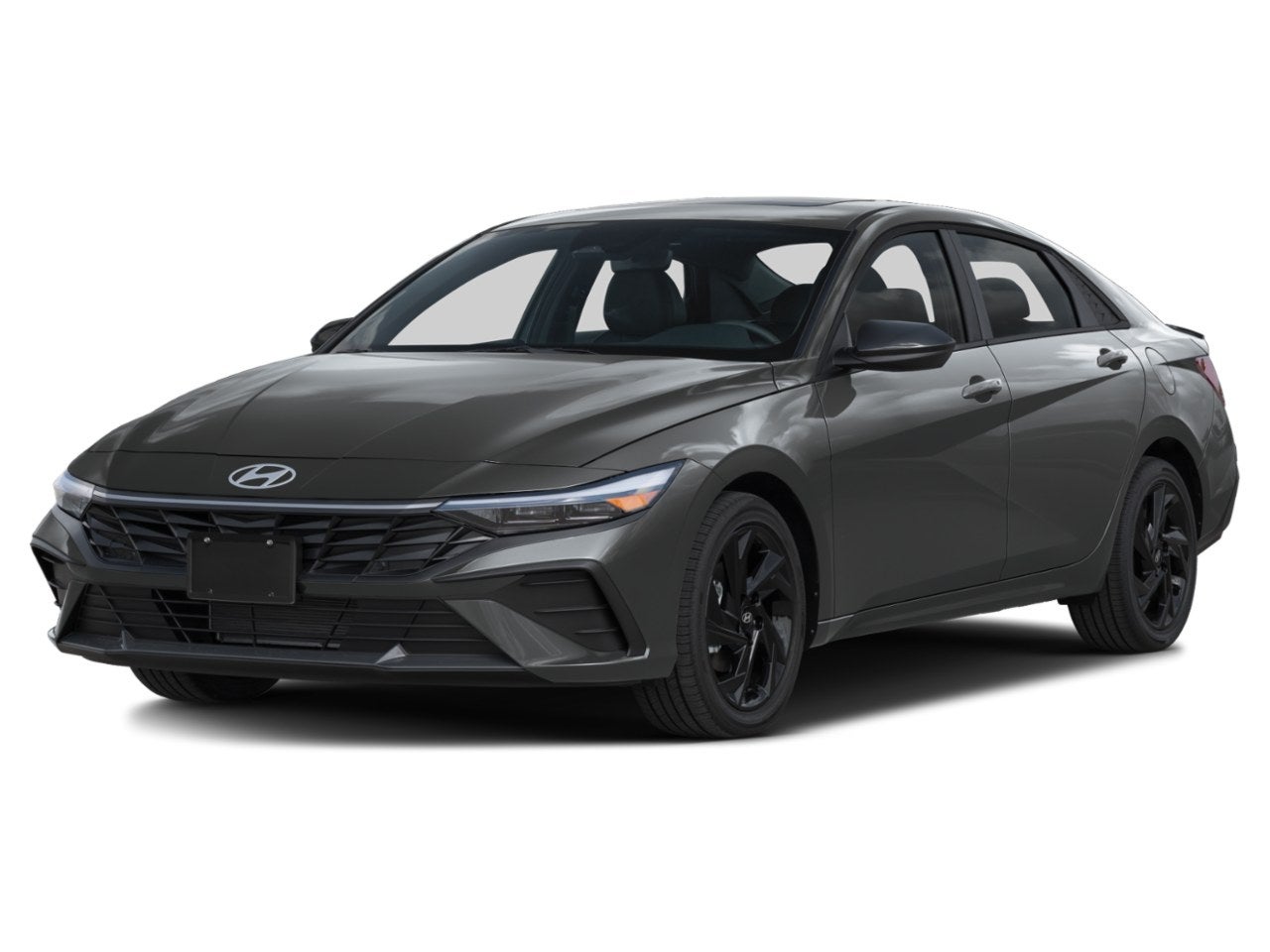
2026 Hyundai Elantra SEL Sport Plus front three-quarter exterior
THE SHORT ANSWER
Getting your Elantra ready for a Riverhead winter comes down to four things: tires with real grip, a battery and fluids that can handle the cold, protection from road salt, and a small emergency kit in the trunk. Every Elantra is front-wheel drive, which helps in snow, but tires and maintenance do most of the work.

Winter on the East End has its own personality: wet nor'easters, black ice on back roads, and brine trucks out on Route 58 before the first flake falls. At Riverhead Hyundai in Riverhead, we see plenty of Elantras come through each November, and the owners who prep a little now have far fewer headaches in January. Here's what's worth checking, and why it matters around here.

Start With the Tires

Every Elantra trim, from the SE up to the N Line, sends power to the front wheels. That's helpful on a slick morning, because the engine's weight sits right over the wheels doing the pulling. Grip still starts and ends with rubber, though, and tire condition decides how well your car stops and turns on ice.

All-season or winter tires?

All-season tires handle a typical North Fork rain-and-slush day reasonably well. Once temperatures stay cold, their rubber stiffens and loses bite. If you head out early on the LIE or drive Sound Avenue before the plows reach it, dedicated winter tires on their own set of wheels are worth a serious look, and our parts department can help you sort out wheels and tires that fit.

Before the cold settles in, run through a few quick checks:

  • Put a penny in the tread with Lincoln's head down; if you can see all of his head, it's time for new tires.
  • Check pressure against the placard on the driver's door jamb, since cold air makes tires lose pressure.
  • Look for uneven wear on the edges, which can point to an alignment issue.

Battery, Fluids and Wipers

Under the hood

Cold mornings are hard on batteries. A battery that cranked fine all summer can give up on the first frosty day in the Tanger Outlets lot, so have it load-tested before the deep freeze. While it's being checked, we'll look at the terminals for corrosion and make sure your coolant has proper freeze protection. Keep oil changes on the schedule in your owner's manual too, since fresh oil flows more easily when the engine is cold.

What you see through

Salt spray from the car ahead coats your windshield fast, and you'll burn through washer fluid quicker than you'd expect. Swap in a winter-rated washer fluid that won't freeze in the lines or on the glass. Wiper blades that streak or chatter should be replaced now, not in the middle of a storm on Route 25.

If you'd rather have all of this handled in one stop, you can book a winter service visit with us. A single appointment covers the battery, fluids, wipers and a tire look-over, so you head into December knowing where things stand.

Keep Salt From Eating Your Car

Riverhead gets a double dose of salt. Towns and the state brine the roads ahead of storms, and if you live near the bay or the Sound, salty air works on the car year-round. That combination is tough on brake lines, exhaust parts and anything metal underneath.

The best defense is simple: wash the underside regularly, especially after a storm once the roads dry out. A car wash with an undercarriage spray does the job. A good coat of wax before winter gives the paint a layer of protection, and rinsing the wheel wells keeps packed slush from sitting there for weeks.

A few other habits help too:

  • Wipe down the rubber door seals and treat them so your doors don't freeze shut overnight.
  • Use all-weather floor mats to catch slush and salt before it soaks into the carpet.
  • Never pour hot water on a frozen windshield; cold glass can crack. Use your defroster and a scraper instead.

It's a little extra effort, but salt damage is slow, quiet and expensive. Staying ahead of it keeps your Elantra solid underneath and holds its value when trade-in time comes.

Pack a Kit and Drive for the Conditions

2026 Hyundai Elantra side exterior

Even a well-prepped car can get stuck on a side road off Route 24 or caught in a long backup during a storm. Keep a small winter kit in the trunk:

  • Ice scraper and snow brush
  • Warm blanket, gloves and a hat
  • Phone charger and a flashlight
  • Compact shovel and a bag of sand or cat litter for traction
  • Spare jug of winter washer fluid

Behind the wheel, clear snow off the whole car, including the roof, before you leave. Smooth inputs are your friend on ice. Front-wheel-drive cars tend to push wide if you turn in too fast, and the fix is to ease off the gas and let the tires grab again. N Line owners have extra power on tap, with 201 hp compared with 147 hp on the other trims, so a light right foot matters even more on a cold morning.

If your current car isn't up for another winter, we carry new, used and Certified Pre-Owned Hyundai inventory and serve Riverhead and the North Fork/East End. You can browse our new Elantra inventory and see which trim fits the way you drive.

Where
1800 Old Country Rd
Riverhead, NY
KEY TAKEAWAYS
  • Tires matter more than anything else, so check tread and pressure now and consider dedicated winter tires if you drive early or on unplowed roads.
  • Have the battery tested and switch to winter-rated washer fluid before the first hard freeze.
  • Wash the underside regularly to get road salt off, and keep a basic winter kit in the trunk.
FAQ

Common questions

Does the Hyundai Elantra come with all-wheel drive?

No. Every 2026 Elantra trim, from the SE through the Limited and N Line, is front-wheel drive. With good tires, front-wheel drive handles most East End winter driving well, because the engine's weight sits over the wheels that pull the car.

Do I really need winter tires in Riverhead?

Plenty of drivers get by on good all-season tires, especially if they can wait for the plows. If you commute early, drive back roads or can't stay home on storm days, winter tires make a real difference in stopping and turning on ice and packed snow.

When should I bring my Elantra in for winter prep?

Aim for before the first hard freeze, which on the North Fork usually means sometime in November. That gives you time to have the battery tested, fluids topped up, wipers swapped and tires checked or changed before the busy storm season.
Want to see it in person?
Come by for a test drive, or browse what is on the lot right now.
Or call (631) 369-0600 · 1800 Old Country Rd, Riverhead
Posted in:

Related Posts

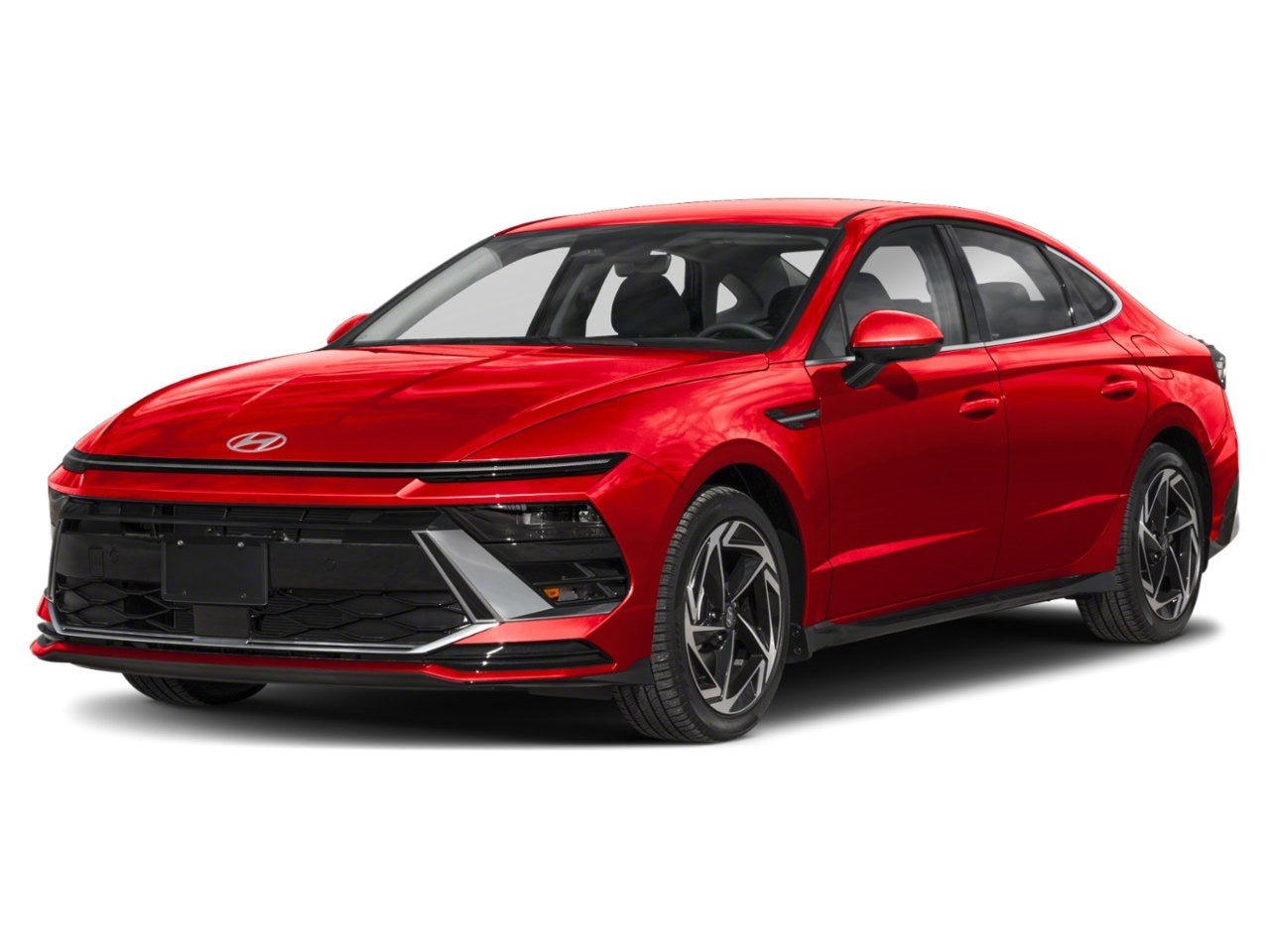
2026 Hyundai Sonata SEL Sport front three-quarter exterior

Hyundai Sonata Trims Explained: Which One Fits Your Riverhead Commute

THE SHORT ANSWER For most Riverhead commuters who put on a lot of highway miles, the SE gives the best fuel economy at the lowest starting price. Pick the SEL Sport (AWD) if winter traction matters most, or the N Line if you want noticeably more power. Picking a Sonata gets a lot easier once you know what actually separates the trims. At Riverhead Hyundai in Riverhead, NY, a common question is which one makes sense for the way people out here really drive. Here's a straight walk through the 2027 lineup, from the fuel-sipping SE to the quick N Line, with your commute in mind. IN THIS POST Match the Trim to Your Drive SEL Sport: Front-Wheel or All-Wheel Drive N Line: When You Want More Punch Narrowing It Down Key takeaways Match the Trim to Your Drive A Riverhead commute rarely sticks to one kind of road. You might crawl past the shopping centers on Route 58, settle into a steady cruise on the Long Island Expressway, then finish on a two-lane road out by the farms. That mix is the best way to choose a Sonata trim. The SE: built for mileage For long highway runs, the SE is hard to argue with. It starts at an MSRP of $27,600, the lowest in the lineup, and its 38 mpg highway rating is the strongest of any Sonata trim. If you head west toward Nassau or the city a few days a week, that efficiency adds up at the pump. Under the hood is a 2.5-liter four-cylinder driving the front wheels, and power feels smooth and adequate for merging. Around town you'll see a 26 mpg city rating. Shoppers who mainly want dependable, low-fuss transportation usually start and finish here, and you can browse new Sonata inventory to see what's on the lot. SEL Sport: Front-Wheel or All-Wheel Drive The SEL Sport comes in two versions, and choosing between them is really a question about winter. Both share the 191-horsepower four-cylinder from the SE. What separates them is what happens at the wheels. With front-wheel drive, the SEL Sport starts at $29,400 and keeps most of the SE's efficiency. Step up to the all-wheel-drive version at $30,900, and you gain traction when you pull away on slush, wet leaves or a snowy driveway. What AWD costs you That grip comes with a fuel trade-off. All-wheel drive drops the combined rating to 26 mpg, versus 29 for the front-wheel-drive SEL Sport. It's a fair price to pay if you live on a hilly side street, park outside, or leave early before the plows come through. Keep in mind that AWD helps you get moving, not stop. A good set of winter tires does more for braking on ice than any drivetrain. To feel the difference for yourself, book a test drive of both versions back to back. N Line: When You Want More Punch The N Line is the one Sonata that feels genuinely different from behind the wheel. Its 2.5-liter engine makes 290 horsepower, a big jump over the rest of the lineup. You notice it most on short on-ramps onto the LIE and when passing a slow truck on a two-lane road like Sound Avenue. It stays front-wheel drive and starts at an MSRP of $36,300. Surprisingly, its combined rating of 27 mpg edges out the all-wheel-drive SEL Sport, so the extra power doesn't cost you more at the pump than that trim does. Who it suits Think of the N Line for drivers who enjoy the drive itself, not just the destination. If your commute includes open stretches of Route 25 or weekend trips out to Orient Point, it makes those miles more engaging. Stuck in traffic most days? Then that extra power will spend a lot of time unused, and the SE or SEL Sport may be the smarter spend. Narrowing It Down Here's a quick way to sort it out: Mostly highway miles: the SE, for its fuel economy and lowest price Snow, hills or outdoor parking: the SEL Sport (AWD) The SEL Sport without the AWD fuel penalty: the SEL Sport (2WD) You love to drive: the N Line One thing you don't have to weigh is trunk space. All four trims share the same 15.6 cubic feet of cargo room, so golf clubs, a stroller or a farm-stand haul fit no matter which one you pick. Getting the numbers to work Those prices are starting MSRPs, so taxes, fees and any options will change your final number. Riverhead Hyundai offers trade-in assistance and online prequalification, which helps you see where you stand before you come in. You can value your trade online first, then compare trims with a real budget in mind. Where 1800 Old Country Rd Riverhead, NY Call (631) 369-0600 KEY TAKEAWAYS The SE is the efficiency pick, with the strongest highway mileage and the lowest starting MSRP. All-wheel drive on the SEL Sport adds winter grip but costs some fuel economy, and it doesn't replace winter tires. The N Line adds a big jump in power with fuel economy close to the AWD SEL Sport, and trunk space is the same on every trim. FAQ Common questions Is all-wheel drive worth it on the East End? It depends on where you park and when you leave. If your driveway is steep, your car sits outside, or you're on the road before the plows, the SEL Sport (AWD) gives you noticeably better traction pulling away. If you mostly drive plowed main roads, a front-wheel-drive trim with good winter tires handles most Long Island winters well. Do the Sonata trims have different trunk sizes? No. Cargo room is the same across the whole lineup, so you can choose based on drivetrain, power and fuel economy without giving up any trunk space. Where can I have my Sonata serviced after I buy it? Riverhead Hyundai is a full-service Hyundai dealership in Riverhead with Hyundai-trained technicians, so routine maintenance and repairs can be handled close to home. Want to see it in person? Come by for a test drive, or browse what is on the lot right now. Schedule a test drive Browse new inventory Or call (631) 369-0600 · 1800 Old Country Rd, Riverhead Or keep browsing Current offers Financing Value your trade Book service Contact us Used cars


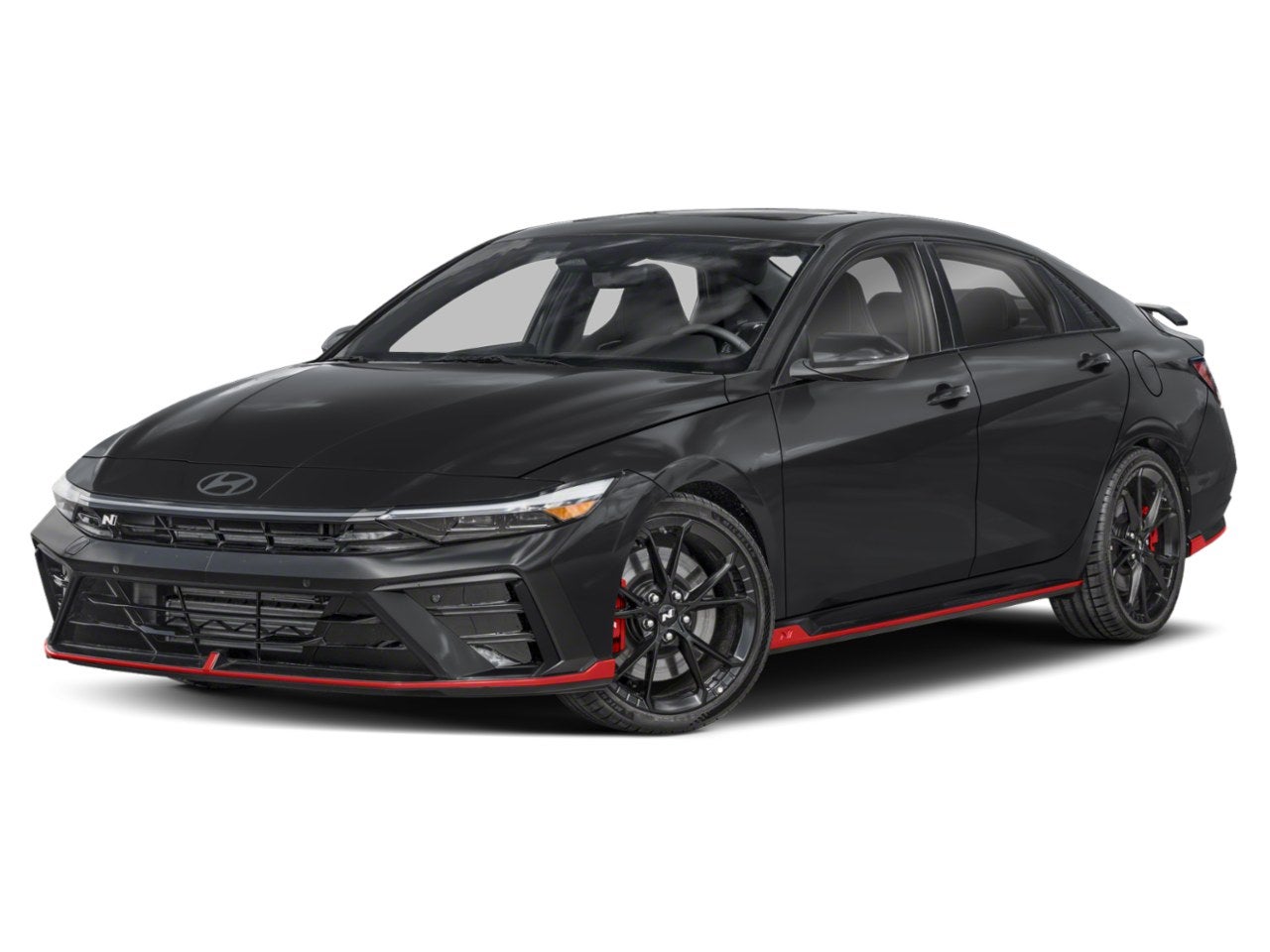
2026 Hyundai Elantra N front three-quarter exterior

Hyundai Elantra N Trims Explained: N vs N Line, What's the Difference

THE SHORT ANSWER The Elantra N Line is a sporty-looking, sharper-driving version of the everyday Elantra. The Elantra N is Hyundai's full performance sedan, with a 276-hp turbocharged engine and track-minded tuning, offered in N, DCT and TCR Edition trims. If you want real performance and a car you can still drive every day, the Elantra N is the one to drive first. The names make this confusing. Elantra N Line and Elantra N sound like close cousins, but they're built for different drivers, and choosing between them comes down to how you'll use the car. At Riverhead Hyundai in Riverhead, NY, here's how we'd explain the difference to a friend, along with how the three Elantra N trims compare. IN THIS POST Elantra N vs N Line: Two Different Ideas Elantra N Trims: N, DCT and TCR Edition Living With the Elantra N Day to Day Drive the Elantra N Back to Back With the N Line Key takeaways Elantra N vs N Line: Two Different Ideas Think of the Elantra N Line as the everyday Elantra with more attitude. You get sharper styling and a livelier feel than the standard sedan, but it's tuned for commuting first and spirited driving second. The Elantra N is a different animal. Hyundai's N performance division built it with the track in mind. It uses a turbocharged 4-cylinder making 276 hp and sends that power through the front wheels, so the whole car is set up to make the most of it. Who each one suits N Line: you want a sedan that looks the part and feels a little quicker on your daily drive. Elantra N: you want a car that comes alive on a back road and could handle a weekend track day, with a trunk and back seat for the rest of the week. If you're leaning toward the real thing, take a look at our new Hyundai inventory to see which Elantra N trims are on the lot right now. Elantra N Trims: N, DCT and TCR Edition Each Elantra N trim gets the same engine and output, so you won't give up any performance by choosing one over another. The differences come down to how you shift and how special you want the car to feel. N and DCT The N trim starts at $35,300 and is the purest way into the car. It returns 21 mpg city and 29 highway, which is honest for a car this quick. Stepping up to the DCT trim at $36,800 gets you Hyundai's dual-clutch automatic. Shifts are lightning-fast, and in stop-and-go traffic you don't have to work a pedal. You give up a little efficiency for that, landing at 20 city and 27 highway. TCR Edition At the top, the TCR Edition (2WD) is priced from $39,250 and takes its name from Hyundai's touring-car racing program. It keeps the same front-drive setup and matches the N trim's fuel economy, with special-edition touches that set it apart. Come see one in person, and we can talk through financing options for whichever trim fits your budget. Living With the Elantra N Day to Day A performance car is only worth owning if it fits your actual week, and this is where the Elantra N wins people over. It's still a sedan at heart, with room for five people and a proper trunk. You get 14.2 cubic feet of cargo space in every trim. In practice, that's a full grocery run, a couple of carry-on bags for a weekend trip, or your golf clubs for a round out east. Fuel economy stays reasonable too, so the commute to work on Route 25 won't feel like a punishment for wanting something fun. The ride is firmer than a standard Elantra. That's the point. It talks to you about the road without beating you up, and most owners settle into it quickly. Ownership is easy here, too. Riverhead Hyundai is a full-service Hyundai dealership, and our Hyundai-trained technicians know these cars inside and out. When it's time for an oil change or a check-up after a spirited summer, you can book service with people who work on Hyundais every day. Drive the Elantra N Back to Back With the N Line The quickest way to settle N vs N Line is to drive them one after the other. Comparing them on paper only gets you so far. Ten minutes behind the wheel tells you whether you want a sharp daily driver or a true performance sedan. On your drive, pay attention to a few things: How the engine pulls when you merge onto the LIE How the steering and brakes feel through a curve on Sound Avenue Whether you prefer the dual-clutch automatic in the DCT trim or the more hands-on feel of the base N How the ride feels on the rougher stretches you drive every day We carry new, used and Certified Pre-Owned Hyundai inventory, so if a new car doesn't fit your plans, ask what pre-owned options are on hand. When you're ready, book a test drive of the Elantra N and bring your questions. If you have a car to trade, bring it along so we can take a look while you're here. Where 1800 Old Country Rd Riverhead, NY Call (631) 369-0600 KEY TAKEAWAYS The N Line is a styled, livelier daily Elantra, while the Elantra N is a dedicated performance car. All three Elantra N trims share the same 276-hp turbo engine and front-wheel drive. The DCT trim adds a dual-clutch automatic, and the TCR Edition adds special-edition character. The Elantra N still fits real life, with seating for five, a usable trunk and Hyundai-trained technicians to look after it in Riverhead. FAQ Common questions Is the Elantra N Line the same as the Elantra N? No. The N Line is a sportier-styled, livelier version of the regular Elantra. The Elantra N is Hyundai's dedicated performance model, with a 276-hp turbocharged engine and track-focused tuning. If performance is what you're after, the Elantra N is the one to drive. Which Elantra N trim is best for commuting on Long Island? If you sit in a lot of traffic, the DCT trim's dual-clutch automatic makes stop-and-go driving easy while keeping the full performance of the Elantra N. If you want the purest driving feel and the best fuel economy in the lineup, the base N trim is a great choice. Driving both at Riverhead Hyundai is the best way to decide. Can I service my Elantra N at Riverhead Hyundai? Yes. Riverhead Hyundai is a full-service Hyundai dealership with Hyundai-trained technicians, so your Elantra N can be cared for right here in Riverhead, from routine maintenance to anything more involved. Want to see it in person? Come by for a test drive, or browse what is on the lot right now. Schedule a test drive Browse new inventory Or call (631) 369-0600 · 1800 Old Country Rd, Riverhead Or keep browsing Current offers Financing Value your trade Book service Contact us Used cars

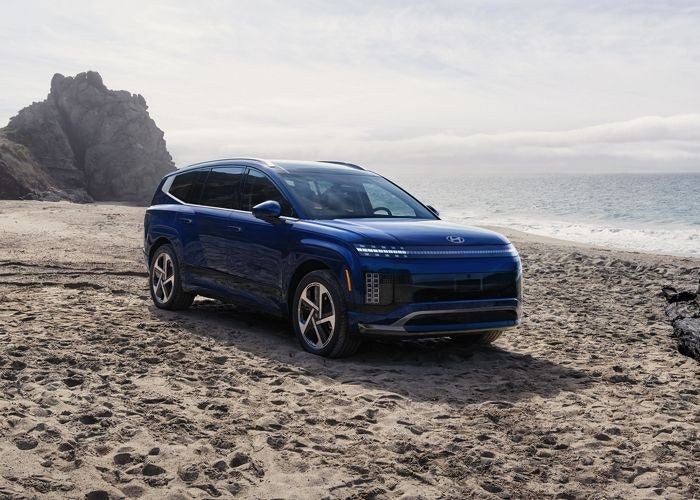
Ioniq 5 N Performance Explained: Horsepower, Torque and Drive Modes

Ioniq 5 N Performance Explained: Horsepower, Torque and Drive Modes

THE SHORT ANSWER The Ioniq 5 N uses two electric motors and full-time all-wheel drive, and its highest power rating applies only while N Grin Boost is engaged. The rest of the time you drive on a standard output that is still very strong. Its N drive modes then let you shape how that power arrives: the front-to-rear torque split, regenerative braking, sound and simulated gear shifts, so the same car can feel calm on Main Road or sharp at a track day. The most common mistake people make with the Ioniq 5 N is treating its top horsepower rating as the whole story, as if that peak is what you get every time you press the pedal. It isn't, and the reason explains a lot about how this car works. At Riverhead Hyundai in Riverhead, NY, enthusiasts ask us about it in plain terms all the time. So here's a straightforward walk through the motors, the modes and what the car is like to live with. IN THIS POST Motors and Horsepower N Grin Boost and Drift Modes Torque Distribution and AWD Braking and Handling Upgrades Everyday Drivability Driving It on the East End Owning and Servicing a Performance EV What to Do Next Key takeaways Motors and Horsepower The Ioniq 5 N runs on two electric motors, one for the front wheels and one for the rear, so it's all-wheel drive all the time. Hyundai rates its power two ways. One is a standard output you can use whenever you like. The other is a higher peak that unlocks only when you ask for it. That split is where most of the confusion starts. When you hear the bigger number, it describes the car with N Grin Boost engaged, which we'll get to next. In ordinary driving, including a hard run up the ramp onto the Long Island Expressway, you're working with the standard output. That's still far more than most people will ever use on a public road. Horsepower versus torque Horsepower describes how much work the motors can do as speed builds. Torque is the twisting force you feel the moment you press the pedal. Electric motors deliver it almost instantly, with no waiting for an engine to rev up. Instant torque is what first-time drivers talk about afterward, more than any top-end rating. If you'd like to see one in person while you read, you can browse our new Hyundai inventory and see what's on the lot. N Grin Boost and Drift Modes N Grin Boost is a dedicated button on the steering wheel. Press it and the car releases a short burst of extra power for a limited window, then drops back to its standard output. Think of it as an overtake function rather than a mode you leave on. It makes the most sense on a long track straight, during a launch at an organized event, or for a confident pass on an open stretch. Battery temperature and charge level affect how much you get. Hyundai includes battery preconditioning settings that warm the pack before hard driving, and the car performs best when the battery is warm and well charged. Drifting, in plain terms N Drift Optimizer is built for closed courses. It adjusts motor response and how the rear wheels share power, so the back of the car slides more predictably while you hold it at an angle. It doesn't make you a drift driver. It makes learning less abrupt. N Pedal works alongside it. With N Pedal on, lifting off the accelerator brings in strong regenerative braking, which shifts weight onto the front tires and helps the car turn into a corner. On a track that's a useful tool. On a wet back road it can catch you off guard, so leave it for the right setting. Torque Distribution and AWD All-wheel drive in the Ioniq 5 N isn't fixed. N Torque Distribution lets you choose how drive is shared between the front and rear motors, in steps from front-biased to rear-biased. A front-heavy split feels planted and stable. A rear-heavy one makes the car more eager to rotate through a turn, closer to a traditional rear-drive sports car. At the back sits an electronic limited-slip differential. When you accelerate out of a corner, weight moves to the outside of the car and the inside rear tire wants to spin uselessly. The differential manages power between the two rear wheels so more of it goes to the tire that has grip. Picking a setting for the road you're on On a rainy morning on Route 25, or the first snowy commute of the winter, a balanced or front-leaning split is the sensible choice. You can also leave the car in a standard drive mode and let it manage traction on its own. Save rear-biased settings for dry pavement, ideally on a closed course. Two customizable N buttons on the wheel can store your preferred combinations. Many owners set one up as a calm, grippy setup and the other as their track setup, then switch with a single press. Braking and Handling Upgrades Electric cars carry a heavy battery, and stopping a quick, heavy car over and over takes more than standard hardware. Hyundai fits the Ioniq 5 N with larger brakes than the regular Ioniq 5. It also leans on the electric motors themselves to slow the car. That second part is called N Brake Regen. During most braking, the motors handle much of the work, recovering energy and keeping the friction brakes cooler. In the hardest stops, the mechanical brakes take over fully. You get consistent pedal feel lap after lap, without the fade that comes from overheated pads. What changes underneath Compared with the standard Ioniq 5, the N gets a reinforced body structure, stiffer mounting points, retuned suspension and quicker-feeling steering. The battery sits low in the floor, which keeps the center of gravity down and helps the car stay flat in corners. Performance tires do the rest, though they trade some quietness and longevity for grip. If you plan on track days, expect pads and brake fluid to wear faster than on any commuter car. Have them inspected before and after each event, and when it's time to replace them, choose genuine Hyundai brake parts built for this car rather than generic substitutes. Everyday Drivability For all its track tools, the Ioniq 5 N drives like a firm, quick Ioniq 5 when you want it to. In its calmer modes, power comes on smoothly, the adaptive suspension softens, and regenerative braking behaves the way most EV owners expect. Running errands in Mattituck or commuting west on the expressway doesn't require any special technique. Two features surprise people. N e-Shift simulates gear changes, complete with a small jolt between shifts. N Active Sound+ plays engineered driving sounds through the speakers. Both add personality on a fun drive, and both can be switched off when you'd rather have quiet. The honest trade-offs The ride is stiffer than a standard Ioniq 5, and the performance tires make more road noise. Driving hard uses energy quickly, so your range will vary much more with your right foot than it would in a regular EV. Charging works like the rest of the Ioniq 5 lineup, including fast DC charging on the road. You still get a practical hatchback with a usable back seat and cargo area. For a lot of buyers that's the real appeal: one car that handles the school run during the week and a performance event on a Saturday. Driving It on the East End Out here, the roads shape how you'll use this car more than any track. Sound Avenue and Route 48 have flowing stretches. Route 25 brings farm stands, tractors and slow summer traffic toward Greenport. Heading to the South Fork on Route 24 or Route 27, weekend congestion means you'll spend plenty of time at legal, unremarkable speeds. The good news is that the Ioniq 5 N is enjoyable well below its limits. Steering feel, the quick response of the motors and the way the chassis settles into a curve all come through at normal speeds. You don't need to break any laws to feel why it's different. Seasonal things to watch Late winter potholes are hard on low-profile performance tires and wheels. After a bad hit, have the alignment and tires checked. Deer on back roads at dusk are another reason to keep N Pedal off and your braking predictable after dark. If you want to explore the car's full ability, organized track days off the Island are the place for it. Many come with instructors who can walk you through drift and launch functions safely. A day with good instruction teaches more about the car than months of street driving. Where 1800 Old Country Rd Riverhead, NY Call (631) 369-0600 KEY TAKEAWAYS The top horsepower rating applies only while N Grin Boost is active. Day to day you're on the standard output, which is still plenty. N modes change how power is delivered, how drive is split between the axles and how the car brakes, so match them to the road and the weather. Performance driving wears tires and brakes faster, so plan maintenance and test-drive the modes before you decide. FAQ Common questions Is the Ioniq 5 N a good choice for Long Island winters? It can be, with the right setup. Its all-wheel drive and adjustable torque split help in rain and light snow, but the factory performance tires aren't designed for cold or icy roads. Many owners switch to a set of winter tires on separate wheels for the colder months and keep the car in a calmer drive mode until spring. Can I turn off the simulated engine sound and gear shifts? Yes. N Active Sound+ and N e-Shift are both optional, and you can switch them off in the settings. With them off, the car is quiet and smooth like a regular EV. Turn them back on when you want a more traditional sports-car feel. Is the Ioniq 5 N too much car for someone new to performance driving? Not if you build up gradually. In its standard modes it's predictable and easy to drive, and the advanced functions like drift and launch settings stay off unless you choose them. A test drive, time spent learning the settings, and an instructed track day are a sensible path for a newer enthusiast. Want to see it in person? Come by for a test drive, or browse what is on the lot right now. Schedule a test drive Browse new inventory Or call (631) 369-0600 · 1800 Old Country Rd, Riverhead Or keep browsing Current offers Financing Value your trade Book service Contact us Used cars