



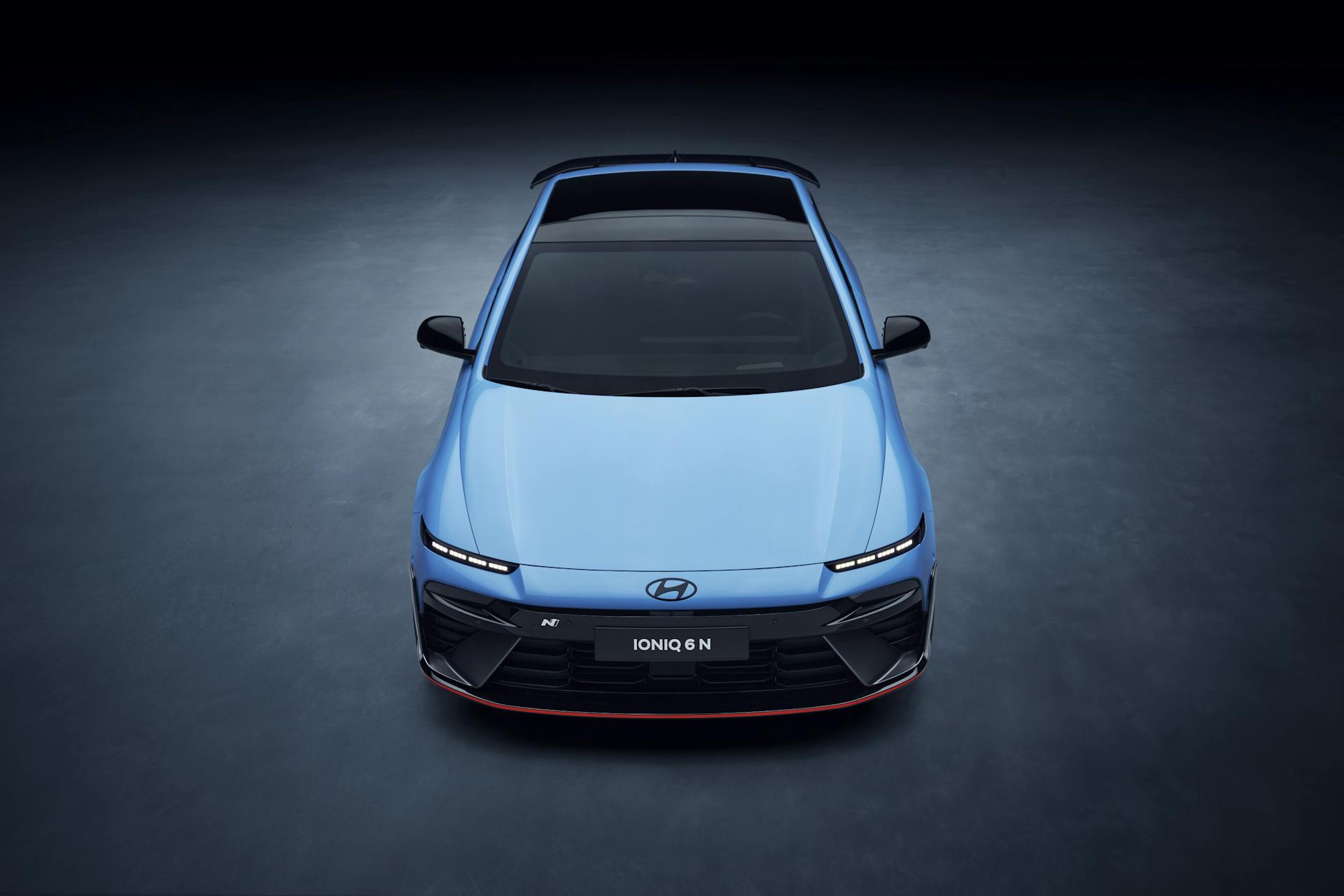
Charge Smarter in Riverhead This Summer
Driving an electric Hyundai around Riverhead and the East End feels great, but charging can seem confusing at first. The good news is that once you understand your options, keeping your EV or plug-in hybrid charged is actually pretty simple, even with busy plans and beach days.
In this guide, we will walk through home charging basics, public charging around Riverhead, fast charging on longer drives, and what to expect for time and cost. We will also share a few tips to make summer driving easier, so you can spend more time out on the road and less time worrying about your battery. Whether you already own a Hyundai EV or you are just starting to think about one, you will see that Hyundai EV charging in Riverhead is more flexible than it might look at first.
Home Charging Basics for Hyundai EV Drivers
Home charging is where most EV drivers get the majority of their range. There are two main types you will hear about: Level 1 and Level 2.
Level 1 uses a standard household outlet. You plug in with the cord that comes with many vehicles and add a small amount of range each hour. It is slow, but it can work if your daily driving is light.
Level 2 uses a 240 volt outlet, similar to what a clothes dryer uses. It adds much more range per hour and is usually the better choice for daily commuting around Riverhead, the North Fork, and trips toward the Hamptons.
Here is how many owners think about it:
- Level 1: Good for low mileage days or as a backup
- Level 2: Better for regular commuting and weekend plans
- Plug-in hybrids: Often fine with Level 1, but charge faster on Level 2
To install a Level 2 charger at home, most Long Island homeowners will:
- Have an electrician check electrical panel capacity
- Add a 240 volt outlet if needed
- Mount and connect the charger in the garage or driveway
Working with a licensed electrician is important for safety and for getting the charger in the best spot for everyday use.
Once it is set up, home charging can slide right into your normal routine. Many drivers:
- Plug in at night so the car is ready by morning
- Top off after a day at the beach or on the road
- Time charging to off peak hours if their electric plan offers it
With a home charger, your car often starts each day with a full battery, which makes local errands and surprise plans feel easy.
Public Charging Around Riverhead and the East End
Of course, you will not always be at home. Public charging fills in the gaps when you are shopping, grabbing lunch, or exploring the East End.
Around Riverhead and nearby towns, you are likely to find chargers in:
- Shopping centers and outlet areas
- Grocery store parking lots
- Downtown public parking spots
- Along main routes toward the Hamptons and North Fork wineries
Most of these are Level 2 chargers, which are perfect when you plan to stay parked for a bit. For example, you might pick up a useful amount of range while you shop or sit down for a meal.
DC fast chargers are different. They are built for quicker stops on longer drives. You might use one when you are:
- Driving toward the city or farther out on Long Island
- Short on time on a busy weekend
- Looking to add a lot of range in under an hour
You can plan Hyundai EV charging in Riverhead with popular charging apps and your Hyundai vehicle’s built-in navigation. Many drivers like to:
- Check charger locations before longer drives
- Filter by plug type and charging speed
- Look at recent user comments for reliability
Doing a quick plan like this helps reduce range anxiety for both local drivers and visitors who are new to the area.
Fast Charging Your Hyundai on Long Island Roads
DC fast charging is the quickest way to charge your Hyundai EV when you are on the go. At a high-power fast charger, many Hyundai EVs can go from a low battery to about 80 percent in a relatively short time, though exact time depends on charger speed, battery size, and conditions.
A few things can affect charging speed:
- Battery size and design
- Starting charge level
- Outside temperature and battery temperature
Your Hyundai may slow charging as it gets closer to a full charge in order to protect the battery, so the last 20 percent can take longer than the first part.
For battery health, especially in summer heat, many drivers try to:
- Avoid fast charging to 100 percent on a regular basis
- Arrive at chargers with some charge left instead of waiting for 0 percent
- Use preconditioning features when available so the battery is at a good temperature before charging
Hyundai drivers use a mix of charging networks across Long Island and beyond. Many public stations work with common apps and cards, and some new Hyundai EV purchases may come with charging credits or special network partnerships. Those details can vary, so it is helpful to review what comes with your specific vehicle when you get it.
Managing Charging Costs and Incentives
Charging an EV feels different from filling a gas tank, so it helps to think about where the energy comes from and how often you charge.
Home charging is usually the most cost-friendly way to power an EV over time. With a Level 2 charger at home, many drivers:
- Plug in at night when rates may be lower
- Charge more often but in smaller amounts
- Keep the battery between medium and high instead of going from empty to full
Public Level 2 chargers can be free or paid, depending on the location. DC fast chargers usually cost more per unit of energy because they offer much higher power and faster sessions. For most people, fast charging is something they use as needed on trips, not every day.
Seasonal habits play a part too. In summer, drivers often:
- Take more weekend drives and day trips
- Run the AC more often, which can affect range
- Stay out later, which makes overnight charging extra handy
There may also be New York state or local utility incentives to help with some EV or home charger costs. These programs can change from time to time and may depend on where you live and who provides your electricity. Many drivers find it helpful to talk through current options so they do not miss anything that could be available to them.
Let Riverhead Hyundai Simplify Your EV Charging Plan
Planning Hyundai EV charging in Riverhead does not have to be stressful. Once you understand the difference between home charging, public Level 2 stations, and DC fast charging, it becomes much easier to match your charging plan to your lifestyle on the East End.
We are here to help you sort through home charger questions, local charging options, and which Hyundai EV or plug-in hybrid might fit your daily driving. With the right plan in place, you can head into summer with confidence, knowing your charging setup is ready for beach days, errands in town, and longer drives across Long Island.
Power Your Drive With Convenient Local EV Charging Solutions
If you are ready to make the most of your electric Hyundai, explore our guide to Hyundai EV charging in Riverhead and see how simple daily charging can be. At Riverhead Hyundai, we help you choose the right charging options at home, at work, and on the go so your EV fits seamlessly into your life. If you have questions or want personalized recommendations, just contact us and we will walk you through your best next steps.
Connect with us


- July 2026
- June 2026
- May 2026
- April 2026
- March 2026
- February 2026
- January 2026
- December 2025
- November 2025
- October 2025
- September 2025
- August 2025
- July 2025
- June 2025
- May 2025
- April 2025
- March 2025
- February 2025
- January 2025
- December 2024
- November 2024
- October 2024
- September 2024
- August 2024
- July 2024
- June 2024
Archives
Riverhead Hyundai

Address
1800 Old Country Road
Riverhead, NY 11901
Phone
- Sales 888-498-5441
- Service 888-493-9931
| Monday | 9:00AM - 8:00PM |
| Tuesday | 9:00AM - 8:00PM |
| Wednesday | 9:00AM - 8:00PM |
| Thursday | 9:00AM - 8:00PM |
| Friday | 9:00AM - 8:00PM |
| Saturday | 9:00AM - 6:00PM |
| Sunday | 11:00AM - 5:00PM |
| Monday | 8:00AM - 4:30PM |
| Tuesday | 8:00AM - 4:30PM |
| Wednesday | 8:00AM - 4:30PM |
| Thursday | 8:00AM - 4:30PM |
| Friday | 8:00AM - 4:30PM |
| Saturday | 8:00AM - 4:30PM |
| Sunday | Closed |
| you break it we fix it | |
| Monday | 8:00AM - 4:30PM |
| Tuesday | 8:00AM - 4:30PM |
| Wednesday | 8:00AM - 4:30PM |
| Thursday | 8:00AM - 4:30PM |
| Friday | 8:00AM - 4:30PM |
| Saturday | 8:00AM - 4:30PM |
| Sunday | Closed |