



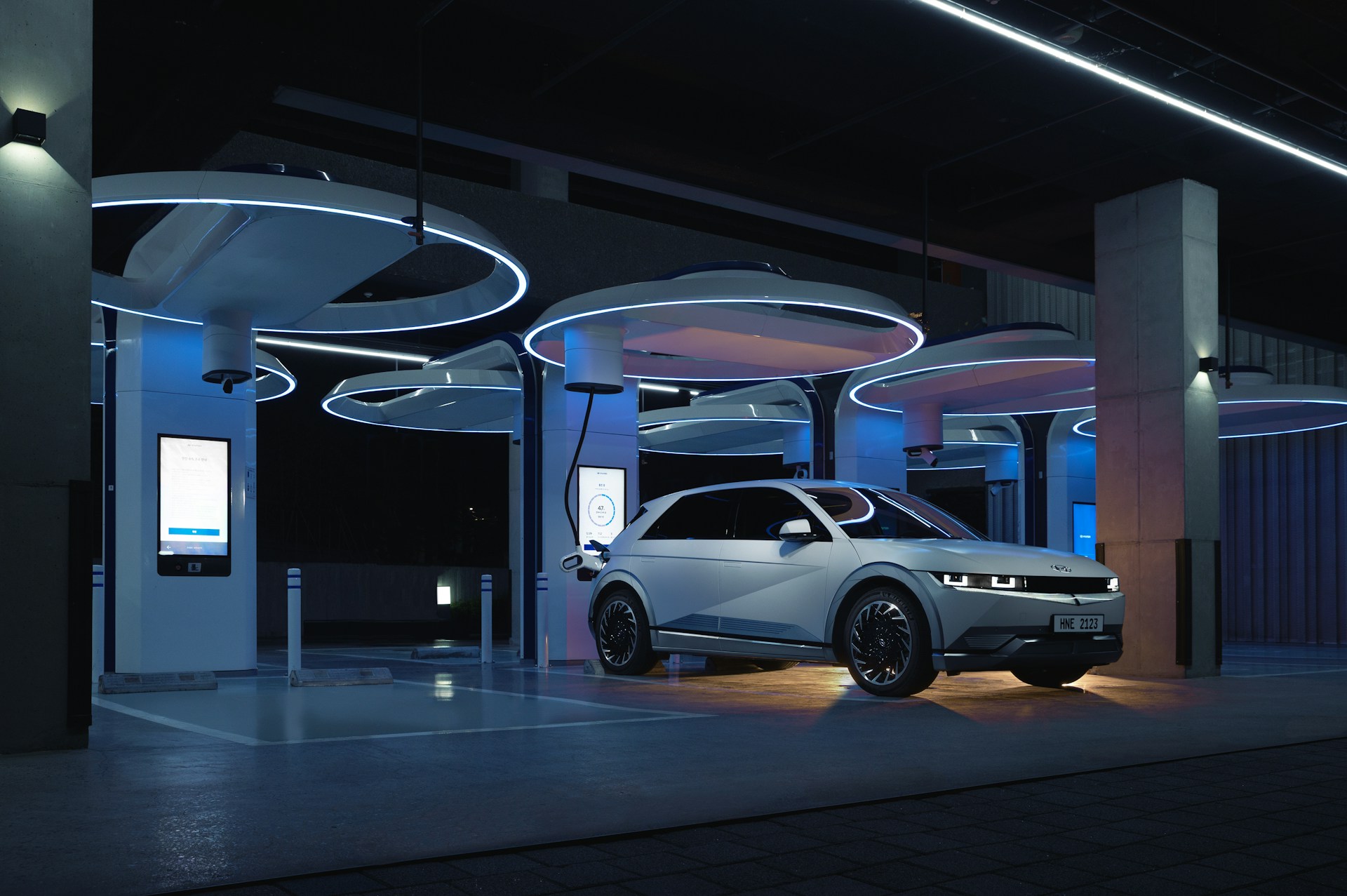
Making Sense of Hyundai EV Charging Around Riverhead
Electric vehicles are becoming a normal sight on Long Island roads, from daily drives along Route 58 to weekend trips out to the North Fork. If you are curious about a Hyundai EV like the Ioniq 5 or Kona Electric, charging is usually the first big question. You want to know where to plug in, how long it takes, and if it will actually fit your life.
We wrote this guide to make Hyundai EV charging in Riverhead clear and simple. We will walk through the basics, show how public and home charging fit into your routine, and share some smart tips so you feel ready for everyday errands and longer trips any time of year.
EV Charging Basics for Riverhead Drivers
Hyundai EVs are built to handle the mix of local driving we see here: short hops around town, commutes across Long Island, and beach or vineyard runs on the weekends. That is why understanding the three main types of charging is so helpful.
Here is a simple way to think about charging levels:
- Level 1: Standard household outlet, slow but steady
- Level 2: Home or public 240-volt charger, everyday workhorse
- DC fast charging: On-the-go, quickest way to add miles
Level 1 uses a regular outlet, the kind you already have at home. It is best for light daily driving or as a backup. Level 2 uses a 240-volt outlet, similar to a clothes dryer. Many public stations are Level 2, and this is what most EV owners rely on for overnight charging. DC fast charging is what you find along major routes. It adds a lot of range in a short time and is great for road trips.
Hyundai EVs use common charging connectors, so they are compatible with many public charging networks around Long Island. Your charging port is designed to work with:
- Level 1 and Level 2 AC chargers
- DC fast chargers that support your Hyundai connector type
- Public stations listed through major charging apps
For daily life, most drivers plug in at home overnight, then top off during the day if needed. A few easy habits help keep your battery happy and ready:
- Try not to let the battery sit at 0 percent or 100 percent for long periods
- In very hot or very cold weather, give yourself a little extra range cushion
- Precondition the cabin while plugged in when possible, so you use less battery on climate control
Out on the East End, seasonal temperatures can affect range a bit. Cold snaps can make range drop, and hot, humid days with lots of AC use can do the same. Planning with a bit of buffer helps you feel relaxed behind the wheel.
Finding Public EV Charging Around Riverhead
If you drive around Riverhead, you will notice more public charging spots popping up in places you already visit. Common locations include:
- Shopping centers and big-box stores along Route 58
- Parking areas near downtown Riverhead
- Stops along routes toward the North Fork and Hamptons
- Some hotels, attractions, and workplaces
Your Hyundai EV’s built-in navigation can help you find nearby chargers that match your charging port. Many drivers also like to use charging apps on their phone. These tools usually let you:
- Filter by charger speed (Level 2 or DC fast)
- See which stations are in use or free
- Check connector types and estimated charging time
In the summer, local roads can get busy with beach traffic and visitors. A little planning goes a long way. You might:
- Charge earlier in the day before crowds build
- Pair charging with things you already do, like shopping or dining
- Choose stops with more than one charger, so you have backup options
This way, charging becomes a normal part of your day, not something you have to stress about.
Home Charging That Fits Long Island Life
For many Riverhead area drivers, home charging is what makes EV ownership feel easy. There are two main choices at home:
- Use the standard outlet you already have (Level 1)
- Install a 240-volt Level 2 charger in your garage or driveway
Level 1 can work if your daily driving is light and you are patient. Level 2 is better for most people, because it lets you start each day with a fuller battery after an overnight charge.
When you are thinking about a Level 2 setup, it helps to:
- Have a licensed electrician check your electrical panel
- Talk through where the charger will be mounted
- Plan for where you park and how you move around the space
A professional can guide you on timing, any needed upgrades, and the best location so charging fits smoothly into your routine.
With Long Island summers, home energy use can be high from AC and appliances. Many EV owners like to:
- Charge overnight when other power use is lower
- Set a charging schedule in the vehicle settings
- Plug in as soon as they get home, then let the car manage the rest
Once it is set up, you simply park, plug in, and wake up ready to go.
How Riverhead Hyundai Supports Your EV Experience
Owning an EV is not only about the car; it is also about feeling supported after you bring it home. That is where our dealership’s EV-focused services come in.
Our service team works with Hyundai electric vehicles and can help with:
- EV system checks and charging diagnostics
- Software updates and feature adjustments
- Battery health evaluations as part of regular maintenance
When you are new to EVs, it feels good to have someone walk through the details with you. During the purchase process, we can help you:
- Understand home charging options and what to ask an electrician
- Get started with common charging networks
- Review Hyundai EV benefits and current programs that may apply
We also offer Hyundai EV models with different sizes and features so you can match your choice to your driving style, whether you stay close to Riverhead most days or head across Long Island often.
Smart Charging Tips for Easy Summer Driving
Summer on Long Island usually means more beach days, winery stops, and trips to see friends and family. Hyundai EVs are well suited for this kind of driving, especially when you add a few smart habits.
Before a longer drive, many EV owners like to:
- Start with a full charge from home
- Precondition the cabin while plugged in, so the car is cool when you leave
- Mark DC fast chargers and Level 2 backups along the route
On warm days, a few small changes can help you keep more range:
- Use Eco mode when it fits the drive
- Rely on seat and steering wheel heaters or coolers when available instead of blasting the cabin settings
- Keep speeds steady and avoid hard acceleration when you can
A simple seasonal checklist for Hyundai EV charging in Riverhead might look like this:
- Check your charging cable for any wear
- Confirm your charging apps are logged in and updated
- Review your preferred public charging spots for any changes
- Make sure your EV software is up to date after regular service
With a bit of planning and the right tools, Hyundai EV charging around Riverhead can feel routine and relaxed, from busy summer weekends to quiet weekday commutes.
Power Your EV Journey With Expert Local Support
If you are ready to make everyday driving simpler and more efficient, we are here to help you understand everything about Hyundai EV charging in Riverhead. Our team at Riverhead Hyundai can walk you through home charging options, public charging solutions, and the EV models that fit your lifestyle. Reach out today through our contact page so we can answer your questions and help you move forward with confidence.
Connect with us


- August 2026
- July 2026
- June 2026
- May 2026
- April 2026
- March 2026
- February 2026
- January 2026
- December 2025
- November 2025
- October 2025
- September 2025
- August 2025
- July 2025
- June 2025
- May 2025
- April 2025
- March 2025
- February 2025
- January 2025
- December 2024
- November 2024
- October 2024
- September 2024
- August 2024
- July 2024
- June 2024
Archives
Riverhead Hyundai

Address
1800 Old Country Road
Riverhead, NY 11901
Phone
- Sales 888-498-5441
- Service 888-493-9931
| Monday | 9:00AM - 8:00PM |
| Tuesday | 9:00AM - 8:00PM |
| Wednesday | 9:00AM - 8:00PM |
| Thursday | 9:00AM - 8:00PM |
| Friday | 9:00AM - 8:00PM |
| Saturday | 9:00AM - 6:00PM |
| Sunday | 11:00AM - 5:00PM |
| Monday | 8:00AM - 4:30PM |
| Tuesday | 8:00AM - 4:30PM |
| Wednesday | 8:00AM - 4:30PM |
| Thursday | 8:00AM - 4:30PM |
| Friday | 8:00AM - 4:30PM |
| Saturday | 8:00AM - 4:30PM |
| Sunday | Closed |
| you break it we fix it | |
| Monday | 8:00AM - 4:30PM |
| Tuesday | 8:00AM - 4:30PM |
| Wednesday | 8:00AM - 4:30PM |
| Thursday | 8:00AM - 4:30PM |
| Friday | 8:00AM - 4:30PM |
| Saturday | 8:00AM - 4:30PM |
| Sunday | Closed |