



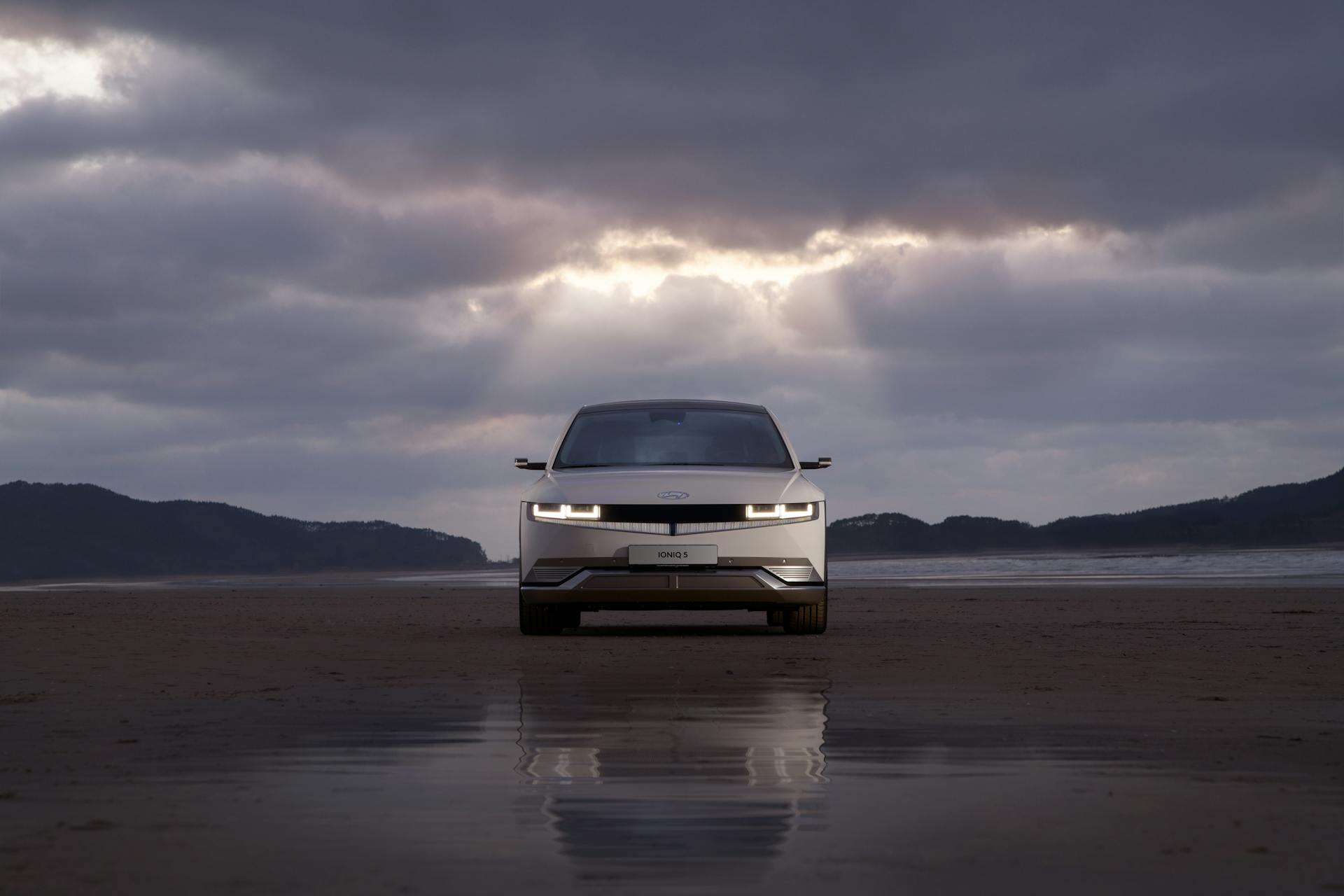
Cash in More When You Sell Your Hyundai
Selling your current Hyundai should help your budget, not drain your time and energy. The big decision is simple to ask but harder to answer: Is it better to trade in at a dealership or try a private sale to another driver in the Riverhead area?
Late June can be a smart time to make that choice. More people are out driving to the beach, visiting family, and taking longer trips across Long Island, so there is strong interest in reliable, fuel-efficient cars and SUVs. That extra demand can help whether you trade your Hyundai in or sell it yourself. The trick is understanding what really ends up in your pocket after fees, taxes, time, and stress. Our team at Riverhead Hyundai works with local drivers every day, so we see both sides up close. Let us walk through how each option works so you can pick the one that fits your life before summer driving hits full swing.
Trade-In vs. Private Sale on Long Island
When you trade in, you bring your Hyundai to a dealership and apply its value directly toward your next vehicle. The dealer handles appraisal, paperwork, and resale. With a private sale, you list the car on your own, meet buyers, handle test drives, and complete all the documents yourself.
On paper, private sale prices can look higher than trade-in numbers. Online listings often show big asking prices, but that does not always match what people actually accept when the deal gets done. Many private sellers:
- Drop their price after a few weeks
- Throw in extras like winter mats or accessories
- Pay for repairs or detailing to calm buyer worries
With a trade-in, the offer is based on what the dealer can realistically resell the vehicle for in the local market. That number is shaped by:
- Recent Hyundai sales in Suffolk County
- Seasonal demand for certain models and trims
- What it will cost to get the vehicle ready for its next owner
On Long Island, clean, fuel-efficient Hyundai sedans and SUVs tend to stay in demand, especially as gas use climbs in warmer months. Features like all-wheel drive, active safety tech, and roomy cargo areas can help, while high mileage or visible wear can bring the value down in both trade-in and private sale situations.
How Hyundai Trade-In Value in Riverhead Is Calculated
Hyundai trade-in value in Riverhead comes from real details about your vehicle, not just a quick guess. The main factors include:
- Model year and body style
- Actual mileage on the odometer
- Full vehicle history and any accidents
- Trim level and options, like leather or a sunroof
- Mechanical condition and warning lights
- Interior and exterior wear
Online valuation tools can give you a starting range. Those are useful for getting a ballpark idea before you visit a dealership. But they do not always reflect what is happening right now in our local area. For example, if several similar models are sitting on lots nearby, that can lower demand. If your exact model is popular with local shoppers, that can help your trade-in value.
An in-person appraisal lets a trained team check things that online tools cannot, like how the engine sounds, how the transmission shifts, and how much reconditioning will be needed. That reconditioning might include tires, brakes, fluids, and detailing, and it directly affects the offer.
There is also a tax angle in New York. When you trade in your Hyundai and buy another vehicle, the value of your trade usually reduces the amount that is taxed on the new purchase. This can feel like extra money in your pocket, because it cuts the tax bill tied to your next car or SUV.
What Really Affects Your Private Sale Payout
A private sale can look tempting when you see high asking prices online, but it brings its own list of costs and headaches. To sell your Hyundai yourself, you may need to cover:
- Listing or advertising fees
- Professional cleaning or detailing
- Minor body repairs or touch-up paint
- A pre-sale inspection to reassure buyers
There is also your time. You need to answer messages, screen buyers, set up test drives, and meet at safe public locations. Some buyers do not show up. Others arrive late, ask for big price cuts, or keep negotiating even after you agreed on a number.
Risk is another piece of the puzzle. You are letting strangers inspect and drive your vehicle. You have to be careful with payment methods and confirm that any cashier’s check or digital transfer is real before you hand over keys and title. Paperwork for title transfer and registration also falls completely on you, which can be stressful if you are not used to it.
Timing matters too. Listing right before a major summer holiday can bring eager buyers who want a vehicle quickly, but it can also mean more competing listings as other owners have the same idea. If several similar Hyundais are posted at once, you might be pushed into dropping your price to stand out.
When Trade-In Value Beats a Private Sale in Riverhead
Once you subtract private sale costs and factor in tax savings from a trade-in, the gap between the two options may shrink more than you expect. In some cases, the net trade-in amount can come very close to what you would actually clear after a private sale, and sometimes it can even work out better.
Trading in often makes the most sense when:
- Your Hyundai has high mileage or visible wear
- The vehicle needs repairs or maintenance you do not want to handle
- You are on a tight schedule and need into your next vehicle soon
- You want to avoid dealing with buyers and paperwork on your own
Dealerships may also offer trade-in bonuses tied to certain models or limited-time promotions. These can give your trade extra value that a private buyer cannot match, especially if the dealer knows there is strong local demand for your exact Hyundai.
Smart Steps to Boost Your Hyundai’s Value Either Way
Whether you trade in or sell privately, a little prep usually helps. Simple, low-stress steps can make your Hyundai look better and feel better to anyone who sees it.
Good general prep includes:
- A basic wash and interior clean
- Removing personal items and clutter
- Topping off fluids if needed
- Gathering service and maintenance records
For a dealership trade-in, it helps to:
- Be upfront about any prior damage or issues
- Bring both sets of keys and any remotes
- Include floor mats, manuals, and accessories that came with the car
- Keep realistic expectations based on mileage and condition
If you decide to try a private sale, focus on clear, honest communication. Take photos on a bright day so the color and condition are accurate. In your listing, share basics like year, mileage, trim, and any standout features or recent service. Check recent Hyundai listings in the Long Island area to set a fair, realistic price that leaves a little room for normal negotiation without cutting too far into your bottom line.
Drive Into Summer Confident in Your Next Move
There is no one answer that works for every Hyundai owner. Sometimes a private sale might bring a higher number, but only if you are willing to spend the time, cover the costs, and take on the risk. Other times, a strong Hyundai trade-in value in Riverhead, along with tax advantages and saved hours, will come out ahead when you look at the big picture.
At Riverhead Hyundai, we aim to give clear, transparent appraisals so you can compare a real trade-in offer to what you think you could get on your own. With a solid number in hand, you can decide whether trading in or selling privately is the smarter move for your summer plans and beyond.
Unlock More for Your Next Hyundai With a Smart Trade-In
If you are ready to see how far your current vehicle can take you toward your next one, we are here to help at Riverhead Hyundai. Start by reviewing our detailed answers about your Hyundai trade-in value in Riverhead so you know exactly what to expect. Then reach out so we can review your options, walk you through the numbers, and tailor a plan that fits your budget. If you have questions or want to schedule a visit, simply contact us and our team will follow up with you.
Connect with us


- August 2026
- July 2026
- June 2026
- May 2026
- April 2026
- March 2026
- February 2026
- January 2026
- December 2025
- November 2025
- October 2025
- September 2025
- August 2025
- July 2025
- June 2025
- May 2025
- April 2025
- March 2025
- February 2025
- January 2025
- December 2024
- November 2024
- October 2024
- September 2024
- August 2024
- July 2024
- June 2024
Archives
Riverhead Hyundai

Address
1800 Old Country Road
Riverhead, NY 11901
Phone
- Sales 888-498-5441
- Service 888-493-9931
| Monday | 9:00AM - 8:00PM |
| Tuesday | 9:00AM - 8:00PM |
| Wednesday | 9:00AM - 8:00PM |
| Thursday | 9:00AM - 8:00PM |
| Friday | 9:00AM - 8:00PM |
| Saturday | 9:00AM - 6:00PM |
| Sunday | 11:00AM - 5:00PM |
| Monday | 8:00AM - 4:30PM |
| Tuesday | 8:00AM - 4:30PM |
| Wednesday | 8:00AM - 4:30PM |
| Thursday | 8:00AM - 4:30PM |
| Friday | 8:00AM - 4:30PM |
| Saturday | 8:00AM - 4:30PM |
| Sunday | Closed |
| you break it we fix it | |
| Monday | 8:00AM - 4:30PM |
| Tuesday | 8:00AM - 4:30PM |
| Wednesday | 8:00AM - 4:30PM |
| Thursday | 8:00AM - 4:30PM |
| Friday | 8:00AM - 4:30PM |
| Saturday | 8:00AM - 4:30PM |
| Sunday | Closed |