
Blog / New York Hyundai Service

Blog

All New York Hyundai Service New York Hyundai Dealer
Hyundai

Hyundai Trade-In vs. Private Sale in Riverhead: Which Pays More?

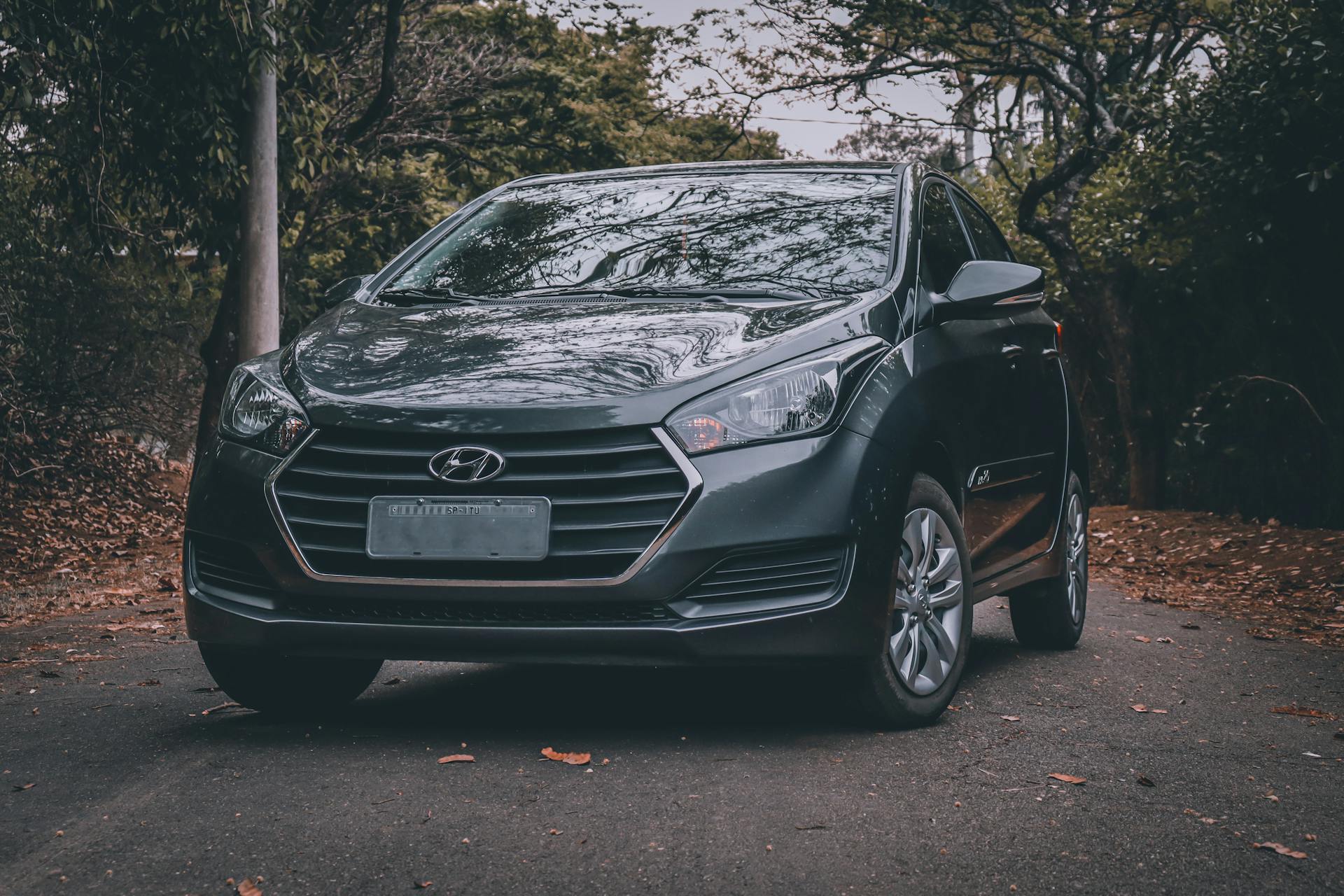
Cash in More When You Sell Your Hyundai Selling your current Hyundai should help your budget, not drain your time and energy. The big decision is simple to ask but harder to answer: Is it better to trade in at a dealership or try a private sale to another driver in the Riverhead area? Late June can be a smart time to make that choice. More people are out driving to the beach, visiting family, and taking longer trips across Long Island, so there is strong interest in reliable, fuel-efficient cars and SUVs. That extra demand can help whether you trade your Hyundai in or sell it yourself. The trick is understanding what really ends up in your pocket after fees, taxes, time, and stress. Our team at Riverhead Hyundai works with local drivers every day, so we see both sides up close. Let us walk through how each option works so you can pick the one that fits your life before summer driving hits full swing. Trade-In vs. Private Sale on Long Island When you trade in, you bring your Hyundai to a dealership and apply its value directly toward your next vehicle. The dealer handles appraisal, paperwork, and resale. With a private sale, you list the car on your own, meet buyers, handle test drives, and complete all the documents yourself. On paper, private sale prices can look higher than trade-in numbers. Online listings often show big asking prices, but that does not always match what people actually accept when the deal gets done. Many private sellers: Drop their price after a few weeks Throw in extras like winter mats or accessories Pay for repairs or detailing to calm buyer worries With a trade-in, the offer is based on what the dealer can realistically resell the vehicle for in the local market. That number is shaped by: Recent Hyundai sales in Suffolk County Seasonal demand for certain models and trims What it will cost to get the vehicle ready for its next owner On Long Island, clean, fuel-efficient Hyundai sedans and SUVs tend to stay in demand, especially as gas use climbs in warmer months. Features like all-wheel drive, active safety tech, and roomy cargo areas can help, while high mileage or visible wear can bring the value down in both trade-in and private sale situations. How Hyundai Trade-In Value in Riverhead Is Calculated Hyundai trade-in value in Riverhead comes from real details about your vehicle, not just a quick guess. The main factors include: Model year and body style Actual mileage on the odometer Full vehicle history and any accidents Trim level and options, like leather or a sunroof Mechanical condition and warning lights Interior and exterior wear Online valuation tools can give you a starting range. Those are useful for getting a ballpark idea before you visit a dealership. But they do not always reflect what is happening right now in our local area. For example, if several similar models are sitting on lots nearby, that can lower demand. If your exact model is popular with local shoppers, that can help your trade-in value. An in-person appraisal lets a trained team check things that online tools cannot, like how the engine sounds, how the transmission shifts, and how much reconditioning will be needed. That reconditioning might include tires, brakes, fluids, and detailing, and it directly affects the offer. There is also a tax angle in New York. When you trade in your Hyundai and buy another vehicle, the value of your trade usually reduces the amount that is taxed on the new purchase. This can feel like extra money in your pocket, because it cuts the tax bill tied to your next car or SUV. What Really Affects Your Private Sale Payout A private sale can look tempting when you see high asking prices online, but it brings its own list of costs and headaches. To sell your Hyundai yourself, you may need to cover: Listing or advertising fees Professional cleaning or detailing Minor body repairs or touch-up paint A pre-sale inspection to reassure buyers There is also your time. You need to answer messages, screen buyers, set up test drives, and meet at safe public locations. Some buyers do not show up. Others arrive late, ask for big price cuts, or keep negotiating even after you agreed on a number. Risk is another piece of the puzzle. You are letting strangers inspect and drive your vehicle. You have to be careful with payment methods and confirm that any cashier’s check or digital transfer is real before you hand over keys and title. Paperwork for title transfer and registration also falls completely on you, which can be stressful if you are not used to it. Timing matters too. Listing right before a major summer holiday can bring eager buyers who want a vehicle quickly, but it can also mean more competing listings as other owners have the same idea. If several similar Hyundais are posted at once, you might be pushed into dropping your price to stand out. When Trade-In Value Beats a Private Sale in Riverhead Once you subtract private sale costs and factor in tax savings from a trade-in, the gap between the two options may shrink more than you expect. In some cases, the net trade-in amount can come very close to what you would actually clear after a private sale, and sometimes it can even work out better. Trading in often makes the most sense when: Your Hyundai has high mileage or visible wear The vehicle needs repairs or maintenance you do not want to handle You are on a tight schedule and need into your next vehicle soon You want to avoid dealing with buyers and paperwork on your own Dealerships may also offer trade-in bonuses tied to certain models or limited-time promotions. These can give your trade extra value that a private buyer cannot match, especially if the dealer knows there is strong local demand for your exact Hyundai. Smart Steps to Boost Your Hyundai’s Value Either Way Whether you trade in or sell privately, a little prep usually helps. Simple, low-stress steps can make your Hyundai look better and feel better to anyone who sees it. Good general prep includes: A basic wash and interior clean Removing personal items and clutter Topping off fluids if needed Gathering service and maintenance records For a dealership trade-in, it helps to: Be upfront about any prior damage or issues Bring both sets of keys and any remotes Include floor mats, manuals, and accessories that came with the car Keep realistic expectations based on mileage and condition If you decide to try a private sale, focus on clear, honest communication. Take photos on a bright day so the color and condition are accurate. In your listing, share basics like year, mileage, trim, and any standout features or recent service. Check recent Hyundai listings in the Long Island area to set a fair, realistic price that leaves a little room for normal negotiation without cutting too far into your bottom line. Drive Into Summer Confident in Your Next Move There is no one answer that works for every Hyundai owner. Sometimes a private sale might bring a higher number, but only if you are willing to spend the time, cover the costs, and take on the risk. Other times, a strong Hyundai trade-in value in Riverhead, along with tax advantages and saved hours, will come out ahead when you look at the big picture. At Riverhead Hyundai, we aim to give clear, transparent appraisals so you can compare a real trade-in offer to what you think you could get on your own. With a solid number in hand, you can decide whether trading in or selling privately is the smarter move for your summer plans and beyond. Unlock More for Your Next Hyundai With a Smart Trade-In If you are ready to see how far your current vehicle can take you toward your next one, we are here to help at Riverhead Hyundai. Start by reviewing our detailed answers about your Hyundai trade-in value in Riverhead so you know exactly what to expect. Then reach out so we can review your options, walk you through the numbers, and tailor a plan that fits your budget. If you have questions or want to schedule a visit, simply contact us and our team will follow up with you.
Hyundai EV

EV Road Trip Planning With Hyundai Fast Charging on Long Island

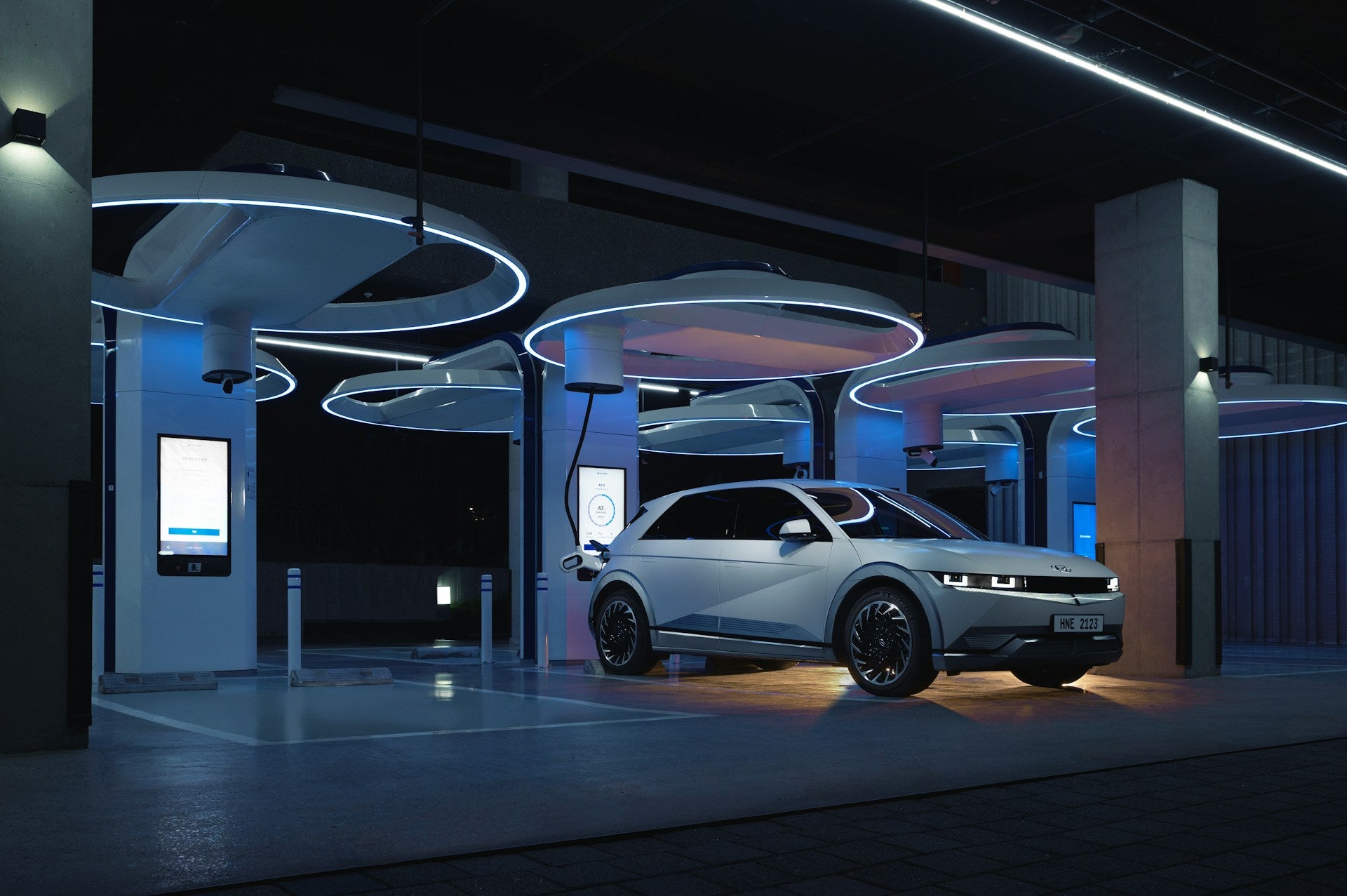
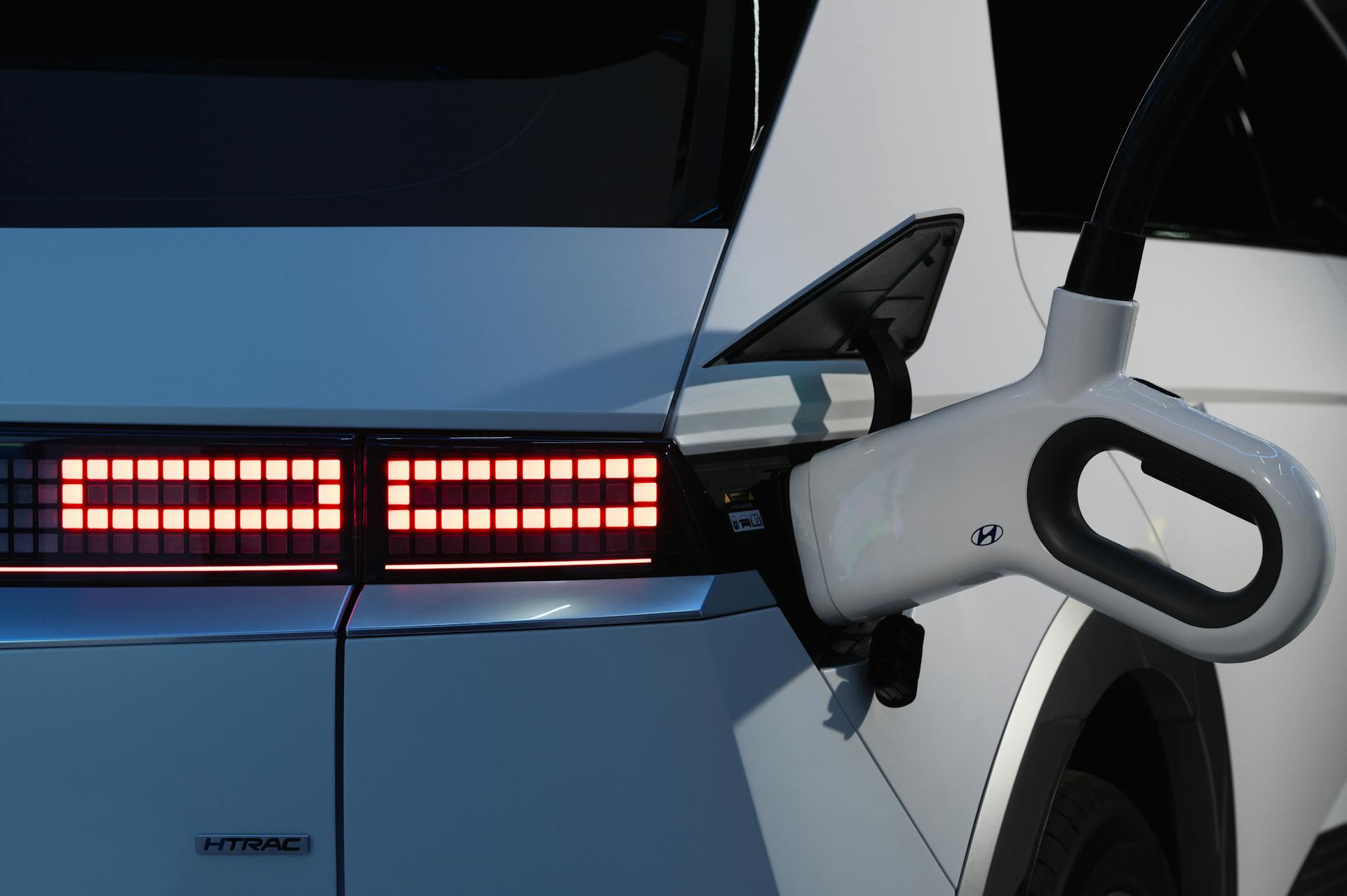
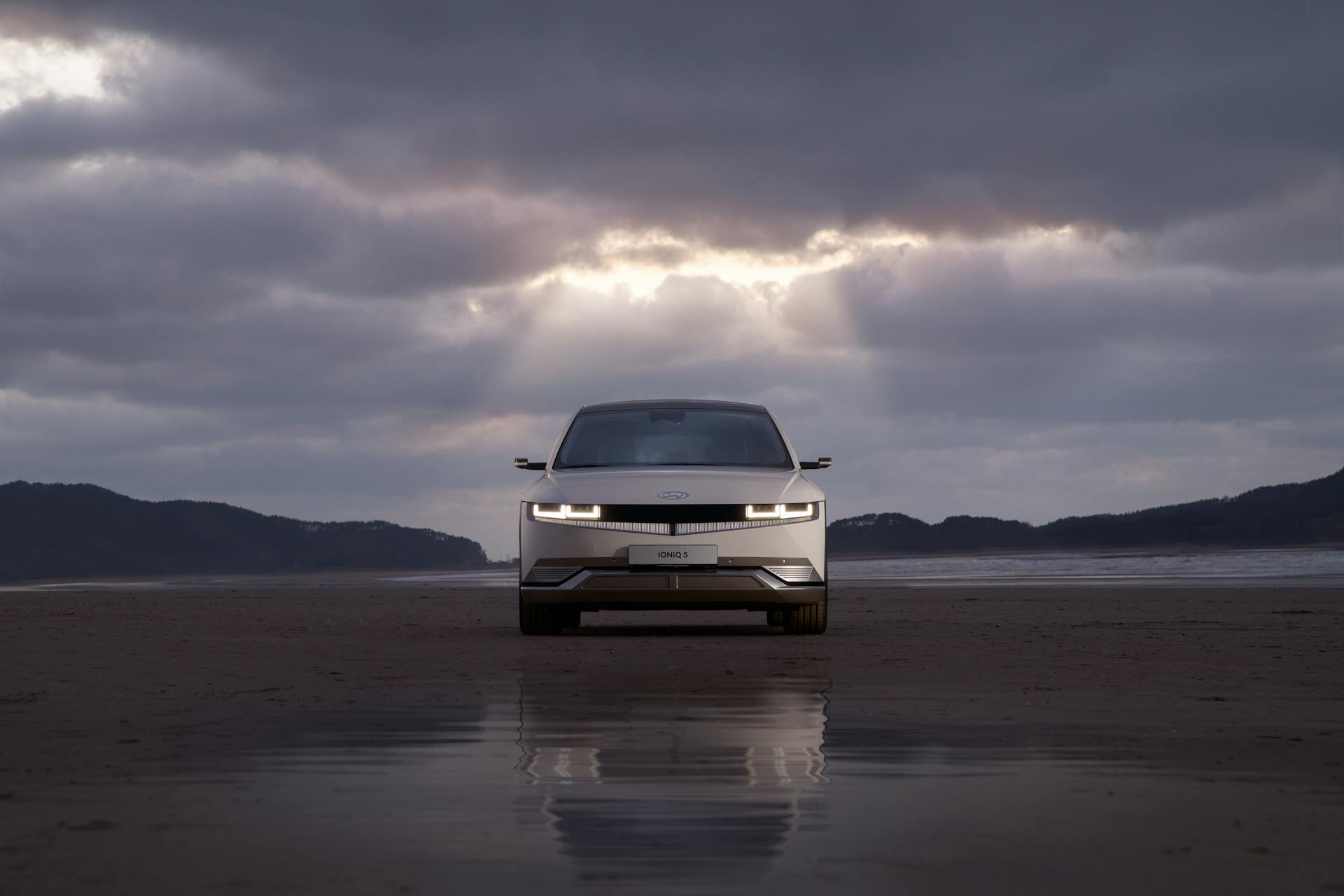
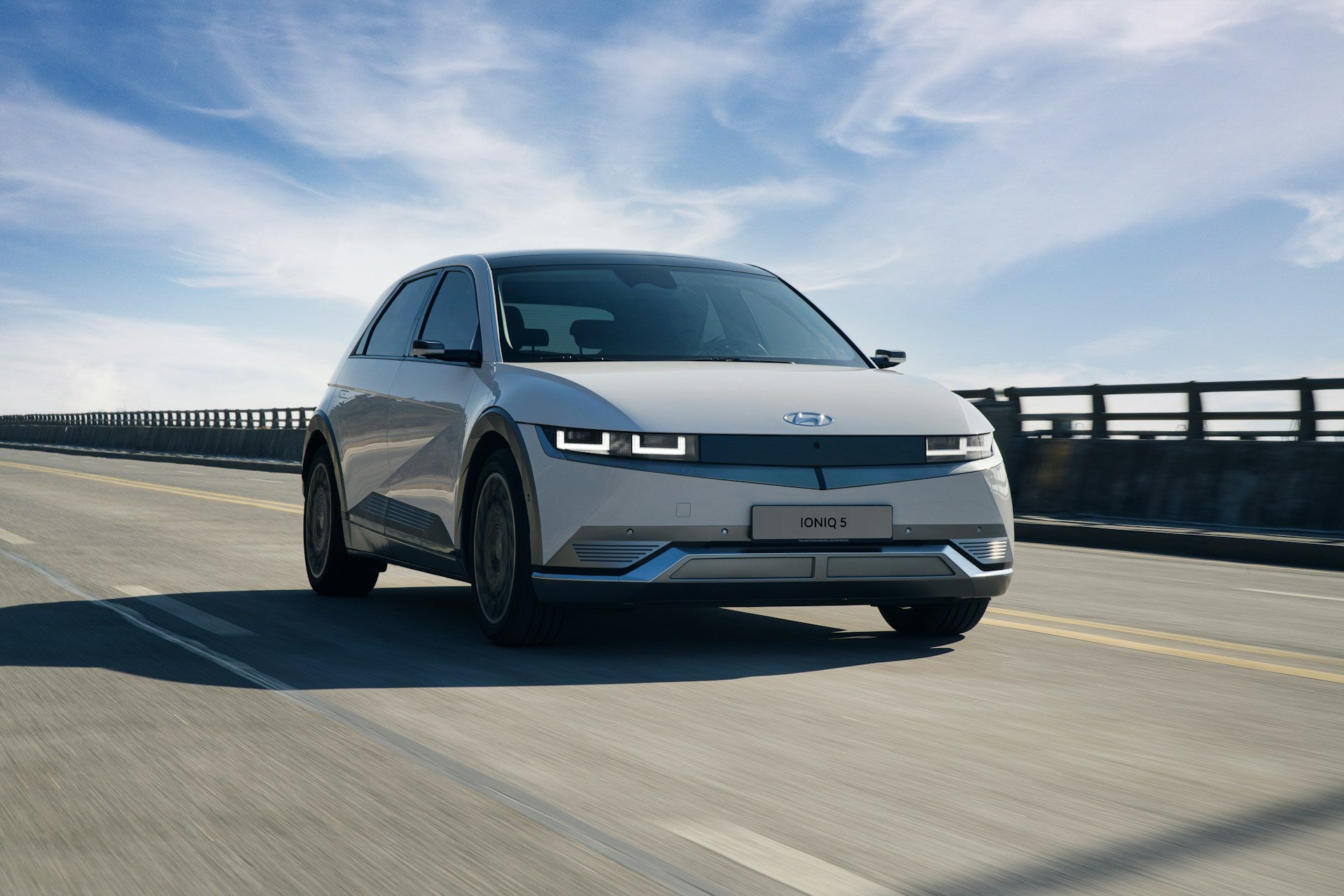
Make Long Island EV Road Trips Easy This Summer Planning a road trip in an electric vehicle does not have to feel stressful. With longer driving ranges and growing fast-charging options, taking a Hyundai EV across Long Island can be simple and fun. From beaches on the South Fork to wineries on the North Fork, you can enjoy the drive and keep charging time under control. Hyundai fast charging in Long Island helps you take on longer routes with confidence. DC fast chargers, public Level 2 stations, and home charging all work together so you spend more time at your favorite spots and less time waiting. With a little planning, your EV can handle day trips, weekends away, and even regular drives into the city. At our dealership in Riverhead, we help drivers choose the right Hyundai electric or plug-in model and understand how charging works on real roads, not just on paper. We also help you prepare your vehicle for longer drives, so you can focus on enjoying the ride, not worrying about where to plug in next. Understand Your Hyundai EV Road Trip Range Before you plan a route, it helps to understand how far your Hyundai EV or plug-in hybrid can go between charges in the real world. The range listed for your vehicle is a helpful guide, but actual results can change based on how and where you drive. Here are a few key factors that affect range on Long Island roads: Highway speed, stop-and-go traffic, and passing Using the AC, heater, seat warmers, and defroster Extra weight from luggage, beach gear, or passengers Hills, wind, and road conditions Warm late-spring and summer weather can actually help your battery work more efficiently compared to very cold days. At the same time, steady AC use will draw extra power. On a clear day heading from Riverhead toward Montauk or up toward Port Jefferson, you might notice that smooth, steady driving at moderate speeds keeps range more stable. To avoid range anxiety, build a little cushion into your plan. Instead of running down close to zero, think about trips this way: Aim to fast charge when you are around 20 to 30 percent, not near empty Plan scenic stops at places with charging when possible Use meal breaks as natural chances to add to your range For example, if you are heading to the North Fork for wineries, you could plan a stop in a small town with public charging while you walk around or sit down for lunch. On the South Fork, you might time a fast-charging stop near a shopping center before heading out to the beach for the afternoon. A flexible plan keeps the trip relaxed even if traffic or weather changes. Map Out Hyundai Fast Charging in Long Island Hyundai fast charging in Long Island is easier to find than many drivers expect. DC fast chargers are often placed near major routes, shopping areas, travel hubs, and some popular destinations around Suffolk and Nassau Counties. These stations can add a good amount of range in a short visit, which is perfect for longer drives. Your Hyundai EV can help you find and use these chargers. Many models include built-in tools to: Search for nearby DC fast chargers and Level 2 stations Filter by plug type so you know the charger works with your vehicle See estimated arrival charge and charging time Add charging stops into your route automatically You can also use EV charging apps and route planners on your phone. These let you: Check real-time charger availability and status Read general information about the locations See rough estimates of how long a charge might take Here are a few simple sample routes starting from the Riverhead area: Riverhead to Montauk and back: Plan a fast-charging stop near a shopping area partway along the South Fork, then top up again on the return trip if needed. Riverhead to Port Jefferson and back: Use a DC fast charger near a main road or commercial center, then enjoy time at the harbor or local restaurants while your car charges. The goal is to line up charging with something you already want to do, like eat, shop, or explore, so it feels like part of the trip, not an interruption. Balance Fast Charging, Level 2, and Home Charging You do not need to rely only on DC fast chargers on a road trip. On Long Island, it often makes sense to mix fast charging, public Level 2, and home charging so your schedule stays flexible. Here is a quick comparison: DC fast charging: Best for adding a lot of range quickly along highways or on longer drives. Public Level 2 charging: Slower, but great while you are parked for a while at attractions, hotels, or town centers. Home charging: The easiest way to start a trip with a full or near-full battery. On a day trip, start by charging at home the night before. Leave Riverhead with a full battery and head to your first destination without stopping. When you arrive: Plug into a Level 2 charger if your destination has one Use that time for the beach, outlets, a long meal, or a winery visit Save DC fast charging for the way home if you need a quick boost This style of "top-up" charging can greatly reduce dedicated charging stops. For example, a few hours at a Level 2 charger while you shop at outlets or relax by the water can add enough range to skip a fast charge later. Many EV drivers find that planning around what they want to do, not just where chargers sit, makes trips smoother and more enjoyable. Keep Your Hyundai EV Trip-Ready and Protected Before you rely on your Hyundai EV for longer drives, it helps to make sure it is in good shape. Factory-certified service can check key systems that matter for both safety and range. Important areas to review before a trip include: Battery health indicators and charging components Tires, including pressure and tread, for better efficiency and grip Brakes and regenerative braking performance Cabin air filters so AC works more efficiently A short checklist for drivers can also make road trips easier: Keep your charging cable, adapters, and any charging cards in the vehicle Make sure your in-car navigation and apps are updated Review basic charging tips and symbols in your owner’s manual Set up your favorite charging apps before you leave home At Riverhead Hyundai, our team provides EV-focused service, software updates, and inspections to help you feel confident heading out during busy travel periods. With the right prep and a clear plan for charging, your Hyundai EV can be a comfortable and capable partner for exploring Long Island. Power Your EV Experience With Fast, Convenient Charging Explore how Hyundai fast charging in Long Island can fit into your daily routine, from quick top-offs to full road trip readiness. At Riverhead Hyundai, we are here to answer your EV questions, walk you through charger options, and help you map out real-world charging times. If you are ready to take the next step or have specific questions, contact us so we can help you choose the right EV and charging solution with confidence.

Hyundai EV

Making Sense of Hyundai EV Charging Around Riverhead

Making Sense of Hyundai EV Charging Around Riverhead Electric vehicles are becoming a normal sight on Long Island roads, from daily drives along Route 58 to weekend trips out to the North Fork. If you are curious about a Hyundai EV like the Ioniq 5 or Kona Electric, charging is usually the first big question. You want to know where to plug in, how long it takes, and if it will actually fit your life. We wrote this guide to make Hyundai EV charging in Riverhead clear and simple. We will walk through the basics, show how public and home charging fit into your routine, and share some smart tips so you feel ready for everyday errands and longer trips any time of year. EV Charging Basics for Riverhead Drivers Hyundai EVs are built to handle the mix of local driving we see here: short hops around town, commutes across Long Island, and beach or vineyard runs on the weekends. That is why understanding the three main types of charging is so helpful. Here is a simple way to think about charging levels: Level 1: Standard household outlet, slow but steady Level 2: Home or public 240-volt charger, everyday workhorse DC fast charging: On-the-go, quickest way to add miles Level 1 uses a regular outlet, the kind you already have at home. It is best for light daily driving or as a backup. Level 2 uses a 240-volt outlet, similar to a clothes dryer. Many public stations are Level 2, and this is what most EV owners rely on for overnight charging. DC fast charging is what you find along major routes. It adds a lot of range in a short time and is great for road trips. Hyundai EVs use common charging connectors, so they are compatible with many public charging networks around Long Island. Your charging port is designed to work with: Level 1 and Level 2 AC chargers DC fast chargers that support your Hyundai connector type Public stations listed through major charging apps For daily life, most drivers plug in at home overnight, then top off during the day if needed. A few easy habits help keep your battery happy and ready: Try not to let the battery sit at 0 percent or 100 percent for long periods In very hot or very cold weather, give yourself a little extra range cushion Precondition the cabin while plugged in when possible, so you use less battery on climate control Out on the East End, seasonal temperatures can affect range a bit. Cold snaps can make range drop, and hot, humid days with lots of AC use can do the same. Planning with a bit of buffer helps you feel relaxed behind the wheel. Finding Public EV Charging Around Riverhead If you drive around Riverhead, you will notice more public charging spots popping up in places you already visit. Common locations include: Shopping centers and big-box stores along Route 58 Parking areas near downtown Riverhead Stops along routes toward the North Fork and Hamptons Some hotels, attractions, and workplaces Your Hyundai EV’s built-in navigation can help you find nearby chargers that match your charging port. Many drivers also like to use charging apps on their phone. These tools usually let you: Filter by charger speed (Level 2 or DC fast) See which stations are in use or free Check connector types and estimated charging time In the summer, local roads can get busy with beach traffic and visitors. A little planning goes a long way. You might: Charge earlier in the day before crowds build Pair charging with things you already do, like shopping or dining Choose stops with more than one charger, so you have backup options This way, charging becomes a normal part of your day, not something you have to stress about. Home Charging That Fits Long Island Life For many Riverhead area drivers, home charging is what makes EV ownership feel easy. There are two main choices at home: Use the standard outlet you already have (Level 1) Install a 240-volt Level 2 charger in your garage or driveway Level 1 can work if your daily driving is light and you are patient. Level 2 is better for most people, because it lets you start each day with a fuller battery after an overnight charge. When you are thinking about a Level 2 setup, it helps to: Have a licensed electrician check your electrical panel Talk through where the charger will be mounted Plan for where you park and how you move around the space A professional can guide you on timing, any needed upgrades, and the best location so charging fits smoothly into your routine. With Long Island summers, home energy use can be high from AC and appliances. Many EV owners like to: Charge overnight when other power use is lower Set a charging schedule in the vehicle settings Plug in as soon as they get home, then let the car manage the rest Once it is set up, you simply park, plug in, and wake up ready to go. How Riverhead Hyundai Supports Your EV Experience Owning an EV is not only about the car; it is also about feeling supported after you bring it home. That is where our dealership’s EV-focused services come in. Our service team works with Hyundai electric vehicles and can help with: EV system checks and charging diagnostics Software updates and feature adjustments Battery health evaluations as part of regular maintenance When you are new to EVs, it feels good to have someone walk through the details with you. During the purchase process, we can help you: Understand home charging options and what to ask an electrician Get started with common charging networks Review Hyundai EV benefits and current programs that may apply We also offer Hyundai EV models with different sizes and features so you can match your choice to your driving style, whether you stay close to Riverhead most days or head across Long Island often. Smart Charging Tips for Easy Summer Driving Summer on Long Island usually means more beach days, winery stops, and trips to see friends and family. Hyundai EVs are well suited for this kind of driving, especially when you add a few smart habits. Before a longer drive, many EV owners like to: Start with a full charge from home Precondition the cabin while plugged in, so the car is cool when you leave Mark DC fast chargers and Level 2 backups along the route On warm days, a few small changes can help you keep more range: Use Eco mode when it fits the drive Rely on seat and steering wheel heaters or coolers when available instead of blasting the cabin settings Keep speeds steady and avoid hard acceleration when you can A simple seasonal checklist for Hyundai EV charging in Riverhead might look like this: Check your charging cable for any wear Confirm your charging apps are logged in and updated Review your preferred public charging spots for any changes Make sure your EV software is up to date after regular service With a bit of planning and the right tools, Hyundai EV charging around Riverhead can feel routine and relaxed, from busy summer weekends to quiet weekday commutes. Power Your EV Journey With Expert Local Support If you are ready to make everyday driving simpler and more efficient, we are here to help you understand everything about Hyundai EV charging in Riverhead. Our team at Riverhead Hyundai can walk you through home charging options, public charging solutions, and the EV models that fit your lifestyle. Reach out today through our contact page so we can answer your questions and help you move forward with confidence.

Hyundai EV

EV Summer Road Trip Planning With Your Hyundai on Long Island

Plan a Stress-Free Long Island EV Summer Escape A summer drive on Long Island feels even better when you skip the gas station stops. With an electric Hyundai, you can roll from Riverhead to the Hamptons, Montauk, and the North Fork with quiet power and fewer worries about where to fill up. The key is a little planning so your charging fits easily into your day. We want your trip to feel relaxed, not rushed. That means knowing your range, planning fun stops near chargers, and getting your Hyundai ready before you go. We will walk through simple steps to plan an easy EV road trip, from route ideas to smart packing tips that work well for beach days and weekend getaways. Hyundai EVs are great for Long Island traffic and highways. They are quiet in stop-and-go traffic, have instant torque for quick merges, and usually cost less to power than gas cars. With local support for Hyundai EV charging in Riverhead and service here at our dealership, you can start your trip already set up for success. Know Your Hyundai EV’s Summer Range and Comfort Before you head out, get familiar with how your Hyundai EV performs in summer weather. Warm temperatures can be good for range, but things like AC use and higher highway speeds can still affect how far you can go on a charge. Your vehicle’s range estimator gives you a live picture of what to expect. A few smart habits help a lot: Use Eco driving mode for smoother power use Take advantage of regenerative braking in traffic Precondition the cabin while plugged in so you are not using battery power to cool down at the start of the drive Preconditioning is especially helpful for Long Island summers. Cool the car while it is still charging at home or at a charger, then the AC will not have to work as hard once you hit the road. Keeping your speed steady on highways like the Long Island Expressway and Sunrise Highway also helps keep range steady. Hyundai EV models like the IONIQ 5, IONIQ 6, and Kona Electric are all built with everyday driving in mind. Their ranges are made to cover common trips like: Riverhead to the North Fork and back A beach day on the South Fork A full outing from Riverhead out to Montauk with a planned charge Knowing your normal daily distance and checking your range display keeps you from guessing. With practice, you will get a feel for how your specific Hyundai responds to your driving style and favorite routes. Map Scenic Long Island Routes Around Charging Stops Long Island gives you plenty of chances to pair charging with something fun. When you plan ahead, charging becomes part of the day instead of a break that feels like lost time. Start from Riverhead, then build in stops where you would want to stretch your legs anyway. Here are a few popular types of routes to think about: North Fork drives, with wineries, farm stands, and quiet water views South Fork visits, with ocean beaches and village shopping A full loop to Montauk Point for hiking, lighthouse views, and seafood Look for chargers near: Restaurants and coffee shops Outlet and local shopping areas Parks, marinas, and waterfront paths That way you can plug in, then walk, eat, shop, or relax while your Hyundai charges. Use your in-car EV navigation to find charger locations and see which ones fit best with your plan. Many drivers also use EV apps to: Save favorite charging spots Check real-time availability before they arrive Read notes about parking, hours, or nearby services This extra five minutes of planning can make a huge difference on busy weekends when traffic and parking are tight. Stay Powered with Hyundai EV Charging in Riverhead A good starting charge sets the tone for your whole trip. Around Riverhead and greater Long Island, you will see a mix of Level 2 and DC fast chargers. Knowing the difference helps you decide where to stop and for how long. In general: Level 2 chargers work well when you will be parked for a longer time, like shopping, dining, or staying overnight DC fast chargers are best for quicker top-ups while you grab a snack or take a short walk Our team at Riverhead Hyundai supports Hyundai EV charging in Riverhead with dealership charging options and EV-focused service. Before a long drive, it is smart to have us: Inspect your charging port and cable Check for any software updates Look over your tires, brakes, and general EV systems On peak summer weekends, chargers can be busy. Plan a backup, just in case your first choice is full. It can help to: Save alternative chargers along Route 25 and Route 24 Look for options off Sunrise Highway and other main corridors Give yourself a little extra range buffer so you are not running too low while you search Having a Plan B keeps your trip calm even if your first station is not available. Pack Smart for EV Beach Days and Weekend Getaways Packing for an EV trip is a bit like any road trip, with a few extras that keep you prepared around chargers and traffic. An organized car also makes beach days easier when sand, wet towels, and coolers start piling up. Consider bringing: Your portable charging cable Charging network cards or apps set up ahead of time A small organizer or bin for beach gear or luggage Phone charging cords for everyone in the car Small habits can help protect your range in hot weather: Park in the shade when you can so the car stays cooler Use the AC at a steady setting instead of constantly changing it Avoid roof cargo whenever possible, and pack inside the car instead For comfort and safety, it is smart to keep a few extras in the trunk: Water and snacks for delays, especially near bridges or construction Sunscreen, hats, and light layers in case your plans change A simple first-aid kit and basic cleaning wipes These items do not take much room, and they make a big difference when traffic is slow and everyone is ready to be at the beach already. Prepare Your EV at Riverhead Hyundai This Summer Before a big drive, a quick EV check gives you peace of mind. At Riverhead Hyundai, we can help get your vehicle ready for Long Island road trips with services like tire inspections, brake checks, and software updates. We can also confirm that your charging equipment is in good shape and answer questions about using public chargers or your in-car EV tools. If you are still deciding which Hyundai EV or plug-in hybrid fits your Long Island lifestyle, our team is here to help you compare options. Whether you are focused on daily commuting, summer home weekends, or long scenic drives out to the forks, we can walk through features that match your needs so every summer drive feels easy, quiet, and fully charged. Power Your EV Journey With Local Expertise Explore how Hyundai EV charging in Riverhead fits seamlessly into your daily driving and long-term plans. At Riverhead Hyundai, we are ready to walk you through home charging options, public charging access, and the EV models that match your lifestyle. If you have questions or want personalized guidance, simply contact us and we will help you take the next step with confidence.

Hyundai IONIQ 5

Hyundai IONIQ 5 vs. IONIQ 6 vs. KONA Electric for Suffolk County Drivers

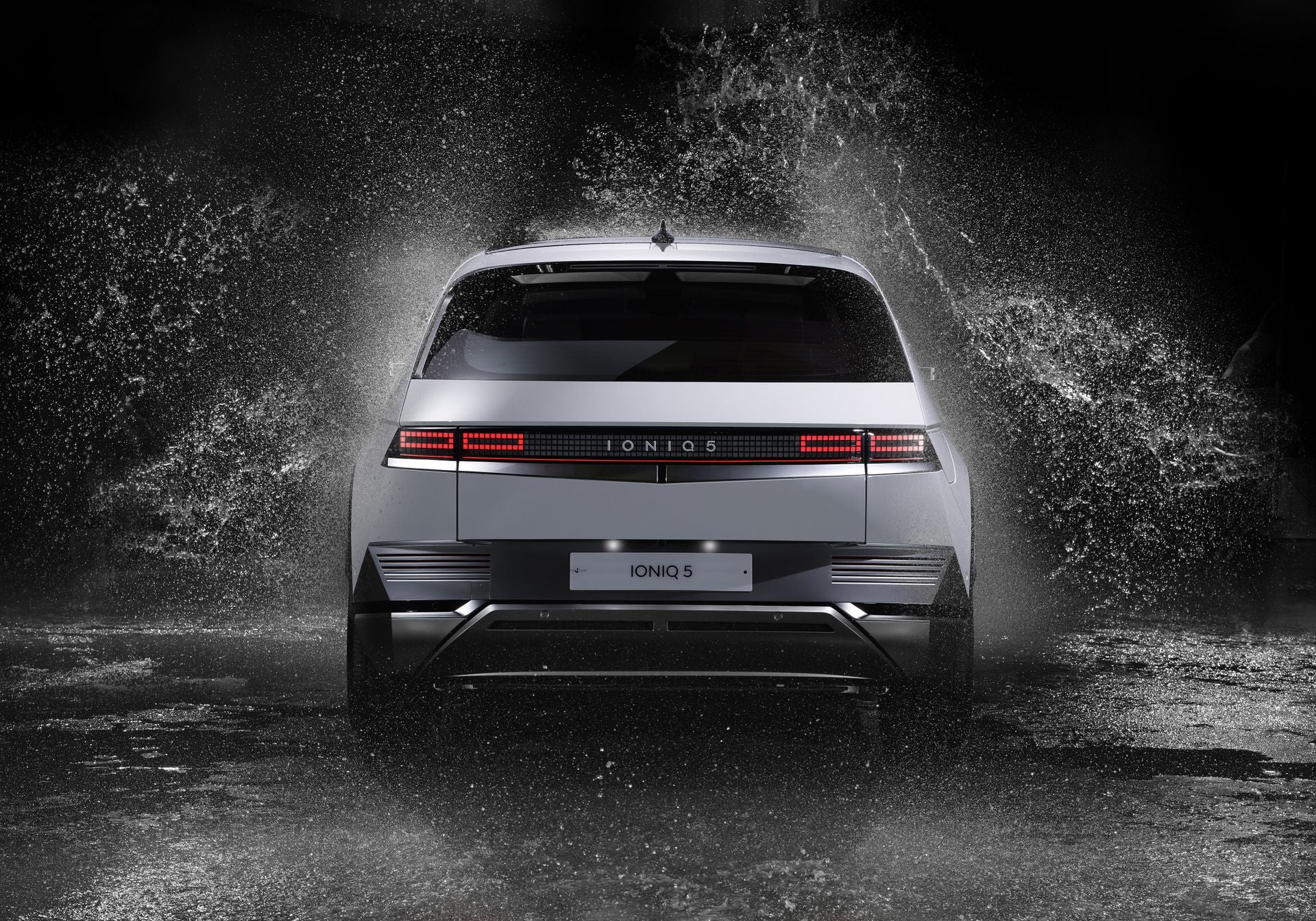
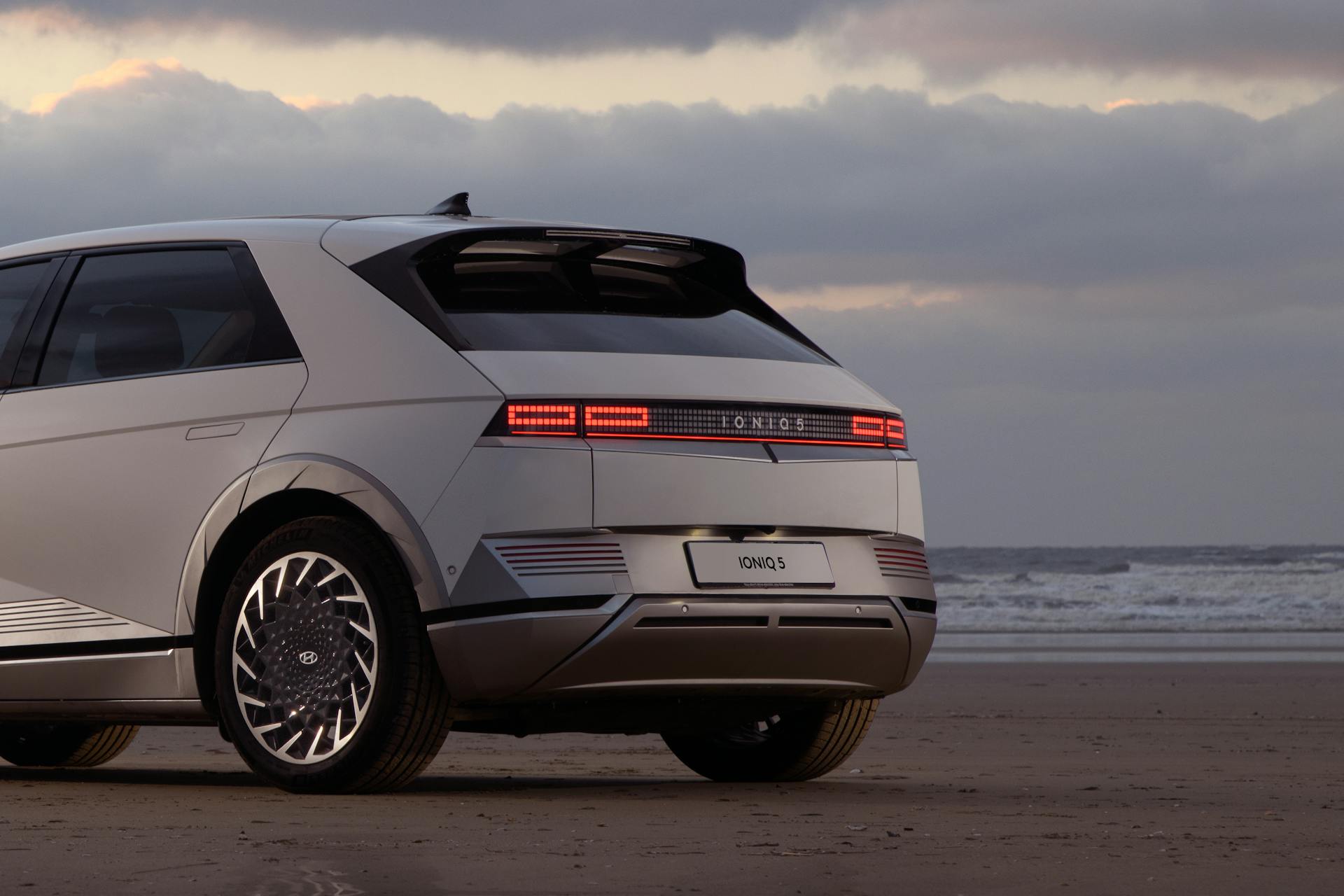
Find the Right Hyundai EV for Suffolk County Roads Choosing an electric car is easier when you match it to the way you actually drive. Around Suffolk County, that might mean daily trips on Sunrise Highway, runs to the beach, or regular drives into the city. Hyundai EV models in Suffolk County give you a few clear paths, each with its own mix of space, range, and price. Here at Riverhead Hyundai, we see three standouts for local drivers: the IONIQ 5, IONIQ 6, and KONA Electric. Each one handles Long Island life a little differently. In this guide, we will compare range, charging times, and incentives, then connect each model to common commute styles like short hops, family duty, and longer highway drives. Hyundai IONIQ 5 vs. IONIQ 6 vs. KONA Electric at a Glance Think of these three models as three shapes that fit different lives on the same roads. IONIQ 5: A roomy compact SUV, great for families, carpools, and gear IONIQ 6: A sleek sedan, focused on efficiency and smooth highway cruising KONA Electric: A compact SUV, easy to park and friendly for first-time EV owners The IONIQ 5 gives you generous passenger space and flexible cargo room, so it works well if you are hauling kids, pets, sports equipment, or beach chairs. It has a taller ride height and that airy, open feel inside. The IONIQ 6 sits lower and longer, with a sporty, streamlined shape. It is more about slip-through-the-air efficiency and a calm, sedan-style ride. It still has comfortable seating, but the focus is more on the drive than on big cargo. The KONA Electric feels like a smaller SUV, perfect for narrow village streets and tight parking lots. It is a nice fit for solo drivers, couples, or anyone who wants electric power without going to a larger vehicle. In general: Range: IONIQ 6 is designed for strong efficiency, IONIQ 5 for solid all-around range, KONA Electric for daily use and shorter trips Drivetrains: IONIQ 5 and IONIQ 6 offer rear-wheel drive for efficiency and available all-wheel drive for extra grip, KONA Electric is front-wheel drive Feel: IONIQ 6 leans more sporty, IONIQ 5 feels balanced and confident, KONA Electric feels practical and easygoing Together, these Hyundai EV models in Suffolk County cover most local needs, from a quick ride from campus to home, to weekend drives out toward Montauk, to steady daily commutes across the county. Range and Commute Matchups for Long Island Drivers Range numbers on paper can be confusing, so it helps to think in real routes. A typical day might be a round trip from Riverhead to a job near Patchogue, runs between North Shore and South Shore towns, or a drive into Queens or Manhattan. In broad terms: IONIQ 6: Best fit for longer highway commutes, like regular drives to the city or across big stretches of the LIE IONIQ 5: Great middle ground for mixed use, school runs, errands, and weekend trips to the Hamptons or wineries KONA Electric: Smart pick for shorter daily drives, local work commutes, and campus or town runs The IONIQ 6 is tuned to slip through the air with less drag, which helps you go farther on the same charge, especially if your commute is mostly highway. If you are doing a lot of miles each week, this model can cut down how often you need public charging. The IONIQ 5 offers a strong balance of range, space, and comfort. For many Suffolk County families, it is enough to cover a week of normal driving with home charging at night and still feel ready for a weekend at the beach. KONA Electric tends to suit drivers with shorter loops. If your typical day is a simple back-and-forth plus errands, you might only need to plug in every few nights. Seasonal weather matters too. In summer, heavy AC use can trim range a bit, and in winter, cold temperatures can do the same. Simple habits help a lot: Precondition the cabin while plugged in at home so you leave with a comfortable car and a full battery Use seat and steering wheel heaters instead of blasting the cabin heat when it is cold Drive smoothly, with gentle acceleration and consistent speeds Charging Times, Home Setup, and Public Stations in Suffolk County Charging is another big piece of picking the right Hyundai EV. All three models can charge on: Level 1 (standard outlet), slow, best for very light daily driving Level 2 (240-volt), common at homes and many public spots DC fast charging, usually found along highways and major roads The IONIQ 5 and IONIQ 6 stand out for ultra-fast DC charging on the right chargers. That means you can stop on a longer road trip and add a useful amount of range in a short time. It turns longer drives into a quick break instead of a long wait. KONA Electric also supports DC fast charging, though not at the same ultra-fast level, which is still very handy when you need to top up away from home. For most Suffolk County drivers, a Level 2 home charger is the sweet spot. With that setup, overnight charging can: Refill what you use in a typical day Let you start each morning with a near-full battery Keep you from relying on public chargers unless you want to Setting up home charging usually involves a dedicated 240-volt outlet or a hardwired charger. Many homeowners work with a licensed electrician to review their panel and pick the right spot, often in a garage or driveway. Across Suffolk County, more public stations are appearing near shopping centers, big-box stores, park-and-ride lots, and along key roads. Built-in navigation in Hyundai EVs can help you: Find nearby chargers Filter by charger speed Plan a route that includes charging stops when needed Incentives, Deals, and Cost of Ownership One of the big benefits of Hyundai EV models in Suffolk County is lower running costs over time. Electricity can cost less per mile than gas, and electric vehicles have fewer parts that need regular service. You still take care of tires, brakes, and routine checks, but there is no engine oil or exhaust system. On top of that, there may be: Federal tax credits for qualifying EV purchases or leases New York State rebates for eligible electric vehicles Local utility programs that support home charging equipment or time-of-use rates The exact programs can change, and not every driver can use every offer. That is where it helps to sit down with an EV specialist, go over your situation, and see what you might qualify for. When you compare IONIQ 5, IONIQ 6, and KONA Electric, think in terms of total cost over the time you plan to keep the vehicle. Factor in fuel savings, typical maintenance, and the support that comes with the Hyundai warranty coverage. Finding Your Best Hyundai EV Fit at Riverhead Hyundai Before you test-drive, it helps to ask yourself a few simple questions: How many miles do I usually drive in a day or week? Do I need space for kids, friends, pets, or gear? Do I care more about sporty feel, comfort, or easy parking? Will I be driving mostly local roads, mostly highway, or a mix? If your life is full of carpools, Costco runs, and beach days, the IONIQ 5 often makes sense. If you are racking up a lot of highway miles, the IONIQ 6 may be the better match. If you want something smaller, simple, and practical as a first EV, KONA Electric is a strong option. The best way to decide is to spend time behind the wheel. Take each model on the same familiar Suffolk County roads, feel how they handle bumps and traffic, and try the tech features and charging tools for yourself. That real-world experience usually makes your choice clear. Experience Hyundai Electric Innovation With Confidence Explore our full lineup of Hyundai EV models in Suffolk County and find the one that fits your daily driving needs. At Riverhead Hyundai, we take the time to walk you through charging options, available incentives, and ownership costs so you can make a decision you feel good about. If you are ready for more personalized guidance or want to schedule a test drive, simply contact us and we will help you take the next step into electric driving.

Hyundai

Evaluating Hyundai Safety Features for Riverhead Families

Safer Drives for Growing Riverhead Families Keeping your family safe on the road matters every single day, whether you are dropping kids at camp, heading to the beach, or running errands on Route 58. Long Island traffic can be busy and stressful, and parents already have a lot on their minds. That is why the safety systems in your vehicle play such a big role in your peace of mind. Modern Hyundai safety technology does more than protect you in a crash. Many features are designed to help you avoid accidents in the first place. From sensors that watch the car in front of you to alerts that nudge you back in your lane, these systems act like an extra set of eyes. As a local Hyundai dealership in Riverhead, we see how families actually drive here, with summer visitors, changing weather, and tight parking lots. In this guide, we will walk through core Hyundai safety systems, family-focused features, how equipment can vary by model and trim, and how to experience these features on the same kinds of roads you use every day. Understanding Today’s Advanced Safety Tech Older vehicles focused mostly on passive safety, like airbags and crumple zones that help protect you once a crash happens. Those pieces are still important, but newer Hyundais add active safety, which helps you avoid trouble before it becomes an accident. Hyundai groups many of its driver-assist systems under the name Hyundai SmartSense. This is a collection of cameras, sensors, and radar that watch what is happening around your vehicle. The car can then warn you, and in some cases step in to help if you do not react in time. A few of the key systems you will see on many Hyundai models include: Forward Collision-Avoidance Assist, which can warn you if you are closing in on a vehicle or object ahead and may apply the brakes if you do not Lane Keeping Assist, which looks at lane markings and can gently steer to help keep you centered Blind-Spot Collision-Avoidance Assist, which helps watch the hard-to-see areas beside and slightly behind your vehicle For busy parents who may be tired after a long day or distracted by kids in the back seat, these kinds of features can make a real difference. They help catch what you might miss and give you a little extra support in heavy Long Island traffic or on late-night drives home. Safety Features Built for Riverhead Roads Driving around Riverhead and across Long Island can mean different kinds of roads in a single trip: crowded highways, narrow back roads, and unlit streets at night. Hyundai safety features are especially helpful when conditions change quickly. On longer drives on the Long Island Expressway or Sunrise Highway, systems like Smart Cruise Control can help take some of the strain off. This feature can: Keep a set speed like regular cruise control Automatically slow down and speed back up to follow the flow of traffic Help you maintain a comfortable distance behind the car in front Some Hyundai models also offer Highway Driving Assist that can work with Smart Cruise Control and lane features to help keep you centered and moving more smoothly. You still stay in control, but the car helps with the constant speed and steering corrections that can wear you out. Other features are helpful at night or in low-light conditions. Driver Attention Warning can look at your driving patterns and suggest a break if it senses you may be losing focus. High Beam Assist can switch between high and low beams as other vehicles approach, giving you better light when the road is clear and avoiding glare for oncoming drivers. For parents heading home after an evening game or a late family visit, these small assists can help keep everyone safer. Protecting Your Most Precious Cargo When you carry kids, you worry about every detail, from car seats to who is buckled in. Hyundai has several features that speak directly to families with babies, toddlers, and teens. Rear Occupant Alert can remind you to check the back seat when you park. This can help with those hectic days when someone falls asleep in a child seat or when there are bags and gear spread all over the cabin. Safe Exit Assist can help warn of vehicles approaching from behind when a rear door is about to be opened, which is especially helpful in busy parking lots or along crowded streets. Family-friendly Hyundai SUVs like the Tucson, Santa Fe, and Palisade are often chosen for their space and car seat friendliness. Parents tend to like: LATCH anchor points that are easy to find and reach Wide rear-door openings that make it simpler to lift car seats in and out Seat belt reminders that help you double-check that everyone is buckled For teen drivers, clear visibility and parking help are big confidence boosters. Features such as Parking Distance Warning and available surround-view camera systems can make pulling into tight spots feel less stressful. Good outward visibility, plus driver-assist systems that watch blind spots, can help new drivers feel more in control while they gain experience. Comparing Models for Family Safety Different Hyundai models offer different mixes of safety technology, and that matters when you are choosing the right fit for your family. Many parents look at sedans for commute comfort and fuel savings, and at SUVs for space and a higher seating position. Sedans like the Elantra and Sonata are often used for daily commuting to work, school, and activities. Both can offer Hyundai SmartSense features, and many shoppers focus on: Whether advanced safety systems come standard or as part of a package If the features cover highway driving, city driving, or both How the features feel during a test drive, especially lane assist and braking alerts SUVs like the Tucson, Santa Fe, and Palisade are popular with larger families or anyone who wants more room for car seats, strollers, and sports gear. These models tend to offer some of the most complete Hyundai SmartSense suites, especially on higher trims. When comparing, families often look at: Number of seats and third-row space Availability of Surround View Monitor, Blind-Spot View Monitor, and parking aids Which trims include advanced systems like Highway Driving Assist or more active collision-avoidance features It is helpful to look past the base price and see exactly which Hyundai safety features in Riverhead you get at each trim. Two vehicles might look similar on the outside, but the safety tech can be quite different once you check the details. Test-Drive Confidence at Riverhead Hyundai Reading about safety technology is one thing, but feeling it work while you drive is where it really clicks. A test drive on familiar local roads lets you see how these systems fit your life, from daily school runs to weekend trips across Long Island. When you come in for a test drive, you can try a few simple scenarios with a sales consultant, such as: Using Smart Cruise Control on a nearby highway to feel how it adjusts to traffic Seeing Lane Keeping Assist in action on well-marked roads Testing parking sensors and camera views in a shopping center lot Checking your sight lines from each seating row to plan for car seats and boosters Our team at Riverhead Hyundai can walk you through how the different Hyundai SmartSense features work, explain which trims carry the tech you care about, and talk about how regular maintenance helps keep cameras and sensors working their best. That way, when you pick the Hyundai that fits your family, you can feel confident that your vehicle is working with you to help keep everyone safer every time you head out. Experience Advanced Safety On Your Next Riverhead Drive Explore how Riverhead Hyundai can help you choose the right model with the latest Hyundai safety features in Riverhead tailored to your daily commute and family needs. Our team is here to walk you through each system in person so you can feel confident behind the wheel before you ever leave the lot. If you have questions or want to schedule a test drive, simply contact us and we will help you get started.

Hyundai

Everyday Hyundai Safety Features That Riverhead Drivers Overlook

Hidden Hyundai Safety Tech That Protects Riverhead Drivers Hyundai packs a lot of smart safety tools into its vehicles, but many drivers on Long Island never use half of them. The buttons are there, the alerts are ready, yet features stay off or ignored on busy commutes and weekend drives. That is a missed chance to add one more layer of protection for you and everyone riding with you. Between crowded Route 58, tight downtown Riverhead parking lots, and long stretches of Sunrise Highway and the LIE, small safety boosts can make a big difference. Many modern Hyundai models include safety features that quietly work in the background, helping you avoid trouble in very normal, everyday moments. Our goal is to walk through some of these Hyundai safety features in Riverhead and explain what they do, how they help, and what many drivers get wrong about them. Around our store, we often meet drivers who are surprised to learn what their Hyundai can already do. A quick setting change or a better understanding of one warning tone can make your daily drive feel calmer and more controlled. Learning these tools now can help keep your family safer through summer road trips and during your regular errands all year long. Smart Cruise Control Basics You Might Be Missing Smart Cruise Control with Stop & Go goes beyond old-school cruise control. Instead of simply holding one speed, it can help you: Keep a set distance from the vehicle ahead Automatically slow down when traffic slows Come to a complete stop in heavy traffic, then get moving again This is especially helpful on Sunrise Highway or the LIE, where traffic can swing from smooth to stop-and-go in a few minutes. Many owners switch Smart Cruise Control on once, then never touch the follow-distance setting again. That distance button matters. A longer gap may feel better in heavy traffic, while a shorter one can feel more natural when traffic is steady. Common things people overlook include: Not noticing the green cruise icon that shows the system is actually active Ignoring the beeps that warn when the car in front has moved again Forgetting that you still need your hands on the wheel and your eyes on the road On long summer drives out toward the Hamptons or Montauk, Smart Cruise Control can cut down on fatigue. Your Hyundai helps with the constant speeding up and slowing down, so you can focus more on what is happening around you instead of babysitting the gas pedal every second. Blind-Spot and Rear Cross-Traffic Alerts in Daily Use Most drivers know the small orange or red icon in the side mirror that lights up when a vehicle is in your blind spot. Hyundai takes that a step further with Blind-Spot Collision-Avoidance Assist on many models. In some situations, the system can: Warn you if a vehicle is in your blind spot Give a stronger alert if you signal to change lanes into that space Apply gentle braking on one side to help pull you back if a collision risk is detected That extra little tug on the wheel can help when someone hangs out just off your rear quarter panel on Route 25 or Route 58. Rear Cross-Traffic Collision-Avoidance Assist helps when you are backing out of a tight spot at a shopping center, near the beach, or on a side street. It does more than just beep at things directly behind you. It can: Watch for vehicles crossing behind you from the left or right Warn you with louder, more urgent tones Help apply the brakes if it senses a likely collision Many drivers turn these alerts down because they feel “too noisy” at first. Instead of shutting them off, set them up so they work well for you: Adjust the alert volume in the settings menu, not just on the radio Take a minute parked at home to learn which tones match which warning Watch the dashboard icons so you can connect each sound to a symbol Once you know what each beep and symbol means, the system feels helpful instead of annoying, especially in crowded summer parking areas. How Lane Keeping Systems Really Help on Long Island Roads Hyundai offers two related steering support systems that many owners mix up: Lane Keeping Assist and Lane Following Assist. They sound similar, but they are not the same thing. Lane Keeping Assist usually: Watches for lane markings on the road Warns you if you start to drift over a line without signaling Can give a light steering correction to help nudge you back Lane Following Assist adds another layer by helping keep your Hyundai more centered between the lines. It can be especially helpful on long, straight stretches of highway or open county roads when your focus starts to fade a bit. Some key points many drivers miss: These systems are not self-driving. You must always steer and stay alert. They may turn off if lane lines are faded, covered by water, or blocked by cones A steering wheel icon in the cluster usually lights up when active, and may change color if the system loses the lane On late-night drives home after beach days or weekend events, these lane systems can help you stay steadier in your lane. They are not a replacement for rest, but they can cut down on little drifts that happen when you are tired or when the road is straight and quiet for miles. Unlocking the Power of Forward Collision and Parking Aids Forward Collision-Avoidance Assist is one of the most important safety tools many drivers forget they even have. Using sensors and, on many models, a front camera, it can: Warn you if you are closing in too fast on a vehicle ahead Recognize pedestrians and, on some models, cyclists in your path Apply braking support if you do not react in time Around Riverhead, this helps in very normal places: a sudden stop at a busy intersection, a surprise slowdown near a shopping center, or a car that cuts in front of you on a main road. The system is not perfect, and it does not replace your judgment, but it can help buy you a split second when you need it most. Parking aids are another group of features that many owners barely touch. Depending on your Hyundai, you might have: Parking Distance Warning with beeps that speed up as you get close to obstacles Rear or front sensors that help in tight parallel spots or crowded lots A Surround View Monitor that gives a bird’s-eye-style view around the vehicle These tools really shine in packed summer parking areas near beaches, parks, and events where space is tight and sightlines are poor. Taking an extra few seconds to glance at the camera views and listen to the beeps can prevent small but frustrating low-speed bumps. Connecting Hyundai Safety Tech with Everyday Driving Habits Safety tech does the most good when it fits your real driving habits. That starts with knowing what your Hyundai actually has. A simple first step is to sit in your driveway with the owner’s manual and: Scroll through the vehicle settings menu Turn on key safety features you want to use every day Adjust alert volumes and sensitivity to match your comfort level If you share your Hyundai with other drivers, like a partner or teen driver, take a few minutes together to review how the alerts sound and look. Some models let you set driver profiles, which can help keep settings consistent for each person. Building a simple routine makes a difference on longer trips: Before a big drive, check that Smart Cruise Control, lane systems, and collision alerts are all turned on Make sure cameras are clean so parking and collision systems can “see” clearly Talk through the main warnings with any new drivers in the household At Riverhead Hyundai, we see every day how much calmer drivers feel once they understand the safety tools already built into their vehicles. When you know what each system does, what the alerts mean, and when the features are active, your Hyundai becomes a stronger partner on every drive across Riverhead and the rest of Suffolk County. Explore Advanced Protection On Your Next Hyundai If you are ready to see how modern technology can help keep you and your passengers safer, we invite you to explore the latest Hyundai safety features in Riverhead. At Riverhead Hyundai, our team is here to walk you through key systems, answer your questions, and help you compare options across models. Reach out to our specialists to schedule a test drive or get more information by contacting us so we can help you choose the right level of protection for your daily driving.

Hyundai

Unlocking Hyundai Safety Features Around Riverhead Roads

Drive With Confidence on Riverhead and Suffolk County Roads Driving around Riverhead can feel stressful. You might crawl along Route 58 on a Saturday, watch the sunrise while merging onto the Long Island Expressway, or sit in beach traffic as everyone heads toward the Hamptons. When the roads get busy, the right safety features can make every trip feel calmer and more controlled. Modern Hyundai models are built with smart safety in mind. These systems do more than just protect you if a crash happens. They are designed to help you avoid trouble in the first place, by watching the road, warning you about danger, and even stepping in to help you brake or steer. In this article, we will walk through key Hyundai safety features for Riverhead driving situations, explain how they work in real life, and show how they support you on both daily commutes and weekend trips across Suffolk County. Advanced Sensors That Watch Riverhead Traffic for You Riverhead traffic can change fast. One second you are rolling along, the next you are hitting the brakes as cars stack up by the shopping centers. Hyundai safety tech uses cameras and sensors to keep an eye on what is happening around you and help you react in time. Forward Collision-Avoidance Assist is a great example. It can: Watch the road ahead for slower or stopped vehicles Warn you if it senses a possible front impact Help apply braking if you do not respond fast enough When you are inching along Route 58 or stopping and starting near major intersections, this can give you extra help if someone stops short. Some models also offer Junction Turning features that can detect oncoming traffic when you turn left across an intersection, a big help where multiple lanes and turning cars meet. Blind-Spot Collision-Avoidance Assist and Rear Cross-Traffic Collision-Avoidance Assist step in when your view is blocked. These can be especially useful in: Crowded parking areas by big-box stores Tight downtown Riverhead side streets Packed lots near local fields or schools These systems can warn you about vehicles in your blind spot and help apply braking if a collision seems likely while you are changing lanes or backing out. For longer backups, Smart Cruise Control with Stop and Go can keep traffic from wearing you down. On County Road 58, Sunrise Highway, or the LIE, it can: Maintain a set following distance Slow down as traffic slows Come to a complete stop and start again in heavy congestion That means less constant braking and accelerating, and more time to focus calmly on what is happening around you. Highway and Back-Road Protection Across Suffolk County Out on the North Fork, the roads can be narrow, twisty, and dark at night. Lane Keeping Assist and Lane Following Assist are designed for those stretches where a quick distraction could send you over the line. These features work together to: Watch the lane markings with a camera Gently steer or nudge you back if you begin to drift Help keep the car centered in the lane when lines are clear On winding roads like Sound Avenue or country routes near wine country, this support can make long drives less tiring, especially after a long day. For extended highway trips, available Highway Driving Assist can help keep you in your lane and maintain a safe distance from the car ahead. It works with cruise control and lane features to make long stretches across Suffolk County feel steadier and smoother. Lighting matters too, especially on dark or foggy mornings. High Beam Assist can automatically switch between high and low beams when it detects oncoming traffic, so you get better visibility without blinding other drivers. Available LED and projector headlights can help you see: Curves and bends in the road earlier Deer or wildlife near wooded areas Road hazards in the seasonal darkness of late fall and winter That extra visibility can make a big difference on unlit back roads. Hyundai SmartSense and Safety for Every Season Hyundai groups many of its safety systems under the name Hyundai SmartSense. Think of it as a network of features that all share information with each other to help watch the road, support your driving, and help protect you in a crash. These features matter all year, not just in bad weather. Long Island brings its own challenges, like: Heavy spring and summer rain that leaves big puddles Beach and winery traffic on warm weekends Wet, leaf-covered pavement in the fall Icy or slick roads on cold winter mornings Along with SmartSense driver aids, features like Traction Control and Electronic Stability Control can help the vehicle keep its grip when the surface gets slippery. If your Hyundai offers all-wheel drive, that can provide extra confidence when roads are wet or snowy, helping distribute power to wheels that have more traction. The goal is not to make you drive faster or take more risks. It is to give you more control when the weather changes, traffic builds up, or the unexpected happens. Family Peace of Mind for Riverhead Daily Life A lot of Riverhead driving is family driving. School drop-offs, sports practices, quick food runs, and weekend errands all mean kids and gear going in and out of the car constantly. Hyundai safety tech includes features made for real family life. Safe Exit Warning can help alert you if a vehicle is approaching from behind when a passenger is about to open a door. This can be very helpful on busy streets or when you are parallel parked in town. Rear Occupant Alert can remind you to check the back seat when you turn the car off, a smart extra step when you are juggling kids, pets, or bags. Parking tech can also relieve some daily stress. Available systems like a Surround View Monitor and parking assist features can help with: Tight parallel parking near downtown shops Squeezing into small spots by schools or fields Backing out of crowded grocery store rows Inside the vehicle, Hyundai designs the structure and airbag systems to help protect everyone on board. Multiple airbags and strong body designs work together with the active safety tech, so you have protection both before and during a crash. For parents and new drivers, that mix of prevention and protection can bring long-term confidence. Explore Hyundai Safety Technology at Riverhead Hyundai Hyundai safety features are most helpful when they match how and where you actually drive. Some drivers spend most of their time on the LIE, others stick to back roads, and many do a little of everything with kids and cargo in the back seat. At Riverhead Hyundai, we are part of this community, and we know the routes our customers use every day. Our team can walk you through how these safety systems work, show you which models and trims include specific features, and help you try them out on a test drive that feels like your normal commute. We can also help you keep those systems working properly through factory-certified service, so your Hyundai stays ready for daily errands, summer road trips, and everything in between. Experience Advanced Safety On Every Riverhead Drive See how Riverhead Hyundai integrates thoughtful engineering and intuitive technology into every model by exploring the full range of Hyundai safety features in Riverhead. Our team will walk you through available systems, explain how they work in real-world driving, and help you compare options across trim levels. If you have questions or want to schedule a test drive, simply contact us so we can help you choose the right level of protection for you and your family.

Hyundai EV

Choosing Hyundai Electric Car Models for Long Island Life

Why Long Island Drivers Are Going Electric Electric cars fit Long Island life surprisingly well. Most trips are short, traffic is common, and speeds change a lot, which is perfect for EVs that can recapture energy when you slow down. When gas prices rise, many drivers start to think about skipping the pump altogether. EVs also work well with the way people in Suffolk County drive every day. There are regular commutes to places like Hauppauge and Stony Brook, school drop-offs, beach runs, and errands around town. Those are exactly the kinds of drives where an electric Hyundai can feel smooth, quiet, and easy to live with. There are state and federal incentives that can help make Hyundai EV models in Suffolk County more reachable for many buyers. These programs can lower the overall cost of going electric, especially when combined with any offers available at the time. Our team can help explain what may apply to your situation and how it affects your options. We help drivers compare different Hyundai electric models, understand how charging really works on Long Island, and figure out which setup fits their lifestyle and budget. The goal is simple: make the switch feel clear, not confusing. Matching Hyundai EV Range to Long Island Commutes When people first think about EVs, range is usually the big question. A good first step is to look at your real daily driving instead of guessing. Many Suffolk County drivers find that their weekday routine is shorter than they expected. Try adding up things like: Your round-trip commute to work or school Regular errands, like food shopping or picking up kids Typical weekend drives, like going to the Hamptons, vineyards, or Port Jefferson For example, a daily drive from Riverhead to Hauppauge, with a few extra errands, is often within comfortable range for many Hyundai EV models. A commute to Stony Brook, plus a stop at the store, is also usually well covered. Even longer runs toward Nassau or into the city can fit as part of a planned day, especially if you add a quick charge stop. Hyundai EVs come with a range of battery sizes and estimated driving ranges. That gives drivers in Suffolk County choices that fit different types of routines: Short daily routes with only the occasional longer trip Medium commutes mixed with family driving Regular long-distance drives toward NYC or out to Montauk Weather does affect range, and Long Island has both hot summers and chilly winters. In cold weather, batteries can lose some efficiency, and in summer, AC use can draw extra power. Hyundai tech, like drive modes and smart climate controls, helps you get the most out of each charge in every season. Our team can walk through what your normal week looks like and help match you to a range that feels comfortable, with some extra cushion for surprise detours. Comparing Hyundai Electric SUVs and Sedans Body style matters a lot for daily life here. Hyundai EVs come in different shapes and sizes, and each one fits a slightly different kind of Long Island driver. Electric SUVs are popular for families and anyone who needs more space. They usually offer: Higher seating position for better visibility on the LIE and Sunrise Highway Extra cargo room for beach gear, folding chairs, strollers, and coolers More flexible rear seating for kids, friends, and pets Electric sedans often appeal to solo drivers or couples who want easy parking and a lower ride height. They typically give you: A more compact footprint for crowded lots and tight side streets A smooth, car-like feel for commuting Trunk space that still handles groceries and weekend bags Ride height can matter on some Suffolk County roads, especially where puddles or minor flooding can pop up after storms. Many drivers feel more confident in an SUV-style EV for this reason, although all EVs benefit from smooth power delivery and quick response. Hyundai electric models also pack in tech that fits local driving: Driver-assist systems that help on long stretches of the LIE or Sunrise Quiet cabins that make trips east toward the North Fork or South Fork more relaxing Infotainment systems that help pass the time when traffic slows unexpectedly We often suggest test-driving different body styles back to back, using similar roads to your normal commute. Feeling the difference in real traffic makes the choice much easier. Charging Hyundai EVs Around Suffolk County Charging is where many people have questions, especially on an island. The good news is that most charging can happen at home, where it is simple and predictable. There are two main home options: Level 1: Using a standard household outlet, good for lighter daily driving Level 2: A dedicated 240-volt charger that can add range more quickly Many Suffolk County homes have driveways or garages where a Level 2 charger can be installed by a qualified electrician. We can explain what type of setup works best for different home situations, so you have a clear plan. On-the-go charging is growing across Long Island. Public stations often appear at: Shopping centers and malls Office parks and medical centers Big-box stores and supermarkets Key routes that lead toward Montauk, Port Jefferson, and ferry terminals Hyundai offers charging partnerships and in-vehicle navigation tools that help you find stations quickly. The car can show nearby options, let you filter by charger type, and help plan stops if you are heading off the island for a weekend. Once you use it a few times, trip planning starts to feel very natural. Seasonal Tips for Hyundai EV Ownership on Long Island Living by the water means planning for different seasons. With a few habits, Hyundai EVs fit all year long. In warm weather, especially on beach days: Pre-cool the cabin while the car is still plugged in, so AC uses less battery later Use ventilation and shade when parked to keep the car from heating up too much Pack smart for beach or vineyard trips and avoid loading heavy items you do not really need In winter, cold air and snow can affect range a bit, so small changes help: Precondition the battery and cabin while plugged in, so the car is warmed up before you drive Use heated seats and steering wheel to stay warm without blasting the cabin heat nonstop Allow extra time around coastal storms and consider range-friendly driving speeds Regular service and software updates keep your Hyundai EV running smoothly through all these changes. At a factory-certified service center, trained technicians understand the specific needs of electric Hyundai models, including battery health checks and system updates. That support helps you feel confident every time the weather shifts from hot to cold or back again. Drive Into a Smarter Future with Riverhead Hyundai Going electric on Long Island does not have to feel complicated. When you match your real driving habits with the right Hyundai EV, plan a home charging setup, and learn how to use public chargers along your routes, everyday life becomes simple again, just without gas stops. At Riverhead Hyundai, we help Suffolk County drivers compare trims, understand range in real local conditions, and feel how an EV fits their commute, school runs, and weekend plans. With guidance on financing options, current EV incentives, and long-term service support, we aim to make the switch to an electric Hyundai feel clear, comfortable, and tailored to life right here on Long Island. Discover Your Ideal Electric Hyundai Experience Today Explore the latest Hyundai EV models in Suffolk County and see which one fits your daily driving needs, budget, and lifestyle. At Riverhead Hyundai, we take the time to walk you through charging options, incentives, and ownership benefits so you can make a confident decision. If you have questions or want to schedule a test drive, simply contact us and we will help you take the next step toward electric driving.

Hyundai EV

EV Charging Tips for Your Hyundai in Riverhead

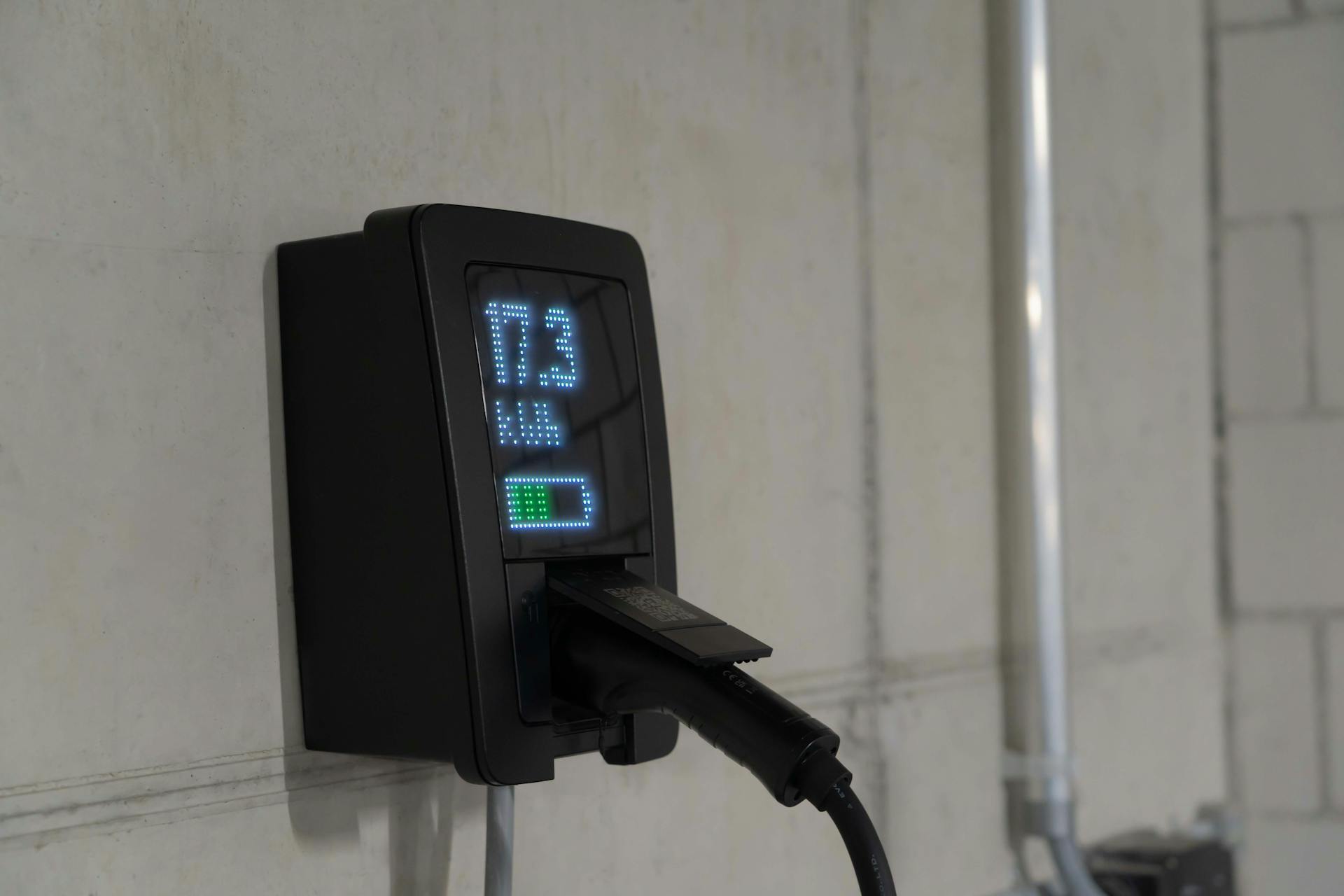
Power Up Your Hyundai EV With Confidence This Summer Smart charging is one of the best ways to get the most from your Hyundai electric vehicle. The more you understand where, when, and how to charge, the easier it is to relax behind the wheel and enjoy your drive around Riverhead and the rest of Long Island. Good charging habits help your battery stay healthy, keep your electric bill in check, and reduce stress when you head out toward the Hamptons, Montauk, or up-island. In this guide, we will walk through home charging basics, public charging around town, ways to protect your battery in summer heat, and how to plan your Hyundai EV charging in Riverhead and beyond for your next longer trip. Home Charging Basics for Hyundai EV Owners Home charging is where most EV owners get the bulk of their energy, so it helps to understand your options. There are two main types of home charging: Level 1 and Level 2. Level 1 charging uses a standard household outlet. It is slower, but it can work well if you drive shorter distances most days or have time to charge overnight. Level 2 charging uses a 240-volt supply, similar to what a clothes dryer uses, and is much quicker. Hyundai models like the IONIQ 5, IONIQ 6, and Kona Electric tend to benefit a lot from Level 2, since they have larger batteries that can take in more power. Before installing a Level 2 charger, it is smart to think about a few things: Electrical panel capacity and whether it can support another dedicated circuit Where the charger will sit in relation to your parking spot Professional installation so wiring and safety devices are set up correctly Any local or state programs that might help with EV charging equipment Once you are set up at home, a few habits keep things safe and efficient. Try to use a dedicated circuit for your charger, not a shared one. Avoid extension cords, since they can overheat under higher loads. Keep the charging cord off the ground as much as possible and away from standing water or areas where it might be run over. On hot summer days, it helps to park in shade when you can, and to charge during off-peak hours if your local utility offers lower overnight rates. Smart Public Charging Around Riverhead and Long Island Public chargers are great when you need a quick top-off or you are out longer than planned. Around Riverhead, you can often find charging stations near shopping centers, some workplaces, municipal parking lots, and along major roads like Sunrise Highway and the Long Island Expressway. Planning Hyundai EV charging in Riverhead as part of your regular routine can make weekly errands more relaxed. Good public charging manners help everyone. Try to: Move your vehicle once it is done charging Avoid unplugging another vehicle, even if it looks charged Keep the cord neatly off the ground when you finish Stay aware of your surroundings, especially if you charge after dark Your Hyundai’s navigation system and EV apps on your phone can work together to make public charging easier. Many charging network apps let you: Filter for DC fast chargers that work with your Hyundai Check real-time station status before you arrive See if there are nearby food or shopping options for your break Start and stop some charging sessions right from your phone This kind of planning helps on busy summer weekends when more drivers are heading toward the beaches and North Fork. Maximizing Battery Life in Summer Heat Long Island summers can get hot and humid, and that affects any EV battery. High temperatures can slow fast charging at times, since the car will protect the battery by limiting power if it gets too warm. Over many years, repeated high heat can also add wear to the battery. You can do a few simple things to help your Hyundai in warmer months: Park in the shade or in a garage when possible Precondition the cabin while plugged in so the AC uses grid power instead of the battery Limit how often you fast charge all the way to 100 percent Keep your EV plugged in during heat waves so the car can manage battery temperature more easily For daily driving, many owners like to set their charge limit around 80 to 90 percent. That level often gives plenty of range without keeping the battery full all the time. When you have a longer drive planned, such as a trip toward the Hamptons or Montauk, it makes sense to charge to 100 percent shortly before you leave. Once you are back to your normal routine, you can bring that limit back down again. Road Trip Charging Plans for Your Hyundai EV Good planning turns a summer road trip in your Hyundai EV into a relaxed, fun drive instead of a guessing game. Start by looking at your typical highway range, then give yourself a buffer for real-world conditions like traffic, higher speeds, and steady AC use. When planning a weekend or vacation trip, think about: How far you want to drive between breaks Where you might want to stop for meals or a walk Which DC fast chargers are along the route Backup charging options if a station is busy Your Hyundai’s built-in tools can help you map routes that include charging stops. Many systems can show you which stations are along your path, what type of connectors they use, and how far they are from your current location. When you add in mobile apps, you can often see user comments, station status, and nearby services all from one screen. This makes Hyundai EV charging in Riverhead and along major Long Island corridors feel much more predictable. A few driving habits can stretch your range on hot, humid days: Use ECO driving modes when appropriate Keep speeds moderate on wide open stretches Make sure your tire pressure is set to the recommended level Pack light and avoid carrying extra weight in the cargo area Use features like seat coolers or fans along with AC to reduce energy use Small changes add up over a longer day on the road and can cut down how often you need to stop to charge. Support for Your EV Charging Plan Getting comfortable with EV charging takes a little time, but once you have a routine, it feels simple and familiar. At Riverhead Hyundai, we work with drivers who are new to EVs as well as experienced owners who want to fine-tune their setup. Our team can help you review home charging options, look over your Hyundai’s charging equipment, and make sure your vehicle’s software is current so you get the best charging performance available for your model. We also provide service for EV systems, including battery health checks and charging system inspections, and we can walk you through how to use your Hyundai’s navigation and EV tools to plan smart routes. With the right plan in place, your EV is ready for everyday errands around town and longer drives across Long Island in any season. Power Your Drive With Convenient Local EV Charging Solutions If you are ready to make the most of your electric Hyundai, explore our resources on Hyundai EV charging in Riverhead to see how simple daily charging can be. Our team at Riverhead Hyundai is here to answer your questions, help you compare charging options, and guide you through available incentives. Reach out anytime through our contact page so we can help you set up a charging plan that fits your lifestyle.

EV charging

EV Charging Options for Hyundai Drivers in Riverhead

Smarter Summer EV Charging on Long Island Hyundai electric vehicles and plug-in hybrids are showing up all over Riverhead and the East End. As traffic picks up and people head to the beach, wineries, and family visits, knowing your charging options matters more than ever. A little planning can keep your Hyundai EV ready for fun weekends and simple daily drives. In this guide, we will walk through smart at-home charging, public charging choices around Riverhead, how to plan longer trips, and simple tips for driving in warm weather. We will also explain how our team helps you match your Hyundai EV to the way you actually live and drive on Long Island. Understanding Your Hyundai EV Charging Basics Most Hyundai EV and plug-in owners will see three main charging levels. Each one fits a different part of your day. Level 1: This uses a standard household outlet, usually 120 volts. Level 2: This uses a 240 volt source, like a home charger or many public chargers. DC fast charging: For compatible Hyundai EVs like IONIQ and Kona Electric at certain public stations. Level 1 charging is slow, but it can work if you drive shorter distances and can leave the car plugged in overnight. You might add range while you sleep, which is often enough for local errands or a light commute. It is simple, but not the best fit for heavy driving. Level 2 charging is what many daily drivers prefer. At home or at a public charger, it adds power much faster than a regular outlet. A lot of Hyundai owners like to plug in in the evening and wake up to a mostly full battery, ready for the workday or a trip across the East End. DC fast charging is for quick stops on the road. When your Hyundai EV supports it, you can get a helpful boost in a short time, often about the length of a meal break. It is great on longer outings, but not something you want to use as your only charging source every single day. Summer heat can affect range and charging speed. To keep your battery happy, try a few habits: Park in the shade when you can. Precondition the cabin while plugged in so the AC does not have to work as hard once you pull away. Avoid fast charging to 100 percent every time, especially back to back in high heat. Home Charging Options for Riverhead Households Home charging is the easiest way to keep your Hyundai ready, especially if you live in Riverhead or nearby towns and drive the same routes most days. The main question is whether a regular outlet is enough, or if a Level 2 charger makes more sense. Level 1, using a 120 volt outlet, can work for: Short commutes and light local driving Drivers who can leave the car plugged in many hours at night Households with another gas or hybrid vehicle for longer trips A Level 2 charger, using 240 volts, is helpful if: You drive more miles most days You often make last-minute plans or multiple trips in one day You want faster recovery after weekend outings or visits to both forks On the East End, many homes have different setups. Some have enclosed garages. Others have long driveways, barns, or parking areas away from the house. Older homes may have older electrical panels. Newer construction might already support a charger with less extra work. In almost every case, it is best to work with a licensed local electrician who understands the area and can review your panel, wiring, and where you usually park. There may be incentives or rebates in New York that help with home charger installation. These programs can change, so many drivers find it helpful to learn what is currently offered before they install a charger. Planning ahead before peak summer trips can keep you from rushing to upgrade once you are already busy. Public Charging Spots Around Riverhead and the East End Public charging fills in the gaps when you are away from home. Around Riverhead and across the East End, you will usually see two types of public chargers: Level 2 and DC fast. Level 2 chargers often show up at: Shopping centers and outlet malls Public parking lots and garages Workplaces and some hotels These are great for topping up while you shop, grab a meal, or spend a few hours at an attraction. Many Hyundai drivers in the area also use Level 2 spots around downtown Riverhead, near local businesses or near larger shopping areas like outlet centers. DC fast chargers are placed along major roads, including routes that connect back to the Long Island Expressway. They support compatible Hyundai EVs and are built for quick top-ups when you are on a schedule. These are especially helpful when you are heading to or from the North Fork or South Fork and want extra peace of mind. Your Hyundai EV, along with popular charging apps, can help you: Find nearby chargers Check plug types and power levels See if stations are working or in use Estimate how long you might need to stay Checking ahead before a beach day or winery visit can keep your plans smooth. Many drivers like to choose a lunch or shopping spot that happens to have a charger nearby so charging fits naturally into the day. Planning Summer Road Trips in Your Hyundai EV Longer summer drives take a little more planning with an EV, but they can be very relaxing once you get used to the rhythm. Start by looking at your route and where DC fast chargers are spaced out. Then think about your usual stops for food, rest, and sightseeing. When you plan your trip, keep a few things in mind: Extra weight from passengers and luggage can use more energy. Running the AC on hot days takes some power too. It helps to plan a buffer instead of driving all the way down to a very low battery. Charging while you eat, stretch, or explore a town can turn range worry into a quick break. Many Hyundai drivers find that stopping a little earlier for a short fast charge feels better than pushing the battery too low and stressing about the next station. You can stretch your range with a few simple habits: Keep speeds more moderate on the Long Island Expressway. Use climate control in smart ways, like using cabin preconditioning while plugged in. Check tire pressure regularly so the car rolls as smoothly as it should. Small choices like these add up, especially in steady summer traffic. How Riverhead Hyundai Supports Your EV Lifestyle Switching to a Hyundai EV or plug-in hybrid is not only about the vehicle itself. It is about how that vehicle fits into life on Long Island, from weekday commutes to weekend drives across the East End. Our team helps drivers think through where they live, how far they travel, and what Hyundai EV charging in Riverhead and nearby towns looks like day-to-day. At our dealership, we offer support that is focused on electric driving, including: EV-specific maintenance and service Help understanding software updates related to range and charging Guidance on charger compatibility and public charging options Referrals for local professionals who can help with home charging setups We are here to walk through different charging choices, answer questions, and help you feel confident about using your Hyundai EV around Riverhead and beyond. Power Your Drive With Convenient Local EV Charging Solutions If you are ready to make the most of your electric Hyundai, explore our dedicated resources for Hyundai EV charging in Riverhead. At Riverhead Hyundai, we can help you choose the right charging setup, understand available incentives, and feel confident about everyday driving. Reach out so we can answer your questions, walk you through your options, or schedule a visit to our showroom and service team contacting us.

Hyundai EV

EV Day Trips From Riverhead in a Hyundai IONIQ or Kona Electric

Summer EV Escapes From Riverhead Start Here Day trips feel different in an electric car. The drive is quieter, smoother, and you feel calm knowing your Hyundai IONIQ 5, IONIQ 6, or Kona Electric is using energy wisely instead of stopping for gas. From Riverhead, some of the best beaches, vineyards, and harbor towns on Long Island are all within easy reach on a single charge. With modern range, fast charging, and smart tech in Hyundai EVs in Suffolk County, it is simple to plan a beach day on the South Fork, a wine country cruise on the North Fork, or a family outing to local parks and farms. You just need a little planning, a rough idea of your range, and a few good stops along the way. Plan Your EV Day Trip Like a Pro Good planning starts with knowing how far your Hyundai EV can go on a full charge in normal summer conditions. Warmer weather usually helps your range, since the battery does not have to work as hard to stay warm and roads are dry. Highway speeds use more energy, while slower local roads tend to stretch your range. Before you set off, it helps to: Check your estimated range on the dash after charging Look at your route mix, highways vs. local roads Think about traffic, hills, and how many people and bags you will carry Keep a small buffer of range so you do not arrive home on empty The built-in navigation in your Hyundai EV can show charging stops along your route, and there are EV trip planning apps that help you find stations, traffic patterns, and scenic options instead of only the fastest highways. You can choose routes that hug the water, pass farm fields, or go through cute main streets instead of sitting on the same stretch of highway. A few simple pre-trip habits pay off: Charge to an appropriate level the night before, often 80 to 90 percent is plenty for a day trip Pre-condition the cabin while plugged in so the car is cool before you unplug Keep charging cards or apps for major networks on your phone Pack your charging cable and any adapters you normally carry These small steps keep your morning relaxed and help your EV stay efficient all day. Coastal Adventures to Montauk and the South Fork From Riverhead, heading east on Route 27 toward the Hamptons and Montauk makes a classic day trip. The drive out to Montauk Point is within reach for most Hyundai EVs in Suffolk County as a round trip, especially in warm weather and with a full charge. The roads are mostly flat, with a mix of highway and slower beach town streets. Along the way, you might plan: Morning beach time at spots along the Hamptons A walk up to a lighthouse lookout Lunch at a local seafood place or picnic near the water A quick stroll through a village main street for shops and ice cream Charging is easier than many people think. There are public chargers in and around popular South Fork towns, and you will often find options near supermarkets, shopping centers, or public parking. Your Hyundai EV can make good use of regenerative braking in stop-and-go beach traffic, which helps put some energy back into the battery while you creep along in summer crowds. To keep the day low-stress, aim for: Early departures so you get parking and cooler air Weekday visits when roads are lighter Timing your fast charges with meal stops, walks on the beach, or sunset views That way, charging feels like a normal break instead of waiting around. Wine Country Drives Through the North Fork Heading out from Riverhead onto the North Fork is almost made for electric driving. Distances between wineries, farm stands, and small waterfront towns are short, so your EV can spend most of the day on relaxed, low-speed roads that are friendly to your range. A laid-back route might include: A few wineries that offer easy parking and quiet spaces to sit Farm stands with local produce and baked goods Waterfront parks or piers in towns like Greenport Casual seafood spots where you can enjoy a long lunch while your EV charges nearby Since speeds are slower, this is a great place to use Eco Drive mode, which softens acceleration and helps save energy. Gentle starts, coasting when you can, and smart climate control go a long way. On mild days, you might crack the windows a bit or use the fan more than full AC. On hotter days, you can use features like driver-only climate to cool the front seat without overworking the system. The feel of North Fork roads, with trees, fields, and water views, matches the quiet nature of an EV. You can talk at normal volume, hear the birds when you pull into a small lot, and enjoy the calm. Family-Friendly Fun at Parks, Farms, and Villages Not every trip needs to be a long one. For families, shorter outings around Riverhead and nearby towns can be just as fun, and they fit easily within the range of Hyundai EVs in Suffolk County. You can plan simple loops that include: Local aquariums or small museums Petting zoos, farms with animals, and pick-your-own fields in season Playgrounds and bayfront parks with open space to run Boardwalks or village main streets with easy walking Kids get restless if they feel like they are waiting around for the car, so it helps to turn charging stops into active breaks: Public chargers near ice cream shops or snack spots Stations close to a playground or short walking path Shaded picnic tables where everyone can sit, snack, and regroup The quiet ride, lack of engine noise, and smooth acceleration in IONIQ and Kona Electric models make naps easier for younger passengers and cut down on the “Are we there yet?” feeling. Modern safety features and driver aids also help parents focus on the road and enjoy the day more. Stress-Free Charging Tips Across Suffolk County Public charging across Suffolk County includes a mix of DC fast chargers and Level 2 chargers. Fast chargers are best for quick top-ups on longer drives, often used when you want to go from a lower level to around 80 percent while you eat or shop. Level 2 chargers are slower, but they work well if you plan to stay put for a few hours at the beach, at a winery, or in a village. Good charging habits make the experience smoother: Use DC fast chargers mainly when you are traveling, not for daily use Move your car once you have enough charge so others can use the station Park carefully and keep cables tidy so people can walk and drive safely around you Check station status in your apps before you drive out of your way At home, a dedicated charger is usually the easiest way to start each day with a full battery, and public stations fill in the gaps when you are out exploring. As a local Hyundai dealership in Riverhead, we spend a lot of time helping drivers learn how their EVs work in the real world. That includes talking through home charging options, showing where public chargers are in Suffolk County, and helping set up apps and settings before you take your first big day trip. With a bit of planning and the right Hyundai EV, your next escape from Riverhead can be quiet, efficient, and a lot more fun. Discover How Easy Going Electric Can Be Today Explore our selection of Hyundai EVs in Suffolk County and see how simple it is to match your daily driving needs with the right electric model. At Riverhead Hyundai, we can walk you through charging options, available incentives, and ownership costs so you can make a confident decision. If you have questions or want to schedule a test drive, just contact us and we will help you take the next step.

Contact Us

Fill out this form below and we'll contact you shortly

By submitting your information, you agree to the sharing of your information between Hyundai Motor America and its authorized dealers.

*Required Fields