
Blog / New York Hyundai Service

Blog

All New York Hyundai Service New York Hyundai Dealer
Hyundai

Planning Summer Road Trips With Hyundai SUVs in Riverhead

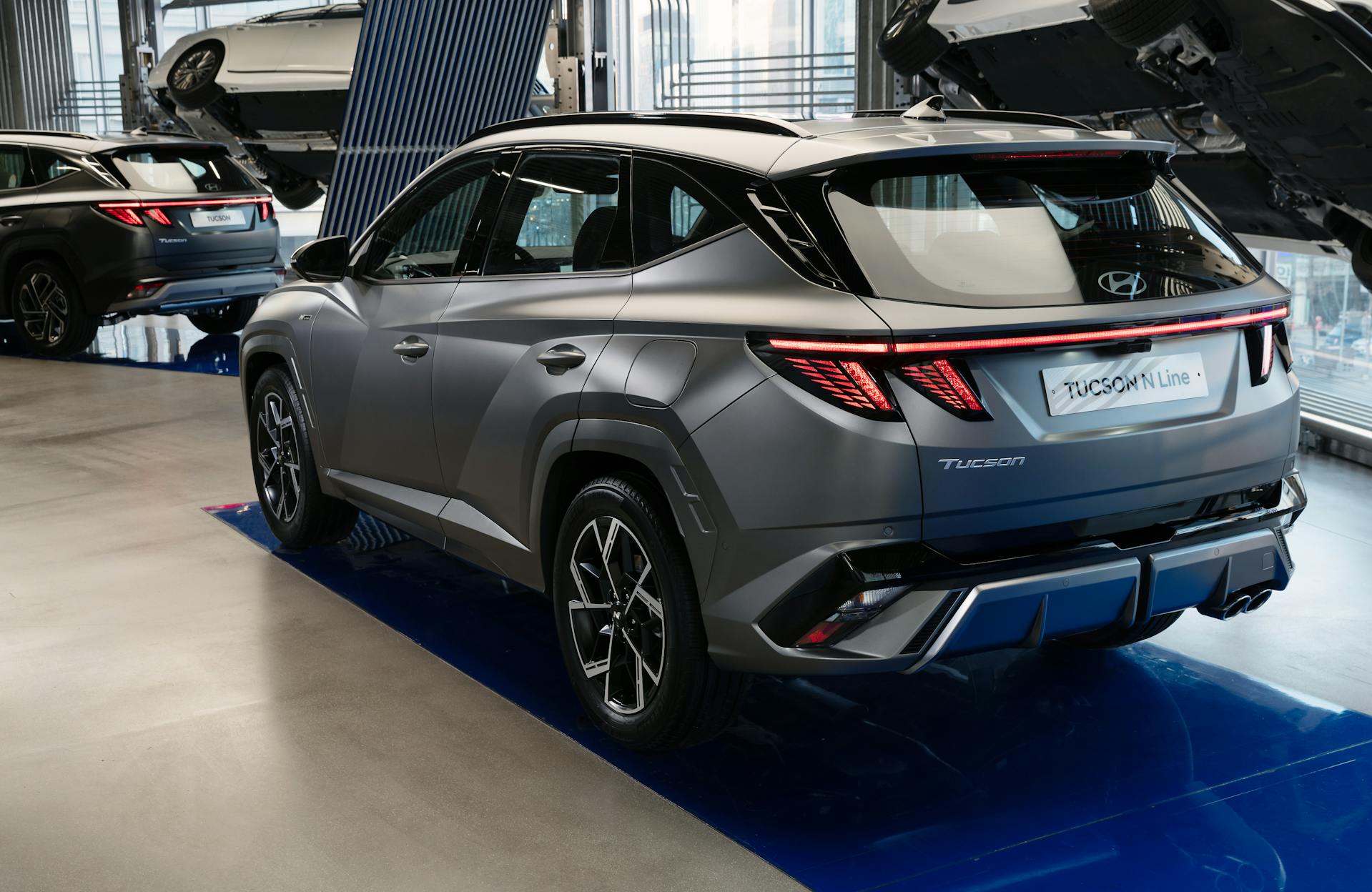
Hit the Road for Your Best Summer Yet Planning a summer road trip starts with one simple idea: you want to get out and go. School is out, the days are long, and Long Island roads lead to beaches, vineyards, mountains, and ferries. A good plan and the right SUV can turn those ideas into real memories, not just something you talk about and forget. more Hyundai SUVs are built for this kind of season. From quick drives to Cupsogue or Ditch Plains, to longer weekends in the Catskills or up through New England, they bring comfort, space, and smart tech that make hours in the car feel easy. When your road trip starts in Riverhead, you are already in a great spot, close to both the Hamptons and the North Fork, with plenty of options in every direction. At our Hyundai dealership here in Riverhead, we see drivers all the time who want the same thing: a safe, roomy SUV that is ready for summer fun. Our job is to help you pick the right model, get it checked over, and set it up so you can load the family, pack the cooler, and hit the road with confidence. Why Hyundai SUVs Shine on Long Island Roads Long Island driving is unique. One day you are loading beach chairs and umbrellas. Another day you are carrying coolers, strollers, and luggage. Hyundai SUVs give you the space and comfort to handle it all without feeling cramped. Here are some ways Hyundai SUVs fit local life: Generous cargo space for beach gear, groceries, and weekend bags Split-folding rear seats so you can mix people and cargo easily Wide rear openings that make it simple to slide in boogie boards or a stroller Comfortable seating with good legroom for both kids and adults Comfort matters on the LIE or Sunrise Highway when traffic slows down. Available features like ventilated front seats help keep you cool on hot days. A panoramic sunroof makes the whole cabin feel brighter, and kids love looking up at the sky on long drives. Tech makes things smoother too. With available Apple CarPlay and Android Auto, you can: Stream your favorite playlists for the ride Follow turn-by-turn directions to the next beach or winery Take hands-free calls without digging for your phone Many Hyundai SUVs also offer multiple USB ports, so everyone can keep their devices charged. That means fewer arguments over who gets the cord and more quiet time while the miles roll by. Fuel efficiency is another big plus. If you are taking regular trips out to Montauk, Shelter Island ferries, or upstate getaways, a fuel-efficient SUV or a hybrid option can help you go farther between fill-ups. It is easier on your budget, and it feels good to use less gas on all those summer adventures. Matching Your Summer Plans to the Right Hyundai SUV Not every road trip looks the same, and not every driver needs the same SUV. The good news is that Hyundai offers a lineup with something for almost every lifestyle. Here are some simple matches: Kona or Venue: great for couples, singles, and city-focused drivers who still want to escape on weekends Tucson: ideal for small families or anyone who wants a balance of size, comfort, and easy parking Santa Fe: nice for growing families and longer trips with lots of gear Palisade: best for larger families or multi-generation trips when you need three rows and serious space Think about how you plan to use your SUV: A beach-hopping weekend: A Tucson or Santa Fe gives you room for chairs, umbrellas, coolers, and still seats everyone comfortably. A Catskills camping adventure: A Santa Fe or Palisade offers more cargo space for tents and bags, and can be a better fit if you plan to tow a small trailer. A New England ferry road trip: A Kona or Tucson can feel easier on tight ferry ramps and narrow town streets, while still allowing space for luggage. When you are deciding what to buy or lease, consider: How many people you need to seat regularly Whether you plan to tow a small boat, camper, or trailer Where you usually park, like tight driveways, street spots, or small lots Which tech and safety features matter most to you, such as driver-assist features, cameras, or extra USB ports Taking the time to match your plans to the right Hyundai SUV can make every summer drive feel smoother and less stressful. Gearing up Your Hyundai SUV for a Summer Road Trip Success Once you have your SUV, getting it ready for summer trips is just as important. Before you spend hours on the highway, it helps to have a professional service team look things over at a full-service center like the one we have in Riverhead. Smart pre-trip service usually includes: Oil and filter change Tire inspection and rotation Brake inspection Fluid checks and top-offs Battery test With summer driving, accessories can make a big difference in comfort and convenience. Useful add-ons many drivers choose include: Roof racks for kayaks, paddleboards, or bikes All-weather floor mats to catch sand and mud Cargo organizers so bags and snacks stay in place Sunshades to keep the cabin cooler when parked Portable chargers for extra power on long days A quick vehicle-readiness checklist before you leave helps too. Always look at: Spare tire and jack condition Tire pressure, including the spare Wiper blade performance for surprise rain AC strength so the cabin stays cool in traffic Map apps or navigation that are updated and ready to go With these steps handled ahead of time, you can focus on the fun parts of the trip instead of worrying about your vehicle. Planning Scenic Routes Starting Right in Riverhead One of the best parts about starting in Riverhead is how many directions you can go. You can turn left for the Hamptons, right for the North Fork, or head north and west for mountains and rivers. Here are a few popular road trip ideas that many drivers enjoy: North Fork winery and farm stand tour: Cruise along quiet roads, stop for local produce, and enjoy the slower pace. Hamptons beach and dining day: Take an early drive out to hit the sand, then enjoy dinner before heading back after sunset. Weekend loop through the Catskills or Hudson Valley: Leave early, enjoy scenic overlooks, rivers, and small towns, then circle back home relaxed. Planning helps you avoid stress. A few tips: Leave early in the morning on peak weekends to beat the heaviest traffic Build in breaks at rest areas, parks, and playgrounds if you have kids For hybrids or electric-friendly routes, note where you can stop, stretch, and recharge or refuel without rushing The comfort, cargo space, and tech in Hyundai SUVs keep everyone happier along the way. With quiet cabins, easy phone connection, and room for snacks and bags, even longer drives feel more like part of the vacation instead of something you just have to get through. Drive Into Summer Adventures with Confidence Summer road trips do not have to be complicated. With the right Hyundai SUV, a little planning, and a well-prepared vehicle, you can turn local roads into a season full of easy getaways. Here in Riverhead, we enjoy helping drivers get ready, from choosing the right model to making sure it is in good shape for the miles ahead. When your SUV fits your life and is ready for the road, even an ordinary drive can feel like the start of something fun. All that is left is to pick a direction, load up the people you care about, and go make the kind of memories that last long after summer ends. Discover Hyundai SUV Comfort and Capability Today Explore our full lineup of Hyundai SUVs in Riverhead and find the model that fits your lifestyle, from daily commuting to weekend adventures. At Riverhead Hyundai, we will walk you through features, trims, and pricing so you can feel confident in your choice. If you have questions or want to schedule a test drive, simply contact us and we will be ready to help.

EV charging

Riverhead EV Charging Tips for New Hyundai Owners

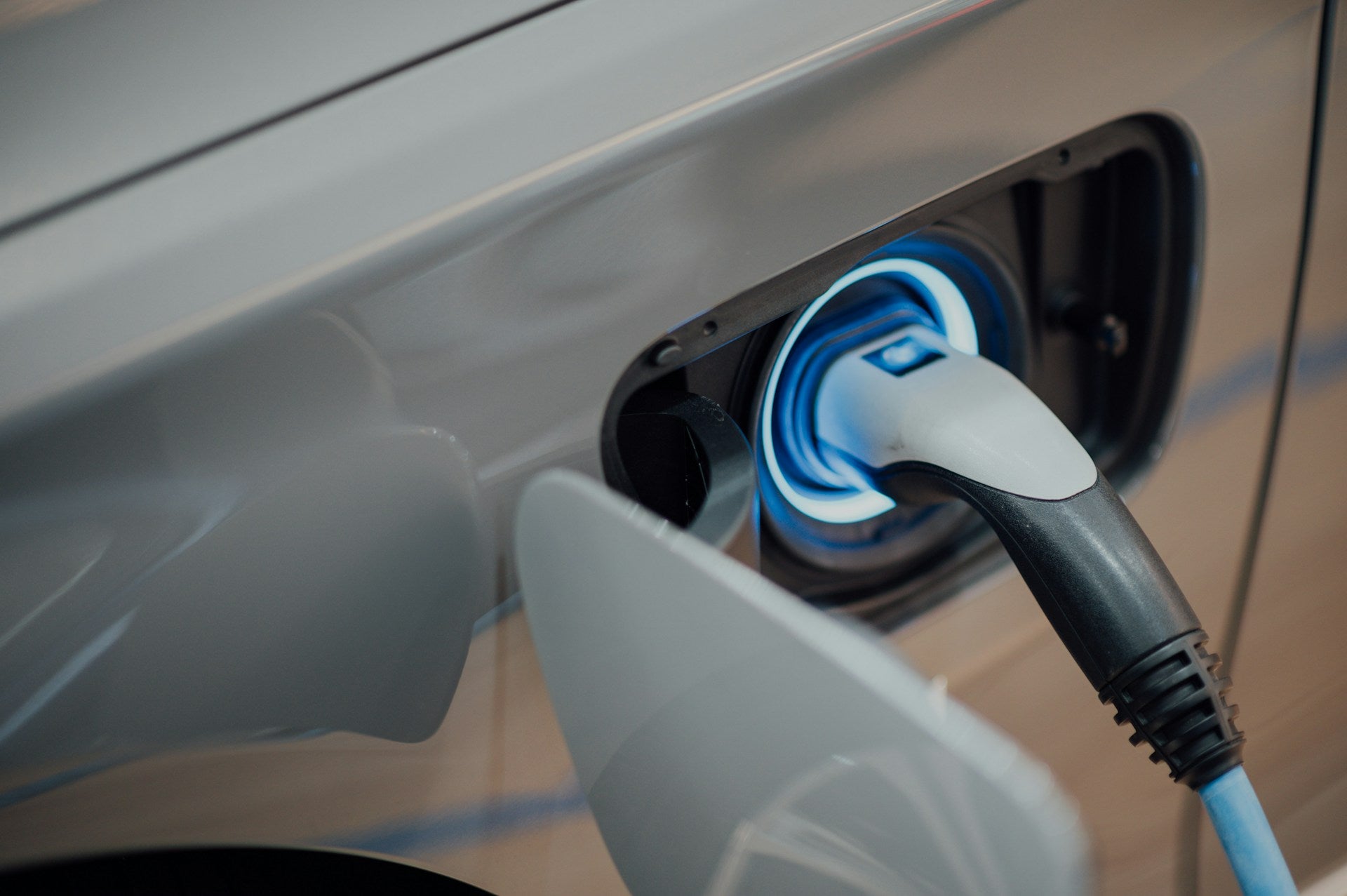
Begin Your Hyundai EV Journey with Confidence Learning how to charge your new Hyundai EV is one of the best things you can do early on. When days are longer and the weather is mild, it is easier to pay attention to how your battery behaves on your regular routes, before long road trips and busy weekends hit. You get a feel for what your range looks like in real traffic, not just on a spec sheet. more When you understand Hyundai EV charging in Riverhead, daily driving starts to feel simple. You worry less about range, you spend less time sitting at public chargers, and you can plan errands and trips without stress. We want local drivers to feel relaxed and ready, and that starts with clear charging basics, smart planning, and knowing where to turn with questions. Know Your Hyundai EV Charging Basics Most Hyundai electric vehicles and plug-in hybrids charge in three main ways. Each level has its own best use, from topping off at home to getting back on the road fast during a longer drive. Here is a quick breakdown of charging levels you are most likely to use: Level 1: Standard household outlet, good for plug-in hybrids or slow overnight top-offs Level 2: 240-volt home or public station, the most common choice for daily EV charging DC fast charging: High-powered public stations along highways and main roads Level 1 is the slowest. It can work if you have short daily drives or a plug-in hybrid with a smaller battery. For many all-electric Hyundai models, Level 2 is the sweet spot. With Level 2 charging at home or near work, most drivers can easily refill the range they use each day, even if that includes a commute, errands around Riverhead, and a quick trip toward the Hamptons. DC fast charging is best for longer drives across Long Island when you need to add a good amount of range in a shorter stop. It is helpful to think of fast charging like a quick meal on the go, not your everyday plan. Your Hyundai helps you keep track of all this. Onboard screens show: Current battery percentage and estimated range How long it will take to reach your chosen charge level Nearby charging stations through built-in navigation Many models also work with connected services like Bluelink or Bluelink Connected Car Services, which let you check charging status from your phone, start or stop charging, and sometimes pre-set your cabin temperature while plugged in. Plan Smart Charging Around Riverhead and Long Island Most drivers find that home is the main place they charge. Plug in when you get home, wake up with range ready for the day, and then use public stations only when you need them. Workplaces that offer Level 2 charging can be a nice bonus, especially if you spend several hours there. For Hyundai EV charging in Riverhead, public options are growing. You are likely to see Level 2 stations in areas like: Shopping centers and grocery store lots Restaurant areas where you might stop for a meal Attractions and parks where you stay for a few hours DC fast chargers often sit along the main routes, such as near major exits off the Long Island Expressway or other busy corridors. These are great for adding range during a longer drive to the western side of the Island or when you continue on past Long Island. When planning weekend getaways or beach days, it helps to: Use charging apps to see station locations and plug types Check recent user comments to spot stations that are often busy Save a few favorite stations in your in-vehicle navigation system On your screen, you can filter for compatible chargers, add a charging stop to your route, and see how much battery you will have when you arrive. This kind of planning turns long drives into simple hops from charger to charger. Maximize Home Charging for Savings and Convenience If you own your home or have control over your parking spot, a Level 2 charger is one of the most helpful upgrades you can make. Faster home charging means you: Recover daily miles quickly, even after busy driving days Depend less on public chargers during crowded summer weekends Keep a steady charging routine that is easy to manage Most people install a charger where they park most often, such as inside a garage or on an exterior wall near a driveway spot. A licensed electrician can look at your electrical panel, explain what is needed, and set up the right outlet or hardwired charger. This helps keep things safe and reliable. Once Level 2 charging is set up, you can usually use your Hyundai to: Schedule charging to start during off-peak electric rate hours if your utility offers them Set a target charge limit, such as stopping at a certain percentage Warm or cool the cabin while the car is still plugged in That kind of scheduling keeps things simple. Plug in, go about your night, and let your EV handle the rest. Protect Your Range in Every Long Island Season Weather on the East End can shift quite a bit. Cool mornings, humid summer afternoons, and colder winter days all affect how far your EV will go on a charge and how fast it will charge. You can protect your range with a few habits: Precondition the cabin while plugged in so you are not pulling as much energy from the battery once you start driving Use Eco or similar drive modes for smoother acceleration and better efficiency Adjust climate settings, like using seat and steering wheel heaters when possible instead of blasting hot air Keep tires properly inflated for lower rolling resistance Traffic also plays a role. On high-traffic summer weekends and holidays, public stations along main routes can fill up. To avoid long waits: Charge at home the night before big trips Top off at a less busy station earlier on your route Be flexible with timing, such as leaving a bit earlier or later than peak travel times By thinking ahead, Hyundai EV charging in Riverhead conditions becomes much more predictable, in all seasons. Use Hyundai Tech and Apps to Stay Charged and Informed Hyundai gives you helpful tech to make charging feel easy and clear. With available connected services and apps, you can often: Find compatible public chargers and send them to your car’s navigation Start or stop a charging session from your phone Check battery level and estimated range without walking out to the car Inside the vehicle, the navigation system is your best friend on longer drives. You can set a destination, let the car calculate if you need a charge on the way, and add a stop at a station that fits your battery level and route. Many systems also help you avoid chargers that are out of service or often crowded, based on real-time info. It is also smart to set alerts and preferences. For example, you can choose to get a notification when charging is complete, when the charge is interrupted, or when the battery drops below a certain level. With those small steps, your EV feels ready for school runs, work commutes, and last-minute trips around Riverhead without surprises. Visit Riverhead Hyundai to Fine-Tune Your EV Charging Plan Every driver’s life looks a little different, and so does every charging plan. Some people do mostly short trips around town. Others drive across Long Island often, or split time between home and a second place. Talking through those patterns with someone who knows Hyundai EVs can make a big difference. At Riverhead Hyundai, we are here to help new owners understand their specific model’s charging features, think through home charging options, and get comfortable with EV tech. Our service team can discuss charging equipment, battery care habits, and software updates that may affect how fast and smoothly your vehicle charges. We also offer ways for drivers to gain hands-on experience, such as test drives and owner-focused EV sessions, so by the time peak travel season arrives, you and your Hyundai feel ready for anything the road brings. Make Your EV Ownership Easier And More Convenient If you are ready to plan charging that fits your daily routine, explore our guide to Hyundai EV charging in Riverhead and see how simple it can be to stay powered up. At Riverhead Hyundai, we can walk you through home setup options, local public charging, and what to expect on longer trips. Reach out anytime with questions or to schedule a visit using our contact page form so we can help you get the most from your electric Hyundai.

Hyundai hybrid

Exploring Hyundai Hybrid Models on Long Island Roads

Smarter Summer Driving on Long Island Long Island roads see a lot of life. Weekday commutes on the LIE, quick runs on Sunrise Highway, and steady trips out to the Hamptons or the North Fork all add up at the gas pump. When traffic slows or the AC is cranked up, many drivers feel their fuel budget shrinking. more Hyundai hybrid models in Long Island give drivers a way to enjoy those drives with fewer gas stops and a calmer feel behind the wheel. With a hybrid, the gas engine and electric motor work together, so you get strong power when you need it and quiet efficiency when you do not. That means less fuel burned in heavy traffic and more relaxed time on the road. At Riverhead Hyundai, we see every type of driver, from daily commuters to weekend beach fans. Our team helps local drivers compare hybrid options, talk through tax or rebate questions, and find a Hyundai hybrid that fits their lifestyle and driving habits across Long Island. Why Hyundai Hybrids Fit Long Island Lifestyles Long Island traffic is tough on traditional gas cars. Stop-and-go driving is common on the LIE, Sunrise Highway, and the parkways. This is where hybrids shine, because they can run on electric power at lower speeds and turn slowing down into fresh energy through regenerative braking. That helps different drivers in different ways, such as: Long city-bound commuters who sit in traffic but want to save fuel Families hauling kids to school, camp, practices, and the beach Retirees or empty nesters taking slower drives to wineries or farm stands Anyone who wants fewer gas station stops and a smoother ride Comfort and tech also matter on Long Island, where drives often stretch longer than a quick errand. Many Hyundai hybrid models offer: Spacious cabins with room for friends, kids, and gear Smart safety features to help with lane changes and busy interchanges Easy smartphone connection for music, maps, and hands-free calls Flexible cargo space for beach chairs, coolers, or weekend luggage With a hybrid, everyday trips feel less tiring because the car is quieter, smoother, and built to handle the type of driving Long Islanders do most. Top Hyundai Hybrid Models for Long Island Roads Several Hyundai hybrid models work especially well on Long Island. Each one balances efficiency, comfort, and style a bit differently, so the right choice depends on how you live and where you drive. The common favorites include: Tucson Hybrid, a compact SUV with good space for family life and errands Santa Fe Hybrid, a larger SUV for drivers who want more room and comfort Elantra Hybrid, a sleek sedan for strong fuel economy and easy parking Here is how they fit real Long Island use: Beach trips and Hamptons runs: SUVs like the Tucson Hybrid or Santa Fe Hybrid are great for loading coolers, umbrellas, chairs, and bags, plus they handle traffic on Montauk Highway with ease. Costco or big grocery runs: The rear cargo in the SUVs makes it simple to pack in bulk shopping without feeling crowded. City commutes: The Elantra Hybrid is easy to park at train stations and on city streets, and its hybrid system helps keep fuel use low when traffic crawls. Scenic drives along Sound Avenue or out on the North Fork: Both SUVs and the sedan offer comfortable seating, quiet cabins, and strong fuel range so you can enjoy the views instead of watching the fuel gauge. Hyundai hybrid models in Long Island give drivers a nice mix of performance and efficiency. You do not have to give up comfort, cargo room, or style to get better mileage and a cleaner drive. Fuel Savings and Eco Benefits You Can See Over a full Long Island summer, fuel use can climb quickly. Heavy traffic, hot days, and frequent weekend trips all add pressure. Because hybrids rely on electric assist, especially at lower speeds, they use less gas over time compared to many traditional gas-only vehicles. This can mean: Fewer fill-ups during weeks with long commutes Less fuel used when you are stuck in slow-moving traffic More miles out of each tank on back-to-back weekend trips There is also an environmental upside. Hyundai hybrid models in Long Island produce lower tailpipe emissions than many similar gas-only cars. That helps reduce the overall impact on local air quality and supports cleaner coastal communities. Some drivers may qualify for state or local incentives that support cleaner vehicles or lower-emission options. Programs can change, so it helps to have a team that follows current information. The finance staff at Riverhead Hyundai can walk through possible credits and the long-term cost of owning a hybrid compared to a similar gas model, including fuel and routine service needs. Technology That Makes Hybrid Driving Easy For many people, hybrids still feel a bit mysterious. The good news is that Hyundai builds its hybrid systems so they feel familiar and easy to use. You just get in, press start, and drive like normal. Here is what is happening behind the scenes: The car can start and move gently on electric power at low speeds. The gas engine comes in when more power is needed, like merging or climbing. Regenerative braking collects energy when you slow down and stores it in the battery. Drive modes let you pick how the car responds, from more efficient to more sporty. Modern driver-assist systems support hybrid driving on busy Long Island roads. Many Hyundai hybrid models offer features such as: Adaptive cruise control to help keep a steady distance in highway traffic Lane-keeping help to gently guide you if you start to drift Blind-spot monitoring to warn you about vehicles in hard-to-see areas One of the biggest benefits for local drivers is that Hyundai hybrids do not require charging equipment. They refuel at a gas pump, just like a traditional car. The battery charges while you drive and brake, so you can switch to a hybrid without changing your routine or installing anything at home. Visit Riverhead Hyundai and Plan Your Hybrid Test Drive When you feel ready to see how a hybrid fits your life, the best step is a real test drive on familiar Long Island roads. Taking a Tucson Hybrid, Santa Fe Hybrid, or Elantra Hybrid through Riverhead streets, nearby highways, and local back roads can show you how quiet, smooth, and efficient these models feel in everyday use. It helps to bring your real-world questions. Think about your commute length, how many people you usually drive with, how often you head out east, and how much cargo space you need. At Riverhead Hyundai, our team can use those details to compare Hyundai hybrid models in Long Island and point you toward the one that fits your routine, whether you are focused on city commuting, family trips, or relaxed weekend drives. Explore Efficient Hyundai Hybrids Built For Long Island Driving Discover how Riverhead Hyundai can help you find the right balance of performance, comfort, and fuel savings with our Hyundai hybrid models in Long Island. Our team will walk you through trims, technology, and real-world driving benefits so you can choose confidently. If you are ready to schedule a test drive or have questions about availability and pricing, simply contact us and we will be happy to help.

EV charging

Inside Hyundai EV Charging Options in Riverhead

Charge Up Your Drives on Long Island This Summer Driving electric on Long Island keeps getting easier, and charging is a big reason why. When you understand your options, an EV can fit into your life just like a gas car, only with fewer stops and less stress. That is especially helpful when warm weather brings more beach days, winery trips, and weekend drives around Suffolk County. more We want to help local drivers feel confident about Hyundai EV charging in Riverhead. From slow and steady home charging to quick public fast charging, there are simple ways to keep your battery ready for anything. We will walk through charging levels, where to plug in around town, what home charging looks like, and how to plan for longer drives across Long Island with your electric Hyundai. Understanding Hyundai EV Charging Levels All EV charging is not the same, but the basics are easy once you break it down. Most Hyundai EVs and plug-in hybrids can use three common types of charging. The right choice depends on how much time you have and how far you plan to drive. Here is a simple overview: Level 1: Standard household outlet Level 2: 240-volt home or public charger DC fast charging: High-power public stations for quick stops Level 1 charging uses a regular household outlet. It is the slowest option. Many owners like it for topping off a plug-in hybrid or adding range overnight when they do not drive far. You might think of it as a trickle of power that works best when your car has plenty of time to sit. Level 2 charging uses a 240-volt connection, similar to what powers a dryer. This is common at home with a dedicated charger and at many public locations. For most Hyundai EVs, Level 2 charging usually adds enough range for daily driving in just a few hours, and overnight charging often brings the battery close to full. DC fast charging is for those times when you want to add a lot of range in a short stop. These stations use higher power to charge your battery much faster than Level 1 or Level 2. Many drivers use DC fast charging during road trips or when they need a quick boost during a busy day. Hyundai battery systems are designed to manage charge speeds and temperature to support safe and efficient charging. The car helps protect the battery by controlling how much power it takes in, especially at higher states of charge, which is why the last part of a charge can feel slower than the first. Hyundai EV Charging in Riverhead and Suffolk County If you drive around Riverhead and across Suffolk County, you will notice more public chargers popping up. Many are placed where people already spend time, so charging fits into your normal routine instead of feeling like a separate chore. Common public charging spots include: Shopping centers and grocery stores Restaurant and retail parking lots Municipal lots and public garages Locations near major roads and parkways Hyundai EVs can use most Level 2 and DC fast chargers that match the standard connector your vehicle is built for. Your EV’s built-in navigation and Hyundai connected services can help you find compatible stations along your route. Many drivers also like using charging apps on their phone to search by plug type, power level, and current availability. During warmer months, popular Long Island destinations can mean busier chargers. It helps to: Plan a backup station near your main stop Charge while you eat, shop, or walk around town Top off before heading to very crowded areas Whether you are heading to the beach, vineyards, or across the county to visit friends, a little planning goes a long way with an electric Hyundai. Home Charging Solutions for Long Island Homes For many EV drivers, home charging is what makes ownership feel simple. Plug in at night, wake up with range ready for your day. That is where a Level 2 home charger really shines. Key benefits of a Level 2 home charger include: Faster charging compared to a standard outlet Convenience of starting each day with a charged battery Less need to rely on public charging for daily use Installing a home charger usually involves a licensed electrician. They can look at your electrical panel, confirm capacity, and recommend the right setup. Many Long Island homes charge in a garage, but outdoor driveway setups can also work with equipment rated for outdoor use and local weather. During installation planning, it is smart to think about: Where your car usually parks Cable length and where the cord will rest Protection from snow, rain, and salty coastal air There may be local incentives or utility programs that support EV charging equipment or off-peak charging habits in the Riverhead area. These programs can change over time, so we help point shoppers toward current information when they are exploring an electric Hyundai and home charging. Making the Most of Public Fast Charging DC fast charging is your best friend when you are on the move and do not want to wait long. With Hyundai EVs, these stations are great for longer drives to places like the East End, trips across Long Island, or visits off the island. To use fast charging in a smart way, it helps to: Plan fast charge stops around meals, coffee breaks, or errands Aim to charge from a lower state of charge up to around the mid or high range, instead of always going to 100 percent Keep an eye on any posted idle fees if you stay parked after charging is done Charging from a low battery up to a moderate level is usually quicker than topping off from an already high charge. Many drivers stop charging around 80 percent at DC stations, then finish the last bit at home or on a Level 2 charger if needed. For battery care during frequent fast charging, small habits can help. Preconditioning the battery when your Hyundai offers it can help the car reach an ideal temperature for charging. Avoid letting the battery sit very low for long periods, and try not to fast charge from very low to completely full over and over if you can space things out with home charging. Riverhead Hyundai Support for Your EV Lifestyle Choosing the right electric Hyundai is easier when you match the vehicle and charging plan to your daily life. Our sales and finance teams talk with drivers about commute length, parking setup at home, and how often they take longer trips. That helps us suggest models and charging options that feel natural, not stressful. Our service team supports Hyundai EVs and hybrids with: Battery health checks and system inspections Software updates that can improve charging and range features Checks on charging ports, cables, and related components Seasonal service to keep your car ready in hot summers and colder months We also stay ready as a local resource for EV questions, from charging accessories to basic planning for home setups. Our goal is to make Hyundai EV charging in Riverhead feel clear and manageable, so electric driving can fit your life on Long Island in a simple, everyday way. Power Your Daily Drive With Simple, Reliable EV Charging If you are ready to make charging as effortless as your drive, we are here to guide you through every step. Explore Hyundai EV charging in Riverhead to see how home, public, and fast-charging solutions can fit your routine. Our team at Riverhead Hyundai can answer your questions, walk you through equipment options, and help you plan for your next EV. Reach out anytime through our contact page to get personalized support.

Hyundai

Exploring Hyundai Safety Features Around Riverhead

Safer Driving Confidence Around Riverhead Driving around Riverhead in mid-May feels different. There are more cars headed toward the North Fork, more visitors on Route 58, and more drivers turning in and out of shopping centers and beach roads. Mix in changing weather, from foggy mornings to surprise showers, and even a short drive can keep you on your toes. more That is why Hyundai puts so much effort into safety technology. Modern Hyundai models offer smart systems that help you watch the road, warn you of possible trouble, and support you if something unexpected happens. These features are built to work in real traffic, on real Long Island roads, so local drivers can feel a bit more calm behind the wheel. At our Riverhead dealership, we see every day how the right safety package can make daily driving feel easier and more relaxed. Smart Tech That Watches the Road with You Hyundai driver-assistance features are like an extra set of eyes that never get tired. They do not replace an alert driver, but they can warn you and even step in if you do not react quickly enough. Some of the key systems include: Forward Collision-Avoidance Assist Lane Keeping Assist Lane Following Assist Blind-Spot Collision-Avoidance Assist Forward Collision-Avoidance Assist can sense vehicles or pedestrians ahead and warn you if you are getting too close. If traffic near Tanger Outlets suddenly slows and you do not hit the brakes right away, the system can apply braking to help you reduce the chance of a front-end crash. Lane Keeping Assist and Lane Following Assist help with longer stretches, like the drive on the Long Island Expressway. If you start to drift toward the lane lines, Lane Keeping Assist can gently nudge the steering to guide you back. Lane Following Assist works with the lane markers to help keep your vehicle centered, which can make highway driving feel less tiring. Blind-Spot Collision-Avoidance Assist is especially helpful with busy Riverhead traffic circles and multi-lane roads. When you go to change lanes, the system can warn you if another vehicle is hiding in your blind spot. In some cases, it can help brake on one side of the car to pull you back into your lane if a collision seems likely. All of these systems are meant to support good driving habits, not replace them. The best way to understand how they feel is to try them in real traffic with a local expert sitting beside you and explaining what is happening. Staying Safer in Busy Riverhead Parking Lots Parking lots around Riverhead can get tight, especially near grocery stores, downtown restaurants, and summer event spots. You have cars waiting for your space, people walking behind you, and limited visibility. Hyundai offers a few features that really shine in these close quarters: Rear Cross-Traffic Collision-Avoidance Assist Surround View Monitor Parking Distance Warning Rear Cross-Traffic Collision-Avoidance Assist helps when you are backing out of a space and cannot see past taller vehicles on either side. The system can warn you if a car is coming from the left or right, and it may apply braking if needed to help you avoid a hit. Surround View Monitor uses cameras around the vehicle to give you a bird’s-eye view on the screen. In a crowded lot near a popular restaurant or during a local event, this can make it much easier to see curbs, carts, and other cars as you pull into or out of a tight spot. Parking Distance Warning uses sensors to alert you when you are getting close to an object. Those beeps can be a big help when you are easing into a narrow spot on a side street or backing toward a wall or fence. Together, these tools can take some of the stress out of parking in crowded Suffolk County areas and help you move more slowly and carefully. Protection Built in When the Unexpected Happens Safety is not just about avoiding a crash; it is also about what happens if one occurs. Hyundai designs vehicle bodies with high-strength steel and carefully planned crumple zones. These areas are made to absorb and manage impact forces to help protect the cabin, where you and your passengers sit. Inside, advanced airbag systems are placed to help protect different parts of the body, including front, side, and curtain airbags in many models. This layered design focuses on keeping the space around you as secure as possible in different types of impacts. For families, Hyundai also includes smart features like Safe Exit Warning in many models. When you are parked on a busy street after a practice or a beach day, this system can warn if a vehicle is coming from behind as someone is about to open a rear door. It can help reduce the chance that a child or passenger steps out into traffic at the wrong moment. When you are comparing vehicles, it can be helpful to look at how each model is built, what kind of airbag coverage it offers, and how it performs in crash testing. A walkaround with a team member who knows Hyundai safety can make those details easier to understand. EV and Hybrid Safety for Long Island Roads Hyundai electric and hybrid vehicles add another layer of safety design. The battery systems are protected and carefully placed inside the structure of the vehicle. Electric models often have a low center of gravity, which can give them a stable, planted feel in turns and highway curves. Regenerative braking is another part of the EV driving experience. When you lift off the accelerator, the car can slow down while sending energy back to the battery. Learning how this feels can help you plan smoother stops in traffic or as you approach a light in Riverhead or other Suffolk County towns. Many Hyundai EV and hybrid models are also available with: Smart Cruise Control Highway Driving Assist Pedestrian alert systems Smart Cruise Control can automatically adjust your speed to keep a set distance from the car ahead, which is helpful on longer drives along Sunrise Highway or the expressway. Highway Driving Assist works with other systems to help with steering support and spacing in certain conditions, making longer trips more relaxing. Pedestrian alert systems help make sure people around the car can hear it at low speeds, since electric vehicles are often very quiet. This is especially helpful in parking lots and local neighborhoods where people are walking, biking, or pushing strollers. Many drivers new to EVs and hybrids like to spend a little time learning how these systems behave so they feel comfortable before longer trips. Taking time with a knowledgeable team can make that learning curve smoother and help you get the most safety benefit from the technology. Take the Next Step Toward Safer Driving Today Hyundai packs a lot of safety engineering into its vehicles, from the frame under the paint to the cameras and sensors that watch the road with you. Around Riverhead, where traffic changes with the seasons and local roads mix highways, back streets, and busy parking lots, those tools can make everyday drives feel more controlled and less stressful. Whether you are curious about driver-assistance features, parking help, family-focused systems, or the safety side of EV and hybrid driving, you can explore it all with the Hyundai lineup at Riverhead Hyundai. Understanding how these features work in your own life is one of the best ways to decide which vehicle and safety package fits your Long Island routine. Experience Advanced Safety On Your Next Hyundai Drive Explore how Riverhead Hyundai can help you choose the right model with the most advanced Hyundai safety features in Riverhead for your daily driving needs. Our team is ready to walk you through key systems, answer your questions, and set up a test drive tailored to your priorities. If you are ready to talk details or schedule a visit, simply contact us and we will help you every step of the way.

Hyundai

Smart Tips for First-Time Buyers of Used Hyundais in Riverhead

Start Your Used Hyundai Journey with Confidence Buying your first used car is a big decision, and choosing a used Hyundai can make it a lot easier. Hyundai vehicles are known for strong value, modern features, and reassuring warranty coverage on newer models, which is exactly what many first-time buyers in Riverhead and across Long Island want. When you pair that with the support of a full-service dealership, the process can feel far less stressful and far more straightforward. more At Riverhead Hyundai, we see firsthand how much difference it makes to have guidance from a team that sells, services, and finances Hyundais every day. Compared with buying from a private seller, you get access to professional inspections, a selection of used and certified pre-owned vehicles, and help with Hyundai car loans in Riverhead. In this guide, we will walk through how to choose the right used Hyundai, what to look for during your visit, how financing works, and what you can do to feel confident before you sign anything. Why a Used Hyundai Is a Smart Long Island Buy Hyundai has built a strong reputation for value, fuel efficiency, and safety features that fit the needs of many first-time buyers. If you are commuting across Suffolk County, driving to school, or managing weekend trips, a used Hyundai can deliver the comfort and technology you want without the price tag of a brand-new car. Many models include features like modern infotainment systems, available driver-assist technologies, and comfortable interiors that still feel up to date even a few years later. Choosing a used or certified pre-owned Hyundai from a dealership adds extra peace of mind. At a full-service store like ours, vehicles are inspected by technicians who work on Hyundai models every day. You can review a vehicle history report from a trusted source, ask questions about maintenance, and look at any available warranty coverage that may still apply. This gives you a clearer picture of the car’s past and what you can expect going forward. Our inventory is built to support different lifestyles across Suffolk County. Commuters often lean toward compact sedans that are easy to park and gentle on fuel costs, while growing families may prefer SUVs that offer extra space and flexibility. Having a range of used and certified pre-owned Hyundais in one place makes it easier to compare options side by side and find something that lines up with both your needs and your budget. How to Choose the Right Used Hyundai for Your Lifestyle Before you focus on colors and trim levels, it helps to think about how you actually drive. Ask yourself questions like how far you commute each day, how often you have passengers, and how much cargo space you need for things like strollers, sports gear, or luggage. You will also want to consider which tech and safety features matter most, such as smartphone connectivity, blind spot assistance, or parking aids. Some of the popular Hyundai models you might see when shopping used include: Elantra, a compact sedan that works well for daily commuting and city driving Sonata, a midsize sedan with extra interior space and a more relaxed ride for longer trips Tucson, a compact SUV that balances efficiency with flexible cargo room Santa Fe, a larger SUV that is often favored by families who need extra passenger and storage space Each of these models serves a slightly different driver, so it helps to think about where you spend most of your time behind the wheel. For example, if parallel parking in tighter Long Island streets is a regular part of your day, a smaller sedan could feel more convenient. If weekend road trips or carpools are a big part of your life, the added versatility of an SUV might be worth the step up in size. Budget is another key piece. A realistic budget includes more than just the sticker price. You will want to factor in: A down payment or trade-in amount Insurance premiums for the vehicle you choose Fuel costs based on your driving habits Routine maintenance and repairs over time Monthly payments if you use Hyundai car loans in Riverhead Having a clear number in mind for your maximum monthly payment can help you and the finance team narrow down options that truly fit. What First-Time Buyers Should Inspect and Ask About Once you have a few vehicles in mind, it is time to get hands-on. A careful walkaround and test drive can reveal details you might miss in photos or listings. Pay attention to mileage, since this gives you an idea of how much the vehicle has been used. Look at tire wear, check that the tread seems even, and ask about the condition of the brakes. Inside, look for signs of excessive wear, stains, or damage to seats, controls, and trim. During your test drive, keep an ear out for unusual noises, such as squeaks or rattles, and notice how the car accelerates, steers, and brakes. Test the infotainment system to make sure features like Bluetooth, USB ports, and audio functions work the way you expect. If the vehicle comes with advanced safety systems, such as rearview cameras or driver-assist alerts, confirm that they are functioning properly and that you understand how to use them. It is also important to review the vehicle’s paperwork. Ask to see: A documented service history showing past maintenance A vehicle history report from a known provider Confirmation that the title is clean and not branded At a full-service dealership, inspection and reconditioning work is performed by factory-trained technicians who are familiar with Hyundai models. That kind of background helps catch issues that might be easy to overlook and gives first-time buyers added confidence that the vehicle has been checked with professional standards in mind. Understanding Used Car Financing and Hyundai Car Loans Financing is often the most confusing part of buying a used car, especially if it is your first time. In simple terms, a Hyundai car loan in Riverhead allows you to spread the cost of the vehicle over a period of time instead of paying everything upfront. The main parts of a loan include the down payment, interest rate, loan term, and monthly payment. Your credit score plays a big role in which interest rates and terms you are likely to be offered. Here are a few key points to remember about financing: A larger down payment can help lower your monthly payment Shorter loan terms usually mean higher payments but less total interest Your credit history can affect both approval and interest rate offers Comparing options helps you find terms that feel comfortable for your budget Dealership finance teams work with multiple lenders, which can make it easier to compare different Hyundai car loans in Riverhead in one place. Instead of filling out applications separately, you can review possible offers and see which one aligns best with your budget and plans. For first-time buyers, having someone walk through the paperwork and explain each piece can remove a lot of stress. You can prepare in advance by checking your credit report, gathering recent pay stubs or proof of income, and making a list of your monthly bills. Many buyers also find it helpful to get pre-approval for a loan before they shop too seriously. Pre-approval can give you a clear price range and help you stay focused on vehicles that fit your financial comfort zone. Drive Home Ready with Riverhead Hyundai Buying a used Hyundai does not have to feel confusing or overwhelming. When you understand what each model offers, what to look for during your visit, and how Hyundai car loans in Riverhead work, you can approach the process with a lot more confidence. Focusing on both your lifestyle needs and your budget helps you narrow things down to vehicles that make sense for your daily life instead of just catching your eye for a moment. From compact sedans for daily commutes to family-friendly SUVs, a well-chosen used Hyundai can serve you for years if you start with good information and a trusted source. Taking time to inspect the vehicle, review its history, and ask questions about financing puts you in control of your first purchase, so when you do drive home, you feel ready and comfortable with the decision you made. Drive Home Confidently With Flexible Hyundai Financing If you are ready to explore your options, we can walk you through how Hyundai car loans in Riverhead can fit your budget and lifestyle. Our Riverhead Hyundai finance team will explain terms clearly, answer your questions, and help you compare choices so you can decide with confidence. To start your application or speak with a specialist, simply contact us and we will guide you every step of the way.

Hyundai EV

Driving Hyundai EVs on Long Island Without Home Charging

Life With a Hyundai EV on Long Island Without Home Charging You can drive electric on Long Island even if you do not have a driveway, garage, or home charger. Many drivers in apartments, condos, and shared parking already live with an EV every day by using public and workplace charging instead. more In this guide, we will walk through how that can work for you with a Hyundai EV. We will talk about everyday range, where to charge around Riverhead and the East End, how to plan your week, and what to expect as seasons change. We will also touch on how a local dealership can help you build a plan that actually fits your life. Freedom to Go Electric Without a Home Charger Not having a place to plug in at home should not stop you from driving an EV on Long Island. Many local drivers park on the street, share a lot with neighbors, or have a co-op board that does not allow chargers. With a little planning, public charging can fill the gap. Across Riverhead, the North Fork, and the rest of Suffolk County, public charging has grown in places you already go, such as: Shopping centers and big box stores Grocery store parking lots Office parks and industrial areas Hotels and resort areas on the East End That means you can add power while you shop, work, or grab dinner. Instead of thinking of charging as a separate chore, it becomes part of what you already do. When you are learning about Hyundai EV charging in Riverhead, a local team that knows the area can help you understand where chargers are, how they work, and how often you will really need them. Having someone walk you through it in person often makes the switch to electric feel a lot less stressful. Understanding Everyday EV Charging Needs Most Long Island driving is short hops, not long road trips. Many people use their car for: Commuting to work within the county School drop-offs and kids’ activities Grocery runs and errands Occasional trips toward the city or the South Fork Modern Hyundai EVs are built with range that covers typical daily driving with room to spare. Instead of filling a tank once every week or two, you simply add smaller chunks of range during the week. It helps to know the basics: Level 2 charging: This is common at public parking lots, workplaces, and some residential complexes. It is good for “park for a few hours” stops, like workdays or dinner and a movie. DC fast charging: These are the big chargers usually near highways and major routes. They add range much faster and are best for road trips or quick top-ups when you are low. If you do not charge at home, a simple pattern could be: One or two longer Level 2 sessions during the week while you work or shop A quick DC fast charge before a bigger weekend drive, when needed Planning around places you already go helps keep range anxiety low. Once you know your favorite chargers and how quickly your Hyundai EV takes on power, it starts to feel as normal as filling up with gas. Where to Charge Your Hyundai EV Around Riverhead The Riverhead area has public charging options close to daily life. You can often find chargers in: Plazas with grocery stores, fitness centers, and retail shops Downtown Riverhead parking areas near restaurants and offices Spots close to major roads like the Long Island Expressway and Sunrise Highway These locations work well because you can plug in while you: Shop for the week Meet friends for lunch or dinner Walk around downtown Visit local wineries, farms, or beaches on the North Fork Modern Hyundai EVs and many phone apps can show charger locations, types, and availability. You can filter for Level 2 or DC fast chargers, check if a spot is open, and even get directions right on your screen. As you explore, you will learn which chargers are near your usual routes, like your commute or your favorite weekend spots. Once you find a few “go to” stations, charging becomes one more errand you barely think about. Making Public Charging Fit Your Weekly Routine Living without home charging is all about rhythm. Instead of plugging in overnight, you build charging into your week. Here are a few simple patterns that work well: Commuter pattern: Charge at or near work a couple of days a week. If your workplace has no charger, use a Level 2 station near the office, a gym, or a store you visit after work. Weekend explorer: Top up during a long lunch in Riverhead before heading to the Hamptons or North Fork, then use a public charger near your destination if you plan to stay for several hours. Multi-car household: Use the EV for most local trips, and plan one or two regular Level 2 sessions on days when you already run a lot of errands. To keep time at chargers short: Try not to wait until the battery is very low. Topping up from a moderate level usually charges faster and feels less stressful. Combine charging with things you would do anyway, like grocery shopping, kids’ sports, or a walk around downtown. Use your Hyundai EV’s range estimate and route tools so you know when you will arrive and how much charge you will have left. After a few weeks, you will likely have a comfortable routine and know exactly when you prefer to charge. Long Island Seasons and EV Performance Long Island weather changes a lot over the year, and EVs feel those changes. Cold, heat, wind, and rain can all affect range and charging times, but there are simple ways to work with the seasons. In cooler months: Precondition the cabin while the car is plugged in so the battery and interior warm up before you drive. Use seat and steering wheel heaters when possible, since they draw less power than blasting cabin heat. Give yourself a little extra buffer on longer drives so you are not watching the gauge too closely. In hot summer weather: Park in the shade when you can to keep the cabin and battery cooler. Pre-cool the cabin while plugged in if there is a charger available. Allow a bit more time at fast chargers on very hot or very cold days. Hyundai EVs are designed for year-round driving in places like Long Island. With an expanding public charging network, you can keep your normal routines through spring showers, summer beach days, and chilly winter commutes. How Riverhead Hyundai Supports Your EV Lifestyle Finding the right EV is not just about color and features. It is about how you drive, where you park, and how you plan to charge. A helpful team can: Explain the differences between Hyundai EV models, including range and charging speeds Talk through your daily driving so you can see how often you would really need to charge Walk you through public charging options around Riverhead and the rest of Long Island If you have the chance to add charging at work or in a shared lot, they can also discuss which solutions are approved by the brand. This way, you choose an EV that fits both your lifestyle and your charging access. With trained service technicians, software updates, and routine EV care can be handled by people who know the brand’s electric systems. They can also answer questions as you go, from charging habits to what to expect when seasons change and your driving patterns shift. Power Up Your EV Experience With Expert Local Support If you are ready to make daily driving easier and more efficient, explore how Hyundai EV charging in Riverhead fits your lifestyle. At Riverhead Hyundai, we can walk you through charging options, help you plan at-home solutions, and answer any questions about public charging around town. Connect with our team today through our contact page so we can help you get the most out of your EV.

Hyundai EV

Exploring Hyundai EV Charging Options Around Riverhead

Powering Summer Drives Around Riverhead Hyundai electric vehicles make it easy to get around Long Island without stopping for gas, but charging still needs a little planning. When the weather warms up and trips to the North Fork, beaches, and wineries pick up, knowing where and how to charge your EV can keep every drive simple and relaxed. more Today’s Hyundai EVs, like the IONIQ 5, IONIQ 6, and Kona Electric, offer strong range for both daily commutes and weekend getaways. With smart charging habits, most drivers find that keeping the battery topped up becomes as routine as plugging in a phone. This guide walks through Hyundai EV charging in Riverhead, from home charging options to local public stations and fast charging on the road, plus how local dealer support fits into the picture. Understanding Your Hyundai EV Charging Levels All charging is not the same. There are three main levels, and each plays a different role in your life around Riverhead. • Level 1 charging: Uses a regular household outlet Best for overnight charging or low daily mileage Adds a modest amount of range per hour • Level 2 charging: Uses a 240-volt outlet, like a dryer outlet Often installed at home or found at workplaces and public lots Provides a much larger range boost per hour • DC fast charging: DC fast charging is the quickest option. These stations are usually found along major routes and at some busy shopping or travel locations. A short stop can add a big chunk of range, which is helpful for longer drives out toward the Hamptons or back toward the city. Charging times vary between models and battery sizes. For example, a larger battery in an IONIQ 5 will take longer to fill than a Kona Electric on the same charger, but it also offers more total range. A simple way to think about it is: Level 1: good for topping off small daily use Level 2: good for full overnight charging and regular driving DC fast charging: good for quick boosts on road trips Most public chargers on Long Island use connector types that work with Hyundai EVs. Your vehicle’s charging port and cable are designed to plug into the most common Level 2 and DC fast chargers in the area. Knowing which level you are using and how fast it adds range helps you plan stops around Riverhead so you are not rushed or worried about the next charge. Home Charging Solutions for Long Island Lifestyles For many Riverhead and East End drivers, home charging is the easiest way to keep an EV ready to go. A Level 2 charger at home often feels like waking up to a full tank every morning. That makes last-minute plans to head to the beach or stop by a vineyard feel simple and stress-free. Key things to think about for home charging include: Electrical panel capacity and breaker space Having a licensed electrician handle installation Outdoor-rated chargers and hardware for coastal weather Possible rebates or incentives in New York An electrician can look at your home’s setup, recommend the right charger location, and handle permits or electrical upgrades if needed. Since Long Island can see rain, wind, and salt in the air, it is smart to choose equipment rated for outdoor use and have it mounted where it is protected but still convenient. Smart charging habits also help your EV and your electric bill. Many owners like to: Schedule charging during off-peak hours when possible Set a daily charge limit instead of charging to the maximum every time Use Hyundai connected services to start, stop, or monitor charging from a phone With a routine like this, most drivers only think about charging in passing. You plug in when you get home, then unplug and go in the morning. Public Charging Spots Around Riverhead and Beyond Even with strong home charging, it is helpful to know public options across Riverhead and nearby towns. You can often find Level 2 chargers at: Shopping centers and retail plazas Municipal lots and some park-and-ride areas Hotels and resorts Popular attractions and tourist spots These Level 2 stations work well while you shop, eat, or explore. You may not leave with a full charge, but you usually gain enough range to keep your day moving. Workplace chargers are another helpful option. Some employers offer Level 2 charging for staff, which can cover a full commute during the workday. Destination chargers are usually found where you stay a while, like hotels or event venues. DC fast chargers are different. They are designed for fast top-ups during a long drive and are often near major roads, rest stops, or busy commercial areas. Charging apps and your Hyundai’s built-in navigation can make finding these stations much easier. They help you: Filter by charger type and speed See real-time availability, if supported Read location notes from other drivers It is always smart to have a backup in mind, especially on busy summer weekends. If one charger is full or out of service, you can quickly reroute to another spot nearby without losing much time. Riverhead Hyundai Support for EV Owners Owning an EV feels easier when you have a team that understands local driving and charging needs. A full-service Hyundai dealership in Riverhead can help new and used EV buyers get comfortable with charging from day one. During delivery, many drivers appreciate seeing how charger types work, how to use charge ports and cables, and how to set up basic charging settings inside the vehicle. Certified EV service is also a key part of long-term ownership. Service teams trained on Hyundai EVs can: Check battery health and system performance Perform software updates that can improve charging behavior or efficiency Inspect tires, brakes, and cooling systems for summer driving Dealerships that support EVs often provide on-site charging as well, which can be helpful during service visits. They can also point drivers toward trusted local electricians and share information about current New York incentives that may apply to home charging equipment. For many Riverhead-area drivers, having that guidance makes it much easier to build a simple, reliable charging routine. Plan Your Next Hyundai EV Adventure From Riverhead Once you understand your charging options, planning an EV day trip or weekend away from Riverhead becomes pretty simple. Many owners use a mix of home charging, local public Level 2 stations during errands, and DC fast charging along major routes for longer drives. With a bit of planning, you can drive out to wine country, enjoy a beach afternoon, or head further along the Island without worrying about where to plug in next. Riverhead Hyundai is here to help drivers make the most of their EVs, from explaining different chargers to keeping vehicles ready for warm-weather driving. A quick walk-through of your options, a test drive of the latest Hyundai EVs, or a chat about home charging and local stations can give you the confidence to enjoy an all-electric summer on Long Island. Take The Next Step Toward Easier EV Ownership If you are ready to simplify life with your electric vehicle, we invite you to explore our dedicated resources for Hyundai EV charging in Riverhead. At Riverhead Hyundai, we can help you understand charger options, home installation considerations, and local charging solutions that fit your daily routine. Have specific questions or need guidance on what works best for your household or business charging needs? Just contact us and our team will walk you through your options step by step.

Hyundai

Comparing Hyundai Hybrid Models for Long Island Commuters

Smarter Long Island Commutes with Hyundai Hybrids Hyundai hybrid models can make daily Long Island driving a lot easier. With traffic backing up on the LIE, Sunrise Highway, and local Suffolk County roads, small changes in fuel use and comfort can really add up. Hybrids help you use less gas, create fewer tailpipe emissions, and stay more relaxed in heavy traffic. more Many drivers spend a good part of the week going between towns like Riverhead, Hampton Bays, Patchogue, and beyond. As fuel costs rise and drives get longer, more people are starting to look at hybrid options that fit real local commutes. Hyundai hybrid models in Long Island give you that balance of familiar gas driving and helpful electric power, without changing your whole routine. Our team at Riverhead Hyundai works with these vehicles every day. We see what matters to local commuters, from early morning drives to the station to late-night returns from work. We are here to explain how each hybrid works, help you compare models side by side, and support you with factory-certified service once you pick the right fit. Understanding Hyundai Hybrid Technology for Daily Driving A Hyundai hybrid uses both a gasoline engine and an electric motor. The electric motor helps the gas engine so you do not need as much fuel to move the car. A battery stores energy, and the car’s computer decides when to use gas power, electric power, or a mix of both. Here are a few key parts of how it works for daily driving: Regenerative braking: When you slow down, the car captures some of that energy and sends it back to the battery instead of wasting it as heat. Electric assist: The motor helps you start from a stop or pass at speed, so the gas engine does not have to work as hard. Smart power management: The system always looks for the most efficient way to move you, based on your speed and road conditions. In stop-and-go traffic, like what we see once the weather warms up and more visitors come out, hybrids really shine. The electric motor often handles low-speed movement, which means: Less time idling on gas while inching forward Smoother and quieter starts from a stop Better fuel economy when traffic is crawling along It also helps to know the difference between three main types of Hyundai electrified vehicles: Hybrid: No plugging in. The battery charges itself as you drive and brake, great if you park on the street or in a shared lot. Plug-in hybrid: Can drive short distances on electric power alone if you charge it, but also has a gas engine for longer trips. Fully electric: No gas at all. Needs regular charging at home or at public chargers. If you do not have a driveway or home charger, a regular hybrid is often the easiest switch. If you have a garage or a reliable place to plug in, a plug-in hybrid may cut your fuel stops down even more. Top Hyundai Hybrid Sedans for Long Island Highways For commuters who like a traditional car feel, Hyundai hybrid sedans are a natural pick. The Hyundai Sonata Hybrid and Hyundai Elantra Hybrid are two popular choices for people who spend a lot of time on the highway. The Elantra Hybrid is a compact sedan that works well for: Solo commuters or couples Drivers who want a smaller footprint for parking at train stations or in tight lots Anyone who wants strong fuel savings in a simple, easy-to-drive package The Sonata Hybrid is a midsize sedan with more space. It is a good match for: Small families that need a back seat with more room Drivers who carry co-workers or kids often People who value a smoother, more relaxed ride on longer trips into Nassau or Queens When you compare them for Long Island highways, both offer: High fuel efficiency that reduces weekly gas stops Comfortable seating that helps on longer drives from eastern Suffolk County Driver-assistance features that can support you in lane centering and highway cruising A quiet cabin that makes clogged traffic feel a little less tiring Drivers who choose Hyundai hybrid models in Long Island often notice that their fuel budget goes further, especially when most of their miles happen at steady highway speeds. At the same time, they still enjoy the tech features and safety systems they are used to in modern sedans. Versatile Hybrid SUVs for Family and Weekend Adventures If your daily drive has to work for both commuting and family life, Hyundai hybrid SUVs can be a strong match. Models like the Hyundai Tucson Hybrid and Hyundai Santa Fe Hybrid add extra space and versatility while still helping you save fuel. A hybrid Tucson often fits drivers who want: A compact SUV that still feels easy to park Room for kids, pets, and everyday gear Available all-wheel drive for bad weather or rougher roads A hybrid Santa Fe usually works well for: Families that need more cargo space and legroom Drivers who plan regular trips to the North Fork or the Hamptons with luggage and beach gear Those who like a more relaxed ride and added comfort features for longer hauls When you look at these SUVs for Long Island life, it helps to think about: Beach days: Can you fit chairs, umbrellas, and coolers with room to spare? Carpools: Is there enough second-row comfort for adults or growing kids? Weekend projects: Do you have space to haul supplies without renting a truck? Hybrid SUVs often come with available all-wheel drive, which can boost confidence in heavy rain or on sandy or uneven paths near the water. Many can also tow small trailers or light boats when properly equipped, which is helpful if your commute and your hobbies share the same vehicle. All of this comes with fuel economy that is often better than a traditional gas SUV of similar size. Cost, Incentives, and Ownership Experience in Suffolk County When people think about switching to a hybrid, they often focus on the purchase itself. It also helps to look at the full ownership picture. With Hyundai hybrids, the main pieces to consider include: Purchase or lease terms Fuel savings over time Possible differences in insurance costs Routine maintenance and long-term care Hybrids can cut fuel use compared to similar gas-only models, which many drivers notice when they track their fill-ups from month to month. Maintenance needs often feel familiar, with oil changes, tire rotations, and brake service as normal parts of ownership. Regenerative braking can even help brakes wear more slowly in some driving conditions, since the electric motor does some of the slowing. There may be state or local programs and offers that support electrified vehicles, especially hybrids and plug-in hybrids. Special financing options can give shoppers more ways to fit a hybrid into their budget. Hyundai also offers warranty coverage that includes hybrid components for a set period, which can help drivers feel more comfortable with the battery and related systems. At Riverhead Hyundai, our team spends a lot of time matching Suffolk County drivers with the right hybrid for their situation. We help with trade-ins, explain warranty coverage in clear terms, and set up a maintenance plan that fits your driving habits. Our factory-certified service department is trained to care for both the gasoline and electric parts of your Hyundai, so your commute stays consistent through every season. Take the Next Step Toward a More Efficient Commute The best way to narrow down Hyundai hybrid models in Long Island is to think about your daily life. How long is your commute each way? Do you spend more time on the LIE, Sunrise Highway, or local roads? Do you need space for kids and gear, or is a compact sedan plenty? Once you answer those questions, it becomes easier to focus on a few models that make sense. Many shoppers like to test drive during times that match their real commute, so they can feel how the hybrid responds in similar traffic. It also helps to bring a rough idea of what you currently spend on fuel and ask about what kind of real-world mileage other local drivers often see on comparable routes. When you are ready to compare sedans and SUVs, or to talk through hybrid and plug-in hybrid choices, our team at Riverhead Hyundai is here to help. We are ready to walk Suffolk County drivers through features, financing options, and long-term service plans so that each commute can be smoother, quieter, and more efficient. Explore Smarter Driving With Efficient Hyundai Hybrids If you are ready to cut fuel costs while enjoying advanced tech and comfort, explore our Hyundai hybrid models in Long Island and see which one fits your lifestyle. At Riverhead Hyundai, we will walk you through features, compare trims, and explain incentives so you can make a confident decision. When you are prepared to talk numbers or schedule a test drive, simply contact us and our team will help you take the next step.
Hyundai

Is a Hyundai Plug-in Hybrid Right for Riverhead Drivers

Quieter, Cleaner Drives Around Riverhead Choosing your next vehicle is a big deal, especially when you drive all over Long Island. A Hyundai plug-in hybrid lets you enjoy quiet, smooth trips while still having the backup of a gas engine when you need it. For many Riverhead drivers, that mix feels like the best of both worlds. more A plug-in hybrid is a car that has both an electric motor and a gasoline engine. You can charge the battery from an outlet, drive on electric power for many local trips, and still use gas for longer drives. That setup can fit daily life in Riverhead, from school runs and shopping to beach days and visits across the Island. In this article, we will look at how Hyundai plug-in hybrids work, how they compare with gas and fully electric models, what charging is like on Long Island, and how they handle our local weather and roads. By the end, you should have a clearer sense of whether a Hyundai plug-in hybrid in Riverhead makes sense for you and your family. How Hyundai Plug-in Hybrids Work Day to Day At the simplest level, a Hyundai plug-in hybrid has three main pieces doing the work: A gasoline engine An electric motor A battery that you charge from an outlet Most of the time, the car decides which part to use based on speed, battery level, and how hard you press the pedal. On shorter, slower drives, the car tries to use the electric motor first. On faster roads or when the battery gets low, the gas engine steps in. For many Riverhead drivers, that means: Short trips around town can be mostly or fully electric The gas engine covers surprise errands or extra miles You can still refuel normally when you are not able to charge Think about quick drives to the grocery store, school, or work around Riverhead. Those are usually perfect for electric-only power. The car feels quiet and smooth, and you are not using gasoline during that part of the drive. Hyundai plug-in hybrids also use regenerative braking. When you slow down or stop in traffic on routes like Old Country Road, the system turns some of that slowing into electricity and sends it back into the battery. You do not feel anything special happening, but over time it helps stretch your electric range, especially in stop-and-go driving. How Plug-in Hybrids Compare to Gas and Electric Many drivers ask how plug-in hybrids stack up against the cars they already know. The answer often comes down to how and where you drive. Compared with gas-only Hyundai models, plug-in hybrids usually: Use less gasoline for local trips Need fewer stops at the pump Still feel familiar to drive, with a normal shifter and pedals Maintenance can feel similar to a gas vehicle, but the electric side of the system can take some load off the engine in daily use. The car still has oil, filters, and other parts that need care, which is where regular service stays important. Compared with fully electric vehicles, plug-in hybrids offer: Less concern about running out of charge on longer drives The comfort of a gas backup for trips to the North Fork, Hamptons, or western Long Island Smaller batteries that are quicker to recharge at home If you love the idea of electric driving but are not ready to go all in on a fully electric vehicle, a plug-in hybrid can be a gentle step. You still get quiet electric power for a lot of your local driving but do not have to plan every longer trip around charging. Hyundai offers plug-in hybrid options in models that are already popular for Long Island lifestyles, like comfortable crossovers with space for family, gear, and beach bags. These models are built for real-world driving, with features that work for both daily commuting and weekend trips. Savings, Incentives, and Long-Term Costs A big reason many Riverhead drivers look at plug-in hybrids is the chance to save on fuel. If most of your trips are short, and you plug in regularly, you can run a lot of miles on electric power. Gas becomes more of a backup than the main source. Your savings depend on: How often you charge at home How many miles you drive on electric power Your mix of local driving vs highway trips There may also be federal tax credits or New York State programs that apply to some plug-in hybrid models. These programs change from time to time, so it is always smart to confirm what is current when you are ready to buy or lease. Over the long run, many drivers like that: Electric driving can cut fuel use There may be fewer visits to the gas station The gas engine is not working as hard on every trip Your personal payback time comes down to your routine. Someone who drives short local routes every day and charges at home sees benefits differently than someone who mostly does long highway runs. Charging a Plug-in Hybrid on Long Island Charging a Hyundai plug-in hybrid is usually simple. At home, you have two main options: Level 1 charging: Uses a standard household outlet. It is slower, but for drivers with shorter daily miles and overnight parking, it can be enough. Level 2 charging: Uses a 240-volt outlet, often installed by an electrician. It is faster and works well if you want to fully charge it more quickly between trips. Because the battery in a plug-in hybrid is smaller than in a fully electric vehicle, overnight charging is very realistic for many Riverhead households, even with Level 1. Across Long Island, public charging options are becoming more common at: Shopping centers Parks and recreation areas Workplaces and parking garages These can be handy if you plan to be parked for a while on a day out and want to top up. If you live in an apartment or condo, charging access can feel tricky. This is one area where plug-in hybrids shine. If you cannot plug in every night, you can still drive using gasoline like a normal car. Charging whenever you do have access simply becomes a bonus that saves you fuel. Weather, Roads, and Everyday Comfort on Long Island Long Island weather keeps things interesting. A Hyundai plug-in hybrid is built to handle real conditions, from cool, wet springs to hot summers and the chance of winter storms. Like any vehicle that uses a battery for driving, very hot or cold days can affect how far you can go on electric-only power, especially when the heater or AC is working hard. The difference is that in a plug-in hybrid, the gas engine is always there if your electric range is shorter than usual. That can give you peace of mind on longer drives or during unexpected weather. For typical Riverhead and Long Island trips, plug-in hybrids offer: Calm, quiet driving on the LIE during your commute Easy cruising for days at the South Shore beaches Comfortable rides for wine country tours on the North Fork The instant response from the electric motor can make city and town driving feel smooth, especially when you are pulling out into traffic or merging. The added weight of the battery is usually low in the vehicle, which can help the car feel planted on the road. Does a Hyundai Plug-in Hybrid Fit Your Life? To see if a Hyundai plug-in hybrid in Riverhead is right for you, it helps to ask a few simple questions: How far is your daily commute, round trip? Do you have a driveway or garage where you can plug in at home? How often do you drive across Long Island or off the Island? Are fuel savings and lower emissions important to you? Do you prefer the comfort of a gas backup instead of going fully electric? If most of your drives are local, and you can charge at home at least a few times a week, a plug-in hybrid can fit very well. You get the feel of electric driving a lot of the time, without changing everything about how you travel. The best way to know is to experience one in person. At Riverhead Hyundai, we can walk you through Hyundai plug-in hybrid options, help you compare them with gas and fully electric Hyundai models, and talk through incentives and setups that work for your home and driving style. Discover Plug-In Power That Fits Your Daily Drive If you are curious how electric driving can work for your routine, explore our Hyundai plug-in hybrid in Riverhead options to compare models, features, and charging insights. At Riverhead Hyundai, we take the time to understand what you need from your next vehicle so we can guide you to the right plug-in hybrid solution. When you are ready to talk through your choices or schedule a test drive, simply contact us and we will help you take the next step with confidence.

Hyundai

Spring Readiness Checklist for Your Hyundai on Long Island

Prepare Your Hyundai for a Long Island Spring Spring on Long Island feels great after months of cold, snow, and salt on the roads. It is also the perfect time to check how your Hyundai handled winter and get it ready for warm weather driving. A little attention now can help your car run smoother, feel safer, and look better when you are out on the LIE, heading to the North Fork, or making daily trips around town. more Harsh New York winters can be hard on any vehicle. Road salt, potholes, temperature swings, and stop-and-go traffic all leave their mark on tires, brakes, fluids, and paint. For drivers in our coastal climate, spring care matters even more because we also deal with humid air, frequent rain, sandy parking lots, and beach gear going in and out of the cabin. Proactive Hyundai car care in Riverhead helps extend the life of your vehicle, protect its resale value, and lower the chance of warm weather breakdowns when you would rather be at the beach or on a weekend road trip. Inspect Tires and Brakes Before Spring Road Trips Your tires and brakes are your first line of safety, especially on wet spring roads. After months of cold and salt, they deserve a careful look. Start with your tires by checking: Tread depth, to be sure there is enough grip for rain-soaked pavement Sidewalls, for cracks, cuts, or bulges that may have formed in the cold Uneven wear patterns, which can point to alignment or suspension issues Any winter or older tires that may need to be rotated or replaced If you are planning drives around Long Island in changing spring weather, all-season tires in good shape can give you more confidence. As temperatures rise, check your tire pressure as well. Air pressure changes with temperature, and underinflated tires can hurt fuel economy, steering response, and braking, especially when the road is slick. Brakes also take a hit in winter. Salt, slush, and potholes can speed up wear on: Brake pads Rotors Brake lines and hardware Brake fluid condition You might notice squeaking, grinding, or a soft pedal, but some brake problems are harder to spot on your own. Having your braking system checked by a professional service team can catch early wear before it turns into a bigger repair, and it gives you peace of mind when traffic suddenly slows on the Long Island Expressway. Refresh Fluids and Filters for Warmer Weather Fluids are the lifeblood of your Hyundai, and winter can break them down faster. Spring is a smart time to inspect and refresh them so your engine and transmission stay protected when the weather warms up. Key fluids to have checked, topped off, or replaced include: Engine oil Coolant or antifreeze Brake fluid Transmission fluid Power steering fluid, if your model uses it Windshield washer fluid ready for spring showers and bug splatter Fresh oil and the right coolant mix help your engine run at a steady temperature when you are stuck in traffic or heading out east for the day. Clean brake and transmission fluid supports smooth stopping and shifting, which is especially nice on crowded Long Island roads. Filters also play a big part in how your Hyundai feels. Two that are especially important in spring are: Engine air filter, which affects performance and fuel efficiency Cabin air filter, which affects air quality inside your Hyundai Long Island springs bring a lot of pollen. A dirty cabin filter can leave you with weak airflow, musty smells, and more dust inside the car. Swapping in a fresh filter helps clear the air so you can breathe easier on your commute or weekend drive. When you schedule seasonal Hyundai car care in Riverhead, you can make sure these items match your model’s maintenance schedule. Protect Your Hyundai’s Exterior From Salt and Sun Winter road salt is great for melting ice, but it is not great for paint, metal, or plastic. If it stays on your Hyundai, it can lead to rust, dull paint, and underbody corrosion, especially with Long Island’s coastal moisture in the air. A thorough spring wash should include: A careful rinse of the undercarriage Cleaning wheel wells and around fender edges Removing salt and grime from door jambs and trunk openings Drying around badges, trim, and weather seals Once the car is clean, adding a coat of wax or a paint sealant helps protect against strong UV rays and salty air. This layer makes it easier to wash off sand, bird droppings, and tree sap that tend to show up more in warmer months. Visibility matters as spring brings more rain and foggy mornings. Take a moment to: Inspect wiper blades for streaking, skipping, or torn rubber Check washer spray pattern for good coverage Look at headlights and taillights for cloudy lenses or burned-out bulbs Fresh wipers and clear lights help you see and be seen when a sudden downpour hits on Sunrise Highway or a misty morning rolls in near the water. Maximize Comfort and Safety in the Cabin After winter, the inside of your Hyundai may feel a little tired too. Wet boots, sandy shoes, and salty slush on floor mats can leave stains and odors if they sit for too long. Start by checking your HVAC and AC system before the first hot spell arrives. Turn on the AC and make sure: The air gets cold within a short time There are no strange noises from the vents or under the hood You do not notice musty or sour smells when the fan runs If anything feels off, it is better to address it now rather than when you are stuck in traffic on a humid afternoon. An interior clean can make a big difference as well. Vacuuming carpets, cleaning rubber mats, wiping down door panels, and drying any damp spots helps keep mildew away. This is also a smart moment to look at a few simple safety items: Check seat belts for smooth latching and retracting Make sure the horn works clearly Scan the dashboard for warning lights that stay on Confirm mirrors and windows move as they should Pairing a fresh cabin air filter with a clean interior can turn daily Long Island drives into a more pleasant part of your routine, instead of something you just put up with. Schedule Your Spring Hyundai Checkup in Riverhead A personal checklist is a great start, but a full spring checkup by trained technicians brings everything together. Professional Hyundai car care in Riverhead can cover the details you might not think about, from suspension parts stressed by winter potholes to electrical connections affected by moisture and salt. At Riverhead Hyundai, our service team works with Hyundai models every day, and we use parts designed for your vehicle. That means your spring maintenance can line up with factory recommendations, whether you drive a compact car, an SUV, or something in between. With regular seasonal care, you set your Hyundai up for smoother commutes, safer spring road trips, and a longer, healthier life on Long Island’s roads. Keep Your Hyundai Running Smoothly Year-Round If you are ready to give your vehicle the attention it deserves, explore our Hyundai car care in Riverhead services tailored to your driving needs. At Riverhead Hyundai, we help you stay ahead of wear and tear with maintenance plans that fit your schedule and budget. Have questions or need help booking your next visit? Simply contact us and we will walk you through your best options.

Hyundai

Suffolk County EV Commuter Guide: Charging, Off-Peak Rates, and Routes

Suffolk County EV Commuter Planning Guide Driving Hyundai EVs in Suffolk County can be easy and low stress when you plan a little ahead. Daily trips on the Long Island Expressway, Sunrise Highway, or local North Shore and South Shore roads feel very different when you know exactly where you can charge, how to save on electricity, and how much range you really need. more As more drivers switch to electric on Long Island, smart planning matters for range confidence, cost savings, and time management. This guide is meant to help Hyundai EV owners who live, work, or travel across Suffolk get into a simple, repeatable commute routine. We will walk through public charging options, off-peak power strategies, smart routes, and some warm-weather tips for beach and weekend drives. Making Every Suffolk Commute EV-Friendly and Stress-Free Suffolk County covers a lot of miles, and that can make some new EV drivers a little nervous at first. The good news is that with the right plan, your Hyundai EV can handle typical east, west, north, and south trips with room to spare. Most daily commutes do not come close to the full range of a modern Hyundai EV, especially when you keep charging in mind. If you plan ahead, you can: Start each workday with a full battery from home Top off at convenient spots, not out of panic Avoid higher power rates by charging when electricity is cheaper Keep travel times predictable, even when traffic is heavy At Riverhead Hyundai, we help drivers across Suffolk learn the EV basics, like how to read range estimates, how different Hyundai EV models manage power, and how to use built-in tools for charging and route planning. Once you get comfortable with a few simple habits, your weekday drive starts to feel as simple as filling up used to be. Mapping Suffolk County’s Most Useful EV Chargers Most commuters around Suffolk will use two main charger types: DC fast chargers and Level 2 chargers. DC fast chargers: Best for quick stops along major roads, often near highway exits, larger shopping areas, and busy town centers Level 2 chargers: Slower but common at workplaces, parking garages, municipal lots, hotels, and retail centers Across the county, you are likely to find helpful charging spots near: Riverhead, especially around big shopping areas and main roads like Route 58 and Route 25 Patchogue and the South Shore corridor around Sunrise Highway Smithtown and nearby North Shore communities Huntington, where many commuters park and transfer or head toward western Long Island Key routes such as the Long Island Expressway, Sunrise Highway, Route 25, and Route 25A often have charging options close by, even if not directly at the exit. The trick is to know your go-to stops before you need them. Hyundai EVs have built-in navigation tools that can show nearby charging stations along your route. Many drivers also keep a charging app on their phone to: Filter by connector type and charging speed Check real-time availability and status Read recent user feedback about station reliability Save favorite charging spots near home or work A good habit is to save at least two chargers you like near work and two near home. That way, if one is busy or offline, you have a backup ready with no stress. Smart Charging Schedules and Off-Peak Power Savings At-home charging is where many Hyundai EV drivers in Suffolk County get the most value. Local utilities on Long Island often use time-of-use style rate plans where power can cost less during off-peak hours, usually late at night and early morning when overall demand is lower. Charging during those off-peak times can help you: Keep your monthly power bill more predictable Avoid charging during evening hours when A/C, appliances, and lights are all running Wake up each day with plenty of range for your commute Most Hyundai EVs include scheduled charging features. You can set a start and stop time so the car draws power mostly during cheaper hours. Many models also let you set a target charge level instead of always going to 100 percent, which can be helpful for battery health on daily use. In late spring and summer, when A/C is working harder, it helps to: Set your EV to charge overnight instead of during hot afternoon hours Avoid running large home appliances at the same time as fast EV charging, if possible Pre-cool your Hyundai while it is still plugged in, so less battery power is used once you start driving A simple routine, like plugging in every evening and letting the schedule handle the rest, makes EV ownership feel very hands-off. Route Strategies for Smooth Hyundai EV Commuting Planning your daily route in Suffolk County with an EV is less about finding a charger every day and more about giving yourself options. Many commutes, such as Riverhead to Hauppauge or Port Jefferson to Huntington, can be completed round trip on a single home charge in a typical Hyundai EV, especially if you start the day with a full battery. Use your Hyundai EV route planning to: Map your normal drive to work, including regular traffic hot spots Check for chargers near park-and-rides, large office parks, and major exits Save a couple of “just in case” stations along the path Range-aware driving techniques help keep your battery from draining faster than needed. Simple habits include: Keeping your speed steady instead of making frequent hard accelerations Using regenerative braking modes in stop-and-go traffic Adjusting climate control to a comfortable but efficient level, like using seat and steering wheel heaters or fans rather than blasting full cabin settings for long periods For example, if you commute from Riverhead to Hauppauge, you might pick a DC fast charger near a shopping center close to the highway as your backup. If you travel from Port Jefferson toward Huntington, you might mark a few Level 2 chargers near town centers where you could add some range while grabbing dinner or running errands. Having that backup plan, even if you rarely use it, makes long days and surprise detours feel much less stressful. Weekend Trips, Beach Runs, and Summer EV Road Days Suffolk County is full of warm-weather spots that draw more cars once the weather gets nice. Trips toward the Hamptons, North Fork wineries, Fire Island ferry terminals, or popular beaches often mean extra traffic and slower travel, which can change how your EV uses energy. For these kinds of drives, it helps to: Start with a higher state of charge than you might need on a normal workday Plan a charger stop near your destination instead of mid-trip, so you can charge while you enjoy your plans Check charger status in advance on busy weekends, since more drivers may be using the same locations Some beach parking areas and ferry lots may have charging nearby, even if not directly on site. It can be smart to test your favorite weekend routes on a quieter spring weekend, so you learn how your Hyundai EV behaves before peak summer crowds. To keep range worries low during heavy summer traffic: Precondition the cabin while plugged in at home so the car is already cool when you leave Keep windows up at higher speeds to reduce drag and let the A/C maintain temperature Avoid unplanned detours that add many extra miles without a known charger nearby Many Hyundai EV drivers like to build a simple “charging map” of their favorite weekend spots. Keep a short list of go-to chargers near the Hamptons, along the North Fork, near major ferry terminals, and around your favorite beaches. Over time, these become part of your normal routine, just like knowing which gas station you used to prefer. Partnering with Riverhead Hyundai for Confident EV Driving Driving Hyundai EVs in Suffolk County does not have to feel complicated. With some basic knowledge of charger locations, off-peak charging, and simple route strategies, your daily commute and weekend trips can feel smooth and predictable. At Riverhead Hyundai, we spend a lot of time helping local drivers get comfortable with their EV features, from charging menus and scheduled charging to route planning tools and everyday battery care. We offer Hyundai EV models, pre-owned options, and service support, along with guidance on what to consider if you plan to install home charging or work with a local electrician. When you have a local team that understands Suffolk County roads and EV life, it becomes much easier to build habits that work for you all year long. Discover How Easy It Is To Go Electric With Confidence Explore our curated lineup of Hyundai EVs in Suffolk County and see which model fits your daily driving, budget, and charging needs. At Riverhead Hyundai, we take the time to answer your questions, walk you through available incentives, and explain home and public charging options in plain language. If you are ready to talk details or schedule a test drive, simply contact us and our team will help you take the next step.
Contact Us

Fill out this form below and we'll contact you shortly

By submitting your information, you agree to the sharing of your information between Hyundai Motor America and its authorized dealers.

*Required Fields