
Blog / New York Hyundai Dealer

Blog

All New York Hyundai Dealer New York Hyundai Service
Hyundai Tucson

Winter-Ready Features In The New Hyundai Tucson

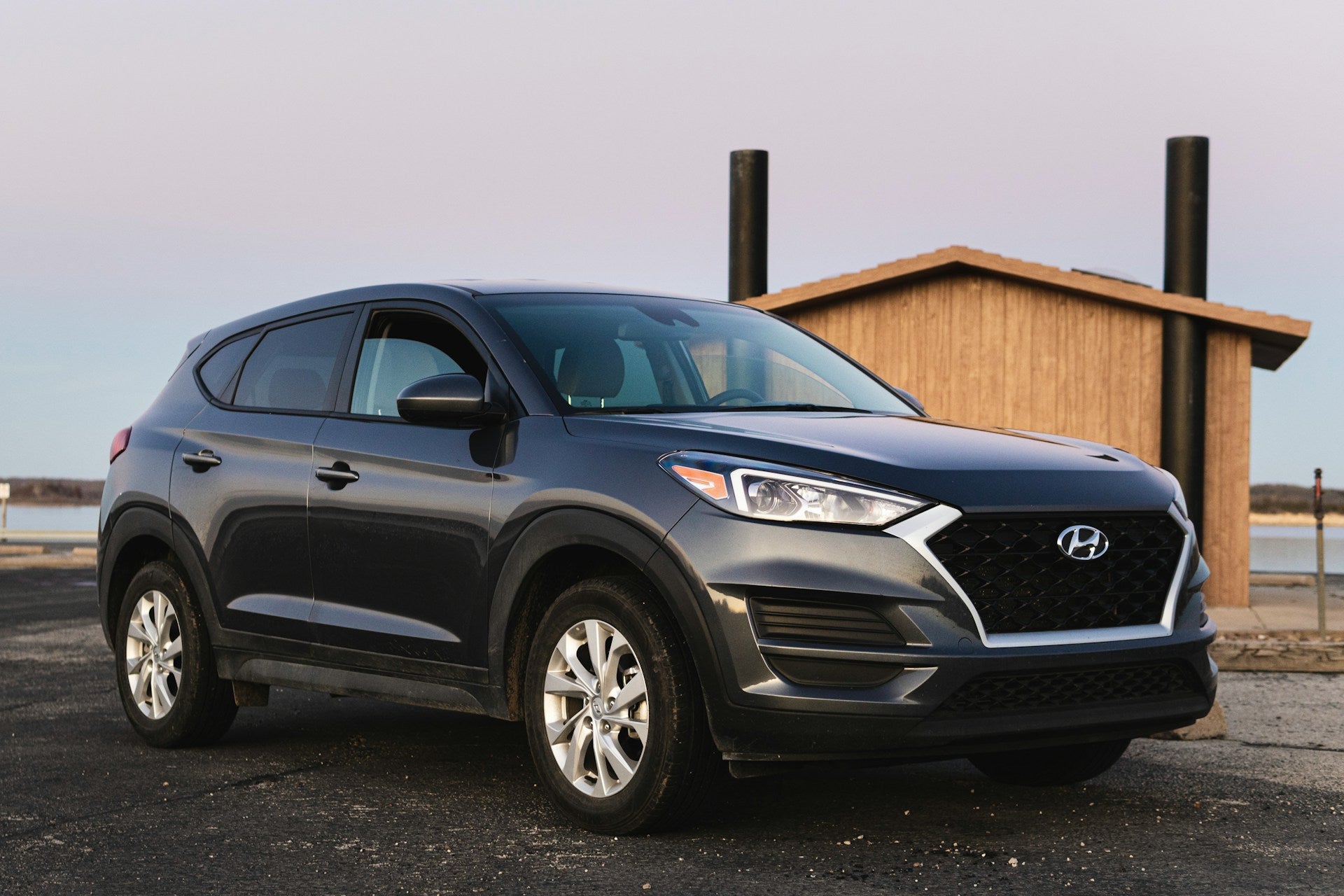
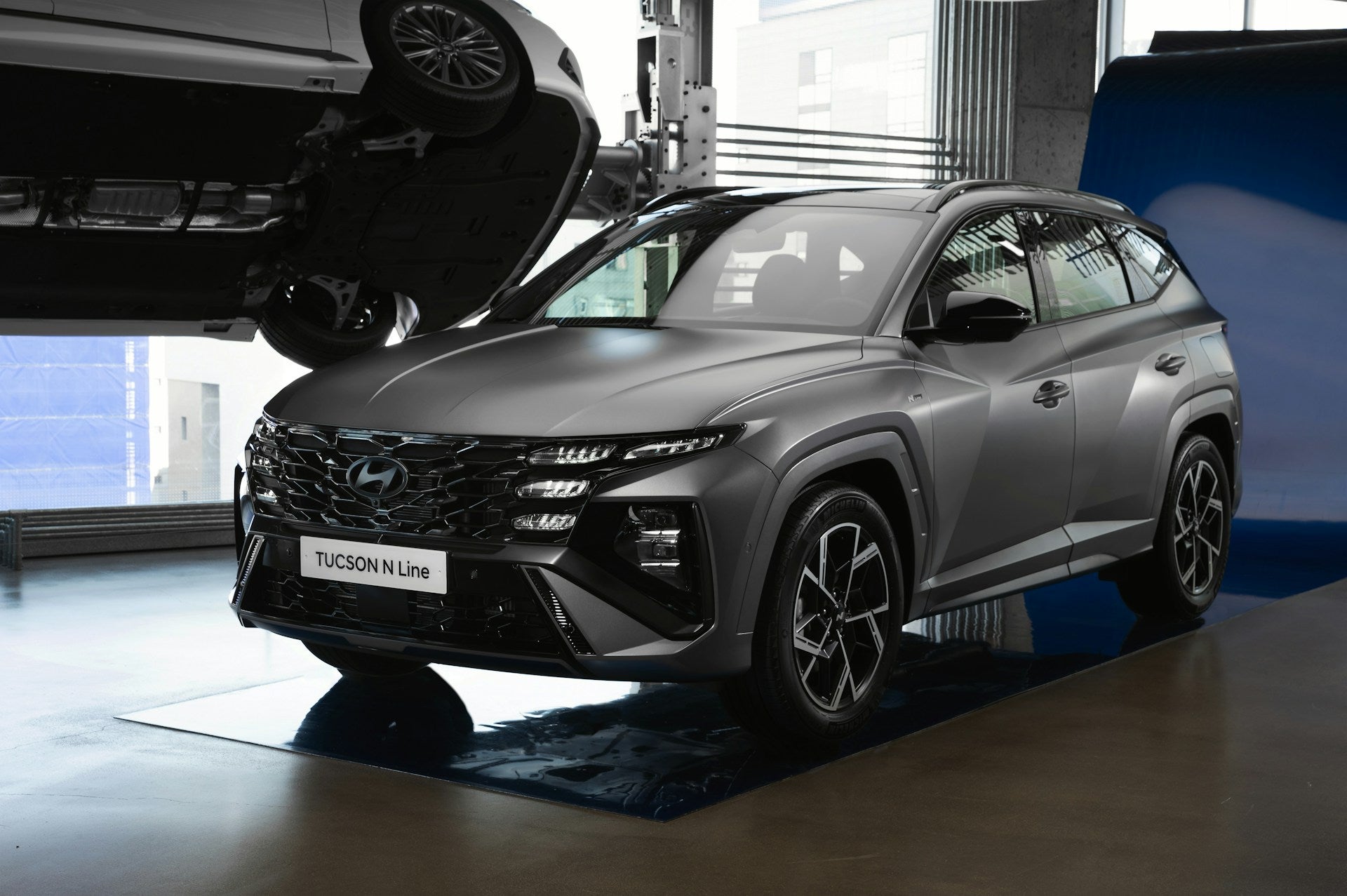
Winters in Riverhead can bring all kinds of challenges on the road — freezing temps, icy streets, and surprise snow showers. Having a reliable SUV with smart winter features is more than just helpful. It brings you peace of mind when you're out running errands, heading to work, or just driving across Suffolk County during one of the coldest months of the year. That’s where the Hyundai Tucson steps in, especially the newer models packed with features made for cold-weather driving. more The Tucson’s newer updates aren’t just about comfort and convenience. They also help with control, handling, and safety when road conditions are less than ideal. From heated seating to all-wheel drive, the Tucson has winter gear built right in. Whether you’re used to Riverhead winters or you're still getting the hang of it, driving a vehicle that handles snow and ice with better stability can make all the difference. Advanced Heating And Climate Control You shouldn’t have to sit in a freezing car for 10 minutes waiting for things to warm up. Hyundai Tucson models come with available automatic climate control that lets you program the temperature to your liking. What makes it better during winter is how quickly the system begins blowing warm air exactly where you need it — whether that’s your feet, the windshield, or both. Here are a few climate features that come in handy for Long Island winters: Dual-zone climate control, so the driver and passenger don’t have to argue over the temperature Rear seat vents to keep backseat passengers from bundling up in extra jackets Quick front and rear defrosters to clear ice and fog faster Cabin air filtration that helps keep the system working smoothly, even when conditions are dry and cold On freezing mornings, that first blast of warm air can instantly improve the drive. And with automation in place, you won’t have to constantly adjust knobs or check to see if the fan speed is right. It’s all handled with a few settings and sensors that do the thinking for you. Superior Traction And Stability One of the biggest stress points during a northeast winter is road grip. Nobody wants to feel their car slide around in snow or hesitate at a green light when the wheels spin. That’s why the Tucson’s available HTRAC all-wheel-drive system is such a solid choice. It doesn’t just kick in when needed. It works actively with the rest of the car’s stability and control systems to adjust power between the front and rear wheels. Here’s how the Tucson handles icy or slippery roads in Riverhead: The all-wheel-drive system improves grip when turning or accelerating in snow Traction control reduces spin by adjusting throttle and brake pressure Electronic stability control helps keep the SUV in line during quick maneuvers or emergency braking You’ll notice the difference mostly when going around corners or driving over packed snow, especially in early mornings or at night when pavement temps drop. An example? Imagine you're leaving work after a snowstorm. The roads weren’t fully cleared yet, and that right turn onto Main Street has a patch of slush. With the AWD and traction control combo, the Tucson stays right on path without spinning, giving you more confidence every time you hit the road. Enhanced Visibility Features Poor visibility can turn even short drives into stressful experiences during a Riverhead winter. Dark evenings, heavy snowfall, fog, or freezing rain can make it harder than usual to see what's ahead. That’s where the latest Hyundai Tucson shines with its smart lighting options designed for cold and gloomy conditions. The Tucson comes with available adaptive headlights that move in the direction you steer, which helps brighten up turns and curved roads. This is especially helpful when you're driving through Suffolk County neighborhoods where lighting can be uneven or limited. You'll notice a more precise spread of light without blinding other drivers. When visibility is already limited at dusk or during snow flurries, that extra guidance makes all the difference. Fog lights also come standard or available on many Tucson trims. They're made specifically to cut underneath low-lying fog or mist, casting light closer to the road without bouncing it back toward the windshield. These lights are especially helpful on early morning commutes when Riverhead temperatures dip and moisture lingers. Another plus: automatic high beams that adjust based on surrounding traffic and lighting. You won’t have to keep flipping the controls back and forth when roads switch from well-lit to pitch black. Convenience aside, that hands-off system gives you one less thing to worry about. Even the mirrors pitch in. Available heated side mirrors help prevent frost buildup so you can actually use them instead of scraping ice with your sleeve. All of these features work together to keep your line of sight as clear as possible even when the weather doesn’t want to cooperate. Winter-Specific Comfort Features Staying warm on freezing drives is about more than just heating the cabin. The Tucson adds touches of comfort that make a big impact during the colder season on Long Island. Think of all the moments you dread the cold: gripping a freezing steering wheel, sitting on an ice-cold seat, or trying to shake off a chill before even pulling out of the driveway. These are the parts that the Tucson smooths out to make driving more pleasant. A few standout comfort features include: Heated front seats that warm up quickly and stay consistent on longer drives Available heated rear seats for passengers in the back A heated steering wheel that keeps your hands from freezing, even if you forgot gloves Remote start, so you can warm up the cabin before stepping outside Each of these details focuses on making your cold-weather driving routine less uncomfortable. You won’t have to brace yourself while waiting for the seat to lose that icy feeling. One local driver shared how her daily rides to the Riverhead train station felt less like a chore and more like a break thanks to the warm seats and wheel—the kind of details that make a bigger difference than you’d expect. Even if you’re just running errands across town or making weekend trips to the grocery store, these features come into play more times during a winter week than you may realize. The Tucson lets you fine-tune warmth throughout the cabin so everyone’s happy, not just whoever's sitting closest to the vents. Ready For Winter Adventures In Riverhead Winters in Suffolk County don’t follow a script. One day might be slushy and gray, the next could surprise you with black ice in the early morning or six inches of fresh snow overnight. That unpredictability is exactly why having a dependable vehicle built with winter-minded features makes such a big difference. The Hyundai Tucson blends comfort and control for conditions just like these. Heated seats and remote start keep daily drives comfortable. Traction control and all-wheel drive help keep you steady. Adaptive lighting clears up the road ahead. It’s all designed to handle Long Island's combination of messy roads, freezing temps, and short daylight hours. Drivers in Riverhead who face winter head-on need more than just four wheels. They need a car that keeps everyone warm and confident from the first start to the final stop. The Tucson is already ahead of that weather curve with features that help you stay calm, warm, and in control even when winter throws its worst at you. When winter hits hard, having the right vehicle can transform your daily drive into a cozy and secure experience. With its thoughtful features and technology, the Hyundai Tucson in Riverhead is a prime choice for those frosty commutes and unpredictable weather conditions. Whether it's the heated steering wheel or the top-notch traction control, this SUV covers all the bases for winter comfort and safety. Explore everything the Tucson has to offer and start your season off right with Riverhead Hyundai.

Hyundai

Low Interest Rates On New Hyundai Models

Low interest rates can make a big difference when it comes to buying a new car. For anyone looking to upgrade their vehicle or start fresh with a new Hyundai, this could be the moment that makes it easier on your budget. Instead of stretching your wallet with high monthly payments, a better rate can help you drive off with a brand new model while keeping more money in your pocket. more Winter may be cold in Riverhead, but the end of the year brings more than just snow and holiday cheer. December is often when lenders and dealerships roll out attractive financing offers, making it an ideal time to consider a new purchase. Whether you're shopping for yourself or helping a family member gear up for graduation or a new job in the new year, smart timing and a good rate could make the whole experience less stressful and more affordable. Understanding Low-Interest Rates A loan's interest rate determines how much extra you're paying for the vehicle over time. A lower rate simply means less money added to the overall cost of the car. When you're approved for a low-rate loan, your monthly payments are generally smaller, and you're not spending as much by the time it's fully paid off. Interest rates shift depending on several things. The state of the economy, choices made by the Federal Reserve, and even current car buying trends can influence how lenders set their rates. When rates dip lower, it creates an easier path for buyers to finance a new vehicle without stretching their income thin. That makes it a good time for people who’ve been waiting for a deal to finally make their move. Even a small difference in the rate can mean a lot over the length of the loan. For example, someone buying a new Hyundai Sonata in Riverhead might see that they have two rate offers. One could look slightly better on paper, but over 60 months, the savings from the lower rate could be noticeable when compared side by side. That's why understanding what low interest means for your total loan amount matters. Those small numbers can add up fast. Benefits Of Low-Interest Rates On New Hyundai Models Getting a good deal on a loan doesn’t just feel nice. It can have a real impact on your day-to-day life. If you land a low-interest rate on your Hyundai loan, the financial benefits can stick with you long after you drive off the lot. Some of the main advantages include: Lower monthly payments: With less interest, more of your payment goes toward paying off the car itself. That frees up more room in your monthly budget. Reduced overall cost: Stretching your loan over several years can add a lot in interest. By locking in a lower rate, you pay less in the long run. Room to consider upgraded models: When rates are low, you might be more comfortable exploring options with extra features or add-ons. You also get something that’s hard to put a price on: a bit of breathing room. Knowing you didn’t overpay on your loan takes some pressure off your monthly budget. That makes for a more relaxed ownership experience. Whether you’re commuting around Suffolk County or taking a quick day trip out to the North Fork, the right rate gives you one less thing to worry about. Many of our customers look at models like the Hyundai Tucson, Elantra, and Santa Fe when rates dip. With a lower interest rate, drivers may be able to bump up to a higher trim, add new technology, or simply breathe easier knowing their long-term cost is lower. How to Secure Low-Interest Rates in Riverhead Getting a low-interest rate might sound like a matter of luck, but it's really about taking control of the pieces you can. If you’re planning to finance a new Hyundai in Riverhead, a little bit of planning can make a big difference. Your credit score plays a major role. Lenders use it to gauge how risky a borrower is. The higher the score, the better the terms you’re likely to get. Some helpful steps to get ready include: Checking your credit report for any mistakes and fixing them early Avoiding any new credit applications just before applying for a car loan Paying down existing debt and keeping accounts in good standing Next, think local. Riverhead residents can often find good loan options through community banks or nearby credit unions. These institutions sometimes offer rates or terms that national lenders don’t. It’s a smart move to contact a few of these institutions before heading to the dealership. Getting pre-approved puts you in a stronger position when negotiating, too. Of course, Riverhead Hyundai offers financing help right at the dealership. Our team is familiar with local lending partners and current manufacturer promotions. Being prepared with documents like pay stubs and identification can help speed up the approval process. And don’t forget about timing. If you line up your financing right before the end of the year, you could hit a perfect window. Pairing a strong credit profile with good end-of-year incentives can work in your favor. Why Act Now: Timing Matters for Year-End Auto Purchases You might be wondering, does it really matter when you buy a new car? In short, yes. December brings several key reasons why it’s smarter to shop now rather than wait. At the end of the year, dealerships often have specific goals to meet. Those goals sometimes mean better pricing or special incentives. Lenders may also offer extras like discounted interest rates to help move more inventory before the books close for the year. Here’s what typically happens toward the end of December: Dealerships offer improved deals to clear out current year models Financing promotions with lower interest rates become more common Holiday incentives and specials can be stacked for added value Fewer shoppers are out this time of year, too. While others are focused on holiday shopping or traveling, you might find that dealerships are quieter and more willing to negotiate. That kind of timing can help you get through the buying process quickly without waiting around for assistance or dealing with limited inventory. Car prices may go up in the new year, and changing economic conditions can always push interest rates higher. So acting now could protect you from price hikes or tighter loan terms. If you’ve done the prep work and are ready to go, the current season might just offer your best opportunity to land a great deal. Make Your Next Move Count Buying a new Hyundai is already an exciting move. When you pair that decision with a low-interest loan, the benefits just keep growing. You could pay less every month, reduce how much you owe in interest, and maybe even drive home with more features than you thought you could afford. As the year winds down and the winter chill sets in across Riverhead, the timing may be just right. Whether you're focused on your budget or looking to get the most out of dealership incentives, there's real value in being prepared and taking action before the season changes. If you're ready to make a change or have simply been waiting for the right financial window, now’s the time to weigh your options and explore what’s available. Low-interest financing could make this your easiest car-buying season yet. If you're planning to trade your vehicle or upgrade to something new, finding the right plan can make things easier. Take a look at available options for Hyundai car loans in Riverhead to see how Riverhead Hyundai can support your next step with a smoother, more flexible financing process.

Hyundai

Signs Your Hyundai Needs Power Steering Fluid

When you're behind the wheel of your Hyundai, you want the steering to feel effortless. Smooth steering isn't just more comfortable, it's also a good sign that your vehicle’s power steering system is working the way it should. One of the most important parts of that system is power steering fluid. Without it, turning your wheel gets harder and driving may feel less safe. This fluid helps transfer power and protects key steering parts from extra wear. more Over time, power steering fluid can become low, contaminated, or even start leaking. Any of these issues can change how your Hyundai responds when you drive. If something doesn’t feel right — like stiffer steering or strange noises when turning — you’ll want to check it out. Spotting these signs early can keep you from having bigger problems down the road. Steering Feels Stiff or Hard to Turn When your steering wheel suddenly feels heavier than usual or seems harder to move, that’s often the first sign that something’s off. It might show up most during low-speed turns or tight parking. You might even chalk it up to the cold weather, but more often than not, low power steering fluid is the reason. Power steering fluid helps your vehicle steer with ease by making the system run smoothly. When the fluid drops too low or starts to get dirty, the system has to work harder. That puts pressure on parts that aren’t built to handle the extra load, leading to faster wear and tear. One driver once compared the feeling to steering a shopping cart with jammed wheels. Over time, not only can it wear you out, but it can also damage parts of your car. In colder places like Suffolk County, this can become more noticeable in the winter months. Having it checked sooner rather than later can keep your steering safe and light. Whining or Squealing Noises When Turning Your Hyundai can sometimes speak up when something’s not right. Whining or squealing sounds when turning the wheel are examples of this. These noises are often warning signs that the power steering fluid might be low. Your power steering pump relies on enough fluid to stay lubricated. Without it, it works harder than it should and may start sucking in air. That can lead to annoying high-pitched sounds, especially during sharp or slow turns. In chilly Suffolk County winters, the cold can thicken power steering fluid too, making the problem even louder. Here’s what certain sounds might mean: Whining or moaning while turning: could be air in the power steering line. High-pitched squealing: might point to contaminated fluid or a struggling pump. Louder groaning as you turn: may signal system parts wearing down. It’s easy to tell yourself the noise will go away, but ignoring it could lead to bigger and more expensive steering problems. Visible Power Steering Fluid Leaks If you see reddish or brown fluid under your Hyundai or in your driveway, that could mean your power steering fluid is leaking. A leak is never a good sign and should be looked at right away. Power steering fluid is usually slick and tinted. Leaks can happen slowly, one drip at a time, or quickly enough to make a small puddle. Common places for leaks include hoses, seals, clamps, or even the steering pump. No matter where it’s leaking from, it means the system isn’t getting the support it needs to work properly. Look out for these clues: Wet spots or droplets near the front driver’s side tire. A thin, oily puddle under the engine area. Low fluid levels in the reservoir when you check under the hood. Even a small leak can create a bigger repair job if not fixed. Cold weather in Suffolk County can make plastic and rubber components more brittle, which sometimes makes the leaks worse. Steering Wheel Vibrations Could Point to Fluid Trouble Your steering should feel smooth. If the wheel shakes or pulses in your hands while turning or cruising, it might be more than a minor issue. Contaminated or low fluid is one possible reason for those vibrations. Clean power steering fluid acts like a cushion between system parts. When it's dirty or low, that cushion disappears. Components grind or struggle to move freely, sending that trouble right through the steering wheel. Here are some signs to watch for: The wheel moves oddly when turning at lower speeds. Jittery or pulsating feeling during sharper turns. Vibration increases after driving for a while or when starting the car cold. If these symptoms come and go, they might still be worth checking out. Letting the problem hang around usually wears down expensive parts like the steering rack or pump. These are not quick fixes and can leave you without your car at the worst time. In Suffolk County’s long winter months, where road conditions add extra strain, it's important to have smooth control. Why Professional Repair in Suffolk County Matters Some power steering issues aren’t that obvious at first. Slow leaks, clouded fluid, or tiny cracks in hoses may take a trained eye to catch. That's where expert Hyundai repair services in Suffolk County come in. They know the signs and have the right tools to test and fix the problem before it spreads. Cold weather in Riverhead and all over Suffolk County takes a toll on your vehicle’s power steering system. What starts as a small hiccup can quickly turn into a trickier repair. Even if you don’t spot a leak or hear any noise, winter weather may still be messing with your fluid’s strength and performance. When professionals check the system, they go beyond just topping off the fluid. They’ll look at: The fluid’s condition and clarity Seals, hoses, and connections The power steering pump and reservoir Steering alignment and system pressure That full look helps make sure your Hyundai’s steering won’t surprise you when the roads get slick or when snow hits overnight. Local mechanics who understand Suffolk County driving conditions are your best bet for making sure everything holds up under winter stress. Keeping Your Hyundai’s Steering Smooth Good steering doesn’t just make driving easier, it helps keep you safe year-round. You don’t want to second-guess your car when the pavement's icy, you're parking in a tight spot, or dodging potholes after a storm. If your steering wheel feels tighter than normal, makes strange sounds, or shakes in your hands, those are clear signs something’s off. Power steering fluid may be the problem, and if it is, it’s something you’ll want to fix before the damage spreads. Having your Hyundai inspected and serviced before the issues get worse can keep small repairs from becoming costly problems. It’ll also help you avoid getting stranded or stuck with tough steering during Suffolk County’s colder season. Regular fluid checks, system inspections, and work from reliable professionals keep your steering system running smoothly. If you begin to feel anything unusual with how your Hyundai handles turns, or if the wheel feels like it’s putting up resistance, don’t wait it out. Your comfort, safety, and driving confidence rely on a system that works the way it’s supposed to. Catching power steering issues early isn’t just smart, it’s something every Hyundai owner can stay on top of with the right help. When you notice any signs like stiff steering, unusual noises, or even fluid leaks in your Hyundai, it's time to take action. Proper maintenance ensures your vehicle remains reliable and safe, especially during Suffolk County's colder months. For reliable Hyundai repair services in Suffolk County, trust the professionals at Riverhead Hyundai to keep your steering system in top shape.

Hyundai

Why Your Hyundai Idles Rough In Cold Weather

Winter mornings in Riverhead can hit hard, and it's not just the people who feel it. If your Hyundai starts to shake or sputter after a cold start, you’re not alone. Rough idling is a common problem when temperatures drop. It may seem like a small issue at first, but it can lead to bigger problems if left alone. A quick trip feels less comfortable when your engine hesitates, vibrates, or sounds like it's struggling just to stay running. more Rough idling affects how your car runs in traffic, at stop lights, or while parked. You might feel a light shaking through the seats, hear uneven engine sounds, or even see the RPMs jump around. If it gets worse, the car could stall when you’re least expecting it. Knowing what causes a rough idle in cold weather, and how to deal with it, is step one toward a smoother winter ride. Common Causes Of Rough Idling In Cold Weather Cold weather affects how your engine and its parts function. When things get freezing cold, metal contracts and fluids thicken. That makes it harder for things to move like they normally do. On top of that, sensors and valves may not respond the way they should until they warm up, which can cause hiccups in how the engine runs. One part that often struggles in the winter is the idle air control valve, or IAC. Its job is to manage how much air flows into the engine when you’re not stepping on the gas. If this valve sticks from dirt or frost, or reacts slower than usual because of the cold, your engine might idle harder or feel uneven until it warms up. Fuel injectors can also have a tough time with the cold. They’re responsible for spraying the right amount of fuel into the engine. If they have carbon buildup or are sluggish from the temperature, the fuel-air mix gets thrown off. That causes stuttering or hesitation as the engine tries to even things out. Moisture in the fuel system can’t be ignored either. When temperatures dip below freezing, leftover water vapor or condensation can form ice inside fuel lines or around sensors. This blocks the smooth flow of fuel, which can cause delayed firing, power loss, or rough idling during start-up. Here’s a quick breakdown of the usual suspects when cold kicks in: Idle air control valve sticking or acting slow due to frost or grime Dirty or aging fuel injectors leading to poor fuel atomization Old spark plugs that don’t fire well in cold start-ups Air or fuel filters that haven’t been changed, worsening airflow and pressure Moisture freezing inside fuel lines or key ignition components Spotting symptoms early, like uneven idling only when cold or quick stalling after startup, is your early warning that one or more of these problems might be the cause. Catching it early can mean less damage and fewer winter surprises. Importance Of Quality Fuel And Regular Maintenance Fuel quality really matters when winter rolls into Suffolk County. During colder months, lower-grade fuel can thicken or deliver less energy, making it harder for engines to run cleanly. That’s one reason you’ll want to stick to stations that have consistent, high-quality fuel, especially in December when freezing nights are the norm. More than just fuel, keeping up with basic maintenance really helps fight off those rough idles. When filters are clogged or spark plugs are worn, it’s like asking your engine to breathe through a straw. That added stress really shows when the car starts from a cold state. Even something as simple as ignoring a dirty air filter can lead your engine to compensate by using more fuel or adjusting timing, which throws the whole system off. And when fuel filters get clogged up, the pressure needed to maintain idle drops, making those engine shakes worse. Here are a few basic things to check: Clean or replace your air filter every 12,000 to 15,000 miles, or sooner if it’s visibly dirty Replace spark plugs every 30,000 to 60,000 miles depending on the model Make sure the fuel filter isn’t overdue for a swap Use fuel additives only if recommended by your technician, and stick with brands you trust Regular service checks allow technicians to catch these basic problems and stop them from growing into major engine issues. An oil change or system inspection might feel like standard stuff, but it’s the easy fix that keeps rough idles to a minimum, especially through Riverhead’s colder months. Professional Solutions And Services If your Hyundai's rough idle keeps showing up once the temperature drops, it's best to let a trained technician handle it. While some problems might seem minor at first, such as a shaky idle on cold mornings, they can point to deeper engine issues that need attention. A professional has the tools and knowledge to run system checks and pinpoint what's actually behind the shaky start. One of the first steps they'll likely take is running a full engine diagnostic. This reads error codes and shows which parts might not be working right. From there, trained eyes can inspect things like: The idle air control valve for sticky buildup or freezing issues Fuel injectors to see if they’re clogged or acting slow Spark plugs and filters that may be past their prime Electrical sensors that aren’t responding fast enough in cold temperatures For drivers in Riverhead, quick access to this kind of checkup means fewer cold mornings spent wondering why your engine sounds off. A fuel system cleaning might be all it takes to restore smooth idling. Other times, it could take replacing faulty parts or doing a full performance tune-up. Regardless of the fix, trusting a certified technician reduces the chance of guessing wrong and risking further wear or damage. Remember, rough idling is one of those problems that doesn’t usually go away on its own. The sooner it’s checked, the better your car will handle winter's ups and downs. Without proper care, fuel mileage can drop, driveability can become unpredictable, and the engine light might end up staying on for good. How To Keep Your Hyundai Running Smoothly In Winter Preventing rough idling starts with good habits. In places like Suffolk County, where winter hits hard and often, it’s smart to make a few cold-weather changes to how you care for your vehicle. Even small steps can make a big difference in how well your Hyundai performs when the temps keep sliding below freezing. Here are a few tips to keep your Hyundai running smoother in the winter: Keep your gas tank above half to reduce the chance of moisture buildup in the fuel system Give your car a minute or two to warm up before driving so the engine oil can flow properly Use a garage if possible or invest in an engine block heater to reduce the stress on cold starts Don’t ignore unusual sounds or performance changes, even if they seem small at first Stick to your regular service schedule, even during the holiday season when cold weather sets in deep You might also notice that starting your car after it’s been parked overnight takes a touch longer, or that it idles a bit high before settling down. That’s normal to an extent, but if it’s shaking, sputtering, or stalling, then something is off. Taking a few preventive steps can help you avoid worse problems, like battery strain or engine misfires. Think about how frustrating it is to deal with car trouble on a frosty morning when you’re already late or carrying groceries in the snow. These small tasks can save time and stress when you’re depending on your car the most. Keep Winter Starts From Turning Into Winter Headaches Winter driving in Riverhead comes with its own set of challenges, but dealing with a shaking engine doesn’t have to be one of them. Rough idling in cold weather is a signal that something needs attention. Whether it’s an issue with airflow, fuel delivery, or slow sensor response, these things often show up first in winter when your engine’s working overtime just to stay warm. Catching a rough idle early gives you the chance to stop small issues from becoming major repair jobs. With a bit of planning and regular service, your Hyundai can handle cold temps without a second thought. That means quieter starts, smoother stops, and less worry each time you head out on a chilly Suffolk County morning. If your Hyundai is struggling with a rough idle this winter, don’t wait for the issue to get worse. Stop by Riverhead Hyundai and let our experts take a look. You can count on our Hyundai service center in Riverhead to diagnose the problem and get your vehicle back to running the way it should.

fleet

Fleet Solutions For Growing Businesses

As small businesses expand across Suffolk County, managing transportation becomes more than just a matter of convenience. It often becomes a core part of staying productive and delivering consistent service. That’s where commercial fleet vehicles step in. They help keep everything moving smoothly, whether it's local deliveries, service calls, or company travel. For growing businesses on Long Island, having dependable vehicles on hand is no longer optional. It’s just smart planning. more Riverhead offers a practical setting for setting up or scaling a business fleet. Located near key roadways and regional business hubs, it’s close enough to major towns but far enough to keep operations steady and cost-effective. With winter settling across Long Island by mid-December, fleet vehicles that can handle colder weather and routine wear-and-tear make all the difference in daily workflow. A well-chosen fleet built with work-ready vehicles keeps things efficient, reliable, and on schedule through any season. Advantages Of Hyundai Commercial Vehicles Small and medium-sized businesses often look for three basic things in their fleet: reliability on the road, affordable operating costs, and flexible size or style options. Hyundai commercial vehicles check all three boxes. They’re built for steady day-to-day use and are known for holding their own even under consistent demand. There’s also the added bonus of fuel efficiency. Running multiple vehicles daily can pile up costs fast. A fuel-conscious vehicle lineup gives businesses a reason to feel confident without trimming back services just to save on gas. Here are a few more reasons why these vehicles work well for Long Island businesses: Versatile body types: Whether you need a smart city hauler or something with cargo space for tools and supplies, there’s a solid match Safety features: Lane-keeping assist, smart braking, and built-in rear cameras help keep drivers safe and reduce downtime Lower maintenance: Hyundai’s track record of dependable engines and long-lasting parts means fewer unexpected trips to the shop Easy-to-operate tech: Built-in screens for directions, voice control, and Bluetooth keep the job moving without distractions Let’s say you run a catering company out of Riverhead. You’ve got three jobs in one weekend—one in Southampton, another in Montauk, and the last one closer to Patchogue. You need a small fleet that’s ready to go in cold temps, won’t guzzle fuel, and can reliably haul all your equipment and food without putting wear on your personal vehicle. Hyundai’s commercial lineup includes practical vans and SUVs that can fill those roles without stretching your budget thin. By keeping things focused on performance and utility, commercial vehicles from this lineup end up doing more than just getting you from point A to point B. They help carry your business forward. Customizable Fleet Options One thing many business owners appreciate is when their vehicles can actually match how they work. Not every job needs the same type of vehicle, which is why customization plays a big part in choosing the right fleet. Hyundai’s commercial line has a range of options that can be adjusted based on what your day-to-day looks like. For example, if your team handles deliveries across Long Island, you might want smarter storage layouts and sliding doors for quicker unloading. On the other hand, companies that manage job sites may need roomier cabins, built-in towing capacity, or tech that tracks driver behavior. Here are a few ways these vehicles can be tailored to your needs: Adjustable seating arrangements for contractors who transport teams across sites Expanded cargo space for service companies that carry parts or tools Roof racks and ladder attachments for flatbed or utility upgrades In-vehicle USB charging, hands-free calling, and navigation systems for busy workdays on the road These upgrades give you control over how your vehicles are used. They also help you run operations more smoothly and deal with unexpected challenges that pop up during the week. By choosing vehicles that actually match the kind of work you do, you're setting yourself and your crew up for stronger results each time you hit the road. Leasing And Financing Solutions Building a fleet doesn’t mean you have to buy each vehicle outright. Many business owners on Long Island find leasing to be a smarter move, especially when cash flow comes into play. With leasing, it's easier to get access to newer models without locking up a ton of capital. You can also rotate vehicles more often, which means your fleet stays updated and fits changing needs. Financing options bring another layer of flexibility. Instead of a heavy upfront cost, payments can be spread out over time. For businesses managing seasonal demand, this helps a lot with budgeting. Some plans even factor in maintenance, which simplifies ongoing costs. Consider these possible advantages: Flexible terms that let you scale based on business growth Lower monthly payments compared to buying new vehicles Tax benefits that come with leasing or financing commercial assets Easier upgrades when contract terms end For example, say you’re running a property management company based in Suffolk County. During the summer, your team is constantly traveling to check on vacation rentals, while winter slows things down. Leasing a few SUVs during peak seasons and keeping one or two year-round might give you better balance without overcommitting. Whether your business is seasonal, consistent, or scaling fast, leasing or financing your fleet can keep cash free without sacrificing function. This is one area where smart decision-making can help keep operations lean without losing capability. Maintenance And Support Services Once your vehicles are on the road, maintenance becomes the dealbreaker between smooth operations and unexpected downtime. Investing in a fleet means sticking to a plan that keeps every van, SUV, or utility vehicle running like clockwork. Routine service appointments help catch issues before they become bigger problems. Oil changes, brake inspections, tire checks, and winter-ready checks, especially around December, make sure your employees aren’t stuck calling for help on a job. On top of scheduled service, support programs like roadside assistance and warranty coverage add another layer of peace of mind. One missed job due to a vehicle issue can mean more than just a delay. It can lose customers. Keeping everything in good working order helps avoid those setbacks. Long Island winters can be unpredictable, and coastal conditions don’t always go easy on vehicles. Having reliable access to service and parts makes it easier to keep your team on the move, even during colder months when road wear and heating issues tend to pop up. Boosting Business Efficiency With The Right Fleet The right vehicle lineup can actually improve how your business runs from day to day. It’s not just about driving from job to job. It's about getting work done faster, smarter, and with less hassle. A well-thought-out fleet does a few things right out of the gate. Reduces downtime by having dependable vehicles serviced on schedule Supports on-the-go work with mobile-friendly tech inside the vehicle Helps teams stay organized with adjustable storage and layout features Reflects your brand through clean, professional-looking rides Take a plumbing business, for example. A few properly equipped vans with storage systems for pipes, fittings, and tools can cut lost time digging through clutter. GPS tools built into the dash help new hires find jobs quicker and reduce delays. And when clients see a well-prepared vehicle pull into their driveway, it builds trust before your crew even walks up to the door. These are small improvements, but over the course of months or years, they can improve customer response, staff productivity, and total output. A smart fleet setup moves your business forward without adding more hours to the day. Smart Moves Start With the Right Vehicles Whether you’re focused on service calls, deliveries, or daily travel between job sites, putting the right vehicles on the road can help your business run better. It's not just about checking boxes. It’s about building something reliable that fits your process. From flexible leasing to helpful maintenance and smart layout choices, small improvements in your fleet could lead to big results. On Long Island, where seasons shift quickly and jobs stretch across towns, planning your fleet with intention keeps you ahead. When your team depends on every vehicle day after day, it pays to pick something that works as hard as they do. To explore how the right fleet can support your team's growth across Suffolk County, take a closer look at the features, leasing options, and support services available for Hyundai commercial vehicles on Long Island. Riverhead Hyundai is here to help you find dependable solutions that fit your business needs year-round.

Hyundai

Winter Protection Add-ons For Your Hyundai

Winter on Long Island can be tough on your car, and if you drive a Hyundai, getting ahead of the cold weather makes daily driving a lot smoother. When the temperature dips, the roads get slick, and slush coats everything, your vehicle needs more than just the usual maintenance to stay comfortable and protected. That’s where seasonal add-ons come in. They're built to hold up against harsh conditions and keep both the cabin and your exterior in better shape during these colder months. more The right winter accessories can do a lot more than improve comfort. They can help prevent wear and tear inside and out, making your drives safer and easier whether you’re commuting, running errands, or taking a weekend ski trip. If you live in Suffolk County or anywhere on Long Island, you've likely experienced just how messy and draining winter driving can be. With a few smart upgrades, your Hyundai can be geared up to face anything from salt-soaked roads to freezing morning starts. All-Weather Floor Mats and Cargo Trays Snow, mud, salt, sand—winter throws the works onto your shoes and straight into your car’s interior. Floor mats and the rear cargo area usually take the hit. That’s where all-weather floor mats and cargo trays come in handy. Unlike standard carpet mats that soak in moisture and hold grime, these accessories are made of thick, rubber-like material that’s easy to rinse off and wipe clean. For Hyundai vehicles, all-weather mats and cargo trays are shaped to fit snugly around footwells and trunk spaces. That custom fit helps block dirty slush and road salt from sneaking underneath and staining or damaging your carpet. A small investment in these accessories can save you serious cleanup headaches down the road. And they don’t just keep things clean. They help cut down on wear, which helps hold your car’s value over time. Installing them is a simple process. Once in place, they're easy to pull out and spray off with a hose. Some come with raised edges to trap more water and gunk instead of letting it slide under the seats. If you haul around tools, wet snow brushes, or even groceries in the trunk, a cargo tray can keep everything from turning into a mess back there. Winter Tires and Tire Chains Driving in Suffolk County through sleet and snow is no joke. While all-season tires work fine most of the year, they start to lose grip when the temperature drops. That’s where winter tires come into play. They’re made from rubber blends that stay flexible in the cold, offering better contact with icy or snowy roads. For Hyundai cars and SUVs, winter tires can mean the difference between sliding at a stoplight and staying in control. One of the biggest perks of switching to winter tires is the improved traction when turning, braking, or starting from a stop. That comes in especially handy when Long Island gets hit with sudden snowstorms or when older roads haven’t been plowed yet. Even if you have all-wheel drive, the right tires make a big difference in how your Hyundai performs. In some rare situations like deep back roads or during major storms, tire chains might be needed for added grip. They’re not necessary every day, but having a set that fits your Hyundai can help in extreme weather. Just make sure they’re installed correctly to avoid damage. Tire chains are useful for short-term use and should be removed once road conditions are back to normal. Knowing when and how to use these tools can make winter driving feel a lot less stressful. Instead of white-knuckling your way through icy turns, you can drive with more confidence. All it takes is a little planning before the season really kicks in. Roof Racks and Carriers When the snow starts falling, weekend trips to the slopes and winter getaways become part of the routine. If you’ve ever tried fitting skis or a snowboard inside your car, you know it’s not always easy or safe. That’s where roof racks and carriers come into play. They give you the space you need without cluttering the interior or risking damage to the upholstery. For Hyundai owners on Long Island, these enhancements can make winter travel more practical. Roof-mounted systems help transport everything from skis and snowboards to cargo boxes and extra gear. You get more room inside the cabin, passengers stay comfortable, and there’s less risk of tracking ice or slush into the back seat. These accessories are built to latch securely onto Hyundai roof rails and are designed to match the shape and contours of the vehicle. Once they’re properly installed, they stay in place and handle winter highway driving without rattling or shifting. That makes them a smart pick if you find yourself heading east to places like Montauk or venturing north into snowier regions. Here’s one thing that helps: many carriers can be locked, giving you added peace of mind when you stop for dinner or take a break on a long trip. And when spring rolls around, most are easy to detach and store until next season. Whether you’re traveling light or packing for a cold-weather adventure, a firmly mounted roof system makes winter hauling a lot simpler. Heated Steering Wheel and Seat Covers Getting into a freezing car in the morning is one of winter’s least favorite moments for many drivers. Fortunately, you can avoid sitting on an icy seat or gripping a freezing steering wheel with the right heated accessories. These aren’t just luxury features, they add comfort and safety by letting you focus on the road instead of the chill. Heated steering wheel covers and heated seat cushions are two of the most popular add-ons, especially for older Hyundai models without built-in heating features. They plug into your car’s 12V power outlet, warming up quickly and spreading gentle heat where you need it most. On Long Island, where icy winds hit fast in the mornings, this can be a relief during your daily commute. These accessories are easy to put in place. Most wrap snugly around the steering wheel or attach with adjustable straps to the seat. Some even come with multiple heat settings so you can choose the right level for the day. When paired with good HVAC settings in your car, they take the dread out of cold starts. It’s worth noting that while these accessories improve comfort, they also prevent stiffness that can interfere with safe driving. If your hands are too cold to grip properly or your back is tensed up from the freeze, it’s harder to stay focused and relaxed. Investing in comfort helps keep you more alert, especially in winter traffic. Protective Car Covers Winter weather on Long Island doesn’t just affect how a vehicle drives. It also takes a toll on how it looks. Snow, freezing rain, and road salt can all wear down a car’s finish. That’s where using a high-quality protective car cover can really make a difference, especially if you park outdoors. A well-fitted cover helps shield your Hyundai from snow accumulation, ice buildup, and even strong winds. It’s like giving your car a winter coat. When temperatures drop overnight and snow comes down, your cover stops frost from settling directly on your windshield and body. That means less scraping in the morning and less chance of scratching your glass or paint. Here’s what to look for in a good winter car cover: A snug, custom fit so it doesn’t flap in the wind or slide off Layers that block moisture while still allowing airflow Interior lining that won’t scratch your Hyundai’s paint Easy fastening points to keep it secure on gusty nights Whether you drive a sedan or SUV, the right cover creates a barrier between your vehicle and sidewalk snow spray, tree sap, or salt spray from the road. It also helps keep dirt and bird droppings off your paint, making spring cleanup quicker once the weather warms up. Taking a few extra minutes to cover your car each night can help extend the life of your exterior finish and keep your ride looking sharp no matter how long the winter drags on. Stay Warm and Protected This Winter Winter brings some of the toughest conditions your Hyundai will face all year, but the right accessories can help your ride stay in top shape. From all-weather mats that trap slush and salt to roof racks that carry skis and gear, these upgrades bring real daily value. Heated steering wheel covers and cushioned seat warmers take the edge off cold mornings, while protective covers shield your paint from winter grime. If you're out driving around Long Island this winter, you’ll notice how much of a difference these small upgrades can make. It's not just about surviving the cold. It's about making your daily drive safer, more comfortable, and a lot less stressful. This season, give your Hyundai the winter gear it deserves, and you'll thank yourself by spring. Prepare your Hyundai for the challenges of the cold season with top-quality winter gear. Exploring the right Hyundai accessories on Long Island can help keep your vehicle protected and comfortable throughout the winter. Whether you need floor mats or heated covers, Riverhead Hyundai offers practical solutions to help you handle harsh conditions with ease.

moonroof

Solutions For Leaky Hyundai Moonroofs In Winter

A leaky moonroof in the middle of winter isn’t just annoying—it can cause damage to your car and leave you with an uncomfortable, soggy ride. Cold air, water stains, and electrical trouble are just a few of the headaches that come with it. It’s the last thing you want to deal with during chilly Riverhead mornings when you’re just trying to get to work or drive the kids around. more Taking care of a leak when it first shows up is the smart move. The longer water has a chance to sneak in, the more complicated and costly the repairs can become. From a damp interior to frozen components, leaving it alone could turn a small problem into real trouble. So if your Hyundai’s moonroof is dripping when it rains or snows, now’s the right time to get ahead of it. Common Causes Of Moonroof Leaks It might seem like a mystery when your moonroof starts letting water in, but most of the time, it's caused by something fairly simple. Knowing what it might be helps you understand why you're seeing drips or hearing sloshing sounds. Here are a few reasons a Hyundai’s moonroof might start leaking, especially in colder months: Clogged Drain Tubes: These tubes run inside your car’s frame, guiding water away from the moonroof. Snow, leaves, or gunk can block them up. When that happens, water has nowhere to go but directly into your cabin. Damaged Seals: The rubber seals around the moonroof can wear out or get brittle. With temperature shifts in winter, cracks can form, making it easy for water to seep through. Misalignment: I f the moonroof doesn’t sit just right, it might not close all the way. Over time, tracks can shift slightly, especially if the car has taken any bumps or the moonroof has been opened and closed frequently. Worn Components: Older Hyundais or vehicles that haven’t had their moonroofs looked at in a while may have hardware that’s deteriorating. Hinges, tracks, and moving parts can all wear down and stop sealing properly. Understanding the cause is the first step toward stopping the leak for good. Keep reading to see how to pinpoint where the actual issue is coming from. Diagnosing Moonroof Leaks Getting to the root of a moonroof leak doesn’t always require tearing the whole top of your car apart. There are a few smart ways to figure out what’s going wrong without causing a mess or making it worse. Start with your eyes and hands. Carefully look around the headliner (the fabric under the roof) and moonroof edges. You might spot water stains, drips, or even mold if it’s been leaking for a while. Run your fingers along the edges to feel for wet spots, especially after a heavy rain or snowfall. Next, it helps to gently pour a small amount of water around the closed moonroof while someone sits inside the car. If they see or feel water coming in, you’ve narrowed it down to a possible seal issue or blockage. Here’s a simple way to check some common problem areas: Inspect Drain Tubes: These are often found in the corners of the moonroof frame. If they’re clogged, water backs up and leaks inside instead of draining through the car’s body. Examine Seals: Look for cracks, tears, or loose rubber seals around the glass. Even something slightly out of place can let moisture through. Check Moonroof Alignment: Try slowly opening and closing the moonroof and watch for any spots where it doesn’t meet the base cleanly. Listen for Clicking or Grinding: Any odd mechanical sounds when operating your moonroof may point to worn parts, especially if it's not closing tightly. If any of these steps show an issue, it’s a good idea to get your moonroof checked out by a technician sooner rather than later. Leaks in winter can damage upholstery, short-circuit electronics, and even cause icy conditions inside your car. One Riverhead customer told us they couldn't figure out why their carpet kept freezing until they found a slow moonroof leak had been dripping for weeks. Now that you know the common reasons and how to spot them, the next step is finding the right team who can fix it the right way. Professional Moonroof Repair Services in Riverhead Fixing a leaky moonroof involves more than just swapping out a part or two. It requires knowing how the entire system works, from the drainage routes to the way the glass seals with the body. A trained technician can look at the entire setup and figure out exactly where the problem is coming from and fix it the right way the first time. One reason professional service makes a big difference is tools. Specialized equipment allows skilled pros to access hidden parts without damaging headliners or weather seals. They can also test the channels and install new hardware with a proper seal that holds up against rain, snow, and freezing temps. Another benefit is access to Hyundai-approved parts. Not every rubber seal or moonroof component works the same way across models. Using parts designed specifically for your vehicle helps stop recurring leaks and maintains the original fit and finish of your car. Technicians who regularly work with Hyundai parts in Riverhead understand these details and are better equipped to help your vehicle last. If you're already dealing with a leak or if you've noticed warning signs like a musty smell or wet headliner, getting a proper inspection could prevent more expensive water damage down the road. What to Bring to Your Service Appointment Pulling into the service lane prepared will make your appointment go way more smoothly. Whether your moonroof needs a full repair or just a new seal, showing up with the right info speeds things up and helps your technician understand what you're dealing with. Here are a few things that can help: Your vehicle’s registration or VIN number Any warranty paperwork, if your car may still be covered A written or photo record of what’s happening when the leak appears Details like whether the moonroof makes unusual sounds or doesn’t close smoothly The last time you had any moonroof maintenance or repair work done Explaining the exact issue in plain terms helps too. If you noticed the leak only after heavy snow or if it pools on one side more than the other, those details matter. If it's an intermittent problem, mention whether it happens while driving or just when the car is parked. The more clues your technician has, the faster they can get to the source of the problem. Winter Tips for Keeping Your Moonroof Leak-Free Once your moonroof has been repaired, keeping it in good shape the rest of the winter takes a little care. You don’t need to do anything complicated, just a few regular habits to help avoid future leaks. For starters, keep snow and ice from building up around the edges of the moonroof. When snow melts, it can carry dirt and road dust into the drainage tracks. Clearing off buildup also helps avoid freezing around the seal, which can cause it to lift or crack. Here are more tips to stay ahead of trouble: Park in covered areas when possible, especially during heavy snowfall Don’t force your moonroof open if it’s frozen shut, as this can damage the motor and seals Gently wipe the rubber seal with a soft cloth after storms to keep it clean and flexible If you notice any dripping, don’t ignore it, since small leaks can quickly turn into major issues Getting into this habit now helps you avoid bigger headaches when temperatures drop lower in January and February. Keep an eye on any minor changes so you’re not caught off guard. Secure and Enjoy Your Hyundai All Winter Long Dealing with a leaky moonroof in winter isn’t just about staying dry. It’s about keeping your car safe, comfortable, and working the way it should. From potential electrical damage to moldy smells, even a small leak can affect how your vehicle holds up through snow, sleet, and salt season. Knowing the signs early, getting expert help, and keeping up with care between storms can make the difference between a small fix and a costly repair. Whether you’ve noticed dripping water or just want peace of mind, don’t wait for the issue to grow. Be proactive, and your car will thank you all the way through the Riverhead winter. Ensure your Hyundai stays in top shape all winter long by addressing any moonroof issues promptly. At Riverhead Hyundai, our team is ready to assist with any repairs you need. To guarantee the best fit and performance during service, we use genuine Hyundai parts in Riverhead. Trust our expertise to keep your car safe, dry, and comfortable.

Hyundai

Fixing Power Lock Issues In Your Hyundai

Power locks are a simple feature we often take for granted until they stop working. Whether you're trying to unlock your car quickly in the rain or secure it after parking on the street, working door locks make everyday life smoother and safer. When they start acting up, it’s more than just a small annoyance. Problems with your Hyundai’s power locks can turn into a real security concern if left unchecked. more If you're in Suffolk County and your Hyundai’s locks are giving you trouble, you're not alone. Cold weather, wear and tear, and internal damage can all contribute. Power lock problems don’t always happen at once either. They may work inconsistently or fail without warning. Addressing the problem early can prevent you from getting stuck inside or locked out entirely. Common Causes Of Power Lock Issues Figuring out what’s behind the lock problem is the first step toward resolving it. Locks in Hyundai vehicles usually stop working due to electrical faults or mechanical failures. Here are some common sources of trouble: Blown fuse: A single blown fuse can cause one or more door locks to stop working without affecting anything else. Faulty wiring: Wires inside your car doors can become damaged or corroded over time, breaking the connection between the locking switch and the actuator. Broken switch: If a lock switch feels loose or doesn't trigger any response, the issue might be hiding behind the door panel. Bad door lock actuator: This small motor drives the locking mechanism. If it fails, you might hear clicking without any movement from the lock itself. Sticky or damaged mechanical parts: Bent rods, damaged hinges, or internal wear can create friction or misalignment in the lock's movement. In Suffolk County, especially during the colder months, moisture and battery drain are more common, increasing the chances of these problems. If your locks only act up in certain weather or after exposure to rain, that could be a useful clue to the source. Diagnosing Power Lock Problems Before moving forward with repairs, it’s helpful to narrow down the cause of the issue. Some signs are easier to spot with a quick check. These steps can help you describe the problem clearly when visiting a shop. Test each door: Use both the key fob and inside switches to lock and unlock all doors. If only one door isn’t responding, it’s likely an issue isolated to that area. Listen for sounds: Press the lock or unlock button and listen closely. If you hear a click but the door doesn’t move, it could be a jammed actuator that still has power. Check the battery and fuses: If none of the locks are working and other electronics (like the radio or lights) are acting strange, the battery or fuse box may be the issue. Feel the lock switch: Pressing the interior button or switch can tell you something too. If it feels stiff, sunk in, or unusually loose, it may be damaged or disconnected. Peek inside if you’re experienced: If you've worked with door panels before, look for loose rods, broken clips, or internal rust. First-timers should let a professional handle this part. One issue we've seen involved a Hyundai Tucson where just one rear door failed to lock. After inspection, a small plastic connector inside the panel had snapped off. No amount of button-pushing would fix that without opening the door and replacing the part. By doing these observations and tests, you help your repair technician get a head start on finding the root of the problem faster and more accurately. If you don’t see any obvious signs, don’t worry. Some electrical issues run deep and require tools only found at a shop. Professional Hyundai Repair Services in Suffolk County Once you’ve identified that the power locks are failing, it's best to have them repaired properly by certified professionals. Power lock systems involve delicate wiring, motors, and signals controlled by the vehicle’s electrical unit. A simple mistake inside the door panel can lead to more expensive damage or safety issues. At Riverhead Hyundai, our team of Hyundai-certified technicians has hands-on experience with these common problems. Whether it’s a faulty actuator in a Santa Fe or a worn-out switch in a Sonata, we’ve seen it before. Having someone familiar with Hyundai systems speeds up diagnosis and helps avoid unnecessary part swaps. We also use manufacturer-approved diagnostic tools and OEM parts, which means nothing is guessed or rigged incorrectly. That lowers the risk of future problems from incomplete fixes. In Riverhead and across Suffolk County, winter conditions can take a toll on your car’s electronics. Dampness, salt, and freezing temperatures can cause hidden corrosion inside your doors. If you notice other strange electrical signs like flickering lights, unresponsive buttons, or odd sounds, they could be tied to the same root issue. Our team is trained to trace the entire electrical system, not just the door locks, to help you avoid bigger problems down the line. What to Bring to Your Repair Appointment Being prepared before your appointment helps everything go more smoothly. Power lock issues can crop up at inconvenient times, so a little planning ahead will reduce stress. Make sure to bring: Vehicle registration and valid photo ID Any service contract or warranty documents you may have A short written list of the symptoms (which door is affected, whether sounds happen when pressing buttons, when the issue began) Any prior service history or records related to the locks or vehicle electronics The second key fob if you have one, especially if the issue may be fob-related Try to observe if the problem changes based on time of day, weather, or how long the car sits unused. These kinds of notes are really helpful during repair diagnosis. You should also talk to the repair center about how long the service may take and what it may cost. A breakdown of parts and labor ensures there are no surprises when it comes time to pick your vehicle up. If your Hyundai is still under factory or extended warranty, let the team know this upfront. Tips for Keeping Your Hyundai Power Locks Working It’s pretty rare for power locks to fail out of nowhere. Usually, they show small signs first. Slower responses, clicking sounds without movement, or fob delays are all early warning signals. Keeping your power locks working well doesn’t require much extra effort. Try the following: Replace the battery on time before it gets too weak, which can affect lock performance Don’t slam doors forcefully, since it can damage internal parts over time Use both the key fob and interior switches regularly to keep all components functioning Check for unusual noises or motion delays and get them looked at during routine service Make sure window and door seals are in good shape to prevent water damage It also helps to clean your interior often. Spilled drinks, sticky snacks, and built-up dirt can affect lock switches and buttons, especially in high-use family cars or rideshare vehicles. If it’s been a while since your Hyundai was last serviced and you’ve begun to notice power lock delays, it’s smart to schedule a check-up now. Cold weather only adds stress to electrical systems, and small problems can get worse quickly. Resolve Power Lock Issues with Confidence Problems with your Hyundai’s power locks aren’t something to let slide. Whether it's trouble getting in during storms or the risk of leaving your car unlocked overnight, these issues can interrupt your day and reduce your peace of mind. Taking the time to spot the symptoms early, keep up with preventative maintenance, and get professional help when needed can save you time and money in the long run. Hyundai power locks may seem minor, but they play a big role in your daily comfort and safety while driving around Suffolk County. If your locks are acting up, don’t wait for them to fully fail. Taking action early means a smoother ride and one less thing to worry about as you go about your day. To keep your Hyundai running smoothly through the colder months, don’t ignore early signs of leaks or other concerns. If you’ve noticed water spots, damp upholstery, or mechanical issues, it may be time to look into professional help. Learn more about your options by exploring our Hyundai repair services in Suffolk County, where the experienced team at Riverhead Hyundai can help get your vehicle back in shape before winter damage worsens.

Hyundai

End Of Year Clearance On All Hyundai Models

Once December rolls around in Riverhead, the end-of-year car deals start to heat up, and that's when many folks begin eyeing their next new ride. Between cooler temperatures and the rush to get ready for the holidays, this final stretch of the year can also be a smart time to lock in big savings. With dealerships clearing out their remaining stock to make room for next year’s models, shoppers can take advantage of offers that don’t usually last long. more If you’ve been thinking about upgrading, switching models, or finally getting behind the wheel of something new, late December has the right mix of timing and opportunity. People around Suffolk County already know it's worth checking local sales before the calendar flips. Let’s take a closer look at why this season is one of the best for Hyundai sales in Riverhead. Huge Discounts On All Hyundai Models End-of-year savings can mean a better price point for just about every Hyundai on the lot. From compact sedans to larger SUVs, discounts often pop up that might not be seen at other times. That’s because dealerships are prepping for the arrival of next year’s lineup. What’s left on the floor? The current year’s models, often packed with features and priced to move. Buyers might notice additional markdowns on 2025 models, depending on availability. These vehicles still have the modern designs and tech drivers look for but usually come with reduced pricing to close them out before the next batch arrives. Besides the price tag, another way to save is through flexible financing. During clearance events, there could be options like: Payment plans designed for low upfront costs Special rates that help reduce monthly payments Extra perks like loyalty bonuses or lower interest offers (subject to qualification) These choices give buyers more breathing room when budgeting their next car. So if you were waiting for a time when both price and payment plans meet in the middle, this end-of-year window in Riverhead might just be it. Trade-In Opportunities If you’re driving an older car and are on the fence about trading it in, this timing could work in your favor. Trading in your current vehicle during a clearance event not only reduces the price of your next vehicle but can also speed up the process of getting into something newer and more reliable. The trade-in process is usually straightforward. You bring in your vehicle, a team inspects it, and you get an offer that can be applied directly to your next purchase or down payment. It’s quick, and you don’t need to go through the trouble of selling it privately. There are a few key reasons why trading in during a sale makes sense: Your current car may hold more value now than later, especially before the year ends It simplifies buying, especially if you roll your trade-in value into a new purchase You might be able to negotiate a better total deal with both discounts and trade credits Let’s say someone drives an older sedan they’ve owned for years and it's starting to feel outdated. Trading that vehicle in during the December clearance could help lower the cost of a new SUV while also clearing space in the driveway. It’s a win-win, especially for families trying to stay prepared for Long Island winters with vehicles more suited to their needs. Inventory Highlights: Popular Hyundai Models Worth a Look Year-end clearance events can open the door to vehicles many buyers have been eyeing all year. From compact commuters to spacious SUVs, there is typically a wide variety of options to choose from. One benefit of shopping during December in Riverhead is that there’s still a solid mix of models, trims, and colors available, although these can move quickly once the sale gains traction. Standout models like the Hyundai Elantra, Tucson, and Palisade are often part of the clearance mix. These models tend to draw attention because they combine drivability with modern features. Whether you’re looking for something with great mileage for daily travel or an SUV that fits the whole family with cargo space to spare, there’s likely a discounted model that fits the bill. Here’s what to expect when browsing: Sedans with heated seats, Apple CarPlay, and updated touchscreen displays SUVs with all-wheel drive and extra room for luggage or outdoor gear Hyundai SmartSense features like lane-keeping and forward collision alerts Select models that may include panoramic sunroofs or upgraded sound systems Some special edition vehicles may even be included in the clearance lineup, offering a unique design or loaded package that’s harder to find once the new year begins. These limited options usually come with distinctive interiors or exclusive colors, giving buyers something a bit more personalized. If you're headed into 2026 thinking about road trips, school carpools, or just replacing a vehicle that’s past its prime, now could be your moment to grab a model that checks off your full wish list. How To Secure Your Deal Getting ready for a year-end clearance event doesn’t need to feel overwhelming. A bit of prep can go a long way and help you make the most of your time on the lot. Since winter weather can hit Long Island without much warning, it’s smart to come in ready to move forward on a car once you find the right one. Start by outlining your must-haves. Whether that's all-wheel drive, cargo space, or touchscreen connectivity, having a short list keeps your visit focused. Then, check availability online to get an idea of which models or trims are still in stock. With end-of-year timing, some inventory will begin to shift fast, so models with specific features can disappear quickly. Before you arrive: Gather your driver’s license and current insurance information Bring paperwork or current registration if planning to trade in Know your ballpark budget or be clear about what monthly payment you’re aiming for Consider booking a test drive appointment to cut down on wait time A proper test drive is worth your time. Use the opportunity to see how the car handles on real roads in Riverhead, not just a short loop around the block. Check seat comfort, visibility, and controls. It only takes a few minutes, but it’s your best shot at making a confident decision. Once you're set and the numbers work for you, don’t wait too long. Clearance pricing is designed to help vehicles move, so if you’re sold on a specific car, locking it in then and there is usually the way to go. Get In Before The Year Closes As the calendar winds down and the holiday rush picks up, most people aren’t thinking about car shopping, but maybe they should be. December brings a unique opportunity for smart buyers looking to score savings, skip the spring pricing waves, and start the new year with dependable wheels. With trade-in values holding steady and flexible financing options on the table, there's even more reason to take a closer look at Hyundai sales in Riverhead right now. Whether it's about replacing an older car, upgrading to something bigger, or just getting a better handle on winter driving with all-wheel drive, these clearance events make that more manageable than usual. Inventory won’t last forever, and the deals won’t either. If there's a model that’s caught your eye month after month, this may be your best chance to finally bring it home. Just remember: acting sooner means more choices on trims, tech packages, and colors before stock runs out. When you’re ready to explore the best offers and take advantage of Hyundai sales in Riverhead, check out the latest vehicles waiting at Riverhead Hyundai. Whether you’re replacing your ride or stepping into a new model, exciting choices and savings are just a click away.

Hyundai

Solutions For Poor Fuel Economy In Your Hyundai

If you feel like you're filling up your gas tank more often than you used to, you're not imagining things. Poor fuel economy is a common concern for many Hyundai drivers, especially in areas like Suffolk County where daily commutes and longer drives are part of regular life. Gas mileage affects more than just your wallet. It changes how often you stop for gas and can even reflect how your Hyundai is running overall. more There are several reasons why your mileage might be worse than expected. It could be something as simple as your tire pressure or as serious as an overdue engine service. No matter the cause, low fuel efficiency can be frustrating. If you’ve noticed your Hyundai burning through fuel faster than before, there are a few things worth checking out before the problem becomes bigger. Check Your Tire Pressure One quick fix that can make a big difference is keeping your tires properly inflated. Under-inflated tires create more resistance on the road. That means your engine has to work harder just to keep you moving, which leads to using more gas. During colder months in Suffolk County, tire pressure naturally drops, so drivers often see worse mileage in fall and winter if they don’t pay attention. Here’s what helps: Check your tire pressure at least once a month, especially as temperatures change. Use a reliable tire pressure gauge to get accurate readings. Inflate your tires to the PSI listed inside the driver’s door frame, not the number on the tire itself. Don’t forget the spare. It may not affect fuel economy, but it’s better to have it ready just in case. Keeping your tires balanced and aligned also boosts how smoothly your car moves down the road. If your car pulls to one side or vibrates while driving, it’s time to have your alignment or balance checked professionally. That uneven motion adds stress to your engine and, over time, lowers fuel efficiency. Regular Maintenance and Servicing Skipping regular maintenance might seem harmless at first, but it adds up. Over time, small issues can start pulling down your Hyundai’s performance and fuel economy. Old engine oil, clogged filters, or worn spark plugs can all affect how well your car runs and how much fuel it uses. For getting the best mileage, routine service matters. Here's why: Dirty oil makes your engine work harder, which uses more fuel. Oil changes keep things running clean and smooth. A clogged air filter limits the engine’s airflow, which leads to poor combustion and wasted fuel. Worn spark plugs can misfire or burn fuel inefficiently, causing your car to guzzle gas. If your Hyundai is overdue for any of these services, you might not notice anything at first. But over time, those small delays can lead to lower mileage, rough starts, or weaker performance. Professional service goes a long way in keeping things running right. It also helps catch other fuel-draining problems early, like a bad oxygen sensor or failing fuel injector. When you regularly drive through areas like Riverhead or wider Suffolk County, where traffic and speed changes are frequent, your vehicle’s systems need to stay in good shape. Letting issues slide only puts more pressure on your engine, which increases fuel use. Driving Habits Can Make or Break Gas Mileage You might be surprised how your driving style affects your fuel economy. A heavy foot on the gas pedal or quick stops can eat into your mileage more than you think. Change how you drive, and you might start noticing fewer trips to the pump. Try making some of these habit changes: Ease onto the gas instead of accelerating hard. Use cruise control on highways to keep a steady pace. Avoid long idling. In cold weather, idling to warm up your car too long just wastes fuel. Leave plenty of space between you and the car ahead to avoid braking hard. Combine short trips when possible. Starting your car in cold weather over and over burns more gas than taking one longer drive. If you’ve ever rushed across Riverhead, stopping and starting every few blocks, you already know how fuel disappears fast. Changing just a few habits can lead to smoother, more fuel-friendly driving. Importance of Using the Right Fuel Using the wrong type of fuel in your Hyundai might not seem like a big deal, but it can lead to long-term issues with how your engine performs. Every vehicle is engineered with a specific fuel type in mind. If you’re filling your tank with something cheaper or lower in quality than what’s recommended, your engine could end up working harder than it needs to. That leads to wasted gas and lower fuel economy. Poor quality fuel doesn’t always show symptoms right away. Sometimes it builds up over time, forming deposits that affect combustion and how your Hyundai’s engine responds. If your car starts hesitating, running rough, or losing performance on hills, the fuel you’re using could be part of the problem. There are a few things to keep in mind when it comes to fuel: Always check your owner’s manual to confirm the grade that works best for your Hyundai model. Avoid old or questionable gas stations, especially ones with low turnover or limited fueling options. Consider top-tier gas if your car is showing signs of lagging performance or struggling to get up to speed. In some neighborhoods across Suffolk County, there are stations that don't maintain their tanks as often as others. One local driver noticed their mileage dropped after switching to a different gas station for convenience. After going back to their regular station, the mileage improved noticeably over the next couple of tanks. Paying attention to where and what you’re filling up with can save you from unexpected issues down the road. Keep Your Vehicle Light You wouldn’t carry a heavy bag all day unless you had to. Same goes for your Hyundai. Driving around with unnecessary weight in your car makes your engine work harder. The more weight it has to move, the more fuel it uses to get you from place to place. It’s easy to forget how much stuff piles up over time. A few cases of water in the back, that beach gear from months ago, or tools you meant to take out but never did — it adds up. Cleaning out your trunk and back seat takes just a few minutes but can help your gas go farther. Here are a few simple things you can do: Clear out heavy or unused items from the trunk and cabin. Take off roof racks or carriers when you're not using them. They create drag even when empty. Only carry emergency kits and seasonal items you actually need. Even leaving off-season tires, sports equipment, or bins of gear stored in your car for convenience can hold your mileage back. The extra weight may not hurt short trips around Riverhead, but it can make a difference when driving to other parts of Suffolk County or heading out on the parkway. Keep Your Hyundai Running Smart in Suffolk County Keeping your Hyundai fuel-efficient isn't just about one thing. It's about adding up small steps that help your car work better overall. From checking your tire pressure to changing your daily driving habits, you’ll notice a shift in how your car responds and how far your fuel takes you. Even simple things like decluttering your trunk or reviewing your fuel choices can bring real benefits. Cars are like people. They perform their best when they’re well cared for. Paying attention to how your Hyundai feels, sounds, and drives can clue you in when something’s off. Whether it’s a slight drop in mileage or unusual hesitation, noticing early signs helps prevent bigger issues and larger bills later on. If you drive regularly across Suffolk County, it makes sense to stay ahead of problems that affect fuel economy. Local roads, traffic habits, and seasonal weather shifts can all influence your car’s performance and fuel use. Regular check-ups and quality Hyundai repair services in Suffolk County help keep your ride efficient, comfortable, and trouble-free. For any driver concerned about fuel efficiency, staying proactive is key to avoiding bigger issues. Scheduling regular check-ups can catch problems early and keep your Hyundai running smoothly. To ensure your car is performing at its best, consider our comprehensive Hyundai repair services in Suffolk County. Riverhead Hyundai is here to help you maximize your vehicle's efficiency and comfort.

Hyundai

What Our Service Reviews Say About Us

No one enjoys bringing their car in for service. It usually means something needs fixing, inspecting, or replacing, and it tends to come up at the worst time. But there's a difference between a repair shop that just gets the job done and one that actually makes the experience better. When people talk about good service, they mention more than just a fixed engine or fresh oil. They talk about how they felt during the process—respected, heard, and cared for. more In Riverhead, where winters can be brutal and Long Island driving isn’t always easy on a car, honest and helpful service carries more weight. Reviews from local Hyundai owners show that doing the job right is just one part of what matters. It’s also about how someone answers the phone, how fast issues are sorted out, and how clearly things are explained. These things stick with people long after the car has been picked up. Positive Feedback on Hyundai Customer Care in Riverhead When customers describe their experiences with Hyundai service in Riverhead, some things come up again and again. It’s not just about fixing broken parts. Reviews often mention the kind of care and professionalism that turn a regular service visit into something they don’t dread. Friendly and Professional Service Team Drivers appreciate speaking to people who actually listen. Whether someone walks in with concerns about a weird noise or shows up for a scheduled check-up, being greeted by a team that treats them with respect makes the process smoother. Many reviews mention how staff explain things in a way that’s easy to understand without using too much technical language. Efficient Service and Quick Turnarounds Time matters, especially when your vehicle is your main way of getting to work, school, or running errands. A repair shop might do great work, but if it takes days to get your Hyundai back, that adds stress. People who’ve brought their cars in often talk about short wait times and how their vehicles were ready when promised. That reliability goes a long way in building trust. Customer Experiences With Repairs and Maintenance A customer from Suffolk County once shared that they came in with unexpected brake problems right before a long road trip. The team worked through the issue and had it fixed quickly without making the customer feel like just another appointment. Stories like this are common. People notice when they’re treated like real individuals and not just a name on a drop-off form. Whether it’s regular maintenance or last-minute repairs, strong customer care creates loyalty. Clear communication, quick service, and approachable staff are the parts that keep coming up in reviews—right along with working air conditioning and quiet engines. The Importance of Regular Maintenance and Inspections It’s tempting to skip your car’s next check-up, especially when everything seems to be running fine. But just like you wouldn’t wait to visit a doctor until something hurts, cars need routine care to avoid big problems later. That’s something drivers in Riverhead are paying more attention to—especially during colder months when vehicles go under extra stress. Keeping Your Hyundai Running Smoothly Getting regular inspections keeps your Hyundai from turning little problems into big ones. Salt on Long Island roads, changing temps, and heavy traffic can all sneak up on parts like brakes, hoses, and tires. A simple check could catch something loose or worn before it becomes a costly repair. How Regular Check-Ups Prevent Bigger Problems Here’s why sticking to a maintenance routine matters: Helps your engine stay in top shape year-round Keeps oil, filters, and fluids clean and working right Makes sure your heating system and defrosters are ready Gives you the chance to catch tire wear before it spreads Offers peace of mind ahead of long drives, especially during the holidays The goal isn’t just to keep your Hyundai running—it’s to avoid trouble down the road. These regular check-ups don’t take long but can help prevent bigger repairs, more time in the shop, and higher costs. Riverhead Hyundai's Commitment to Quality and Customer Satisfaction Quality isn’t just about fixing what’s wrong. It’s about doing it in a way that lasts. That’s one reason reviews keep highlighting what drivers notice about parts and long-term care. Genuine Hyundai Parts and Accessories A big part of car service that often gets overlooked is the quality of the parts used. When drivers in Riverhead take the time to mention this in reviews, it means something stood out. Whether it's a battery replacement or something more complex like engine components or brake pads, the type of part being installed matters for both safety and overall performance. Genuine parts make a difference. They fit correctly, perform as expected, and match what the vehicle was designed for. That reduces the chance of a breakdown or compatibility issue and helps drivers spend less on return visits. Comprehensive Care Programs Another thing drivers in Suffolk County mention often is the peace of mind they get from long-term care plans. Service staff keep track of vehicle history, so there’s no guessing next time a car comes in. They also help drivers stay on schedule with routine maintenance based on mileage and seasons. In colder months, that means checking heaters, batteries, and tires. When the seasons shift, scheduling an alignment or refreshing fluids becomes more of a priority. These care programs help drivers stay on top of things so their vehicles stay reliable year-round. When a dealership keeps your vehicle’s full history and condition in mind, every return visit feels easier. That kind of consistent service keeps everything smoother and helps your car stay strong longer. How to Schedule Your Next Service Appointment Knowing when your Hyundai needs service is only part of the story. Booking that service in a fast, frustration-free way is something that matters too. Easy Online Booking Process One thing that makes drivers return again and again is how simple it is to book a service visit. Many people mention that the online setup is fast and doesn’t make them repeat the same details every time. That’s a relief if you’ve ever had to sit on hold or re-enter your information over and over. An easy booking system means you grab a time that works for you and enter all the info ahead of time. You don’t waste time explaining things all over again when you show up. What to Expect When You Arrive Once you're at the shop, the process tends to move along without much delay. Here’s what regulars in Riverhead have come to expect: Check-in is usually fast, especially if appointment info was entered online Your tech talks through any concerns before getting started You'll get an update on estimated timing for the repair You’ll be notified when your car is ready Final paperwork is handled easily so you can get back to your day When service happens without delay, and updates come before you have to ask, drivers tend to remember that. That’s what keeps them coming back. Staying Ahead of Problems Before They Start Cars today come with more advanced systems, which can be great—as long as someone knows how to check them. That’s where a team that’s seen your Hyundai before, and knows your driving habits and vehicle history, really comes in handy. Hyundai owners who’ve stuck with us often share how much value they’ve gotten from keeping all service in one place. When your vehicle’s past work and common issues are already known, spotting fresh problems becomes quicker and easier. One driver in Riverhead talked about how the team caught uneven tire wear during a basic visit. Instead of brushing it off, they found it was due to a suspension issue and took care of it before winter hit. That early catch made all the difference and kept him from a bigger repair. The small details and clear updates aren't just perks. They’re part of a service model that takes your time and your vehicle seriously. Delivering that every time is what local drivers remember most. Reliable, honest service you can count on—that’s what keeps your Hyundai in good health and you at ease. If you're looking for dependable service you can count on, let Riverhead Hyundai show you the difference that quality care makes. Learn more about Hyundai customer care in Riverhead and schedule your next appointment with ease today.

Hyundai

Understanding Your Hyundai's Warning Indicators

As winter tightens its grip on Riverhead and roads become slippery with ice and snow, it’s more important than ever to make sure your vehicle is in peak condition. One of the easiest ways your Hyundai communicates with you about possible issues is through its dashboard warning lights. These indicators light up for a reason, and understanding what they mean can help stop a small problem from becoming something much bigger, especially during the colder months when you rely on your vehicle even more. more Ignoring a warning light can lead to mechanical trouble, breakdowns, or unsafe driving conditions. Whether you're commuting across Suffolk County or heading out for a weekend drive on Long Island, it helps to stay aware of what your Hyundai is trying to tell you. Having a general understanding of these indicators can give you peace of mind behind the wheel and help keep repair costs from surprising you later. Our Hyundai service center in Riverhead is here to support you every step of the way. We understand the unique challenges that winter brings and are equipped to help keep your vehicle prepared and running safely. Common Warning Indicators and Their Meanings Your Hyundai's dashboard is designed to give you feedback as soon as something's off. These lights aren’t just decorations. They’re alerts that ask for your attention. Some warnings mean a quick fix, while others might need urgent attention from a trained technician. Here are a few of the most common warning indicators you should know about: Check Engine Light: This is one of the most widely recognized lights and can be triggered by various issues. It may indicate a loose gas cap, a failing oxygen sensor, or something more serious like engine trouble. If the light is steady, schedule a checkup. If it’s blinking, stop driving and get help right away. Battery Warning Light: This suggests your car might not be charging correctly. It could be due to corrosion on battery terminals, worn-out cables, or a failing alternator. Notice dim headlights or slow starts? Your battery system needs attention. Oil Pressure Warning: This light comes on when oil pressure drops below a safe level. That could be from low oil, a clogged oil filter, or a faulty pump. Running your engine without enough oil can cause serious damage quickly. ABS (Anti-lock Braking System) Light: If you see this, it means your anti-lock brakes might not work properly. While your brakes may still function, your ability to brake safely in slippery conditions can be reduced. Recognizing these lights early helps you make smarter driving decisions. If you see any of them while on the road in Riverhead or Long Island, it's a sign to take action—not something to put off. Steps To Take When A Warning Light Comes On Seeing a warning light pop up can be unnerving but staying calm and knowing what to do next is key. Each light has a different meaning, and not all require immediate roadside action. Still, paying attention right away can keep things from getting worse. Here’s what to do when certain lights show up: Don’t ignore it. A warning light usually means something isn’t working the way it should. Continuing to drive without checking it can make things worse. Check for other signs. Notice new sounds, strange smells, rough performance, or smoke? They can give more clues about what's wrong. Pull over when needed. Red warning lights—especially for engine temperature, oil, or brakes—call for an immediate stop in a safe place. Make a note. What were you doing when the light came on? Was the light blinking or steady? Being able to share this info helps with faster diagnostics. Schedule a service appointment with us in Riverhead. Acting early can prevent small problems from becoming big, costly ones. Winter driving conditions put extra stress on your vehicle. Warning lights are your Hyundai’s way of asking for help. Taking them seriously can improve safety and give you peace of mind as you hit the roads in freezing temperatures. How the Hyundai Service Center in Riverhead Can Help When a warning light appears, the root cause isn't always obvious. That’s where expert diagnostics from our trained team come in. The Hyundai service center in Riverhead is equipped with factory-grade tools and certified technicians. We don’t guess. We find the problem fast and get it handled right. Here’s how we support drivers when lights come on: Full system diagnostics to identify the issue quickly Brake system checks if there’s a problem with ABS or brake warning lights Engine or transmission evaluations if you notice performance changes Electrical system testing for problems related to your battery or alternator Comprehensive checks on fluid levels and oil pressure Each part of your Hyundai works a little harder in cold weather. Our team understands how roads, salt, snow, and temperature drops affect them. By catching issues early, we help you stay on the road instead of stuck waiting for a tow in freezing weather. Preventative Maintenance Tips to Avoid Dashboard Warnings You might not be able to avoid every dashboard warning, but keeping up with maintenance gives you a big head start. Winter is tough on vehicles, and things that ran fine in warmer weather can struggle in the cold. Here are a few easy tips to help your Hyundai stay in top shape: Stay on track with oil changes. Cold oil thickens, and if it’s dirty, it won’t protect your engine well. Clean, fresh oil keeps things moving smoothly. Test your battery. Batteries are more likely to fail in low temperatures. Don't wait for slow startups to tell you there’s a problem. Keep your brake system in check. Icy roads make reliable brakes more important than ever. Brake pad wear or low fluid can activate ABS alerts. Monitor tire pressure. Cold air reduces tire pressure, which can activate the TPMS light. Under-inflated tires reduce performance and safety. Top off all fluids. Coolant, brake fluid, windshield washer fluid—they’re easy to overlook but super important in cold weather. Preventative checks during the season can mean fewer surprises and smoother rides. A few small steps now can help you avoid emergency visits later. Stay Alert and Drive Safely This Winter Your Hyundai is full of systems that work hard to keep you safe. But when something goes off balance, your vehicle tells you fast through dashboard warning lights. Whether it’s oil pressure, battery issues, or brake alerts, paying attention can stop a minor issue from becoming serious. Winter in Riverhead means icy roads, cold mornings, and long nights. Your car has to deal with it all—and so do you. That’s why taking warning lights seriously is so important. It’s also why drivers throughout Suffolk County turn to the Hyundai service center in Riverhead. From diagnostics to maintenance, we’re here to keep you on the road and out of trouble all season long. When your Hyundai's warning lights start flashing, it's important not to ignore them. Knowing where to go for help can make a big difference in keeping your car safe and reliable. Trust the experts at Riverhead Hyundai to keep your vehicle in top shape during the chilly months by scheduling service through our Hyundai service center in Riverhead.

Contact Us

Fill out this form below and we'll contact you shortly

By submitting your information, you agree to the sharing of your information between Hyundai Motor America and its authorized dealers.

*Required Fields