
Blog / New York Hyundai Dealer

Blog

All New York Hyundai Dealer New York Hyundai Service
Hyundai

Why Your Hyundai Rides Rough Over Bumps

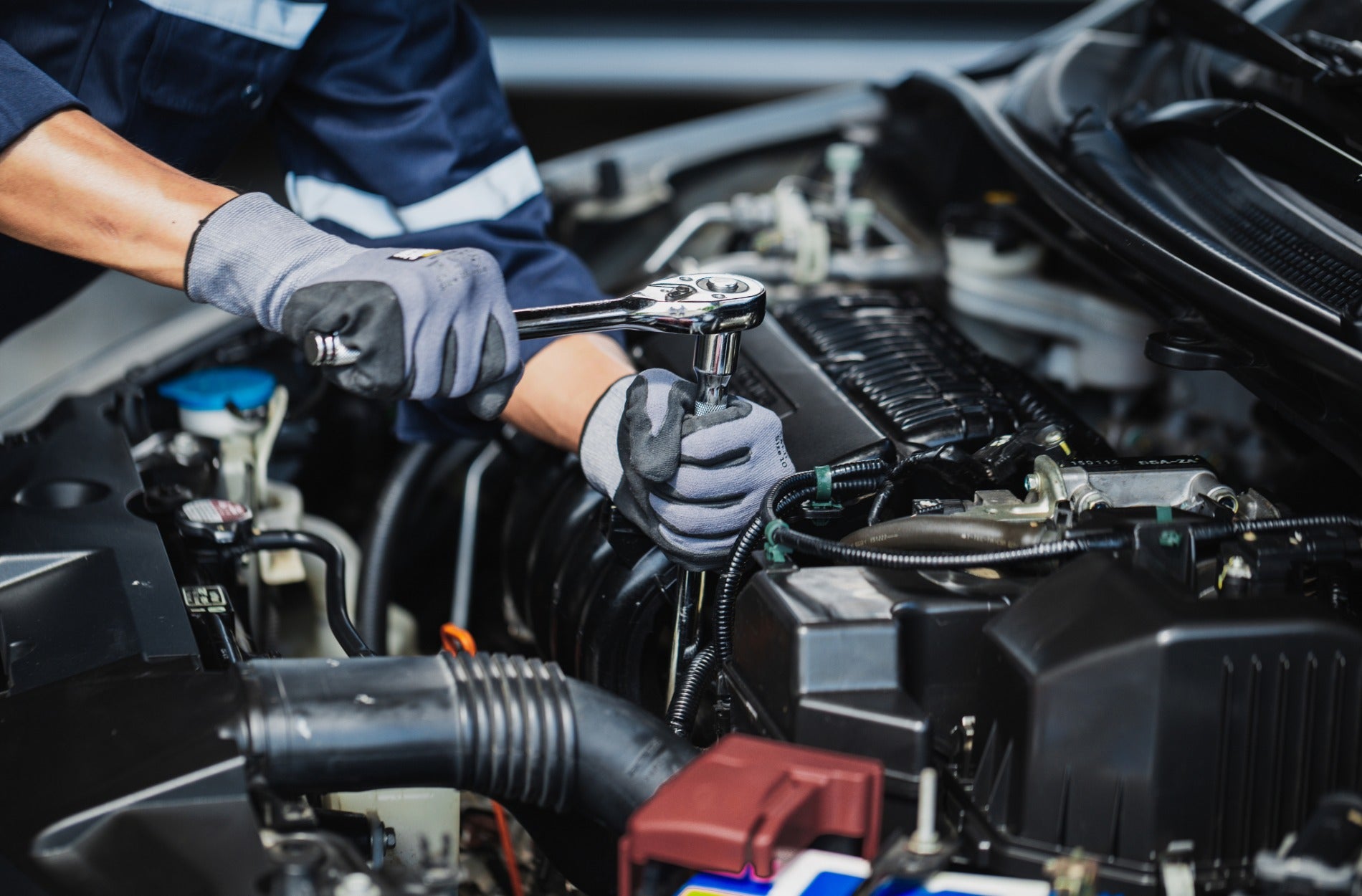
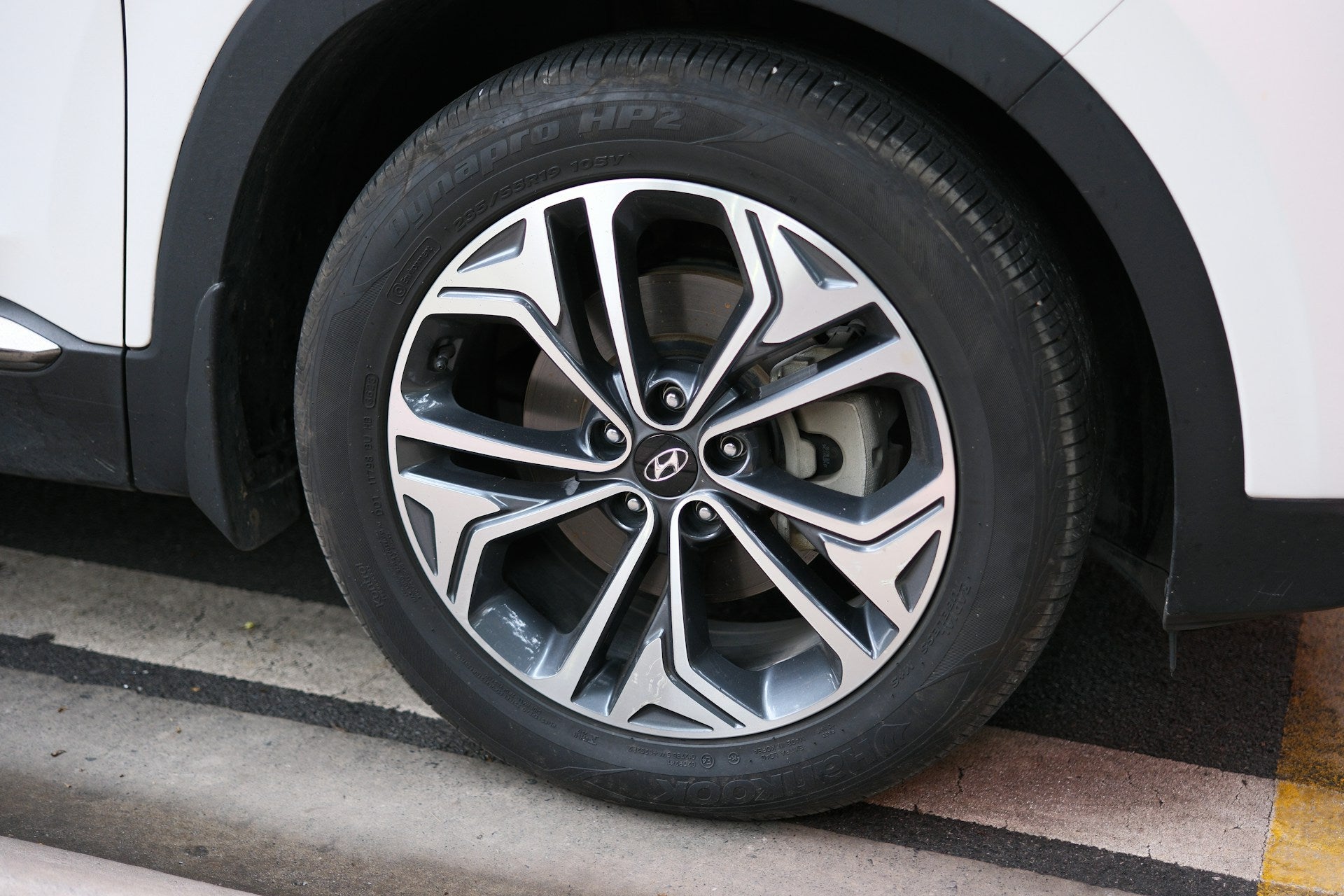
If your Hyundai feels more like a go-kart on a gravel path than a smooth cruiser when going over bumps, you’re not imagining things. A rough ride can sneak up on drivers. One day everything feels fine, and the next, every little crack and hole in the road seems to shake the whole car. It's not just an inconvenience. It affects your driving comfort and could point to problems that get worse over time. more Driving in a place like Suffolk County, where seasons bring different road conditions, puts extra stress on your car’s suspension and tires. Potholes from last winter or uneven backroads out east can really take a toll. If your Hyundai isn’t handling them like it used to, it’s a good idea to look into what’s causing all that bouncing and rattling before it turns into a bigger issue. Riverhead Hyundai offers repair services in Suffolk County, helping drivers get back to comfortable, smooth rides with factory-trained technicians and quality parts. Common Causes Of A Rough Ride There’s no single reason your Hyundai could be feeling rough over bumps. It usually comes down to one or more common parts wearing out or needing attention. Here’s a breakdown of what might be going wrong: 1. Worn shock absorbers or struts These help control how your car handles bumps. When they’re worn out, your car can bounce more than normal and feel hard to control around turns or during sudden stops. 2. Suspension components are damaged or loose Your suspension system includes many moving parts like ball joints and control arms. If something wears out or breaks, it can throw off the balance and cause clunky, uneven rides. 3. Tire issues Old or uneven tires don't cushion the road like they should. And if the air pressure isn’t right, it can make things feel shaky or off-balance, especially when driving over rough roads. 4. Alignment or balance problems If your wheels aren’t aligned properly, you’ll likely feel it. It can cause tire wear and make your Hyundai drift or pull to the side, which feels even worse when driving over bumps. Say you’re on Route 25 after a heavy rain and hit a pothole. Things like that can mess up the suspension or tire alignment without you realizing it. Over time, small hits to the system build up and lead to that annoying rough ride you’re noticing now. Diagnosing the Problem Spotting what’s wrong isn’t always simple just by feel, but paying attention to how your vehicle behaves can help point you in the right direction. You might hear noises, feel different types of vibration, or notice how the car reacts when making sharp turns or sudden stops. Here are some things to watch out for: Your Hyundai feels overly bouncy after hitting minor bumps There's a knocking sound around the tires or under the car Difficulty keeping the vehicle steady when making turns Uneven tire wear The steering feels loose or unsteady Different symptoms usually point to different causes. For example, if your car leans hard into turns or rocks back and forth after stopping, it could be the shock absorbers or struts. Clunky noises when going over bumps might mean something is loose in the suspension. If your tires are wearing out faster on one side, alignment’s probably to blame. Sometimes, these issues can stack up. What feels like one problem might actually be a few related ones. A professional diagnosis at Riverhead Hyundai makes all the difference. It helps catch problems early before they lead to bigger repairs and keeps your vehicle safer and smoother to drive through Suffolk County. Repair Solutions at Riverhead Hyundai Once you understand what’s behind the bumpy feeling in your Hyundai, the next step is getting it fixed the right way. The repair process isn’t always the same since it depends on which components are causing the rough ride. Some issues are simple, like tire wear or tire pressure. Others can involve more detailed work, like replacing suspension parts or correcting alignment problems. Suspension issues often mean the shock absorbers or struts need to be replaced. These parts wear down gradually, so it’s not always obvious they’ve gotten too weak to do their job. One way to know things are getting bad is if your Hyundai keeps bouncing after a bump or gets harder to steer around curves. Replacing worn shocks restores stability and control. Suspension components like control arms, sway bar links, or bushings may also need attention if you hear clunks or notice uneven behavior when turning or braking. Tire-related problems are often easier to catch with a quick check. Bald spots, uneven tread, or visible damage are clear warning signs. A technician can inspect tires for wear, check the air pressure, and rotate or replace them as needed. If the tire pressure is always too high or low, that can affect how the car rides and handles. It’s best to fix that before issues spread to the suspension parts. Alignment and balance are another pair of common culprits. If your wheels aren’t lined up right, they can cause the car to veer off-center or shake at higher speeds. Balancing issues usually result in vibration, especially in the steering wheel. Over time, both problems can lead to uneven tire wear and even damage certain components. So whether you’re dealing with a bouncy ride, drifting, or unexpected noise from under the car, these fixes usually fall under one or more of these main categories: Suspension repair or replacement (shocks, struts, bushings, joints) Tire inspection, pressure adjustment, rotation, or replacement Wheel alignment correction Tire and wheel rebalancing Getting these repairs professionally handled with access to genuine Hyundai parts helps prevent more expensive problems later. This matters even more when you're used to driving on Long Island roads that can get rough after a long Suffolk County winter. Preventive Maintenance Tips to Keep Your Hyundai Riding Smooth Rough rides don’t always happen overnight. Often, small warning signs appear long before the bumps become a serious issue. Building some healthy driving and maintenance habits can make a difference and help you avoid riding around in a Hyundai that feels like it's lost its smoothness. Start with regular checkups. Whether it’s during oil changes or seasonal tire swaps, getting your suspension and tires checked by a certified technician helps catch problems early. If you hear rattles, squeaks, or notice uneven wear, don't ignore it. These signals usually mean something's wrong and getting it fixed early can save time and money later. Here are a few easy things that can help protect your Hyundai’s ride quality: Rotate your tires every 5,000 to 8,000 miles or at every oil change appointment Check tire pressure once a month, especially when the weather changes Get the alignment checked annually or if your car pulls to one side Listen for knocking or clunking sounds after bumps or between shifts Avoid large potholes or gravel shoulders if you can Don’t overload your Hyundai with more weight than it's designed to carry Look underneath the car now and then for obvious leaks or damaged parts Let’s say one winter in Suffolk County leaves your usual route from Riverhead to Southold full of potholes. You may not feel the effects right away, but even small impacts wear down your Hyundai’s suspension over time. A checkup in the spring can make sure those roads didn’t leave hidden damage behind. Sticking to these habits won’t just keep your car smoother over bumps. It can protect your tires, your wheels, and your whole suspension system from future problems. A little attention on a regular basis keeps you from being surprised by breakdowns or poor ride quality later. Keep Your Hyundai Steering Smooth and Steady No one wants every car ride to feel like a test of endurance. When your Hyundai isn’t gliding the way it used to, don’t wait for the rough ride to become a real problem. Whether it’s worn shocks, alignment issues, or anything else under the body, it’s all better to deal with while it’s still minor. Getting your car back to a smoother, more comfortable ride should be simple. If you notice changes in how your Hyundai handles bumps or starts acting off when steering or braking, it’s worth getting it checked out before the issue spreads. Count on the right repair services in Suffolk County to handle it properly and keep you rolling steady. If you're noticing power issues, slow starts, or electrical glitches, it's a smart move to learn more about Hyundai repair services in Suffolk County to keep your vehicle driving smoothly. The team at Riverhead Hyundai is here to help you stay ahead of unexpected breakdowns and keep your Hyundai in top shape.

car battery

Signs Your Hyundai Battery Is About To Die

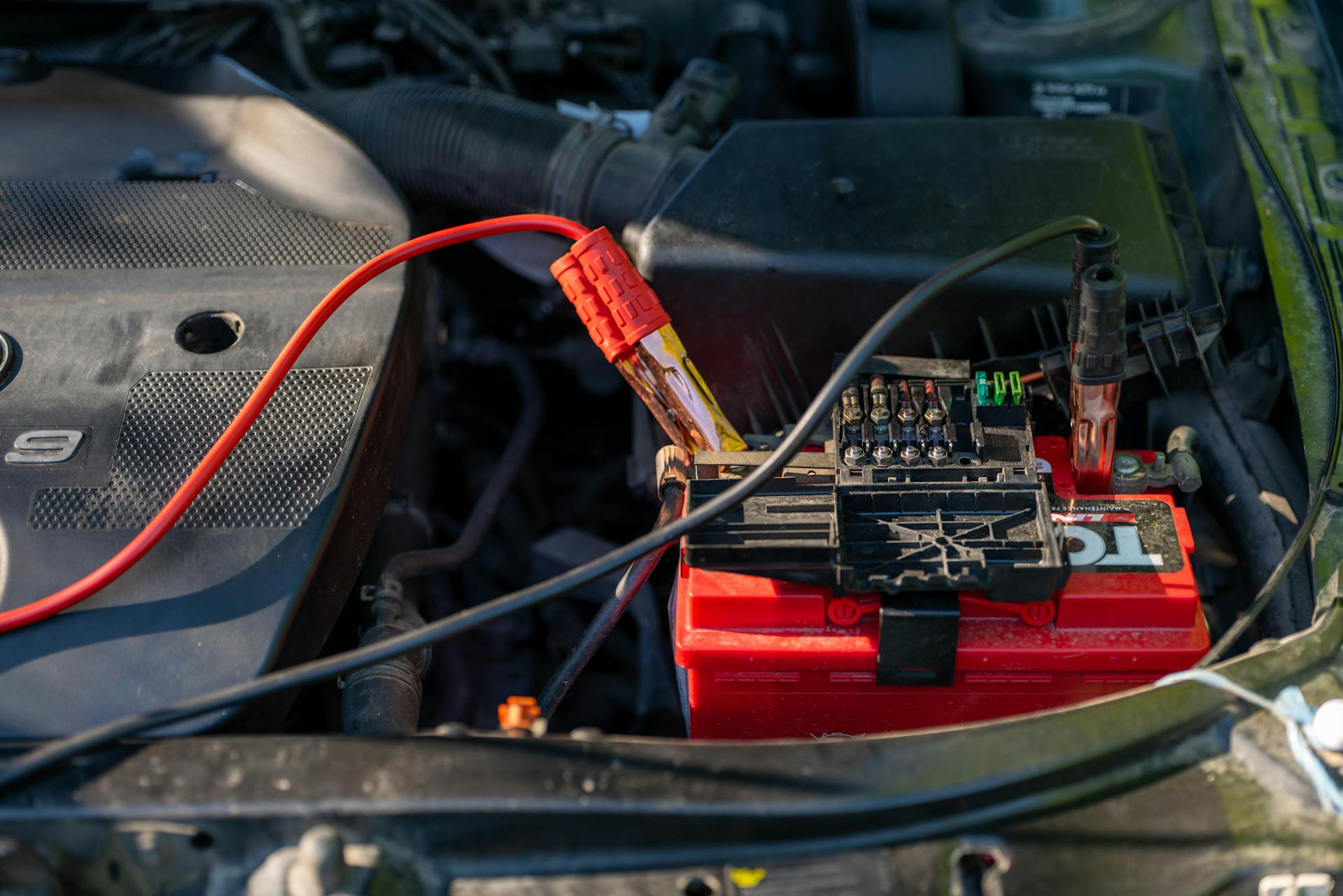
Your car's battery plays a bigger role than most people think. Without it, your Hyundai won’t turn on, electric systems won’t work, and your regular drive turns into a headache. It’s one of those things we don’t usually pay attention to until we’re stuck in a parking lot trying to crank the engine without success. As we head into mid-November in Suffolk County, colder temperatures start to creep in, which can make an already weak battery break down even faster. more If your battery is nearing the end of its life, you’ll often get a few warning signs before it quits on you completely. Recognizing those signs and acting early can save you from a last-minute emergency. Whether you’re commuting to Riverhead for work or heading out east for the weekend, the last thing you want is a dead battery putting your plans on hold. Let’s look at what to watch for and why taking action early will help avoid bigger problems down the road. Common Signs Your Hyundai Battery Is Failing No one wants to find out their battery is failing by getting stranded. Luckily, batteries show some clear signs before completely giving up. If you notice one or more of these things happening, it’s smart to get your battery looked at. 1. Slow engine crank When you turn the key or press the start button and your engine turns over slower than usual, that’s a clear sign of a weak battery. It might still start up, but it's working harder than it should. 2. Dim headlights and electrical issues Flickering lights, a weak radio, or slow power windows can all point to the battery not giving out enough power. You might spot these things at night or during times when multiple systems are running at once, like when the heater and seat warmers are on. 3. Frequent need for jump-starts If you’ve had to grab jumper cables more than once lately, the battery could be close to failing. Jump-starts are meant for emergencies, not part of day-to-day driving. 4. Dashboard warning light Your car usually tells you if something’s wrong. If the battery-shaped symbol lights up on your dash, it's a clear message to get the battery checked soon. 5. Bloated battery case A swollen battery case looks like it's puffed out or even warped. This can happen when it’s exposed to extreme heat, but it also signals internal damage. It’s a visual clue that the battery could go out entirely without much warning. Spotting any of these signs early is a big help. You don’t need to know all the technical stuff to understand when things just aren’t working right. One Long Island driver mentioned that their Bluetooth system kept cutting out and the climate controls acted strange. It turned out their battery had dropped too low to keep all the car’s features running smoothly. Causes of Battery Deterioration There are lots of reasons why a car battery wears out. In Suffolk County, weather is a common factor, but it's not the only one. 1. Age Most car batteries naturally lose strength after a few years. Even if you drive regularly and take care of your car, time will eventually wear the battery down. 2. Cold weather As temperatures drop heading into Long Island's fall and winter season, batteries have a harder time delivering power. The chemical reactions inside a battery slow down in the cold, which can weaken it faster, especially if it's already low. 3. Corroded or loose connections Look under the hood and check if the battery terminals have white or bluish powder around them. That’s corrosion. Loose connections can also mess with the battery’s ability to recharge. 4. Problems with the electrical system If something in your vehicle is drawing power when it shouldn’t be, like a trunk light staying on overnight, it can shorten the life of the battery. Even small draws can make a difference over time. Understanding the cause can help make sure the issue doesn't come back once a new battery is installed. Keeping an eye on battery age and watching for signs of trouble is a good step, especially when winter is on the way. When to Seek Professional Help There comes a point when it's best to stop guessing and let a trained technician take a look. A battery issue might seem small at first, but if it's not diagnosed properly, it can turn into much bigger problems later. Many electrical issues can mimic battery failure, like a bad alternator or parasitic drain. That’s why it helps to have someone who knows what they’re doing check it out. Trying to fix a battery on your own might sound simple, but modern Hyundai models use complex computer systems that could be sensitive to power disruptions. Disconnecting the wrong cable or installing a new battery incorrectly could affect the car’s memory settings or even damage key components. A professional will look at the full charging system, not just the battery, and figure out exactly what’s causing the problem. That way, you’re not replacing something that’s still working fine. In Suffolk County, cold mornings and dense traffic can make breakdowns even more frustrating. It’s better to play it safe and get a proper battery test done by a specialist when you notice something off. This is especially important if your Hyundai is still within its warranty period, since doing the wrong type of repair can sometimes affect coverage. Smart Battery Habits Every Driver Should Know You don’t have to be a mechanic to keep your battery going a bit longer. Simple habits and basic checks go a long way, especially during the colder months in Riverhead and nearby areas. Here are some easy battery care tasks to help avoid early failure: Schedule checks during oil changes to see how much life the battery has left Keep battery terminals clean. Corrosion looks like a chalky buildup and can block power flow Double check that the battery is mounted tightly. A loose battery can vibrate against other parts and develop cracks Don’t leave lights or electronics running after you turn the engine off If you don’t drive often, take your Hyundai out for a 15-minute ride every few days. Batteries need to recharge or they slowly drain Also, how you drive matters more than you might think. Short trips that don’t allow the engine to warm up fully can stop the battery from charging all the way. So if you’re always just running to the store or commuting a couple of miles, mix in a longer drive once in a while. That gives the alternator time to recharge the battery properly. Even if you follow every tip, no battery lasts forever. Understanding your driving habits and staying aware of how your Hyundai feels when starting or running can help you catch issues early. Keep Your Hyundai Running Smoothly in Suffolk County A bad battery doesn’t always stop working right away, but the signs are usually there if you know what to look for. Slow cranking, flickering lights, or warning lights on the dash are more than small annoyances. They’re early warnings. These signs show up before the battery goes completely dead, giving you a chance to fix the issue before it turns into a full breakdown somewhere between Riverhead and your next stop. The colder months moving through Long Island can be a tough time for weak batteries, especially with added stress from heaters, defrosters, and shorter drives. Paying attention to unusual starting behavior or random electrical glitches might save you from a rough morning later. If you’ve started noticing the signs and aren’t sure what’s causing them, getting a battery test done might be the next right move. Keep your Hyundai running smoothly and avoid the hassle of unexpected breakdowns this winter. If you notice signs of a weak battery, don't wait for it to fail completely. Rely on a trustworthy service to get things back on track. For reliable Hyundai battery replacement in Suffolk County, Riverhead Hyundai is here to ensure you're covered. Let our trained professionals help keep your car ready for every drive.

Hyundai

What Affects Your Hyundai's Resale Value

If you're thinking about selling or trading in your Hyundai, one of the first things on your mind is probably how much it’s worth. Resale value plays a big role in the money you’ll get back, and the truth is, several things can tip the scales. The more you understand the factors that improve or hurt your Hyundai’s resale value, the better chance you have of getting a solid return when it’s time to move on to a new car. more For drivers in Riverhead and across Suffolk County, knowing what affects Hyundai trade-in value is more helpful than ever, especially if you're planning ahead. Whether you’ve had your car for a few years or just bought it last year, you still have a say in how much it stays worth. With the fall season sliding into cooler temps, this is a good moment to check your vehicle’s condition before going for a trade-in. Factors That Positively Affect Resale Value A few small habits can go a long way in keeping your Hyundai looking better on paper and in person. The better it looks, runs, and sounds when it’s time for a trade-in, the more likely you are to get a better offer. Here’s what helps boost your Hyundai’s resale value: 1. Regular maintenance and service history Consistent oil changes, tire rotations, and inspections show care. Having those service records ready proves your Hyundai’s been looked after. 2. Clean interior and exterior What your car looks and smells like matters. Stains on the upholstery, dings, or scratches on the paint all lower value. A clean car makes a better first impression. 3. Low mileage Lower than average mileage means there’s more useful life left. You can’t change your odometer, but cutting down on long road trips or sticking to local driving adds up. 4. Proper records and clear title Keeping all documents like registration slips, service receipts, and having no title issues makes the trade-in smoother. It tells the next owner there’s nothing to worry about. One example: a carefully serviced five-year-old Hyundai Tucson with low miles and clean records will be worth more than the very same model that skipped checkups and racked up the miles. Factors That Negatively Affect Resale Value Some things pull your trade-in value down, and they’re not always easy to fix. But knowing them early gives you a better chance to work around them. These are some common things that might hurt the value of your Hyundai: 1. Accidents and major repairs Even well-fixed collision damage shows up in history reports. It may not bother you now, but it usually makes future buyers hesitate, and dealers take that into account. 2. High mileage If your mileage is way above average, that's going to make a dent in your trade-in offer. It suggests more wear and shorter future use. 3. Aftermarket changes Not everyone wants flashy rims or a lowered suspension. Some mods look cool to the owner, but they rarely help resale value. In fact, they often make your car harder to sell. 4. Poor maintenance habits Skipping maintenance or letting small problems drag on will be obvious to an appraiser. Dirty engine parts, low fluids, or bad brakes all suggest neglect. Avoiding these issues boosts your chances of getting a better offer. Even small efforts now, like making necessary repairs and keeping the car clean, can go a long way. Preparing Your Hyundai for Trade-In When it comes to trade-ins, first impressions count. You want your Hyundai to show up looking organized, clean, and dependable. Doing a full prep before it arrives at Riverhead Hyundai can increase the offer you get. Start with a good cleaning, both inside and out. Vacuum the seats and floorboards, clean the dashboard, wipe down windows, and empty all compartments. Shampoo fabric seats or polish leather if needed. On the outside, wash the body, scrub the wheels, and maybe even apply some wax. These small steps improve any car’s appearance fast. Gather your paperwork. This includes your title, service records, receipts from repairs or replacements, and current registration. This information helps the dealership appraise your vehicle quickly and fairly. Other smart steps to take before your appraisal: Remove all personal items from the glovebox, door pockets, and trunk. Check your tires for wear. Replacing bald or mismatched tires can improve value. Top off the fluids, including washer fluid, coolant, and brake fluid. Make small repairs, like lightbulb replacements or fixing loose mirrors. Aim for a trade-in before winter weather hits. A clean, salt-free vehicle looks better and shows you stayed ahead of seasonal wear. If you feel unsure or just want extra peace of mind, a mechanic’s pre-inspection can highlight any surprises ahead of time, keeping the process smooth. Benefits of Trading In Your Hyundai at Riverhead Hyundai Bringing your Hyundai to a local dealership like Riverhead Hyundai has its perks. You’ll avoid weeks of trying to sell it yourself, and you’ll get a competitive offer based on your car’s actual value. It also saves time. No need to post listings or meet with strangers who may or may not show up. The appraisal process is quick, and it typically leads right into your next upgrade if you choose to buy another vehicle. Trading in can also help reduce the tax on your next car since the trade-in value is subtracted from the selling price. Selling your car on your own doesn’t offer that. Riverhead Hyundai also keeps an eye on what local customers are looking for. If your vehicle fits their demand, you may get an even better offer. Models like the Elantra, Santa Fe, and Tucson tend to move quickly, especially if they’re in great shape with documented upkeep. From time to time, special incentives or trade-in bonuses are offered. Whether it’s part of a loyalty program or a seasonal event, owners trading in with us often find that the offer goes beyond the usual book value. Get More Back From Your Hyundai Resale value isn’t locked in. It’s influenced by how you treat your car and present it when it’s time to move on. Keeping your Hyundai washed, serviced, and documented says a lot. And when you know what can hurt your trade-in offer, you're more prepared to avoid it. Riverhead drivers thinking about trading in before cold weather hits should act now. Appraisers tend to favor vehicles that are clean, dent-free, with a paper trail to show care. Add in a little polish and organization, and you’ll walk in ready to get the most for your vehicle. The little things really do make a difference. Clean it up, gather your documents, and come in with confidence knowing you’ve done what you can to raise the value. Whether you're eyeing a newer model or just want to cash in your current one, smart prep helps make the next move easier and more rewarding. Thinking about making a Hyundai trade-in in Riverhead? Swing by Riverhead Hyundai to see how your well-kept vehicle could lead to a strong offer. Whether you're ready to move into a newer model or just exploring your options, take a look at what’s available through our latest specials and deals. It’s a good way to make the most of your current ride while planning your next one.

Hyundai EV

Range Tips For Your Electric Hyundai In Winter

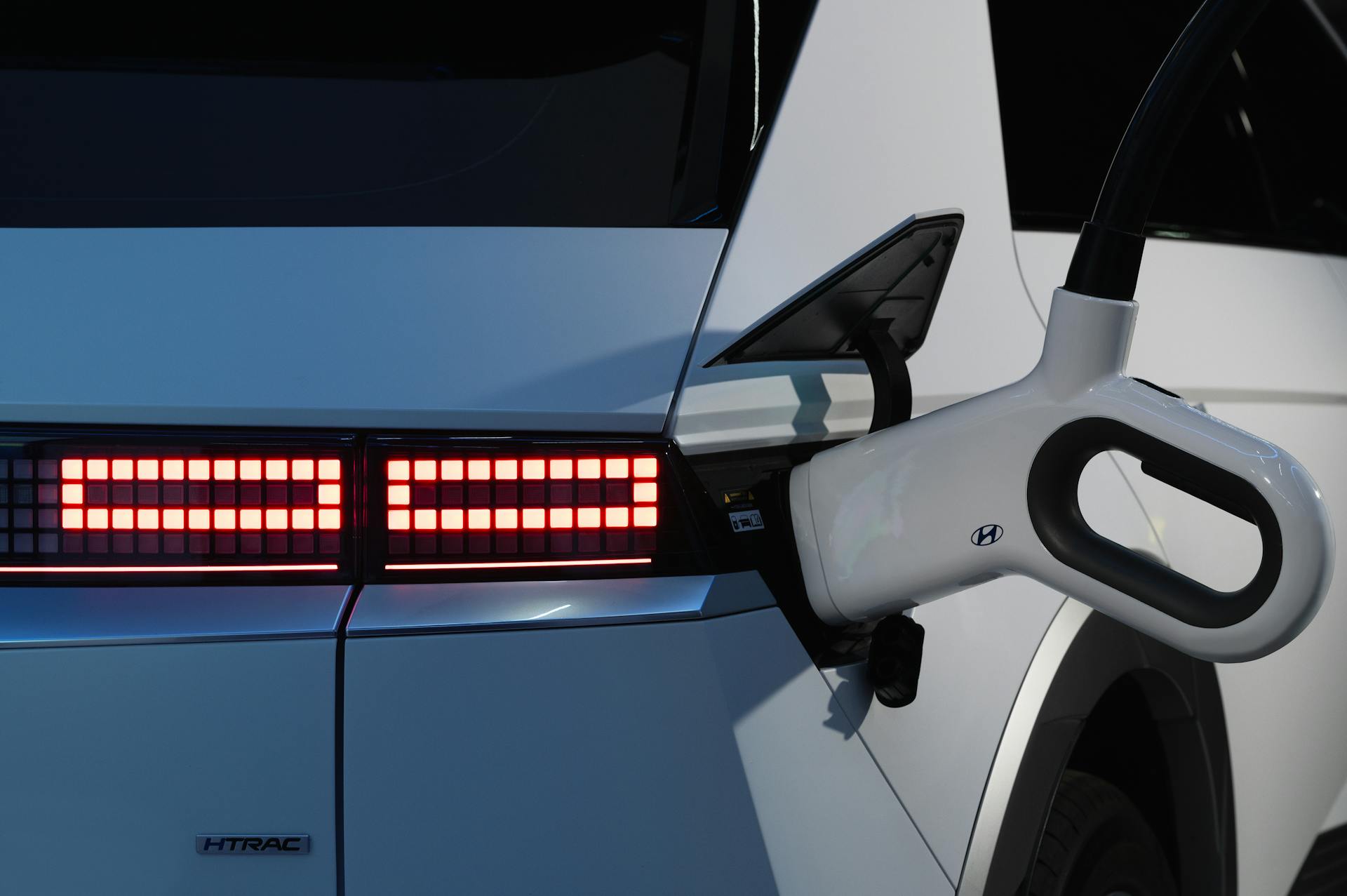
Winter on Long Island brings more than snow and chilly winds. It can also make a dent in the driving range of your electric Hyundai. If you've noticed your EV doesn't go quite as far on a charge during colder months, you're not alone. Dropping temperatures can change how your vehicle’s battery works, especially when you're driving around Suffolk County for errands or commuting. more Knowing how to manage your Hyundai electric vehicle’s range during winter can help you avoid frustration, extra charging stops, or worse—running low when it’s freezing outside. With the right habits and a little planning, you can get more out of every charge and stay comfortable while doing it. Here’s how cold weather affects your EV and what to do about it. Understanding How Winter Affects Electric Vehicle Range When the temperature drops, so does your battery's ability to hold and deliver power. Unlike gas engines, which mostly rely on burning fuel regardless of the weather, an electric vehicle’s battery works on a chemical reaction that slows down in the cold. This delay means the battery takes longer to warm up and puts out less energy over the same distance. It doesn’t stop there. Your EV also works harder in other areas when it’s cold. You might love a warm cabin while driving, but that uses up more electricity, especially if you're cranking the heat right after starting the car. Other winter features like window defrosters and heated mirrors all draw power, again putting more demand on your battery. For example, a local driver in Suffolk County commuting from Riverhead to Southampton might expect their EV to perform the same regardless of the weather. But once winter hits, that same trip could cost more of the charge, not because the drive is longer but because the battery is doing more to support comfort and performance in the cold. Pre-Trip Preparations Before heading out into the chilly air, there are some smart ways to help your Hyundai electric vehicle get ready for the road. One of the easiest moves is preconditioning. This means warming up the cabin and battery before you leave while your car is still plugged in. It helps save battery power once you’re driving, because the hard work of heating is already done. Another thing to keep an eye on is tire pressure. Cold air can make the pressure drop, and that affects your EV’s efficiency. Low pressure means more resistance when the tires roll, which forces the battery to use more energy. Even just keeping them inflated to the recommended level can give your vehicle a little boost in range. Here’s a quick pre-drive checklist to help: Precondition your battery and cabin while plugged in, especially on freezing mornings. Check tire pressure before starting your day. Add air if needed. Clear off snow and ice from the roof, hood, and windows to cut down on drag and weight. Keep your EV charged regularly. Don’t let it run too low, especially when it's cold out. Make sure to unplug your vehicle fully before driving. Ice can sometimes form around the connection point overnight. These small things, when done regularly, can go a long way when you’re trying to get the most out of your battery during those colder months in Suffolk County. Driving Tips That Can Help Save Battery Range Once you're behind the wheel, what you do really makes a difference. Driving habits directly affect how far your electric Hyundai can go on a charge, and winter conditions don't give much room for waste. Cold road surfaces, heavier use of HVAC settings, and reduced battery performance are already working against you. But a few small changes in how you drive can stretch your range without making things more complicated. Start with smoother driving. Quick accelerations and hard braking use up more energy, especially when temperatures dip below freezing. Instead, keep things steady. Think of it like sipping gas instead of gulping, just with electricity. Sticking to a moderate speed not only helps your battery last longer but also gives your tires better traction when roads are icy. If your Hyundai has an eco-driving mode, this is the season to use it. It helps limit things like acceleration and climate control output, which means the battery drains more slowly. Regenerative braking is another feature worth using. It returns energy to the battery whenever you let off the accelerator or brake, which gives you back a little power each time. And when it comes to staying warm, there's a smarter way to do it: Keep cabin heat low and instead use heated seats and the steering wheel heater. Dress in layers so you're less reliant on the car’s climate system. Use window shades to block cold air from the glass, especially when parked outside. Even on a short drive from Riverhead to nearby towns in Suffolk County, these small habits can pay off. EVs operate differently than gas vehicles in cold weather, so adjusting how you drive is one of the easiest ways to make each charge go further. Why Winter Maintenance Matters for EV Performance Even with ideal driving habits, your Hyundai electric vehicle still depends on winter maintenance to run its best. Skipping it or waiting too long can make your EV work harder than it needs to. Cold weather can make hidden issues more noticeable, especially when batteries, tires, and heating systems are all under extra pressure. Battery health is one of the first things worth checking. A battery doesn’t have to fail for it to lose efficiency. Exposure to a few weeks of freezing temperatures without the proper evaluations could shorten the real-world range. Having the battery performance assessed regularly helps you spot problems before you're stuck halfway between Montauk and Riverhead with limited charging options. Tires are another big deal. It’s not only about pressure checks, though that’s still important. Tire tread also comes into play. Good grip helps reduce slipping, which forces your motor to work harder and burn more energy, especially on slick or frozen roads. If your tires are worn or not suited for cold-weather driving, you're losing range with every mile. Interior systems should be checked too. Cabin heating, defrosters, mirrors, and steering-wheel warmers all draw power from the battery. Making sure these run properly, without pulling excess energy, can keep you comfortable without dipping into too much range. Getting ahead of winter issues now puts your EV in a better position for the rest of the season. Whether it's the daily drive to work or a chilly weekend trip out east, staying on top of maintenance means fewer surprises and smoother rides. Make the Most of Winter Driving with Your Electric Hyundai Winter driving in Suffolk County can feel totally different behind the wheel of an electric Hyundai. Cold months place extra demand on your battery, but that doesn’t mean you have to accept shorter driving range without a fight. With smarter habits and regular upkeep, your EV can still get you where you need to go comfortably and efficiently. From warming up the cabin before unplugging, to using eco mode and checking your tire tread, the little stuff makes a big difference. Paying attention to how your vehicle responds to cold conditions early in the season helps you fix small problems before they become bigger ones. If you're not sure about your EV’s winter readiness, it’s worth having a trained professional take a look. That peace of mind can go a long way, especially when temperatures drop and battery life matters more than ever. Whether you're staying local or taking longer drives along Long Island, keeping your electric Hyundai prepped for winter puts you in control, even when the weather isn't. As temperatures drop, it's crucial to ensure optimal performance and efficiency, especially with the demands of cold-weather driving. At our Hyundai service center in Riverhead, our team of experts is ready to assist you in keeping your EV running smoothly. Rely on Riverhead Hyundai's comprehensive services to ensure you're ready to tackle winter roads with confidence.

Hyundai

Quick Service Options For Busy Hyundai Owners

Life gets busy. Between work, errands, appointments, and everything else, taking care of your car can fall farther down the list than it should. But keeping your Hyundai in shape doesn’t have to be time-consuming. That’s where quick service options like Hyundai express maintenance come in. These services make it easier to care for your vehicle without throwing off your whole schedule. more Instead of waiting weeks for an appointment or sitting around for hours at a repair shop, express maintenance helps you get in and out with routine services handled fast. For drivers in Suffolk County, it’s a solid option that fits right into an afternoon or even a lunch break. The goal is simple: help you stay on the road, without the hassle. Understanding Hyundai Express Maintenance Hyundai express maintenance is built for convenience. It’s a way to take care of your car’s basic needs without needing to carve out a big chunk of your day. The process is straightforward, and the services are ones every car needs regularly. Here are some common things covered during an express maintenance visit: Oil and filter changes Tire rotations Battery health checks Fluid top-offs such as coolant, windshield washer, or brake fluid Air filter replacement Wiper blade replacement Quick brake inspections Since these services are typically done without extensive repairs or parts delays, they can be completed quickly without sacrificing quality. Hyundai-trained technicians complete the work using genuine parts and tools. You receive the same level of care as a full appointment, just in less time. Think of it like the drive-thru version of car care. It’s quick, reliable, and designed for people who don’t have hours to spare. For example, if you notice a drop in tire pressure but don’t have time to wait days for a full service appointment, a quick visit for express maintenance can take care of it before it turns into something bigger. Key Benefits Of Quick Service Options It’s easy to forget about car maintenance until something goes wrong. That’s why regular quick check-ups are so helpful. They not only save time but also help find small problems before they become bigger and more expensive. Here’s why express maintenance is a smart option for busy drivers: Time-saving – Most services take less than an hour. Easier scheduling – Same-day or next-day slots are often available. Improved performance – Regular care like oil changes and tire rotations help your Hyundai run longer and smoother. Less stress – Knowing your car has been checked by a pro gives peace of mind. Seasonal upkeep – As Long Island heads into November, quick visits help your vehicle handle the changing weather without needing a long appointment. Think of express maintenance as a short pit stop that helps your car stay in top shape. You don’t need to have a specific issue. Just drop in, and the team will handle everything. Even something simple like a rotation and oil change can lengthen the life of your tires and engine through the colder months. How To Make The Most Of Express Service At Riverhead Hyundai Being ready for your Hyundai service visit helps everything go faster. If you feel something off before arriving—such as a warning light or noise—make a note of it and mention it at check-in. The more detail you give, the quicker the techs can address it. When booking, try using online tools to find early or late appointments that fit your schedule. If weekdays are tight, Saturday mornings can be a great time for quick services. You’ll start the week with one less thing on your list. While your vehicle is getting serviced, Riverhead Hyundai offers amenities like free Wi-Fi, coffee, and a clean waiting area where you can relax or work. Some updates might even come through text so you’re not left wondering how much longer it’ll take. Before leaving, ask whether the inspection found any other issues. Express maintenance is quick and focused, but if something bigger is starting to wear down—like your brakes—it helps to know in advance. Bringing your last service receipt or having the techs check your history can also smooth the visit. Why Riverhead Hyundai Is the Best Choice for Busy Owners When every hour counts, you want to go somewhere that understands speed without skipping out on quality. That’s why Riverhead Hyundai has become a dependable name for express maintenance in Suffolk County. What sets our team apart is not just the service time, but how that time is used. Hyundai-trained technicians know these vehicles inside and out. They’re focused on being accurate and efficient. That means you’re not hanging around waiting or wondering if shortcuts are being taken. Our staff values your time and your trust. We work hard to make the process smooth from start to finish—whether that’s through flexible scheduling, fast check-ins, or keeping you informed during your visit. Even quick stop-in services are handled with care and attention to detail. Drive Away With Confidence Quick maintenance visits may seem small, but they can make a big difference in how your Hyundai drives and how you feel behind the wheel. When you don’t have to carve out chunks of your day just to get an oil change or tire rotation, regular care becomes easy to fit into life. These short visits help uncover small issues before they grow, give you safer driving through seasonal weather, and help extend the life of your car’s core systems. They protect your investment and peace of mind. For drivers in Suffolk County who juggle tight schedules and daily commutes, Hyundai express maintenance at Riverhead Hyundai offers a way to stay on top of it all—without slowing you down. Keep your time, keep your plans, and keep your Hyundai running at its best. To experience the convenience and quality of express maintenance for your vehicle, schedule a service at Riverhead Hyundai today. Our Hyundai-trained technicians are ready to assist with all your car care needs, from quick oil changes to comprehensive inspections. Don't miss out on the benefits of Hyundai service specials in Riverhead —designed to keep your Hyundai performing at its peak while you stay on track with your busy schedule. Visit us and enjoy a hassle-free experience that fits right into your day.

Transmission engine

Spotting Early Signs Of Transmission Problems In Your Hyundai

Your Hyundai's transmission is one of its most important systems. It controls how power moves from the engine to the wheels, helping your car shift smoothly and drive safely. When it isn’t working right, you’ll start to notice changes that aren’t just annoying but can become expensive if ignored for too long. Luckily, your car often gives off warning signs before things get worse. more Catching those early signs isn’t always easy, especially if you’re used to how your car drives. But taking the time to notice small changes can help you avoid bigger problems down the road. Whether you're commuting from Riverhead or driving through Suffolk County, handling transmission trouble early means fewer headaches and more time on the road without worry. Recognizing Transmission Warning Signs Many transmission problems start small. It may be easy to miss them if you don’t know what to look for. Some signs show up while driving, while others can be spotted when your car is parked. Paying attention to these early symptoms can help you avoid a serious breakdown. Here are a few early warning signs that something might be off with your Hyundai's transmission: Clunking or humming noises: If you hear strange sounds when shifting gears or while the car is idling, it could point to an issue in the transmission system. Burning smells: A burnt odor under the hood may mean the transmission fluid is overheating. This can damage other parts if not taken care of. Warning lights on the dashboard: When the transmission control module picks up a problem, it often triggers the check engine light or another warning light. If that happens, it’s time to take it seriously. Slipping gears: If your car suddenly changes gears without you doing anything, or if it feels like it’s struggling to stay in gear, that’s a strong clue that the transmission is acting up. Delayed shifting: If you step on the gas and there’s a pause before the car moves or changes gears, something may be off. Each of these signs can point to a developing issue. You don't have to be a mechanic to notice when something feels off. One good example is when you're at a red light and your car hesitates or jerks as you start moving. That hesitation could easily be brushed off, but it might be an early warning from your transmission. Performance Indicators of Transmission Troubles Beyond sounds and smells, how your Hyundai performs during everyday use can clue you in when something’s not right. If your driving experience starts to feel different than normal, it’s worth paying closer attention. Sluggish performance is something a lot of people notice first. Maybe it takes longer for your car to get up to speed. Or maybe it lags when climbing hills or merging onto highways. These delayed responses can come from a transmission that’s having trouble transferring power the way it should. Another performance-related red flag is difficulty shifting. If your car hesitates when going from park into drive, or if you feel a hard jerk shifting between gears, that’s no small issue. Smooth gear changes are the goal. Anything rough, sharp, or unsettling isn’t how it’s supposed to work. A few key behaviors to watch for: Gear changes that feel rough, delayed, or unpredictable Slower acceleration even when pressing the gas pedal normally Feeling like your car is stuck or losing momentum unexpectedly Overall, if your vehicle doesn’t feel as responsive as usual, the issue could start with the transmission. Fall in Suffolk County means cooler temps and changing weather. That makes this a smart time to pay attention, especially before the winter driving season sets in. If things feel off, don’t ignore them. Small performance shifts can turn into bigger problems fast if they go unchecked. Transmission Fluid Checks and Leaks One of the simpler things drivers in Suffolk County can stay on top of is transmission fluid. This fluid keeps the transmission’s moving parts cool and lubricated. Without the right amount or condition of fluid, the whole system works harder than it should and eventually wears out. Low or dirty transmission fluid can cause slipping, rough gear changes, or strange noises. Over time, it can build up debris or lose the ability to cool the transmission correctly. Check your driveway or garage floor for red or brown fluid spots. This kind of leak might show up near the front of the vehicle and is usually different from oil or coolant leaks because of its color and slight sweet smell. To keep things running smoothly, here are some fluid-related things to watch out for: Puddles or stains under your car after it's been parked for a while Fluid that looks dark or smells burnt Transmission warning light, if your model is equipped with one Jerky or irregular shifting while driving You can also check the fluid condition using the dipstick, but be careful. Some newer Hyundai models don’t have a traditional dipstick and may require professional help to assess fluid levels. And even when the fluid looks okay, that doesn’t mean the system is completely healthy. Heat or internal wear can still be causing other issues, especially if you’re towing or doing a lot of stop-and-go driving. If you notice liquid on the ground and aren’t sure what it is, don’t take chances. Leaks can go from minor to serious quickly. It’s always better to get a second opinion than risk permanent damage. When to Seek Professional Help in Suffolk County There’s a fine line between minor oddities and bigger issues. If you’ve seen more than one sign on the list, it might be time to get things checked out. Transmission problems don’t go away on their own. In fact, they tend to snowball. The sooner a technician can look things over, the less likely you’ll end up stranded or stuck with a higher repair bill later. So how do you know when it’s time to involve someone? Think about these situations: You’ve checked the fluid and it’s discolored, smells bad, or is leaking The car shifts too slowly or skips gears altogether You’ve seen new warning lights that haven’t gone away Things just don’t feel right, especially when turning or stopping You know how your Hyundai usually drives. Changes in smoothness, response time, or noise should never be overlooked. If you’re hearing grinding or feeling a sudden jerk when shifting, it’s already past the point of just keeping an eye on it. Late fall in Long Island is a smart time to prep your car for colder mornings and heavier traffic as holiday travel begins. A quick check can make sure your transmission is ready to handle it all without surprise failures. Regular transmission service and inspections help avoid those problems from building up silently. Getting it looked at by someone who works on Hyundai models daily means you’re more likely to spot the real issue the first time, something an internet search or generic tip list can’t always guarantee. Keeping Your Hyundai on the Road Longer Transmission problems rarely show up overnight. They build up little by little through heat, stress, leaks, or neglect. Paying attention to the early sounds, shifts, and signs gives you a real shot at avoiding expensive repairs down the line. Changing weather on Long Island can also affect how your vehicle performs, so staying alert to changes in the fall and winter is an added layer of protection. If something feels off during your drive, maybe a tug during a gear shift or a slow reaction pulling out of a parking lot, it’s worth checking. That peace of mind knowing everything under the hood is working right is something every car owner wants. And if something is going wrong, it's better to know about it now than when you're hundreds of miles from home or halfway through a holiday trip. Keeping transmission problems from growing is about being aware. It's not about guessing what’s wrong or waiting for the worst to happen. A simple check by someone trained to spot Hyundai-specific issues can go a long way in keeping you and your vehicle on the road safely. Experiencing any of the signs mentioned earlier? This could mean it's time to focus on Hyundai repair services in Suffolk County to get your vehicle checked before small issues turn into costly repairs. Let Riverhead Hyundai’s team handle the diagnosis and take care of the fix quickly so you can drive with peace of mind through every season.

Hyundai

What Those Knocking Sounds Mean In Your Hyundai Engine

Hearing a knocking sound from your Hyundai's engine can be pretty unsettling. It usually catches people off guard, especially when everything else seems normal. You’re driving along, maybe just coming back from the store in Riverhead, and suddenly there’s this steady tapping or knocking that wasn’t there before. It's not the kind of noise most folks ignore for long, and for good reason. That sound usually means something deeper might be going on under the hood. more Addressing engine noises early can save you a lot of trouble and money down the line. When left unchecked, these knocking sounds can turn small, manageable fixes into large, expensive ones. No one wants to get stranded or risk long-term engine damage. The good news is that these noises almost always offer some warning before major problems show up. Knowing what causes them can help you spot trouble early and keep your Hyundai running strong, especially with the change in seasons taking place across Long Island. Common Causes Of Engine Knocking There are a few typical reasons your Hyundai might start making knocking sounds, and most of them start small. These issues tend to build up over time, so the sooner you can catch them, the better off you’ll be. Here are some of the more common causes to watch for: Poor-quality gas: Using fuel with a lower octane than your engine requires can cause air and fuel in the cylinder to ignite unevenly. That uneven burn causes the knocking sound, especially when accelerating. Carbon build-up: Over time, carbon deposits from burned fuel can collect on engine parts. This messes with the shape and size of the combustion chamber and can lead to pre-ignition and knocking. Worn spark plugs: Spark plugs set off the combustion in your engine, and if they’re old or dirty, the timing could be off. That makes your engine work harder to handle something it usually does easily, resulting in knocking. Incorrect engine timing: Timing is everything. If the ignition happens too early or late, you'll hear a knock. Improper timing can result from a bad sensor or another electrical problem. Low-quality engine oil: Oil that's too thin or dirty can’t protect engine parts the way it should. If the moving pieces grind too much, you might hear what sounds like knocking or tapping. Each of these issues affects how your engine burns fuel or how its parts move and interact. For example, if you're filling up with low-grade gas every week to save a bit, it might come back to bite you through damaged engine components or poor mileage. Catching these kinds of habits early or adjusting the way you maintain your car can make a big difference. When Engine Knocking Signals Bigger Problems While some causes of engine knocking are simpler to deal with, others point to deeper wear or damage. When those knocking sounds don’t go away, even after simple fixes or fuel changes, it’s time to consider more serious possibilities. Here are signs that knocking might be something more than bad gas or dirty plugs: Engine detonation: This is when fuel explodes in more than one place inside the cylinder. That split explosion causes a sharp knocking or pinging sound. It’s not something you want happening often, as it can damage pistons and valves. Worn rod bearings: Bearings help engine parts move smoothly. As they wear out, especially from lack of clean oil, the parts start to rattle. This creates a deep knocking sound from under the hood, especially during acceleration. Piston slap: Pistons move up and down inside cylinders very quickly. If there’s too much space between them due to wear, they’ll start hitting the sides, causing consistent knocking. This usually gets worse when the engine is cold. Valve issues: Faulty or poorly adjusted valves can lead to a tapping noise. It’s different from detonation but might sound similar to some drivers. If left alone, it can lead to damage that affects timing and compression. Crankshaft damage: One of the most serious causes. A damaged crankshaft or its bearings can lead to knocking that gets louder with engine speed. If the knocking keeps getting worse, it's probably time to stop driving and get help. What sets these problems apart is how persistent the noise becomes and how it's felt while driving. A quick knock when starting the engine isn't the same as a knock that gets louder as you speed up or climb uphill. If you notice any changes in performance alongside engine knocking, like a drop in power, worse fuel mileage, or rough idling, it’s smart to act fast. The knocking noise might seem minor now, but these deeper problems can lead to engine failure if ignored. That’s not the kind of surprise anyone wants right before winter hits in Suffolk County. Keeping on top of engine health now saves you a major headache later. Immediate Actions To Take If You Hear Knocking Hearing a knocking noise in your Hyundai's engine doesn’t always mean disaster, but it does mean you shouldn’t ignore it. Once you hear the sound, even if it’s faint, your next steps matter. Acting quickly can keep you from dealing with much bigger issues down the road. Start with basics. Check the fuel you’ve been using. If you’ve been filling up with a lower octane than the owner’s manual calls for, stop. Try switching back to the correct or a higher-quality fuel and see if the knocking fades after a few tanks. Fuel-related knocking usually responds quickly to changes. If nothing changes or the noise gets worse, move on to more mechanical possibilities. There are also engine parts you should get inspected as soon as possible: Spark plugs – If they’re worn, dirty, or damaged, they may not be firing at the right time. That alone can cause knocking. Oil quality and level – Dirty or low engine oil can reduce lubrication, causing parts to knock or tick when the car is running. Replacing oil at the right intervals is key. Knock sensor – Many Hyundai models use a sensor to detect and adjust for early combustion. If this fails, your engine won’t self-correct when knocking starts. Air filter – A clogged air filter can mess with the air-to-fuel ratio, which may lead to uneven combustion, causing knocking or pinging sounds. Timing belt or chain – If it's slipping or wearing out, your ignition timing could be off. This can lead to noise, especially on acceleration or idle. Even if you know your way around a toolbox, diagnosing engine knocking isn’t something you should tackle at home. The cause might be deep inside the engine, and driving around with these unknowns only adds more wear. Taking action as soon as you hear consistent knocking, even if the car still drives fine, gives you the best chance of fixing things early and avoiding a full-blown repair. Why Professional Help Matters Engine knocking isn’t something to brush aside, and it also isn’t something to guess your way through. Even seasoned car owners end up surprised when a noise they assumed was minor turned into something big. That’s where a trained Hyundai technician comes in. Getting a proper diagnosis is the first step in getting your car back to smooth, quiet performance again. At a Hyundai service center in Riverhead, you’ll get access to factory-trained experts who know Hyundai engines inside and out. Using the latest equipment, they can read the codes from your vehicle’s onboard computer, inspect key components like pistons and bearings, and run a full compression check if needed. This process helps prevent guessing and makes sure the issue is fully understood before any repairs begin. Whether the problem turns out to be as minor as a bad spark plug or something deeper like bearing wear, having someone who regularly works on Hyundai models makes a difference. They’ll use the right procedures, parts, and diagnostic tools, which is what your engine needs to perform like it should. If you're local to Suffolk County and driving regularly between work, errands, and weekend trips, this becomes even more important. Fall and the beginning of winter don’t offer much forgiveness when it comes to engine trouble. That extra clicking or ping could mean your engine isn't ready for colder temps and longer idle times. Keeping Your Hyundai Engine Running Strong Avoiding engine knocking down the road comes down to small habits over time. Staying proactive with maintenance gives your engine the support it needs, especially in areas like Riverhead, where cold weather and traffic can place extra strain on your vehicle. Here’s what to keep an eye on moving forward: Stick to your vehicle's recommended service schedule. Oil changes, filter swaps, spark plug inspections—none of these should be skipped. Don’t skimp on fuel. Use the recommended octane level found in your Hyundai owner's manual. Cheaping out at the pump may cost you more later. Keep an ear out for new noises and changes in performance. If something feels off, don’t wait to get it checked. Check your oil regularly, especially if temps are dropping. Cold weather can make older oil thicker and less effective, which leads to wear. Schedule seasonal checkups. As fall moves to winter, make sure your fluids are fresh and your engine is ready for lower temperatures. You don’t need to be an engine expert to avoid knocking. A few thoughtful habits and routine inspections help prevent surprises and keep your Hyundai running well across Suffolk County, no matter the season. Taking these steps now also helps your car age better and hold value, whether you’re driving it long-term or planning to upgrade in the future. Understanding the sounds your engine is making and acting on them early is one steady way to stay ahead of big repairs and long downtimes. Keep your confidence high and your mind at ease by addressing engine knocking with the right help. Trusting professional care ensures your vehicle remains in top shape. For comprehensive inspections and expert advice, schedule service through our Hyundai service center in Riverhead. Explore how Riverhead Hyundai can support your engine's health with expert care and maintenance services.

Hyundai

Year-End Rebates On New Hyundai Models

As the leaves finish falling and the air starts to cool, drivers in Suffolk County start planning for the end of the year. That just so happens to be the sweet spot for buying or leasing a new car. Why? Because automakers and dealerships often roll out their best incentives before the calendar flips. November is one of the best times to take action, especially when it comes to year-end cash back offers on new Hyundai models. more Many folks wait all year for the month of November. It’s when those big savings finally arrive, whether you're eyeing a sedan, SUV, or crossover. Whether you’re getting ready for holiday road trips or just looking to trade in your older car, this is the time to explore Hyundai cash back offers in Suffolk County. A deal during this season could mean driving into the new year with something that feels brand new without putting you in a tight financial spot. What Are Year-End Rebates? A year-end rebate is a type of incentive offered near the end of the calendar year. It’s a way for automakers to clear out current-year models to make room for the incoming inventory. Instead of marking down the price directly, dealerships or manufacturers offer a rebate that gets applied to your final cost. Here’s why this can be a smart move if you’ve been holding off on purchasing: The savings aren’t always tied to your credit score like financing plans sometimes are You can combine the rebate with other incentives, like loyalty rewards or special financing, when available It’s a direct reduction in what you pay, making it easier to stay within your budget Year-end rebates tend to show up most clearly in November and December. That’s because dealerships want to make room for next year’s lineup, and that urgency often results in better deals for customers. It's a win-win sort of timing. You get to take home a new model with current features while also paying less than you might have just a couple of months earlier. Think of it like buying a winter coat just before brands switch to spring collections. One common misconception is that rebate offers apply only to outdated trims or styles. That’s not usually the case. Plenty of brand-new or current models are included. And since these are recent-year vehicles, you still benefit from modern features and updated designs. The end-of-year discount just sweetens the deal. If you’re considering a car purchase any time soon, it’s worth finding out which Hyundai models come with year-end cash back options. You might be surprised at how much value you can get with a little seasonal timing. Featured Hyundai Models with Cash Back Offers As the year winds down, several current Hyundai models tend to get included in cash back promotions. These aren't leftovers or hard-to-sell trims. They're well-known vehicles trusted by many drivers and packed with updated technology and safety tools. Depending on availability, here are some models that have been known to feature rebate options during this season: Hyundai Elantra: This compact sedan is great for commuters who want something sleek, fuel-efficient, and surprisingly roomy. Most trims offer wireless Android Auto and Apple CarPlay, making it easy to stay plugged in Hyundai Tucson: With a spacious interior and a smooth ride, the Tucson is a solid pick for families or anyone needing extra cargo space. Some versions come with all-wheel drive, which is useful once Suffolk County roads get slick in winter Hyundai Santa Fe: Somewhere between midsize and full-size, this SUV offers a nice middle ground for drivers who want tech upgrades and passenger comfort. Many models offer lane assistance and adaptive cruise control Hyundai Sonata: Not just about looks, the Sonata brings advanced safety features and modern infotainment tools in a refined package. It has the feel of a premium car without the steep cost For example, someone picking a 2025 Hyundai Tucson in late November might find a promotional rebate applied directly to the price. Figures vary by time and location, but the idea is the same. These deals make it easier to lock in a new ride before the arrival of snow and holiday travel. How to Take Advantage of Hyundai Cash Back Offers If you're ready to explore these offers, make a game plan. The best deals are often time-sensitive. While it’s not difficult to claim them, showing up prepared can make the process quicker and smoother. Try this quick checklist: Know which vehicle you're most interested in before heading to the lot Bring along recent pay stubs or financial documents in case you plan to apply for financing Schedule an appointment or contact the dealership to ask what rebates are currently available Ask questions about how the rebate is applied. Sometimes it comes off the price upfront, other times it’s given as a check Don’t forget trade-in options. Your current vehicle’s value might also help bring down your final cost These rebates often overlap with low financing rates, loyalty bonuses, or special lease incentives, but timing is everything. November is a hot window because dealerships are trying to meet year-end goals. Vehicles can move quickly during this season, so timing your visit ahead of the busiest shopping dates like Thanksgiving weekend may give you more breathing room and better availability. Why Shop at Riverhead Hyundai for Year-End Deals Buying close to home comes with perks. When you shop right in Suffolk County, you're not just saving travel time. You’re choosing convenience for test drives and check-ins. It also means faster help if you ever need service later on. Local dealerships respond to what their neighbors need. Inventory and offers are usually planned with nearby drivers in mind. Whether you’re commuting west daily or running errands between Riverhead and Greenport, having a vehicle that fits your local lifestyle matters. And since winters in Long Island bring unpredictable conditions, speaking to folks who understand regional roads helps when making seasonal choices. Whether you’re looking for front-wheel drive or something with all-wheel capability for frosty mornings, local guidance makes a real difference. Drive Home Happy with Year-End Savings Choosing the right vehicle isn’t just about what’s shiny on the lot. It’s about timing, value, and having a clear path forward, especially as the year comes to a close. Cash back events give shoppers a chance to see real savings on vehicles loaded with modern features that meet their everyday needs. As the calendar flips and colder weather settles in, it feels good to be behind the wheel of something reliable. Year-end rebates in Suffolk County are a great way to end the year on a smart financial note. Whether your old car’s ready to be replaced or you’ve just been waiting for the right deal to come around, now’s the time to take a closer look. As you plan your next vehicle purchase, consider exploring Hyundai cash back offers in Suffolk County to get more value without added stress. These limited-time deals can help you ease into a new Hyundai with confidence and savings. Riverhead Hyundai is here to support you through every step, whether you're upgrading or purchasing your first vehicle.

Hyundai

Red Flags To Watch For When Buying A Used Hyundai

Buying a used car can be a solid way to save money, especially when you're looking at trusted brands like Hyundai. They are known for their reliability and comfortable ride, but that doesn’t mean every used Hyundai you find in Suffolk County is a good deal. When you're browsing the market, the goal isn’t just about saving money. It’s about finding a vehicle that will perform well without unexpected problems soon after you drive it home. more Used cars carry a backstory, and not all of it is easy to spot. Maybe it’s an accident from years ago or routine maintenance that got skipped—what seems small now could turn into a big issue later. If you’re on the hunt for a used Hyundai in Suffolk County, there are a few red flags to watch out for. Knowing what to check can help you avoid costly mistakes. Check The Vehicle History Report Before you take that first test drive, ask to see the vehicle history report. It’s one of your best windows into a car’s past. The report pulls information from local DMVs, insurance agencies, repair shops, and more so you can get a clearer picture of the vehicle’s background. Here are a few key details to review on the report: Accident history: Look for any signs of past collisions or structural damage. Service records: A car with regular oil changes and scheduled maintenance shows it was well taken care of. Title status: Check for salvage titles, flood damage, or anything unusual that might lower the car’s value or point to reliability issues. Number of owners: A car that changed hands several times in a short time span could signal trouble. If a seller avoids showing you the report or won’t give a straight answer about it, that’s a big warning sign. A clean vehicle history report lets you move forward with more confidence. While it’s not the only thing to check, it’s a smart place to begin. Inspect For Signs Of Wear And Tear After checking the paperwork, take time to look over the car in person. It’s okay to see some aging, but there’s a fine line between normal wear and neglect. You'll want to give the exterior, interior, and under the hood a good once-over. Start with the tires. Uneven wear can point to alignment issues or deeper problems with the suspension. Bald patches might suggest that the previous owner didn’t stay on top of maintenance. Next, check the brakes. Any scraping or grinding when you press the pedal could mean the pads or rotors are worn. Under the hood, look for leaking fluids, frayed belts, or corrosion around the battery. Inside the car, watch for excessive wear on things like the seat fabric, steering wheel, and buttons. A well-worn interior might mean the car has been driven more than what the odometer shows. If you notice a musty or moldy smell, that could point to water damage—something you don’t want to deal with later. Hiring a professional mechanic to do a pre-purchase inspection is a smart move. They can catch issues that aren’t obvious and help give a full picture of the car’s condition. A small investment up front can save you from major repair bills later. Verify The Mileage Mileage plays a major role in deciding if a used Hyundai is worth the price. It gives you a rough idea of how much wear the car has been through. Still, the numbers can be tricky. High mileage doesn't always mean bad, and low mileage isn't always good. Let’s say you're looking at a 10-year-old Hyundai that only has 30,000 miles on it. That might seem like a great deal, but it may raise some concerns. Has it been sitting unused for long periods? Vehicles that sit too long can develop problems like flat-spotted tires, battery drain, or dried-out seals. On the flip side, a car with 150,000 miles might still run very well if it’s been properly maintained. What really matters is how the car was used and cared for. Highway miles are easier on a vehicle than city miles. You won’t know the full story from mileage alone, but it can give you a direction to investigate further. Always match the mileage with service records. If the numbers don’t line up, ask questions. Odometer fraud is rare, but it still happens and can cost you time and money in the long run. Test Drive The Vehicle One of the most important steps in the buying process is the test drive. Don’t skip it, and don’t rush it either. You want to get a feel for how the car drives and pay attention to anything that might seem off. Try out a mix of driving environments—surface roads, highways, and if you can, some bumpier roads. Here’s what to keep an eye (and ear) out for during the drive: Acceleration: Make sure the engine responds well and runs quietly. Braking: The brakes should be firm, not soft or squeaky, and the car should stay straight when stopping. Steering: It should feel smooth and centered. If the wheel shakes or pulls, it might need an alignment. Transmission: Gear changes should be smooth, whether it's automatic or manual. AC and heat: Test the AC and heating for proper airflow and temperature. Dashboard lights: Make sure warning lights turn off once the engine is running. Listen for any strange sounds like clunks, rattles, or squeals. If something catches your attention, don’t ignore it. That quick test drive could help you dodge a long-term problem. Examine Ownership And Maintenance Records Knowing who owned the car and how it was maintained gives extra peace of mind. Maintenance records can show a pattern of care—or highlight missed steps that might hurt the car’s performance. Ideally, you want to see a consistent schedule of services—oil changes, tire rotation, fluid checks—spread evenly every few thousand miles. If those records look good, the car probably was treated well. On the other hand, if there was a big repair like an engine rebuild followed by a two-year gap with no visits to a mechanic, that could mean the car didn’t get the attention it needed afterward. Fewer past owners usually works in your favor, especially if one person owned the car for several years and made an effort to keep it in shape. A car that's bounced between multiple owners in a short time might raise more questions than it answers. If you're shopping for a used Hyundai in Suffolk County and the service log shows regular checkups at local shops, that's a reassuring sign. When a car has no records at all, it’s not an automatic no, but it’s something worth asking more questions about. Why Riverhead Hyundai? Used cars don't always come with a clear past, and it’s easy to overlook small details that turn into big problems. That’s why it’s so important to know what to look for. The warning signs we shared—like unusual mileage, skipped maintenance, or questionable ownership history—can help you avoid picking a car that’s more hassle than it’s worth. At Riverhead Hyundai, we understand what customers in Suffolk County are up against when shopping for a used Hyundai. That's why we go the extra mile to offer well-maintained vehicles and experience-backed guidance through every step of the purchase. From reviewing history reports to helping you arrange a professional inspection, our goal is to make sure you drive off confident and satisfied. Buying a used Hyundai doesn’t have to feel risky. When you know what red flags to watch for and work with a team that knows what matters, it’s easier to find a car you can count on. Getting ready to choose your next vehicle? Explore available options for a used Hyundai in Suffolk County and let Riverhead Hyundai help you make a choice that fits your lifestyle and budget. Our team is here to make your car-buying journey clear, easy, and stress-free from the start.

Hyundai

Low Monthly Payment Options For Your Next Hyundai

If you're looking to stay within budget while still driving a reliable and stylish vehicle, leasing a Hyundai might be the right move. Leasing offers a practical way to enjoy current features and comfort without the long-term commitment of buying. For many Long Island drivers, it’s a simple way to manage monthly expenses while keeping key transportation needs covered. more Low monthly payments are one of the major reasons people choose leasing over financing. You don’t have to worry about stretching your budget to cover a large car payment each month. Leasing usually gives you access to more tech and trim options for less, which makes a big difference when you care about comfort and convenience. Add that to the flexibility of changing vehicles every few years, and it’s easy to see why leasing is such a popular route. Why Leasing A Hyundai Is A Great Option When you're comparing how to pay for your next car, it usually comes down to two routes: buying or leasing. Buying builds ownership over time, but it might not always be the most budget-friendly choice upfront. Leasing, on the other hand, gives you shorter terms, smaller payments, and fewer long-term responsibilities. Here’s why leasing often makes sense for Long Island drivers: Lower monthly cost: Lease deals tend to come with smaller payments compared to traditional auto loans. Fewer repair worries: Most leases line up with the factory warranty, so you're typically covered for any mechanical issues that might pop up. Easy upgrades: When the lease is over, you can slide into a newer model without dealing with trade-in values or selling the car yourself. Latest features: Leasing a new vehicle every few years means you're always driving something with up-to-date safety and tech. For example, if someone leases a Hyundai SUV in the fall, they can enjoy features like heated seats, touchscreen navigation, and smart safety features right when the weather starts to get colder on Long Island. They don't need to miss out on those comforts while trying to fit into a tight budget. Leasing fits well for people who drive the average number of miles each year and like to keep things fresh. If you don’t plan on customizing your car or driving it into the ground over the next decade, it might just be the smarter move. Understanding Hyundai Lease Deals On Long Island With leasing, local availability matters. Lease deals can vary a lot from place to place, and on Long Island, there's a healthy range of options worth exploring. That’s because pricing can change based on inventory, demand, and timing. Since lease offers often have limited windows or end-of-year specials, it’s smart to look sooner rather than later. Long Island drivers searching for affordable leasing should think about what fits best with their budget and lifestyle. Maybe it's a compact Hyundai sedan for city commutes or a hybrid option for better mileage. Some deals may come with lower upfront costs, while others might include extra perks, like scheduled maintenance at no added charge for the term of a lease. Look for local lease offers that highlight: Different term lengths (24, 36, or 48 months) Options to pay less upfront Mileage agreements that match your regular driving routine Bonus deals during holiday weekends or seasonal events If you’re based in Suffolk County, you’re uniquely positioned to take advantage of lease deals built for Long Island cost-of-living and driving conditions. That means more flexibility, fair pricing, and a chance to line up a plan that makes sense for your current needs instead of locking into something long-term. How To Qualify For A Hyundai Lease Deal Getting approved for a Hyundai lease on Long Island is easier when you know what to expect in advance. It’s not just about picking the vehicle you like. Lenders want to feel confident that you're a low-risk customer who’ll keep up with monthly payments and return the car in good condition. Preparing the right information early can help the process move along smoothly. Start by checking your credit score. Most leasing companies look for a solid score, usually in the good or higher range. If your score is lower, that doesn’t necessarily mean you’re out of luck, but your options might be more limited or may come with a higher monthly payment. Next, gather documentation that proves your financial stability. This helps the dealership and leasing company understand your ability to make payments on time. You’ll want to have: Proof of income (recent pay stubs or tax returns) A valid driver’s license Proof of residency (like a utility bill or lease agreement) Proof of insurance Some leases may also require a down payment or a first-month payment upfront, so it helps to have some money set aside. If you’re trading in a vehicle, its value could be used to lower your lease costs. If you're self-employed or earn income in ways that aren't traditional, like freelance or gig work, it’s especially important to have clear records. The more prepared you are before you arrive, the faster everything comes together. Timing also helps. Visiting during seasons when dealerships are offering lease promotions or model-year closeouts can sometimes offset credit challenges or bring extra incentives into play. Fall tends to be a solid time to explore those offers, especially across Long Island when dealerships are looking to move current models before winter inventory shifts into the spotlight. Tips For Getting The Best Hyundai Lease Deal Leasing doesn't have to feel overwhelming when you approach it step by step. Finding a deal that works for your lifestyle and budget is all about timing, planning, and knowing what levers you can actually pull. A little strategy can go a long way in helping you avoid unexpected costs and better understand the full value of what you're getting. Use these tips to help guide your approach: Know your budget ahead of time. Decide what you’re comfortable spending each month and stick to it. Ask about available lease incentives. Some leases include promotions like reduced payments, lower upfront costs, or loyalty rewards for current Hyundai drivers. Don’t overestimate your mileage needs. Going over your lease mileage limit can lead to extra charges, so estimate how much you drive daily and go from there. Compare a few different models. You might find more features or better terms with a slightly different Hyundai that still suits your needs. Read the fine print. Review the terms on wear and tear, required maintenance, and the lease return process. Consider lease-end flexibility. Ask what options you’ll have when the lease is done and whether starting a new lease is encouraged. Even though lease terms are more flexible than financing, you still want to feel good about your choice. The smoother the agreement lines up with your day-to-day, the better it works for your schedule without added stress. Making The Most Of Your Hyundai Lease Once you're in your leased Hyundai, the goal is to keep things running smoothly and avoid surprise charges when it's time to return the vehicle. Just because a lease is temporary doesn’t mean maintenance can be ignored. Keeping up with routine care helps maintain the car’s condition and protects you from extra costs at the end of your lease. Stick to the recommended service schedule listed in the owner’s manual. Regular oil changes, tire rotations, brake checks, and fluid top-ups all help the vehicle stay in great shape. Many dealership service departments can track this information for you, but setting up personal reminders is useful too. Avoid major modifications or customizations that can’t be reversed. Leased vehicles are expected to be returned close to their original state. Any permanent changes, damage, or excessive wear could result in extra charges. As your lease term winds down, you’ll have a few options: Return the vehicle and walk away Start a new lease with a newer Hyundai Purchase the leased vehicle if it still fits your needs and budget Each choice has its own value. If the car is still serving you well, buying it might make financial sense. On the flip side, leasing a new model gives you access to the latest safety tech, better gas mileage, and updated comforts. Give yourself a few months ahead of the lease end date to decide what’s next. Schedule any recommended maintenance, clarify your lease-end terms, and look ahead to what kind of vehicle will fit your lifestyle now. Drive Away With An Affordable Hyundai Lease Leasing gives you a stress-free way to drive the vehicle you want, without overcommitting. It keeps things current, manageable, and lets you match your transportation to your lifestyle. Whether you're staying local in Suffolk County or commuting across Long Island, affordability and comfort matter. The more you know about your local leasing options, the easier it is to decide when, how, and what Hyundai to lease. Think through your needs, plan your budget, and take advantage of seasonal deals when timing is right. A little planning creates a big difference in how comfortable your next ride can be. Discover the comfort and convenience of driving a Hyundai without the commitment of ownership. Explore how our flexible options can fit your lifestyle by exploring our competitive Hyundai lease deals on Long Island. Riverhead Hyundai is dedicated to helping you find the perfect vehicle that meets your needs and budget, keeping you on the road with confidence.

Hyundai

What To Do When Your Hyundai Key Fob Stops Working

It’s frustrating when things you rely on stop working without warning. That’s especially true when it’s your Hyundai key fob. One minute you’re pressing the button to unlock the door, the next you’re stuck outside your car in a hurry with no idea why it stopped responding. Whether you’re headed to work or trying to load up groceries, having a dead or unresponsive key fob can throw off your entire day. more The good news is, this is something you can often fix quickly if you catch what’s going on early. From dead batteries to minor signal issues, there are a few potential reasons your Hyundai key fob might not be working. Below, we’ll walk through some of the most common causes and simple troubleshooting steps. By the end, you’ll know exactly what to check and what steps to take to get back on the road with confidence. Common Reasons Why Your Hyundai Key Fob Stops Working Key fob issues can feel like a big deal when you're standing outside your vehicle, but they often come from a short list of familiar problems. Understanding these can help you quickly decide whether it’s something you can address or if your car needs a closer look. Here are a few of the most common causes: Dead or Weak Battery Key fob batteries typically last a few years. When they start to run low, the fob may become inconsistent or stop working entirely. Signal Interference Sometimes your fob is fine, but the signal can't get through. Interference from other electronics or large buildings nearby can block or weaken the connection between the fob and your Hyundai. Worn-Out Buttons or Circuit Damage Key fobs go through a lot of daily wear. Over time, the buttons can become less responsive or the internal circuit board may take damage from drops or moisture. Issues with the Car's Receiver The other half of the system is in your Hyundai. If the onboard receiver isn’t working properly, your vehicle might not be picking up the fob’s signal, even when the fob is working as it should. Being aware of these common issues is the first step to finding a solution, and many of them take just a few minutes to check. Simple Troubleshooting Steps After you've pinpointed what might be going on, there are a few easy fixes to try before bringing your vehicle in for service. These steps can often get your key fob working again quickly and save you a lot of stress. 1. Replace the Battery Pop the casing open—most Hyundai key fobs use a coin-style battery like a CR2032. Make sure to use the correct replacement and insert it with the proper side facing up. 2. Check the Buttons Each press should feel firm. If any button feels mushy or requires too much pressure, it could be due to wear. Gently clean around the edges and avoid pressing too hard with sharp tools. 3. Resync the Key Fob In some cases, the fob and car may become unpaired. Reprogramming it usually involves a series of steps from inside the vehicle. Since it varies by model, it’s often best left to professionals. 4. Rule Out Interference If your fob acts up in one location but works fine somewhere else, the issue could be signal interference. Move to a different area and test for a response. If none of these quick checks solve the issue, it may be time to take the next step. When Simple Fixes Don't Work If the battery is fresh, the buttons work, and there’s no interference, but the fob still isn’t doing its job, don’t panic—there are still options. Most Hyundai key fobs include a hidden metal key. Slide the release switch and pull it out from the casing. You can use this key to manually unlock the driver-side door. It’s a small safeguard built in for times just like this. Starting the car is trickier if your model has push-button start. Hyundai vehicles often allow you to start the engine by holding the fob near the button itself. The fob might still be readable even with a weak or dead battery. Check your owner’s manual for the exact location—on some models, there may be a dedicated slot near the steering wheel. If your vehicle doesn’t respond at all, that's a good indication that the issue goes deeper. It could be a problem with the car’s receiver, a bad connection, or internal fob damage from water or being dropped. That’s when expert help becomes the smart move. Finding Hyundai Repair Services in Suffolk County Once it’s time to bring in help, you want a shop that truly understands your Hyundai. Not every repair center has the tools or training to handle keyless entry and smart ignition systems properly. Here’s what to look for when choosing a service provider in Suffolk County: They specialize in Hyundai vehicles. This means your car's unique systems won’t be a mystery to the technicians. They use Hyundai-specific diagnostic tools, which help quickly pinpoint what’s going on without endless guessing. They run complete system checks—both in your fob and inside the car’s electronics—so nothing crucial gets overlooked. They offer transparent prices with detailed estimates upfront. That way you know what the cost will be before the work begins. They’re nearby and easy to reach, so help is never far if you run into problems again. Regular service visits can also help prevent future fob failures. Dealership service departments often check not just the car battery and engine functions, but software updates, key fob battery life, and signal systems too. It’s a small step that can save you from much bigger hassles down the road, especially when winter weather hits. Keeping Your Key Fob in Good Condition Once your fob is working again, a little care can extend its lifespan and prevent trouble later on. Try these habits to keep your key fob in top shape: Avoid tossing your key fob in places where it can get crushed, like a packed tote or tight jean pocket. Keep it away from water. Even light splashes can sneak past the plastic casing and cause damage inside. Store your key fob away from magnets and chargers. Strong nearby signals can affect how your fob communicates with the car. Change the battery at the first sign of sluggish performance. If the fob only works from close range or not every time, it’s probably time for a new one. It also helps to keep a spare battery on hand, especially during busy seasons or long trips. If problems keep coming back no matter what you try, there could be deeper damage inside the fob or your Hyundai. At that point, trust a professional to run a thorough check. Smooth Driving Ahead with a Functional Key Fob Life’s too short to spend your morning locked out of the car. A reliable Hyundai key fob keeps your day on track—from quick grocery trips to long hauls across Suffolk County. Most issues come down to the battery, signal disruption, or natural wear from daily use. Knowing how to spot those problems early makes all the difference. And when the problem sticks around, putting your trust in a qualified Hyundai repair service in Suffolk County gives you peace of mind. With the right support, you won’t have to worry about fob troubles popping up again. Instead, you’ll drive off with everything working the way it should. For dependable Hyundai repair services in Suffolk County, count on Riverhead Hyundai to keep your key fob and vehicle working like they should. Our experienced technicians can pinpoint hidden issues and provide quick, reliable fixes. Book your appointment today and get trusted service close to home.

Hyundai tires

Signs Your Hyundai Needs New Tires This Fall

Fall on Long Island is beautiful, but it also brings some challenges for drivers. With cooler temperatures, fallen leaves, and wet roads, having dependable tires makes a big difference in how your Hyundai handles. If your tires are worn out or uneven, you might start to notice signs that it's time for a replacement, especially during the back-and-forth weather swings that come with the end of October. more Driving around Riverhead, you count on your tires more than you think. Whether it’s commuting to work, heading east for pumpkin picking, or getting the kids to school, your tires need to be in good shape to get you there safely. And when they start wearing out, they’ll show some pretty clear signs if you know where to look. Visible Tire Wear Indicators Tire wear is one of the easiest ways to tell when it might be time to replace them. Once your treads start wearing down, traction takes a hit and that means your Hyundai could struggle more to grip wet or leaf-covered roads. Here are a few clues to keep your eye on: Low tread depth: I f the grooves in your tire are shallow or smooth, it's a signal that the tires may no longer be safe for fall driving. Wear bars showing: These are built into the tread, and once they’re level with the surface, that’s a sign your tire has reached its safe limit. Uneven wear patterns: If one side of the tire is more worn than the other, it could mean there’s an issue with your alignment or suspension. This doesn’t just affect your tires, it could affect how the vehicle pulls or shakes while driving. Feathering or cupping: These strange tread patterns usually come from mechanical issues and can wear out tires quicker than normal. You can usually spot some of this wear with a quick glance or a flashlight. If you notice anything unusual, it’s a good idea to have someone take a closer look before getting caught in a wet fall forecast on bald tires. The Penny Test: A Quick At-Home Check If you're unsure whether your tire treads are too low, the penny test is a fast and simple way to check. It's an old-school trick, but it works well when you want something quick and easy. Here’s how to do it: Grab a penny. Make sure Lincoln’s head is facing you and right side up. Insert the penny into the tread groove on one of your tires. If the top of Lincoln’s head is still visible, your tread is too shallow. That means it’s time to start thinking about new tires. Do this test across several spots on all four tires, including inside, center, and outside edges. If the penny disappears into the tread and you can't see all of Lincoln's head, that usually means your tread depth is still okay. But if he’s peeking out, your stopping power and braking safety are already reduced, especially when the pavement is slick. Performing this test once a month, or after large weather changes, can help catch wear before it becomes a bigger problem. For example, local drivers often notice rain pooling up more often around Riverhead in the fall. If you've got shallow tread, that water isn't getting pushed out of the way fast enough and that’s when hydroplaning can happen. Signs of Aging Tires Tires don't last forever, even if they’ve barely racked up miles. Age can take its toll whether you’re driving every day or your Hyundai sits parked most of the week. Tires break down over time due to weather exposure, road conditions, and even sunlight. And with fall in full swing across Suffolk County, older tires may show their age right when you need them to perform better. Here are a few aging signs to look out for: Cracks on the sidewall or between tread blocks Small surface splits often referred to as dry rot Bulges or bubbles on the tire's surface Tires that have been on your vehicle longer than you can remember Even if there’s decent tread left, tires that are dry, cracked, or warped won’t hold up well during cold snaps or sudden downpours. For example, a driver in Riverhead recently noticed her tires looked fine until close inspection during routine service revealed cracking all around the sidewalls. That car was practically skating by during rainy weather without her realizing it. If you’re unsure how old your tires are, check the sidewall marking for a four-digit code. That tells you the week and year the tire was made. If you see something from several years ago, it could be time to play it safe and consider replacements. Frequent Tire Pressure Problems If you’re constantly reaching for the tire inflator, that’s more than just a seasonal annoyance. Temperature swings in fall can cause pressure to drop, but if one or more of your tires keeps losing air faster than the others, that might be a red flag. Common causes of repeat pressure issues include: A slow leak from a puncture or valve A hidden crack or bubble in the sidewall Poor tire bead seal due to age or corrosion on the wheel A worn or damaged tire stem Don’t ignore these warning signs thinking it’s just the weather. Driving on underinflated tires can increase wear, reduce fuel efficiency, and make your Hyundai harder to handle. It can also lead to internal tire damage that isn’t visible until it’s too late. Checking your tire pressure at least once a week during the fall is a smart move, especially before longer drives. Keep a digital gauge in your glove box so you can catch these issues before they grow. If tire pressure keeps dropping even after topping off with air, it's time for closer inspection. Handling Issues and Brake Responsiveness Tires affect more than grip. They directly impact how your Hyundai handles, steers, and stops. If your car has felt different on the road lately, your tires could be trying to tell you something. Here’s what to watch for: Vibration while driving at moderate speeds Your car pulling to one side, even on a straight road Slower stopping distance, especially on wet pavement Trouble accelerating or turning smoothly A general loss of traction when roads get damp or covered in leaves When tires harden with age or lose too much tread, they can’t hold onto the road properly. Your car may not respond the way it used to, which can be tricky during the cooler, slicker months across Long Island. A quick panic stop can become much harder if aged tires don’t give you the grip you had with newer ones. If you’ve noticed it takes longer to stop or you feel uneasy making quicker lane changes, don’t brush that off. Those small signs during regular drives could show up bigger during emergency braking situations, especially in fall weather when road conditions are less predictable. Get Ready for a Safe Drive This Fall With shorter days and cooler temps settling into Riverhead, it's smart to be tuned into how your Hyundai performs on the road. Tires play a bigger role than most drivers think. They connect your vehicle to everything beneath it, whether pavement, rain, leaves, or whatever else fall throws your way. Ignoring tire warnings now can snowball into major problems down the road, especially as the weather starts turning more unpredictable in the weeks ahead. Whether your tires are worn, aged, or just not performing like they used to, fall is a good time to take action. Regular checks and prompt repairs or replacements keep your drives safer, your brakes sharper, and your fuel use more efficient. Spot issues early, and you’ll avoid a lot of the headaches that come with New York’s changing seasons. As the season changes, make sure your vehicle stays safe and ready by keeping up with tire maintenance. If you’ve noticed any warning signs or need support with routine care, our Hyundai tire services in Riverhead are here to help. At Riverhead Hyundai, we’re focused on making sure your drives stay smooth, confident, and dependable no matter what fall throws your way.

Contact Us

Fill out this form below and we'll contact you shortly

By submitting your information, you agree to the sharing of your information between Hyundai Motor America and its authorized dealers.

*Required Fields