
Blog / New York Hyundai Dealer

Blog

All New York Hyundai Dealer New York Hyundai Service
Hyundai

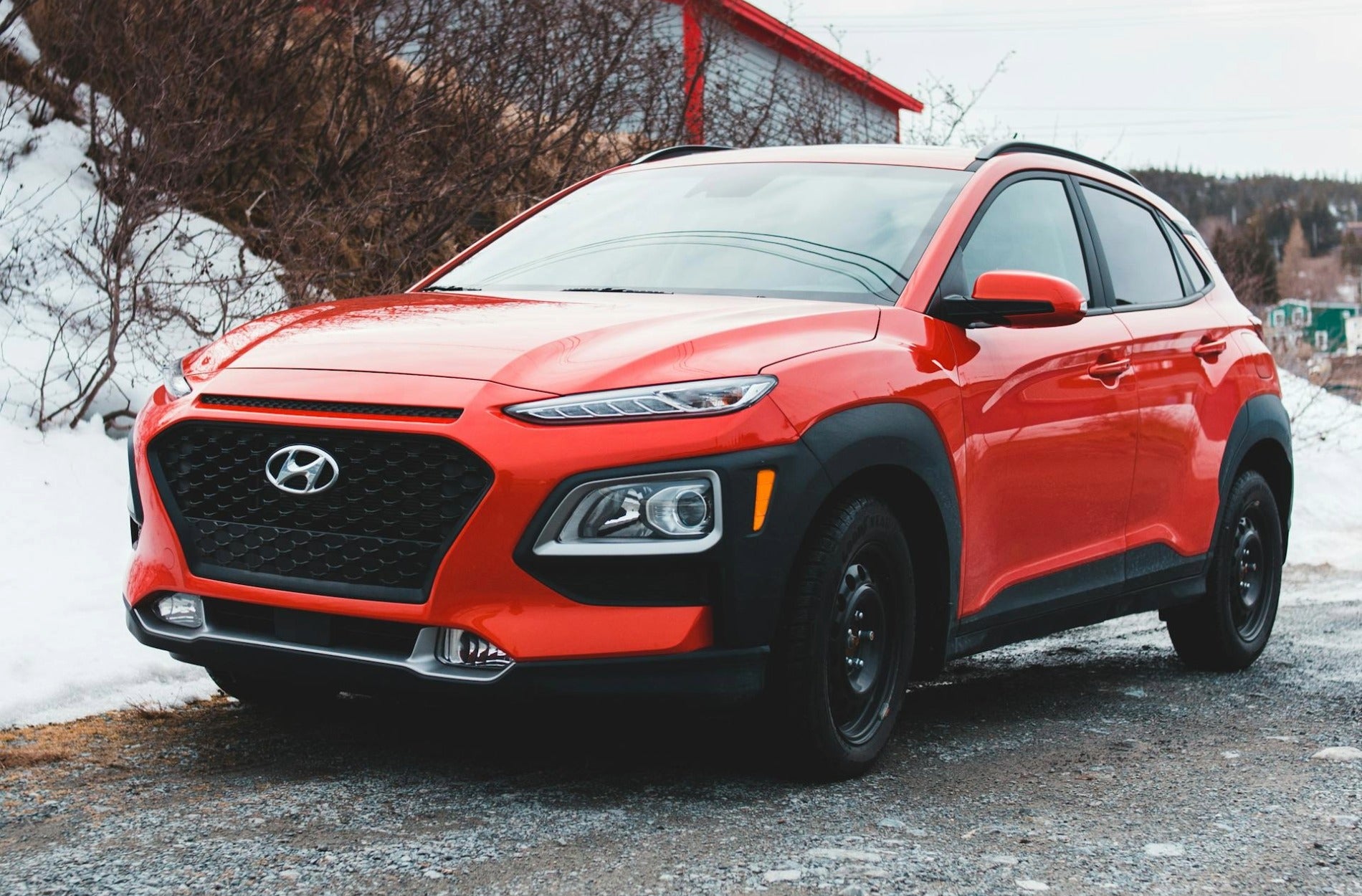
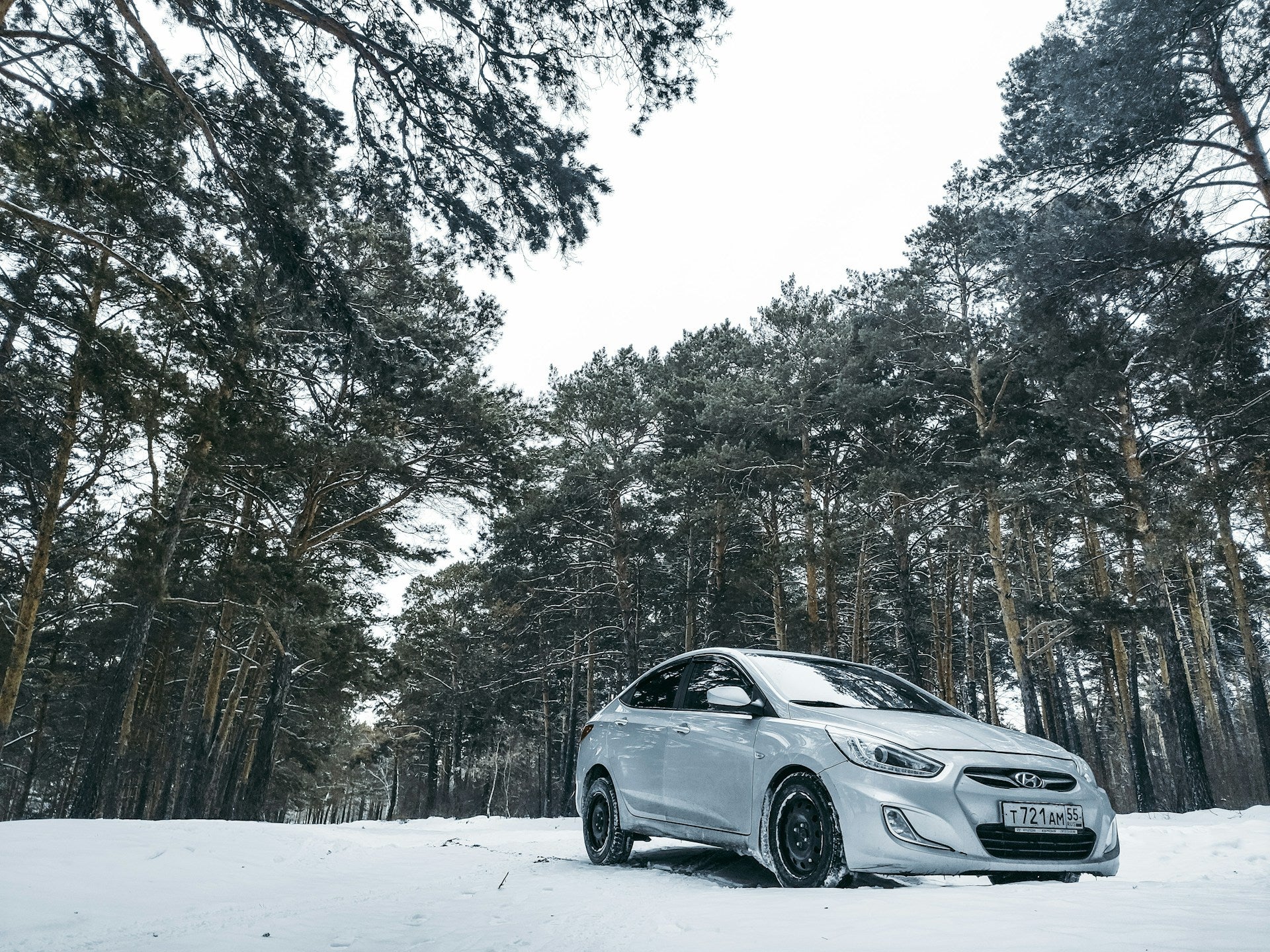
Winter Safety Features In Pre-Owned Hyundai Models

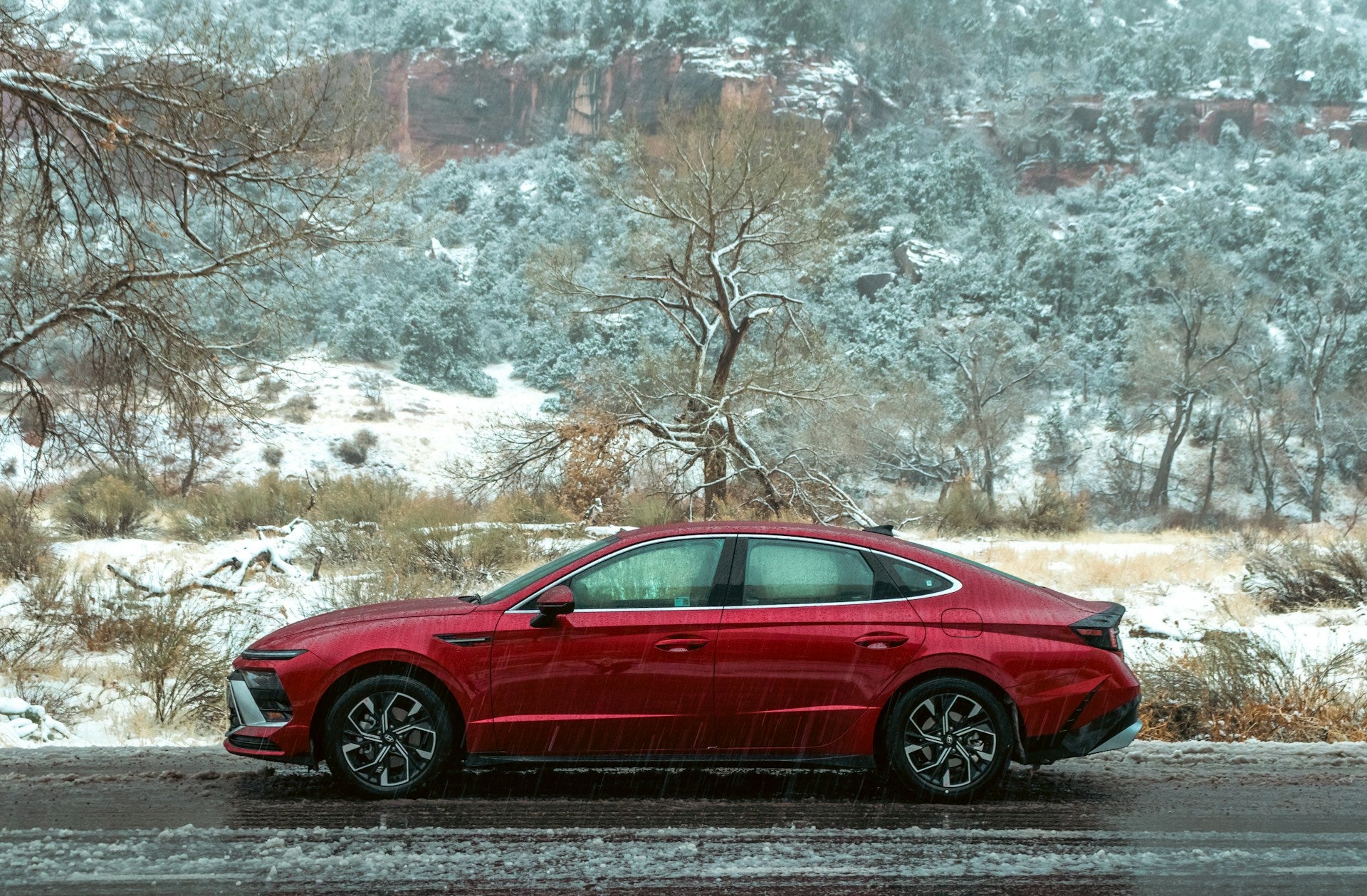
Winter in Riverhead brings freezing temperatures, icy roads, and short daylight hours. When those elements roll in, being behind the wheel of a car that can handle the cold makes a big difference. You want a ride that keeps you warm, helps you stop when roads get slick, and keeps your view clear during blizzards or early morning fog. more That’s where winter safety features come in. For drivers thinking about getting a certified pre-owned Hyundai in Riverhead, these features can offer peace of mind for you, your passengers, and everyone else on the road. Hyundai has put thought into designing models that handle tough weather without making drivers uncomfortable or nervous. Let’s take a closer look at the safety systems you’ll want during the coldest months of the year. Key Winter Safety Features In Pre-Owned Hyundais Cold weather calls for more than just good tires. Pre-owned Hyundais, especially certified ones, often come equipped with a solid lineup of winter safety tools that make winter driving safer and more comfortable. Heated Seats and Steering Wheels If you’ve ever slid into an icy car seat before sunrise, you know how rough that can feel first thing in the morning. Heated seats and steering wheels take that chill away fast. They make things more bearable when temps drop below freezing and your coat doesn’t quite do the trick. These features also help on short trips when the cabin doesn’t have enough time to fully warm up. All-Wheel Drive (AWD) and Traction Control AWD can give you better grip on wet, icy, or snowy pavement by pushing power to all four wheels at once. Combine that with traction control, which limits spinning on slippery patches, and your car will feel more planted even on roads that haven’t been plowed. It’s not just about off-roading. AWD helps during local drives where ice can creep up around corners or hills. Anti-lock Braking System (ABS) and Electronic Stability Control (ESC) ABS stops your wheels from locking up if you slam the brakes on a slick road. That helps you steer and stop more safely. ESC plays backup by correcting your path when the car begins to slide. Together, these systems keep your ride steadier and reduce the chances of a full-on skid if you hit the brakes or take a turn too quickly. Advanced Airbags and Safety Sensors No one likes to think about collisions, but planning for the worst is smart. Airbags are expected, but safety sensors add an extra layer of protection. Forward collision warning, blind spot detection, and lane assist tech can give you extra reaction time. That can mean everything when black ice or low visibility shortens your stopping distance. Fog Lights and Automatic Headlights Good lighting is one of the easiest ways to stay safe. Fog lights cut through low-hanging mist or snow flurries so you can see more of the road. Automatic headlights come on without needing you to reach for the dial, which can be helpful around dusk or when snow starts falling fast. These might sound like small conveniences, but they play a big role when visibility drops. One example that stands out is driving along Sound Avenue after a snowstorm. That road can be beautiful in winter, but shady spots often stay icy long after the sun comes out. Features like AWD and ESC come into play fast when your tires hit one of those stretches unexpectedly. Having the right features is about staying ahead of winter hazards before they turn into trouble. Whether you're making short trips around town or heading west to visit family, the right pre-owned Hyundai can help you feel ready for whatever the season throws at you. Benefits Of Choosing Certified Pre-Owned Hyundai Vehicles Not every used car goes through the same process before landing on a lot. Certified pre-owned Hyundais are different. These vehicles go through detailed inspections that cover everything from brakes and tires to electronics and safety systems. The goal is to make sure the car is in sharp condition before anyone slips behind the wheel. That means when you’re looking at a certified pre-owned Hyundai for winter driving in Riverhead, you’re seeing a car that’s ready for the road, not something that was barely patched together after its last owner. Certified models often include updated inspections on the systems that matter most in cold weather, like ABS, traction control, and AWD. If a part isn’t up to standard, it gets replaced. You’re not guessing whether that sensor works or if the brakes will hold on icy days. There’s also peace of mind in knowing these vehicles typically come with added warranty coverage. That can include powertrain protection or coverage for other key systems, which becomes a real benefit when you’re driving through salt, potholes, and sub-freezing temps all season long. You also get the advantage of modern safety features without paying the full price of a brand-new model. Reliability is a big part of it, too. No one wants to deal with mechanical issues during a snowstorm, or wait for roadside help on the North Fork when temps drop and the wind starts howling off the sound. With a certified vehicle, inspections already handled those concerns, so you’re less likely to get stuck or face surprise repairs right when you need your car most. Tips For Maintaining Key Winter Features Getting a certified pre-owned Hyundai with smart winter features is a great first step. The next part is keeping those systems working the way they should. Cold weather can test even a well-maintained car, so a little attention can go a long way. Here’s how you can make sure your winter safety systems stay in shape: 1. Schedule winter-specific inspections Before snow gets too heavy, have professionals check your ABS, ESC, and AWD. These systems don’t always show warning lights when they’re wearing down. A quick look by a technician can spot problems before they affect safety. 2. Check the heated features During colder months, heated seats and steering wheels get a workout. If they feel slow to warm or uneven, have them inspected. Faulty wiring or weak connections can reduce their effectiveness or stop them from working. 3. Test your lights and sensors Snow, salt, and ice can coat fog lights or obscure sensors. Clean them regularly and make sure they’re still pointing where they should. Visibility is just as important as traction. 4. Inspect the tires and brakes Tread wear is especially important in winter. Worn tires lose grip fast in snow and slush. Brakes also take a beating in cold weather. Have both reviewed to confirm they’re performing at their best. 5. Monitor your car’s battery Frigid mornings are tough on batteries. If your Hyundai turns over slower than usual or the lights dim when you start it, the battery could be on its way out. Getting it tested or replaced early can save you from being stranded when winter peaks. Preventative maintenance might sound like a chore, but it helps you avoid bigger issues at the worst times. For example, a Riverhead commuter once ignored their AWD issue thinking it was a minor sensor glitch. When their system failed during a slushy morning drive down Route 58, they ended up stuck in traffic for hours. Ready for the Cold? Your Hyundai Should Be Too Winter driving can be unpredictable, especially in places like Riverhead where weather shifts quickly. Having a car built and inspected with safety-minded features makes the season feel less stressful. Heated elements for comfort, smart systems for control, and lighting for better vision all combine to give you an edge when the roads get challenging. Certified pre-owned Hyundais bring more than practicality. They deliver peace of mind. With quality inspections, modern safety tools, and a reputation for lasting well beyond the first snow, they’re a solid choice for anyone who doesn’t want winter weather to stand in the way of daily life. Whether you’re heading to work, dropping off kids, or taking a slow cruise past the Peconic River, it helps to know your car has your back. Ready to experience a safe and reliable winter ride? Explore our latest options for a certified pre-owned Hyundai in Riverhead and enjoy the confidence you need for cold-weather driving. At Riverhead Hyundai, we make sure every vehicle is thoroughly checked so you can drive with peace of mind all season long.
Hyundai

Quick Fixes For Common Hyundai Defrost Issues

When cold weather settles in across Riverhead, dealing with a foggy windshield shouldn’t be how you start your day. A working defrost system isn’t just about comfort, it’s about visibility and safe driving. A blocked view through the windshield can be dangerous for you, your passengers, and everyone on the road. more Hyundai drivers sometimes run into defrost issues at the worst times. Right when it matters most, the vents might blow cool air instead of warm, or the glass just won’t clear. These problems usually show up during the colder months, and they’re more common than you’d think. If your Hyundai’s defrost system isn’t working like it should, you’re definitely not the only one. Common Defrost Problems in Hyundais When the defrost stops working like it's supposed to, the signs are usually easy to spot. You might notice your windshield just won’t clear up, even after warming up the car for several minutes. Maybe the fan is blowing, but the air never gets warm. In some cases, the vents don’t push much air at all. Each of these problems may point to a different part of the system not working right. Here are some common defrost problems Hyundai owners in Riverhead might face: Foggy windows that won’t clear: This is usually what drivers notice first. It can happen when warm, moist air builds up inside the car. If the defrost system isn’t pushing warm, dry air onto the glass, that fog lingers. Weak airflow through vents: If your vents are barely pushing any air out, you may be dealing with a blockage or an issue with the blower motor. Air isn't warm: Cold air blowing through the defrost vents could mean your coolant level is too low or the thermostat isn’t doing its job. Uneven air distribution: Maybe you’re getting airflow on one side of the windshield and not the other. This might be a faulty blend door actuator. Any of these signs may stem from issues like: Low coolant leading to poor heater performance Blocked cabin air filter or vents stopping proper air movement A failing thermostat that won’t let the engine warm up properly Problems with manual or electronic blend doors that control airflow direction If you’ve ever had to drive with your head leaned halfway out the driver’s side window just to see, then you already know why it’s smart to get this fixed sooner rather than later. Quick Fixes You Can Try Some defrost issues might have simple causes that can be quickly looked at, but keep in mind, most of these systems are better serviced by professionals. That said, if you’re wondering what might get things working again without a full repair visit, there are a few safe things to check. 1. Check your coolant level The heater in your car depends on hot coolant flowing through the heater core. If the coolant is low, you won’t get warm air blowing out. Make sure the level is where it should be. Never open the radiator cap when the engine is hot. 2. Take a look at vent openings If leaves, dust, or other debris have built up in or on the vents, airflow might be blocked. Check the dash area and the air intake at the base of the windshield. 3. Test your thermostat If your engine temperature gauge stays on the cold side even after driving for a while, the thermostat might be stuck open. That can keep your engine from heating up and affect your heater too. Still having trouble after checking these out? It’s probably time to get your Hyundai looked at by a technician who knows the systems inside and out. There are parts of the HVAC system that aren’t easily checked without the right tools. We’ll cover more on that next. When to Seek Professional Help If you’ve gone through the quick checks and your Hyundai’s defrost system still isn’t doing its job, that’s a clear sign it’s time to bring in a professional. Some issues just hit a point where the basic stuff won’t fix them. For example, if the blend door actuator or blower motor is worn out, replacing it takes more than a quick inspection. And if your system struggles to switch from heat to defrost or makes strange noises behind the dash, you’re likely dealing with a component that’s malfunctioning deeper in the HVAC system. Here are a few red flags that mean it’s time to let trained technicians handle it: The defrost blows cold air no matter how long the engine runs. There’s no airflow from the defrost vents, or the force is too weak. You're hearing clicking or knocking sounds when adjusting climate settings. Defrost works on one side of the windshield but does nothing on the other. Repeated fogging that comes back quickly even after clearing it. Technicians use diagnostic tools that go beyond what’s available in a home garage. They can run system tests to check electrical signals, sensors, and internal mechanisms that control door positions and temperature flow. It’s not always obvious which part is the issue. Sometimes two or three smaller problems add up to one big one. Putting off service can also lead to bigger failures, including overheating or total system breakdown if the problem affects your heater core or coolant flow. Certified parts also make a difference here. Not everything you find online or at chain shops fits your Hyundai the way it’s meant to. Using genuine Hyundai parts helps ensure compatibility and helps extend the life of your heating and defrost systems. Simple Maintenance Habits That Help Prevent Defrost Trouble While not every problem is avoidable, a few habits can go a long way in keeping your defrost system doing its job when winter rolls through Suffolk County. Most of them take just a few minutes and can save you a major repair down the line. Check coolant levels regularly Make this part of your monthly routine through the colder season. Low coolant is one of the top reasons why your defrost won't heat up the interior properly. Keep your windshield clean inside and out A dirty windshield fogs up more quickly and can reduce your airflow’s effectiveness. Dirt and grime create more surface area for moisture to cling to. Get your HVAC system checked each season Simply having a professional look over the system before things freeze up can uncover minor issues before they get worse. This includes filter replacements, valve checks, and airflow testing. Don’t ignore strange sounds or smells Clicking from behind your dash, mildew smells when you turn on the fan, or air that shifts wrongly between vents shouldn't be brushed off. These could be early warning signs. Use the defrost setting regularly Running your defrost setting even on dry days helps keep the actuators, duct flaps, and blower going strong. It’s like stretching your legs after sitting too long. Keeping these habits in place helps your Hyundai stay ready for the quick weather changes that Riverhead often sees in late fall and into winter. When everything’s working the way it should, you’re not only safer on the road but more comfortable during each drive. Stay Safe and Warm on the Road If your Hyundai’s defrost system isn’t cutting it when the cold sets in, it’s more than just a nuisance. It can turn your daily drive into a stressful, even risky, experience. Fogged-over windows and poor airflow take away your ability to react fast and drive safely. No one wants that, especially during school drop-offs, evening commutes, or holiday travel. Regular inspections, honest upkeep, and knowing when things are out of your hands go a long way. Even though some quick fixes might seem easy, real solutions often need the right tools and parts. Having a trusted place to go when issues come up means you can spend less time worrying and more time getting where you need to be—warm, safe, and able to actually see out your windshield. To keep your Hyundai's defrost system functioning optimally, it’s important to address any part issues as soon as they arise. If you're noticing signs that something might be off, check your options for Hyundai parts in Riverhead to ensure your vehicle stays in top condition through the winter months. Trust the experienced professionals at Riverhead Hyundai to maintain your vehicle's comfort and safety.

Hyundai Sonata

Winter Special Offers On New Hyundai Sonata

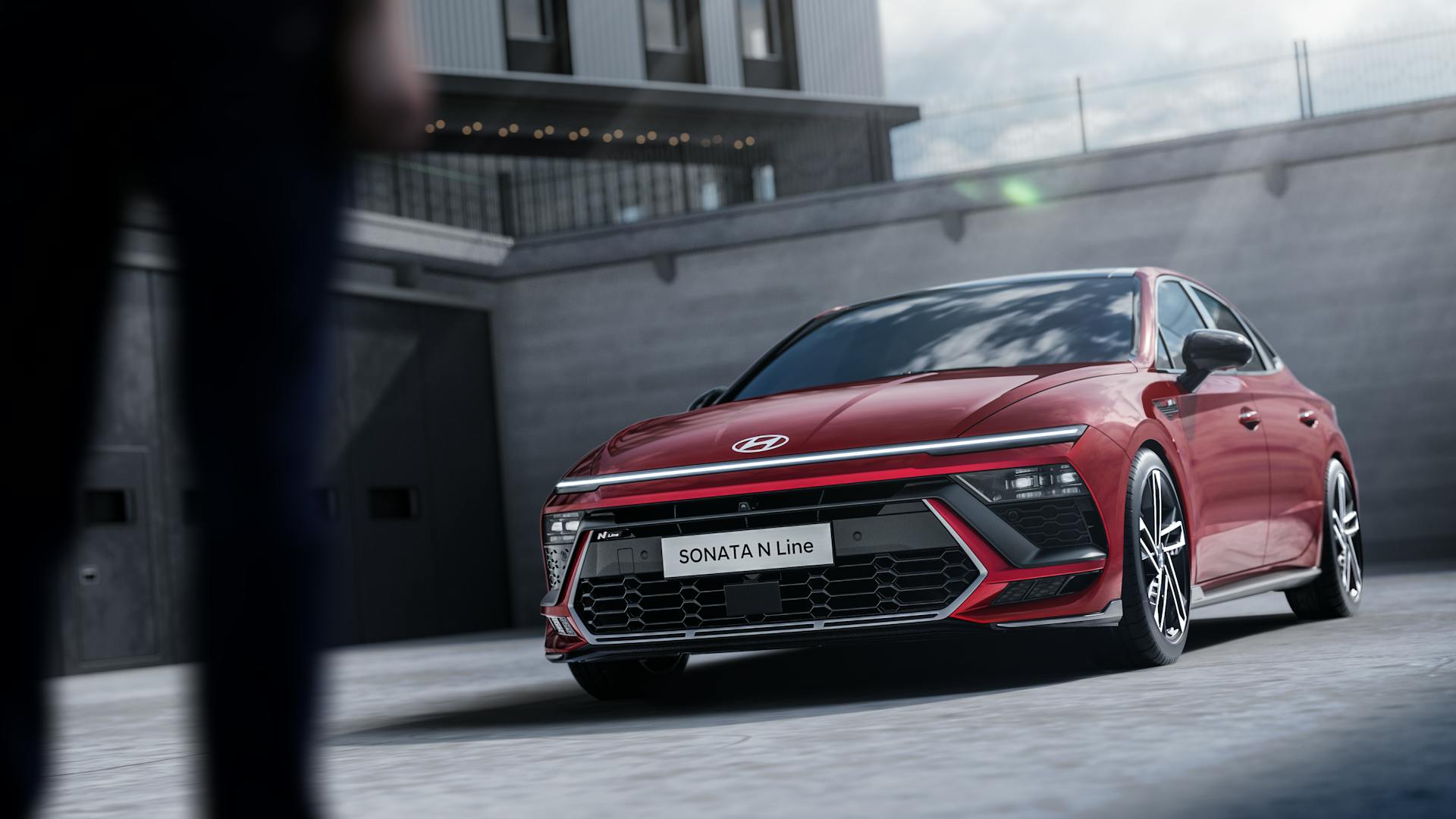
As winter rolls in across Long Island, so does one of the best times of the year to shop for a new car. If the Hyundai Sonata has caught your eye, the season brings plenty of special incentives that make upgrading your ride even more attractive. Between year-end model clearances, limited-time financing options, and seasonal savings, winter can be a smart time to take the leap. more Long Island drivers know what it takes to get through a Northeast winter. From unpredictable weather to shorter days and frozen roads, your car plays a big part in keeping things running smoothly. That’s where the Hyundai Sonata comes in. With comfort and control built into its design, it’s a solid choice for anyone driving through Suffolk County this time of year. And when that kind of practicality meets a winter deal, it's worth paying attention. Why The Hyundai Sonata Is Perfect For Winter Driving On Long Island When you're driving through snow-covered streets or just trying to heat up the cabin fast after work, having the right features in your car really makes a difference. The Hyundai Sonata steps up during cold-weather months with standout capabilities that help handle winter’s curveballs a bit easier. Here’s what Long Island drivers appreciate about the Sonata during winter: All-weather traction: Even if your Sonata isn't an all-wheel-drive vehicle, features like selectable drive modes and electronic stability control help give it the grip it needs on icy or wet roads. Remote start options: On those mornings when it’s just too cold to step outside to warm up the car, the remote start system comes in handy. Your Sonata will be heating up before you even grab your coat. Heated features: Heated front seats bring comfort on frosty mornings. Some trims also include heated side mirrors, so your visibility stays clear without the need for scraping. Safety that matters: Available features like lane keeping assist and forward collision-avoidance assist are built to help keep you protected during low-visibility or slick travel conditions. Fuel savings in the cold: Cold weather often lowers fuel efficiency, but the Sonata is designed with systems that help keep fuel use efficient. This goes a long way for those driving across the North Fork or commuting to jobs in the Hamptons. Picture an early morning in Riverhead where temperatures drop below 30 degrees and a light snow has settled overnight. Your Sonata starts from inside the house. The heated mirrors and seats are already making things comfortable. The traction control quietly adjusts as you hit an icy bend in the road. These details can make your drive through winter streets feel just a little more secure and a lot more comfortable. Exploring The Best Winter Special Offers Available Year-end shopping often brings some of the better deals for drivers looking to make a move on a new car. Dealerships are finishing off current-year inventory, prepping for newer models, and aiming to finish the quarter strong. That usually means more offers and better pricing for buyers who know what they want. Some winter deals Long Island customers may find include: Marked-down pricing on remaining 2025 models Exclusive low-interest rates with approved credit Loyalty bonuses and cash-back incentives for repeat Hyundai owners Flexible lease terms with lower initial payments and mileage options The key here is timing. Popular models or limited trims tend to move quickly once these incentives go live. Acting in early December increases your chances of landing specific configurations or colors before inventory shrinks post-holiday. If you're living in Suffolk County and planning to upgrade, watching these winter specials closely might be the difference between getting the exact Sonata you want or settling for whatever’s left after the new year. This smaller window of time also encourages customers to ask about custom packages while they’re still on the lot. Benefits Of Purchasing A New Hyundai Sonata In Riverhead This Winter There’s something about this season that works in the buyer’s favor. For starters, dealerships aren’t as busy during winter compared to warmer months, which means fewer crowds, more personalized conversations, and potentially a better overall buying experience. That calmer space makes it easier to spend time comparing trims, test driving at a relaxed pace, and ironing out details without being rushed. If you’re someone who values being able to weigh your options carefully, winter is the time when all of that becomes easier to do. With lower foot traffic also often comes greater pricing flexibility. Whether you're negotiating final numbers on your lease or asking about bonus offers, there’s usually more room to move things in your favor. Add to that the fact that end-of-year goals might lead to extra incentives, and you can see how timing is working on your side. Service perks also come into play. Some winter promotions include complimentary or discounted maintenance packages. Think tire inspections, battery testing, or brake checks bundled in for peace of mind. If you're shopping now, that means you'll enter the coldest part of the year with a fresh set of perks alongside your new car. Financing is another reason buyers look to winter. Dealerships often meet finance partners’ year-end goals during this period, offering more attractive rates or flexible terms. For any Long Island driver trying to keep costs manageable through the first few months of ownership, these seasonal tools help things stay on track. How To Take Advantage Of Winter Offers On The Hyundai Sonata Making the most of these offers doesn’t happen by chance. It helps to have a simple plan in place before and during your visit to the dealership. Here’s one that can make the process go smoother: 1. Book a test drive early Narrow your preferences online first, then schedule a test drive. Morning slots are typically quieter and let you test the vehicle without pressure. 2. Check winter promos online Browse current offers before visiting. That way, you’ll know what’s available, what needs to be asked, and what may be ending soon. 3. Meet with a finance expert Credit scores, terms, and monthly payment options all vary. Talking with a finance team ensures the final offer makes sense for you, start to finish. 4. Ask about your trade-in Bring in your current vehicle so the team can evaluate its worth. This added value might improve your buying power or reduce your overall costs. 5. Be ready when the perfect one appears Given the limited inventory and short timelines on deals, moving quickly when the right Sonata fits your checklist is part of the strategy. Going in prepared helps you stick to your budget, find the features that matter most, and avoid second-guessing what’s already a big decision. Your New Sonata Awaits This Winter When winter hits Long Island, a car like the Hyundai Sonata brings more than everyday convenience. It brings safety, comfort, and reliability right when you need those things the most. Add helpful features like remote start, drive-enhancing tech, and heating options to that mix, and suddenly your daily drive feels a whole lot easier. That would be enough for most drivers. But when you factor in limited-time offers, year-end price drops, flexible financing, and a quieter shopping environment, the case for shopping during this season becomes hard to argue with. Beat the rush, explore the options early, and drive into the cold months with a car that’s built to handle them well. The right Sonata is waiting, and this might be the perfect time to get in the driver’s seat. Ready to boost your winter driving confidence on Long Island? Explore current Hyundai Sonata deals on Long Island with Riverhead Hyundai. Our team is here to help you find a model that fits your needs and makes the most of the chilly season while these offers last.

Hyundai

Troubleshooting Winter Heating Problems In Your Hyundai

If the heater in your Hyundai isn’t doing its job during a cold Long Island winter, it’s more than just uncomfortable. It can make your drive a whole lot harder. When the temperatures drop across Suffolk County, a reliable heating system is something most drivers take for granted until it stops working. Whether you're heading to work early in the morning or running errands in the evening, you shouldn’t have to deal with icy air blowing from your vents or a defroster that can’t clear your windshield. more Heating problems during winter are pretty common around this time of year, especially in places like Riverhead where the weather can stay cold well into December. We’ve seen drivers baffled by weak airflow, weird smells, and unexplainable noises coming from their heating systems. Some issues are small and fixable, while others can point to a bigger problem under the hood. Knowing how to spot the signs early makes it easier to take action before things get worse. Common Winter Heating Problems in Hyundais When your Hyundai’s heater isn’t working the right way in winter, it’s rarely a total surprise. Usually, there are warning signs that show up before it completely gives out. Recognizing them can help you avoid more serious trouble down the road. Here are some problems that show up often in winter: Not enough heat from the vents: If the air blowing through feels lukewarm or just slightly warm, it could be a clogged heater core, low coolant, or a thermostat that's stuck. Heater only works while driving: When the heat fades while you’re idling but kicks in while moving, that might be an issue with your water pump or a fluid circulation problem. Foggy windows that won’t clear: This could mean the defroster isn’t getting enough warm air, possibly because of low coolant levels or ductwork problems. Musty or sweet smells when the heat is on: These odors can come from mold in the vents or a coolant leak, often linked to a worn heater core. Strange noises: A clicking or thumping sound when you turn on the heat could mean debris is stuck in the blower motor or that some part inside the HVAC system is wearing out. One example that sticks out is a driver in Suffolk County who noticed their Elantra was only heating while driving at high speeds. Turns out a clogged heater core was to blame, and it had to be flushed out by a technician. That’s the kind of problem that’ll just get worse as winter keeps going. Identifying these issues early on can save time and help keep you warmer through the months ahead. The next step is learning how to spot what’s actually going wrong inside the system without having to guess. Diagnosing Heating Issues in Your Hyundai When the heat isn’t doing what it’s supposed to, there are a few things that could clue you in before booking a service visit. While some signs are obvious, others are easy to overlook. You don’t need to take your Hyundai apart to figure out something’s wrong, but knowing where to look helps you give your tech the right info when you get it checked out. Start with these basic checks: Look at the temperature gauge on the dashboard. If the engine isn’t warming up to normal operating range, your thermostat could be stuck open. Feel the radiator hoses (once the engine is cool). If one hose is hot and the other is cold, your heater core might be blocked or the thermostat isn’t opening fully. Pop the hood and look at your coolant level. Low coolant is one of the most common reasons for poor heat. Check to see if both the heating and defrost functions are weak. If so, you might have a blower motor or airflow issue. Turn the fan on and listen. If there’s any rattling or clicking, debris might’ve made its way into the blower motor. These signs won’t fix the problem on their own, but they do point you in the right direction. It gives your shop a clearer place to start when diagnosing the issue. One driver in Riverhead mentioned hearing a loud hum when their heat was on low. Turned out the blower motor bearing had worn out and needed replacing. Without catching it early, that could’ve taken down the whole blower assembly. Why Professional Repairs Matter Some heating system troubles may seem small, but they tend to grow into bigger problems if left alone. When your vehicle’s heat relies on systems that connect with the engine, cooling system, and HVAC controls, it’s not just about comfort anymore. And without training or the right tools, you could end up causing more damage. Hiring a trained Hyundai tech means you’ll get your car checked over properly. From testing sensors to flushing the heating core, professionals can do more than just surface-level work. They’ll use pressure tests, ventilation inspections, and scan tools designed for Hyundai systems. That saves you time in guessing and money in misdiagnosis. Another key thing is proper coolant replacement. If it's not done the right way, air pockets can form in the system and make things worse. Some models also use specific factory parts and fluids, so you don’t want to risk shortcuts when it’s this cold outside. Preventive Tips to Avoid Heating Troubles The best way to deal with heater issues is by making sure they don’t happen in the first place. Staying ahead of trouble with regular checks and seasonal service visits can help keep your Hyundai’s cabin warm all winter long in Suffolk County. Try sticking to this checklist: Inspect coolant levels each month during colder seasons. Make sure there are no leaks and that the liquid looks clean. Get your heating system inspected before peak winter months. This includes checking the thermostat, sensor connections, and heater core. Run the heat occasionally during warmer months as well. This keeps the internal mechanisms from locking up due to lack of use. Pay attention to smells and unusual sounds. Any changes are a reason to schedule a checkup sooner rather than later. Follow the recommended schedule in your owner’s manual for coolant changes. Old coolant can become sludgy or acidic, damaging your system from the inside. Treat heating problems like warning lights. You wouldn’t ignore them if the car was overheating, and heat issues deserve the same level of attention. Stay Warm This Winter in Your Hyundai During winter, comfort isn’t the only thing at stake when your Hyundai’s heater starts acting up. Visibility and safety can be affected too. If your defroster isn’t working well or your cabin doesn’t warm up fast enough, it makes driving more stressful. Fixing things early prevents extra wear on other systems and helps your car last longer. Getting ahead of heating issues means fewer surprises and smoother trips through Suffolk County. When the air turns cold, knowing your Hyundai is ready makes a big difference. Reliable heat keeps you focused on the road instead of counting down the blocks until home. Don’t wait until the next cold snap to get things checked out. A little attention now can save you a lot of frustration later. For anyone dealing with stubborn heater issues, getting them fixed quickly is your best bet. When you're ready to ensure your comfort and safety on chilly days, explore our Hyundai repair services in Suffolk County for professional solutions. At Riverhead Hyundai, our skilled technicians are ready to diagnose and repair your heating system, keeping you warm and secure on the road.

Hyundai

Solutions For Hyundai Climate Control System Issues

When your Hyundai’s interior won’t stay warm in the winter or refuses to cool down in the summer, it goes from being a minor annoyance to a daily frustration. No one wants to get into a freezing cold car for their morning commute or fight uncomfortable humidity on the way home. A climate control system that doesn’t work the way it should can make even the shortest trips feel uncomfortable and stressful. more This becomes even more noticeable in places like Riverhead, where weather swings between icy winters and hot, sticky summers. A reliable and responsive climate control system isn't a luxury. It’s what keeps daily drives bearable. If you’ve been noticing strange behavior from your vents, your car doesn't heat up fast enough, or the air just doesn’t seem right, there’s a good chance something needs attention. Let’s explore what could be causing the issue and how the right Hyundai service center in Riverhead can help you fix it the right way. Common Climate Control Issues In Hyundai Vehicles Your car’s climate system is supposed to do a pretty straightforward job: cool you down when you're hot and heat things up when you're cold. But when something goes wrong, that system can act up in several different ways. Here are some of the most common problems Hyundai drivers experience: Weak airflow: Even with the fan on full blast, there’s barely any air coming from the vents Unresponsive climate buttons or knobs: Settings don’t change or the system doesn’t react Temperature is off: The air coming through the vents doesn’t match your temperature settings AC blows warm or heat blows cold: No matter what you try, the air doesn’t feel right Strange noises: Rattling, hissing, or clicking sounds when the fan or AC turns on Bad smell: Musty or dusty air, especially when first turning on the system Any one of these issues can affect how your ride feels, but when left for too long, they can also point to deeper mechanical problems. If cold air keeps blowing when you need heat, it could be a faulty thermostat or a broken blend door. Weak airflow might come from a clogged cabin filter, a worn-out blower motor, or even deeper problems with the system’s function. In some cases, it's the controls themselves that stop responding, especially in older Hyundais where knobs wear out or touchscreens glitch. These problems don’t just mess with comfort. For example, a broken defroster can be a real hazard during Riverhead winters. You need that warm air on the windshield during icy mornings to clear up your view. A system that won’t work on command doesn’t just leave you uncomfortable — it leaves you more vulnerable behind the wheel. Diagnosing Climate Control Problems If something feels off with your climate system, being able to describe a few key details before getting it checked out can make the repair process quicker and easier. A technician can identify issues faster if they know how and when the symptoms show up. These are a few things to take note of before your visit to a Hyundai service center in Riverhead: What’s the main problem? Lost airflow, wrong temperature, odd smells, weird sounds? When does it happen? First thing in the morning? After the engine warms up? Only on max settings? Does the entire car feel off or is it just one or two vents acting up? Have you noticed any alerts like a check engine light or HVAC system message? Has any work been done recently that might affect the system? Providing this kind of info cuts down the time needed to figure out what’s wrong. Modern Hyundai climate systems are managed partly by software. That means some issues require electronic diagnostics to get accurate readings. Service centers equipped with the right tools can access your vehicle’s data and pinpoint exactly what isn’t functioning the way it should. Trying to solve it yourself or following random tips online might seem like a quick fix but often leads to even more problems. Whether it’s blowing warm air on a summer afternoon or windows fogging up faster than your defroster can clear, handing the job to a trained technician keeps you from chasing symptoms and wasting time. Especially in Long Island’s extreme seasons, fast and accurate repairs are important. Preventive Maintenance For Climate Control Systems Taking care of your climate control system before anything breaks is one of the smartest and most cost-effective moves you can make. You don’t have to wait for something to go wrong to start paying attention. Small tasks can help the system last much longer and keep every drive more comfortable, especially when you're dealing with Riverhead weather shifts. Here’s what preventive care can include: Replace your cabin air filter on schedule to boost airflow and avoid build-up of allergens, dust, and bad smells Run the AC for a few minutes each week even in winter to keep seals lubricated and the compressor in good shape Vacuum or clean vents and dash areas to prevent dust from getting into the internal parts Listen for changes in how the system sounds. Clicking or grinding usually means some internal part is wearing down Check system pressure and refrigerant levels before summer so you don’t lose AC when it matters most Local factors matter too. Riverhead drivers face things like salty roads in winter, pollen in spring, and sand from nearby beaches year-round. All of that gets into your car’s vents, filters, and ductwork. Ignoring those conditions shortens the life of the whole system and makes repairs more likely. A few simple checks during routine maintenance visits can keep everything running efficiently. Cleaning isn't just about fresh-smelling air. Keeping parts clear and filters changed also puts less load on the system. That means better mileage for you and fewer chances that components wear out sooner than they should. Professional Repair And Service Options Sometimes the fix is simple. Other times, there's a more complicated issue behind the scenes. That’s why having your Hyundai checked at a certified Hyundai service center in Riverhead makes such a difference. Technicians are trained to deal with both the mechanical and electronic pieces of your HVAC system. They use diagnostic tools built for your model to read fault codes and test systems safely. AC problems can come from a lot of different causes — low refrigerant, a leaking line, a failed compressor, or a sensor mix-up. Heater issues might be due to worn actuators, faulty thermostats, or electrical control units not doing their job. Even something small like a stuck blend door is tough to pinpoint without taking the dash apart. At a professional shop, repairs can include: Checking and replacing the cabin air filter Refrigerant refills and system pressure tests Fixing broken actuators or blower motors Heater core checks and thermostat testing System recalibration using brand-specific diagnostic software Genuine Hyundai parts help ensure the job gets done once and done right. These parts are designed to match your vehicle’s original specs, while third-party options may miss the mark and cause more issues later. It’s also worth noting that original parts tend to integrate better with onboard systems and sensors, which matters more and more in newer models. Getting your system fixed professionally gives you peace of mind when pulling out of the driveway on a cold January morning or heading into summer with temperatures hitting the 80s. Trusting the repairs to people who work on Hyundai systems every day just means you're more likely to get it done properly. Stay Comfortable in Every Season When climate control works smoothly, you almost forget it’s there. But when it breaks, it’s all you can think about. Whether you’re swatting at hot air in July or scraping your windshield while freezing in February, the stress of a malfunctioning system catches up fast. Ignoring the problem usually leads to bigger repairs, worse comfort, and sometimes even safety issues. On Long Island, and particularly in Riverhead, you want a car that can keep up with changing conditions all year long. Having your system checked out regularly and serviced as soon as something seems off is the key to a more dependable ride. Cold snaps, heat waves, morning drives, and late-night errands all feel better with a comfortable car interior. Taking care of your Hyundai’s climate control system means fewer surprises, better visibility, and a far more pleasant driving experience no matter what the weather’s doing outside. To keep your Hyundai’s climate control system working smoothly through all seasons in Riverhead, book a service with the team at Riverhead Hyundai. Our technicians are here to help with everything from minor adjustments to full system repairs. Schedule a visit at our Hyundai service center in Riverhead to make sure your vehicle stays comfortable no matter the weather.

Hyundai

Why Your Hyundai Won't Turn Over In Cold Weather

When winter hits Suffolk County, mornings can feel like a battle. Freezing temps, icy roads, and snow-covered windshields slow everything down and that includes your car. If your Hyundai won’t turn over when it’s chilly, you're definitely not alone. The cold can mess with all sorts of systems in your vehicle, making it harder for everything to function like it should. more Riverhead and nearby parts of Suffolk County often face some frigid weather by late November. That means starting issues can become more common, especially if your vehicle hasn't had service or upkeep before the drop in temperature. Whether it's your battery not holding a charge or your engine oil thickening up, problems usually have a clear cause. And that means they can also be fixed with the right help and timing. To prevent finding yourself stuck on a freezing morning, understanding how cold weather affects your Hyundai is key. Let’s take a look at why cold weather brings these problems to the surface and how regular Hyundai repair services in Suffolk County can help you stay ahead of them. Battery Issues in Cold Weather The battery is the top troublemaker when it comes to winter starting problems. When the temperature drops, your Hyundai's battery naturally loses power. Even a strong battery in warm weather can operate with only half its normal strength when it’s freezing outside. If the battery has already been weakening from day-to-day use, cold conditions push it closer to the edge. Signs your battery may be struggling include: Your engine cranks slowly or won’t crank at all The dashboard lights dim when starting the car You recently needed a jump start Corrosion is visible on the battery terminals If you’ve experienced any of these symptoms, there’s a good chance the cold aggravated an already weakening battery. Modern vehicles need a strong power source to boot up all the electronics required even before the engine turns over. A borderline battery in warm weather can quickly become a non-working one on a cold morning. Scheduling a battery check as the seasons begin to shift is a smart move. A technician can test voltage levels and look for other issues like terminal corrosion or cable wear. This service is simple but saves you time and stress later, especially when it’s freezing and you're in a rush. Thickened Engine Oil Could Be the Culprit Oil plays a big role in making sure your engine moves smoothly and doesn’t wear down too fast. The problem is that when temperatures fall, oil thickens and becomes sluggish. Imagine trying to pour cold syrup out of a bottle — your engine has to deal with the same issue when oil doesn't flow easily in cold weather. Thicker oil can cause: Strain on your starter motor Delays in building oil pressure Reduced fuel efficiency Extra wear on internal engine parts If your Hyundai is using a heavy-grade motor oil, the added resistance can make the engine fail to start altogether. Cold-start lubrication is extremely important when components need fast coverage to prevent damage. To avoid this, make sure your engine has oil that is rated for winter. Look for oil types marked with a "W" in their specifications, such as 5W-30. These formulas are thinner in cold temperatures and help your engine turn over without as much effort. Getting this sorted before cold weather hits can make a big difference between a working car and one that won’t move out of the driveway. Fuel System Problems in Cold Temperatures The performance of your Hyundai’s fuel system can also take a hit during Suffolk County winters. Cold air can cause moisture in the fuel system to freeze. This can clog narrow lines or filters and make it tough for fuel to reach your engine. When gas can’t flow freely, starting the engine can take longer — or not happen at all. Pay attention to the following signs of fuel system problems: Engine cranks but doesn’t start Strong fuel smell with no ignition Sputtering or hesitation after cold starts Rough idling during the first few minutes Another overlooked part is the fuel filter. Dirt or gunk in an old filter becomes harder to push through when cold, reducing pressure and causing misfires or non-starts. A blocked filter is bad news in any season, but it’s much worse when it’s freezing outside. To protect your Hyundai’s fuel system, keep your gas tank at least half full during winter. This helps reduce condensation that leads to frozen fuel lines. Making routine replacements of fuel filters part of your service schedule also supports longer-term performance. These smaller maintenance steps can prevent bigger headaches down the line. Winter’s Impact on Your Hyundai’s Electrical System When people think of car troubles in winter, the battery gets most of the blame. But the rest of your Hyundai’s electrical system plays a big part in getting you up and running too. Cold air makes metal parts contract, and that can loosen connections or cause sensors to give faulty signals. If you’ve noticed these issues, your electrical system may be struggling: Clicking noise with no engine response when you turn the key Dashboard lights flicker or behave unpredictably Power windows, heat, or radio acting up Slow reaction from things like push-button start or ignition Many of today’s vehicles rely on electronic control units, sensors, and modules to manage even simple start-up tasks. Even a minor short or loose wire can cause major issues on a freezing morning. Cold weather just puts more strain on circuits and highlights any hidden problems. Getting your electrical system inspected during winter service is a smart way to stay proactive. A technician can test each part — starter, alternator, ignition — to ensure everything is functioning the way it should. It’s also a good chance to check for corrosion or exposed wires, which are common contributors to cold-weather failure. Ensure Smooth Starts This Winter Riverhead winters aren't exactly gentle on cars. Freezing temperatures affect your Hyundai in more ways than one — but luckily, most of the common issues are preventable with the right preparation. If your vehicle hesitates in the morning, shows dim warning lights, or makes strange noises when you try to start it, don't ignore those warning signs. Often a weak battery, thick motor oil, fuel blockage, or unseen electrical problem is behind the issue. Taking time to get your Hyundai checked before a full-season freeze locks in makes all the difference. Regular maintenance paired with professional support helps reduce breakdowns and keeps your car starting strong, no matter how low the temperature dips. Cold mornings don’t have to mean calling for a tow or waiting for jump-starts. The sooner you spot a starting problem, the easier it is to fix. With trusted Hyundai repair services in Suffolk County available, staying ahead of winter car trouble has never been more doable. Get ahead of winter woes with prompt attention to any starting issues. If you've noticed sluggish starts or other concerns, it's time to address potential problems with trusted Hyundai repair services in Suffolk County. Trust Riverhead Hyundai to ensure your car remains reliable by arranging a thorough check-up, and keep those winter miles smooth and hassle-free.

Hyundai

Getting More Value From Your Old Hyundai

It can be hard to say goodbye to a car you’ve driven for years, especially one that has gotten you through the thick of Long Island traffic or snowy Suffolk County mornings. But when it comes to your older Hyundai, there are ways to stretch its value before calling it quits. Whether you're planning to sell or looking to get a decent Hyundai trade-in in Riverhead, treating your car right now can really pay off later. more Think of it like this: you’ve got a 2014 Hyundai Sonata that’s been solid over the last decade. There’s a little wear on the seats, and it’s long past that new car smell, but it still runs well. If you're still using it for daily driving through Riverhead or heading west for weekend errands, holding on to it makes sense. With a bit of attention, you can keep it running smooth and make sure it brings in more value when trade-in time eventually rolls around. Regular Maintenance to Boost Value Keeping up with regular maintenance is one of the easiest ways to protect your Hyundai’s long-term worth. Skipping oil changes or letting the brakes squeal for months may not seem like a big deal in the moment, but these small issues can reduce your car’s trade-in value more than you'd expect. Routine service visits help spot issues early and keep your car running efficiently. Think of these checkups like basic health care for your vehicle. When a technician uses the correct tools, follows Hyundai standards, and installs the right parts, your car stays in better shape than if you gamble with generic workarounds. Try sticking to this simple maintenance list: Oil changes every few thousand miles to keep the engine clean and running right Tire rotations to make sure all four tires wear evenly Brake inspections to catch worn pads or fluids before they cause real damage Battery checks to avoid surprise failures Replacing air filters regularly for better fuel efficiency and cleaner cabin air It’s also a smart move to use genuine Hyundai parts. Off-brand replacements might be cheaper upfront, but they don’t always deliver the same performance. Over time, that matters, especially when someone is evaluating your car for trade-in. The better condition your car is in mechanically, the better the value you could receive. Upgrades and Modifications You don't have to spend a lot to make an older Hyundai feel nicer, cleaner, or more modern. A few simple upgrades can go a long way, especially when you're on the road daily or planning to pass the car along to the next driver soon. Focus on small updates that improve the look and feel of your car without breaking the bank: Swapping out worn floor mats for new ones gives the interior a quick refresh Upgrading to LED headlights can improve visibility and add a modern touch Adding seat covers protects original upholstery and hides existing wear Installing a Bluetooth adapter or updating your infotainment system can bring older models up to speed with current-day tech These additions can keep your driving experience pleasant and might catch the eye of someone inspecting your car for value. You don’t need to do a full overhaul. Just focus on comfort, functionality, and first impressions. If you do decide to make upgrades, make sure they’re done the right way. Install everything correctly or have a service professional take care of it. Rushed or sloppy mods won’t help your car’s value, and they could even lower it if they cause damage or seem poorly installed. Always think about how upgrades will be viewed by someone sizing up your car's worth. Proper Documentation and Record Keeping Tracking every bit of work you’ve put into your Hyundai may seem tedious, but documentation makes a huge difference. When you go to trade in your vehicle, showing that you cared for it gives you more leverage in the discussion. Keep a folder or digital file for everything related to your car’s care, whether that's oil change invoices, brake replacement receipts, or repair notes. It shows consistency, which builds trust. An app or notebook can work too, as long as it lists: Dates and mileage of service visits Names of service shops or technicians Types of repairs and parts used Any upgrades or modifications with proof of purchase If you've stuck to the scheduled maintenance, make that clear. If you've had a particular issue fixed more than once and finally solved it, include that too. It all paints the picture of a vehicle that’s been cared for, which helps during trade-in estimates or offers from buyers. Think of your records like a report card, proof that the car has been treated well across the years. Knowing When to Trade-In Even the most loyal car owners reach a point when it no longer makes sense to hang on to an aging vehicle. There’s nothing wrong with wanting to get every last mile out of your Hyundai, but there are times when upgrading becomes the smarter, less stressful option. Recognizing the signs early can save you both time and money, especially if you’re looking at a Hyundai trade-in in Riverhead. Some clear signs that it might be time to trade in your car include: Frequent repair bills that keep growing month after month Heating or AC systems that stop being reliable, especially during Long Island winters A noticeable drop in fuel efficiency without any clear fix Electrical issues or warning lights that seem to come and go Expensive wear-and-tear fixes like suspension work or new transmission parts It's also worth paying attention to performance. If acceleration feels sluggish, the steering isn’t as responsive, or the transmission hesitates, it may not be worth the cost to get everything back up to speed. And when repair costs start creeping close to what you'd pay as a down payment on a new car, that’s your signal to seriously consider an upgrade. When the decision to trade in does feel right, don’t jump at the first offer. Take a moment to review pricing guides and get a few trade-in quotes from qualified dealerships in Riverhead. Make sure you share your vehicle's service records, receipts, and any photos showing its condition. The more transparent you are, the more accurate your offer will likely be. Making the Most of Your Hyundai’s Journey Getting more value from your old Hyundai isn’t about luck. It’s about keeping up with the small stuff, being thoughtful about upgrades, and knowing when to shift gears and move on. Putting in the effort along the way keeps your car in better shape and helps it stand out when it’s part of a trade-in conversation. If your long-time car has served you well on the roads around Riverhead, you can honor that investment by getting the most out of it, whether that’s a smooth trade-in or a better resale offer. Timing matters too. Seasonal shifts, end-of-year deals, and even gas prices can affect values. Being aware of what’s going on locally can guide your next move and make the trade-in process easier. At the end of the day, a smart trade-in strategy comes down to consistency. Regular care, thoughtful updates, and proper documentation go much further than last-minute cleanup. It’s far more rewarding to treat your car like it still matters, even if you don’t plan on keeping it much longer. When you're ready to make the most of your car's potential, explore our Hyundai trade-in in Riverhead opportunities with Riverhead Hyundai. Let us help you find a vehicle that fits your lifestyle and keeps your drives around Long Island as smooth as ever.

Hyundai

Black Friday Deals On New Hyundai Models

Black Friday isn’t just about electronics and home goods anymore. For many, it's one of the best times to buy a brand-new car. As the holiday season kicks off and the year starts winding down, dealerships are more motivated to move inventory. That means more opportunities for shoppers to take advantage of limited-time deals and promotions that won't be around for long. more If you’re in Suffolk County and have been eyeing a new Hyundai, there's good reason to pay attention. Hyundai promotions in Riverhead during Black Friday often include some of the lowest prices you’ll see all year. Whether you’re shopping with a budget in mind or looking to upgrade to the newest features, timing your car search around this time can really work in your favor. Why Black Friday Is the Best Time for Car Deals Black Friday has grown into an end-of-year event that stretches beyond just a single day of shopping. For car buyers, that means more time to explore incentives and limited-time offers that don’t show up during other parts of the year. Dealers are usually more eager to clear out current-year models to make space for newer inventory and that typically leads to bigger discounts. Here’s why buying a car around Black Friday makes sense: Dealers are trying to hit annual sales goals and may be more willing to cut prices or toss in something extra New models are arriving soon, so there’s pressure to move current inventory off the lot Holiday bonuses or early tax returns can help with down payments or upfront costs And let’s be honest, no one wants to car shop when snow starts piling up. Taking advantage of Black Friday deals in late November gives you a head start before winter hits full swing. That means more comfortable test drives, more daylight hours to browse, and less rush while making decisions. The holiday timing also gives buyers more flexibility. You’re likely to find bundled offers or financing plans designed to appeal to end-of-year shoppers. For example, some buyers might find they qualify for a loyalty rebate or a seasonal cashback bonus just for trading in their old car at the right moment. While each person’s situation is different, Black Friday opens the door for better terms all around, especially in Riverhead where local deals often align with nationwide incentives. Top New Hyundai Models Available There’s never a bad time to look at a new Hyundai, but during Black Friday sales, it helps to have your eye on a few options in advance. Some models tend to get more attention thanks to their features, reliability, and affordability. Whether you’re looking for something compact, something with room for the whole family, or something built for everyday commuting, there’s plenty to choose from. Here are a few standout choices that are often featured during Hyundai promotions in Riverhead: Hyundai Tucson: A versatile SUV with smooth handling, plenty of storage space, and a touchscreen interface that’s easy to use Hyundai Sonata: A midsize sedan that blends comfort, modern tech, and sleek design, great for those who want a little luxury without going over budget Hyundai Palisade: A larger SUV with three rows, top-notch safety tools, and a quiet ride, ideal for families or long hauls Because Black Friday often brings bigger incentives on popular models, it's smart to research a few trims and features ahead of time. Maybe you want heated seats, all-wheel drive, or a panoramic sunroof. Knowing what you want can make the process faster and easier when deals start rolling out. For example, someone in Riverhead who regularly drives out east for weekend getaways might want to go for an all-wheel drive Tucson to handle different road conditions. A model like that, paired with seasonal pricing, could make November one of the best times to make the switch. Special Promotions and Financing Options Black Friday doesn't just mean lower sticker prices. This time of year tends to come with a variety of dealer-backed promotions that can make upgrading your vehicle more doable whether you're planning to lease, finance, or purchase outright. Some deals may focus on cash reductions, while others include lower interest rates, deferred payments, or trade-in bonuses. One of the most appreciated aspects of Black Friday sales is flexible financing. Credit terms often adjust during the holidays, giving buyers more ways to stay within their budget. For someone with average credit, this might be the moment when better-than-usual rates become available. In many cases, these financing incentives are paired with featured models, so if your target vehicle is one of the popular picks like a Tucson or Sonata, you could see a stronger offer roll out. Promotions during this period may also include added extras at no cost. For instance, you might see bonus accessories, service packages, or upgraded interior features as part of the deal. These aren’t usually around for long, so acting quickly can help you lock in something extra without paying out of pocket. Timing is key, especially with limited availability and a high likelihood that specific trims or color choices run out as the weekend winds down. Customers in Riverhead looking for Hyundai promotions around Black Friday should be prepared to compare more than just the upfront cost. Reading the fine print on financing offers and knowing what’s included or what’s not can make a big difference by the time you sign. It's always good to double-check all terms while asking about warranties, protection plans, and whether any incentives stack with one another. Tips for Making the Most of Black Friday Car Deals With all the talk of limited-time offers and popular models selling fast, showing up prepared can help you shop smarter and avoid frustration. Black Friday weekend at dealerships tends to be busy, and while it's not quite like standing in line at midnight for a TV, it still helps to go in with a clear plan. Here are a few simple ways to stay on top of your game: Do your research ahead of time – Know which Hyundai models and trims you're interested in. Look into features you care about, like advanced safety tools, fuel efficiency, or cargo space Set your budget early – Figure out what monthly payment fits your lifestyle so you stay on course when the offers start rolling in Check your trade-in value – Have a rough idea of what your current vehicle is worth. It helps with estimating deals and understanding how much you're really spending Schedule a test drive – Don’t wait until the weekend rush. Book one in advance to secure time behind the wheel before the models are gone Bring the right documents – Come prepared with your license, insurance info, recent pay stubs, and anything needed for financing or trade-in evaluations It’s also smart to give yourself time instead of squeezing a major decision into a short visit. If you’re shopping with family, bring them along early in the day or the night before the sale starts. You don’t want to rush through the process of picking a vehicle you’ll likely have for several years. Make This Black Friday Count at Riverhead Hyundai When Black Friday rolls around in Riverhead, it's more than just an opportunity to score a deal. It's a chance to plan ahead. Getting into a new vehicle before winter hits means you'll feel more confident navigating whatever the season throws at you. Whether that's icy roads or long drives out east, it's always better when your car is ready for it. It also sets you up with newer tech, better mileage, and modern comfort features that make everyday travel more relaxing. By approaching Black Friday with a little prep work and your priorities outlined, you can take advantage of Hyundai promotions in Riverhead without second-guessing each offer along the way. Whether flexibility in financing is at the top of your list or you’re looking for a specific feature set, this seasonal window is loaded with possibilities. The key is showing up informed and ready to act, so the right model doesn’t slip away while you're still weighing your options. If you're getting ready to upgrade your ride or want something more reliable for the seasons ahead, now’s a great time to explore Hyundai promotions in Riverhead. You’ll find special offers that make it easier to get behind the wheel of a new vehicle without stretching your budget. Riverhead Hyundai is here to help you take advantage of the deals that fit your needs best.

Hyundai

Signs Your Hyundai's Cabin Air Filter Needs Replacement

Cabin air filters are one of those parts in your Hyundai that you might not think about often. But just because it’s out of sight doesn't mean it’s not doing important work. This small filter sits behind the dashboard and helps keep the air inside your car cleaner by catching dust, pollen, and other particles from the outside air before they make it through the vents. A clean filter doesn’t just help you breathe easier, it also supports your HVAC system and helps it run more smoothly. more As winter approaches in Riverhead, having a properly working heating system becomes more important. If the cabin air filter is clogged or worn out, it can affect how well the heater operates, how fresh the air smells, and how comfortable your drive feels. Knowing what warning signs to look for will save you from sitting in a foggy, stale-smelling car. Below are the biggest signs that your Hyundai’s cabin air filter might need replacing. Decreased Airflow From Vents One of the easiest signs to spot is weak airflow coming from your vents, even when the AC or heat is turned up high. If your cabin air filter is clogged, air can’t flow through it as easily. That means your car's HVAC system has to work harder to do its job. This becomes especially noticeable when you're trying to warm up the car during the colder months in Riverhead. If your vents used to blow strong and now they feel weak, it’s worth getting the filter checked. Reduced airflow puts stress on the HVAC system. It also means your windows may take longer to defrost and the cabin might not heat or cool evenly. It’s not just about comfort either. It can affect visibility if your car can’t clear fog from the windows fast enough. Here’s what you can pay attention to: You have the fan on high but it still feels like a light breeze Some vents blow weaker than others It takes longer than usual to heat or cool the car If you’ve cleaned off your dashboard and vents but airflow’s still weak, there’s a good chance the filter could be the issue. Unpleasant Odors In The Cabin A musty or sour smell when you start the car can be another sign the cabin air filter is overdue for a replacement. Over time, the filter can collect trapped moisture, mold, and dirt. When that stuff builds up, it creates odors that get pushed into the cabin each time you turn on the AC or heater. Funky smells can sneak up slowly. You might start by noticing a faint odor that you brush off, but it gets worse, not better. Don’t ignore it if the inside of your car smells like an old basement or a locker room every time you turn on the airflow. That’s a red flag. Here’s where the smell might come from: Damp leaves or debris stuck in the filter Mold or mildew caused by moisture buildup Dirt and dust that’s been sitting over time Even air fresheners can’t truly get rid of the problem if the filter is the root cause. Replacing it not only improves the smell but also helps keep the air inside your vehicle fresher and healthier for you and your passengers. Increased Dust And Allergens If you’re noticing more dust collecting on the dashboard, steering wheel, or around the vents, it might be linked to your cabin air filter. When the filter gets so dirty that it stops working as it should, it allows more unwanted particles to enter your cabin. This isn't just annoying for those who like a clean car interior. It also matters for your health, especially if you or your passengers have allergies or breathing issues. The filter’s job is to trap pollen, dirt, and other small stuff from outside. But when it’s full or clogged, it can’t hold anything else. That’s when dust starts to show up inside. Your nose might sniff out the problem before your eyes do. Sneezing, itchy eyes, or a scratchy throat during drives might mean the air you're breathing isn’t as clean as it should be. If you’re wiping the dash more than usual or riding with tissues in hand, don’t overlook the filter as the cause. Keeping it fresh makes a real difference in how the car feels and the air you’re taking in while driving around Riverhead. Unusual HVAC System Noises Sometimes, what you hear from your Hyundai can tell you more than what you see or smell. If you’ve started to notice odd noises, especially when running the AC or heat, it could be your cabin air filter causing the problem. A dirty or plugged-up filter can disrupt airflow, which leads to strain on the blower motor. That extra pressure can cause buzzing, whirring, or rattling from the HVAC system. Your car’s HVAC components are built to run smoothly and quietly. When they get noisy, it’s often a hint that something is blocked or off balance. A filter stuffed with dirt or debris restricts air and can make the system work harder than needed, leading to these unwanted sounds. Think of it like breathing through a clogged straw. It just takes more effort, and sometimes your car sounds like it’s working way too hard for the result it’s giving you. Pay close attention to any of these sounds: Whistling or high-pitched noises as air forces its way through a clogged filter Fluttering or rattling when you adjust the fan speed Louder-than-usual hums when the system kicks on If your HVAC noise doesn’t go away with a simple fan speed adjustment, or if it’s becoming more noticeable during cold evenings in Riverhead, the cabin air filter could be past its prime. Having it checked doesn’t take long and can prevent much bigger HVAC issues later on. Keeping the Air Inside Clear and Clean When you're behind the wheel, comfort matters—and it's more than just comfy seats or a smooth drive. Clear air, even airflow, and a quiet, functional heating and cooling system play a big role in how enjoyable your drive feels, especially on Long Island roads during cooler months. Spotting the warning signs that your cabin air filter needs attention can help you solve small problems before they grow. Whether it’s weak airflow, lingering odors, extra dust, or strange HVAC noises, it doesn’t take much for this little filter to affect the whole driving experience. Staying on top of cabin air filter replacements goes a long way in keeping your car clean and your drives comfortable. For those near the Hyundai service center in Riverhead, regular maintenance checks can catch things like this before they start to wear on your daily routine. Keep your Hyundai running its best by addressing any cabin air filter issues before they grow. For quality service and peace of mind, trust the experts at our Hyundai service center in Riverhead. Riverhead Hyundai is committed to keeping your driving experience smooth and pleasant. Schedule your maintenance check today!

Hyundai

When To Schedule Your Next Hyundai Oil Service

Staying on top of oil changes is one of the easiest ways to keep your Hyundai running smoothly. Oil keeps all the moving parts in your engine lubricated and helps cut down on friction, which can lead to wear and tear over time. If you're driving around Long Island, where stop-and-go traffic and salt air are a given, engine oil can get dirty faster than expected. That’s why it matters to know when to bring your vehicle in for an oil service. more Late November on Long Island means colder days are settling in. Before the deep freeze of winter hits, it’s smart to check if your Hyundai is due for an oil change. Waiting too long could lead to problems like sluggish engine performance, rough idling, or worse. Depending on your driving habits, the type of oil you use, and how old your vehicle is, your schedule for oil changes might look a little different from someone else’s. Let’s lay out what’s involved and when it’s time to pull into the service bay. Understanding The Basics Of An Oil Change An oil change might seem like a simple task, but it plays a huge part in avoiding bigger issues down the line. The oil in your Hyundai does a lot more than just lubricate parts. It also helps cool the engine, trap dirt and debris, and lower stress on internal components. Fresh, clean oil looks light amber or golden when it first goes in. Over time, though, exposure to heat, dirt, and contaminants turns it thicker and darker. When oil gets too dirty, it loses the properties that help it protect and clean your engine. That's when things can go wrong. During a typical oil change, the old oil is drained, the old oil filter is removed, and new oil of the right grade is poured in. A new filter is added too. That step matters because the filter plays a big role in catching all the grime floating around. Skipping oil changes or delaying them too long can lead to fuel use going up, a loud engine, or damage under the hood. Think of it like brushing your teeth. Just like that basic task protects your mouth, regular oil changes keep your engine clean and working like it should. And when you've got Long Island’s traffic, weather, and salty air to worry about, a solid oil change routine really pays off. Recommended Interval For Hyundai Oil Changes While your owner’s manual is always a smart place to start, most drivers stick to a general timeframe. But everyone’s schedule might be different. A few things affect how often your Hyundai needs fresh oil: Driving habits: If you’re often stuck in traffic or taking short trips around Riverhead, your engine may not heat up long enough to burn off moisture and dirt. Vehicle age: Older Hyundai models may need oil service more often than newer ones that have improved oil systems. Engine type: Turbocharged engines run hotter and tend to break oil down faster, so they may need more frequent changes. Type of oil: Synthetic oil usually lasts longer than conventional, but how you drive matters too. If you just bought a new Hyundai or you're not sure when your last oil change was, check the sticker near your windshield. Or go through your maintenance records and compare that with your miles driven. Keeping track helps your engine last longer and can save you money in the long run. If you’re doing more highway driving or longer trips across Long Island, you may not need service as often. But for daily errands, school runs, or lots of stop-and-go traffic, it’s safer to stick with the shorter intervals. Seasonal Considerations For Oil Changes On Long Island Long Island sees some wild shifts in weather. Cold, salty winters and hot, sticky summers can change what your engine needs. This is especially true heading into winter when your car faces even more challenges. Here’s how the seasons can mess with your oil: Cold starts: As temps drop, oil thickens. If your oil is old or gunky, it might not move fast enough. That means more wear and tear, especially when you first start the engine. Salt and moisture: Starting in late November, Long Island roads get coated in salt. That doesn’t just stick to the outside—it can add moisture and grime to spots under the hood. Extended idling: Holiday traffic and long warm-ups in the mornings push your engine, even if your car isn’t moving much. That adds stress to your oil too. If it's been a while since your last oil change and winter is coming fast, now is the perfect time to handle it. Clean oil at the start of the season means fewer problems when the cold hits hard. Signs It’s Time for an Oil Change You don't always need a flashing warning light to know something’s wrong. Some signs are pretty easy to catch if you're paying attention. Common red flags include: Dashboard oil light: If this comes on, don’t brush it off—even a quick flicker deserves a look. Noisy engine: Sounds like knocking or ticking could mean your oil is too old or thin to do its job. Dirty oil: Pull the dipstick and check. If the oil looks dark, thick, or gritty, it’s time for a fresh batch. Burning smell: A burnt oil scent inside your car might mean oil is leaking and burning on engine parts. Weird idling or power issues: If your car shakes, hesitates, or doesn’t feel smooth when stopped, dirty oil might be part of the problem. Seeing even one of these signs—especially with winter knocking—means it’s time to plan your next visit. Choosing the Right Oil for Your Hyundai Not all oil is the same, and using the right one makes a big difference. It helps the engine stay cleaner, run cooler, and face Long Island’s winters with confidence. Here are the main types of motor oil: Conventional oil: The basic choice, often used in older cars or simpler engines. Synthetic oil: Great for newer models, handles temperature swings better, and stays cleaner longer. Synthetic blend: A mix of both. It costs less than full synthetic but outperforms conventional oil. The best fit depends on your Hyundai model and how you use it. If you’ve got a newer turbocharged car doing daily errands around Suffolk County, synthetic oil might be your best bet. For older, less complex engines doing long drives, conventional might work fine. Always read your owner's manual to see what’s recommended for your vehicle. Or your service technician can help based on what and where you drive. How to Schedule Your Oil Service Booking your next oil change doesn’t have to be hard. A little planning goes a long way. Here’s the easy way to handle it: Look at your windshield sticker or car records to see when the last oil change happened. Set a reminder on your phone to check again around the expected timeframe or mileage. Call or go online to schedule an appointment with a service team that knows Hyundai vehicles. Choose a time that fits your schedule. Early mornings or late in the day work well for some drivers. It helps to time oil changes around big seasonal shifts like the holidays or after long summer trips. Salt on the roads, long warm-ups, and heavy winter driving can really press your engine. Fresh oil helps it deal with that stress. Why Regular Oil Changes Go a Long Way Keeping up with oil changes is one of the simplest ways to avoid much bigger problems later. Even if your Hyundai is newer, old or dirty oil can still cause wear over time. Staying on schedule helps: Keep engine parts fully lubricated so they move without grinding Boost fuel efficiency and keep your ride smooth Stop grime and sludge from building up Lower the chance of surprise breakdowns or costly repairs Think about oil like your engine’s lifeline. When it’s fresh, everything works better. When it’s ignored, things start to wear down faster. Skipping oil changes might not seem like a big deal until one small issue snowballs into major trouble. Drive Smooth with Regular Oil Changes Oil changes don’t take long, but they have a big impact. Long Island weather, busy streets, and short trips all put your engine to the test. Staying on top of your oil service makes each season easier and your Hyundai stronger. When your ride is smooth and quiet, you know things are working the way they should. A short visit to the service bay now can help stop bigger headaches later. Whether you’re due soon or just planning ahead, regular oil changes are one of the best ways to take care of your car. Ready to get your car running in top shape this winter? A timely Hyundai oil change on Long Island can make all the difference in smooth operations and fewer headaches down the road. Schedule your service with Riverhead Hyundai to keep your engine in peak condition and enjoy a worry-free drive through every season.

Hyundai

Common Fuel Gauge Problems In Hyundai Vehicles

Your fuel gauge is one of those things you probably don’t think much about until it starts acting up. It’s a simple tool, but a pretty important one when you’re depending on it to tell you how much gas is left in the tank. If it stops working right, it becomes more than just an inconvenience. A faulty reading can leave you stranded on the side of the road when you thought you still had miles to go. What’s worse, it can also make routine driving feel uncertain. more For drivers across Suffolk County, especially with the cold temps that November brings, figuring out what’s going on with a fuel gauge that's acting strangely shouldn’t be put off. Whether it's showing full when the tank is empty or bouncing around without reason, the best move is to understand what might be causing it and what to do next. Let's take a closer look at some of the most common symptoms and causes behind fuel gauge problems in Hyundai vehicles. Common Symptoms Of Fuel Gauge Problems The signs are usually easy to spot once you know what to look for. Things may start small, but they tend to get worse if ignored. Here are a few of the most common signs something’s off: The fuel gauge stays stuck on full or empty, no matter how much gas you’ve added or used The fuel level bounces up and down while you're driving, even on flat roads You notice the warning light flashing, but you just filled up the tank The gauge shows empty only when you reach a certain speed Fuel range estimates become unreliable These problems can come and go, which makes them all the more frustrating to deal with. And when you're not sure how much gas is actually in your tank, it creates real disruption in your travel. One example that comes up a lot: someone fills up their vehicle before heading out from Riverhead to Montauk, expecting the needle to move or at least record the change, but it doesn’t. That kind of uncertainty causes stress, especially on longer trips or when sitting in traffic. You end up guessing, and that's never how driving should feel. Possible Causes Of Fuel Gauge Issues There’s no single reason why a fuel gauge might start misbehaving. Sometimes it’s a small issue. Sometimes it’s part of a bigger electrical or hardware problem. Here are a few common culprits: 1. Faulty Sending Unit This is the most common cause. It sits inside your gas tank and measures the fuel level. If it malfunctions due to wear, corrosion, or a break in the connection, it can send inaccurate signals to the dash. 2. Bad Gauge Cluster If the issue isn’t in the tank, it could be right where you’re seeing it—the gauge itself. Over time, the electrical systems in the dashboard that power the fuel gauge can wear out or short. 3. Wiring Problems Damaged or frayed wires between the tank and the dash can throw off the signal. Water intrusion or old connectors sometimes cause bad connections, especially in older models. 4. Grounding Issues A poor ground connection might block the signal, leading the gauge to read incorrectly or not at all. It’s not always obvious which of these is causing the trouble just by looking at the symptoms. A full diagnosis, done using proper tools and tech, usually helps get that answer quickly and safely. Diagnostic Steps And Professional Repair Solutions Once a fuel gauge starts acting up, figuring out what’s actually wrong isn’t always simple. A professional technician will usually begin by checking each part of the system, from the tank to the dashboard display. This process helps avoid unnecessary repairs and saves time sorting out what’s really going on. A typical diagnostic workflow might look like this: 1. Test the Gauge Cluster First, the technician may check if the gauge on the dashboard reacts when tested manually. If the gauge doesn’t move when it should, the problem might be in the cluster itself. 2. Inspect the Sending Unit The sending unit inside the gas tank reads the fuel level and sends that information to your dash. If it’s dirty, corroded, or broken, it won’t send accurate readings. 3. Check Wiring and Connectors Wiring problems are often to blame. Professionals will look for frayed wires, loose connections, or corrosion between the sending unit and the gauge. 4. Verify Ground Connections Poor grounding is easy to overlook but can affect performance. If the grounds don’t make a solid connection, it can cause spinning needles or odd behavior. 5. Scan for Error Codes Even though your check engine light may not be on, certain fuel-related fault codes can show up using diagnostic tools. These offer clues for further inspection. Based on what the inspection turns up, the next step is either a repair or a full replacement. That could mean swapping out the sending unit, replacing part of the dashboard cluster, or cleaning up poor wiring. The fix depends completely on what’s found during the testing process. These types of issues should always be handled using a proper lift and the right tools to make sure things work long-term and don’t lead to more problems down the road. Why Professional Hyundai Repair Services in Suffolk County Matter Some drivers think about tackling this issue themselves, but without the right tools or experience, it’s easy to miss something important. A loose wire here or a sensor connection there can turn into much bigger problems if it's not handled correctly. More often than not, drivers who try to fix things themselves end up spending more time and effort than expected. And when it comes to your fuel system, guesswork just isn’t worth it. That’s where experience makes a difference. Technicians who deal with Hyundai vehicles every day know exactly what types of fuel gauge failures tend to happen in different models and years. That matters a lot when you're trying to get your car back into shape quickly. For anyone in the Suffolk County area, reliable service is key. Winters can get cold, and the last thing you want is to second-guess how much gas is left while dealing with icy roads or late-night drives. A working fuel gauge provides peace of mind, not just during long road trips, but even during everyday errands around Riverhead. Keeping Your Fuel Gauge Working the Way It Should Fuel gauge problems don’t usually start out dramatic, but they tend to get worse if ignored. The good news is they’re fixable, and often faster than most people expect. Paying attention to early warning signs like unstable readings or a stuck gauge can save a lot of trouble before it turns into something serious. It’s also smart to stay alert after any major repair or service. If something changes noticeably with your fuel readings, even just a day or two later, it’s worth getting it checked right away. That quick inspection could help prevent a sudden breakdown when you're on a tight schedule or headed out for a longer trip. Whether you’re seeing small quirks or bigger issues with your gauge, it's always better to let someone take a real look. If you drive a Hyundai and live anywhere in Suffolk County, having a trained team pinpoint the issue means you can get back to driving with confidence—not worrying about your dashboard. If you're noticing issues with your fuel gauge, getting it checked sooner rather than later can save you time and worry. Rely on our trusted Hyundai repair services in Suffolk County to keep your vehicle running smoothly. Riverhead Hyundai is ready to help diagnose and resolve your car's fuel gauge problems. Schedule your appointment today and drive with confidence.

Hyundai Santa Fe

Zero Down Payment Options On New Hyundai Models

Zero down payment sounds pretty appealing when you’re thinking about getting into a new car. It means you can drive off in something brand-new without needing a large payment upfront. For Long Island drivers looking for a fresh start with a reliable ride, zero down payment leasing can make that switch simple and stress-free. Whether you’ve been eyeing a sleek sedan or a family-friendly SUV, this kind of lease deal takes away the pressure of an upfront lump-sum payment. more Leasing a new Hyundai offers flexibility, often with lower monthly payments than financing. Pair that with zero down payment, and it becomes a great option for folks who want to manage their budget without giving up the perks of a new car. With colder months settling in by November, Long Island residents may be thinking ahead to winter weather. That means reliable wheels are more important than ever, and zero down makes it easier to make a move now without dipping into those holiday-season funds. Understanding Zero Down Payment Options When you hear zero down payment, it means exactly what it sounds like. You can lease a brand-new vehicle without putting down any money when you sign. Normally, leasing involves some upfront costs. That down payment helps reduce your monthly payments, but it’s not always easy or convenient for drivers to hand over a chunk of cash at once. With a zero down lease, you skip that hurdle and start paying monthly without writing a big check first. It’s helpful to clear up some confusion between zero down payment and zero due at signing. These aren’t always the same thing. Zero down refers specifically to the cost applied toward the vehicle upfront. But drivers may still need to cover things like taxes, fees, or the first month's payment at signing unless otherwise stated. Knowing what each term actually means helps avoid surprises when you get to the dealership. Zero down leases can be a smart way for renters or new grads who don’t have a lot saved to jump into something brand new. Maybe your current car suddenly became unreliable, or your lifestyle shifted and your old ride no longer works for your needs. Leasing with zero down can be a fast solution to get you back on the road without piling on financial stress. Advantages Of Zero Down Payment Deals There’s no denying the appeal of skipping the down payment. But there are specific upsides that really stand out, especially for those living on Long Island. Here’s why folks might go for a zero down lease: 1. Keep your savings intact Whether you're saving for a trip, managing end-of-year expenses, or just prefer to hang onto your emergency fund, avoiding a big upfront payment helps. 3. Less stress during the holidays Late November kicks off the holiday season. With travel, gift shopping, and higher utility bills, taking on a new car with no upfront cost can take one financial burden off your plate. 4. Room to handle seasonal costs Cold weather can bring surprise expenses. From home heating to tire changes, it’s nice to lease a car without hurting your ability to budget for those extras. 5. Flexibility to upgrade With zero down, it’s easier to consider a better trim level or a newer model since you’re not locked into putting up a down payment. That means getting features like heated seats or all-wheel drive can become part of the plan instead of getting pushed aside. A good example of how this plays out locally: imagine a family in Suffolk County needing to replace their aging SUV before winter hits. Instead of dipping into savings during a pricey time of year, they lease a newer, safer model with zero down and stay on track with both family plans and finances. Zero down payment options can open doors, especially during moments when expenses sneak up. It gives people the breathing room to focus on enjoying the car, not stressing over what it took to get it. Available Hyundai Models with Zero Down Payment Several Hyundai models work well for zero down payment leasing, especially for drivers across Long Island. These vehicles are known for comfort, fuel efficiency, and features that match changing weather and road conditions. Whether you're commuting to work or driving the kids to school, having a car that fits your routine and doesn't require a chunk of money upfront can make life easier. Here are a few that stand out: Hyundai Elantra – Sleek design and great fuel economy make this compact sedan a strong pick. It's sized right for tight spots and easy parking, which comes in handy around towns like Riverhead or Patchogue. Hyundai Tucson – If you need extra room but want something that handles like a smaller vehicle, the Tucson is worth a look. It offers available all-wheel drive, useful for winters on Long Island. Hyundai Kona – A bit more compact than the Tucson, but it still brings the higher ride of a crossover. It also adds a fun-to-drive feel that makes errands and short trips more enjoyable. Hyundai Sonata – A bit larger than the Elantra with a smoother ride and roomy interior. The Sonata is a practical option if you're often on the road or need space for passengers. Hyundai Santa Fe – For growing families or those who travel with gear, the Santa Fe’s cargo space and comfort are major pluses. You’ll appreciate its ride quality on extended drives across Suffolk County. Choosing a model boils down to how you live, where you go, and what your needs are day-to-day. For example, someone living in a quiet residential part of Long Island might lean toward the Elantra for its fuel efficiency and smaller footprint. On the other hand, those needing space for kids and winter gear might favor the Tucson or Santa Fe. Different lifestyles call for different models, but with the zero down option, the choice gets a lot easier and more flexible. How to Qualify for Zero Down Payment Deals Leasing with no money down sounds great, but there are a few things that help you qualify. While dealerships make it easy to apply, understanding what they consider during approval can help you be better prepared. Here’s what helps: 1. Decent credit score While you don’t need perfect credit, a higher score usually improves your chances of getting approved for no money down. 2. Proof of income Showing you have a steady paycheck or reliable income reassures the lender that you can make your monthly lease payments on time. 3. Low or manageable debt If you’re carrying a lot of debt, it might complicate things. Paying down a card or two before you apply can make a difference. 4. Insurance coverage Since you'll be driving a brand-new vehicle, full coverage insurance is typically required for a lease. 5. Valid driver’s license It sounds obvious, but all papers should be current or you're likely to face delays in the approval process. If your credit isn’t where you want it to be, it’s not game over. You can still talk with the finance team and figure out another path. Sometimes a co-signer can help back your application if needed. And around the fall and winter months, dealerships often roll out year-end incentives, which might include more relaxed terms or extra options for those who qualify. Keeping your paperwork handy also helps keep things moving. Putting together your income verification, ID, and insurance details ahead of time could save you a trip or help speed up the process once you find the car you want. Where to Find the Best Hyundai Lease Deals on Long Island If you're on Long Island and thinking about leasing a Hyundai with zero down, it's smart to explore deals that are tailored to the local area. Some dealerships offer specials designed specifically for Long Island drivers, whether you’re in Riverhead, Huntington, or anywhere along the North or South Shore. These deals often account for weather, road conditions, and how people commute in this part of New York. Aside from pricing, going local gives you access to teams who understand your service expectations and driving habits. Want all-wheel drive for icy back roads? Need something compact that handles your daily train station run? A local leasing consultant has probably helped someone in the same situation and can steer you toward the right model and trim. Also, sticking with a local dealer makes repairs and maintenance easier when you're leasing. Things like regular oil changes, inspections, or even warranty fixes are less of a hassle when you're not driving far out of town. That local access matters more when you're depending on the car to get you through traffic, bad weather, or family schedules. Keeping an eye on seasonal lease offers is another smart move. As fall leads into winter, dealers often rotate promotions or highlight aging inventory to make space for incoming models. That timing could work in your favor, especially if you're looking to lease before the year wraps up. The Best Time to Make Your Move Wrapping up the year with a new car might sound like a big move, but when you can do it without a large payment upfront, it’s a lot less stressful. Zero down payment options let you hold onto your funds while still getting the benefits of a lease with lower monthly payments and the chance to drive a brand-new vehicle. It’s a practical route that gives you more control over your money while keeping your transportation solid. Long Island roads are easier to handle when you're behind the wheel of something that fits your lifestyle and budget. Whether you're preparing for winter commutes or planning ahead for the new year, leasing with no down payment can be a smart way to do both. With the right prep and timing, you can line up something reliable, comfortable, and suited to your everyday trips by the end of the year. Ready to get behind the wheel of something new without the upfront cost? Riverhead Hyundai offers a range of flexible options to fit your needs. If you're looking for an affordable way to upgrade your ride, explore our latest Hyundai lease deals on Long Island and see how easy it is to start driving a new car today with zero down payment.

Contact Us

Fill out this form below and we'll contact you shortly

By submitting your information, you agree to the sharing of your information between Hyundai Motor America and its authorized dealers.

*Required Fields