
Blog / New York Hyundai Dealer

Blog

All New York Hyundai Dealer New York Hyundai Service
Hyundai

Quick Service Options For Busy Hyundai Owners

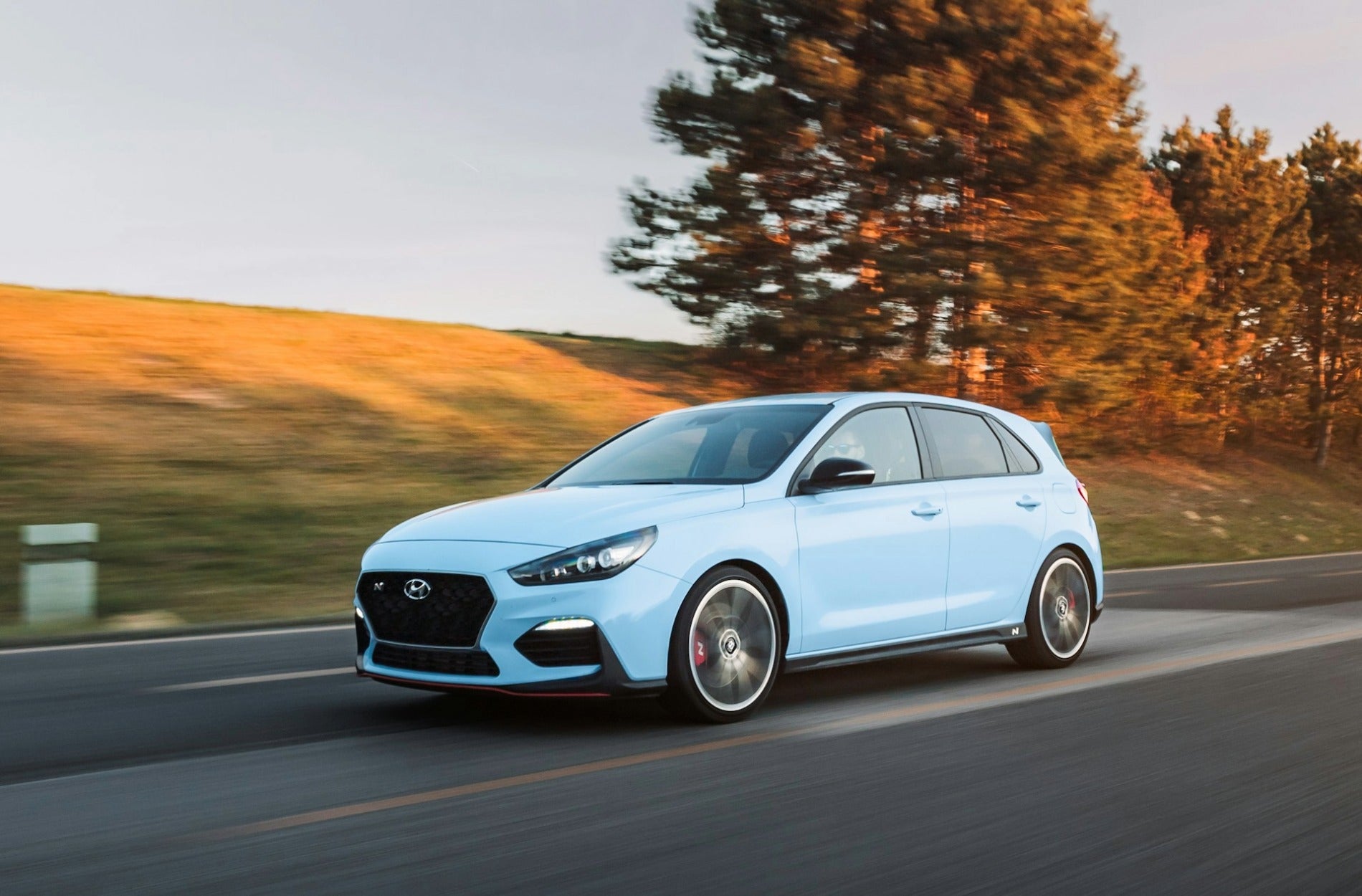
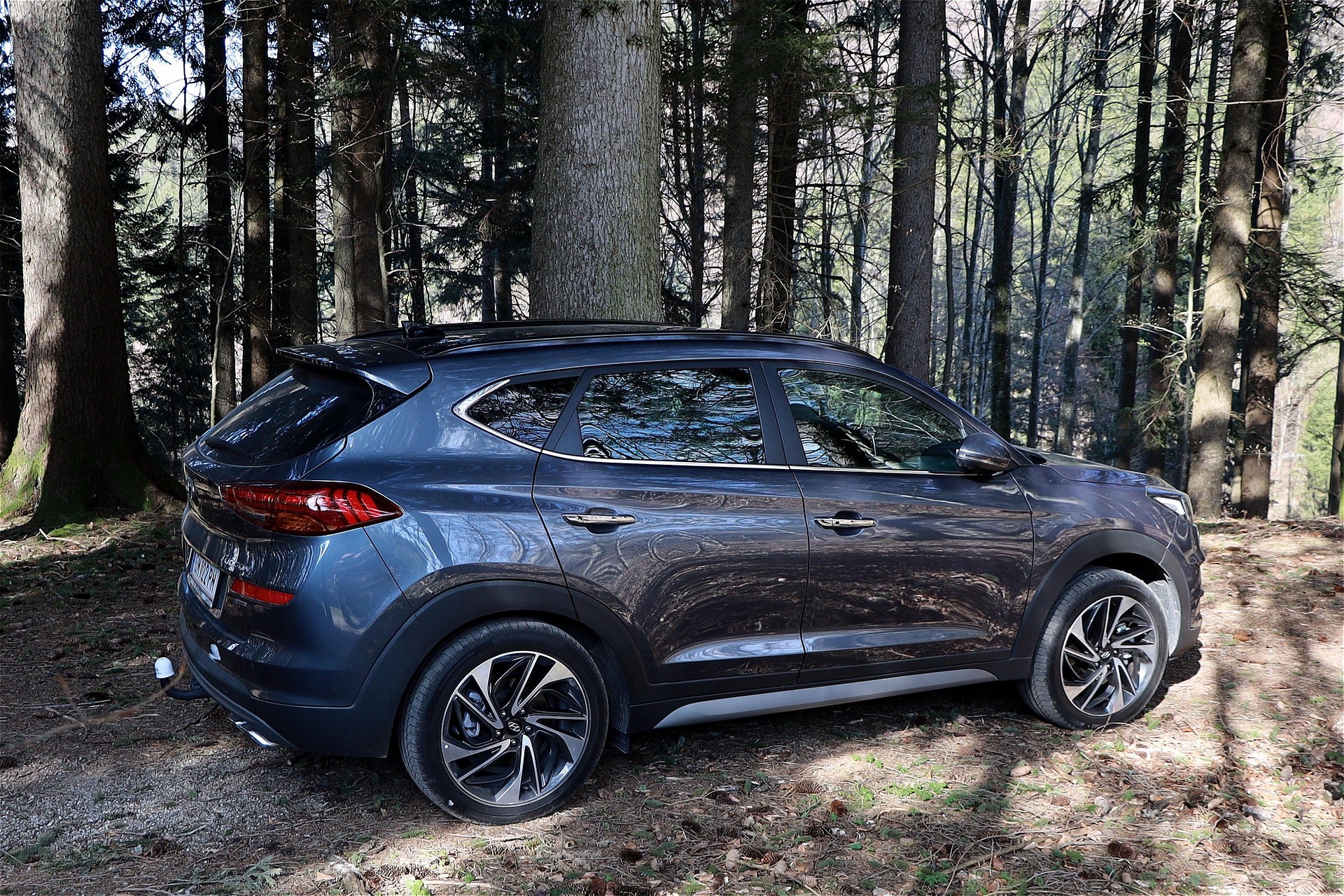
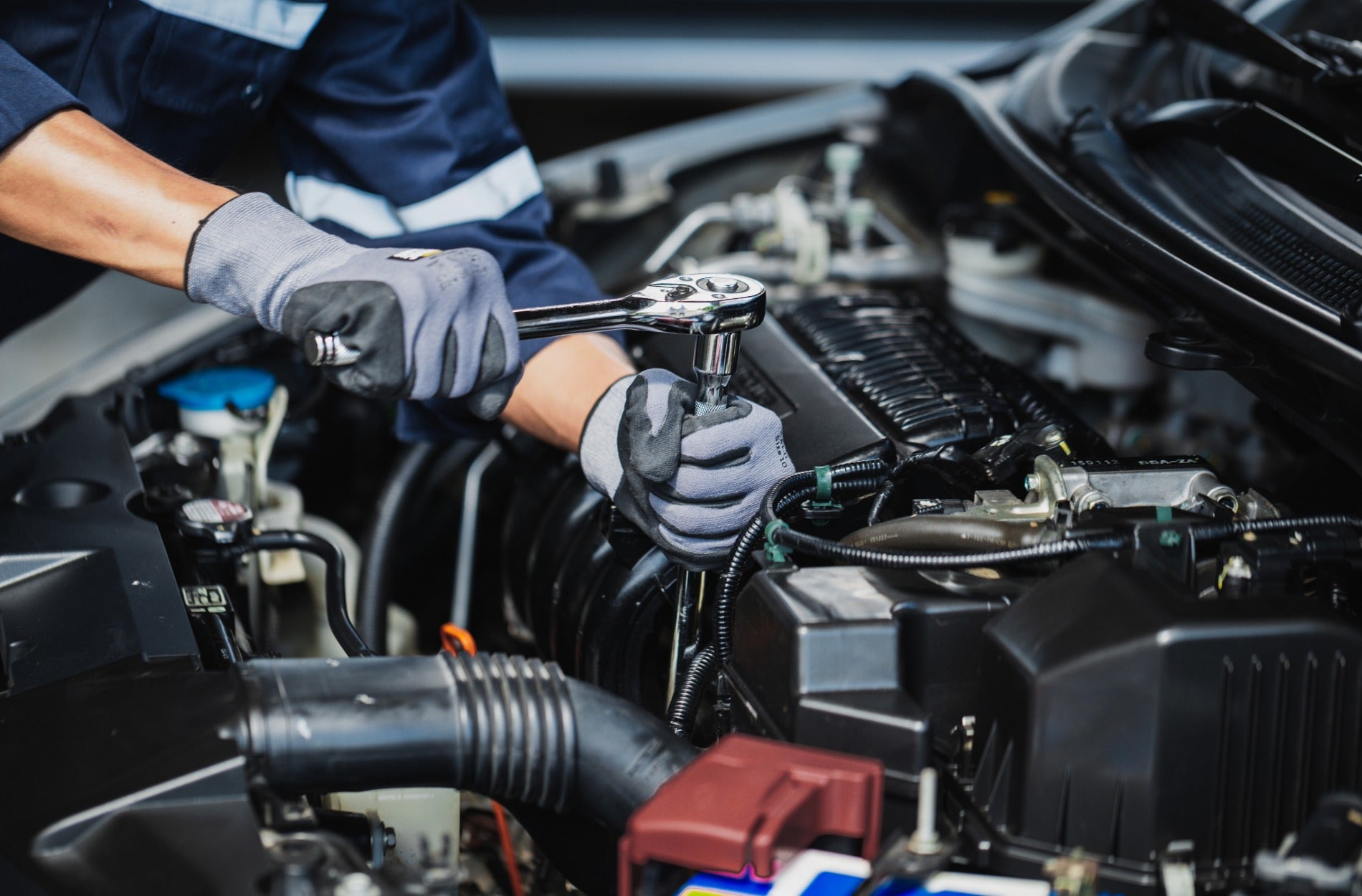
Life gets busy. Between work, errands, appointments, and everything else, taking care of your car can fall farther down the list than it should. But keeping your Hyundai in shape doesn’t have to be time-consuming. That’s where quick service options like Hyundai express maintenance come in. These services make it easier to care for your vehicle without throwing off your whole schedule. Instead of waiting weeks for an appointment or sitting around for hours at a repair shop, express maintenance helps you get in and out with routine services handled fast. For drivers in Suffolk County, it’s a solid option that fits right into an afternoon or even a lunch break. The goal is simple: help you stay on the road, without the hassle. Understanding Hyundai Express Maintenance Hyundai express maintenance is built for convenience. It’s a way to take care of your car’s basic needs without needing to carve out a big chunk of your day. The process is straightforward, and the services are ones every car needs regularly. Here are some common things covered during an express maintenance visit: Oil and filter changes Tire rotations Battery health checks Fluid top-offs such as coolant, windshield washer, or brake fluid Air filter replacement Wiper blade replacement Quick brake inspections Since these services are typically done without extensive repairs or parts delays, they can be completed quickly without sacrificing quality. Hyundai-trained technicians complete the work using genuine parts and tools. You receive the same level of care as a full appointment, just in less time. Think of it like the drive-thru version of car care. It’s quick, reliable, and designed for people who don’t have hours to spare. For example, if you notice a drop in tire pressure but don’t have time to wait days for a full service appointment, a quick visit for express maintenance can take care of it before it turns into something bigger. Key Benefits Of Quick Service Options It’s easy to forget about car maintenance until something goes wrong. That’s why regular quick check-ups are so helpful. They not only save time but also help find small problems before they become bigger and more expensive. Here’s why express maintenance is a smart option for busy drivers: Time-saving – Most services take less than an hour. Easier scheduling – Same-day or next-day slots are often available. Improved performance – Regular care like oil changes and tire rotations help your Hyundai run longer and smoother. Less stress – Knowing your car has been checked by a pro gives peace of mind. Seasonal upkeep – As Long Island heads into November, quick visits help your vehicle handle the changing weather without needing a long appointment. Think of express maintenance as a short pit stop that helps your car stay in top shape. You don’t need to have a specific issue. Just drop in, and the team will handle everything. Even something simple like a rotation and oil change can lengthen the life of your tires and engine through the colder months. How To Make The Most Of Express Service At Riverhead Hyundai Being ready for your Hyundai service visit helps everything go faster. If you feel something off before arriving—such as a warning light or noise—make a note of it and mention it at check-in. The more detail you give, the quicker the techs can address it. When booking, try using online tools to find early or late appointments that fit your schedule. If weekdays are tight, Saturday mornings can be a great time for quick services. You’ll start the week with one less thing on your list. While your vehicle is getting serviced, Riverhead Hyundai offers amenities like free Wi-Fi, coffee, and a clean waiting area where you can relax or work. Some updates might even come through text so you’re not left wondering how much longer it’ll take. Before leaving, ask whether the inspection found any other issues. Express maintenance is quick and focused, but if something bigger is starting to wear down—like your brakes—it helps to know in advance. Bringing your last service receipt or having the techs check your history can also smooth the visit. Why Riverhead Hyundai Is the Best Choice for Busy Owners When every hour counts, you want to go somewhere that understands speed without skipping out on quality. That’s why Riverhead Hyundai has become a dependable name for express maintenance in Suffolk County. What sets our team apart is not just the service time, but how that time is used. Hyundai-trained technicians know these vehicles inside and out. They’re focused on being accurate and efficient. That means you’re not hanging around waiting or wondering if shortcuts are being taken. Our staff values your time and your trust. We work hard to make the process smooth from start to finish—whether that’s through flexible scheduling, fast check-ins, or keeping you informed during your visit. Even quick stop-in services are handled with care and attention to detail. Drive Away With Confidence Quick maintenance visits may seem small, but they can make a big difference in how your Hyundai drives and how you feel behind the wheel. When you don’t have to carve out chunks of your day just to get an oil change or tire rotation, regular care becomes easy to fit into life. These short visits help uncover small issues before they grow, give you safer driving through seasonal weather, and help extend the life of your car’s core systems. They protect your investment and peace of mind. For drivers in Suffolk County who juggle tight schedules and daily commutes, Hyundai express maintenance at Riverhead Hyundai offers a way to stay on top of it all—without slowing you down. Keep your time, keep your plans, and keep your Hyundai running at its best. To experience the convenience and quality of express maintenance for your vehicle, schedule a service at Riverhead Hyundai today. Our Hyundai-trained technicians are ready to assist with all your car care needs, from quick oil changes to comprehensive inspections. Don't miss out on the benefits of Hyundai service specials in Riverhead —designed to keep your Hyundai performing at its peak while you stay on track with your busy schedule. Visit us and enjoy a hassle-free experience that fits right into your day.
Transmission engine

Spotting Early Signs Of Transmission Problems In Your Hyundai

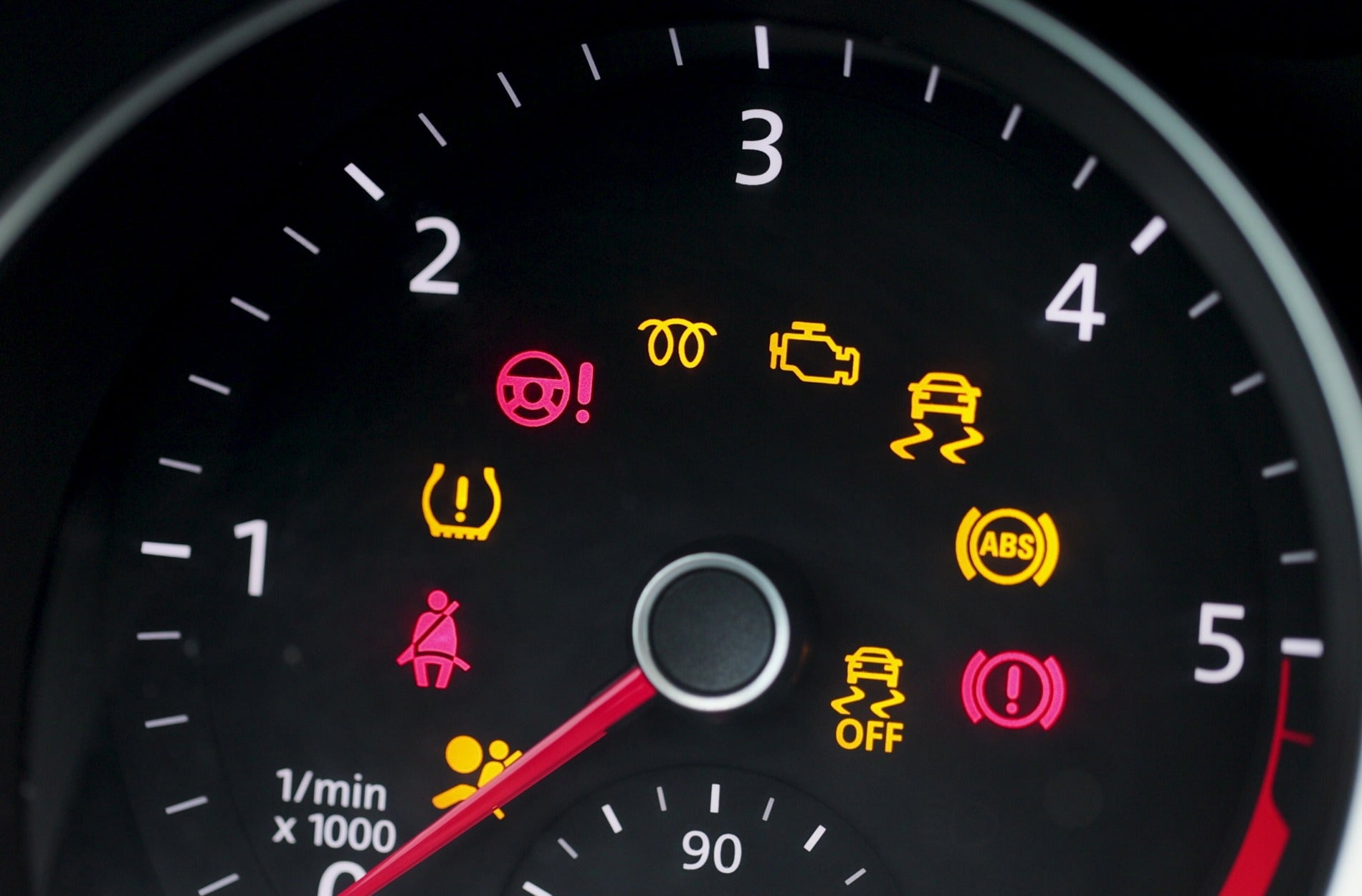
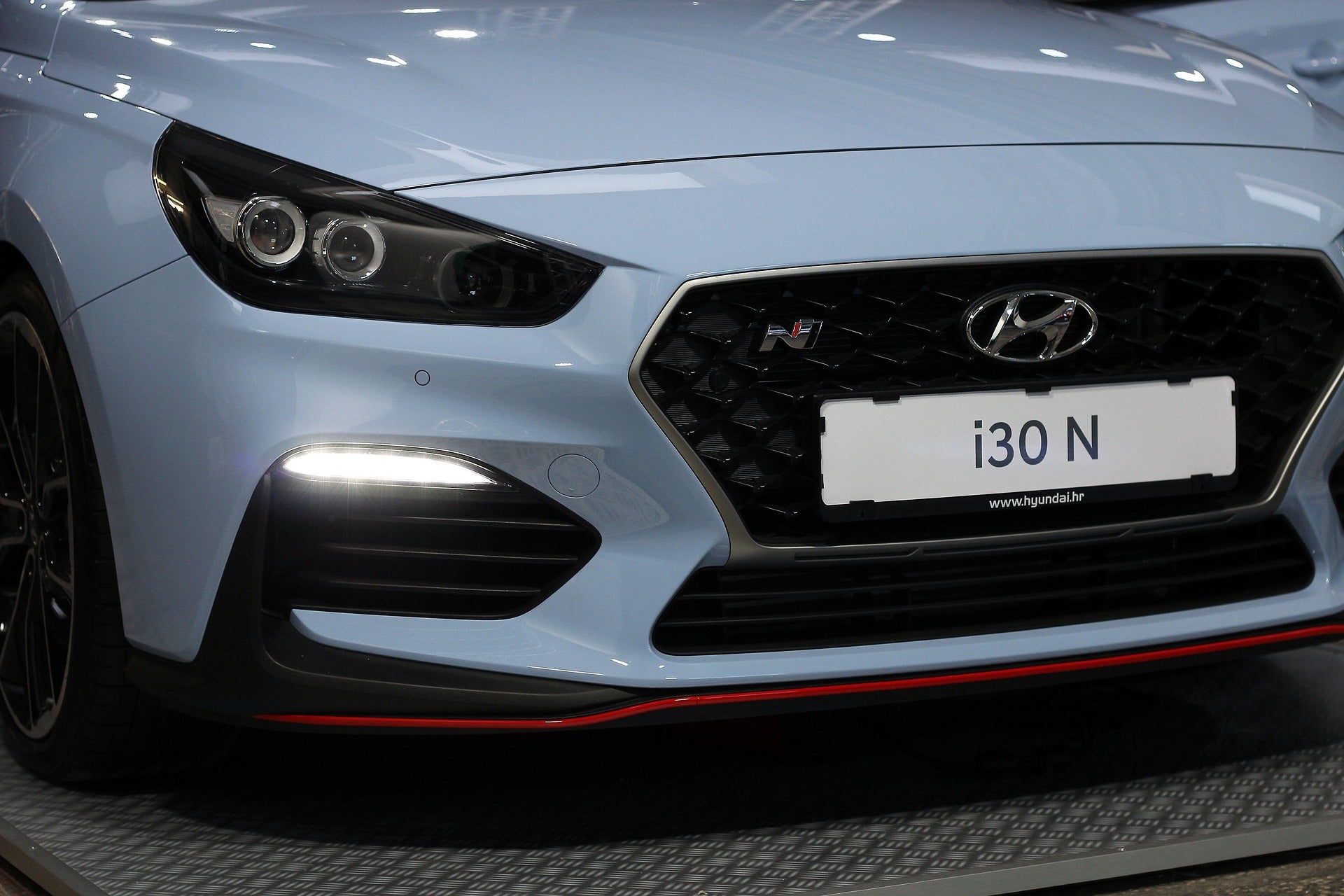
Your Hyundai's transmission is one of its most important systems. It controls how power moves from the engine to the wheels, helping your car shift smoothly and drive safely. When it isn’t working right, you’ll start to notice changes that aren’t just annoying but can become expensive if ignored for too long. Luckily, your car often gives off warning signs before things get worse. Catching those early signs isn’t always easy, especially if you’re used to how your car drives. But taking the time to notice small changes can help you avoid bigger problems down the road. Whether you're commuting from Riverhead or driving through Suffolk County, handling transmission trouble early means fewer headaches and more time on the road without worry. Recognizing Transmission Warning Signs Many transmission problems start small. It may be easy to miss them if you don’t know what to look for. Some signs show up while driving, while others can be spotted when your car is parked. Paying attention to these early symptoms can help you avoid a serious breakdown. Here are a few early warning signs that something might be off with your Hyundai's transmission: Clunking or humming noises: If you hear strange sounds when shifting gears or while the car is idling, it could point to an issue in the transmission system. Burning smells: A burnt odor under the hood may mean the transmission fluid is overheating. This can damage other parts if not taken care of. Warning lights on the dashboard: When the transmission control module picks up a problem, it often triggers the check engine light or another warning light. If that happens, it’s time to take it seriously. Slipping gears: If your car suddenly changes gears without you doing anything, or if it feels like it’s struggling to stay in gear, that’s a strong clue that the transmission is acting up. Delayed shifting: If you step on the gas and there’s a pause before the car moves or changes gears, something may be off. Each of these signs can point to a developing issue. You don't have to be a mechanic to notice when something feels off. One good example is when you're at a red light and your car hesitates or jerks as you start moving. That hesitation could easily be brushed off, but it might be an early warning from your transmission. Performance Indicators of Transmission Troubles Beyond sounds and smells, how your Hyundai performs during everyday use can clue you in when something’s not right. If your driving experience starts to feel different than normal, it’s worth paying closer attention. Sluggish performance is something a lot of people notice first. Maybe it takes longer for your car to get up to speed. Or maybe it lags when climbing hills or merging onto highways. These delayed responses can come from a transmission that’s having trouble transferring power the way it should. Another performance-related red flag is difficulty shifting. If your car hesitates when going from park into drive, or if you feel a hard jerk shifting between gears, that’s no small issue. Smooth gear changes are the goal. Anything rough, sharp, or unsettling isn’t how it’s supposed to work. A few key behaviors to watch for: Gear changes that feel rough, delayed, or unpredictable Slower acceleration even when pressing the gas pedal normally Feeling like your car is stuck or losing momentum unexpectedly Overall, if your vehicle doesn’t feel as responsive as usual, the issue could start with the transmission. Fall in Suffolk County means cooler temps and changing weather. That makes this a smart time to pay attention, especially before the winter driving season sets in. If things feel off, don’t ignore them. Small performance shifts can turn into bigger problems fast if they go unchecked. Transmission Fluid Checks and Leaks One of the simpler things drivers in Suffolk County can stay on top of is transmission fluid. This fluid keeps the transmission’s moving parts cool and lubricated. Without the right amount or condition of fluid, the whole system works harder than it should and eventually wears out. Low or dirty transmission fluid can cause slipping, rough gear changes, or strange noises. Over time, it can build up debris or lose the ability to cool the transmission correctly. Check your driveway or garage floor for red or brown fluid spots. This kind of leak might show up near the front of the vehicle and is usually different from oil or coolant leaks because of its color and slight sweet smell. To keep things running smoothly, here are some fluid-related things to watch out for: Puddles or stains under your car after it's been parked for a while Fluid that looks dark or smells burnt Transmission warning light, if your model is equipped with one Jerky or irregular shifting while driving You can also check the fluid condition using the dipstick, but be careful. Some newer Hyundai models don’t have a traditional dipstick and may require professional help to assess fluid levels. And even when the fluid looks okay, that doesn’t mean the system is completely healthy. Heat or internal wear can still be causing other issues, especially if you’re towing or doing a lot of stop-and-go driving. If you notice liquid on the ground and aren’t sure what it is, don’t take chances. Leaks can go from minor to serious quickly. It’s always better to get a second opinion than risk permanent damage. When to Seek Professional Help in Suffolk County There’s a fine line between minor oddities and bigger issues. If you’ve seen more than one sign on the list, it might be time to get things checked out. Transmission problems don’t go away on their own. In fact, they tend to snowball. The sooner a technician can look things over, the less likely you’ll end up stranded or stuck with a higher repair bill later. So how do you know when it’s time to involve someone? Think about these situations: You’ve checked the fluid and it’s discolored, smells bad, or is leaking The car shifts too slowly or skips gears altogether You’ve seen new warning lights that haven’t gone away Things just don’t feel right, especially when turning or stopping You know how your Hyundai usually drives. Changes in smoothness, response time, or noise should never be overlooked. If you’re hearing grinding or feeling a sudden jerk when shifting, it’s already past the point of just keeping an eye on it. Late fall in Long Island is a smart time to prep your car for colder mornings and heavier traffic as holiday travel begins. A quick check can make sure your transmission is ready to handle it all without surprise failures. Regular transmission service and inspections help avoid those problems from building up silently. Getting it looked at by someone who works on Hyundai models daily means you’re more likely to spot the real issue the first time, something an internet search or generic tip list can’t always guarantee. Keeping Your Hyundai on the Road Longer Transmission problems rarely show up overnight. They build up little by little through heat, stress, leaks, or neglect. Paying attention to the early sounds, shifts, and signs gives you a real shot at avoiding expensive repairs down the line. Changing weather on Long Island can also affect how your vehicle performs, so staying alert to changes in the fall and winter is an added layer of protection. If something feels off during your drive, maybe a tug during a gear shift or a slow reaction pulling out of a parking lot, it’s worth checking. That peace of mind knowing everything under the hood is working right is something every car owner wants. And if something is going wrong, it's better to know about it now than when you're hundreds of miles from home or halfway through a holiday trip. Keeping transmission problems from growing is about being aware. It's not about guessing what’s wrong or waiting for the worst to happen. A simple check by someone trained to spot Hyundai-specific issues can go a long way in keeping you and your vehicle on the road safely. Experiencing any of the signs mentioned earlier? This could mean it's time to focus on Hyundai repair services in Suffolk County to get your vehicle checked before small issues turn into costly repairs. Let Riverhead Hyundai’s team handle the diagnosis and take care of the fix quickly so you can drive with peace of mind through every season.

Hyundai

What Those Knocking Sounds Mean In Your Hyundai Engine

Hearing a knocking sound from your Hyundai's engine can be pretty unsettling. It usually catches people off guard, especially when everything else seems normal. You’re driving along, maybe just coming back from the store in Riverhead, and suddenly there’s this steady tapping or knocking that wasn’t there before. It's not the kind of noise most folks ignore for long, and for good reason. That sound usually means something deeper might be going on under the hood. Addressing engine noises early can save you a lot of trouble and money down the line. When left unchecked, these knocking sounds can turn small, manageable fixes into large, expensive ones. No one wants to get stranded or risk long-term engine damage. The good news is that these noises almost always offer some warning before major problems show up. Knowing what causes them can help you spot trouble early and keep your Hyundai running strong, especially with the change in seasons taking place across Long Island. Common Causes Of Engine Knocking There are a few typical reasons your Hyundai might start making knocking sounds, and most of them start small. These issues tend to build up over time, so the sooner you can catch them, the better off you’ll be. Here are some of the more common causes to watch for: Poor-quality gas: Using fuel with a lower octane than your engine requires can cause air and fuel in the cylinder to ignite unevenly. That uneven burn causes the knocking sound, especially when accelerating. Carbon build-up: Over time, carbon deposits from burned fuel can collect on engine parts. This messes with the shape and size of the combustion chamber and can lead to pre-ignition and knocking. Worn spark plugs: Spark plugs set off the combustion in your engine, and if they’re old or dirty, the timing could be off. That makes your engine work harder to handle something it usually does easily, resulting in knocking. Incorrect engine timing: Timing is everything. If the ignition happens too early or late, you'll hear a knock. Improper timing can result from a bad sensor or another electrical problem. Low-quality engine oil: Oil that's too thin or dirty can’t protect engine parts the way it should. If the moving pieces grind too much, you might hear what sounds like knocking or tapping. Each of these issues affects how your engine burns fuel or how its parts move and interact. For example, if you're filling up with low-grade gas every week to save a bit, it might come back to bite you through damaged engine components or poor mileage. Catching these kinds of habits early or adjusting the way you maintain your car can make a big difference. When Engine Knocking Signals Bigger Problems While some causes of engine knocking are simpler to deal with, others point to deeper wear or damage. When those knocking sounds don’t go away, even after simple fixes or fuel changes, it’s time to consider more serious possibilities. Here are signs that knocking might be something more than bad gas or dirty plugs: Engine detonation: This is when fuel explodes in more than one place inside the cylinder. That split explosion causes a sharp knocking or pinging sound. It’s not something you want happening often, as it can damage pistons and valves. Worn rod bearings: Bearings help engine parts move smoothly. As they wear out, especially from lack of clean oil, the parts start to rattle. This creates a deep knocking sound from under the hood, especially during acceleration. Piston slap: Pistons move up and down inside cylinders very quickly. If there’s too much space between them due to wear, they’ll start hitting the sides, causing consistent knocking. This usually gets worse when the engine is cold. Valve issues: Faulty or poorly adjusted valves can lead to a tapping noise. It’s different from detonation but might sound similar to some drivers. If left alone, it can lead to damage that affects timing and compression. Crankshaft damage: One of the most serious causes. A damaged crankshaft or its bearings can lead to knocking that gets louder with engine speed. If the knocking keeps getting worse, it's probably time to stop driving and get help. What sets these problems apart is how persistent the noise becomes and how it's felt while driving. A quick knock when starting the engine isn't the same as a knock that gets louder as you speed up or climb uphill. If you notice any changes in performance alongside engine knocking, like a drop in power, worse fuel mileage, or rough idling, it’s smart to act fast. The knocking noise might seem minor now, but these deeper problems can lead to engine failure if ignored. That’s not the kind of surprise anyone wants right before winter hits in Suffolk County. Keeping on top of engine health now saves you a major headache later. Immediate Actions To Take If You Hear Knocking Hearing a knocking noise in your Hyundai's engine doesn’t always mean disaster, but it does mean you shouldn’t ignore it. Once you hear the sound, even if it’s faint, your next steps matter. Acting quickly can keep you from dealing with much bigger issues down the road. Start with basics. Check the fuel you’ve been using. If you’ve been filling up with a lower octane than the owner’s manual calls for, stop. Try switching back to the correct or a higher-quality fuel and see if the knocking fades after a few tanks. Fuel-related knocking usually responds quickly to changes. If nothing changes or the noise gets worse, move on to more mechanical possibilities. There are also engine parts you should get inspected as soon as possible: Spark plugs – If they’re worn, dirty, or damaged, they may not be firing at the right time. That alone can cause knocking. Oil quality and level – Dirty or low engine oil can reduce lubrication, causing parts to knock or tick when the car is running. Replacing oil at the right intervals is key. Knock sensor – Many Hyundai models use a sensor to detect and adjust for early combustion. If this fails, your engine won’t self-correct when knocking starts. Air filter – A clogged air filter can mess with the air-to-fuel ratio, which may lead to uneven combustion, causing knocking or pinging sounds. Timing belt or chain – If it's slipping or wearing out, your ignition timing could be off. This can lead to noise, especially on acceleration or idle. Even if you know your way around a toolbox, diagnosing engine knocking isn’t something you should tackle at home. The cause might be deep inside the engine, and driving around with these unknowns only adds more wear. Taking action as soon as you hear consistent knocking, even if the car still drives fine, gives you the best chance of fixing things early and avoiding a full-blown repair. Why Professional Help Matters Engine knocking isn’t something to brush aside, and it also isn’t something to guess your way through. Even seasoned car owners end up surprised when a noise they assumed was minor turned into something big. That’s where a trained Hyundai technician comes in. Getting a proper diagnosis is the first step in getting your car back to smooth, quiet performance again. At a Hyundai service center in Riverhead, you’ll get access to factory-trained experts who know Hyundai engines inside and out. Using the latest equipment, they can read the codes from your vehicle’s onboard computer, inspect key components like pistons and bearings, and run a full compression check if needed. This process helps prevent guessing and makes sure the issue is fully understood before any repairs begin. Whether the problem turns out to be as minor as a bad spark plug or something deeper like bearing wear, having someone who regularly works on Hyundai models makes a difference. They’ll use the right procedures, parts, and diagnostic tools, which is what your engine needs to perform like it should. If you're local to Suffolk County and driving regularly between work, errands, and weekend trips, this becomes even more important. Fall and the beginning of winter don’t offer much forgiveness when it comes to engine trouble. That extra clicking or ping could mean your engine isn't ready for colder temps and longer idle times. Keeping Your Hyundai Engine Running Strong Avoiding engine knocking down the road comes down to small habits over time. Staying proactive with maintenance gives your engine the support it needs, especially in areas like Riverhead, where cold weather and traffic can place extra strain on your vehicle. Here’s what to keep an eye on moving forward: Stick to your vehicle's recommended service schedule. Oil changes, filter swaps, spark plug inspections—none of these should be skipped. Don’t skimp on fuel. Use the recommended octane level found in your Hyundai owner's manual. Cheaping out at the pump may cost you more later. Keep an ear out for new noises and changes in performance. If something feels off, don’t wait to get it checked. Check your oil regularly, especially if temps are dropping. Cold weather can make older oil thicker and less effective, which leads to wear. Schedule seasonal checkups. As fall moves to winter, make sure your fluids are fresh and your engine is ready for lower temperatures. You don’t need to be an engine expert to avoid knocking. A few thoughtful habits and routine inspections help prevent surprises and keep your Hyundai running well across Suffolk County, no matter the season. Taking these steps now also helps your car age better and hold value, whether you’re driving it long-term or planning to upgrade in the future. Understanding the sounds your engine is making and acting on them early is one steady way to stay ahead of big repairs and long downtimes. Keep your confidence high and your mind at ease by addressing engine knocking with the right help. Trusting professional care ensures your vehicle remains in top shape. For comprehensive inspections and expert advice, schedule service through our Hyundai service center in Riverhead. Explore how Riverhead Hyundai can support your engine's health with expert care and maintenance services.

Hyundai

Year-End Rebates On New Hyundai Models

As the leaves finish falling and the air starts to cool, drivers in Suffolk County start planning for the end of the year. That just so happens to be the sweet spot for buying or leasing a new car. Why? Because automakers and dealerships often roll out their best incentives before the calendar flips. November is one of the best times to take action, especially when it comes to year-end cash back offers on new Hyundai models. Many folks wait all year for the month of November. It’s when those big savings finally arrive, whether you're eyeing a sedan, SUV, or crossover. Whether you’re getting ready for holiday road trips or just looking to trade in your older car, this is the time to explore Hyundai cash back offers in Suffolk County. A deal during this season could mean driving into the new year with something that feels brand new without putting you in a tight financial spot. What Are Year-End Rebates? A year-end rebate is a type of incentive offered near the end of the calendar year. It’s a way for automakers to clear out current-year models to make room for the incoming inventory. Instead of marking down the price directly, dealerships or manufacturers offer a rebate that gets applied to your final cost. Here’s why this can be a smart move if you’ve been holding off on purchasing: The savings aren’t always tied to your credit score like financing plans sometimes are You can combine the rebate with other incentives, like loyalty rewards or special financing, when available It’s a direct reduction in what you pay, making it easier to stay within your budget Year-end rebates tend to show up most clearly in November and December. That’s because dealerships want to make room for next year’s lineup, and that urgency often results in better deals for customers. It's a win-win sort of timing. You get to take home a new model with current features while also paying less than you might have just a couple of months earlier. Think of it like buying a winter coat just before brands switch to spring collections. One common misconception is that rebate offers apply only to outdated trims or styles. That’s not usually the case. Plenty of brand-new or current models are included. And since these are recent-year vehicles, you still benefit from modern features and updated designs. The end-of-year discount just sweetens the deal. If you’re considering a car purchase any time soon, it’s worth finding out which Hyundai models come with year-end cash back options. You might be surprised at how much value you can get with a little seasonal timing. Featured Hyundai Models with Cash Back Offers As the year winds down, several current Hyundai models tend to get included in cash back promotions. These aren't leftovers or hard-to-sell trims. They're well-known vehicles trusted by many drivers and packed with updated technology and safety tools. Depending on availability, here are some models that have been known to feature rebate options during this season: Hyundai Elantra: This compact sedan is great for commuters who want something sleek, fuel-efficient, and surprisingly roomy. Most trims offer wireless Android Auto and Apple CarPlay, making it easy to stay plugged in Hyundai Tucson: With a spacious interior and a smooth ride, the Tucson is a solid pick for families or anyone needing extra cargo space. Some versions come with all-wheel drive, which is useful once Suffolk County roads get slick in winter Hyundai Santa Fe: Somewhere between midsize and full-size, this SUV offers a nice middle ground for drivers who want tech upgrades and passenger comfort. Many models offer lane assistance and adaptive cruise control Hyundai Sonata: Not just about looks, the Sonata brings advanced safety features and modern infotainment tools in a refined package. It has the feel of a premium car without the steep cost For example, someone picking a 2025 Hyundai Tucson in late November might find a promotional rebate applied directly to the price. Figures vary by time and location, but the idea is the same. These deals make it easier to lock in a new ride before the arrival of snow and holiday travel. How to Take Advantage of Hyundai Cash Back Offers If you're ready to explore these offers, make a game plan. The best deals are often time-sensitive. While it’s not difficult to claim them, showing up prepared can make the process quicker and smoother. Try this quick checklist: Know which vehicle you're most interested in before heading to the lot Bring along recent pay stubs or financial documents in case you plan to apply for financing Schedule an appointment or contact the dealership to ask what rebates are currently available Ask questions about how the rebate is applied. Sometimes it comes off the price upfront, other times it’s given as a check Don’t forget trade-in options. Your current vehicle’s value might also help bring down your final cost These rebates often overlap with low financing rates, loyalty bonuses, or special lease incentives, but timing is everything. November is a hot window because dealerships are trying to meet year-end goals. Vehicles can move quickly during this season, so timing your visit ahead of the busiest shopping dates like Thanksgiving weekend may give you more breathing room and better availability. Why Shop at Riverhead Hyundai for Year-End Deals Buying close to home comes with perks. When you shop right in Suffolk County, you're not just saving travel time. You’re choosing convenience for test drives and check-ins. It also means faster help if you ever need service later on. Local dealerships respond to what their neighbors need. Inventory and offers are usually planned with nearby drivers in mind. Whether you’re commuting west daily or running errands between Riverhead and Greenport, having a vehicle that fits your local lifestyle matters. And since winters in Long Island bring unpredictable conditions, speaking to folks who understand regional roads helps when making seasonal choices. Whether you’re looking for front-wheel drive or something with all-wheel capability for frosty mornings, local guidance makes a real difference. Drive Home Happy with Year-End Savings Choosing the right vehicle isn’t just about what’s shiny on the lot. It’s about timing, value, and having a clear path forward, especially as the year comes to a close. Cash back events give shoppers a chance to see real savings on vehicles loaded with modern features that meet their everyday needs. As the calendar flips and colder weather settles in, it feels good to be behind the wheel of something reliable. Year-end rebates in Suffolk County are a great way to end the year on a smart financial note. Whether your old car’s ready to be replaced or you’ve just been waiting for the right deal to come around, now’s the time to take a closer look. As you plan your next vehicle purchase, consider exploring Hyundai cash back offers in Suffolk County to get more value without added stress. These limited-time deals can help you ease into a new Hyundai with confidence and savings. Riverhead Hyundai is here to support you through every step, whether you're upgrading or purchasing your first vehicle.

Hyundai

Red Flags To Watch For When Buying A Used Hyundai

Buying a used car can be a solid way to save money, especially when you're looking at trusted brands like Hyundai. They are known for their reliability and comfortable ride, but that doesn’t mean every used Hyundai you find in Suffolk County is a good deal. When you're browsing the market, the goal isn’t just about saving money. It’s about finding a vehicle that will perform well without unexpected problems soon after you drive it home. Used cars carry a backstory, and not all of it is easy to spot. Maybe it’s an accident from years ago or routine maintenance that got skipped—what seems small now could turn into a big issue later. If you’re on the hunt for a used Hyundai in Suffolk County, there are a few red flags to watch out for. Knowing what to check can help you avoid costly mistakes. Check The Vehicle History Report Before you take that first test drive, ask to see the vehicle history report. It’s one of your best windows into a car’s past. The report pulls information from local DMVs, insurance agencies, repair shops, and more so you can get a clearer picture of the vehicle’s background. Here are a few key details to review on the report: Accident history: Look for any signs of past collisions or structural damage. Service records: A car with regular oil changes and scheduled maintenance shows it was well taken care of. Title status: Check for salvage titles, flood damage, or anything unusual that might lower the car’s value or point to reliability issues. Number of owners: A car that changed hands several times in a short time span could signal trouble. If a seller avoids showing you the report or won’t give a straight answer about it, that’s a big warning sign. A clean vehicle history report lets you move forward with more confidence. While it’s not the only thing to check, it’s a smart place to begin. Inspect For Signs Of Wear And Tear After checking the paperwork, take time to look over the car in person. It’s okay to see some aging, but there’s a fine line between normal wear and neglect. You'll want to give the exterior, interior, and under the hood a good once-over. Start with the tires. Uneven wear can point to alignment issues or deeper problems with the suspension. Bald patches might suggest that the previous owner didn’t stay on top of maintenance. Next, check the brakes. Any scraping or grinding when you press the pedal could mean the pads or rotors are worn. Under the hood, look for leaking fluids, frayed belts, or corrosion around the battery. Inside the car, watch for excessive wear on things like the seat fabric, steering wheel, and buttons. A well-worn interior might mean the car has been driven more than what the odometer shows. If you notice a musty or moldy smell, that could point to water damage—something you don’t want to deal with later. Hiring a professional mechanic to do a pre-purchase inspection is a smart move. They can catch issues that aren’t obvious and help give a full picture of the car’s condition. A small investment up front can save you from major repair bills later. Verify The Mileage Mileage plays a major role in deciding if a used Hyundai is worth the price. It gives you a rough idea of how much wear the car has been through. Still, the numbers can be tricky. High mileage doesn't always mean bad, and low mileage isn't always good. Let’s say you're looking at a 10-year-old Hyundai that only has 30,000 miles on it. That might seem like a great deal, but it may raise some concerns. Has it been sitting unused for long periods? Vehicles that sit too long can develop problems like flat-spotted tires, battery drain, or dried-out seals. On the flip side, a car with 150,000 miles might still run very well if it’s been properly maintained. What really matters is how the car was used and cared for. Highway miles are easier on a vehicle than city miles. You won’t know the full story from mileage alone, but it can give you a direction to investigate further. Always match the mileage with service records. If the numbers don’t line up, ask questions. Odometer fraud is rare, but it still happens and can cost you time and money in the long run. Test Drive The Vehicle One of the most important steps in the buying process is the test drive. Don’t skip it, and don’t rush it either. You want to get a feel for how the car drives and pay attention to anything that might seem off. Try out a mix of driving environments—surface roads, highways, and if you can, some bumpier roads. Here’s what to keep an eye (and ear) out for during the drive: Acceleration: Make sure the engine responds well and runs quietly. Braking: The brakes should be firm, not soft or squeaky, and the car should stay straight when stopping. Steering: It should feel smooth and centered. If the wheel shakes or pulls, it might need an alignment. Transmission: Gear changes should be smooth, whether it's automatic or manual. AC and heat: Test the AC and heating for proper airflow and temperature. Dashboard lights: Make sure warning lights turn off once the engine is running. Listen for any strange sounds like clunks, rattles, or squeals. If something catches your attention, don’t ignore it. That quick test drive could help you dodge a long-term problem. Examine Ownership And Maintenance Records Knowing who owned the car and how it was maintained gives extra peace of mind. Maintenance records can show a pattern of care—or highlight missed steps that might hurt the car’s performance. Ideally, you want to see a consistent schedule of services—oil changes, tire rotation, fluid checks—spread evenly every few thousand miles. If those records look good, the car probably was treated well. On the other hand, if there was a big repair like an engine rebuild followed by a two-year gap with no visits to a mechanic, that could mean the car didn’t get the attention it needed afterward. Fewer past owners usually works in your favor, especially if one person owned the car for several years and made an effort to keep it in shape. A car that's bounced between multiple owners in a short time might raise more questions than it answers. If you're shopping for a used Hyundai in Suffolk County and the service log shows regular checkups at local shops, that's a reassuring sign. When a car has no records at all, it’s not an automatic no, but it’s something worth asking more questions about. Why Riverhead Hyundai? Used cars don't always come with a clear past, and it’s easy to overlook small details that turn into big problems. That’s why it’s so important to know what to look for. The warning signs we shared—like unusual mileage, skipped maintenance, or questionable ownership history—can help you avoid picking a car that’s more hassle than it’s worth. At Riverhead Hyundai, we understand what customers in Suffolk County are up against when shopping for a used Hyundai. That's why we go the extra mile to offer well-maintained vehicles and experience-backed guidance through every step of the purchase. From reviewing history reports to helping you arrange a professional inspection, our goal is to make sure you drive off confident and satisfied. Buying a used Hyundai doesn’t have to feel risky. When you know what red flags to watch for and work with a team that knows what matters, it’s easier to find a car you can count on. Getting ready to choose your next vehicle? Explore available options for a used Hyundai in Suffolk County and let Riverhead Hyundai help you make a choice that fits your lifestyle and budget. Our team is here to make your car-buying journey clear, easy, and stress-free from the start.

Hyundai

Low Monthly Payment Options For Your Next Hyundai

If you're looking to stay within budget while still driving a reliable and stylish vehicle, leasing a Hyundai might be the right move. Leasing offers a practical way to enjoy current features and comfort without the long-term commitment of buying. For many Long Island drivers, it’s a simple way to manage monthly expenses while keeping key transportation needs covered. Low monthly payments are one of the major reasons people choose leasing over financing. You don’t have to worry about stretching your budget to cover a large car payment each month. Leasing usually gives you access to more tech and trim options for less, which makes a big difference when you care about comfort and convenience. Add that to the flexibility of changing vehicles every few years, and it’s easy to see why leasing is such a popular route. Why Leasing A Hyundai Is A Great Option When you're comparing how to pay for your next car, it usually comes down to two routes: buying or leasing. Buying builds ownership over time, but it might not always be the most budget-friendly choice upfront. Leasing, on the other hand, gives you shorter terms, smaller payments, and fewer long-term responsibilities. Here’s why leasing often makes sense for Long Island drivers: Lower monthly cost: Lease deals tend to come with smaller payments compared to traditional auto loans. Fewer repair worries: Most leases line up with the factory warranty, so you're typically covered for any mechanical issues that might pop up. Easy upgrades: When the lease is over, you can slide into a newer model without dealing with trade-in values or selling the car yourself. Latest features: Leasing a new vehicle every few years means you're always driving something with up-to-date safety and tech. For example, if someone leases a Hyundai SUV in the fall, they can enjoy features like heated seats, touchscreen navigation, and smart safety features right when the weather starts to get colder on Long Island. They don't need to miss out on those comforts while trying to fit into a tight budget. Leasing fits well for people who drive the average number of miles each year and like to keep things fresh. If you don’t plan on customizing your car or driving it into the ground over the next decade, it might just be the smarter move. Understanding Hyundai Lease Deals On Long Island With leasing, local availability matters. Lease deals can vary a lot from place to place, and on Long Island, there's a healthy range of options worth exploring. That’s because pricing can change based on inventory, demand, and timing. Since lease offers often have limited windows or end-of-year specials, it’s smart to look sooner rather than later. Long Island drivers searching for affordable leasing should think about what fits best with their budget and lifestyle. Maybe it's a compact Hyundai sedan for city commutes or a hybrid option for better mileage. Some deals may come with lower upfront costs, while others might include extra perks, like scheduled maintenance at no added charge for the term of a lease. Look for local lease offers that highlight: Different term lengths (24, 36, or 48 months) Options to pay less upfront Mileage agreements that match your regular driving routine Bonus deals during holiday weekends or seasonal events If you’re based in Suffolk County, you’re uniquely positioned to take advantage of lease deals built for Long Island cost-of-living and driving conditions. That means more flexibility, fair pricing, and a chance to line up a plan that makes sense for your current needs instead of locking into something long-term. How To Qualify For A Hyundai Lease Deal Getting approved for a Hyundai lease on Long Island is easier when you know what to expect in advance. It’s not just about picking the vehicle you like. Lenders want to feel confident that you're a low-risk customer who’ll keep up with monthly payments and return the car in good condition. Preparing the right information early can help the process move along smoothly. Start by checking your credit score. Most leasing companies look for a solid score, usually in the good or higher range. If your score is lower, that doesn’t necessarily mean you’re out of luck, but your options might be more limited or may come with a higher monthly payment. Next, gather documentation that proves your financial stability. This helps the dealership and leasing company understand your ability to make payments on time. You’ll want to have: Proof of income (recent pay stubs or tax returns) A valid driver’s license Proof of residency (like a utility bill or lease agreement) Proof of insurance Some leases may also require a down payment or a first-month payment upfront, so it helps to have some money set aside. If you’re trading in a vehicle, its value could be used to lower your lease costs. If you're self-employed or earn income in ways that aren't traditional, like freelance or gig work, it’s especially important to have clear records. The more prepared you are before you arrive, the faster everything comes together. Timing also helps. Visiting during seasons when dealerships are offering lease promotions or model-year closeouts can sometimes offset credit challenges or bring extra incentives into play. Fall tends to be a solid time to explore those offers, especially across Long Island when dealerships are looking to move current models before winter inventory shifts into the spotlight. Tips For Getting The Best Hyundai Lease Deal Leasing doesn't have to feel overwhelming when you approach it step by step. Finding a deal that works for your lifestyle and budget is all about timing, planning, and knowing what levers you can actually pull. A little strategy can go a long way in helping you avoid unexpected costs and better understand the full value of what you're getting. Use these tips to help guide your approach: Know your budget ahead of time. Decide what you’re comfortable spending each month and stick to it. Ask about available lease incentives. Some leases include promotions like reduced payments, lower upfront costs, or loyalty rewards for current Hyundai drivers. Don’t overestimate your mileage needs. Going over your lease mileage limit can lead to extra charges, so estimate how much you drive daily and go from there. Compare a few different models. You might find more features or better terms with a slightly different Hyundai that still suits your needs. Read the fine print. Review the terms on wear and tear, required maintenance, and the lease return process. Consider lease-end flexibility. Ask what options you’ll have when the lease is done and whether starting a new lease is encouraged. Even though lease terms are more flexible than financing, you still want to feel good about your choice. The smoother the agreement lines up with your day-to-day, the better it works for your schedule without added stress. Making The Most Of Your Hyundai Lease Once you're in your leased Hyundai, the goal is to keep things running smoothly and avoid surprise charges when it's time to return the vehicle. Just because a lease is temporary doesn’t mean maintenance can be ignored. Keeping up with routine care helps maintain the car’s condition and protects you from extra costs at the end of your lease. Stick to the recommended service schedule listed in the owner’s manual. Regular oil changes, tire rotations, brake checks, and fluid top-ups all help the vehicle stay in great shape. Many dealership service departments can track this information for you, but setting up personal reminders is useful too. Avoid major modifications or customizations that can’t be reversed. Leased vehicles are expected to be returned close to their original state. Any permanent changes, damage, or excessive wear could result in extra charges. As your lease term winds down, you’ll have a few options: Return the vehicle and walk away Start a new lease with a newer Hyundai Purchase the leased vehicle if it still fits your needs and budget Each choice has its own value. If the car is still serving you well, buying it might make financial sense. On the flip side, leasing a new model gives you access to the latest safety tech, better gas mileage, and updated comforts. Give yourself a few months ahead of the lease end date to decide what’s next. Schedule any recommended maintenance, clarify your lease-end terms, and look ahead to what kind of vehicle will fit your lifestyle now. Drive Away With An Affordable Hyundai Lease Leasing gives you a stress-free way to drive the vehicle you want, without overcommitting. It keeps things current, manageable, and lets you match your transportation to your lifestyle. Whether you're staying local in Suffolk County or commuting across Long Island, affordability and comfort matter. The more you know about your local leasing options, the easier it is to decide when, how, and what Hyundai to lease. Think through your needs, plan your budget, and take advantage of seasonal deals when timing is right. A little planning creates a big difference in how comfortable your next ride can be. Discover the comfort and convenience of driving a Hyundai without the commitment of ownership. Explore how our flexible options can fit your lifestyle by exploring our competitive Hyundai lease deals on Long Island. Riverhead Hyundai is dedicated to helping you find the perfect vehicle that meets your needs and budget, keeping you on the road with confidence.

Hyundai

What To Do When Your Hyundai Key Fob Stops Working

It’s frustrating when things you rely on stop working without warning. That’s especially true when it’s your Hyundai key fob. One minute you’re pressing the button to unlock the door, the next you’re stuck outside your car in a hurry with no idea why it stopped responding. Whether you’re headed to work or trying to load up groceries, having a dead or unresponsive key fob can throw off your entire day. The good news is, this is something you can often fix quickly if you catch what’s going on early. From dead batteries to minor signal issues, there are a few potential reasons your Hyundai key fob might not be working. Below, we’ll walk through some of the most common causes and simple troubleshooting steps. By the end, you’ll know exactly what to check and what steps to take to get back on the road with confidence. Common Reasons Why Your Hyundai Key Fob Stops Working Key fob issues can feel like a big deal when you're standing outside your vehicle, but they often come from a short list of familiar problems. Understanding these can help you quickly decide whether it’s something you can address or if your car needs a closer look. Here are a few of the most common causes: Dead or Weak Battery Key fob batteries typically last a few years. When they start to run low, the fob may become inconsistent or stop working entirely. Signal Interference Sometimes your fob is fine, but the signal can't get through. Interference from other electronics or large buildings nearby can block or weaken the connection between the fob and your Hyundai. Worn-Out Buttons or Circuit Damage Key fobs go through a lot of daily wear. Over time, the buttons can become less responsive or the internal circuit board may take damage from drops or moisture. Issues with the Car's Receiver The other half of the system is in your Hyundai. If the onboard receiver isn’t working properly, your vehicle might not be picking up the fob’s signal, even when the fob is working as it should. Being aware of these common issues is the first step to finding a solution, and many of them take just a few minutes to check. Simple Troubleshooting Steps After you've pinpointed what might be going on, there are a few easy fixes to try before bringing your vehicle in for service. These steps can often get your key fob working again quickly and save you a lot of stress. 1. Replace the Battery Pop the casing open—most Hyundai key fobs use a coin-style battery like a CR2032. Make sure to use the correct replacement and insert it with the proper side facing up. 2. Check the Buttons Each press should feel firm. If any button feels mushy or requires too much pressure, it could be due to wear. Gently clean around the edges and avoid pressing too hard with sharp tools. 3. Resync the Key Fob In some cases, the fob and car may become unpaired. Reprogramming it usually involves a series of steps from inside the vehicle. Since it varies by model, it’s often best left to professionals. 4. Rule Out Interference If your fob acts up in one location but works fine somewhere else, the issue could be signal interference. Move to a different area and test for a response. If none of these quick checks solve the issue, it may be time to take the next step. When Simple Fixes Don't Work If the battery is fresh, the buttons work, and there’s no interference, but the fob still isn’t doing its job, don’t panic—there are still options. Most Hyundai key fobs include a hidden metal key. Slide the release switch and pull it out from the casing. You can use this key to manually unlock the driver-side door. It’s a small safeguard built in for times just like this. Starting the car is trickier if your model has push-button start. Hyundai vehicles often allow you to start the engine by holding the fob near the button itself. The fob might still be readable even with a weak or dead battery. Check your owner’s manual for the exact location—on some models, there may be a dedicated slot near the steering wheel. If your vehicle doesn’t respond at all, that's a good indication that the issue goes deeper. It could be a problem with the car’s receiver, a bad connection, or internal fob damage from water or being dropped. That’s when expert help becomes the smart move. Finding Hyundai Repair Services in Suffolk County Once it’s time to bring in help, you want a shop that truly understands your Hyundai. Not every repair center has the tools or training to handle keyless entry and smart ignition systems properly. Here’s what to look for when choosing a service provider in Suffolk County: They specialize in Hyundai vehicles. This means your car's unique systems won’t be a mystery to the technicians. They use Hyundai-specific diagnostic tools, which help quickly pinpoint what’s going on without endless guessing. They run complete system checks—both in your fob and inside the car’s electronics—so nothing crucial gets overlooked. They offer transparent prices with detailed estimates upfront. That way you know what the cost will be before the work begins. They’re nearby and easy to reach, so help is never far if you run into problems again. Regular service visits can also help prevent future fob failures. Dealership service departments often check not just the car battery and engine functions, but software updates, key fob battery life, and signal systems too. It’s a small step that can save you from much bigger hassles down the road, especially when winter weather hits. Keeping Your Key Fob in Good Condition Once your fob is working again, a little care can extend its lifespan and prevent trouble later on. Try these habits to keep your key fob in top shape: Avoid tossing your key fob in places where it can get crushed, like a packed tote or tight jean pocket. Keep it away from water. Even light splashes can sneak past the plastic casing and cause damage inside. Store your key fob away from magnets and chargers. Strong nearby signals can affect how your fob communicates with the car. Change the battery at the first sign of sluggish performance. If the fob only works from close range or not every time, it’s probably time for a new one. It also helps to keep a spare battery on hand, especially during busy seasons or long trips. If problems keep coming back no matter what you try, there could be deeper damage inside the fob or your Hyundai. At that point, trust a professional to run a thorough check. Smooth Driving Ahead with a Functional Key Fob Life’s too short to spend your morning locked out of the car. A reliable Hyundai key fob keeps your day on track—from quick grocery trips to long hauls across Suffolk County. Most issues come down to the battery, signal disruption, or natural wear from daily use. Knowing how to spot those problems early makes all the difference. And when the problem sticks around, putting your trust in a qualified Hyundai repair service in Suffolk County gives you peace of mind. With the right support, you won’t have to worry about fob troubles popping up again. Instead, you’ll drive off with everything working the way it should. For dependable Hyundai repair services in Suffolk County, count on Riverhead Hyundai to keep your key fob and vehicle working like they should. Our experienced technicians can pinpoint hidden issues and provide quick, reliable fixes. Book your appointment today and get trusted service close to home.

Hyundai tires

Signs Your Hyundai Needs New Tires This Fall

Fall on Long Island is beautiful, but it also brings some challenges for drivers. With cooler temperatures, fallen leaves, and wet roads, having dependable tires makes a big difference in how your Hyundai handles. If your tires are worn out or uneven, you might start to notice signs that it's time for a replacement, especially during the back-and-forth weather swings that come with the end of October. Driving around Riverhead, you count on your tires more than you think. Whether it’s commuting to work, heading east for pumpkin picking, or getting the kids to school, your tires need to be in good shape to get you there safely. And when they start wearing out, they’ll show some pretty clear signs if you know where to look. Visible Tire Wear Indicators Tire wear is one of the easiest ways to tell when it might be time to replace them. Once your treads start wearing down, traction takes a hit and that means your Hyundai could struggle more to grip wet or leaf-covered roads. Here are a few clues to keep your eye on: Low tread depth: I f the grooves in your tire are shallow or smooth, it's a signal that the tires may no longer be safe for fall driving. Wear bars showing: These are built into the tread, and once they’re level with the surface, that’s a sign your tire has reached its safe limit. Uneven wear patterns: If one side of the tire is more worn than the other, it could mean there’s an issue with your alignment or suspension. This doesn’t just affect your tires, it could affect how the vehicle pulls or shakes while driving. Feathering or cupping: These strange tread patterns usually come from mechanical issues and can wear out tires quicker than normal. You can usually spot some of this wear with a quick glance or a flashlight. If you notice anything unusual, it’s a good idea to have someone take a closer look before getting caught in a wet fall forecast on bald tires. The Penny Test: A Quick At-Home Check If you're unsure whether your tire treads are too low, the penny test is a fast and simple way to check. It's an old-school trick, but it works well when you want something quick and easy. Here’s how to do it: Grab a penny. Make sure Lincoln’s head is facing you and right side up. Insert the penny into the tread groove on one of your tires. If the top of Lincoln’s head is still visible, your tread is too shallow. That means it’s time to start thinking about new tires. Do this test across several spots on all four tires, including inside, center, and outside edges. If the penny disappears into the tread and you can't see all of Lincoln's head, that usually means your tread depth is still okay. But if he’s peeking out, your stopping power and braking safety are already reduced, especially when the pavement is slick. Performing this test once a month, or after large weather changes, can help catch wear before it becomes a bigger problem. For example, local drivers often notice rain pooling up more often around Riverhead in the fall. If you've got shallow tread, that water isn't getting pushed out of the way fast enough and that’s when hydroplaning can happen. Signs of Aging Tires Tires don't last forever, even if they’ve barely racked up miles. Age can take its toll whether you’re driving every day or your Hyundai sits parked most of the week. Tires break down over time due to weather exposure, road conditions, and even sunlight. And with fall in full swing across Suffolk County, older tires may show their age right when you need them to perform better. Here are a few aging signs to look out for: Cracks on the sidewall or between tread blocks Small surface splits often referred to as dry rot Bulges or bubbles on the tire's surface Tires that have been on your vehicle longer than you can remember Even if there’s decent tread left, tires that are dry, cracked, or warped won’t hold up well during cold snaps or sudden downpours. For example, a driver in Riverhead recently noticed her tires looked fine until close inspection during routine service revealed cracking all around the sidewalls. That car was practically skating by during rainy weather without her realizing it. If you’re unsure how old your tires are, check the sidewall marking for a four-digit code. That tells you the week and year the tire was made. If you see something from several years ago, it could be time to play it safe and consider replacements. Frequent Tire Pressure Problems If you’re constantly reaching for the tire inflator, that’s more than just a seasonal annoyance. Temperature swings in fall can cause pressure to drop, but if one or more of your tires keeps losing air faster than the others, that might be a red flag. Common causes of repeat pressure issues include: A slow leak from a puncture or valve A hidden crack or bubble in the sidewall Poor tire bead seal due to age or corrosion on the wheel A worn or damaged tire stem Don’t ignore these warning signs thinking it’s just the weather. Driving on underinflated tires can increase wear, reduce fuel efficiency, and make your Hyundai harder to handle. It can also lead to internal tire damage that isn’t visible until it’s too late. Checking your tire pressure at least once a week during the fall is a smart move, especially before longer drives. Keep a digital gauge in your glove box so you can catch these issues before they grow. If tire pressure keeps dropping even after topping off with air, it's time for closer inspection. Handling Issues and Brake Responsiveness Tires affect more than grip. They directly impact how your Hyundai handles, steers, and stops. If your car has felt different on the road lately, your tires could be trying to tell you something. Here’s what to watch for: Vibration while driving at moderate speeds Your car pulling to one side, even on a straight road Slower stopping distance, especially on wet pavement Trouble accelerating or turning smoothly A general loss of traction when roads get damp or covered in leaves When tires harden with age or lose too much tread, they can’t hold onto the road properly. Your car may not respond the way it used to, which can be tricky during the cooler, slicker months across Long Island. A quick panic stop can become much harder if aged tires don’t give you the grip you had with newer ones. If you’ve noticed it takes longer to stop or you feel uneasy making quicker lane changes, don’t brush that off. Those small signs during regular drives could show up bigger during emergency braking situations, especially in fall weather when road conditions are less predictable. Get Ready for a Safe Drive This Fall With shorter days and cooler temps settling into Riverhead, it's smart to be tuned into how your Hyundai performs on the road. Tires play a bigger role than most drivers think. They connect your vehicle to everything beneath it, whether pavement, rain, leaves, or whatever else fall throws your way. Ignoring tire warnings now can snowball into major problems down the road, especially as the weather starts turning more unpredictable in the weeks ahead. Whether your tires are worn, aged, or just not performing like they used to, fall is a good time to take action. Regular checks and prompt repairs or replacements keep your drives safer, your brakes sharper, and your fuel use more efficient. Spot issues early, and you’ll avoid a lot of the headaches that come with New York’s changing seasons. As the season changes, make sure your vehicle stays safe and ready by keeping up with tire maintenance. If you’ve noticed any warning signs or need support with routine care, our Hyundai tire services in Riverhead are here to help. At Riverhead Hyundai, we’re focused on making sure your drives stay smooth, confident, and dependable no matter what fall throws your way.

Hyundai

First-Time Buyer Programs For Recent Graduates

Finishing college is a pretty big deal, and buying your first car after graduating can feel equally exciting and sometimes a little stressful. Whether you're ready to upgrade from your parents’ hand-me-down or finally want to stop relying on the bus, owning your own set of wheels marks a big step toward independence. But with student loans, a new job, and other life changes, figuring out how to afford that car isn't always easy. That’s where first-time buyer programs come in. If you’ve just graduated and you're starting your life in Riverhead or somewhere nearby in Suffolk County, there are auto programs out there built just for you. These programs are meant to help recent college grads like you step into a new car without all the headaches that usually come with traditional financing. Let’s break down how it works, what you'll need, and what makes it worth your time. Why The Hyundai College Grad Program Is Perfect For You If you’re a recent grad, you probably haven’t built years of credit history or saved a bunch of money for a big down payment. That’s what makes the Hyundai college grad program so helpful. It’s built specifically for people who are just getting started and might need a little help getting into a reliable car. This program can offer you: A lower starting price or potential credit when buying a qualified new Hyundai vehicle Competitive financing plans that are set up for first-time buyers Flexible approval options even if your credit history is limited The idea here is to help you drive off with something dependable without requiring years of credit history or a huge chunk of cash upfront. It’s designed for recent grads who’ve worked hard to finish school and are now ready to begin building credit with an investment that’s practical and long-lasting. You do need to meet some basic conditions to qualify. While it may vary slightly depending on the area, here’s what’s generally expected for eligibility: You must have graduated from an accredited college, university, or nursing school within the past two years or plan to graduate within the next six months You need proof of employment or a written offer to start work soon You’ll also need proof of graduation and income verification Let’s say you just graduated from Stony Brook University, landed a job in Riverhead, and need a car to get to work. This kind of program could help you start driving right away without waiting years to build credit or save a large down payment. It’s a solid benefit for anyone who wants out of the waiting game and into something dependable. Exploring The Financial Benefits Money can be tight right after graduation, so every bit of help matters. The Hyundai college grad program in Riverhead has built-in perks that can take some pressure off your monthly budget while also setting you up for future financial stability. Here’s how it helps your pocket: 1. Reduced Out-of-Pocket Costs You might be eligible for a price discount or bonus cash applied toward your purchase, making the upfront cost of your vehicle more manageable. 2. Low/No Down Payment Options If saving for months just isn’t realistic right now, this program may also allow lower down payments compared to regular buyers. 3. Competitive Interest Rates Since the program is geared toward college grads who don’t have seasoned credit yet, it often comes with rates tailored to your situation, helping make monthly payments more affordable. 4. Credit Building Opportunity Making regular monthly payments on your loan can start building your credit score. That’s helpful if buying a house or another major purchase is in your future. For local graduates in Riverhead and across Long Island, these financial perks might just make the difference between settling for something unreliable and getting behind the wheel of a brand-new Hyundai with peace of mind. Plus, many grads feel more confident stepping into a car they can trust on the work commute, weekend trips, or even the occasional drive back to school to visit campus. The support doesn’t stop at the discount either. It’s about giving you a chance to start fresh with a vehicle that matches this big new phase in your life. Tips For Navigating The Program Getting approved for the Hyundai college grad program in Riverhead is a lot more straightforward than most people think. But it still helps to know what you’ll need ahead of time so you’re not caught off guard. If you’re fresh out of school and just landed that first post-grad job, following a few simple steps can smooth out the process and get you on the road faster. Here’s how you can make the process easier: 1. Confirm You’re Eligible Make sure your graduation date or upcoming graduation falls within the accepted time range. If you're graduating soon, having a job offer letter in hand can make all the difference. That helps prove you're financially able to take on a car loan. 2. Gather Your Documents You’ll likely need a few key pieces of paperwork: Copy of your degree or transcripts Proof of employment or job offer letter Proof of income, such as a pay stub or letter from your employer Valid driver’s license Having these ready upfront will help avoid delays. 3. Check Your Credit Even if you have limited credit history, it’s still a good idea to know your score. It helps set expectations for loan terms and rates. Some grads are surprised to find they’ve already built up some credit through things like student payments or school-related credit cards. 4. Set a Realistic Budget Look at what you can afford comfortably each month, not just now but a few months down the line. Consider job stability, rent, insurance, and other living costs too. This keeps you from stretching yourself too thin. 5. Ask Questions Don't be afraid to clarify anything along the way. It's okay not to know everything upfront. Whether it's about payment terms, vehicle eligibility, or timing, make sure you understand what you're signing up for before making your decision. A recent grad from Suffolk Community College shared how bringing her paperwork to the showroom ahead of time helped her breeze through the application in less than an hour. Being prepared gave her the confidence to choose a car that fit her budget, without second-guessing her decision later. Why Choose Riverhead Hyundai for Your First Car Program details and benefits aside, choosing the right place to buy your car can have a huge impact on your experience. For grads living in or around Riverhead, staying local can save time and make it easier when it comes to service or follow-up visits. What stands out most in Riverhead is how approachable the experience feels. Staff in local dealerships are used to working with first-time buyers and often take the time to explain each step. You’re not expected to know all the industry lingo, and you won’t be rushed through a process you’re unfamiliar with. Sometimes it’s the little things that go a long way, like being shown options that actually fit your budget or having someone walk you through how financing works without all the jargon. And since many people in Suffolk County tend to have long commutes or need a car to get out east or into the city, it helps to start with a vehicle and dealer that understands how those needs play into your final choice. Many grads also appreciate the community focus in Riverhead. Some have even mentioned getting follow-up calls or texts after purchasing just to check how the car’s doing. It's that kind of detail that helps buyers feel supported long after they’ve driven off the lot. Your First Steps to Driving Success Buying your first car as a recent graduate is a big moment, and it doesn't need to be overwhelming. With the right program, a supportive process, and a clear idea of what you’re looking for, you can step into your next phase of life with confidence and a solid set of wheels to match. Riverhead is a great place to do that if you're nearby, with options that work for young buyers who may not have everything figured out just yet. As you move forward, remember that owning a car is about more than just getting from one place to another. It’s about independence, building credit, and making choices that set you up for the long haul. Programs like the college grad plan aren’t just about discounts. They’re built to help you begin this new chapter without getting in over your head. So whether your next stop is a new job in town, weekend trips out east, or anything in between, there’s a smart way to start and it’s well within reach. Riverhead Hyundai is here to make your first car purchase as a recent graduate smooth and rewarding. If you're considering stepping into your next phase with confidence, explore how the Hyundai college grad program in Riverhead can simplify your car buying experience and fit seamlessly into your new lifestyle.

Hyundai Santa Fe

Which Hyundai SUV Has The Most Cargo Space

Choosing the right SUV comes down to more than looks or gas mileage. For many drivers in Riverhead, the space inside the vehicle, especially the cargo area, plays a big role. Whether you’re packing up sports gear, grocery bags, or suitcases for a weekend getaway, extra room really matters. Hyundai has built a reputation for offering SUVs that not only drive well but also give you a strong mix of comfort and usable space. If you've been wondering which Hyundai SUV gives you the most room to load up for your next road trip or hauling day, you're not alone. From families with three kids to couples who like to camp on Long Island beaches, drivers across Suffolk County are looking for models that can hold everything they need without compromising on ride quality. So which one leads the pack when it comes to cargo room? Hyundai SUVs With Notable Cargo Space Hyundai has several SUVs that score high for their roomy cargo areas. While all of them offer some flexibility, three stand out if you’re looking to maximize space: the Hyundai Palisade, Hyundai Santa Fe, and Hyundai Tucson. 1. Hyundai Palisade This is the biggest SUV in Hyundai’s lineup, and it’s also the go-to option for families who need space for just about everything. The Palisade features three rows of seating and still offers solid space at the back, even with passengers onboard. Fold the second and third rows down, and it opens up even more. Whether you're hauling furniture, strollers, or even a flat-screen TV, the Palisade can handle it easily. 2. Hyundai Santa Fe A bit smaller than the Palisade, the Santa Fe still holds its own in terms of rear cargo space. It’s one of those SUVs that feels roomy even when it's not the largest out there. Good legroom in the back and a roomy cargo area make it ideal for daily tasks and weekend outings. It’s a great mid-size option for families who don’t need three rows but still want generous functional space. 3. Hyundai Tucson Don’t let its compact size fool you. The Tucson offers a smartly designed cargo area that makes great use of its footprint. This SUV is perfect if you’re looking for a smaller model that’s still practical. Parking is easier, yet you still get enough room for folding chairs, coolers, or tools. For someone who enjoys weekend hikes or needs something for everyday errands, the Tucson is a reliable pick. Each of these models gives you the flexibility to rework the space inside. Foldable seats, easy-access layouts, and smart storage spots help make loading less of a hassle, especially when you’re trying to pack up quickly in bad weather or tight spaces. Practical Uses For Hyundai SUV Cargo Space Cargo specs on paper are helpful, but what really counts is how that space fits into your daily life. Hyundai SUVs are designed with actual needs in mind—from weekly tasks to seasonal adventures—so the extra room doesn't go to waste. Here’s how that space becomes useful around Long Island: Family Road Trips: Whether it’s a weekend upstate or a beach day at Cupsogue, having room for blankets, games, coolers, and luggage helps keep everyone comfortable. Spacious cargo also means avoiding backseat clutter and grumpy passengers. Outdoor Adventures: If you enjoy camping or kayaking, you’ll love the freedom these SUVs provide. You can toss in tents, bikes, boots, backpacks, and fishing gear without having to cram it all in like a puzzle. Daily Errands and Grocery Runs: Whether you're hauling bulk items from Costco, loading gardening materials, or managing sports equipment, added space keeps things from spilling into the passenger area. It means fewer trips and less hassle. Hyundai SUVs often come with helpful extras like underfloor storage and cargo nets. These keep smaller items secure while driving. Collapsible bins or trunk organizers can help with keeping the area neat. For certain outdoor activities, some drivers use roof-mounted storage boxes or rails, giving even more room inside. The way these SUVs are laid out makes them user-friendly. It’s not just about how much space you can get but how easily and quickly you can use it when the need pops up. Comparing Cargo Space: Measurements and Real-World Use Numbers help when deciding between models, but it’s how that cargo space works in the real world that makes the difference. Here’s a quick look at how the three Hyundai SUVs compare: Hyundai Palisade: Offers the most cargo space overall. With second and third rows folded down, you get a large flat area that easily handles bulky items like rolling suitcases, folding furniture, or supplies for home improvement projects. Hyundai Santa Fe: A solid mid-size option. Its deep floor and flexible seating allow for plenty of space without giving up passenger comfort. It’s great for shopping trips, strollers, or a few overnight bags. Hyundai Tucson: On the smaller end but still well designed. The cargo floor is raised for easy loading, and the space is tall and wide enough for grocery runs, sports bags, pet crates, or work equipment. The layout in each model adds to the usefulness. Back seats fold down easily, and most models have wide rear gates that allow for lower lift-over. That becomes really helpful when arms are full at the Riverhead farmers market or you’re juggling bags after a local event. These thoughtful touches help tie everything together so the cargo space works for you day in and day out. Choosing the Right Hyundai SUV for Your Needs Cargo space plays a huge role, but it’s just one piece of the puzzle. Picking the right SUV comes down to how it matches your everyday needs. Hyundai gives you a mix of sizes and features to make your choice easier. Here are a few things to think about: Lifestyle Needs: Big families or regular group trips lean best toward the Palisade. If you’re shopping for two or just have pets and groceries to worry about, the Tucson might be enough. Santa Fe works well if you find yourself needing moderate space often. Passenger Load: The Palisade can seat up to eight and still hold gear. Santa Fe is better if two rows work and you want extra cargo when needed. Tucson shines for smaller households, solo drivers, or couples. Driving Habits: In-town drivers may prefer the easier parking and handling of the Tucson. Santa Fe meets in the middle for versatility. The Palisade fits better for longer drives, road trips, or families with growing kids. Fuel Efficiency vs. Size: Bigger rides, like the Palisade, use more fuel. If you don’t need the added size all the time, stepping down to a Santa Fe or Tucson might save money without giving up practicality. Think of your routine and how often you’ll be loading up. A hiker loading up gear every weekend needs different access than a parent juggling strollers and groceries five days a week. Hyundai offers options with that in mind, so there’s rarely a mismatch. Why Riverhead Hyundai is Your Go-To for SUVs Drivers across Suffolk County know how helpful a spacious SUV can be when balancing work, family, and weekend adventures. Hyundai has created SUV models that handle all of that with style and function. Whether it's sports tournaments, fall farm visits, beach outings, or just the daily back-and-forth, having the right cargo room just makes things go smoother. Riverhead Hyundai understands what local drivers expect from a vehicle. Our team focuses on matching you with models that fit both your lifestyle and your budget. With a large selection of Hyundai SUVs on hand and a full staff ready to help, we’re always here to walk you through the options. From helping you test different setups to making sure you understand available features, we’ll make sure your next SUV checks every box. Come by, chat with our team, and let us help you find the space and comfort you need to enjoy everything Long Island living brings. For drivers in Riverhead looking for a spacious and versatile ride, exploring Hyundai SUVs in Riverhead can help you find the perfect match for your daily needs and weekend getaways. Whether you're drawn to the roomy Palisade, the flexible Santa Fe, or the city-friendly Tucson, Riverhead Hyundai has options designed to keep up with your lifestyle.

Hyundai

Why Your Hyundai's Power Windows Stop Working

Power windows are one of those things you never think twice about until they stop working. Whether you're trying to air out the cabin on a mild fall day or need to lower your window at a drive-thru, a window that won’t budge can be an annoying hassle. In Suffolk County, where windy, damp weather hits during late October, working power windows are more than just a convenience. They’re part of keeping your ride dry, reliable, and safe. If your Hyundai’s power windows suddenly stop moving or only work on and off, don’t ignore it. Window problems might feel minor at first, but they can lead to bigger electrical trouble if left alone. Taking a few moments to figure out what’s going wrong can help you avoid more expensive repairs later. Common Causes Of Power Window Failures When your Hyundai’s power window stops working, it's usually caused by either an electrical issue or a mechanical breakdown. Here's a look at the more common problems: 1. Blown Fuse Sometimes it’s as simple as a blown fuse. If one pops, it cuts off power to the windows, especially if multiple windows aren’t working at the same time. Luckily, this is often one of the simplest fixes a technician can take care of. 2. Faulty Wiring The wire harness that runs through the car's door is constantly flexing. Over time, this can wear down the wires, especially in spots prone to moisture or friction. Damaged wiring can block the signal from the switch to the motor, meaning nothing happens when you try to use the window. 3. Bad Power Window Switch These switches get used often, especially on the driver’s side, where one button controls all the windows. Dirt, moisture, and general wear can stop the switch from working. Sometimes the problem is just a dirty contact. Other times, the switch simply wears out and needs replacing. 4. Broken Window Regulator The regulator is a piece that lifts and lowers the glass. If it breaks, you'll hear the motor humming, but the window won’t move. This can happen over time, especially with windows that are used a lot. 5. Window Motor Issues The motor works together with the regulator. If it's wearing out or fails completely, your window may move slowly or stop altogether. This can happen faster when the regulator has already been struggling. We once had a Hyundai Elantra come into the shop after a sudden storm. The driver’s window got stuck halfway and water got inside during the downpour. What could have been a quick fix ended up causing damage to nearby electrical parts because the driver delayed the repair. A simple motor replacement done earlier would’ve prevented more expensive repairs. Identifying The Problem If your power window stops working, you can do a little bit of checking before bringing it in. Here are a few signs to look for: Press the window switch. If there’s no sound at all, it could be a fuse, bad switch, or disconnected wiring. Hear the motor running without the window moving? That usually means a broken regulator. Is the window moving slower than normal, or does it stop halfway? That might point to a weak motor or a misaligned track. Only one window isn’t working? That usually isolates the issue to that window’s parts. More than one not working? Likely something central, like a fuse or shared wiring connection. Here’s a five-step way to narrow things down: Try the switch on both the door with the window problem and the driver’s panel. Listen closely for buzzing or any sound that suggests the motor is trying to work. Feel around the door panel for vibrations or any slight motion when pressing the button. Check if other electrical controls on that door, like door locks or mirrors, are also having trouble. Think about when the issue started. Was it sudden or gradual? While this won’t fix the problem, checking these things can help the technician diagnose it faster. Trained professionals who work on Hyundai vehicles every day will know exactly what to look for and how to fix it. Repair Solutions for Power Window Issues The right repair depends on what’s causing the problem. Here’s a breakdown of the common repair jobs and how they’re handled: Fuse Replacement: A technician will identify and safely replace the blown fuse with the right match, restoring power to the circuit. Window Switch Repair or Replacement: If the switch is the problem, sometimes it just needs cleaning. If the contacts are damaged, the switch may need to be entirely replaced. Wiring Repair: Damaged or corroded wires around the door hinge are inspected and either repaired or replaced to restore full connectivity. Regulator Replacement: Involves opening up the door panel and carefully removing the worn part. A new Hyundai regulator designed for your model ensures smooth window movement again. Motor Replacement: If the motor has failed, it will be replaced—and often, the regulator is swapped out at the same time since they age together. Using genuine Hyundai parts ensures proper fitment and performance. They’re built with your model in mind, unlike many aftermarket parts that don’t always align perfectly or last as long. When a trained Hyundai service technician handles the repair, it also helps protect the rest of your vehicle’s electrical system from accidental damage. That level of care and attention is especially important as cars come with more complex electrical features than ever before. Preventive Maintenance Tips Taking care of your Hyundai’s power windows doesn’t take much effort. A few small habits can add years to their life. Avoid Overusing the Windows: Constantly rolling them up and down while parked or idling puts extra strain on both the motor and regulator. Keep the Window Tracks Clean: Dirt and debris can jam up the track. Wipe down the inside edge of the glass when washing the car to remove buildup. Listen for Changes: If the window starts moving slower than usual or gets stuck in spots, don’t force it. That’s a sign something’s starting to fail. Keep Liquids Away from Switches: Moisture is bad news for electrical components. Try to keep water bottles, drinks, and even car cleaners away from door controls. Routine Electrical Inspections: Let your technician check your full electrical system during regular service visits. This can catch issues early and avoid bigger repairs. If you're driving in Suffolk County, the climate adds more reasons for upkeep. Longer exposure to salt, rain, and wind makes it even more important to keep door seals tight and the inner mechanisms clean. A good check-up at the start of fall can help head off moisture problems later in the season. When It’s Time to Visit Riverhead Hyundai When your power windows stop working, it’s more than just a moment of frustration. Whether the window is stuck open in bad weather or just won't roll down during errands, it matters. Having it inspected and repaired the right way helps you avoid additional problems with wiring or the rest of your vehicle’s electronics. Suffolk County throws enough curveballs with its weather. Getting your windows looked at early, before the issue spreads, can save you time, money, and some serious hassle later. No matter which issue your Hyundai is facing, our team understands what it takes to get your windows moving again. From diagnosing tricky wiring problems to handling precise regulator repairs, we’ve got it covered. If your windows are acting up or not working properly, let our experienced team at Riverhead Hyundai take care of it. We offer dependable Hyundai repair services in Suffolk County that help restore your vehicle’s comfort and convenience quickly and correctly. From diagnostics to repairs, we make sure every detail is handled with care.

dashboard lights

Quick Solutions For Flickering Hyundai Dashboard Lights

Dashboard lights are one of those things you don’t think much about until they flicker. When they do, it can be confusing and a little stressful. These lights are meant to give you quick info about your car’s systems, so if they’re flashing randomly or going dim while you’re driving around Riverhead, it's something you shouldn’t ignore. It might be a minor issue or a signal that something needs fixing. Whether you're heading out to work, picking up the kids, or cruising out east, dealing with warning lights that blink or fade is frustrating. And when October weather rolls in on Long Island, surprise electrical issues are never welcome. Figuring out why your dashboard lights are acting up early can help you avoid bigger problems later and keep you from getting stranded. Common Causes Of Flickering Dashboard Lights When the lights on your dashboard start flickering, it’s usually a sign of something going on in the electrical system. A few different components need to work together to keep that system steady. If one starts to slip, the lights might flicker, pulse, or dim. Here are some common reasons why this happens: Weak or loose battery connection: If your battery cables aren’t secure, or there's corrosion on the terminals, the power flow can get interrupted. That causes flickering, especially when the car is moving or idling. Dying battery: Batteries lose strength as they age. If yours is struggling to hold a charge, the voltage drop can mess with how your lights behave. You may notice dimming or flickering when you start the car or turn on the radio, heater, or headlights. Faulty alternator: The alternator keeps your battery charged and powers the electrical system when the engine is running. If it malfunctions, you might see lights flashing too bright or too dim, or flickering while driving. Worn or damaged wiring: Over time, wires under the hood can wear out, especially with exposure to moisture, road salt, or even animals chewing through them. Damaged connections can send spotty signals and cause lights to behave oddly. Bad voltage regulator: This component controls how much power the alternator sends to your battery. If it fails, your lights may start flashing or dimming without warning. It’s a less obvious cause, but it can throw the whole system off. Some of these problems can look or feel the same, which is why it’s tricky to instantly know what’s wrong without taking a closer look. Identifying the Specific Problem Before you rush to the shop or assume the worst, there are a few things you can check on your own. You don’t need to be a mechanic to notice certain signs. Here’s a simple checklist to follow: 1. Look at the battery terminals Pop the hood and inspect the battery. Are the cables tight? Is there any white or green buildup on the terminals? That’s corrosion, and it can interfere with proper power flow. 2. Check when the flickering happens Does it only happen when starting the car, while sitting at a red light, or when turning on electronics like the AC or radio? This can help narrow it down to the battery, alternator, or wiring. 3. Listen for unusual noises If you hear whining, clicking, or buzzing from under the hood while the lights flicker, that could be your alternator struggling to do its job. 4. See how old the battery is If the battery is more than three years old, it might not be holding power well. Flickering lights at startup can be one of the first signs it's weakening. If you smell something strange, see smoke, spot melting cables, or notice anything else unusual, don’t wait—have it looked at. Electrical problems can jump from a small inconvenience to a full breakdown fast. Catching the issue early helps avoid expensive repairs later. Quick Fixes and When to Ask for Help Sometimes there’s a quick answer to flickering dashboard lights, and other times it calls for a professional. If it’s something small like a loose battery cable, that’s usually safe to address right away. But deeper issues like alternator trouble or damaged wiring need expert diagnosis. Here are signs the problem might be a simple fix: The battery cables are slightly loose or show minor corrosion The flickering happened just once and hasn’t come back You just drove through wet weather, and some water may have gotten into the system The lights dim briefly when you turn on the AC or other accessories Still, if the flickering keeps happening or comes with other odd signs—strange smells, weird sounds, lights dimming for no reason—it’s time to get it checked. Using genuine Hyundai parts in Riverhead matters here. If electrical repairs use the wrong parts, the problem can return sooner than you think. We’ve seen cases where lights would dim anytime the AC came on. Turns out, it was a failing alternator and a worn-out belt. Once those parts were replaced with genuine Hyundai components, the flickering stopped for good. This is exactly why getting skilled eyes on the issue is so important. Ways to Prevent Dashboard Light Flickering You can keep a lot of these problems away with a few routine habits. It’s easy to forget about what’s under the hood until a light starts acting up, but staying ahead of things goes a long way. Fall is a great time for car checkups before winter weather kicks in and tests your car’s electrical system even more. Try to work these habits into your regular car care: Keep battery terminals clean and tightly attached Ask your service technician to test the system’s voltage during checkups Replace belts connected to the alternator if they’re worn or making squeaky noises Avoid plugging in too many accessories or chargers at once Stick to genuine Hyundai parts when replacing anything electrical Get seasonal inspections, especially right before winter Keeping up with routine service makes it easier to spot small issues before they turn into big ones. If your dashboard lights are flickering, that’s your car’s way of saying something needs attention. It’s better to take action early than let the issue grow worse over time. Why Getting Help Sooner Is the Smart Move Dashboard lights are easy to brush off, especially if everything else feels normal. But flickering lights are early signs of electrical trouble that can grow if you skip over them. Power problems often don’t fix themselves and waiting too long could leave you with a stalled car on the side of the road. By tackling it early, you save time, money, and stress. Whether it’s the battery, wiring, alternator, or voltage regulator, catching it before it turns into a big repair helps keep your Hyundai running the way it should. Electrical issues don’t just go away—they get louder the longer you ignore them. Getting yours checked out quickly keeps you rolling and keeps things safer as we move into colder months here in Riverhead. A smooth-running car with strong lighting is one less thing to worry about when life gets busy. Don't let flickering dashboard lights disrupt your driving experience. For reliable repairs and quality replacements, explore our selection of Hyundai parts in Riverhead. With trusted service and genuine components, Riverhead Hyundai is here to help you stay safe and confident on the road.

Contact Us

Fill out this form below and we'll contact you shortly

By submitting your information, you agree to the sharing of your information between Hyundai Motor America and its authorized dealers.

*Required Fields