
Blog / New York Hyundai Dealer

Blog

All New York Hyundai Dealer New York Hyundai Service
Hyundai

First-Time Buyer Programs For Recent Graduates

Finishing college is a pretty big deal, and buying your first car after graduating can feel equally exciting and sometimes a little stressful. Whether you're ready to upgrade from your parents’ hand-me-down or finally want to stop relying on the bus, owning your own set of wheels marks a big step toward independence. But with student loans, a new job, and other life changes, figuring out how to afford that car isn't always easy. more That’s where first-time buyer programs come in. If you’ve just graduated and you're starting your life in Riverhead or somewhere nearby in Suffolk County, there are auto programs out there built just for you. These programs are meant to help recent college grads like you step into a new car without all the headaches that usually come with traditional financing. Let’s break down how it works, what you'll need, and what makes it worth your time. Why The Hyundai College Grad Program Is Perfect For You If you’re a recent grad, you probably haven’t built years of credit history or saved a bunch of money for a big down payment. That’s what makes the Hyundai college grad program so helpful. It’s built specifically for people who are just getting started and might need a little help getting into a reliable car. This program can offer you: A lower starting price or potential credit when buying a qualified new Hyundai vehicle Competitive financing plans that are set up for first-time buyers Flexible approval options even if your credit history is limited The idea here is to help you drive off with something dependable without requiring years of credit history or a huge chunk of cash upfront. It’s designed for recent grads who’ve worked hard to finish school and are now ready to begin building credit with an investment that’s practical and long-lasting. You do need to meet some basic conditions to qualify. While it may vary slightly depending on the area, here’s what’s generally expected for eligibility: You must have graduated from an accredited college, university, or nursing school within the past two years or plan to graduate within the next six months You need proof of employment or a written offer to start work soon You’ll also need proof of graduation and income verification Let’s say you just graduated from Stony Brook University, landed a job in Riverhead, and need a car to get to work. This kind of program could help you start driving right away without waiting years to build credit or save a large down payment. It’s a solid benefit for anyone who wants out of the waiting game and into something dependable. Exploring The Financial Benefits Money can be tight right after graduation, so every bit of help matters. The Hyundai college grad program in Riverhead has built-in perks that can take some pressure off your monthly budget while also setting you up for future financial stability. Here’s how it helps your pocket: 1. Reduced Out-of-Pocket Costs You might be eligible for a price discount or bonus cash applied toward your purchase, making the upfront cost of your vehicle more manageable. 2. Low/No Down Payment Options If saving for months just isn’t realistic right now, this program may also allow lower down payments compared to regular buyers. 3. Competitive Interest Rates Since the program is geared toward college grads who don’t have seasoned credit yet, it often comes with rates tailored to your situation, helping make monthly payments more affordable. 4. Credit Building Opportunity Making regular monthly payments on your loan can start building your credit score. That’s helpful if buying a house or another major purchase is in your future. For local graduates in Riverhead and across Long Island, these financial perks might just make the difference between settling for something unreliable and getting behind the wheel of a brand-new Hyundai with peace of mind. Plus, many grads feel more confident stepping into a car they can trust on the work commute, weekend trips, or even the occasional drive back to school to visit campus. The support doesn’t stop at the discount either. It’s about giving you a chance to start fresh with a vehicle that matches this big new phase in your life. Tips For Navigating The Program Getting approved for the Hyundai college grad program in Riverhead is a lot more straightforward than most people think. But it still helps to know what you’ll need ahead of time so you’re not caught off guard. If you’re fresh out of school and just landed that first post-grad job, following a few simple steps can smooth out the process and get you on the road faster. Here’s how you can make the process easier: 1. Confirm You’re Eligible Make sure your graduation date or upcoming graduation falls within the accepted time range. If you're graduating soon, having a job offer letter in hand can make all the difference. That helps prove you're financially able to take on a car loan. 2. Gather Your Documents You’ll likely need a few key pieces of paperwork: Copy of your degree or transcripts Proof of employment or job offer letter Proof of income, such as a pay stub or letter from your employer Valid driver’s license Having these ready upfront will help avoid delays. 3. Check Your Credit Even if you have limited credit history, it’s still a good idea to know your score. It helps set expectations for loan terms and rates. Some grads are surprised to find they’ve already built up some credit through things like student payments or school-related credit cards. 4. Set a Realistic Budget Look at what you can afford comfortably each month, not just now but a few months down the line. Consider job stability, rent, insurance, and other living costs too. This keeps you from stretching yourself too thin. 5. Ask Questions Don't be afraid to clarify anything along the way. It's okay not to know everything upfront. Whether it's about payment terms, vehicle eligibility, or timing, make sure you understand what you're signing up for before making your decision. A recent grad from Suffolk Community College shared how bringing her paperwork to the showroom ahead of time helped her breeze through the application in less than an hour. Being prepared gave her the confidence to choose a car that fit her budget, without second-guessing her decision later. Why Choose Riverhead Hyundai for Your First Car Program details and benefits aside, choosing the right place to buy your car can have a huge impact on your experience. For grads living in or around Riverhead, staying local can save time and make it easier when it comes to service or follow-up visits. What stands out most in Riverhead is how approachable the experience feels. Staff in local dealerships are used to working with first-time buyers and often take the time to explain each step. You’re not expected to know all the industry lingo, and you won’t be rushed through a process you’re unfamiliar with. Sometimes it’s the little things that go a long way, like being shown options that actually fit your budget or having someone walk you through how financing works without all the jargon. And since many people in Suffolk County tend to have long commutes or need a car to get out east or into the city, it helps to start with a vehicle and dealer that understands how those needs play into your final choice. Many grads also appreciate the community focus in Riverhead. Some have even mentioned getting follow-up calls or texts after purchasing just to check how the car’s doing. It's that kind of detail that helps buyers feel supported long after they’ve driven off the lot. Your First Steps to Driving Success Buying your first car as a recent graduate is a big moment, and it doesn't need to be overwhelming. With the right program, a supportive process, and a clear idea of what you’re looking for, you can step into your next phase of life with confidence and a solid set of wheels to match. Riverhead is a great place to do that if you're nearby, with options that work for young buyers who may not have everything figured out just yet. As you move forward, remember that owning a car is about more than just getting from one place to another. It’s about independence, building credit, and making choices that set you up for the long haul. Programs like the college grad plan aren’t just about discounts. They’re built to help you begin this new chapter without getting in over your head. So whether your next stop is a new job in town, weekend trips out east, or anything in between, there’s a smart way to start and it’s well within reach. Riverhead Hyundai is here to make your first car purchase as a recent graduate smooth and rewarding. If you're considering stepping into your next phase with confidence, explore how the Hyundai college grad program in Riverhead can simplify your car buying experience and fit seamlessly into your new lifestyle.


Hyundai Santa Fe

Which Hyundai SUV Has The Most Cargo Space

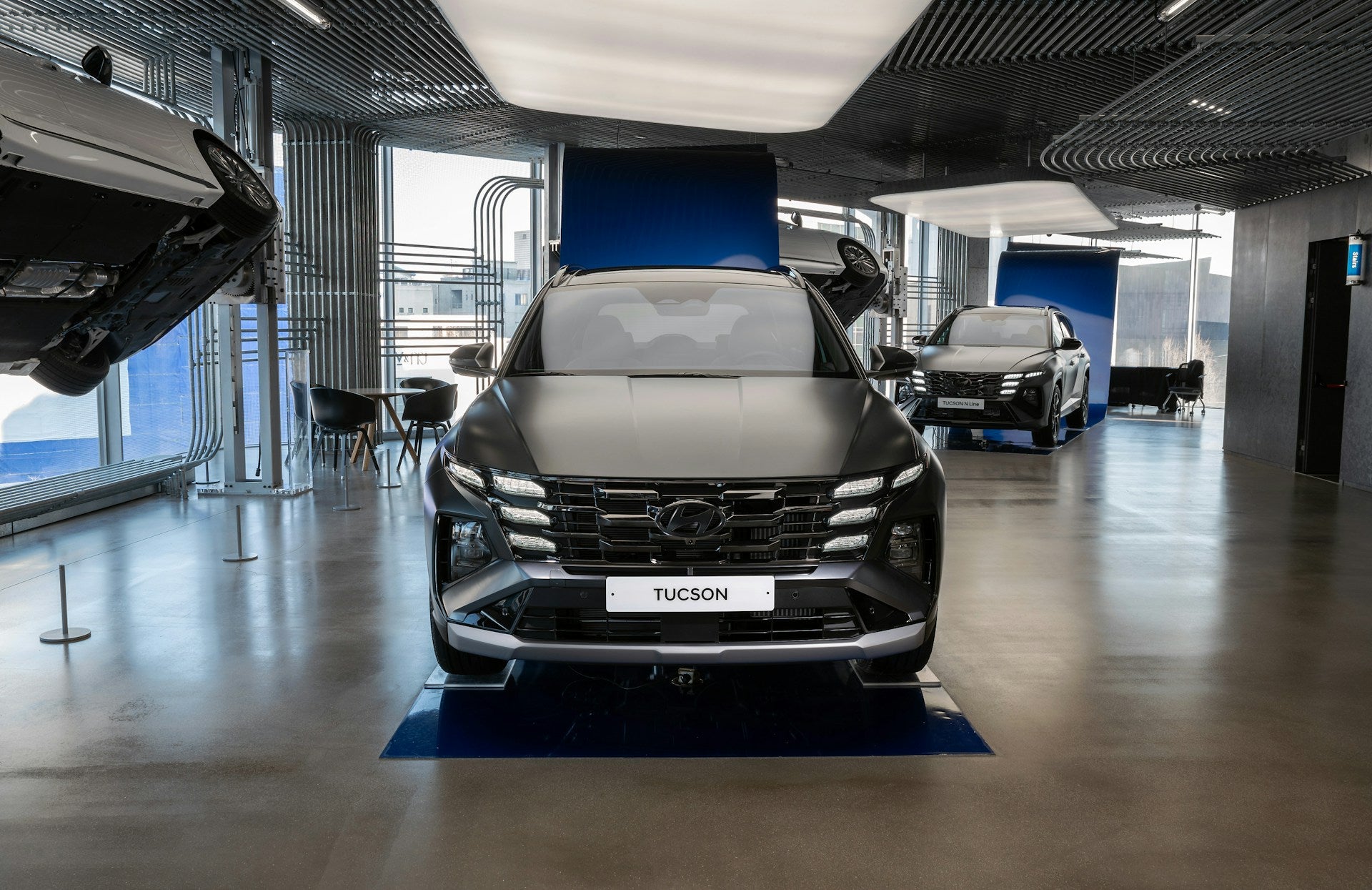
Choosing the right SUV comes down to more than looks or gas mileage. For many drivers in Riverhead, the space inside the vehicle, especially the cargo area, plays a big role. Whether you’re packing up sports gear, grocery bags, or suitcases for a weekend getaway, extra room really matters. Hyundai has built a reputation for offering SUVs that not only drive well but also give you a strong mix of comfort and usable space. more If you've been wondering which Hyundai SUV gives you the most room to load up for your next road trip or hauling day, you're not alone. From families with three kids to couples who like to camp on Long Island beaches, drivers across Suffolk County are looking for models that can hold everything they need without compromising on ride quality. So which one leads the pack when it comes to cargo room? Hyundai SUVs With Notable Cargo Space Hyundai has several SUVs that score high for their roomy cargo areas. While all of them offer some flexibility, three stand out if you’re looking to maximize space: the Hyundai Palisade, Hyundai Santa Fe, and Hyundai Tucson. 1. Hyundai Palisade This is the biggest SUV in Hyundai’s lineup, and it’s also the go-to option for families who need space for just about everything. The Palisade features three rows of seating and still offers solid space at the back, even with passengers onboard. Fold the second and third rows down, and it opens up even more. Whether you're hauling furniture, strollers, or even a flat-screen TV, the Palisade can handle it easily. 2. Hyundai Santa Fe A bit smaller than the Palisade, the Santa Fe still holds its own in terms of rear cargo space. It’s one of those SUVs that feels roomy even when it's not the largest out there. Good legroom in the back and a roomy cargo area make it ideal for daily tasks and weekend outings. It’s a great mid-size option for families who don’t need three rows but still want generous functional space. 3. Hyundai Tucson Don’t let its compact size fool you. The Tucson offers a smartly designed cargo area that makes great use of its footprint. This SUV is perfect if you’re looking for a smaller model that’s still practical. Parking is easier, yet you still get enough room for folding chairs, coolers, or tools. For someone who enjoys weekend hikes or needs something for everyday errands, the Tucson is a reliable pick. Each of these models gives you the flexibility to rework the space inside. Foldable seats, easy-access layouts, and smart storage spots help make loading less of a hassle, especially when you’re trying to pack up quickly in bad weather or tight spaces. Practical Uses For Hyundai SUV Cargo Space Cargo specs on paper are helpful, but what really counts is how that space fits into your daily life. Hyundai SUVs are designed with actual needs in mind—from weekly tasks to seasonal adventures—so the extra room doesn't go to waste. Here’s how that space becomes useful around Long Island: Family Road Trips: Whether it’s a weekend upstate or a beach day at Cupsogue, having room for blankets, games, coolers, and luggage helps keep everyone comfortable. Spacious cargo also means avoiding backseat clutter and grumpy passengers. Outdoor Adventures: If you enjoy camping or kayaking, you’ll love the freedom these SUVs provide. You can toss in tents, bikes, boots, backpacks, and fishing gear without having to cram it all in like a puzzle. Daily Errands and Grocery Runs: Whether you're hauling bulk items from Costco, loading gardening materials, or managing sports equipment, added space keeps things from spilling into the passenger area. It means fewer trips and less hassle. Hyundai SUVs often come with helpful extras like underfloor storage and cargo nets. These keep smaller items secure while driving. Collapsible bins or trunk organizers can help with keeping the area neat. For certain outdoor activities, some drivers use roof-mounted storage boxes or rails, giving even more room inside. The way these SUVs are laid out makes them user-friendly. It’s not just about how much space you can get but how easily and quickly you can use it when the need pops up. Comparing Cargo Space: Measurements and Real-World Use Numbers help when deciding between models, but it’s how that cargo space works in the real world that makes the difference. Here’s a quick look at how the three Hyundai SUVs compare: Hyundai Palisade: Offers the most cargo space overall. With second and third rows folded down, you get a large flat area that easily handles bulky items like rolling suitcases, folding furniture, or supplies for home improvement projects. Hyundai Santa Fe: A solid mid-size option. Its deep floor and flexible seating allow for plenty of space without giving up passenger comfort. It’s great for shopping trips, strollers, or a few overnight bags. Hyundai Tucson: On the smaller end but still well designed. The cargo floor is raised for easy loading, and the space is tall and wide enough for grocery runs, sports bags, pet crates, or work equipment. The layout in each model adds to the usefulness. Back seats fold down easily, and most models have wide rear gates that allow for lower lift-over. That becomes really helpful when arms are full at the Riverhead farmers market or you’re juggling bags after a local event. These thoughtful touches help tie everything together so the cargo space works for you day in and day out. Choosing the Right Hyundai SUV for Your Needs Cargo space plays a huge role, but it’s just one piece of the puzzle. Picking the right SUV comes down to how it matches your everyday needs. Hyundai gives you a mix of sizes and features to make your choice easier. Here are a few things to think about: Lifestyle Needs: Big families or regular group trips lean best toward the Palisade. If you’re shopping for two or just have pets and groceries to worry about, the Tucson might be enough. Santa Fe works well if you find yourself needing moderate space often. Passenger Load: The Palisade can seat up to eight and still hold gear. Santa Fe is better if two rows work and you want extra cargo when needed. Tucson shines for smaller households, solo drivers, or couples. Driving Habits: In-town drivers may prefer the easier parking and handling of the Tucson. Santa Fe meets in the middle for versatility. The Palisade fits better for longer drives, road trips, or families with growing kids. Fuel Efficiency vs. Size: Bigger rides, like the Palisade, use more fuel. If you don’t need the added size all the time, stepping down to a Santa Fe or Tucson might save money without giving up practicality. Think of your routine and how often you’ll be loading up. A hiker loading up gear every weekend needs different access than a parent juggling strollers and groceries five days a week. Hyundai offers options with that in mind, so there’s rarely a mismatch. Why Riverhead Hyundai is Your Go-To for SUVs Drivers across Suffolk County know how helpful a spacious SUV can be when balancing work, family, and weekend adventures. Hyundai has created SUV models that handle all of that with style and function. Whether it's sports tournaments, fall farm visits, beach outings, or just the daily back-and-forth, having the right cargo room just makes things go smoother. Riverhead Hyundai understands what local drivers expect from a vehicle. Our team focuses on matching you with models that fit both your lifestyle and your budget. With a large selection of Hyundai SUVs on hand and a full staff ready to help, we’re always here to walk you through the options. From helping you test different setups to making sure you understand available features, we’ll make sure your next SUV checks every box. Come by, chat with our team, and let us help you find the space and comfort you need to enjoy everything Long Island living brings. For drivers in Riverhead looking for a spacious and versatile ride, exploring Hyundai SUVs in Riverhead can help you find the perfect match for your daily needs and weekend getaways. Whether you're drawn to the roomy Palisade, the flexible Santa Fe, or the city-friendly Tucson, Riverhead Hyundai has options designed to keep up with your lifestyle.

Hyundai

Why Your Hyundai's Power Windows Stop Working

Power windows are one of those things you never think twice about until they stop working. Whether you're trying to air out the cabin on a mild fall day or need to lower your window at a drive-thru, a window that won’t budge can be an annoying hassle. In Suffolk County, where windy, damp weather hits during late October, working power windows are more than just a convenience. They’re part of keeping your ride dry, reliable, and safe. more If your Hyundai’s power windows suddenly stop moving or only work on and off, don’t ignore it. Window problems might feel minor at first, but they can lead to bigger electrical trouble if left alone. Taking a few moments to figure out what’s going wrong can help you avoid more expensive repairs later. Common Causes Of Power Window Failures When your Hyundai’s power window stops working, it's usually caused by either an electrical issue or a mechanical breakdown. Here's a look at the more common problems: 1. Blown Fuse Sometimes it’s as simple as a blown fuse. If one pops, it cuts off power to the windows, especially if multiple windows aren’t working at the same time. Luckily, this is often one of the simplest fixes a technician can take care of. 2. Faulty Wiring The wire harness that runs through the car's door is constantly flexing. Over time, this can wear down the wires, especially in spots prone to moisture or friction. Damaged wiring can block the signal from the switch to the motor, meaning nothing happens when you try to use the window. 3. Bad Power Window Switch These switches get used often, especially on the driver’s side, where one button controls all the windows. Dirt, moisture, and general wear can stop the switch from working. Sometimes the problem is just a dirty contact. Other times, the switch simply wears out and needs replacing. 4. Broken Window Regulator The regulator is a piece that lifts and lowers the glass. If it breaks, you'll hear the motor humming, but the window won’t move. This can happen over time, especially with windows that are used a lot. 5. Window Motor Issues The motor works together with the regulator. If it's wearing out or fails completely, your window may move slowly or stop altogether. This can happen faster when the regulator has already been struggling. We once had a Hyundai Elantra come into the shop after a sudden storm. The driver’s window got stuck halfway and water got inside during the downpour. What could have been a quick fix ended up causing damage to nearby electrical parts because the driver delayed the repair. A simple motor replacement done earlier would’ve prevented more expensive repairs. Identifying The Problem If your power window stops working, you can do a little bit of checking before bringing it in. Here are a few signs to look for: Press the window switch. If there’s no sound at all, it could be a fuse, bad switch, or disconnected wiring. Hear the motor running without the window moving? That usually means a broken regulator. Is the window moving slower than normal, or does it stop halfway? That might point to a weak motor or a misaligned track. Only one window isn’t working? That usually isolates the issue to that window’s parts. More than one not working? Likely something central, like a fuse or shared wiring connection. Here’s a five-step way to narrow things down: Try the switch on both the door with the window problem and the driver’s panel. Listen closely for buzzing or any sound that suggests the motor is trying to work. Feel around the door panel for vibrations or any slight motion when pressing the button. Check if other electrical controls on that door, like door locks or mirrors, are also having trouble. Think about when the issue started. Was it sudden or gradual? While this won’t fix the problem, checking these things can help the technician diagnose it faster. Trained professionals who work on Hyundai vehicles every day will know exactly what to look for and how to fix it. Repair Solutions for Power Window Issues The right repair depends on what’s causing the problem. Here’s a breakdown of the common repair jobs and how they’re handled: Fuse Replacement: A technician will identify and safely replace the blown fuse with the right match, restoring power to the circuit. Window Switch Repair or Replacement: If the switch is the problem, sometimes it just needs cleaning. If the contacts are damaged, the switch may need to be entirely replaced. Wiring Repair: Damaged or corroded wires around the door hinge are inspected and either repaired or replaced to restore full connectivity. Regulator Replacement: Involves opening up the door panel and carefully removing the worn part. A new Hyundai regulator designed for your model ensures smooth window movement again. Motor Replacement: If the motor has failed, it will be replaced—and often, the regulator is swapped out at the same time since they age together. Using genuine Hyundai parts ensures proper fitment and performance. They’re built with your model in mind, unlike many aftermarket parts that don’t always align perfectly or last as long. When a trained Hyundai service technician handles the repair, it also helps protect the rest of your vehicle’s electrical system from accidental damage. That level of care and attention is especially important as cars come with more complex electrical features than ever before. Preventive Maintenance Tips Taking care of your Hyundai’s power windows doesn’t take much effort. A few small habits can add years to their life. Avoid Overusing the Windows: Constantly rolling them up and down while parked or idling puts extra strain on both the motor and regulator. Keep the Window Tracks Clean: Dirt and debris can jam up the track. Wipe down the inside edge of the glass when washing the car to remove buildup. Listen for Changes: If the window starts moving slower than usual or gets stuck in spots, don’t force it. That’s a sign something’s starting to fail. Keep Liquids Away from Switches: Moisture is bad news for electrical components. Try to keep water bottles, drinks, and even car cleaners away from door controls. Routine Electrical Inspections: Let your technician check your full electrical system during regular service visits. This can catch issues early and avoid bigger repairs. If you're driving in Suffolk County, the climate adds more reasons for upkeep. Longer exposure to salt, rain, and wind makes it even more important to keep door seals tight and the inner mechanisms clean. A good check-up at the start of fall can help head off moisture problems later in the season. When It’s Time to Visit Riverhead Hyundai When your power windows stop working, it’s more than just a moment of frustration. Whether the window is stuck open in bad weather or just won't roll down during errands, it matters. Having it inspected and repaired the right way helps you avoid additional problems with wiring or the rest of your vehicle’s electronics. Suffolk County throws enough curveballs with its weather. Getting your windows looked at early, before the issue spreads, can save you time, money, and some serious hassle later. No matter which issue your Hyundai is facing, our team understands what it takes to get your windows moving again. From diagnosing tricky wiring problems to handling precise regulator repairs, we’ve got it covered. If your windows are acting up or not working properly, let our experienced team at Riverhead Hyundai take care of it. We offer dependable Hyundai repair services in Suffolk County that help restore your vehicle’s comfort and convenience quickly and correctly. From diagnostics to repairs, we make sure every detail is handled with care.

dashboard lights

Quick Solutions For Flickering Hyundai Dashboard Lights

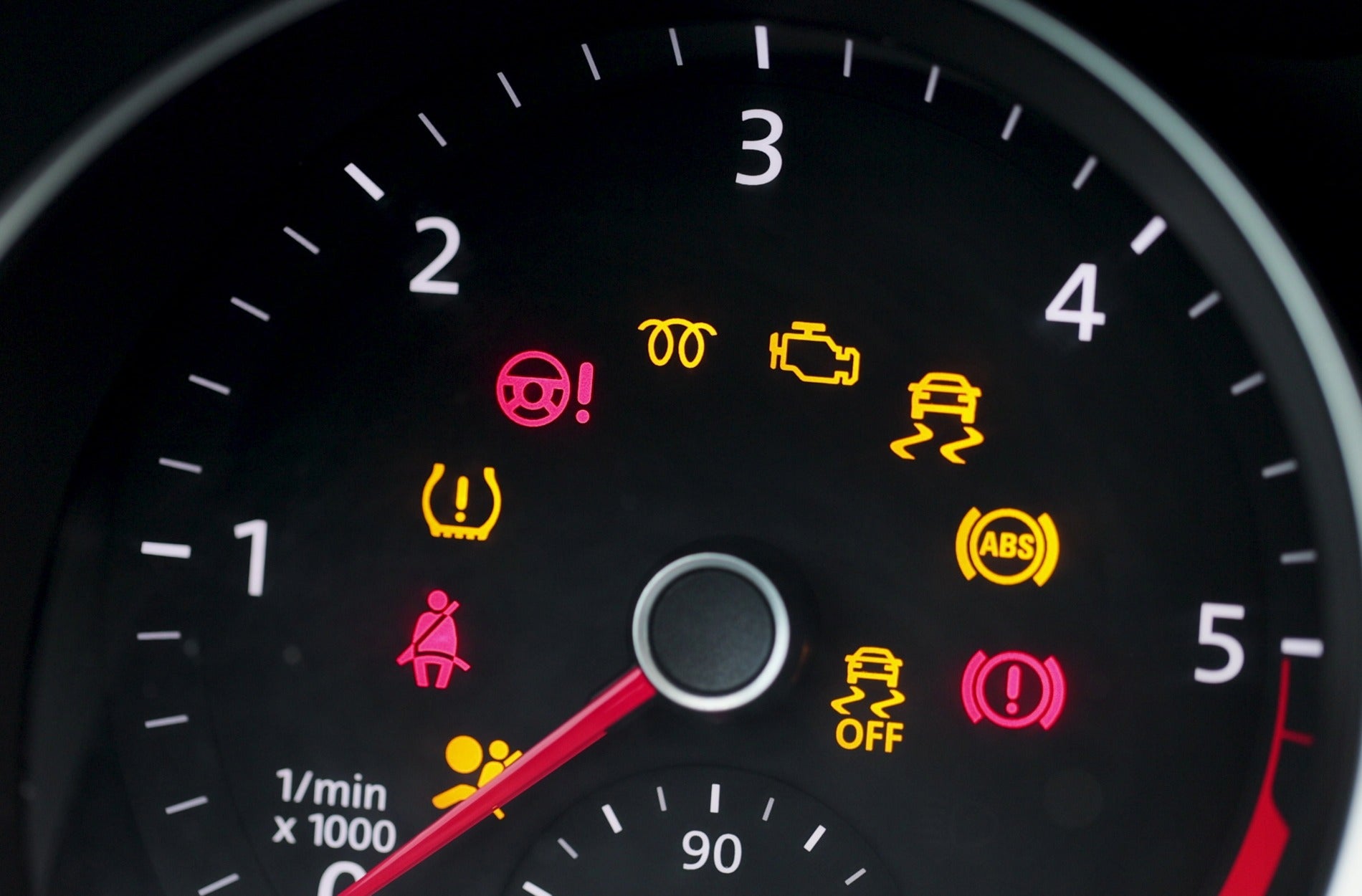
Dashboard lights are one of those things you don’t think much about until they flicker. When they do, it can be confusing and a little stressful. These lights are meant to give you quick info about your car’s systems, so if they’re flashing randomly or going dim while you’re driving around Riverhead, it's something you shouldn’t ignore. It might be a minor issue or a signal that something needs fixing. more Whether you're heading out to work, picking up the kids, or cruising out east, dealing with warning lights that blink or fade is frustrating. And when October weather rolls in on Long Island, surprise electrical issues are never welcome. Figuring out why your dashboard lights are acting up early can help you avoid bigger problems later and keep you from getting stranded. Common Causes Of Flickering Dashboard Lights When the lights on your dashboard start flickering, it’s usually a sign of something going on in the electrical system. A few different components need to work together to keep that system steady. If one starts to slip, the lights might flicker, pulse, or dim. Here are some common reasons why this happens: Weak or loose battery connection: If your battery cables aren’t secure, or there's corrosion on the terminals, the power flow can get interrupted. That causes flickering, especially when the car is moving or idling. Dying battery: Batteries lose strength as they age. If yours is struggling to hold a charge, the voltage drop can mess with how your lights behave. You may notice dimming or flickering when you start the car or turn on the radio, heater, or headlights. Faulty alternator: The alternator keeps your battery charged and powers the electrical system when the engine is running. If it malfunctions, you might see lights flashing too bright or too dim, or flickering while driving. Worn or damaged wiring: Over time, wires under the hood can wear out, especially with exposure to moisture, road salt, or even animals chewing through them. Damaged connections can send spotty signals and cause lights to behave oddly. Bad voltage regulator: This component controls how much power the alternator sends to your battery. If it fails, your lights may start flashing or dimming without warning. It’s a less obvious cause, but it can throw the whole system off. Some of these problems can look or feel the same, which is why it’s tricky to instantly know what’s wrong without taking a closer look. Identifying the Specific Problem Before you rush to the shop or assume the worst, there are a few things you can check on your own. You don’t need to be a mechanic to notice certain signs. Here’s a simple checklist to follow: 1. Look at the battery terminals Pop the hood and inspect the battery. Are the cables tight? Is there any white or green buildup on the terminals? That’s corrosion, and it can interfere with proper power flow. 2. Check when the flickering happens Does it only happen when starting the car, while sitting at a red light, or when turning on electronics like the AC or radio? This can help narrow it down to the battery, alternator, or wiring. 3. Listen for unusual noises If you hear whining, clicking, or buzzing from under the hood while the lights flicker, that could be your alternator struggling to do its job. 4. See how old the battery is If the battery is more than three years old, it might not be holding power well. Flickering lights at startup can be one of the first signs it's weakening. If you smell something strange, see smoke, spot melting cables, or notice anything else unusual, don’t wait—have it looked at. Electrical problems can jump from a small inconvenience to a full breakdown fast. Catching the issue early helps avoid expensive repairs later. Quick Fixes and When to Ask for Help Sometimes there’s a quick answer to flickering dashboard lights, and other times it calls for a professional. If it’s something small like a loose battery cable, that’s usually safe to address right away. But deeper issues like alternator trouble or damaged wiring need expert diagnosis. Here are signs the problem might be a simple fix: The battery cables are slightly loose or show minor corrosion The flickering happened just once and hasn’t come back You just drove through wet weather, and some water may have gotten into the system The lights dim briefly when you turn on the AC or other accessories Still, if the flickering keeps happening or comes with other odd signs—strange smells, weird sounds, lights dimming for no reason—it’s time to get it checked. Using genuine Hyundai parts in Riverhead matters here. If electrical repairs use the wrong parts, the problem can return sooner than you think. We’ve seen cases where lights would dim anytime the AC came on. Turns out, it was a failing alternator and a worn-out belt. Once those parts were replaced with genuine Hyundai components, the flickering stopped for good. This is exactly why getting skilled eyes on the issue is so important. Ways to Prevent Dashboard Light Flickering You can keep a lot of these problems away with a few routine habits. It’s easy to forget about what’s under the hood until a light starts acting up, but staying ahead of things goes a long way. Fall is a great time for car checkups before winter weather kicks in and tests your car’s electrical system even more. Try to work these habits into your regular car care: Keep battery terminals clean and tightly attached Ask your service technician to test the system’s voltage during checkups Replace belts connected to the alternator if they’re worn or making squeaky noises Avoid plugging in too many accessories or chargers at once Stick to genuine Hyundai parts when replacing anything electrical Get seasonal inspections, especially right before winter Keeping up with routine service makes it easier to spot small issues before they turn into big ones. If your dashboard lights are flickering, that’s your car’s way of saying something needs attention. It’s better to take action early than let the issue grow worse over time. Why Getting Help Sooner Is the Smart Move Dashboard lights are easy to brush off, especially if everything else feels normal. But flickering lights are early signs of electrical trouble that can grow if you skip over them. Power problems often don’t fix themselves and waiting too long could leave you with a stalled car on the side of the road. By tackling it early, you save time, money, and stress. Whether it’s the battery, wiring, alternator, or voltage regulator, catching it before it turns into a big repair helps keep your Hyundai running the way it should. Electrical issues don’t just go away—they get louder the longer you ignore them. Getting yours checked out quickly keeps you rolling and keeps things safer as we move into colder months here in Riverhead. A smooth-running car with strong lighting is one less thing to worry about when life gets busy. Don't let flickering dashboard lights disrupt your driving experience. For reliable repairs and quality replacements, explore our selection of Hyundai parts in Riverhead. With trusted service and genuine components, Riverhead Hyundai is here to help you stay safe and confident on the road.

Hyundai

Special Discounts For Active Military At Riverhead Hyundai

Long Island has always embraced its military families, and here in Suffolk County, that appreciation runs deeply. From Riverhead to towns across the area, we see the commitment of service members every day. Whether it’s handling the daily commute or making time for family weekends, active military personnel juggle countless responsibilities. At Riverhead Hyundai, we believe supporting them with meaningful savings should be the least we can do. more That’s why we offer Hyundai military discounts that are designed to ease the cost of vehicle ownership or leasing. These savings are a small way of saying thank you, while making the buying experience smoother and more affordable. They apply to a range of Hyundai vehicles and often extend to service or maintenance in certain cases. For those returning home or stationed in Suffolk County, having access to this kind of support brings a little peace of mind. Understanding Hyundai Military Discounts Hyundai military discounts are straightforward: exclusive savings available to active service members and, in some cases, recently discharged military personnel. The idea is simple—provide financial relief on big decisions like purchasing a vehicle. Here are the key details: 1. Who qualifies? Most offers are open to active duty members in the Army, Navy, Air Force, Marines, Coast Guard, and National Guard. In many cases, reservists or those in training status also qualify. Recently discharged service members may be eligible within a certain window of time following their separation. 2. What is included? Typically, the Hyundai military discount is applied to the purchase or lease of a new Hyundai vehicle. It reduces the price up front and may sometimes be combined with other dealership or manufacturer promotions. Some locations also extend the savings to service-related costs for primary vehicles. 3. Is it tax-free? No, the discount lowers the vehicle’s initial purchase or lease cost, but customers are still responsible for applicable taxes, title, and registration fees unless an additional incentive is offered. For example, a National Guard member stationed in Riverhead might be returning to school part-time and looking for a dependable, fuel-efficient sedan. With the military discount applied, monthly payments become more manageable, and the money saved can be redirected toward tuition or family expenses. Offers may vary throughout the year, so checking early in the selection process helps set clear expectations. It’s all about reducing stress and providing support, especially when making a decision that lasts several years. How to Access Military Discounts Accessing a Hyundai military discount should be simple and clear—not another chore buried in paperwork. At Riverhead Hyundai, we aim to make it as easy as possible by walking you through every step of the process. Follow these steps to claim your Hyundai military discount: 1. Verify your status Bring documentation showing proof of active duty or recent discharge. This usually includes a valid military ID, an LES (Leave and Earnings Statement), or a DD-214 for veterans. 2. Prepare all necessary documents Original or official copies are typically required. Avoid using scans or images unless the program specifically allows them. 3. Ask about current offers Promotions shift based on season, supply, and manufacturer incentives. It’s helpful to ask early and stay updated on what’s available. 4. Mention the discount at the start of your purchase Bring it up before signing any paperwork. This helps ensure the savings are factored into your pricing and financing upfront, rather than needing revisions later. If you’re comparing a few options in Suffolk County, it’s helpful to note expiration dates and whether the discount can be combined with other offers. Timing plays a role, especially near holidays or during seasonal inventory transitions. Taking that early initiative keeps everything running on schedule when you're ready to finalize your decision. Benefits for Military Families in Suffolk County Military families living in Suffolk County face a wide range of daily stresses. Whether you’re stationed nearby or transitioning back into civilian life, quality transportation quickly becomes a top priority. When school, work, errands, and weekend drives are all part of your routine, having a reliable vehicle at a fair price can make everyday life smoother. That’s where the Hyundai military discount goes beyond just dollars and cents. It plays a part in supporting the community by lightening the load during important life transitions. For parents working rotating shifts or spouses managing pickup and drop-off duties in Riverhead, dependable transportation ensures schedules stay on track. When you’re constantly moving between the base, home, and school, the last thing you need is uncertainty on the road. Military discounts help make those dependable vehicles easier to afford and maintain. Riverhead Hyundai regularly participates in local military appreciation events and community outreach programs. Our team supports service members through more than just vehicle sales. From flag ceremonies to unit fundraisers, we aim to be involved where it matters most. That kind of connection strengthens the bond between dealership and community in a lasting way. For military families adjusting to new assignments or returning from deployments, we want our customers in Suffolk County to feel welcomed and prioritized. Every step of the vehicle buying or leasing process should feel respectful of your time, situation, and service. Making the Most of Your Discount Getting the discount is a strong first step, but knowing how to make it stretch further can really boost its impact. Here are a few tips to increase the value of your Hyundai military discount: 1. Pair it with seasonal promotions Fall incentives are common as models rotate, and combining them with military discounts could unlock unexpected savings. 2. Use the discount on upgraded trims or packages Sometimes it’s possible to apply the savings toward enhanced models with additional features, like safety systems or better fuel economy, giving you more value for your investment. 3. Ask about ongoing service offers Some dealerships extend military pricing to vehicle maintenance. Items like oil changes, tire rotations, and regular inspections may be more affordable under the right plan. 4. Shop when inventory is strong Dealers tend to have more flexibility when lot supply is high. Greater availability can lead to added incentives, and combining that with the military appreciation offer may put you in a good position to negotiate added extras. 5. Explore flexible financing options Ask if the military program improves rates or affects the structure of your loan or lease. Lower monthly payments or shorter terms could mean extra freedom in managing life expenses. Picture a Marine relocating to Suffolk County who needs a vehicle fit for both tight city parking and weekend drives to Jones Beach. With their military discount stacked onto a trusted year-end promotion, they secure a compact SUV that fits their lifestyle, budget, and future potential moves. Drive with Pride and Savings We know that military service impacts more than the time spent in uniform. It’s a commitment that touches every aspect of daily life, from curtailed family time to endless logistics. At Riverhead Hyundai, offering straightforward savings through our Hyundai military discount is one way we stand behind those who serve Suffolk County. Whether it’s helping you find the right vehicle after returning from deployment or making sure your daily commute feels a little more manageable, our goal is to make things easier. Accessing a discount should feel respectful of your service, not like jumping through hoops. We’re proud to offer a program that helps local service members and their families gain real, useful value. If you’re part of our military community here on Long Island, we invite you to learn more about how this offer can support your goals and get you on the road with confidence. When your service is appreciated every step of the way, you’re not just driving a Hyundai—you’re driving forward with purpose. If you're ready to take advantage of exclusive savings and enjoy a dependable ride that suits your lifestyle, learn more about our Hyundai military discount in Suffolk County. Riverhead Hyundai is proud to support those who serve by making the road ahead a little easier to navigate.

brake pad

When To Replace Your Worn Hyundai Brake Pads

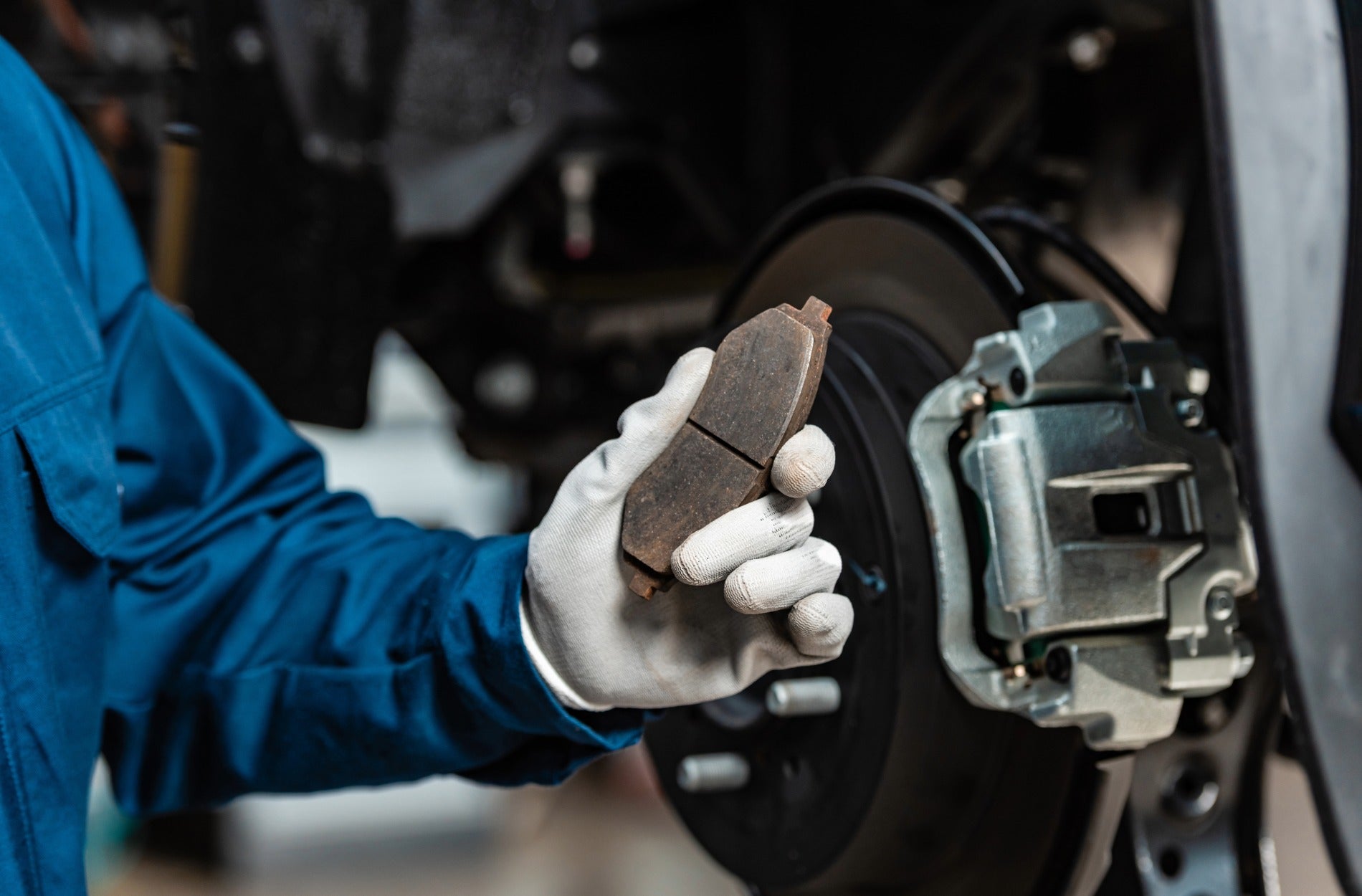
Brake pads aren’t something most drivers think about until they start making noise. But they play a huge role in keeping you safe behind the wheel every day. Each time you press your brake pedal, the pads create friction that slows your vehicle down. Over time, that friction wears the pads down, and when they get too thin, your ability to stop can be affected. more Living on Long Island, your driving habits and the local road conditions can cause your brakes to wear out faster than you might expect. From stop-and-go traffic to slick roads during October rainstorms, strong and healthy brakes matter a lot. Knowing how to catch the early signs of brake pad wear could help avoid more expensive repairs and keep your driving safe and predictable. Signs That Your Hyundai Brake Pads Need Replacement Brake pads usually give a few warnings before they wear out completely. The earlier you catch those signs, the easier and less expensive it is to fix the issue. Here's what to watch for: Squeaking or squealing noises when you apply the brakes can mean the wear indicators are touching the rotor. These small metal tabs are built into the pads and designed to warn you when it's time for new ones. A grinding sound is a more serious warning. It typically means the pad material is gone, and metal is scraping against metal. This can ruin your rotors and reduce stopping power. A soft or spongy feeling in the brake pedal may mean the pads are worn down or that there’s a fluid leak or air trapped in the system. Vibration through the pedal or steering wheel while braking might be a result of unevenly worn brake pads or warped rotors. If the brake pads look thinner than a quarter of an inch when viewed through your wheel, it's best to have them inspected soon. Ignoring these signs can lead to costly repairs. A lot of drivers wait too long, thinking it's not urgent or mistaking the noise for simple dirt on the brakes. But catching issues early makes the repair quicker and more affordable. Factors Affecting Brake Pad Longevity Not every Hyundai on Long Island will wear through brake pads at the same rate. There are several things that affect how long they’ll last. 1. Driving habits Frequent stops wear down brake pads a lot faster than longer highway drives. If you do a lot of city or suburban driving or tend to hit the brakes hard when approaching lights, your pads may wear out sooner. 2. Vehicle type and weight Heavier vehicles, like SUVs or crossovers, put more pressure on brake systems than compact cars. The weight affects how hard the pads need to work whenever you stop. 3. Road and environmental conditions Potholes, salted winter roads, wet leaves, and sand can all play a part in speeding up brake wear. If you live near the coast or drive near the beach, added moisture and salt can also impact your brake system over time. 4. Quality of brake pads Higher-quality pads made for your Hyundai model generally last longer than cheaper aftermarket parts. Cheaper pads may wear out quickly or create more brake dust, requiring service sooner. Understanding these factors helps determine when it’s time to schedule service, even before you notice any sounds or changes in pedal feel. The Brake Pad Replacement Process Once you notice a warning sign, or a technician recommends a replacement during a checkup, the brake pad replacement process begins. It involves more than just removing an old part and snapping a new one in. The process usually starts with a thorough inspection. The technician checks the thickness of the brake pads, condition of the rotors, fluid level, the brake lines, and overall braking response. This helps rule out additional issues like stuck calipers or leaks. If replacement is needed, the wheels are removed to access the brake system. The calipers are taken off, and the worn pads are removed. Before installing the new ones, everything is cleaned to make sure the new parts work smoothly. In cases where the rotors are also worn or damaged, they might recommend machining or replacing them to maintain balance and full stopping power. Once reassembled, the technician tests the system both at the shop and typically takes a short drive to make sure everything works right. The pedal should feel firm, and there shouldn't be pulsing or vibration. Getting brake service from a Hyundai-trained technician on Long Island means your vehicle is being handled by someone who knows your make and model inside and out. That leads to better results and fewer return visits. Benefits of Timely Brake Pad Replacement Replacing brake pads at the right time offers more than peace of mind. Waiting too long often causes lasting damage to other parts of the brake system. Acting early helps avoid those problems and keeps the car performing well. Here are a few reasons why staying on top of brake pad replacement matters: 1. Better safety You keep strong, responsive braking that helps prevent accidents in sudden-stop situations. This matters even more during October weather changes when roads can be slick with rain or leaves. 2. Lower repair costs Replacing brake pads early prevents more costly damage to rotors, calipers, and other components. 3. Smoother driving Responsive brakes mean fewer surprises while driving through town, especially during traffic hours in places like Riverhead or the LIE. 4. Less stress on other parts Letting worn pads grind down can cause damage to mounts, brackets, or even wheel bearings over time. Timely replacements help you avoid last-minute problems and keep your Hyundai ready for wherever the road leads. Keeping Your Brakes in Top Shape Brake maintenance doesn’t need to be a guessing game. If you stick to a schedule, even a simple one like checking the brakes every time you come in for an oil change, you can stay on top of problems before they grow. A brake inspection checks pad thickness, rotor wear, fluid condition, and caliper movement. It doesn’t take long, but it gives you a good look at the health of your system. Setting reminders in your phone or asking your technician to give you updates can help you avoid surprises. On Long Island, unsafe brakes can turn any daily drive into a bad day. October’s cooler and wetter weather marks a smart time to make sure your brakes are ready. If you’re heading out for fall trips, dealing with school pickups, or just commuting back and forth, keeping your brakes strong will help you stay relaxed behind the wheel. Don’t wait for a strange sound or warning light. When your Hyundai's brakes are well-maintained, every ride is safer, smoother, and more predictable. Your Hyundai deserves reliable stopping power every time you hit the road, and staying ahead of brake pad wear is a smart way to protect your drive. When you're ready for expert Hyundai brakes service on Long Island, count on the experienced team at Riverhead Hyundai to keep everything running smoothly and safely mile after mile.

Hyundai

What Your Hyundai Warranty Covers In The First Year

When you drive off the lot with a new Hyundai, it feels good knowing you’ve got some protection on your side. The first year of ownership is when you’re still getting familiar with the vehicle, so having a warranty that covers the basics gives you one less thing to worry about. Whether it’s an unexpected trip to the service lane or a strange light on the dash, understanding what’s included during those first twelve months can make the experience less stressful. more A lot of folks hear the word “warranty” and assume it covers everything, but that’s not always the case. Knowing what’s actually included from the start helps you stay prepared. It also helps avoid surprises when something needs attention. Let’s take a closer look at what’s typically covered in your first year and how that connects directly to your experience driving through Riverhead. Warranty Coverage Overview During the first year of owning your Hyundai, several systems and components are usually included under the new-vehicle limited warranty. This period helps protect you from unexpected repairs while the car is still relatively new. It's the safety net that gives new Hyundai owners a solid start. Here’s a breakdown of what’s typically covered: Powertrain Coverage: This normally includes crucial things like the engine and transmission. These are the most expensive parts to replace, and having them covered right away can reduce stress if something goes wrong early on Electrical Systems: From power windows to dashboard controls, electrical components are often protected during year one Hybrid/Electric Components: For drivers who’ve gone with a more eco-friendly model, the electric drive components are usually covered under their own separate warranty, but parts of them might also be backed during the first year Paint and Surface: Surface rust or defects in the paint that show up early are often looked at in the first year and might be corrected under warranty Technology and Infotainment: Radios, navigation systems, and display screens could also be included, though some warranties have shorter terms for these It’s worth noting that while the coverage is wide, it’s not unlimited. If something goes wrong from basic use or from a defect, year one is usually when it gets attention without costing you out of pocket. One Riverhead driver found last fall that her digital display glitched and froze during a road trip. Because she was still within her first year, the entire screen was replaced under warranty with no hassle. This coverage gives a lot of peace of mind, especially when you're relying on your Hyundai daily, whether it’s the morning school run, a rainy-day grocery haul in Suffolk County, or long backroads along the North Fork. Specific Services Included Warranty coverage doesn’t stop at the big stuff. It also includes certain services that are meant to keep the vehicle running the way it should during its early life. These may vary depending on the exact model and trim, but there are some common services covered across most new Hyundai vehicles. Here are a few examples of what might be included: Routine inspections that check systems like the brakes, suspension, and fluids Diagnostic services to find the source of a warning light or error code Software updates for navigation, infotainment, or onboard vehicle control modules Replacement of specific covered items that are defective due to workmanship Free adjustments to settings or alignments that may shift within the first few months Some parts have shorter coverage periods. Items like the 12-volt battery, windshield wiper blades, and interior bulbs might be backed for less than a year, depending on the policy. It’s a smart idea to ask about those up front so there are no misunderstandings if you ever need them looked at. Everything that's done under warranty has to meet certain standards. The service department follows exact guidelines to make sure it’s fixed right. And as long as your request matches the warranty terms, there's a good chance it gets addressed. Knowing what services you can count on helps you stay confident while using your Hyundai the way it was meant to be used without second-guessing every mile. Exceptions and Limitations While Hyundai's first-year warranty coverage is helpful, there are boundaries to what it takes care of. Understanding those limits can save you confusion and possibly money down the line. The warranty typically doesn’t cover issues that come from neglect, accidents, or improper use. If a tire gets flat from roadside debris or the bumper gets scraped in a parking lot, those aren’t warranty items. Neither are oil changes or worn-out brake pads, unless they’re part of a defect or faulty part that breaks down earlier than expected. Also, anything considered damage from the environment, like tree sap or salt corrosion from winter roads, usually falls outside the protection of coverage. Hyundai expects owners to follow the regular maintenance schedule listed in the owner’s manual. Skipping recommended services or using non-approved parts might affect the warranty. One common misunderstanding is that going to an unauthorized repair shop for major fixes might seem cheaper, but it may risk your coverage. Dealerships use factory-approved parts and follow warranty procedures to help make sure everything stays valid. If you're unsure whether an issue is covered, it's always better to ask early. Being proactive helps set the right expectation and can guide your next steps if repair work is needed. How to Use Your Warranty Tapping into your warranty isn’t hard, but it does take a few smart moves. The more organized you are with your car's info, the smoother the process usually goes. If something doesn’t seem right with the vehicle, here’s what most owners do: Reach out to a certified dealership service team Describe the issue clearly and note when it started Provide all service records to show upkeep Bring the owner’s manual and warranty guide for reference Confirm whether the repair is covered before service begins If you’ve kept up with factory-recommended maintenance and the issue fits within normal use conditions, the repair is usually covered. But it’s always smart to ask about timelines while the vehicle is being checked. Some fixes may take longer based on parts or diagnostics. It’s easy to overlook how helpful documentation is. For example, a driver who had a brake switch problem solved it quickly because they had a full record of services done. Records help the service techs understand the full picture and quickly rule out missed maintenance or outside damage. Keeping Your Warranty Valid Once you've got the warranty, the next step is making sure you don’t lose it by mistake. A few habits can go a long way in protecting your coverage. These simple actions can help: Stick to the service schedule in the owner’s manual Check that all work is done at approved service centers Use manufacturer-recommended fluids and parts Keep any receipts or digital records from every visit Ask your service advisor questions so nothing is assumed Keeping up with your vehicle care doesn’t have to be complicated. Getting oil changes and checkups on time works in your favor, not just for performance but for your warranty too. Say you're in Riverhead and you're planning long fall drives out to the farms. This is the kind of transition season where weather changes can affect things like battery performance or tire pressure. Having that fall service done on time can help you stay ready for those cooler mornings and weekend plans, all while keeping your coverage intact if something does go wrong. Getting the Most Out of Warranty Services in Riverhead Living in Riverhead gives you a good setup for reliable Hyundai servicing. Since the weather shifts a lot with the seasons, keeping up with your vehicle’s checks during your warranty period makes a difference. In early fall, it’s a smart time to have your heating system, battery strength, and tire treads looked over. Cold temps can put unexpected stress on things, even in newer cars. If your AC has been acting slightly off through summer, cooler weather means you're using different systems that might present issues you wouldn’t notice until later. Humidity and salt air near the coast can also cause surface issues faster than inland areas. So checking for early signs of rust or electronic hiccups in screens or buttons helps while it’s still covered. These small things sometimes are easier to report and fix with the warranty than waiting and paying out of pocket after coverage ends. Working with a local service team during the warranty allows for better tracking of your vehicle’s condition and helps prevent overlooked problems from creeping up later. It also means quicker support if something needs attention, since area shops are familiar with local driving habits and environmental effects. Drive with Confidence from Day One Getting a Hyundai with warranty coverage during that first year is like having a little extra backup along the way. It reassures you every time a new light pops up or something doesn’t sound quite right. You don’t have to question everything or worry if you’re going to get stuck with a big bill. That kind of backup makes a big difference during your early months of ownership. More than just protection, the warranty gives you a sense of trust in how you drive. Whether it’s a quick errand or a weekend trip through Suffolk County, that layer of support is helping you enjoy the ride instead of worrying about what might go wrong. Stick to service routines, understand your limits, and ask questions freely. That approach helps ensure your warranty works the way it was meant to. After understanding the benefits and limits of a first-year warranty, it's easy to see how this coverage helps Hyundai owners feel secure. With seasonal changes in Riverhead, staying on top of routine maintenance is a smart move. To protect your vehicle and keep it running smoothly, learn more about Hyundai warranty service in Riverhead. Trust Riverhead Hyundai to help you stay ahead of any surprises and enjoy worry-free driving all year long.

Hyundai Tucson

Which 2026 Hyundai Model Fits Your Lifestyle

Choosing a new vehicle comes down to more than just style or performance. It really depends on how you live your daily life. Whether you’re commuting across Riverhead, taking family road trips around Long Island, or embracing a more eco-friendly lifestyle, there's a 2026 Hyundai model designed with you in mind. more The upcoming Hyundai lineup offers something for everyone, from fuel-efficient sedans to fully electric SUVs. Each model strikes a different balance between comfort, performance, technology, and convenience. If you’re getting ready to make a purchase or trade-in decision, now is a great time to look at what matches your everyday driving habits and goals. Compact and Efficient: Hyundai Elantra If you're someone who wants a car for quick commutes and getting around busy streets with ease, the 2026 Hyundai Elantra could make everyday driving feel a lot smoother. It's built with compactness that helps with tight city parking but still gives you a comfortable cabin. Whether you're cruising down Route 25 or driving through local neighborhoods in Riverhead, the size and responsiveness of the Elantra work in your favor. For those with a consistent weekday routine, this model offers strong fuel economy. That comes in handy for daily commuters looking to save on gas. Plus, the latest version includes a more intuitive infotainment system and sleeker interior touches, which make time spent in the car more enjoyable. Why the Elantra fits so well into a city or commuter lifestyle: Easy to park in tight spaces Smooth handling in traffic Comfortable front and rear seating Upgraded digital features for hands-free driving Designed with fuel savings in mind It’s a great pick if you want something reliable for your Monday-to-Friday routine without feeling like you're missing out on comfort or new tech. Versatile and Spacious: Hyundai Tucson When your daily life includes school pickups, grocery stops, and quick weekend getaways across Suffolk County, the 2026 Hyundai Tucson makes everything feel easier. It’s designed to handle the busy schedule of families and multitaskers alike, all while staying compact enough for city lanes. This new model brings updates that focus on keeping everyone comfortable. Expect more soft-touch materials, clever storage spots, and improved backseat space. Even taller passengers will find the rear seating roomy enough for longer trips. Safety plays a big part in the Tucson’s appeal. For anyone who drives with kids or carpools often, having standard features like smart cruise control and accident avoidance tools adds extra peace of mind. And whether you're heading to the North Fork or just running errands in town, the Tucson keeps up without feeling bulky. Highlights of the 2026 Tucson: Updated cabin tailored for family comfort Expanded cargo space for strollers, groceries, or luggage More standard safety tech to protect your drive Still compact enough for Riverhead’s mix of roads and traffic If you move between work, errands, and weekend fun, the Tucson adapts without making you choose between functionality and comfort. Adventure-Ready: Hyundai Santa Fe For those who love hitting the open road or heading off the pavement, the 2026 Hyundai Santa Fe stands out. It’s the right fit for weekend trips across Long Island or drives to places like Cupsogue Beach, where towing gear or extra supplies is part of the plan. With more space than the Tucson, the Santa Fe offers a roomier cabin and upgraded power. You’ll notice the difference during longer drives or when hauling fishing gear, bikes, or even small trailers. The seating feels solid and built for distance, offering just the right support without overloading you on features. When it comes to what it can do, this model is built for capability. Towing strength and special driving features like enhanced traction make the Santa Fe ideal when the route isn’t just a straight line. Whether you're exploring the Pine Barrens or climbing into the hills upstate, this SUV supports your plans. Reasons the Santa Fe is adventure-ready: More storage and covered compartments for on-the-go extras Can tow trailers, small boats, or outdoor gear Drives well on rugged or slick terrain Cabin comforts that help on longer road trips You don’t have to sacrifice comfort just because you want more utility. With the Santa Fe, you get both, and it makes every trip feel easier no matter where you're headed. Cutting-Edge Electric: Hyundai Ioniq 7 If you’ve been thinking about going electric, the 2026 Hyundai Ioniq 7 could be the smoothest way to make that change. It keeps the spaciousness of an SUV but skips the gas station altogether. Designed fully electric, the Ioniq 7 feels right at home in Riverhead where more charging options are becoming available. Its quiet ride and smooth acceleration immediately stand out. The cabin is built for comfort with a lounge-like design, soft lighting, and seats that adjust easily. Every inch is designed to feel relaxing and forward-focused. Range anxiety is lower thanks to improvements in battery performance and charging infrastructure. Whether you're plugging in at home overnight or visiting charging stations across Suffolk County, the setup is getting easier to manage with every update. Why the Ioniq 7 fits a modern lifestyle: Long-lasting electric range suited for daily Long Island drives High-end cabin with thoughtful, adjustable seating Fewer moving parts means less ongoing maintenance Multiple ways to recharge that work for different schedules It’s a great option whether you're fully committed to electric or still exploring your options. The Ioniq 7 feels like a natural upgrade without a steep learning curve. Choosing the Perfect Hyundai for Your Lifestyle You probably know more about your driving habits than you think. If you stay local or work close to home, the Elantra’s mix of comfort and simplicity could be what you're after. For families or those who carpool a lot, the Tucson provides a safe, roomy ride. And if you're the kind of person who loads up the vehicle for beach days, camping trips, or drives to the mountains, it’s hard to beat the Santa Fe. Of course, those ready to cut out gas completely will find the Ioniq 7 offers plenty of space alongside the benefits of an electric drive. Every Hyundai model in the 2026 lineup brings its own strengths. The key is matching those with what your everyday feels like. Do you need more cargo space? Better fuel economy? A ride that does well in snow and trails? These small details help steer you toward a model that fits both your present and your future. Stop by Riverhead Hyundai to take a closer look and explore what fits you best. Trying out different models in person can give you more clarity than any online spec sheet. Our team is always ready to walk you through the features and benefits that matter most in your world. Get Ready for What's Next Behind the Wheel Whichever way your road leads, there’s a 2026 Hyundai model built to travel it with you. Whether you’re simplifying your daily drive, upgrading to more storage and seats, or embracing electric power, your lifestyle can guide the way. Take a ride that understands your needs and makes driving feel just a little more enjoyable every time. The right fit is waiting for you in Riverhead. Explore the exciting possibilities with the 2026 Hyundai models that truly complement your lifestyle. To get a closer look at the lineup and find the perfect fit, take some time to browse the new Hyundai models in Riverhead. Riverhead Hyundai is ready to help you discover a vehicle that matches your needs on and off the road.

Hyundai

Signs Your Hyundai's Engine Temperature Is Rising Too Fast

It’s never a good feeling when your Hyundai’s temperature gauge suddenly climbs higher than it should. A rising engine temperature can sneak up quickly, especially during long drives around Suffolk County or when you're stuck in traffic on a warmer day. This isn’t something to brush off or push until later. An overheated engine doesn’t just stop your car from running smoothly, it can lead to permanent damage if not handled right away. more Knowing what causes your engine to heat up too fast and spotting the signs early can save you from a stressful breakdown and a big repair bill. Whether you’re headed across Long Island or just commuting around Riverhead, having a basic understanding of what’s going on under the hood can go a long way. Let’s walk through the common reasons this happens and what to look for if your Hyundai starts running hotter than normal. Common Causes Of Rapid Engine Temperature Rise Your car doesn’t overheat for no reason. Usually, the root cause lies in a few key systems that either aren’t working properly or haven’t been maintained. If your temperature gauge starts rising too quickly, one of the issues below could be why. - Low Coolant Levels Coolant, sometimes called antifreeze, helps regulate the engine’s temperature. If the fluid gets low, it can’t do its job. That’s when the engine starts heating up. Small leaks are common, especially if hoses or connections are aging. If your coolant is low and you keep driving, the engine might get hot enough to damage itself. - Malfunctioning Thermostat The thermostat controls when coolant flows through the engine. If it gets stuck, especially in the closed position, it can trap heat inside the engine block. This means the engine keeps running hotter and hotter without getting any cooling relief. - Radiator Problems The radiator’s job is to pull heat away from the coolant. But if the radiator is dirty, clogged, blocked by debris, or leaking, it can’t do that. In some cases, a broken radiator fan can also stop air from moving across the radiator, leaving heat with nowhere to go. A local driver from Riverhead once pulled into a repair shop after their dashboard lit up with a warning light and steam started coming from under the hood. All it turned out to be was a loose clamp on their lower radiator hose. Just goes to show that even a small issue can have a big impact on your drive. Warning Signs To Watch Out For Sometimes, your car sends you little clues that the engine is heating up too fast. Learn to spot these signs early, so you don’t end up on the side of the road. Here are the top red flags you don’t want to ignore: 1. Temperature Gauge Spikes into the Red Always keep an eye on the temperature gauge on your dashboard. If the needle moves closer to the red zone than usual, even if it doesn’t stay there, that should be a signal to pull over and investigate. 2. Steam or Smoke from Under the Hood Steam usually means coolant is boiling over and escaping through the radiator or coolant reservoir. It’s easy to confuse this with smoke, but either one means your engine is too hot and needs attention right away. 3. Weird Noises From the Engine If the engine starts to knock, tick, or sound different than usual, it could be struggling with too much heat. Parts under stress may expand, shift, or rub in strange ways when overheating. 4. Burning Smell A hot, sweet smell could mean coolant is leaking onto engine parts. A more sharp or burnt oil smell can come from the engine overheating and oil starting to break down or leak. 5. Dashboard Warning Lights Some models have a specific warning light for the cooling system. It might look like a thermometer dipped in water. Others may just flash the check engine light, which should never be ignored. If you notice any combination of these signs, don’t push through. It’s smarter to stop safely than risk a breakdown or engine failure. Immediate Steps To Take If The Temperature Rises If you catch your Hyundai’s temperature creeping up while driving, acting fast can help avoid a bigger issue. Don’t try to make it home or to your final destination. Here’s what to do: 1. Pull Over and Turn Off the Engine Find a safe place to pull over. Letting the engine cool down is the first step to avoiding deeper damage. Do not open the hood right away if you see steam. Give it at least 15 to 20 minutes to cool off safely. 2. Turn Off the AC and Turn On the Heater Turning off the air conditioner eases the strain on your engine. Switching the heater on to full blast, though uncomfortable, can help draw heat away from the engine toward the cabin. It’s not a long-term fix, but it may help lower the temperature enough to minimize damage before you stop the vehicle. 3. Check Coolant Levels — But Do It Carefully Once the engine is cool and there’s no steam, you can open the hood and check the coolant tank. If it's low or empty, that’s likely part of the problem. Make sure the radiator cap is cool before touching it. Removing it too soon can cause burns from boiling fluid or steam. - If you have coolant, top off the reservoir to the correct line. - Don’t just add water unless there’s no other option and you’re trying to get safely off the road. - If the coolant tank appears full, the issue may be a thermostat or radiator problem. Even if the temperature begins to normalize, don’t assume the problem is solved. Overheating tends to come back until the root issue is fixed by a professional. Preventive Measures To Avoid Overheating Cooler fall temperatures in Suffolk County don’t mean engine overheating is off the table. Many overheating problems begin long before the hot warning light ever turns on. A few habits and checks can help keep your Hyundai operating smoothly year-round. - Stick To a Regular Maintenance Schedule Don’t wait for something to fail. Scheduled service checks allow a trained technician to spot small issues before they become larger repairs. It also keeps fluids like coolant clean and at ideal levels. - Have Your Coolant System Inspected Over time, hoses, belts, and the radiator can show signs of wear even if no leak is visible yet. Replacing older parts early costs less than fixing heat damage. An inspection can help catch tiny leaks, aging thermostat valves, or restricted coolant pathways. - Check on the Radiator Fan This one doesn’t always get attention, but a faulty radiator fan is a common reason cars overheat during slow traffic or while parked with the engine running. A quick fan check may prevent unexpected overheating on warm, stop-and-go drives. - Use the Manufacturer-Approved Coolant Not all coolants are the same. Using the wrong one can lower your engine’s protection level or even create sludge inside the system. Make sure any coolant added matches what Hyundai recommends for your vehicle model and year. Developing a habit of seasonal upkeep can make a big difference. For example, before heading out for the holidays, it's a good idea to have everything under the hood looked over, not just the oil or battery, especially if you plan on longer drives. Finding Reliable Hyundai Repair Services In Suffolk County When you’ve done all you can and the engine temperature still climbs without warning, it’s time for a proper diagnostic. That means a repair shop that knows Hyundai systems well. Local service centers in Suffolk County handle everything from cooling system flushes to replacing water pumps and checking sensor issues. Because newer Hyundai models have updated technology tied into the engine’s control systems, scanning and testing are needed before any serious work begins. The good news is, in places like Riverhead and neighboring Suffolk County towns, you don't need to go far for professional service. Many techs in the area are trained to work with Hyundai vehicles and have access to the parts and tools needed for long-term fixes. Don’t wait for another overheating scare, especially if it’s already happened once. Prompt service often prevents repeat cases and engine failure. Stay Ahead of Overheating Problems Spotting an overheating issue early can mean the difference between a small repair and full engine replacement. Whether it's a leaking hose or a stuck thermostat, addressing the problem while it's minor helps protect your time and your wallet. If you’re hearing weird sounds, seeing dashboard warnings, or just don’t feel confident driving with the temperature issues, make it a point to have your Hyundai looked at. You don’t need to deal with it alone. Trusted mechanics here in Suffolk County see these problems all the time and know how to fix them the right way. Take care of it early and keep your drives stress-free. Whether you're driving around Suffolk County or gearing up for a longer trip, keeping your Hyundai cool and running smoothly matters. If you’ve noticed signs of overheating or anything out of the ordinary under the hood, it’s time to act. Schedule trusted Hyundai repair services in Suffolk County with Riverhead Hyundai and let our team help keep your vehicle safe and ready for the road ahead.

Hyundai

Diagnosing Strange Smells From Your Hyundai's AC System

It’s never a good sign when you turn on your Hyundai’s AC and the air smells anything but fresh. From sour and damp to oddly sweet or smoky, different odors coming from your vehicle’s vents can point to different issues. If your daily commute around Riverhead includes rolling the windows down just to avoid the smell, it might be time to take a closer look at what’s happening inside your system. more Strange smells coming from the AC aren’t just unpleasant. They can sometimes be a warning sign. Whether it’s bacteria growing in the vents or leaking fluids, it’s always better to get weird smells checked out sooner rather than later. Fall is a good time to catch these things before cooler weather sets in, so you don’t end up with a broken heater or bigger repairs later. Fortunately, getting help is easy with a reliable Hyundai service center in Riverhead. A proper inspection can get your cabin air back to normal and your driving experience more enjoyable. Common Causes Of Strange Smells A lot of things can turn your AC from fresh and cool to stuffy and foul. Some problems are minor and easy to fix, while others could be signs of more serious trouble. Below are some of the most common reasons your Hyundai’s AC may be causing unpleasant odors. - Mold and mildew buildup Your AC system creates condensation, especially when humid air meets the cold coils. This moisture often lingers, creating the perfect environment for mold and mildew. If you notice a musty, locker-room smell coming from the vents, this is often the reason. - Clogged cabin air filter This filter is meant to trap dust, pollen, and contaminants before they enter your cabin. But over time, it can get clogged with debris, which not only lowers air quality but also creates a stale or dusty smell that spreads through the vents. - Refrigerant leaks If you smell something sweet or slightly chemical-like when your AC is on, a refrigerant leak could be the culprit. In a closed system like your AC, any sort of smell suggests a leak or worn component that needs checking. - Dirty evaporator coil If grime builds up on the evaporator coil, especially when mixed with moisture, it can release a funky odor into your cabin. This is a harder issue to spot without help, but it's common in cars that haven’t had seasonal AC service. Addressing these issues early can help protect your Hyundai’s air quality and comfort. A clean system does more than just smell better. It helps you breathe easier and drive safely. Types Of Smells And Their Meanings Each odor tells a different story. Understanding what you’re smelling can help identify the root of the problem and catch it before things get worse. Common AC smells can vary in intensity and cause, so here’s a quick look at what they might mean. - Musty or moldy This is usually a clear sign that mold or mildew are present in the AC system. It’s the most common AC-related smell and is especially noticeable after long periods of AC use followed by damp or humid conditions. - Sweet or syrupy If you detect a scent that resembles maple syrup or candy, it could point to a coolant leak. Even if the heater hasn’t been used, the smell can circulate through your vents. This should be checked right away, as leaks can lead to engine overheating or system failure. - Burning or smoky A smell that suggests something is overheating should be treated seriously. Burnt wiring, melting plastic, or worn blower motors can all produce a smoky odor. If you smell this when turning on your Hyundai or adjusting the fan speed, it’s worth having looked at immediately. For example, a driver in Suffolk County brought in a Hyundai with a smell like something was roasting behind the dash. It turned out to be dust buildup on the blower motor combined with an old cabin air filter that had not been replaced in several years. If the smell is getting stronger or more frequent, it likely isn’t going to go away on its own. A quick diagnosis now can avoid higher repair costs and a worse odor later. Immediate Actions To Take When You Notice a Strange Smell If your Hyundai’s AC starts to smell off, don’t ignore it. Strange odors often mean something’s not right. Acting early can keep a small issue from turning into a system failure or a high repair bill. Here are a few quick actions you can take if a smell pops up mid-drive. 1. Turn off the AC If the smell is strong or harsh, especially if it’s chemical or burning, switch off the AC immediately. Leave the fan running for a couple of minutes to help air out the system. This might reduce how fast the odor spreads inside. 2. Switch off recirculation mode Running recirculation keeps the same air inside your Hyundai. If that air is already contaminated, it can trap the smell. Turning off recirculation allows fresh outside air to enter, which helps dilute the odor. 3. Check and change the cabin air filter A dirty or clogged filter can contribute heavily to odd smells and may be the only thing causing trouble. Even if it doesn’t fix everything, a clean filter usually helps with air quality and airflow inside the cabin. 4. Listen and look for other symptoms Strange smells are often just one part of the problem. If your AC has weak airflow, odd noises, or inconsistent temperatures along with the smell, these combined clues point to something that needs closer inspection. 5. Schedule an inspection before the seasons shift Fall is a good opportunity to get these systems looked at before you’re depending on the heater. A lingering AC smell before winter could mean bigger problems later, so don’t wait for colder weather to catch it. Having a professional look it over is your safest bet. Smells often get worse and harder to ignore, especially the longer you let grime or leaks sit inside the HVAC system. Preventive Tips to Keep Your AC System Smelling Clean Bad smells from your AC can be frustrating, but preventing them is much easier than fixing them. Regular service keeps problems at bay, making day-to-day drives more comfortable. Here are some habits to help avoid future odor issues in your Hyundai. - Schedule a seasonal AC cleaning Even if there are no obvious issues, having a technician clean the AC system once a year removes hidden buildup that could cause future odor. This is especially helpful after months of heavy summer use. - Change your cabin air filter regularly Driving in places with lots of dust or pollen, like along Long Island, puts extra load on your cabin air filter. Service it as recommended or sooner if you notice smells returning often. - Dry out your system before shutting off the car Before parking, turn off the AC and let just the fan run for a minute or two. This simple habit dries leftover moisture in the ducts, which cuts down on mold and mildew growth. - Get the evaporator coil checked on occasion Even though it's not easy to see, the evaporator coil is a key part of keeping your AC working right. If you haven’t had it inspected in a few years, it might be time. Accumulated dirt here can greatly affect air quality and create bad smells. - Book an annual AC performance check This kind of service includes inspecting refrigerant levels, worn parts, and signs of leaks. It’s one of the best ways to catch small problems early and avoid larger repairs later. Following these steps can help keep the inside of your Hyundai fresh through every season. Clean air, easier breathing, and better functioning components all come from steady maintenance. Breathe Easier with Reliable Hyundai Service Weird smells from your Hyundai’s AC might start small, but they rarely fix themselves. Whether it’s musty air caused by moisture buildup or a more serious burning scent indicating a mechanical concern, it’s best to have it handled by a technician. Staying on top of system cleaning, filter replacements, and yearly checkups helps your car deliver fresher air and steadier comfort all year long. That’s especially important when cooler fall weather turns into chilly winter conditions and you’re depending on the same system to keep you warm. When your drive through Riverhead or the rest of Suffolk County starts to smell less than pleasant, don’t ignore it. A fresh AC system supports a smoother ride and a more comfortable experience for everyone in the car. Let us help address the issue before it turns into something bigger. When strange smells from your Hyundai's AC start disrupting your drives, it's time for action. For peace of mind and efficient resolution, reach out to our trusted team. Schedule a service at our Hyundai service center in Riverhead to get your AC checked and ensure your vehicle delivers the fresh air you deserve. At Riverhead Hyundai, we're here to help keep your drives comfortable and worry-free.

Hyundai

Simple Steps To Apply For Hyundai Car Loans On Long Island

Getting a new car is exciting, but figuring out how to pay for it might feel a little stressful, especially if you’re trying to handle everything on your own. A lot of drivers on Long Island choose to finance their Hyundai purchase, letting them spread out the cost over time. Knowing how the loan process works ahead of time can save you headaches and surprises later. It’s really all about being prepared and taking it step by step. more Once you get a solid grasp of how Hyundai car loans work and what they involve, the whole process starts to feel more manageable. Whether you're upgrading your daily ride or shopping for your very first vehicle, having the right information before you sign anything makes a big difference. The goal is to make things simple, clear, and doable so let’s start with the basics. Understanding Hyundai Car Loans A Hyundai car loan is pretty straightforward. It means you borrow money from a lender so you can buy the car, and then you pay that money back over time in smaller chunks known as monthly payments. Each one includes interest based on the rate you agreed to. One of the biggest benefits of getting a loan is that you don’t have to come up with the full price of the car right away. Instead, you split it into monthly payments that fit into your budget. As you pay down the loan over time, you build equity in the car, meaning you actually work toward full ownership instead of just borrowing something for a while like you would with a lease. Here are a few things that go into a typical car loan: Loan term: This is how long you agree to pay the loan. It’s usually spread over a few years. Interest rate: This is a percentage that gets added to the amount you owe. A lower rate means you pay less interest over time. Down payment: This is the chunk of money you pay upfront. The more you put down, the less you have to borrow. Monthly payments: This is what you’ll pay each month. It depends on the total loan amount, interest rate, and loan term. Taking a little time to understand how all this works gives you more control. It also means you’ll feel more confident when it’s time to go over loan options. A good loan setup should line up with both your short-term budget and your long-term goals. Preparing For The Loan Application Before applying, there are a few simple steps that can help things go a lot smoother. Gathering your paperwork ahead of time, checking in on your financial health, and setting a clear budget will all work in your favor. Here are some of the basics you'll want to have ready: Valid ID (like a driver’s license) Proof of income (recent pay stubs or tax returns) Proof of residence (a utility bill works well) Employment information Credit history or credit score Looking at your credit profile before applying is a smart move. Even small improvements can help you qualify for better terms. For example, paying off a low-balance credit card or correcting an error on your credit report can make a bigger difference than most people expect. Setting a budget is another smart step. It helps you avoid stretching your finances too thin. Figure out how much you’re already spending each month on things like rent, groceries, phone bills, or insurance. Then look at what you can comfortably put aside for a car payment, gas, and auto coverage. Say you're living in Suffolk County and commuting from Riverhead to a job a few towns over. You’ll want something reliable with good mileage, but also something that fits your monthly spending plan. Knowing what you can handle before looking at loan offers helps you stay on track and avoid deals that sound good at first but aren't right for your needs. Getting these small things in order sets you up to apply with confidence and makes the entire process feel way more manageable. Steps To Apply For A Hyundai Car Loan On Long Island Once you’ve figured out your budget and gathered the info you’ll need, the application process becomes more straightforward. Most dealerships on Long Island let you start your loan application online or in person, depending on what’s easier for you. Filling out the form usually involves your personal information, job status, income, and other basics needed to match you with financing options. If you’re not sure whether to finance through the dealership or an outside lender, it helps to understand how each one works. In-house financing is convenient because everything happens under one roof. You may also be offered special programs based on your vehicle choice. Outside lenders, like credit unions or banks, can be another option, especially if you’ve worked with them already. No matter which route you take, it’s smart to get multiple loan offers before making a final decision. Each offer might have a different interest rate, repayment length, or conditions attached. Comparing those details side by side helps you pick the deal that works best for your situation. Keep in mind: Don’t skip reading the fine print. Make sure the monthly payment fits your budget. Look at the total cost of the loan, not just the monthly number. Ask questions about things like early payoff options or late payment policies. Having a bit of patience while you explore your options can really pay off. When it comes time to sign, you’ll feel more comfortable knowing you found the best path for your purchase. Tips For A Smooth Loan Approval Loan approvals aren’t complicated when your info is solid and you’re prepared. Lenders just want to see that you’re likely to repay the loan on time. That means accurate paperwork, steady income, and a credit history that supports your application. Here are some simple ways to boost your chances of smooth approval: Double-check your info before sending it in. Typos or missing entries can slow things down. Bring backup documents, like extra pay stubs or bank statements, just in case. Be upfront about your financial situation. Lenders prefer honest applications over ones that try to hide things. Consider getting pre-approved. It gives you a clear amount to shop with and shows sellers you’re serious. Avoid big changes to your financial profile. Try not to switch jobs or open new credit cards during the loan process. If your credit isn’t where you like it or something stalls your application, don’t get discouraged. You might qualify for a lower amount, or the lender might offer different terms. Either way, you’ll still be moving forward and that’s what matters most. Drive Away With Confidence Once your loan is approved and the paperwork is complete, you’re ready to pick up your new ride. This final step brings everything together. Budgeting, planning, and working through the application all lead to this moment. When everything runs smoothly, you can focus fully on your new Hyundai without stress about the financial side. Whether you’re heading to work in Patchogue, taking the kids to school in Riverhead, or grabbing groceries in Shirley, knowing your loan is locked in and manageable gives you peace of mind. It’s about more than owning a car. It’s about knowing you made a solid financial choice that lines up with your everyday life on Long Island. Ready to explore Hyundai financing on Long Island that fits your needs and lifestyle? Discover great options by filling out the Hyundai financing on Long Island application with Riverhead Hyundai. Our team is here to guide you, making the experience as smooth and stress-free as possible. Get started today and take the first step toward driving your new Hyundai with confidence.

Hyundai

Top Questions About Pre-Owned Hyundai Inspection Process

If you're thinking about buying a used Hyundai in Riverhead, you probably want to make sure you're getting a car that’s been properly inspected. That’s where certified pre-owned vehicles come in. They go through a full multi-point inspection to confirm they're safe, reliable, and ready for the road. This helps set the certified models apart from other used cars because you're not just guessing about their condition. more When a Hyundai is marked as certified pre-owned, it means it passed a detailed inspection done by trained technicians. From the engine and brakes to the suspension and electronics, every part of the vehicle is checked for wear or damage. Knowing that the car went through a structured inspection process gives buyers more confidence, especially when making a big purchase like this. Why Inspection Is Important The inspection process does a lot more than just make sure the car turns on and drives straight. It helps catch problems early, before they become expensive repairs for the next owner. This can make a big difference when you’re choosing between a certified pre-owned Hyundai and one that was just cleaned up and listed online. Without an inspection, you could end up with issues like: Uneven brake wear that affects stopping power Engine leaks that lead to poor performance Worn-out tires that need replacing soon Electrical glitches that weren’t obvious at first These aren’t always easy to spot if you’re just walking around the vehicle or taking it for a quick drive. An experienced tech knows where to look and what to test. And when inspections are done the right way, not only is the mechanical side reviewed, but the interior, electronics, and all the safety features are also part of the review. For example, let’s say the car starts up fine during a test drive, but the battery is weak and the alternator's not charging correctly. You might not notice during one short trip, but a technician will test that during inspection. Catching stuff like that can stop you from dealing with surprise expenses weeks after you buy the car. So while it might seem like just another step in the process, the inspection truly helps make sure the Hyundai is road-ready. You get more peace of mind knowing a trained eye has gone through the full checklist. Key Aspects Of The Pre-Owned Hyundai Inspection The inspection process for a certified pre-owned Hyundai in Riverhead isn't just a quick once-over. It follows a checklist developed to review all the major systems and parts of the vehicle. Every step is there to make sure the car meets manufacturer quality standards. Here's what those inspections commonly include: 1. Visual and Mechanical Checks This means checking for things like frame damage, fluid leaks, rust, loose bolts, or any unusual noises coming from the engine or transmission. Basic stuff like windshield cracks, tire condition, and brake pad wear also get noted. 2. Interior and Exterior Review Scratches, dents, or worn interiors aren't deal-breakers, but they do factor into how the vehicle is rated. Seats, carpets, dashboard controls, lights, and electronics are all tested. 3. What’s Going On Under The Hood From spark plugs to coolant hoses, everything under the hood is closely reviewed. This includes the engine, transmission, belts, exhaust, emission control systems, and cooling system. 4. Test Drive Results The vehicle is taken on the road to test gear shifting, acceleration, turning, and braking. They listen for odd sounds, check steering response, and verify that the vehicle handles smoothly. Once all this is done, the results are logged, and anything that falls outside of acceptable standards gets fixed or replaced before the vehicle can be sold as certified. This kind of inspection not only boosts your confidence in the purchase, but also shows that the car lived up to specific expectations, not just someone’s best guess. Frequently Asked Questions About The Inspection Process People often have questions about what goes down during a certified pre-owned Hyundai inspection. That’s totally fair. After all, this is a big purchase, and you want to know exactly what you're paying for. Here are some of the common questions buyers in Riverhead ask. How long does the inspection take? While the timing can vary a bit depending on the vehicle’s condition, the standard certified inspection isn’t something rushed. A thorough one usually takes a few hours. The techs need time to check over every part of the vehicle and test systems properly, including diagnostics that take time to run. What kind of paperwork or reports do I get? After the inspection, a detailed report is typically available showing exactly what was checked, what passed, and if anything needed fixing. It covers categories like engine components, interior electronics, lighting systems, tire treads, brake systems, and underbody conditions. Seeing this can be super helpful. It gives you a full picture of what’s been done and why it was approved for certification. Are warranties or guarantees included? Most certified pre-owned vehicles come with limited warranties, which adds some backup protection for key systems. It’s not the same as a brand-new car warranty, but it does tend to cover important parts like the powertrain for a certain number of years or miles. Always check what’s included so there are no surprises later. Can I be present during the inspection? This one depends on the dealership’s policy. You usually won’t be on the floor while a tech is checking the undercarriage or running diagnostics, but you can often ask to walk through the findings afterward. It’s a great time to ask questions and get clarity on anything that looks confusing on the report. Understanding this process helps build trust in what you’re buying. When you know what’s involved, you’re not left guessing or hoping everything’s okay. You’ll have the facts in front of you. Tips For Buyers Looking At Certified Pre-Owned Hyundais Whether it’s your first time buying a used car or you’ve done it before, going into the dealership with a few questions can help you feel more confident. You don’t have to be a car expert. You just need to know the right things to ask about the inspection process. Here are some quick tips to keep in mind: Ask to see the full inspection report. Don't settle for a quick summary. Reading through the checklist gives you clear info on what passed and what was replaced. Double-check the tires and brakes, and make sure they aren’t close to the end of their life. Replacing those right after buying would be frustrating. Be clear on whether all recalls are up to date. If there were any outstanding ones, see if they've been fixed already. Look at the odometer and see how it matches up with the wear patterns on the interior. Excess wear on low mileage cars can be a red flag. If something was replaced or repaired as part of getting certified, ask why it didn’t meet standards and what was done to correct it. It’s also worth comparing what’s covered under the certified status. Sometimes things like navigation systems or touchscreen radios aren’t part of a warranty plan, so it helps to read the coverage details. One buyer in Riverhead thought the car’s infotainment issues would be covered but later found out it wasn’t included. Asking about these ahead of time would have saved trouble. Being informed isn't about catching anyone in a mistake. It's just about making sure you're completely happy with the vehicle you're buying. A good report and a clear explanation of what's been fixed and what's still original help give you a full picture of the car's story. That way, you can feel solid about your choice when you drive away. Drive Away With Confidence Buying a used car doesn’t have to feel like a gamble, especially when you’re looking at a certified pre-owned Hyundai in Riverhead. The inspection process helps bring together safety, reliability, and long-term value. You're not just getting a car that looks good on the surface. You're getting one that’s been checked inside and out, from the engine to the seat belts. This kind of inspection also gives you more clarity than an average used car purchase. When you walk into that test drive or negotiation, you’ll know what's already been checked, what’s been replaced, and what kind of care was taken before the vehicle was ever put up for sale. It’s smart to take your time, ask a few honest questions, and dig into those inspection results. Whether you’re commuting through Suffolk County or taking weekend drives around Long Island, starting with a properly inspected ride will help you drive with less worry and more confidence. If you're ready to get behind the wheel of something reliable and thoroughly inspected, take a look at our certified pre-owned Hyundai in Riverhead. At Riverhead Hyundai, we’re here to help you find a vehicle that checks all the boxes for safety, comfort, and quality, no matter where the road takes you.

Contact Us

Fill out this form below and we'll contact you shortly

By submitting your information, you agree to the sharing of your information between Hyundai Motor America and its authorized dealers.

*Required Fields